This North Carolina Beach Town Is Charging Nearly $5,000 A Month For Rent, And It’s Not What You’d Expect
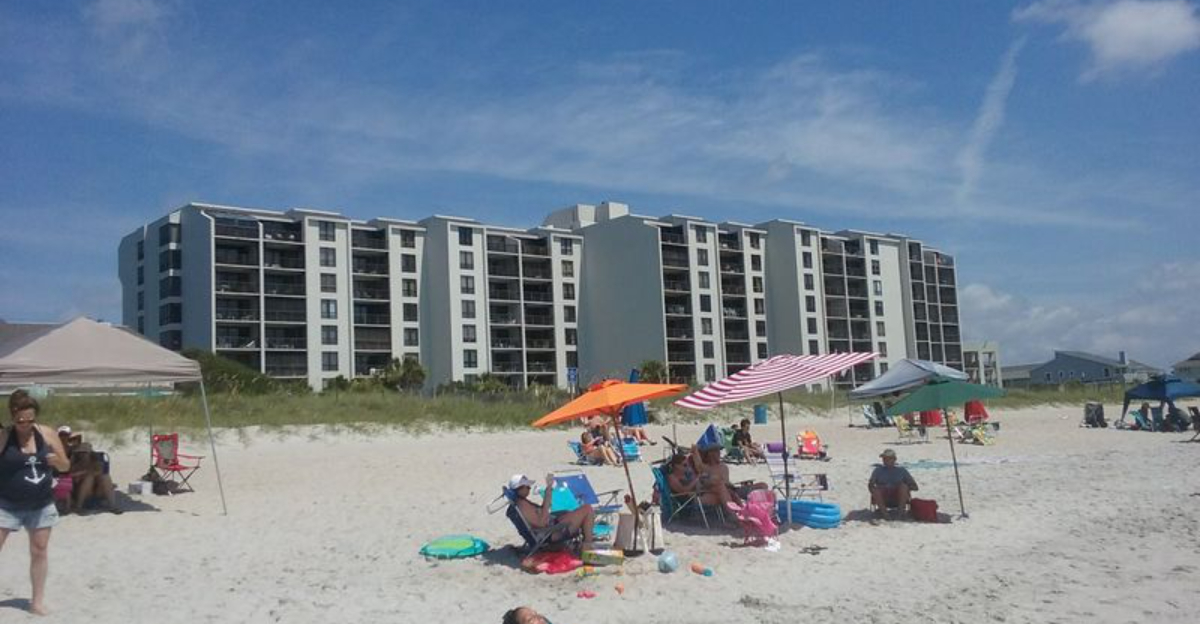
Beach towns are supposed to charm the wallet, not send it into witness protection.
Yet one stretch of sand near Wilmington is making North Carolina’s coastal dream look a lot pricier than expected.
The setting sounds easygoing at first.
Quiet streets, salty air, and a laid-back barrier-island mood usually feel like the ingredients for a simple escape.
Then the rent numbers walk in and ruin the beach playlist.
What should feel breezy suddenly comes with a monthly bill that makes people blink twice.
That is the strange pull of coastal living.
Space is limited, demand stays stubborn, and the promise of waking up near the water keeps pushing prices higher.
A small-town feel does not always mean a small-town price tag.
Sometimes the ocean view brings its own surcharge.
The $5,000 Rent Reality
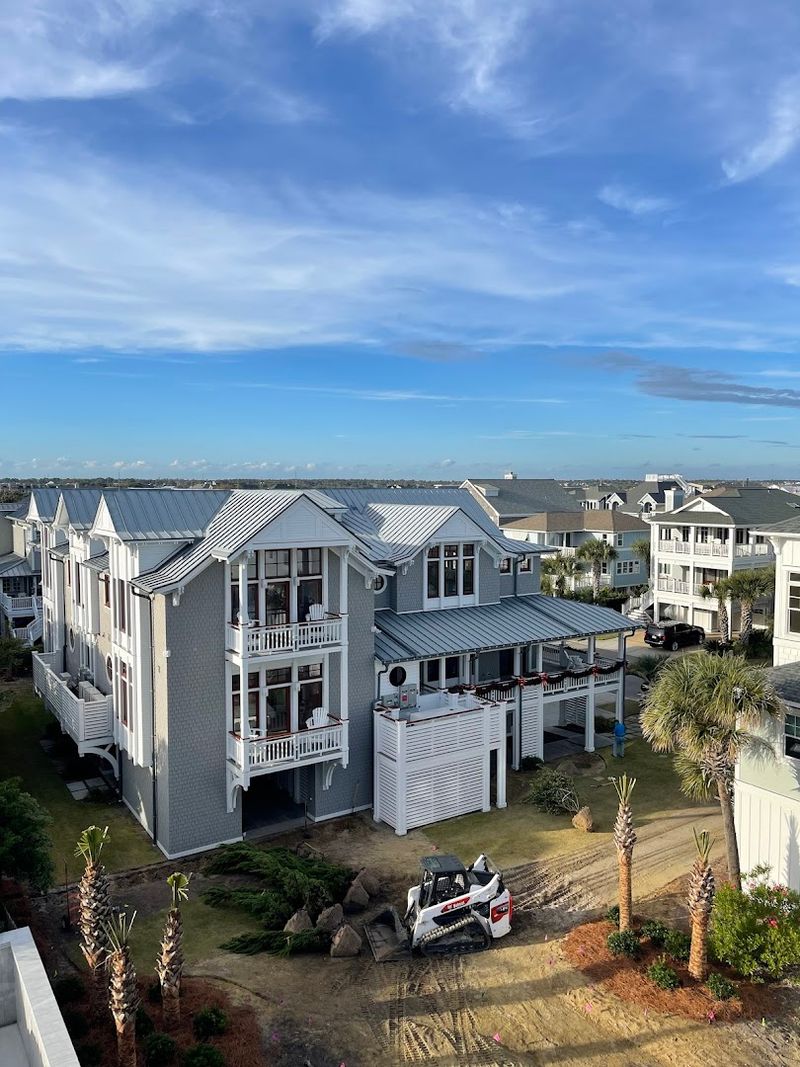
Numbers give this story its punch, and current ones leave very little room for doubt. Zillow’s Wrightsville Beach rental page shows an average rent of $5,000 across all bedrooms and home types, with available houses ranging from $1,895 to $8,000.
Pricing at that level instantly lifts the town out of the usual North Carolina beach-market conversation and places it closer to the sort of rent bracket people expect from far larger prestige destinations. Size, however, does not protect a place from becoming expensive.
Wrightsville Beach is a small municipality, with 2020 Census data showing a permanent population of about 2,473. Town planning documents also note seasonal fluctuations that can reach 20,000–40,000 visitors, with some 2025 estimates suggesting peak daytime numbers may approach 50,000.
Pressure like that changes everything. Housing supply may look tiny on paper, but demand behaves like a much larger destination market for significant stretches of the year.
Once a small island starts functioning under those conditions, premium rent stops looking random and starts reading like the direct result of a place people keep trying to access in very large numbers.
Why Land Scarcity Drives Prices Up
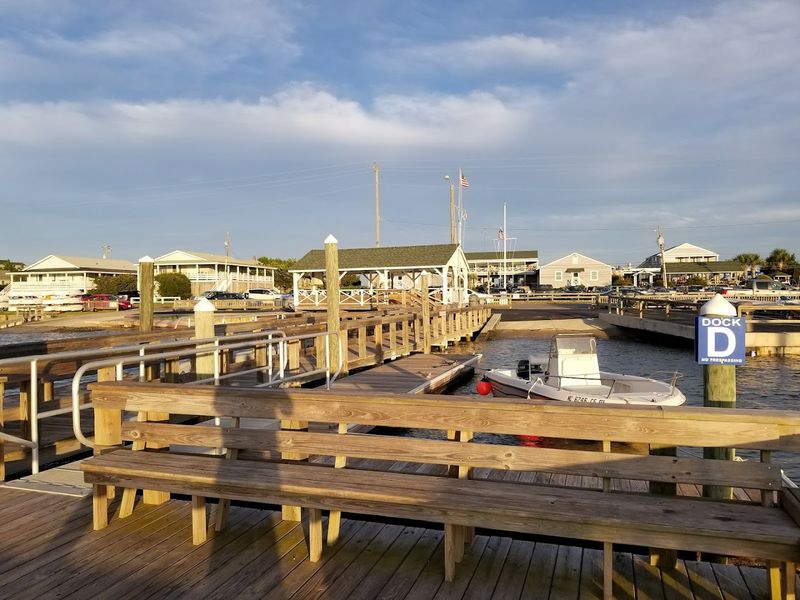
Geography does more work here than any clever real-estate slogan ever could. Wrightsville Beach sits on a narrow barrier island, which means growth runs into hard physical limits almost immediately.
Ocean on one side, waterway on the other, and a finite supply of lots leave very little room for new housing to appear in the kind of volume that could soften pricing meaningfully. Mainland cities can spread, redevelop, or push outward over time.
Barrier islands do not get that same flexibility. Every renter hoping to live here ends up competing inside a fixed footprint, and every home that already exists becomes more valuable because there are only so many possible replacements.
Scarcity also feels more intense in a place with obvious lifestyle appeal. Walkable streets, beach access, boating culture, and a close relationship to the water all become much more expensive once they are tied to a tiny number of addresses.
Renters are not simply paying for bedrooms or square footage. They are paying for access to an island setting that cannot easily replicate itself or expand when popularity rises.
Plenty of beach towns look attractive in a brochure. Wrightsville Beach adds the kind of hard land constraint that turns attractiveness into serious monthly cost.
Tourism’s Year-Round Pressure
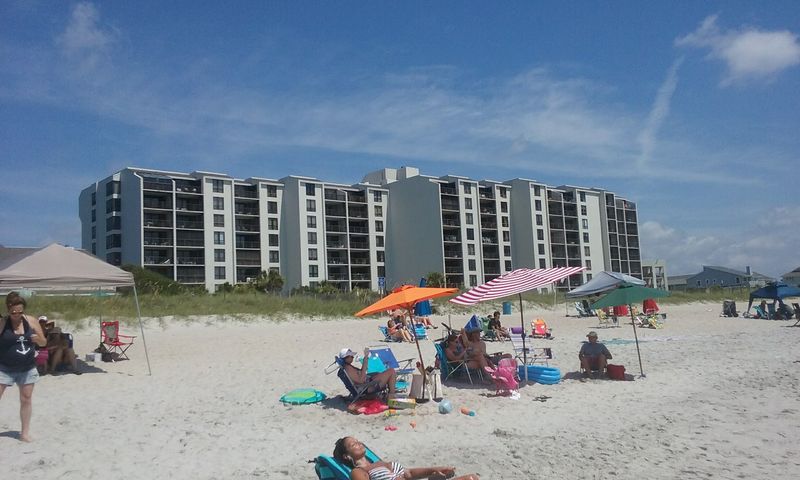
Visitor traffic is not a side note in Wrightsville Beach. Local documents make clear that tourism sits near the center of how the town functions, and that reality shapes the housing market far beyond summer weekends.
Public Works materials say the town’s infrastructure is sized around seasonal peak populations of 20,000 to 40,000 residents and visitors, while another town document says peak-season daytime population may approach 50,000. For a small island, those numbers are enormous.
Demand on that scale changes the way owners, renters, and the broader market think about housing. A home in Wrightsville Beach is never just a home in a quiet neighborhood.
It is also an address in a destination people actively seek out for beach access, recreation, and coastal atmosphere. Once visitor appeal stays that strong, long-term housing starts competing against a much broader and more lucrative idea of what a property can be worth.
Even renters with stable budgets feel the result, because a limited inventory pool is being pulled by forces much larger than local year-round population alone.
Seasonal popularity may sound temporary, but on an island like this it leaves a lasting imprint.
Housing costs keep that imprint visible every single month.
Home Values That Justify The Rent
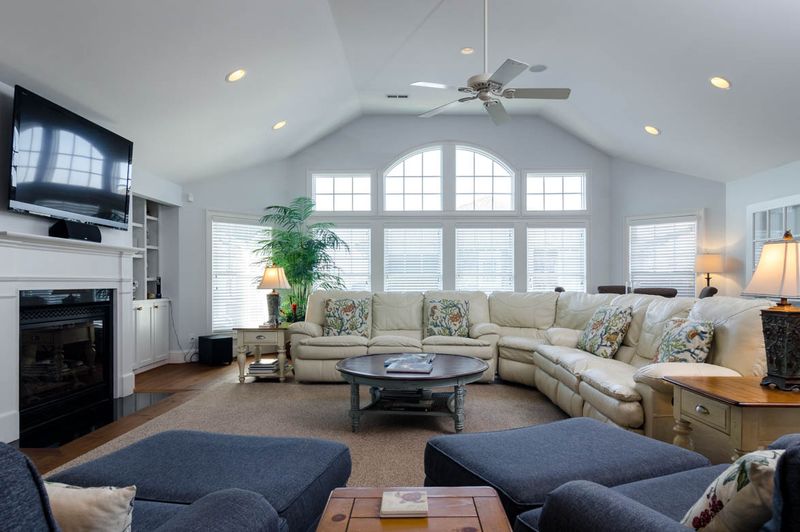
Sale prices add an important second layer to the rent story, because expensive rentals often sit on top of even more expensive real estate. Zillow’s home-value tracker puts the average home value in Wrightsville Beach at $1,666,435 as of March 31, 2026, up 6.7 percent over the prior year.
A ZIP-code-level view for 28480 also shows values in the mid-$1.6 million range. Active listings reinforce the same pattern, with otherwise ordinary condos and homes often priced at levels that would be considered luxury in much of North Carolina.
Once ownership costs reach that level, five-thousand-dollar rent starts making more economic sense even if it still feels painful.
Owners are not leasing modestly priced houses with beach access tacked on as a bonus. Many are holding high-value coastal properties in one of the state’s most constrained markets.
Rent becomes a way of buying access to a very expensive real-estate environment without taking on the full cost of ownership, taxes, insurance, and maintenance.
Monthly pricing still looks steep, but it is no longer mysterious when placed beside seven-figure home values.
In a market like Wrightsville Beach, high rent is not some strange exception. It is one visible consequence of very expensive property underneath it.
Comparing Nearby Wilmington Rents
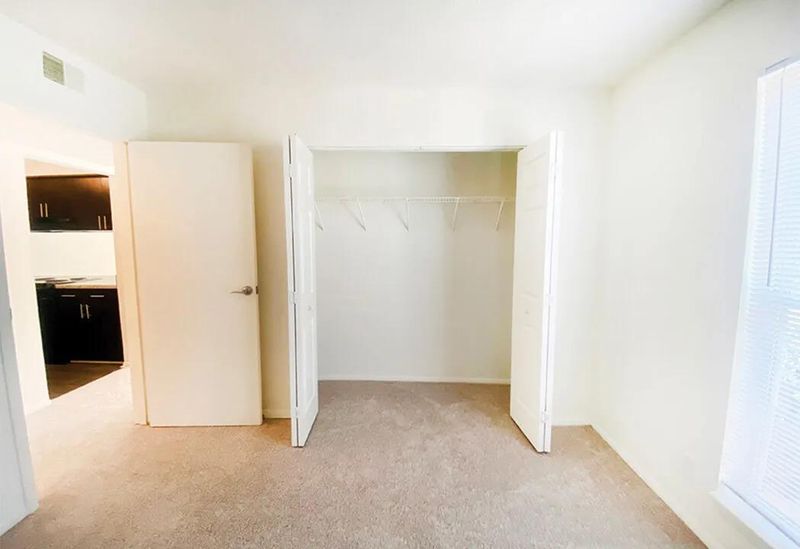
Comparison sharpens the whole story, and Wilmington does exactly that. Zillow’s Wilmington rental page shows an average rent around $1,900 as of April 21, 2026.
Put beside a $5,000 Wrightsville Beach average, that gap feels dramatic. A short drive separates two markets that behave as if they belong to completely different states.
Wilmington offers restaurants, arts, riverfront energy, the university, and convenient coastal access, so it is not as if renters are comparing the island to a dull inland alternative with nothing going on. Quite the opposite.
Wrightsville Beach still commands a huge premium even with a vibrant nearby city next door. That contrast reveals what renters are really paying for.
Proximity to the coast is one thing. Being on the barrier island itself is another.
A front-door relationship with the beach, the waterway, and the compressed charm of island living carries a much steeper cost than simply living nearby and driving over when the mood strikes. A few miles make an astonishing financial difference in this market.
The Remote Work Effect

Remote work changed the rules of where people choose to live, and beach towns across the country felt that shift almost immediately. Wrightsville Beach was no exception.
When professionals realized they could do their jobs from anywhere with a reliable internet connection, places like this small North Carolina island suddenly became very realistic full-time living options rather than just vacation dreams.
For locals who grew up here or work in tourism and hospitality, this shift created real challenges. Finding an affordable long-term rental in a market increasingly shaped by high earners is genuinely difficult.
Community conversations about housing accessibility have grown louder in recent years, reflecting a tension felt in coastal towns across the entire eastern United States.
What You Actually Get For $5,000
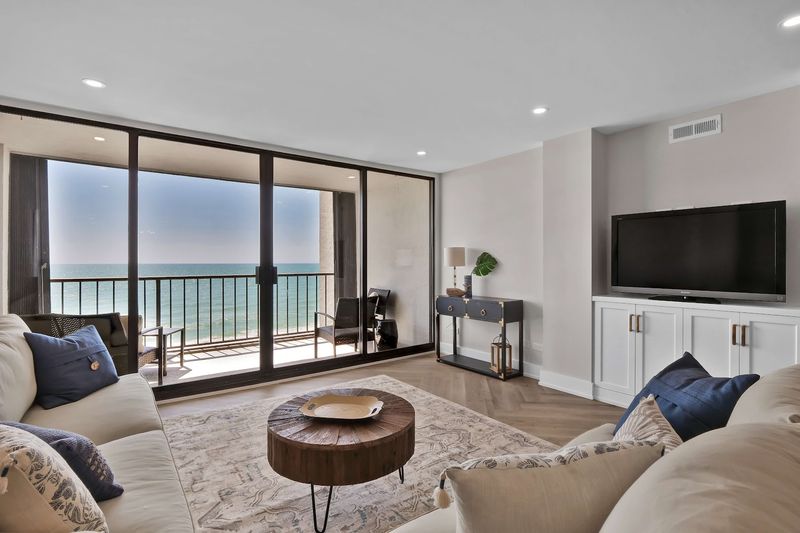
Lifestyle closes the final gap between sticker shock and market logic. Five thousand dollars a month is never minor, but Wrightsville Beach listings and market data make clear that renters are not usually paying that number for a generic apartment in a generic setting.
Island homes and condos often come with multiple bedrooms, decks, garages, outdoor showers, water views, or a location close enough to the beach to make daily coastal living feel realistic rather than aspirational.
A renter here is buying into routine as much as shelter.
Morning walks near the ocean, boating access, a compact town footprint, and a full-time connection to one of North Carolina’s most sought-after beach communities all get folded into the price. Value remains personal, of course.
Plenty of renters will look at the same figure and choose Wilmington immediately. Others will see an island address, a tight housing market, and a chance to live where many people only vacation, then decide the premium is exactly what they expected.
Wrightsville Beach does not ask cheap-market questions. It asks whether island life itself is worth paying for, and current data suggests plenty of people keep answering yes.
Is It Worth The Price Tag
Answering the worth question honestly depends entirely on what a renter values most.
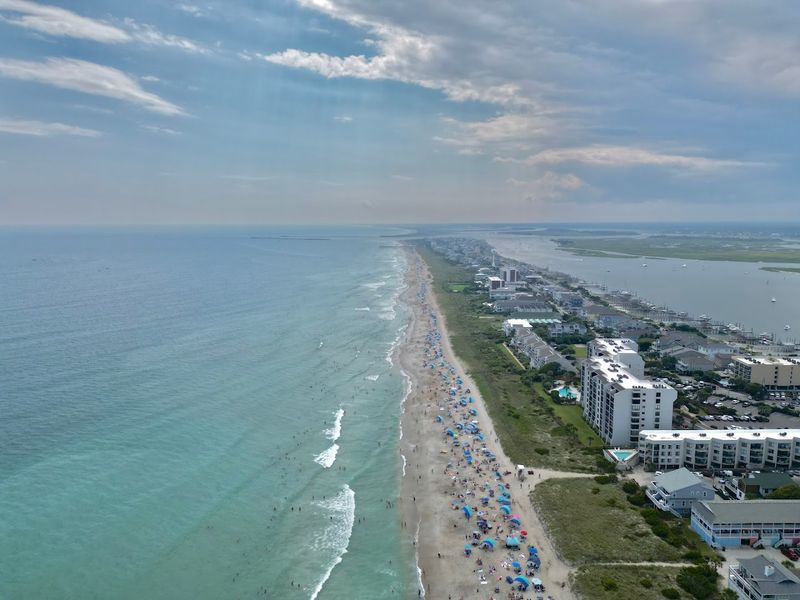
For someone dreaming of waking up steps from the Atlantic, breathing salt air each morning, and watching sunsets over the Intracoastal Waterway, Wrightsville Beach delivers that experience.
The setting is genuinely beautiful, and the community has a warmth that larger resort towns often lack.
Financially, the math requires careful thought. A $5,000 monthly rent adds up to $60,000 annually, which is a significant commitment.
Renters should budget realistically for utilities, any required deposits, and the seasonal price fluctuations that can affect lease terms.
Signing a year-round lease rather than a seasonal agreement often provides more stability and sometimes slightly better rates from landlords who value reliable tenants.
Ultimately, Wrightsville Beach is a place that earns its reputation as one of North Carolina’s most desirable coastal communities.
The high rent reflects genuine demand, limited supply, and a lifestyle that is difficult to replicate elsewhere.
Renters who go in with clear eyes, a solid budget, and an appreciation for small-town coastal life tend to find the experience more than worth every dollar spent.