This North Carolina Restaurant Is Known For Crab Cakes And Homemade Desserts Worth Ordering Too
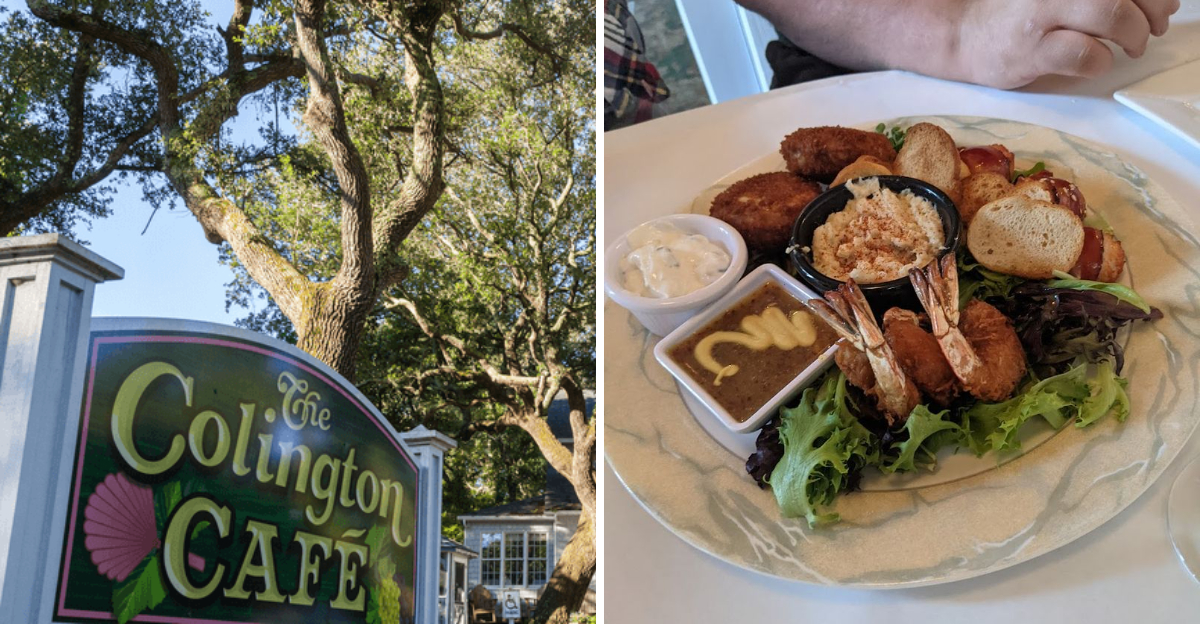
A converted house with famous crab cakes already sounds like trouble in the best possible way.
Along the North Carolina coast, one longtime restaurant has turned a simple dinner plan into something people talk about long after the plates are cleared.
The charm starts before the first bite.
Nothing feels flashy or forced.
The building has that lived-in warmth that makes big dining rooms seem like they are trying too hard.
Then the seafood arrives, and the whole place starts making even more sense.
Crab cakes carry the reputation, but the real pull is how comfortable the entire meal feels.
It is coastal without being showy. Special without acting expensive. Local without needing to explain itself.
Some restaurants win people over with noise.
This one does it with warmth, flavor, and the kind of easy confidence that makes a first visit feel like a tradition starting.
Award-Winning Crab Cakes
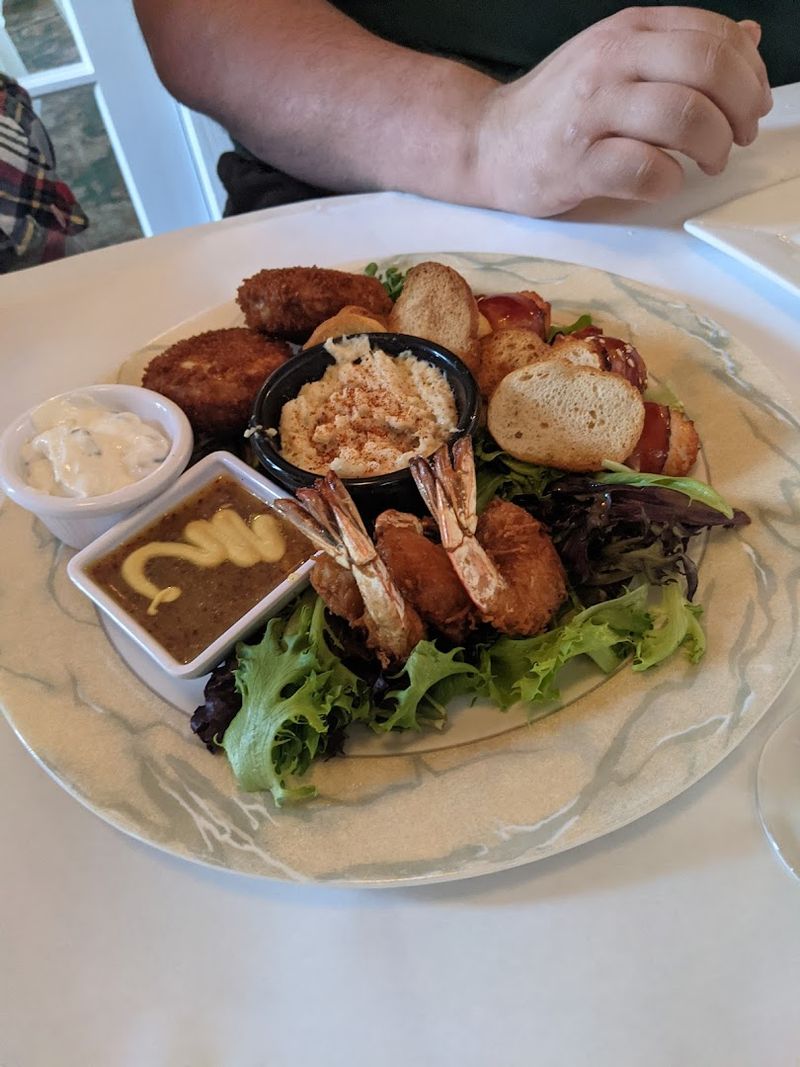
The crab cakes remain one of the restaurant’s clearest calling cards.
The Colington Cafe’s homepage notes it was voted for the best crab cakes among Outer Banks restaurants.
The 2026 menu continues that focus, featuring both a Lump Crab Cakes entrée and a Crab Cake Sampler.
Official site copy also ties the restaurant’s crab focus to local and regional sourcing, while the menu presentation suggests crab remains central to the house identity rather than an occasional feature.
At 1029 Colington Road in Kill Devil Hills, the restaurant continues to operate under longtime owners Carlen and Ken Pearl, whose menu still reflects a strong emphasis on crab across multiple sections.
She Crab Soup
Few starters carry as much local identity as a strong she crab soup, and Colington Cafe continues to treat its version like a signature rather than an afterthought.
Official 2026 menu pages list She Crab Bisque at $8 and describe it as full of crab meat, while the restaurant homepage also repeats the claim that the place was voted best for she crab soup among Outer Banks restaurants.
Plenty of seafood spots serve a crab soup because it feels expected, but not all of them make it sound like a genuine house specialty. One reason this bowl stands out in the article is that it still occupies visible menu space instead of hiding among interchangeable starters.
Another reason is balance. Rich bisques can go wrong quickly when cream takes over and the seafood gets lost, yet the restaurant’s own wording puts the crab at the center of the dish.
Diners looking for a first course that reinforces the restaurant’s coastal focus would probably understand the kitchen within a few spoonfuls here.
Starting with the bisque also makes the whole meal feel more cohesive, linking the signature crab cakes, local seafood emphasis, and old-school supper-club comfort into one steady, memorable rhythm.
Fresh Fish From Wanchese

Coastal sourcing becomes more convincing when a restaurant names real places instead of leaning on vague language, and Colington Cafe does exactly that.
Homepage copy says fish such as mahi, grouper, or tuna come fresh off the boat in Wanchese, one of the Outer Banks communities most closely tied to commercial fishing.
Current menu pages reinforce that idea with Fish Dujour at $26, described as the freshest available, along with a daily mixed grille and chef-created specials using local ingredients.
All of that points to a kitchen willing to adapt to what is actually best that day rather than forcing the same fixed lineup every night.
Diners benefit from that flexibility because rotating fish offerings usually signal a stronger relationship with availability, seasonality, and freshness.
Another useful layer comes from the restaurant’s own homepage, which quotes Our State describing the menu as an eye-opening take on Outer Banks seafood with French-inspired methods.
That wording fits the broader picture without overselling it. Crab cakes may grab the headline, but the fish program helps explain why Colington Cafe feels like a full destination instead of a one-plate stop.
A restaurant that can move gracefully between signature staples and daily seafood choices usually earns repeat visits for very good reason.
Homemade Desserts
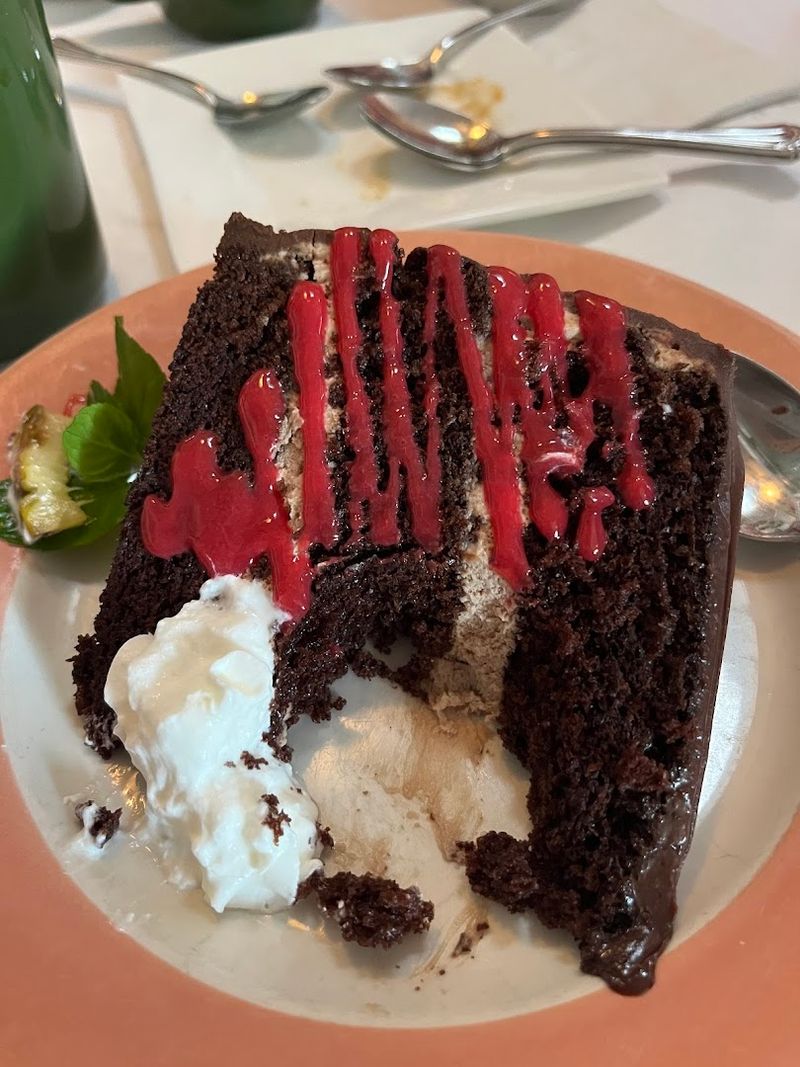
Dessert gets more attention here than it does at plenty of seafood restaurants, and that matters because the meal does not appear to lose momentum once the entrees are cleared.
Official menu pages say the desserts are made from scratch, list all desserts at $8.50, and note espresso and cappuccino as after-dinner options.
Even without a long printed catalog of sweets on the current page, that setup still tells diners something important.
Scratch-made desserts suggest a kitchen finishing the evening with the same care shown earlier in the meal rather than relying on generic, pre-made options brought in for convenience.
Variety also seems to be part of the draw. The website specifically tells guests to ask the server about additions to the selection, which makes dessert feel like an active part of the house style instead of a frozen list that never changes.
Older mentions on travel platforms have included favorites like bread pudding and crème brûlée, and the official site still supports the broader takeaway that sweets matter here.
Dinner at Colington Cafe is easy to frame around crab cakes, bisque, or fresh fish, yet homemade desserts are part of what turns a very good meal into a fuller restaurant experience people remember afterward.
Creme Brulee
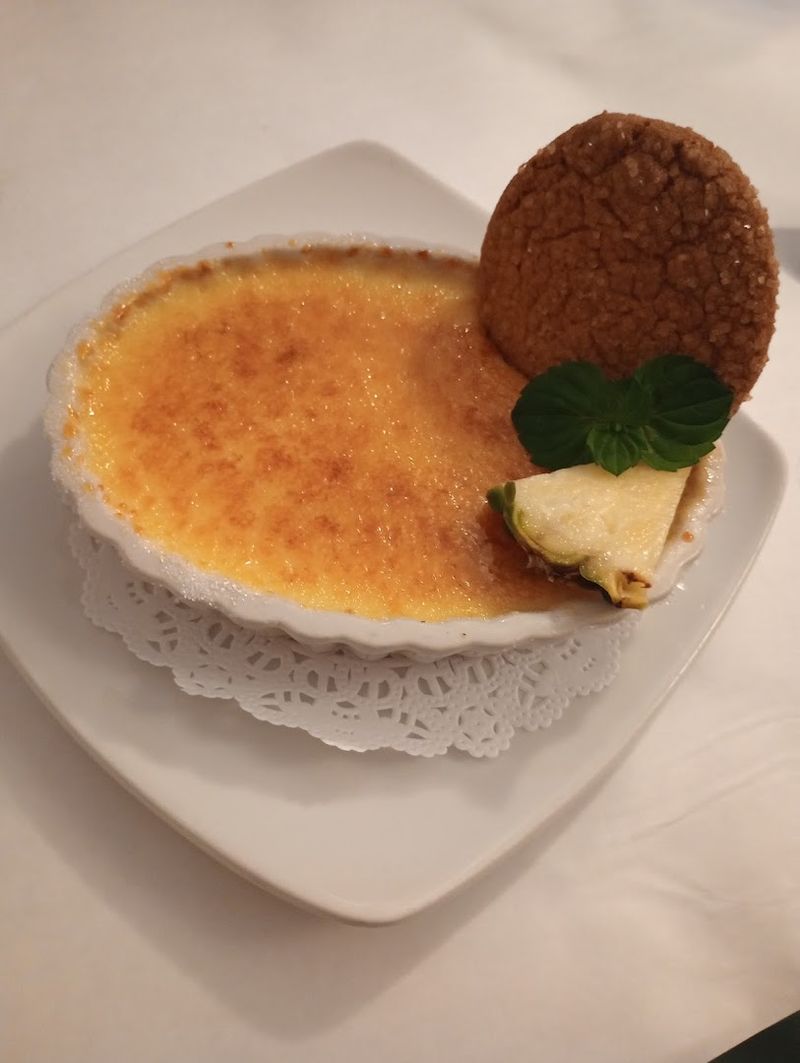
Few desserts feel more quietly refined than crème brûlée, and Colington Cafe keeps that classic on the official dessert list in 2026.
Menu pages name Crème Brulee directly, place it within the scratch-made dessert program, and price it at $8.50 along with the rest of the sweet course options.
Plenty of restaurants add a custard dessert because it sounds elegant on paper, but a good crème brûlée depends on precision more than appearance.
Sugar on top needs a delicate crack instead of a burnt shell, while the custard beneath should stay smooth and rich without turning heavy.
Keeping a dessert like this on the menu says something about the kitchen’s comfort level with detail, especially in a restaurant already juggling seafood, steaks, chicken dishes, specials, and starters that regulars clearly love. Another appealing part of the story is fit.
A classic French dessert sits naturally beside a restaurant that describes some of its seafood approach as French-inspired, so crème brûlée does not feel random here. It feels aligned with the house style.
After a dinner built around crab cakes or fresh fish, finishing with something polished, simple, and familiar gives the evening a graceful final note without making dessert feel overdone.
Belgian Chocolate Ganache
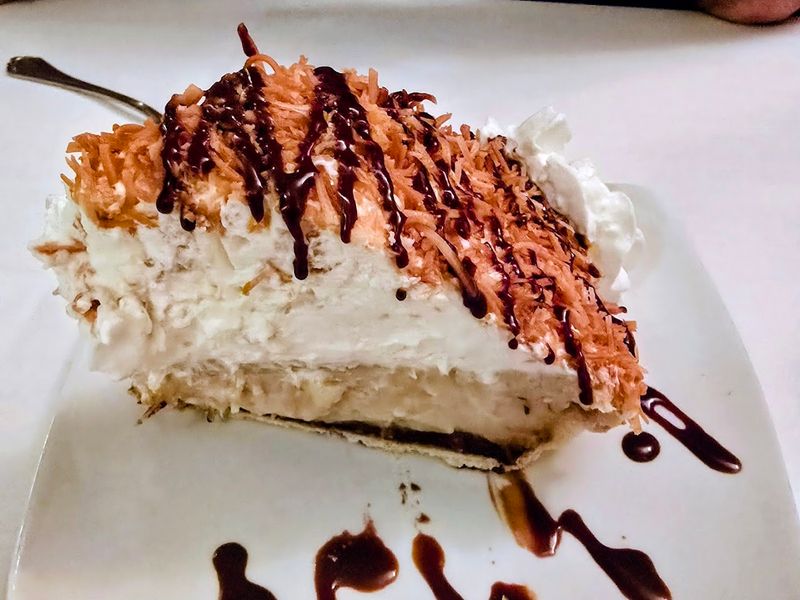
Chocolate lovers are not left with a token option here. Official dessert pages list French vanilla ice cream with a Belgian chocolate ganache, which instantly sounds more purposeful than a standard scoop-and-syrup finish.
As with the rest of the sweet menu, the dessert falls under the restaurant’s $8.50 scratch-made dessert section, giving it a little more credibility than a generic add-on would have. Texture is part of what makes this one appealing.
Cool vanilla ice cream paired with a deeper chocolate ganache creates contrast without requiring a complicated presentation, and that straightforwardness fits the restaurant well.
Colington Cafe does not need a theatrical dessert cart or oversized gimmick to close a meal memorably.
A well-made chocolate finale can do the job when the ingredients and balance are right. Another advantage here is range.
Not everyone wants a fruit-forward tart or a custard-based finish, so having a dependable chocolate option broadens the dessert case considerably. Guests who arrive for seafood can still end on something indulgent and classic.
In a dining room built on comfort, consistency, and longtime loyalty, a dessert like this feels exactly right: familiar enough to crave again, polished enough to feel worth saving room for.
Homemade Honey Dijon Dressing
Not every detail that earns loyalty arrives as a headline entree. Small touches often reveal more about a restaurant’s standards, and Colington Cafe’s house dressings are one of those quieter signals.
Current official menu pages list a mixed green salad and name homemade Honey Dijon, blue cheese, and raspberry vinaigrette as dressing options.
Honey Dijon may not sound as article-friendly as crab cakes or scratch-made desserts, yet it helps show how the kitchen approaches the less glamorous parts of the menu.
A restaurant willing to make dressings in-house is usually paying attention to the meal as a whole, not just the plates most likely to appear in a glowing recommendation. Better salads begin there.
Balance matters especially with a dressing like Honey Dijon, since too much sweetness can flatten the greens and make the course feel perfunctory.
Presented as a homemade option, it suggests more care than a bottled substitute and supports the broader pattern visible across the menu.
Scratch-made desserts, flexible seafood offerings, and thoughtful accompaniments all tell the same story from different angles.
Opening dinner with a fresh salad dressed properly may sound like a minor point, but it contributes to the overall sense that this restaurant pays attention all the way through.
Lump Crabmeat Topped Entrees
A menu becomes more interesting when signature ingredients do not stay trapped in just one section, and Colington Cafe uses crab beyond the crab cake plate itself.
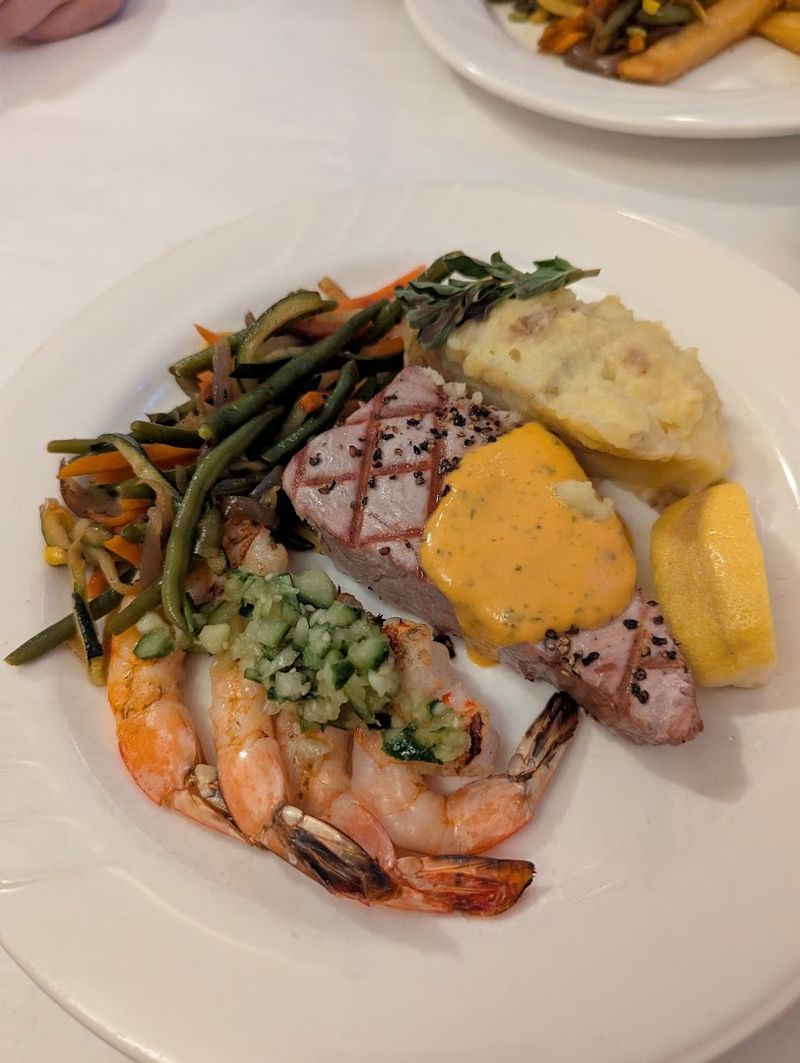
Official menu pages list Filet & Crabmeat at $36, featuring a six-ounce filet mignon topped with lump crabmeat and Béarnaise sauce. Le Grand Trio also highlights jumbo lump crabmeat as part of a larger combination plate.
Those dishes matter in the article because they show the restaurant treating crab as a defining ingredient across the menu rather than limiting it to one expected seafood staple.
Guests in the mood for beef can still get that distinct coastal note, and the result sounds more layered than a basic steakhouse approach.
Careful restraint matters here too. Lump crabmeat works best when it enhances the plate instead of overwhelming it, and these menu descriptions suggest that Colington Cafe understands how to use it as a finishing element with purpose.
That broadens the restaurant’s appeal considerably. Someone might come in planning to order the famous crab cakes, then notice that crab also appears in richer, more indulgent entrees built for a lingering dinner.
Range like that helps explain why the restaurant feels established rather than narrow.