These 10 California Mountain Lakes Are Worth The Day Trip For Their Crystal-Clear Water
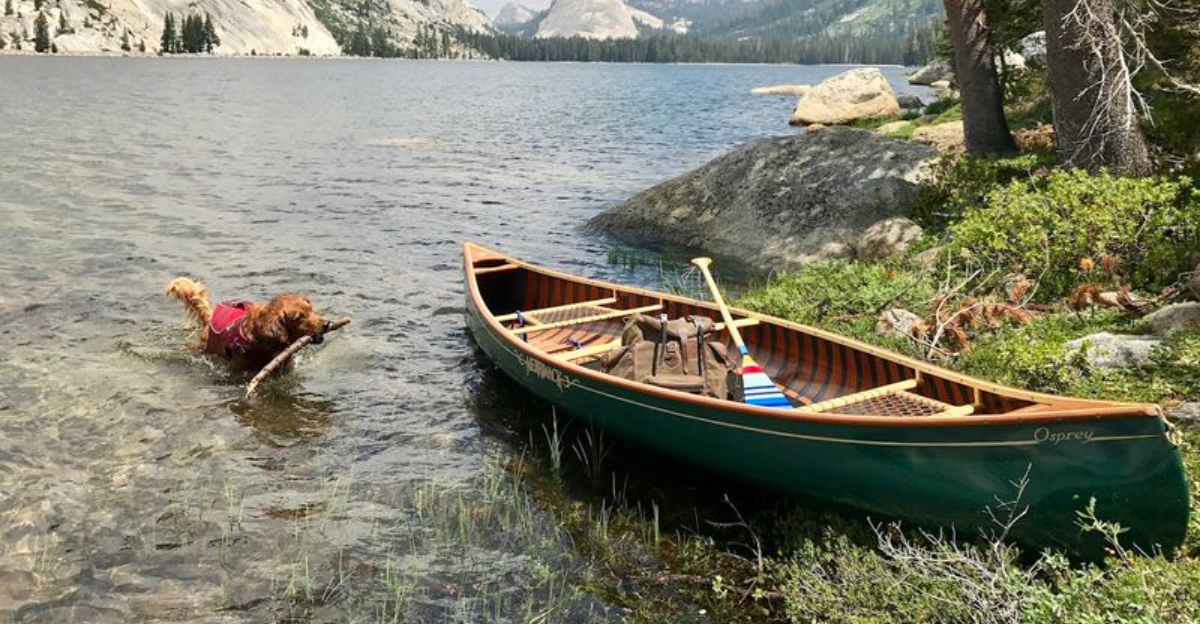
Clear water has a way of changing the whole mood of a day trip.
A few California mountain lakes look so clear and bright they barely seem real when the light hits them just right.
Shorelines seem quieter there. Air feels cooler.
Even a short visit can take on that refreshing, reset-button kind of energy people hope for when they head toward the mountains. Beauty like this does not need much extra help.
One look at water that transparent can slow your thoughts almost instantly and make the rest of the world feel pleasantly far away.
These California lakes offer exactly that kind of escape, giving a simple day trip the feeling of something rarer, calmer, and much harder to leave than expected.
1. Convict Lake, Mono County
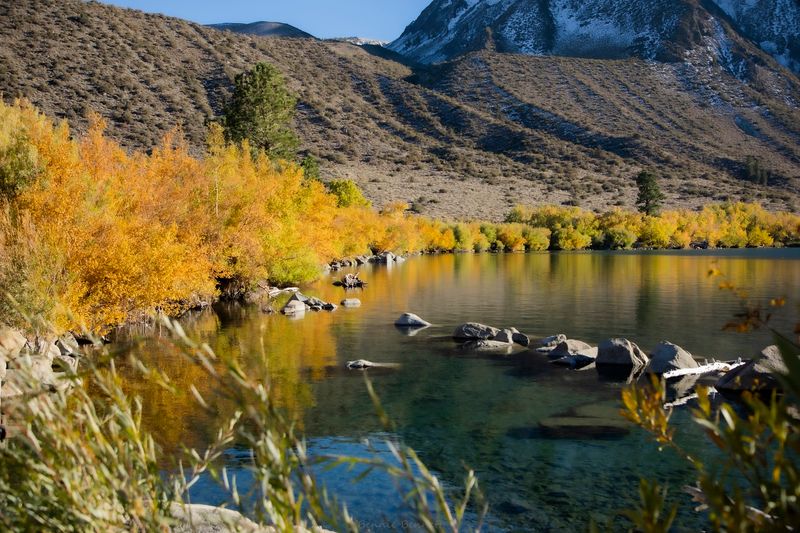
There are lakes that look clear, and then there is Convict Lake, where the water is so transparent that visibility can reach around 30 feet down on a calm day.
The color shifts between deep turquoise and green depending on the light, and the backdrop of sharp Sierra Nevada walls makes the whole setting feel almost theatrical.
Located just off US-395 near Mammoth Lakes, it is one of the more accessible gems on the Eastern Sierra corridor.
A well-maintained loop trail circles the lake and takes roughly an hour to complete at a relaxed pace, offering close-up views of the water and the surrounding cliffs from multiple angles.
Fishing is a draw here as well, with the lake stocked regularly and the shoreline offering plenty of spots to cast a line without needing a boat.
A resort nearby provides basic amenities including a boat rental operation during the warmer months.
The dramatic mountain walls surrounding Convict Lake have a geological story worth knowing: the rock faces are some of the oldest exposed formations in the Sierra.
Fall visits bring an added bonus, as the aspens along the inlet creek turn a vivid gold that contrasts sharply with the dark rock above. Morning light hits the water in a way that is genuinely worth setting an alarm for.
2. June Lake, June Lake Loop
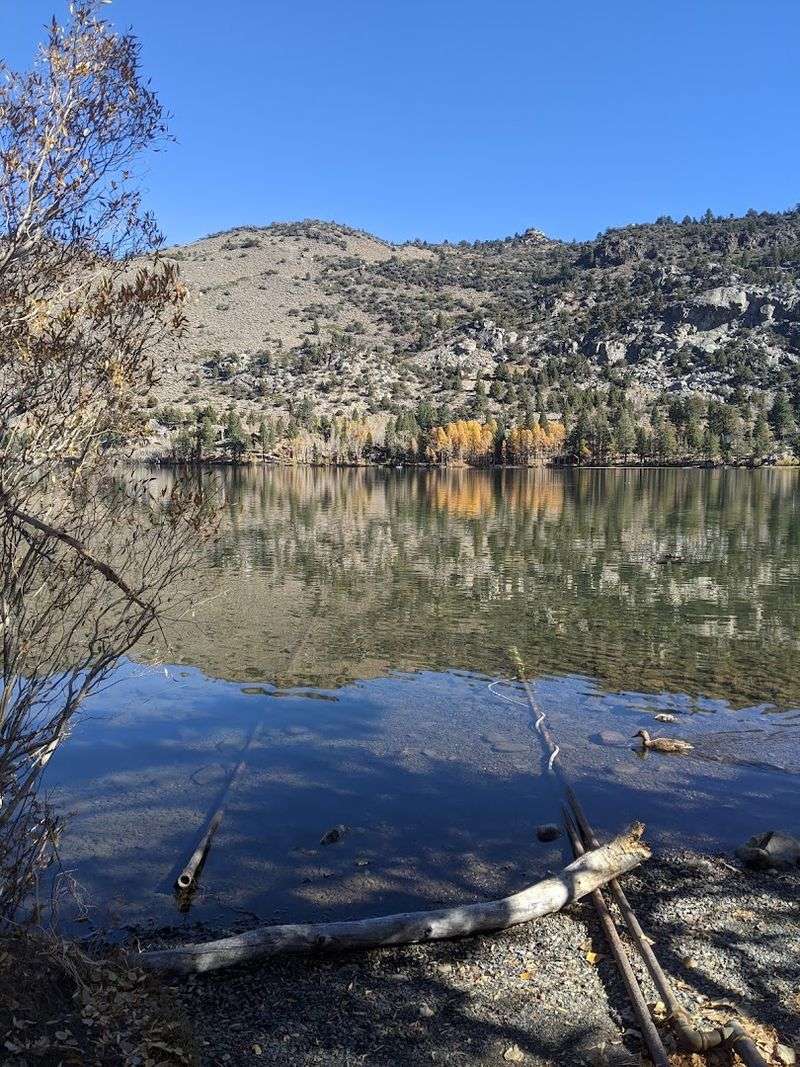
Few mountain lakes in California manage to feel like a beach destination while still sitting at over 7,600 feet elevation, but June Lake pulls it off with a sandy shoreline and water that stays swimmable through the summer months.
The June Lake Loop, a scenic 16-mile detour off US-395, strings together four lakes in one drive, and June Lake tends to be the one that draws the most lingering.
The combination of mountain scenery, clear water, and genuine beach access sets it apart from more rugged alpine spots.
Paddleboarding and kayaking are popular here, and boat rentals are available through the summer season for those who want to get out on the water without hauling their own gear.
The small town of June Lake sits right at the lake’s edge, offering places to grab food and supplies without needing to drive far.
A swim followed by lunch at one of the lakeside spots makes for a relaxed and satisfying day with very little planning required.
Weekends in July and August bring a lively crowd, but the lake is large enough that it rarely feels overcrowded.
Spring and early fall visits offer a quieter version of the same scenery, often with cooler temperatures and fewer people competing for the best spots along the shore.
3. Lake Alpine, Stanislaus National Forest
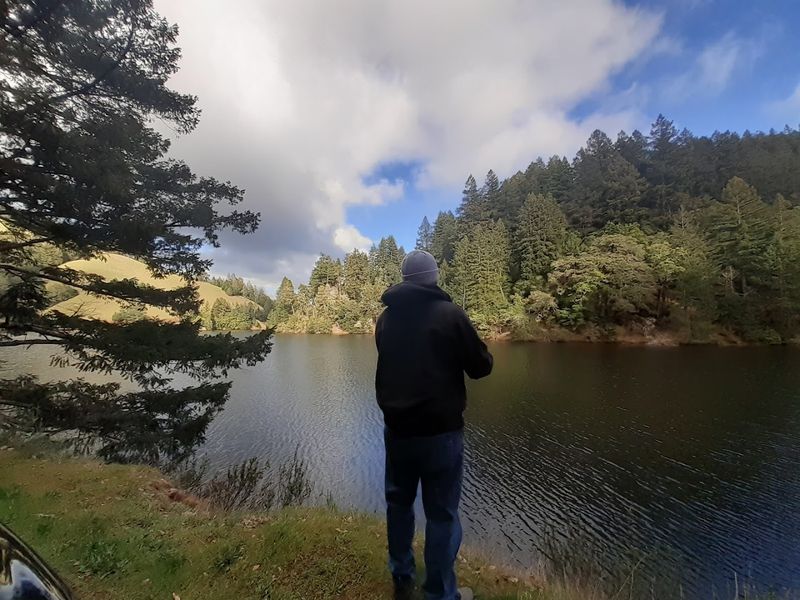
Tucked into the granite highlands of the Central Sierra along Highway 4, Lake Alpine sits at about 7,350 feet and offers the kind of clear, cold mountain water that rewards anyone willing to make the drive up Ebbetts Pass.
The lake is a reservoir, but its natural granite basin and surrounding forest give it a feel that is much more wild than engineered.
Forest Service sources highlight it as a strong option for swimming, picnicking, hiking, and paddling, all accessible without a long hike from the road.
The shoreline has several picnic areas shaded by pines, and the water is clear enough that the rocky bottom is visible in the shallows even on overcast days.
A campground operates nearby during the summer season, and the area sees a steady but manageable flow of visitors compared to more famous Sierra destinations.
Kayaks and canoes handle the lake well, and the surrounding trails offer options ranging from a short lakeside stroll to longer routes into the Carson-Iceberg Wilderness.
Highway 4 over Ebbetts Pass is one of the lesser-known Sierra crossings, which means Lake Alpine tends to attract visitors who are specifically seeking it out rather than passing through by accident.
That self-selection keeps the atmosphere relaxed and the shoreline from feeling overrun, even on busy summer weekends.
4. Emerald Bay, Lake Tahoe
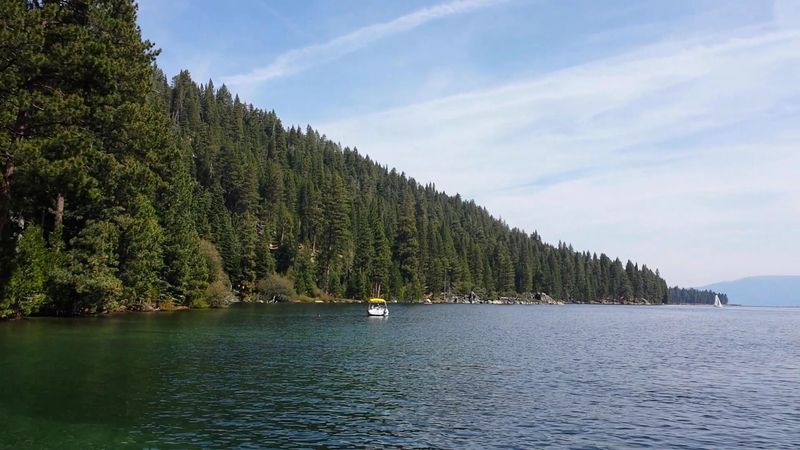
The color of the water in Emerald Bay is genuinely difficult to describe to someone who has not seen it in person.
Shades of emerald green and deep turquoise shift depending on the angle of the sun, and the clarity of Lake Tahoe’s water means the rocky bottom is visible at depths that would be completely opaque in most other lakes.
California State Parks manages Emerald Bay State Park along the western shore of Lake Tahoe, and the viewpoints along Highway 89 draw people who have been visiting for decades and still find themselves stopping to stare.
The bay is framed by forested granite cliffs and contains Fannette Island, the only island in Lake Tahoe, which adds an unexpected focal point to an already striking view.
Hiking down to the shoreline via the trail from the highway pullout takes about 20 minutes and puts visitors right at the water’s edge, where the color is even more vivid up close.
Kayaking into the bay from a nearby launch point is a popular way to experience the water directly rather than from above.
Crowds at the highway overlooks can be significant during summer, but the experience of actually being on the water in the bay tends to feel more spacious.
5. Lake Helen, Lassen Volcanic National Park
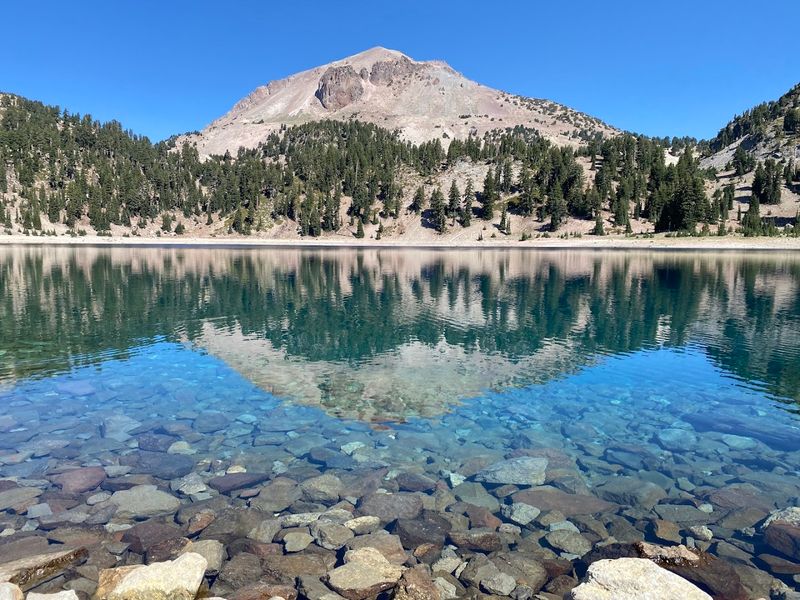
At 8,990 feet elevation, Lake Helen is one of the highest lakes in Lassen Volcanic National Park, and on calm mornings the surface becomes so still that it produces near-perfect mirror reflections of Lassen Peak rising behind it.
The National Park Service describes the lake as a deep alpine body of water with crystal-clear clarity, and the volcanic landscape surrounding it gives the scenery a texture that feels completely unlike anything found at a typical Sierra lake.
Snow lingers along the shoreline well into summer most years, which only adds to the otherworldly atmosphere.
The lake sits right along the main park road, making it one of the easiest high-elevation alpine lakes in California to reach without any hiking at all.
A short walk from the parking area brings visitors to the water’s edge, where the cold and the quiet tend to settle in quickly.
Swimming is possible but the water temperature stays very low even in late summer, so most people are content to sit on the rocky shore and take in the reflection of the peak above.
Lassen Volcanic National Park sees far fewer visitors than Yosemite or Tahoe, which means Lake Helen often feels genuinely uncrowded even during peak season.
6. Twin Lakes, Mammoth Lakes Basin
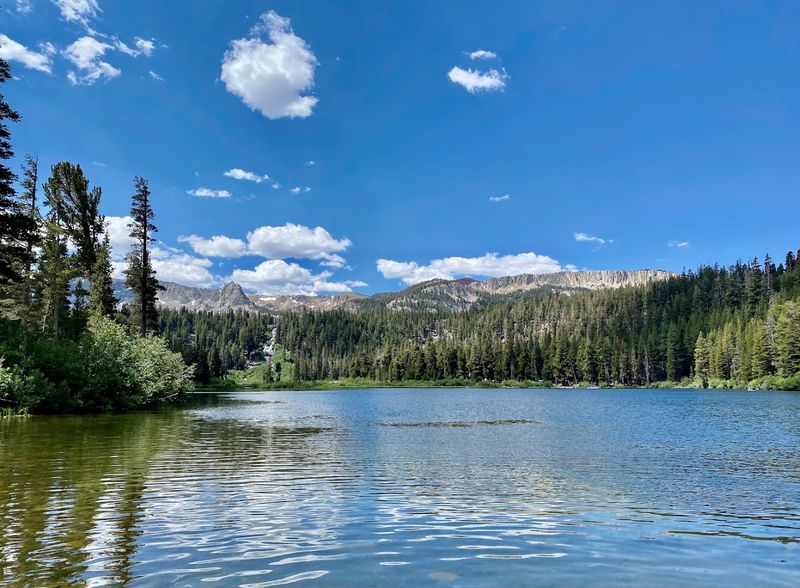
Set along Lake Tahoe’s southwest shore, Lester Beach gives this list another strong clear-water stop without repeating the exact same Emerald Bay experience.
California State Parks specifically highlights D.L. Bliss for swimming, scuba diving, and paddling in Lake Tahoe’s crystal-clear water, with Lester Beach called out as one of the park’s signature sandy spots.
Granite, pine forest, and bright blue water come together here in a way that feels classic Tahoe from the moment the shoreline appears.
Kayaks, paddleboards, and canoes are popular launches from Lester Beach, and the sand makes it easier to settle in for a full afternoon instead of a quick roadside stop.
Because D.L. Bliss was closed for infrastructure work and is set to fully reopen for day use and camping on May 21, 2026, this one works best as a warm-season addition for readers planning ahead.
Once open, it gives the list a second Tahoe-area lake stop with more direct shoreline access and less emphasis on overlooks.
7. Lake Mary, Mammoth Lakes Basin
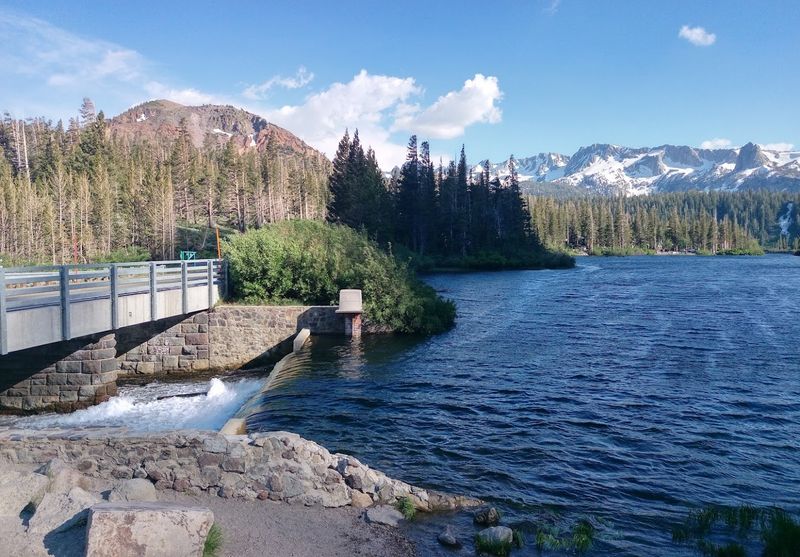
Farther up Lake Mary Road, Lake Mary has a broader, more open feel than some of the tighter Mammoth Basin lakes, which makes the water and surrounding peaks feel especially expansive on a calm day.
Visit Mammoth includes it among the basin’s main alpine lakes and identifies it as another easy place to get out on the water during the summer season.
One reason Lake Mary fits this title so well is how simple it is to turn the visit into a full afternoon.
Visit Mammoth lists both Pokonobe Resort & Marina and Lake Mary Marina & Store as rental and launch points, so paddling, fishing, or a slow shoreline stop all feel easy to pull off in one visit.
Road access, nearby campgrounds, and the layered mountain backdrop make Lake Mary one of the more straightforward alpine-lake day trips in the state.
It has the kind of clear, cold Sierra water that looks inviting from shore even when the temperature convinces most people to keep the swim short.
8. Summit Lake, Lassen Volcanic National Park
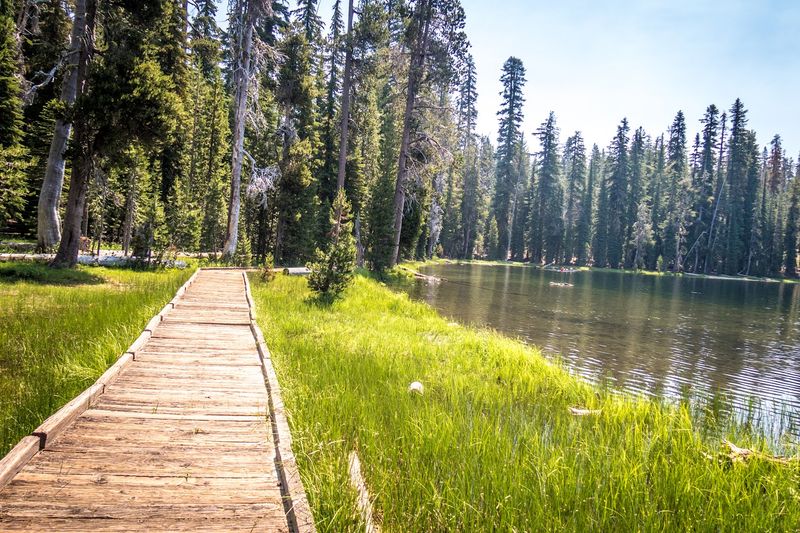
Lake Helen is not the only striking roadside water stop in Lassen.
Summit Lake adds a softer, more recreation-friendly version of the park’s alpine scenery, with the National Park Service noting direct access from both the north and south campground areas and specifically pointing out that swimming is generally better from the north shore.
For a day-trip lake, that matters.
A shore that is easier for swimming and picnicking makes Summit Lake feel less like a dramatic quick stop and more like a place where people can actually settle in for a while, especially in midsummer when Lassen’s short warm-weather season is at its best.
Because it sits within a park already known for volcanic landscapes and clear mountain lakes, Summit Lake gives the list another Lassen option that feels more approachable than Lake Helen.
It is still cold, still scenic, and still very much high country, but the setup is better suited to readers looking for a leisurely day by the water rather than a pure photo stop.
9. Juniper Lake, Lassen Volcanic National Park
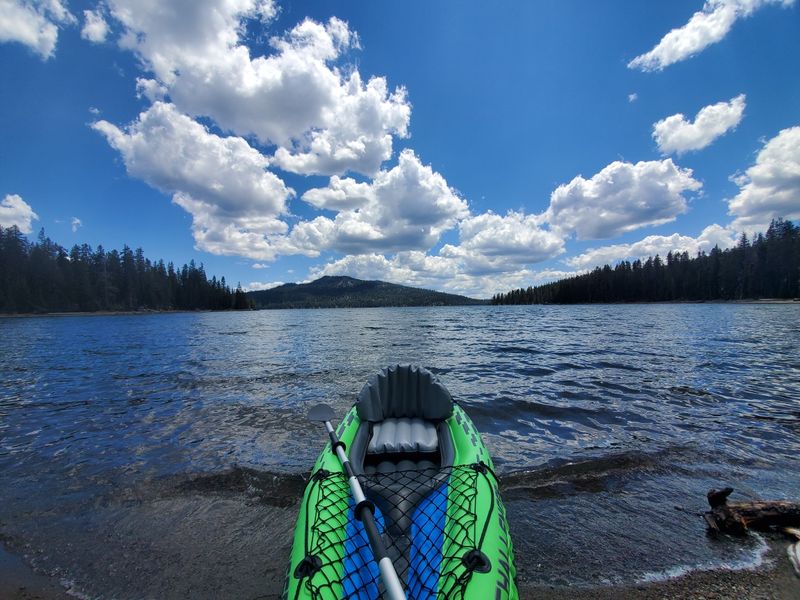
Juniper Lake has a wilder and more remote feel than the more frequently photographed lakes along Lassen’s main road.
The National Park Service describes the Juniper Lake day-use area as having an undeveloped beach suitable for swimming and launching small non-motorized boats, which makes it a particularly good fit for readers who want clear water with fewer built-up surroundings.
A lake like this earns its place through atmosphere as much as looks.
Forested shoreline, volcanic terrain, and a less polished setting give Juniper Lake a quieter personality than Lake Helen or Summit Lake, and that change in mood helps the overall list feel less repetitive.
Access does come with one important caveat.
NPS says roads to the Juniper Lake area have had closures and repair issues, with conditions changing by season, so this is the sort of addition that benefits from a quick current-conditions check before anyone commits to the drive.
10. Tenaya Lake, Yosemite National Park
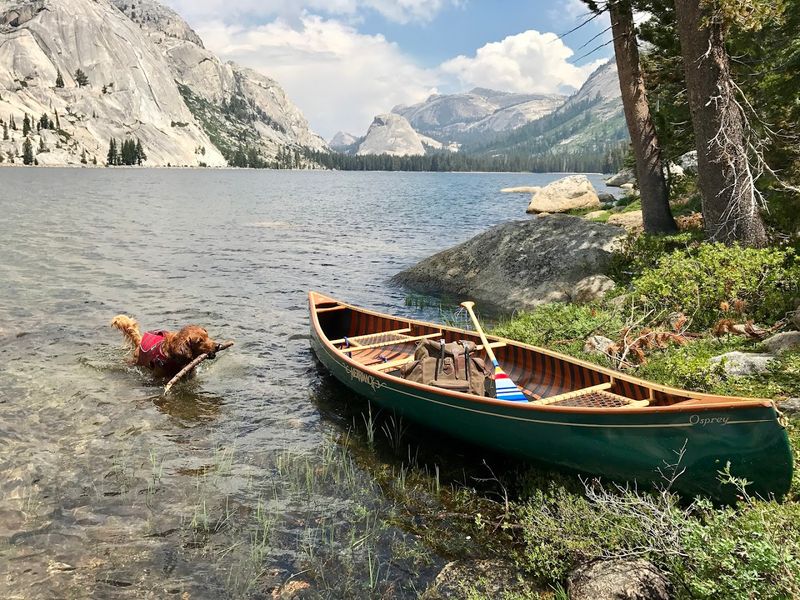
Sitting at about 8,150 feet above sea level in Yosemite’s high country, Tenaya Lake is one of those places that stops people mid-step the moment it comes into view.
The water is a deep, clear blue, and the surrounding granite domes give the whole scene a scale that feels almost cinematic.
Getting here is straightforward when Tioga Road is open, typically from late spring through fall, as the lake sits right along Highway 120.
Swimming is popular here, though the water stays cold even in summer, so most people wade in gradually rather than jumping straight in.
Picnic areas line the shore, making it easy to spread out and spend a few hours without any real agenda.
Paddling is also an option for those who bring their own equipment, and the flat shoreline trail offers a gentle walk with water views the whole way.
Crowds tend to build on summer weekends, so arriving early in the morning can make a noticeable difference in how peaceful the experience feels.
Tenaya Lake is one of the most accessible alpine lakes in California, and it consistently delivers that high-country clarity that makes people want to come back every year.