This Reclaimed Georgia Railway Is Now A Vibrant Outdoor Art Experience
Once a working rail line, this corridor now moves people in a completely different way. In Georgia, few projects have reshaped a city quite like the Atlanta BeltLine Eastside Trail, turning an industrial past into a lively path filled with energy and creativity. The moment you step onto it, the shift from old to new becomes part of the experience.
Walk a little farther and the trail starts to reveal its personality. Murals line the route, green spaces offer room to pause, and nearby spots for food and shopping keep things interesting from one stretch to the next. The atmosphere changes block by block, giving every visit a slightly different feel.
For anyone exploring Atlanta in 2026, this is more than just a place to walk. It is a living piece of the city that blends art, movement, and community into something worth experiencing firsthand.
1. Scenic Urban Views Along the Trail
Few places in Atlanta offer a skyline view quite like the one you catch while strolling the BeltLine Eastside Trail. The elevated sections of the trail frame Atlanta’s downtown towers against a backdrop of tree-lined streets and historic rooftops, making it genuinely photogenic at almost any time of day. Morning light tends to cast a warm golden tone across the cityscape, while evenings bring a softer glow that feels almost cinematic.
The trail runs through a mix of urban and residential zones, so the scenery shifts constantly as you move. One block might open up to a wide city panorama, and the next curves into a cozy, shaded neighborhood stretch. Weekday mornings are typically quieter, which means fewer crowds and a more relaxed pace for taking in the views.
Bringing a camera or keeping your phone charged is a smart move, because the photo opportunities along this route tend to surprise even frequent visitors.
2. Historic Fourth Ward Park
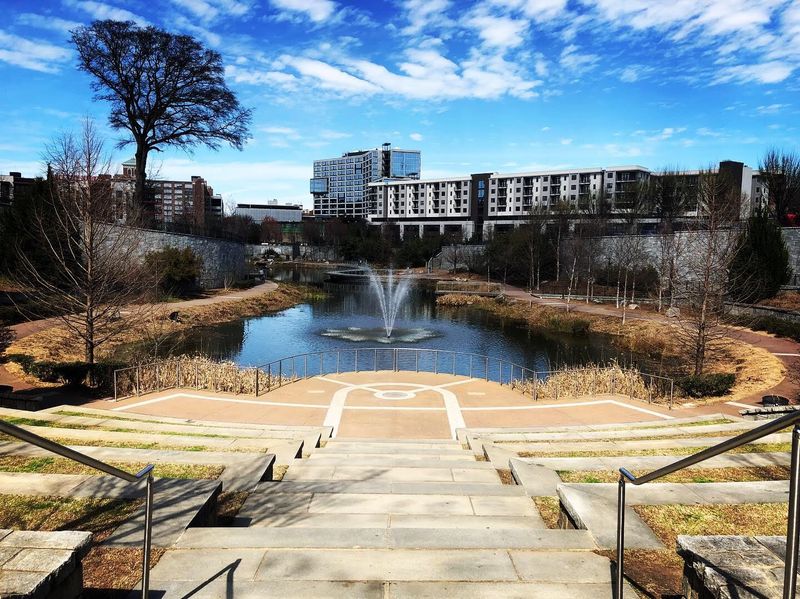
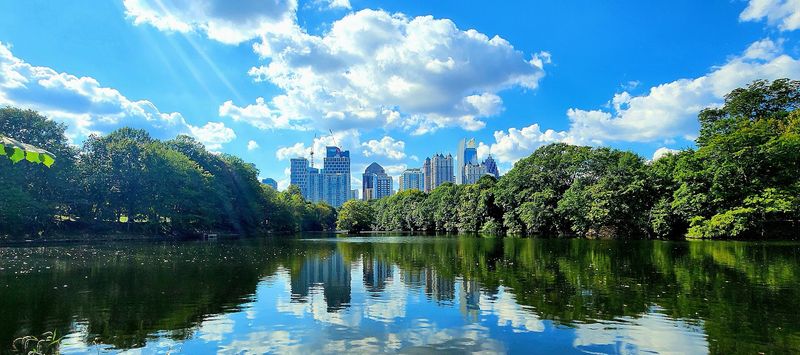
Tucked right alongside the Eastside Trail, Historic Fourth Ward Park feels like a well-kept secret that the whole city somehow already knows about. Located at 680 Dallas St NE, Atlanta, GA 30308, this green space was built on a former flood-prone area and now features a beautiful stormwater retention lake at its center. The transformation from neglected industrial land to a thriving community park is one of the BeltLine’s most impressive success stories.
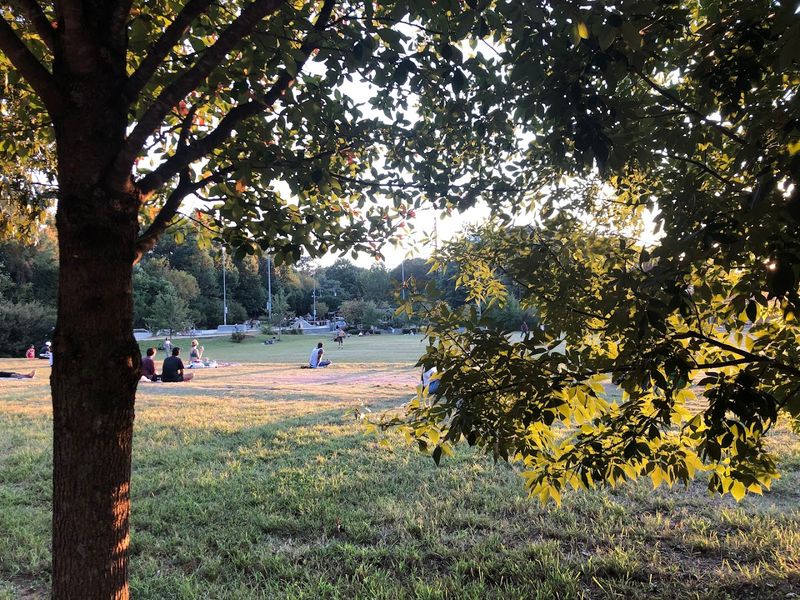
Families tend to gravitate toward the playgrounds and open lawn areas, while runners and cyclists appreciate the smooth paths that loop around the lake. Picnic tables and shaded benches make it easy to slow down and simply enjoy the surroundings. On weekends, the park fills with a relaxed mix of dog walkers, yoga practitioners, and people just soaking up the Atlanta sunshine.
Visiting on a weekday morning offers a noticeably quieter and more peaceful experience for those who prefer a calmer atmosphere.
3. Ponce City Market’s Irresistible Energy
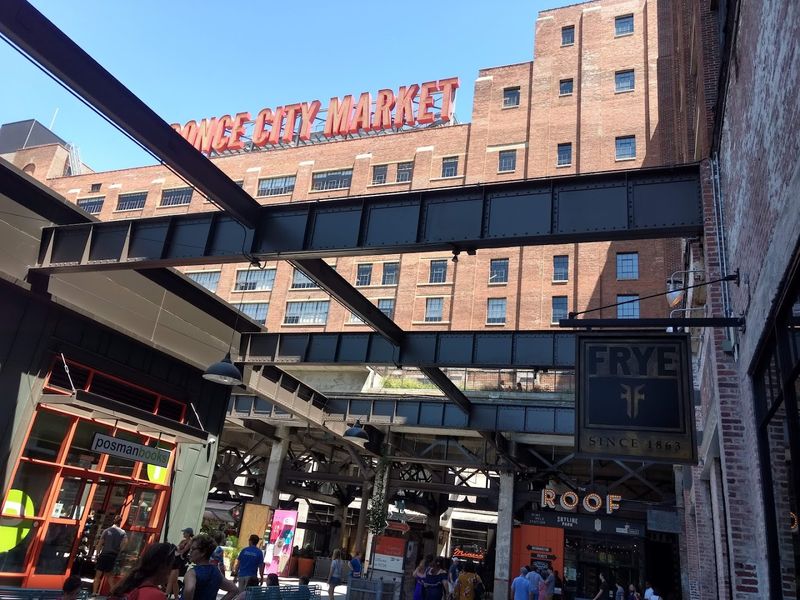
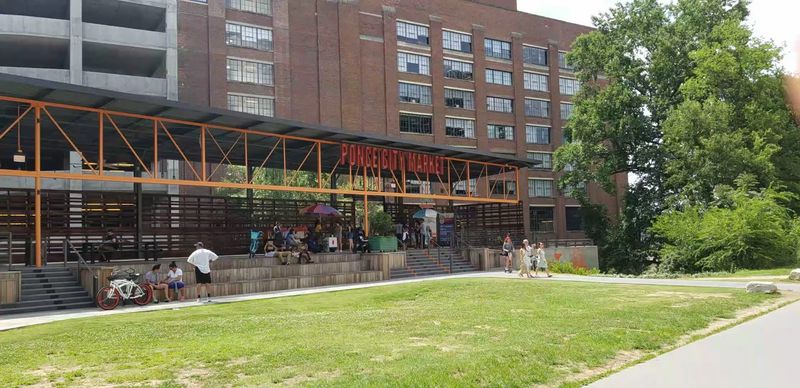
Originally built as a Sears, Roebuck and Co. distribution center in the 1920s, Ponce City Market has become one of Atlanta’s most beloved destinations. Located at 675 Ponce De Leon Ave NE, Atlanta, GA 30308, the building sits directly on the BeltLine trail, making it one of the most convenient and rewarding stops along the entire Eastside route. The massive brick structure is hard to miss, and stepping inside feels like entering a small city of its own.
The ground-floor Central Food Hall offers a rotating lineup of local vendors, from artisan sandwiches to handcrafted cocktails, and the retail mix upstairs covers everything from local boutiques to national brands. The rooftop Skyline Park adds a playful twist with carnival-style games and sweeping city views. Crowds can build quickly on weekend afternoons, so arriving before noon or on a weekday tends to make the experience more comfortable and relaxed.
4. Public Art Installations That Stop You in Your Tracks
Art is not just a backdrop on the Eastside Trail it is the main event. The BeltLine’s Art on the Atlanta BeltLine program curates an ever-changing collection of murals, sculptures, and interactive installations that stretch along the corridor throughout the year. Some pieces are bold and graphic, while others are subtle and reflective, tucked into corners that reward curious walkers who slow down and look carefully.
Local and national artists contribute to this rotating gallery, which means the trail looks noticeably different from one season to the next. Many installations carry meaningful messages about Atlanta’s history, culture, and community identity, giving the art a depth that goes beyond simple decoration. Families with kids often find the interactive pieces especially engaging, and there is no admission fee to experience any of it.
Flat, comfortable walking surfaces make the art tour accessible to a wide range of visitors, including those using strollers or mobility aids.
5. Krog Street Market’s Warehouse Charm
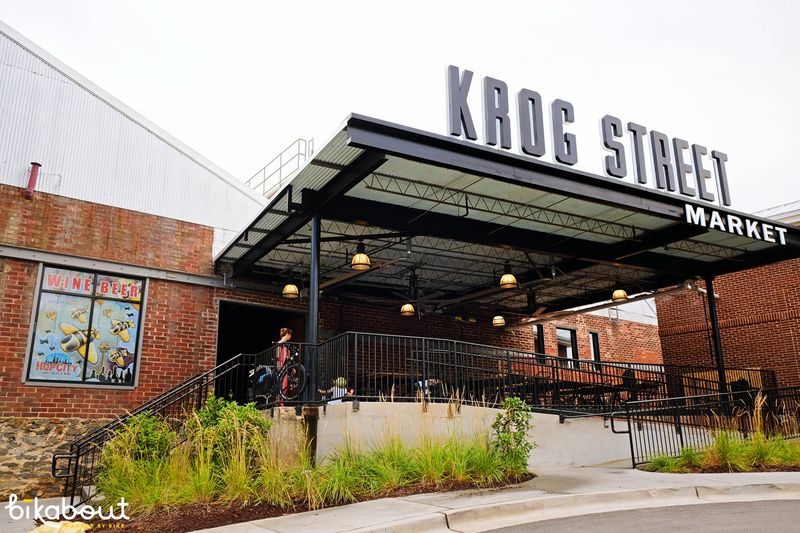
There is something undeniably cool about a renovated warehouse that smells like fresh-baked bread and smoked barbecue at the same time. Krog Street Market, located at 99 Krog St NE, Atlanta, GA 30307, sits at the southern end of the Eastside Trail and has become a neighborhood staple since opening in 2014. The industrial bones of the building have been preserved beautifully, with exposed brick, high ceilings, and open-air courtyards that give the whole space a relaxed, lived-in feel.
Inside, a rotating mix of food stalls and full restaurants covers a wide range of cuisines, from wood-fired pizza to fresh poke bowls. The outdoor seating area is especially pleasant in the evenings, when string lights add a warm glow and the crowd tends to be lively but not overwhelming. Weekend lunch hours can get busy, so arriving early or on a weekday afternoon typically makes for a more comfortable visit with shorter wait times.
6. Old Fourth Ward Skatepark’s Raw Energy
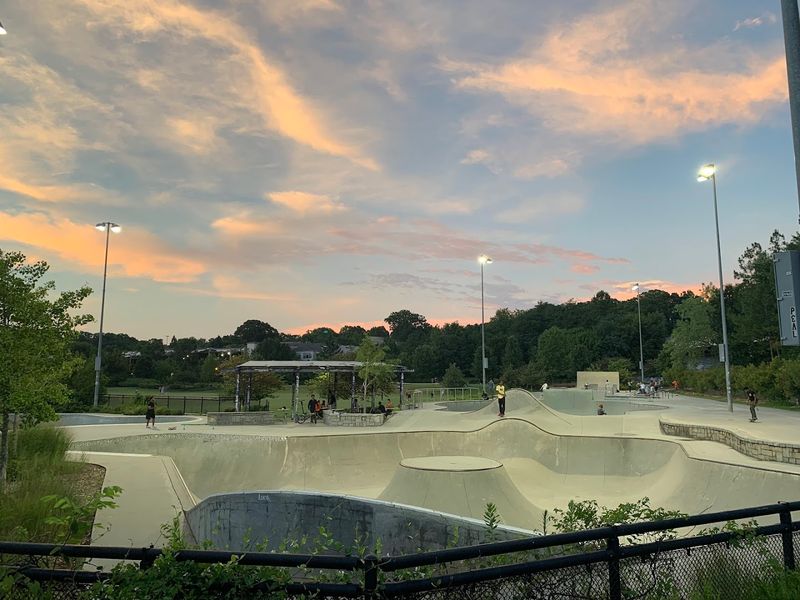
Right next to the trail and beside Historic Fourth Ward Park sits one of Atlanta’s most active urban skateparks. The Old Fourth Ward Skatepark, located at 515 Ralph McGill Blvd NE, Atlanta, GA 30312, is a fully concrete, free-to-use facility that attracts skaters of all ages and skill levels throughout the week. Watching experienced riders work through the bowls and rails is genuinely entertaining, even for visitors who have never touched a skateboard in their lives.
The skatepark carries a distinctly community-driven atmosphere beginners practice alongside seasoned skaters without much fanfare, and there is a refreshing lack of pretension about the whole scene. Younger visitors are often inspired to try a few cautious rolls on the gentler sections, while more experienced riders tackle the deeper bowls with impressive confidence. The park is open daily and free of charge, making it one of the most accessible and spontaneously enjoyable stops along the entire BeltLine Eastside Trail experience.
7. A Diverse Culinary Scene Worth Exploring
Hungry travelers could spend an entire day eating their way along the Eastside Trail without running out of options. The corridor is flanked by a remarkable variety of restaurants, cafes, juice bars, and casual eateries that reflect Atlanta’s genuinely diverse food culture. From Southern comfort classics to globally inspired menus, the range of flavors available within walking distance of the trail is one of its most underrated draws.
Many spots have outdoor seating that overlooks the trail itself, making people-watching a natural part of the dining experience. Breakfast spots tend to fill up on weekend mornings, so arriving before 10 a.m. or opting for a weekday visit helps avoid long waits. Budget-friendly grab-and-go options exist alongside sit-down restaurants with more elaborate menus, which means the trail caters well to different spending comfort levels.
Keeping an eye out for seasonal pop-ups and food trucks adds an element of pleasant surprise to any visit.
8. Historic Neighborhoods Full of Character
Walking the Eastside Trail means passing through two of Atlanta’s most storied neighborhoods: Inman Park and Old Fourth Ward. Inman Park holds the distinction of being Atlanta’s first planned suburb, developed in the 1880s, and its Victorian-era homes with wraparound porches and ornate woodwork are genuinely stunning to walk past. Old Fourth Ward carries its own powerful history as a center of Atlanta’s African American community and the birthplace of Dr. Martin Luther King Jr.
Both neighborhoods have evolved significantly over the decades, but each has retained a strong sense of identity and community pride. Strolling the side streets off the main trail reveals independent coffee shops, small galleries, and locally owned boutiques that feel a world away from generic commercial strips. Weekend mornings are a particularly pleasant time to wander, when the streets are quieter and the architecture gets the attention it deserves.
Comfortable walking shoes are a genuine must for exploring the surrounding blocks.
9. Recreational Activities for Every Fitness Level
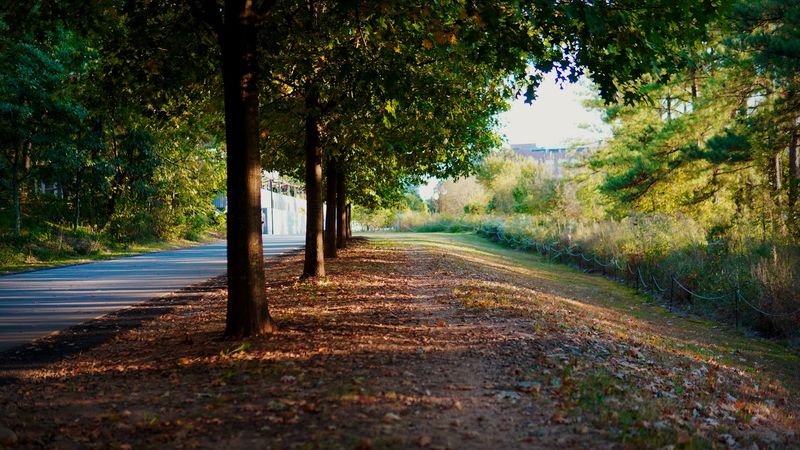
The Eastside Trail is not just a sightseeing route it is a fully functional recreational corridor that accommodates a wide range of physical activities. Runners, cyclists, skaters, and casual walkers all share the paved path in a generally harmonious flow, and the relatively flat surface makes it approachable for people of varying fitness levels. The trail stretches roughly two and a half miles, which is manageable for most visitors without requiring serious athletic preparation.
Bike rentals are available near several trail access points, making it easy for visitors to cover more ground without arriving with their own equipment. Rollerblading has also made a visible comeback on the trail, adding a nostalgic and fun energy to the weekend crowd. Early mornings tend to attract more serious runners and cyclists, while afternoons bring a more mixed and leisurely crowd.
Hydration stations and nearby cafes make it easy to keep energy levels up throughout a longer outing on the trail.
10. Community Events That Bring the City Together
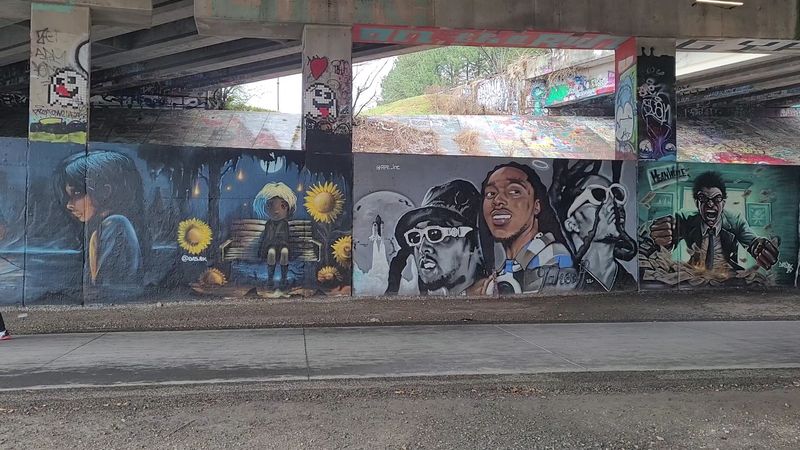
The BeltLine has always been about more than just infrastructure it is a community project at its core, and the events calendar reflects that spirit clearly. Throughout the year, the Eastside Trail and its surrounding green spaces host outdoor fitness classes, cultural festivals, art walks, and seasonal markets that draw participants from across the Atlanta metro area. The annual Art on the Atlanta BeltLine festival is among the most anticipated events, transforming the trail into a fully immersive outdoor gallery experience each fall.
Free fitness classes, including yoga, boot camps, and group runs, are offered regularly along the trail, often organized by local studios or community groups. These events create a welcoming atmosphere where first-time visitors and longtime regulars mix naturally. Checking the official Atlanta BeltLine website before visiting is a smart habit, as the events calendar shifts seasonally and some popular programs fill up quickly.
Many events are free or low-cost, making community participation genuinely accessible.
11. A Pet-Friendly Outdoor Corridor
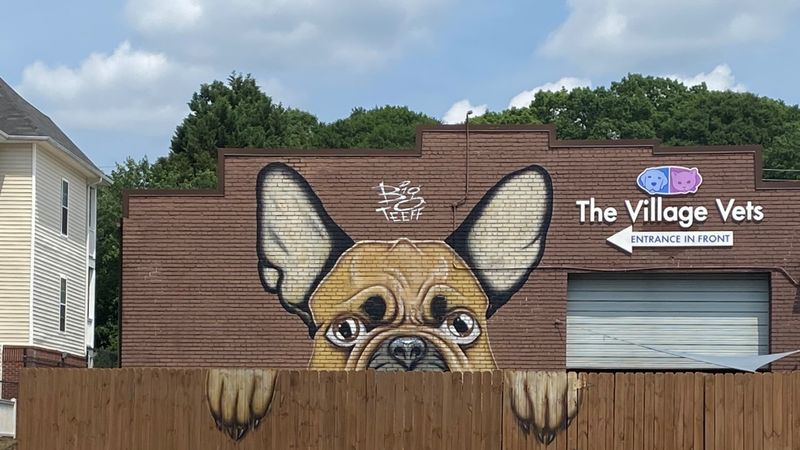
Atlanta dog owners have developed a particular affection for the Eastside Trail, and it is easy to understand why. The paved, well-maintained path is welcoming to leashed pets, and the steady stream of fellow dog walkers creates an automatic social scene that both humans and their animals seem to enjoy. On any given weekend morning, the trail functions almost like an informal dog park, with tail wags and friendly sniff greetings happening every few steps.
Water fountains with low-level pet bowls are available at several points along the trail, which is a genuinely thoughtful detail for longer outings. Many of the cafes and restaurants with outdoor seating along the BeltLine corridor are also pet-friendly, allowing four-legged companions to join for a post-walk refreshment stop. Keeping pets leashed is required throughout the trail, and most visitors follow this rule consistently.
Early morning visits tend to offer the most comfortable experience for dogs, especially during Atlanta’s warmer summer months.
12. Accessibility That Welcomes Everyone
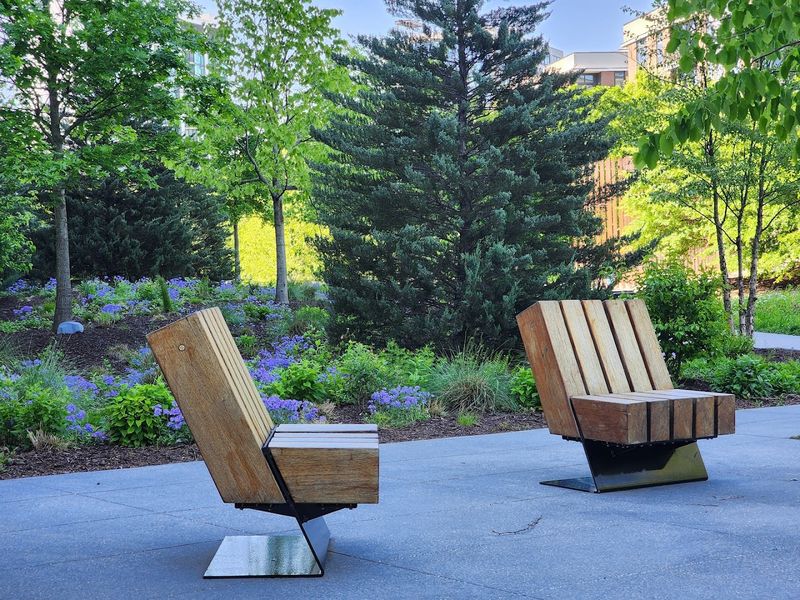
One of the Eastside Trail’s most quietly impressive qualities is how thoughtfully it has been designed for accessibility. The paved surface is smooth, consistently maintained, and wide enough to accommodate strollers, wheelchairs, and mobility devices without creating awkward bottlenecks or crowding situations. This makes the trail genuinely usable for families with young children, older adults, and visitors with physical disabilities who might find rougher outdoor paths challenging.
Multiple access points along the trail connect to nearby streets, allowing visitors to join or exit the path at convenient intervals rather than committing to the full length in one go. Signage along the route is clear and easy to follow, reducing navigation stress for first-time visitors. Restroom facilities are available at key points including Historic Fourth Ward Park and near Ponce City Market.
The overall design philosophy of the BeltLine has always prioritized inclusive access, and the Eastside Trail reflects that commitment in practical, day-to-day ways that make a real difference.
13. Sustainable Transportation Made Enjoyable
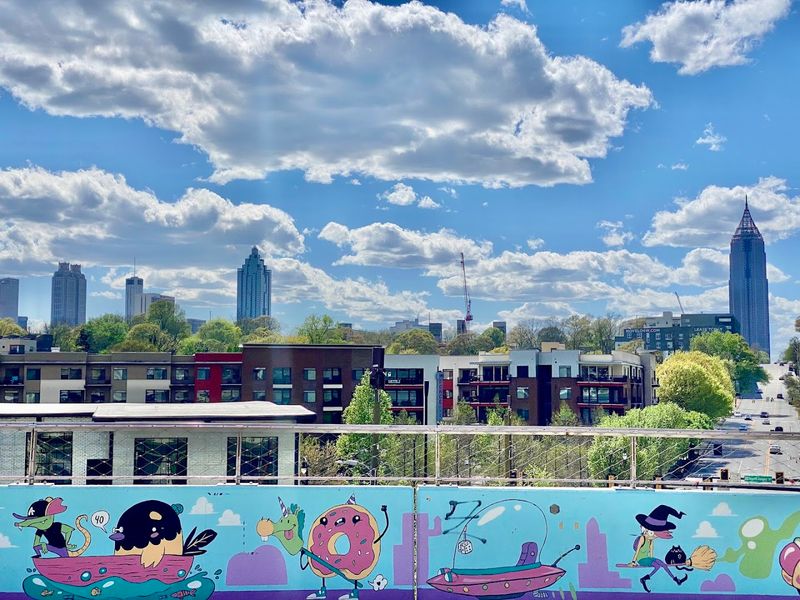
The BeltLine was conceived partly as a solution to Atlanta’s notorious car-dependency, and the Eastside Trail has become a working example of how sustainable transportation can actually be enjoyable rather than just practical. Commuters use the trail to travel between neighborhoods by bike or on foot, bypassing traffic entirely and arriving at destinations in a noticeably better mood than their counterparts stuck in rush-hour gridlock. The trail connects to MARTA transit options at several points, extending its usefulness for car-free travel across the city.
Bike-share stations from Atlanta’s Relay Bikes program are positioned at multiple trail access points, making it straightforward to rent a bicycle for a one-way trip without needing to return to the starting point. Electric scooter options are also available near the trail through various app-based services. The environmental benefits are measurable fewer car trips, lower emissions, and a stronger case for investing in walkable urban infrastructure.
The trail makes the greener choice feel like the more fun choice, which is a genuinely winning combination.
14. Krog Street Tunnel’s Ever-Changing Street Art
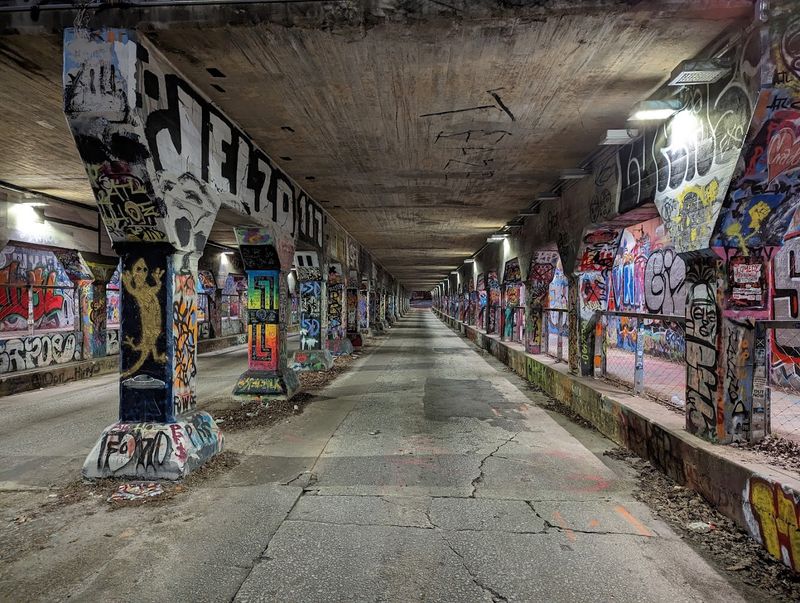
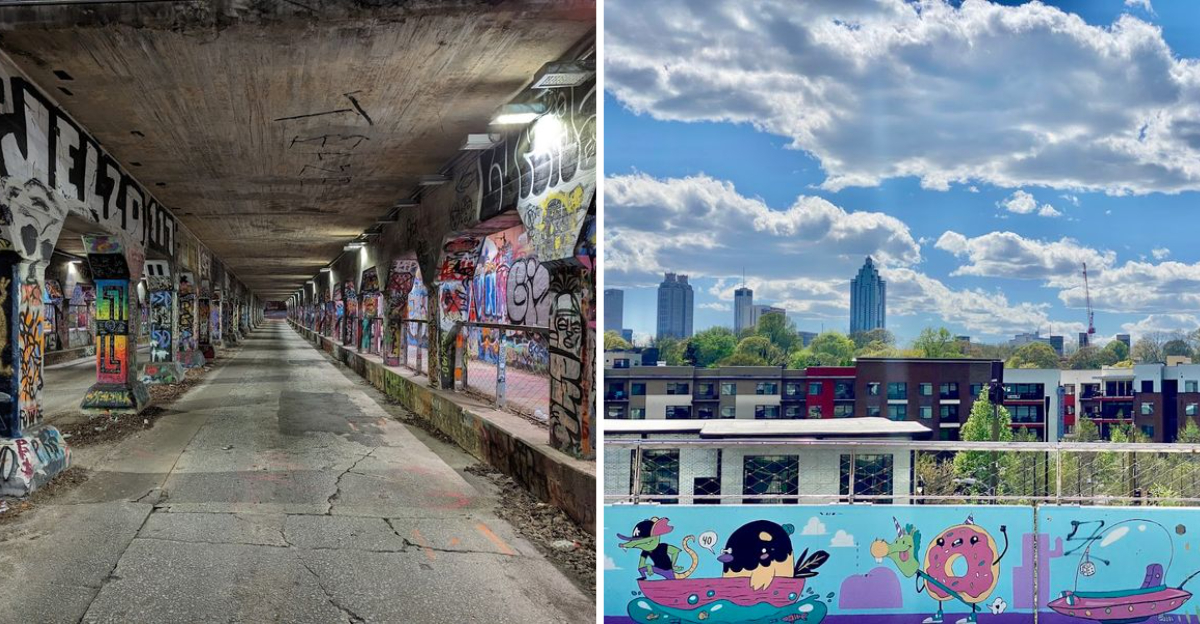
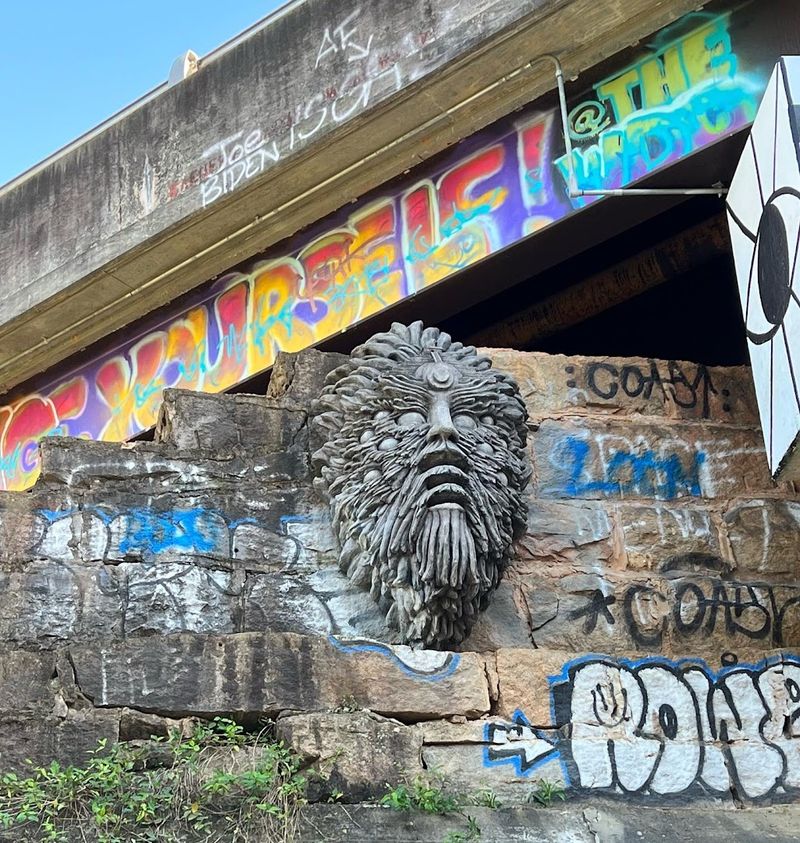
No visit to the Eastside Trail feels complete without a walk through the Krog Street Tunnel, one of Atlanta’s most famous and frequently photographed urban landmarks. Located at the intersection of Krog Street and Dekalb Avenue NE, Atlanta, GA 30307, this underpass has served as an open-air canvas for street artists for decades. The walls change constantly as new layers of paint are added, making it a genuinely different experience each time someone visits.
The tunnel carries a raw, unfiltered creative energy that contrasts pleasantly with the more curated public art found elsewhere on the trail. Local artists, visiting muralists, and spontaneous contributors all leave their marks here, resulting in a layered visual history that is impossible to fully absorb in a single pass. Weekend evenings can draw larger crowds who gather to photograph the artwork or simply soak in the atmosphere.
Comfortable footwear is recommended, as the tunnel surface can be uneven in places.
15. Urban Green Space That Resets the Mind
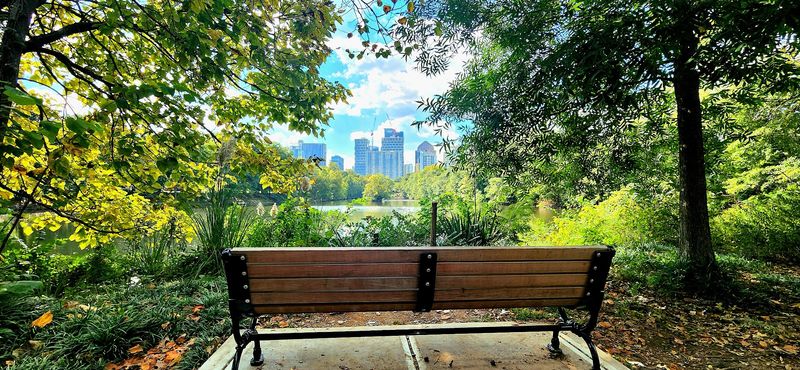
Atlanta is a city known for its tree canopy, and the Eastside Trail channels that natural character into an accessible green corridor that runs right through the urban core. The combination of shaded paths, open park spaces, and planted landscaping along the trail creates a sensory shift that feels genuinely restorative after time spent in busier, more hectic parts of the city. Even on warmer Georgia afternoons, the tree cover along much of the route provides meaningful shade.
The transition between urban energy and natural calm happens gradually as you move along the trail, with pockets of quiet greenery appearing between livelier commercial stretches. Historic Fourth Ward Park anchors the green space experience most dramatically, but smaller planted areas and community gardens dot the corridor throughout its length. Birdwatchers occasionally spot local species perched in the canopy overhead, adding an unexpected layer of nature to what is essentially a city walk.
Morning visits tend to feel the most peaceful and connected to the natural surroundings.