This Mesmerizing California State Park Will Make You Feel Like You’ve Stepped Into Another Realm
Some landscapes seem to loosen your grip on ordinary reality before you even understand why.
A California state park carries the kind of eerie, hushed beauty that makes the whole landscape feel almost unreal.
Light falls differently in a place like this.
Distance seems to stretch. Even the air can feel touched by something older and stranger than the day you arrived in.
That shift is what makes the experience so powerful.
You are still standing on solid ground, yet the scenery keeps suggesting otherwise, as if the park belongs partly to this world and partly to somewhere far less familiar.
Burney Falls First Look
Approach the main overlook and sound arrives before sight, with a steady rush that fills the ears and sets the pace for the visit.
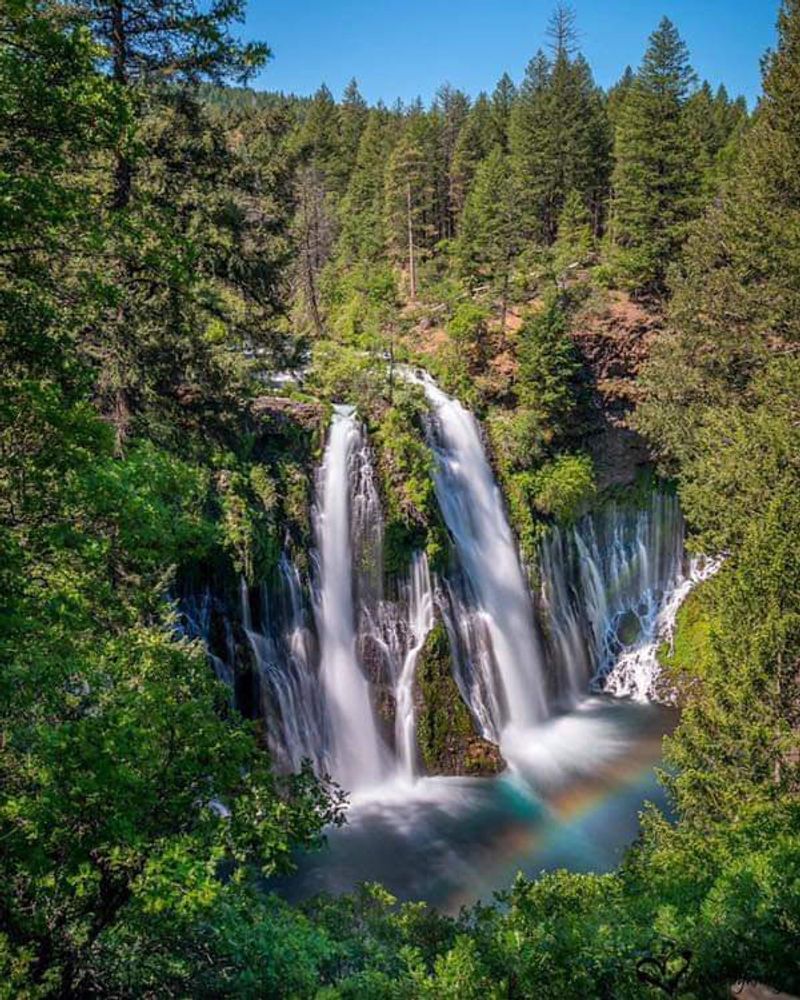
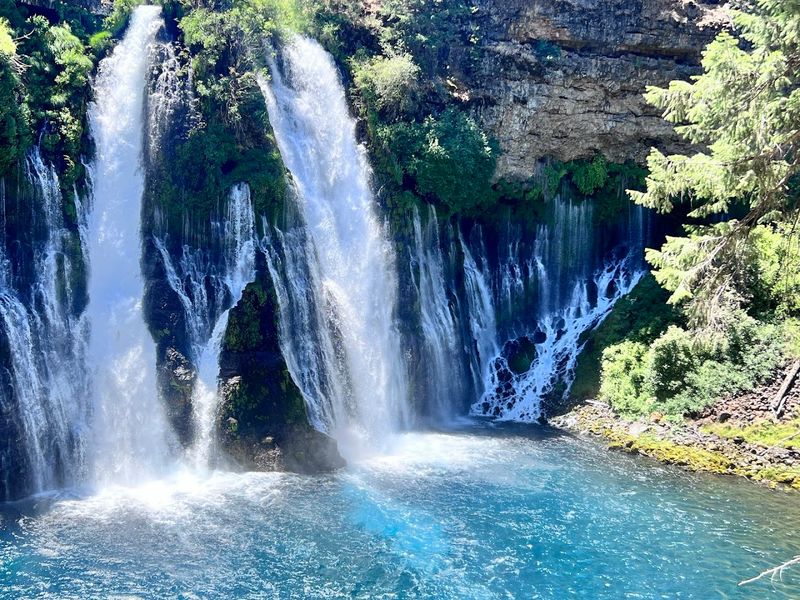
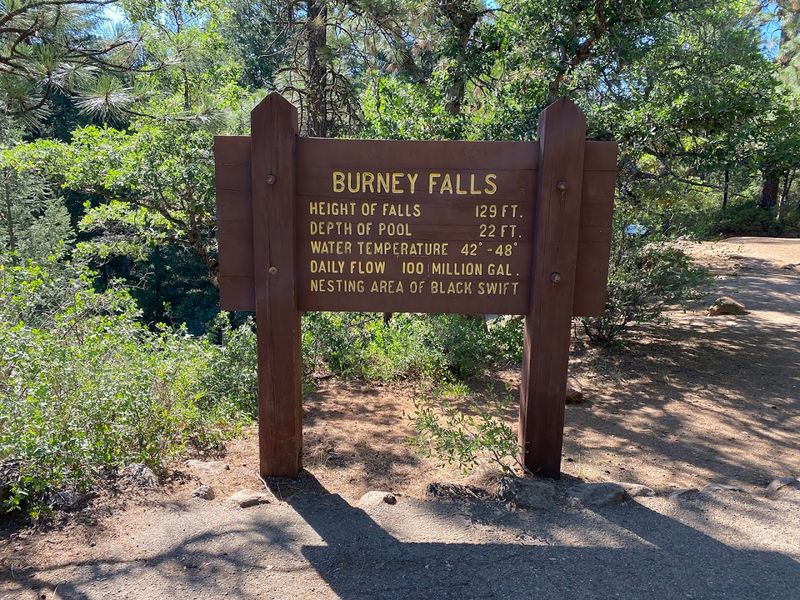
White water drops 129 feet in a broad sheet, and spring flows pour straight from the basalt like glowing strands of glass.
The basin carries a cool blue tone, and tiny droplets hang in the air like a fine spray that settles on skin and gear.
Trails near the viewpoint follow short slopes with railings, so a quick stop works even on a long road day.
The scene holds drama in every season, since underground sources keep the creek alive when other falls turn thin.
Midday brings glare on the pool, while morning and late day light reveal texture on the rock and the soft lines of the cascade.
Photography works best with a simple plan and steady footing, since mist can fog lenses fast. Shoes with grip help on the steps, and a light jacket keeps the chill off during breezy moments.
Spring Fed Magic Explained
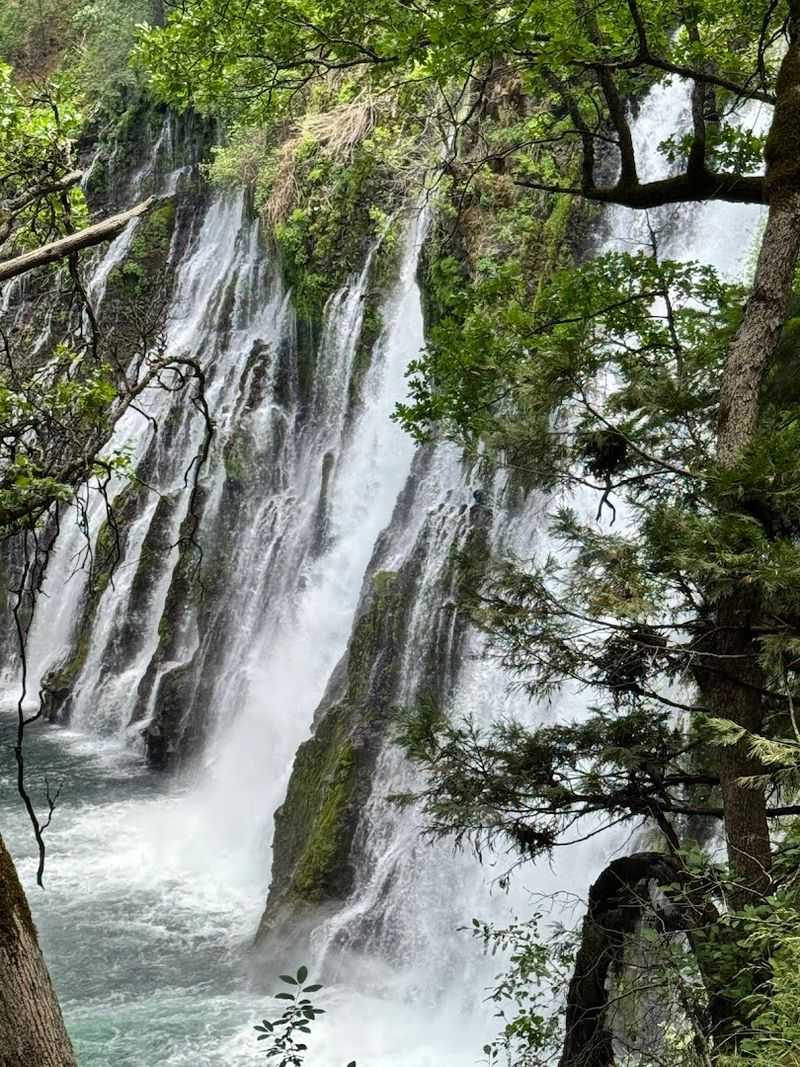
Water appears to come from nowhere as countless seeps emerge mid cliff, and that detail gives the waterfall a signature curtain look.
Volcanic basalt holds hidden channels that route groundwater toward daylight, so the creek gains volume right at the falls.
The effect reads like a living wall, with moss clinging to wet rock and small rivulets weaving between fern stems.
Spring fed flow supports a near constant discharge that hovers around 100 million gallons each day, based on park information.
That consistency helps shape a cool microclimate at the basin, where breath fog sometimes hangs in winter and a fresh chill lines summer air.
Visitors hear layered tones as top spill meets lower seeps, and the combined pattern creates a soft roar that never fades.
On dry years the contrast becomes clear, since many regional cascades shrink while this one stays strong.
Rock color stands darker after storms, and new green growth shows along the seep lines in spring.
Mist Basin Atmosphere
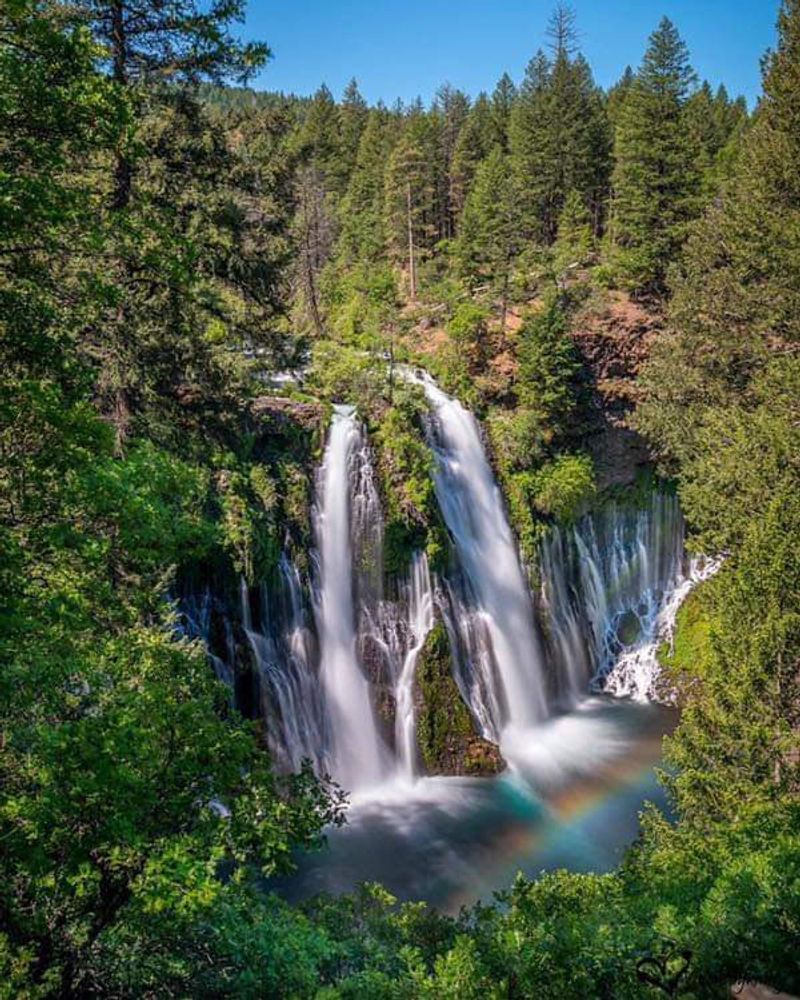
The basin greets with a cool draft that rolls up the path and settles on arms and face like a thin veil.
Mist softens edges on stones and logs, and a faint shimmer appears across the water where spray meets surface.
Steps feel damp, so a slow pace keeps balance steady while eyes track the flow that drops in threads and ribbons.
Sound hits in layers from deep rumble to quick hiss, and the rhythm blocks out stray noise from the parking zone.
A short paved route leads to this lower vantage, with dirt and rock on the longer loop for varied footing.
Benches sit near turns where the air calms, and that gives room to adjust a jacket or swap a camera lens.
Shade lasts longer down here, so temperatures run cooler than on the rim track.
Traction works best with closed toe shoes, and a small towel helps wipe gear when the spray builds. Time slows as patterns repeat, and a few minutes of stillness reveal how currents shift near the outflow.
Falls Loop Walk
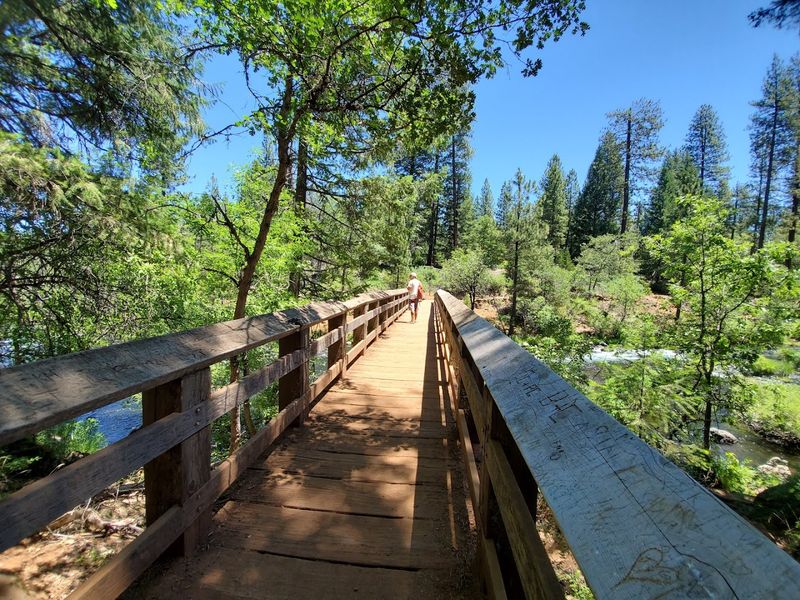
A one mile loop frames the waterfall from high and low angles, and the circuit balances effort with payoff at steady intervals.
Steps drop toward the basin, level on riverside stretches, then rise again through shaded forest.
Railings and graded segments appear on key points, yet dirt and rock remind feet to watch for roots and small stones.
Stops arrive often with peek through views that line up with the main flow, and each pause reshapes the picture.
Sunlight finds gaps in the trees and paints whole sections in green and gold, while cooler pockets hold shade that lingers. The loop can run quick on a light day or stretch longer with breaks at benches and overlooks.
Water bottles help on the climb out, especially during warm weekends in late summer. Crowds gather at the main overlooks, yet quieter turns appear along creekside sections.
A counterclockwise route spaces the steeper climb across shorter segments, which can ease knees on the return to the trailhead.
Pacific Crest Trail Passage
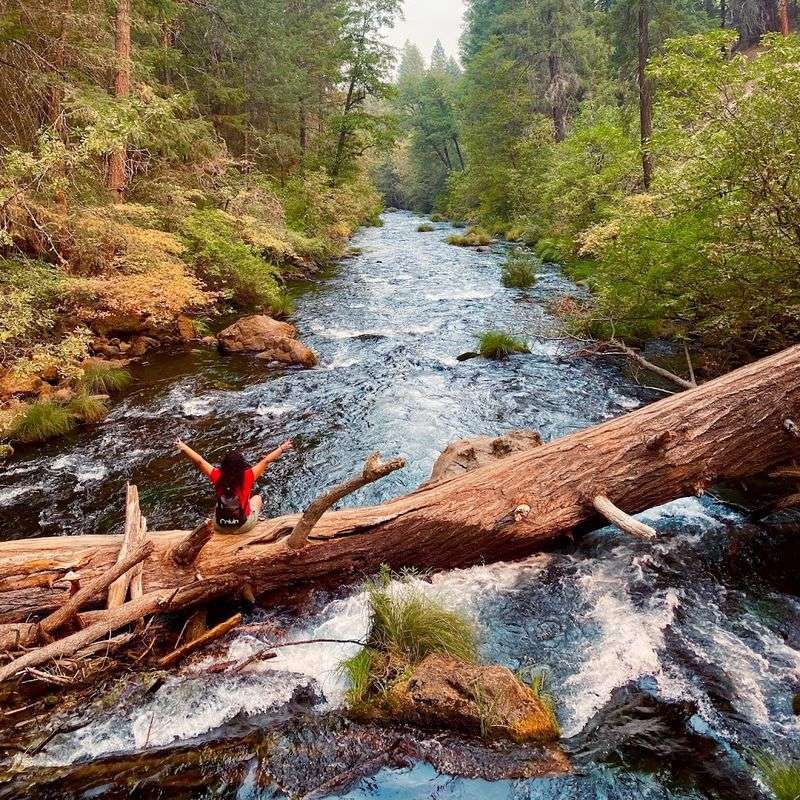
Long distance hikers pass through the park on the Pacific Crest Trail, and day visitors can sample a quiet stretch without heavy planning.
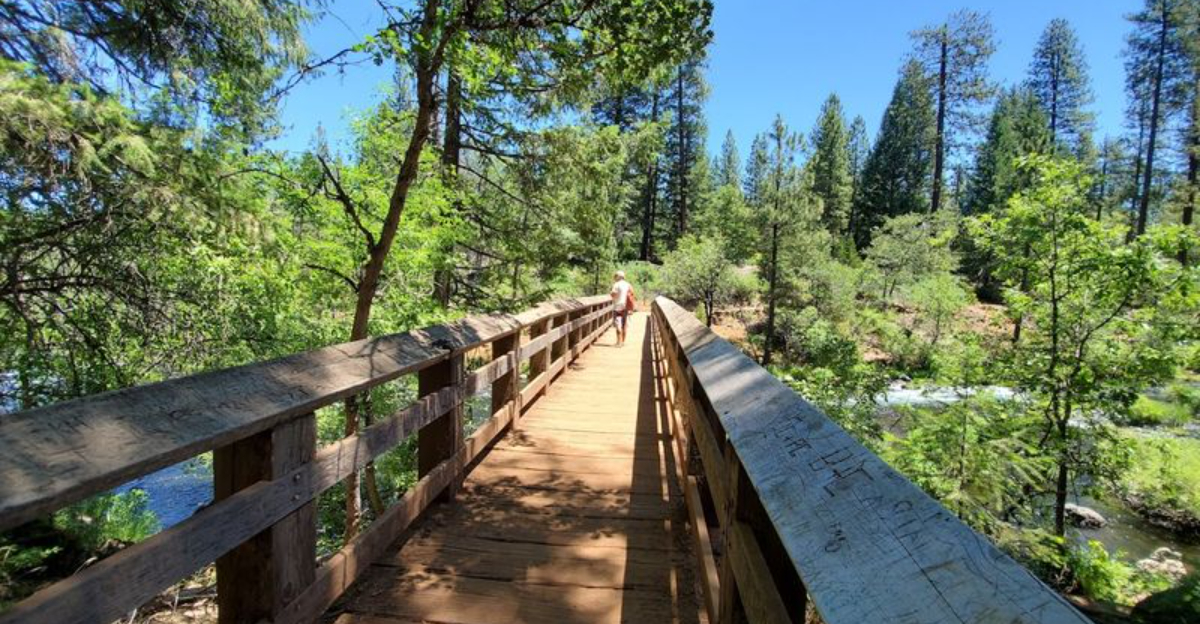
The tread runs under tall pines with soft needles that mute footfall and calm the pace. Intersections post clear markers, and short connectors link the main attraction with deeper forest.
Views shift from water to woodland where branches carry resin scent, and small birds move between trunks with quick bursts.
Light filters through the canopy in narrow bands, and a breeze lays a soft hush over the trail. The ground stays mostly gentle, yet rocks and roots ask for steady steps and shoes with decent grip.
Distances work for short out and back strolls that add breathing room to a busy waterfall day. The contrast helps balance the trip, since quiet forest time lets the waterfall glow feel even brighter later.
Maps from the visitor center or park website show junctions and distances, so planning a modest loop stays straightforward.
Lake Britton Shoreline
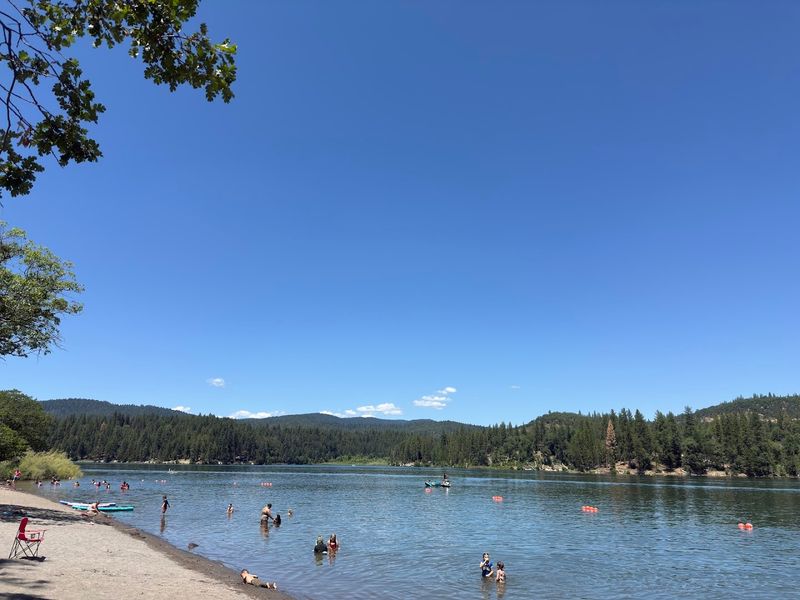
Downstream from the falls, the lake offers a slower scene with open sky and quiet coves.
Shoreline stretches give room for a walk where water laps at stones, and breeze ruffles small waves across the surface. Pines reflect in soft lines that wobble as boats drift past the day use area.
Fishing draws steady attention with bass, catfish, and panfish listed by park sources, and rainbow trout in season.
Anglers set up on broad banks or near the launch, while others look for a shady spot to read. The shift from roar to hush creates a nice reset between waterfall time and afternoon hours.
Sun can bite here without the cliff shade, so hats and sunscreen earn a place even on cool days. Parking lots near the shoreline see plenty of use in summer, and a short walk often pays off with a quieter patch.
Late day light warms the trees, and a slow exit with a final water view ends the visit on a calm note.
Boating And Rentals
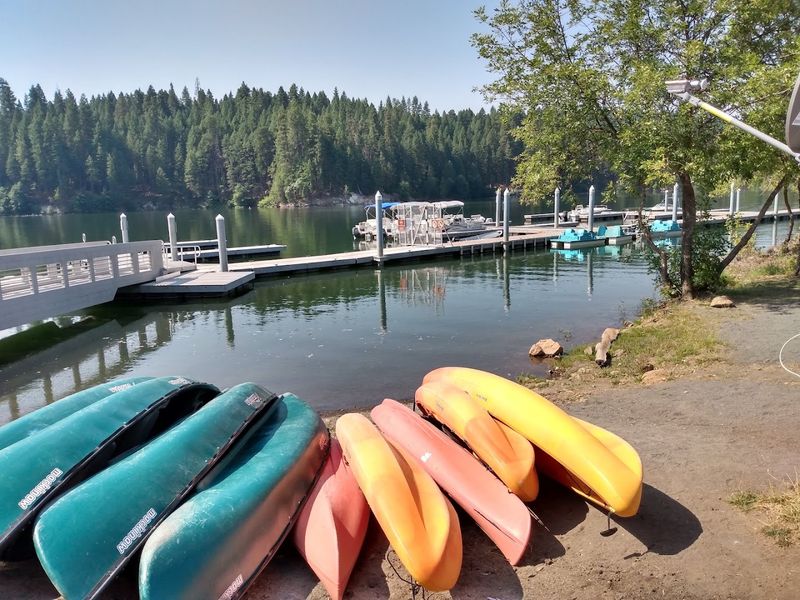
Flat water paddling fits the lake well, and rentals offer a way to explore without hauling gear from home.
Canoes, kayaks, paddle boats, and small motorized patio boats appear during operating seasons as listed by park information.
Launch areas stay straightforward with clear lanes, and staff post safety notes near the dock.
Life jackets feel comfortable once on the water, since breeze along open stretches adds a crisp edge. The shoreline reveals quiet inlets where birds settle on driftwood, and gentle strokes turn the hull without rush.
Early starts help avoid wind on summer afternoons, and that timing leaves room for waterfall time later.
Gear stays dry with a small dry bag and simple sandals that handle land and water transitions.
Navigation remains easy with shoreline reference points, yet keeping distance from anglers and swimmers shows good etiquette.
A slow return to the dock keeps control near other users, and a last loop around a calm cove finishes the session on a relaxed note.
Seasonal Timing And 2026 Crowds
Peak visitation runs from April through October, and summer weekends reach capacity with road delays on Highway 89 reported by the park.
Arriving early or after 4 p.m. improves parking odds and lowers stress at the entrance kiosk. Weekdays carry a calmer feel outside holidays, with lighter traffic in the first and last hours of day use.
Shoulder seasons deliver breathing room, yet spring break periods still draw strong turnout. Winter brings short hours and chilly air near the basin, while spring wildflowers can brighten forest edges.
Consistent water flow means the falls retain presence even when snowmelt elsewhere drops off.
Comfort rises with layered clothing, enough water, and simple snacks that bridge gaps between meals. A backup plan helps if lots fill, since a return later in the day often works better than waiting in a stop and go line.
Respect posted closures and instructions from staff, since safe flow on paths and roads depends on clear movement.
Camping Under Tall Pines
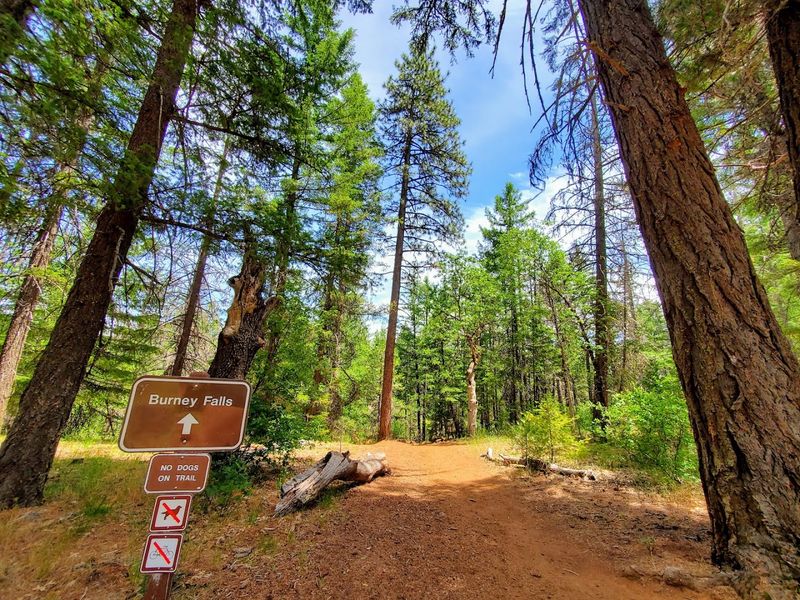
Campsites spread under evergreens with space for tents and RVs, and the layout supports quiet hours and simple comfort.
Picnic tables, fire rings, and nearby restrooms make basic routines smooth after a day on trails.
Reservations are strongly recommended during peak months, and a buffer night often turns a quick trip into a restful stay.
Evening air turns cool, and a hoodie solves the drop in temperature that shows near sunset. Sounds gather from soft conversation and distant water, and darkness sets a stargazing stage when clouds clear.
Mornings bring clean light through branches, and breakfast at the table resets energy for another walk.
Food storage follows posted rules that protect wildlife and gear, and tidy sites help everyone rest better.
Quiet packing works before sunrise if an early visit to the falls sits on the plan. A short stroll reaches the trailhead without a drive, and the first look of the day lands before crowds arrive.
Cozy Cabins Near The Creek
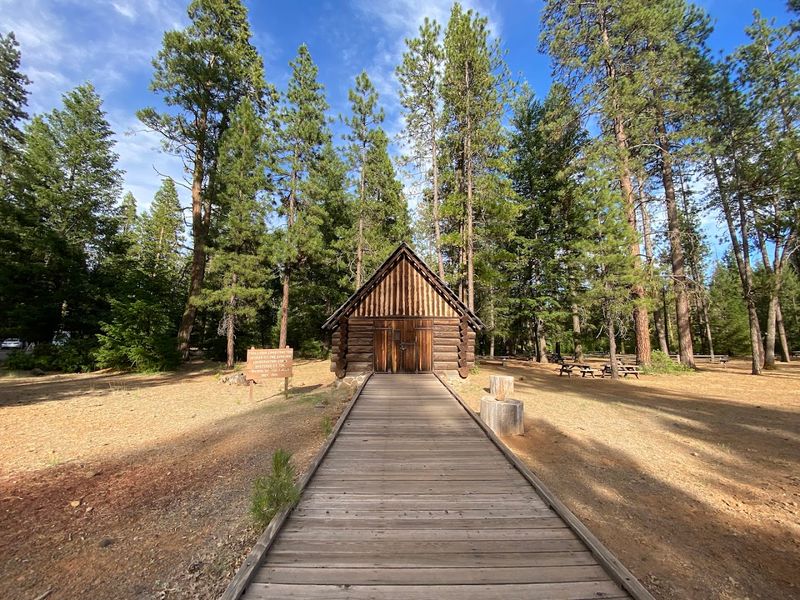
Simple one and two room cabins offer a dry roof and a real mattress without the work of a full tent setup.
The cluster sits near restrooms, showers, and a small camp store for essentials and snacks. Guests bring bedding and basic cookware, and short walks link cabins with day use paths.
Evening porch light gives a gentle glow that feels calm after a long drive on mountain roads. Walls hold warmth longer than a thin tent when night air dips, and windows crack for airflow.
The sound of the creek drifts across the area in quiet hours, and sleep lands fast after a full day outdoors.
Reservations book out in peak months, so planning ahead matters for weekend stays. The setting works well for families and small groups that want easy access to the falls without a daily drive.
Morning coffee on the porch pairs with birdsong and cool shade, and a short stroll starts the day with fresh air.
Practical Packing and Safety
Light layers, grippy shoes, and water cover most needs for a comfortable day around the falls and lake. A hat and sunscreen help on exposed sections near Lake Britton and upper overlooks.
A small towel and a soft cloth clean lenses and screens when mist settles during long photo stops.
Snacks hold energy between meals, and a simple picnic near day use tables works after the loop walk.
A backup battery and offline trail map keep navigation and timing on track when service drops. Small first aid items handle blisters and scrapes that happen on rocky sections.
Respect posted closures at viewpoints and along shorelines, since slick rock and changing currents create hazards at the water’s edge.
Keep distance from downed logs and fast water, and supervise children closely on steps. A relaxed pace that watches footing and temperature changes helps turn strong views into a safe and memorable visit.