10 Breathtaking North California Day Hikes That Make Phones Feel Miles Away
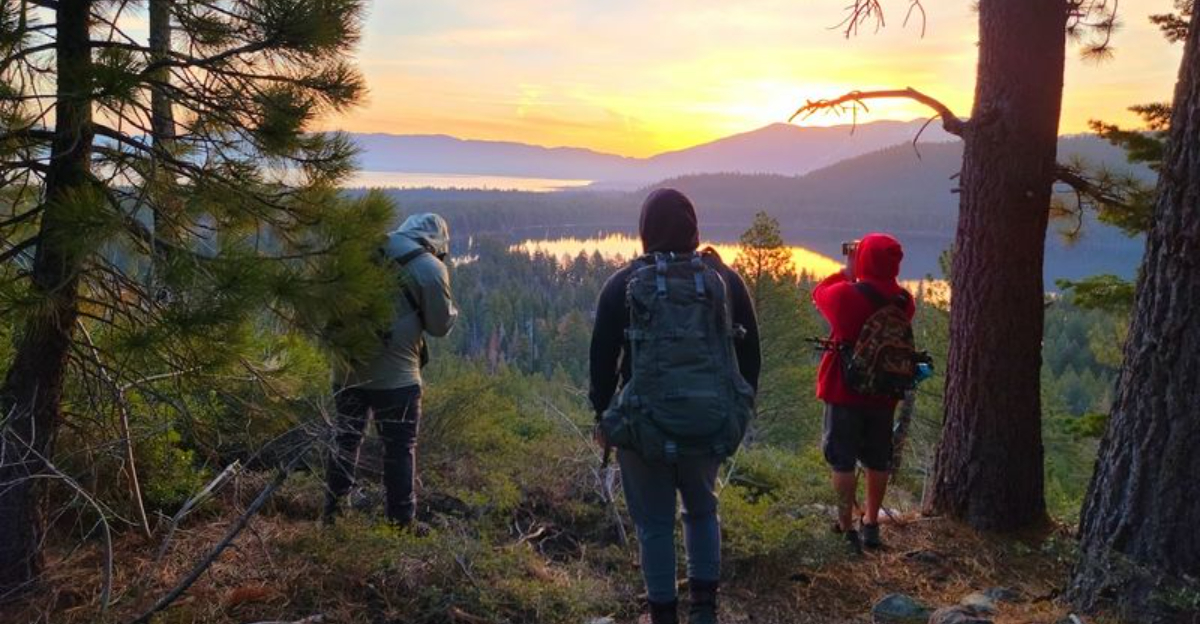
Some hikes do not just take you away from town. They take you away from the version of yourself that keeps checking the screen every few minutes.
In Northern California, a trail can climb into the kind of beauty that makes your phone feel strangely irrelevant without you even noticing when that happened.
Trees close in, light shifts, and the noise you carried in starts losing its grip a little more with every step.
A good day hike can do that. It clears space in your head while giving your eyes something far better to focus on.
By the time the view opens up, the urge to scroll has usually been replaced by something much rarer: the feeling that being exactly where you are is more than enough.
1. Lassen Peak Trail, Lassen Volcanic National Park
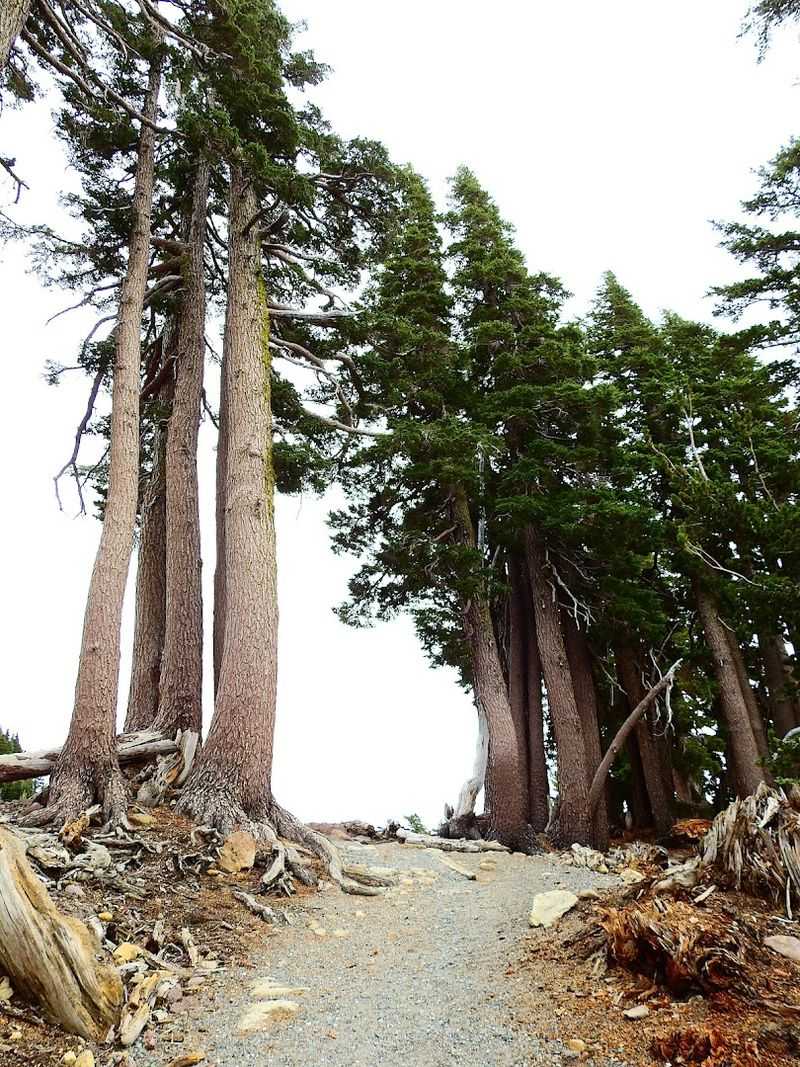
Standing on top of a volcano that last erupted in the early 20th century has a particular kind of weight to it, and the Lassen Peak Trail delivers that feeling along with some of the most dramatic panoramic views in Northern California.
The 5-mile round-trip summit hike gains nearly 2,000 feet from the trailhead, moving through a stark volcanic landscape of loose pumice and wind-shaped terrain that feels genuinely unlike anything else in the state.
The National Park Service rates the trail as strenuous and strongly recommends checking road and trail conditions before visiting since snow typically closes the trail until late June or July and can return as early as September.
The summit sits at just over 10,400 feet, which means altitude can affect hikers who are not accustomed to elevation even if the physical distance seems manageable.
Lassen Volcanic National Park is located in Shasta County roughly 50 miles east of Redding, and the park charges an entrance fee that covers access to the trailhead.
Starting early in the morning helps avoid afternoon thunderstorms that build over the summit during summer months and gives hikers the best chance of clear visibility from the top rather than hiking into clouds during the final push.
2. Mount Diablo Summit Trail, Mount Diablo State Park, Clayton
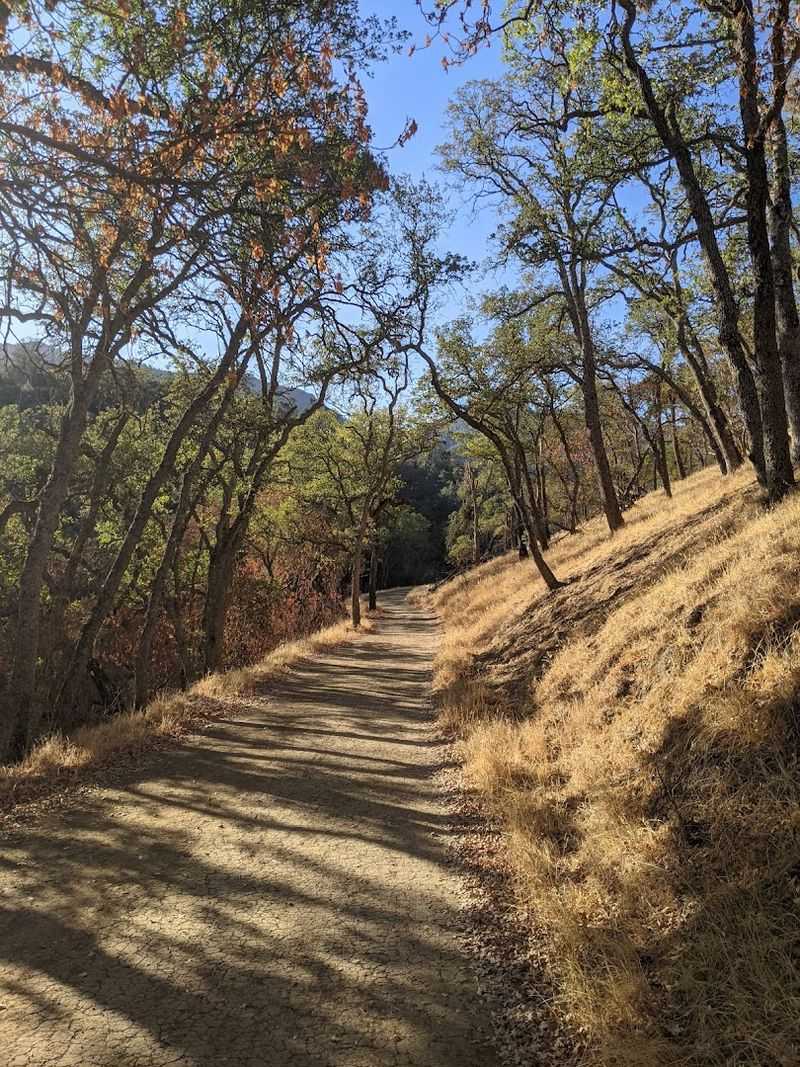
On a clear day the summit of Mount Diablo offers one of the longest unobstructed views available from any peak in the contiguous United States outside of the Rockies, with California State Parks noting that visibility can extend more than 100 miles in favorable conditions.
The range of what becomes visible from the top is genuinely surprising, spanning the Sierra Nevada to the east, the Pacific to the west, and the Central Valley spread out like a map below.
Several trails lead to the 3,849-foot summit from different starting points within the park, and difficulty levels vary depending on the chosen route.
The Summit Trail from the upper parking areas offers a shorter approach while trails from the lower park entrances add significant mileage and elevation gain for hikers who want a fuller day on the mountain.
Mount Diablo State Park sits in Contra Costa County near the town of Clayton, and the park charges a vehicle day-use fee at the entrance.
Rock outcroppings along the upper trails give the landscape a rugged, open character that feels distinct from the forested hikes elsewhere on this list.
Spring brings wildflowers to the grassy slopes and tends to offer the clearest air for long-distance views before the summer haze settles over the valley floor.
3. Fern Canyon Loop Trail, Prairie Creek Redwoods State Park, Orick
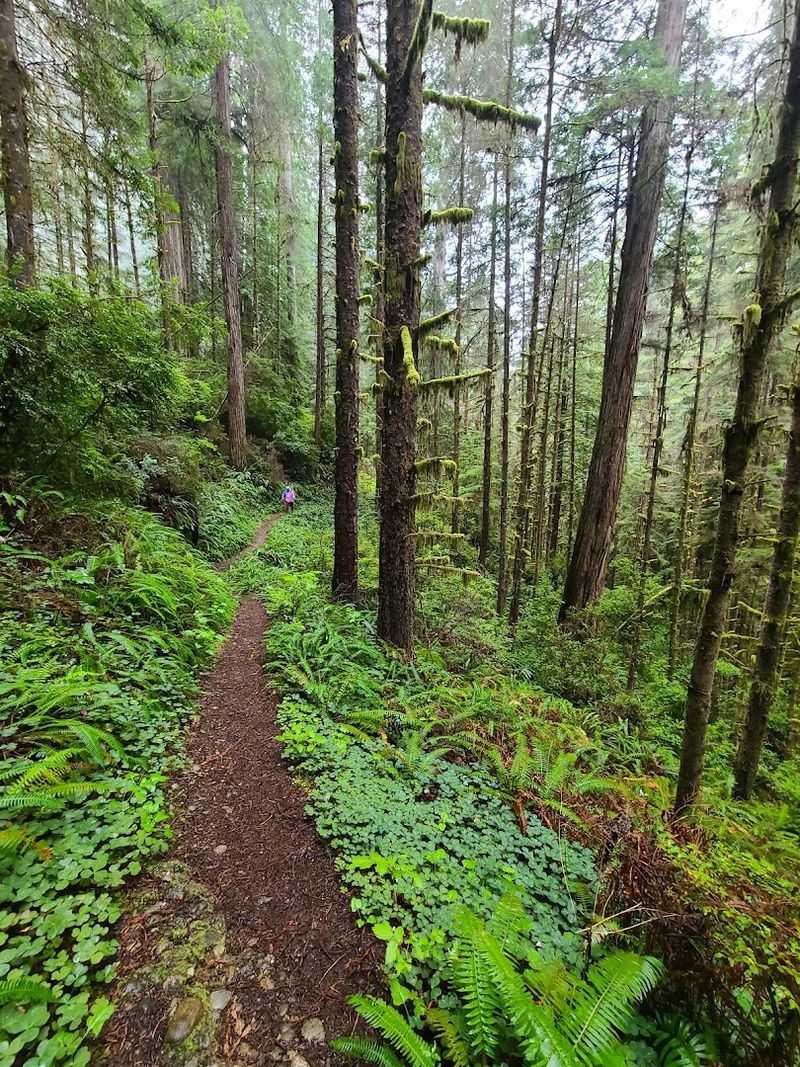
Walking through Fern Canyon feels less like a hike and more like stepping onto a film set from another era, which makes sense given that parts of it actually were used in major productions.
The canyon walls rise roughly 50 feet on both sides and are blanketed almost entirely in five-finger ferns, sword ferns, and lady ferns, creating a wall of green that blocks out much of the sky above.
Home Creek runs right through the middle of the route, so expect to hop across the water several times on small wooden bridges or stepping stones depending on the season.
The loop itself covers about one mile and stays relatively flat, making it one of the more accessible hikes in the redwood region without feeling like a compromise on scenery.
Prairie Creek Redwoods State Park sits within the larger Redwood National and State Parks complex near Orick in Humboldt County.
Summer visits may require a day-use permit and a fee to access Gold Bluffs Beach where the trailhead is located, so checking the California State Parks reservation system ahead of time is strongly recommended. Crowds tend to thin noticeably on weekday mornings.
4. Tomales Point Trail, Point Reyes National Seashore, Inverness
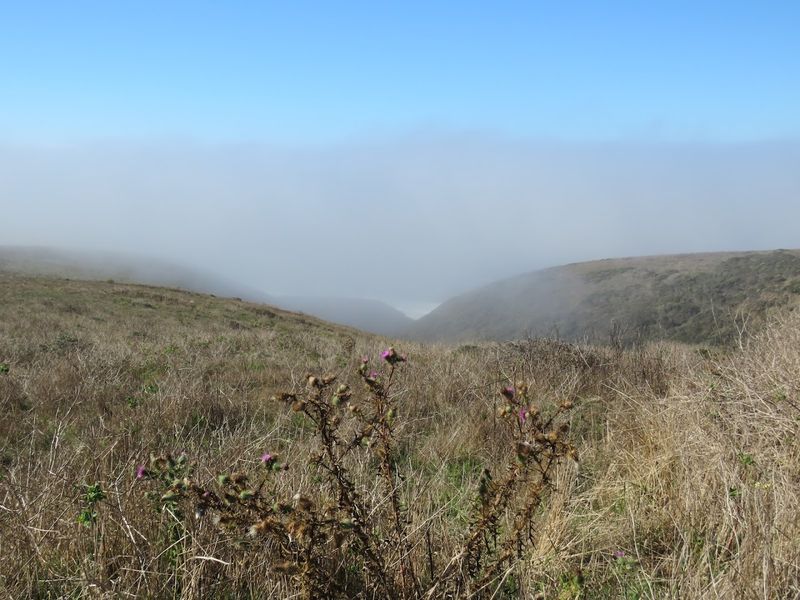
Few coastal hikes in Northern California offer the combination of open ridgeline walking, dramatic water views on both sides, and reliable wildlife sightings that Tomales Point delivers.
The trail runs along the tip of the Point Reyes Peninsula with Tomales Bay on one side and the Pacific Ocean on the other, giving hikers a genuine sense of being surrounded by water without ever leaving solid ground.
Tule elk roam freely along the route and sightings are common, particularly in the morning hours when the herds tend to be more active near the trail.
The hike covers roughly 9.4 miles round trip to the actual point, though many visitors turn around at various overlooks and still come away feeling like the outing was well worth the drive.
The trailhead starts at Pierce Point Ranch, a historic dairy ranch within Point Reyes National Seashore that adds a layer of cultural context to the natural setting.
Wind along this stretch of coastline can be strong and persistent regardless of season, so bringing an extra layer is a practical move even on sunny days.
Parking at the trailhead is limited and fills quickly on weekends, making an early arrival or a weekday visit a much smoother experience overall.
5. Dipsea Trail, Mill Valley to Stinson Beach
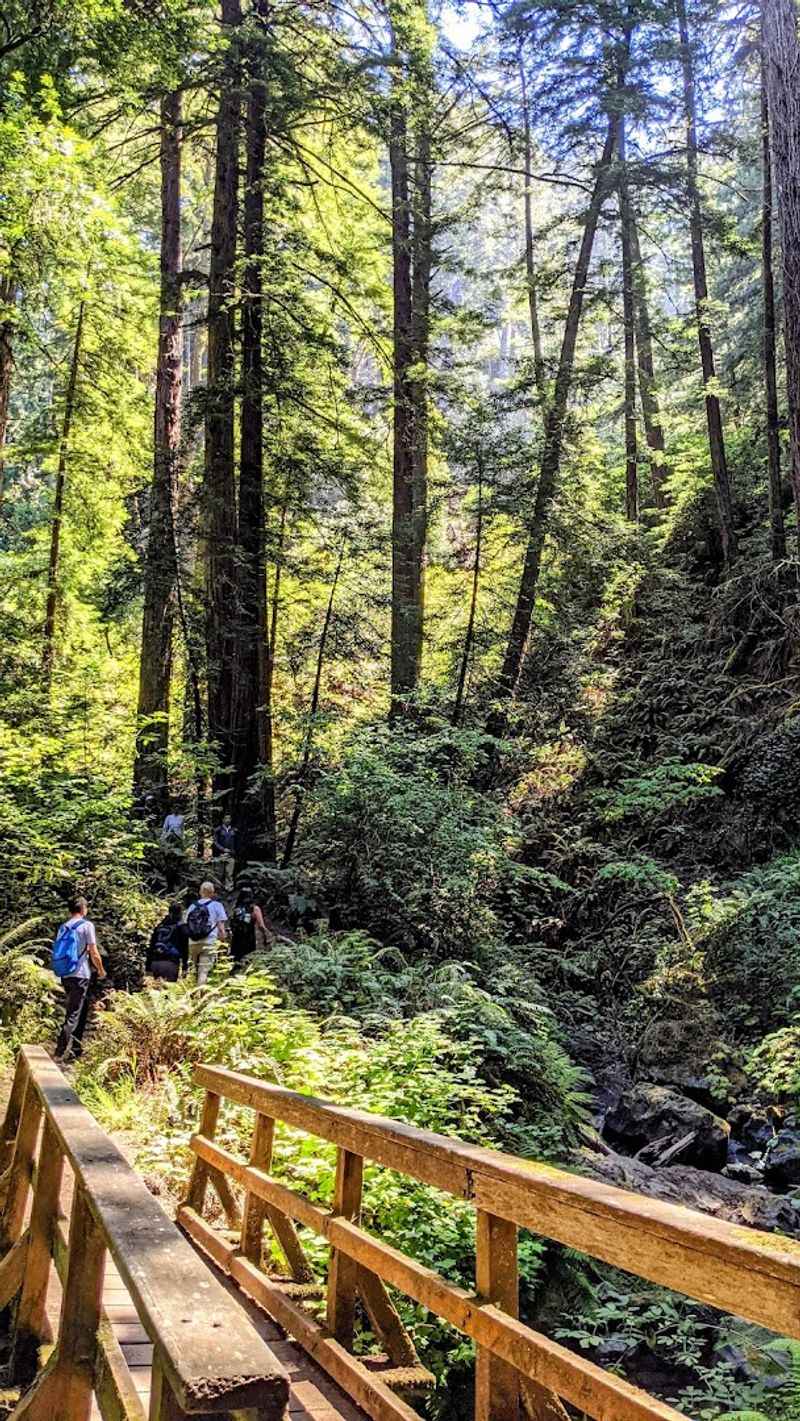
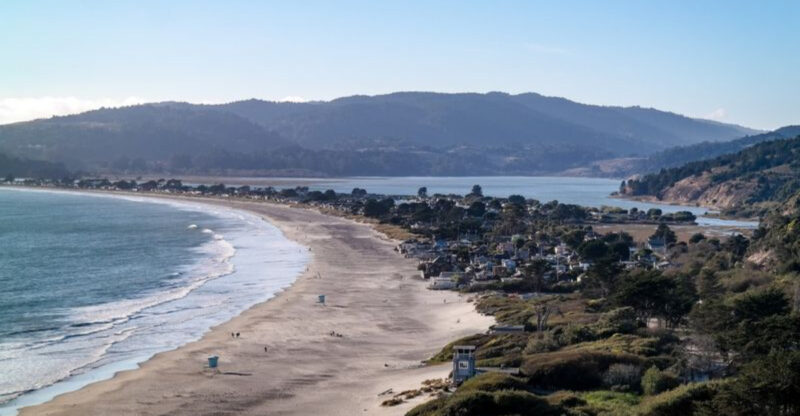
The Dipsea Trail has been pulling hikers from the stairs of Mill Valley over the ridges of Mount Tamalpais and down toward the coast since the early 1900s, and the route still feels like one of the most varied and satisfying day hikes in the Bay Area.
Starting at Old Mill Park in Mill Valley the trail climbs almost immediately through a famous stretch of wooden stairs before entering shaded forest and eventually opening onto exposed ridgelines with sweeping views.
The descent toward Stinson Beach brings the smell of ocean air long before the water comes into view, and the shift from dense forest to open coastal bluff happens quickly enough to feel like a genuine reward for the climb.
The full point-to-point distance runs roughly 7.1 miles one way, so most hikers arrange a shuttle or make it an out-and-back by choosing a turnaround point that matches their energy level.
Portions of the trail pass near Muir Woods National Monument, adding the possibility of a side visit to one of the most visited redwood groves in the country.
Fog is a common companion on this trail especially in summer mornings, which tends to burn off by midday but can make the ridgeline sections feel distinctly moody and atmospheric in the early hours.
6. Mount Tallac Trail, South Lake Tahoe
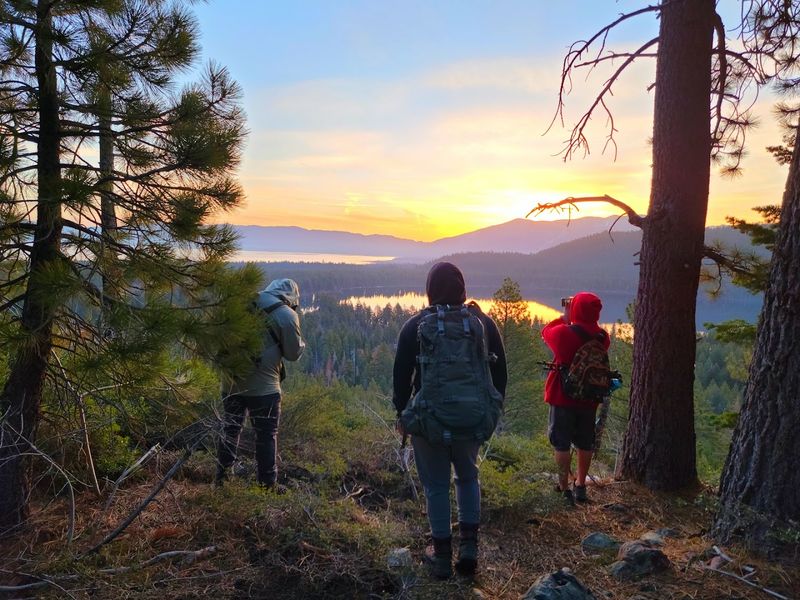
Earning a summit view sometimes means putting in real work, and Mount Tallac does not pretend otherwise.
The trail gains nearly 3,000 feet over roughly 5 miles one way, moving through forest, past Cathedral Lake, and up rocky switchbacks before reaching a summit that looks out over Fallen Leaf Lake, Lake Tahoe, and the Desolation Wilderness in every direction.
The U.S. Forest Service rates this hike as strenuous and that rating reflects the sustained elevation gain rather than any technical difficulty.
Most of the trail is well-maintained and clearly marked, but the upper sections involve loose rock and exposed terrain that can be slippery when wet or icy.
The trailhead sits off Highway 89 near Baldwin Beach on the south shore of Lake Tahoe, and parking at the lot fills quickly on summer weekends.
Snow can linger on the upper sections of the trail well into June and sometimes July depending on the winter snowpack, so checking current conditions through the U.S. Forest Service before heading out is genuinely important rather than optional.
Carrying plenty of water matters here since the climb is long and exposed stretches in the upper half of the trail offer little shade during midday hours.
7. Eagle Lake Trail, Emerald Bay Area, Lake Tahoe
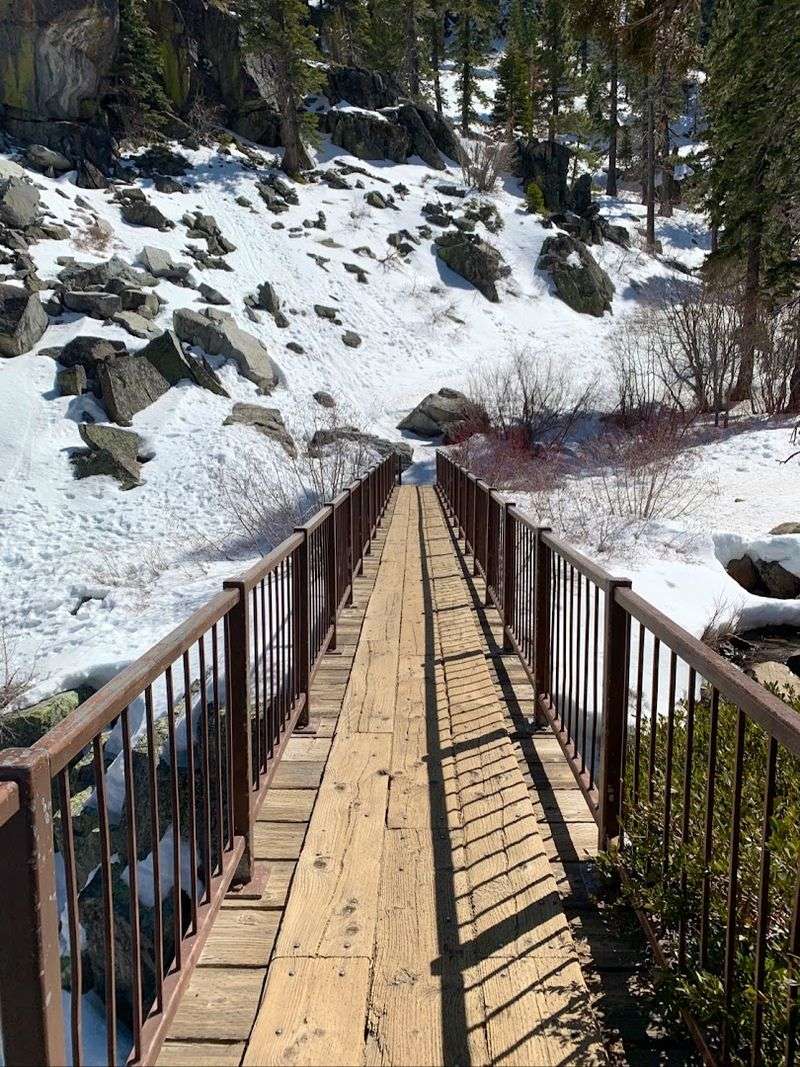
Not every great hike needs to be long to leave a strong impression, and the Eagle Lake Trail makes that case convincingly in under two miles.
The route starts at Eagle Falls Trailhead near Highway 89 on the west shore of Lake Tahoe, climbs past a tiered waterfall in the first stretch, and then opens into a granite basin where Eagle Lake sits in a bowl of pale rock and pine.
The lake itself is a classic alpine scene, small and clear with a color that shifts between blue and green depending on the light and the time of day.
At roughly 1.9 miles round trip the hike finishes quickly, but the setting has enough visual weight to make it feel like a full outing rather than a quick walk.
The trailhead parking area near Emerald Bay State Park fills up fast on summer mornings and overflow parking along Highway 89 is limited, so arriving before 9 a.m. on weekends gives a noticeably better chance of finding a spot.
The lower section near the falls tends to stay wet and slippery year-round, and the granite becomes quite exposed in the upper basin, so footwear with decent grip makes a practical difference on this trail even though the overall distance is short.
8. Crags Trail to Castle Dome, Castle Crags State Park, Castella
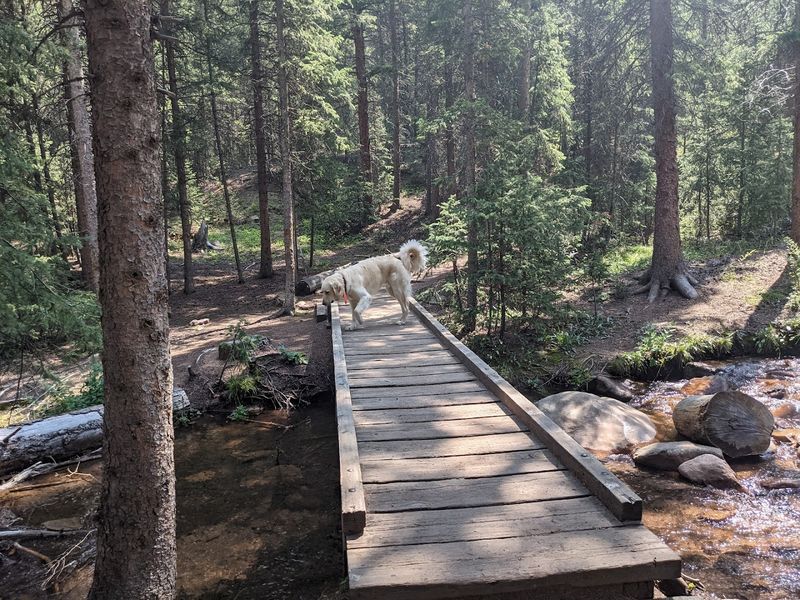
Castle Crags State Park holds one of the more visually striking landscapes in the entire Northern California mountains, built around a cluster of ancient granite spires that rise sharply above the Sacramento River canyon and the surrounding forest.
The Crags Trail is the park’s most demanding and most rewarding route, climbing steeply through forest before emerging onto exposed rocky terrain with views that stretch toward Mount Shasta on clear days.
The trail gains roughly 2,200 feet over about 5.5 miles round trip to the base of Castle Dome, which makes it a genuine workout even for hikers who are reasonably fit.
California State Parks describes this as the park’s most challenging and popular route, and the upper sections involve some scrambling over bare granite that requires both hands in places.
Castle Crags State Park is located off Interstate 5 near the small community of Castella in Shasta County, sitting about 50 miles north of Redding.
The park entrance is at 20022 Castle Creek Road in Castella, and a day-use fee applies for vehicles entering the park.
The combination of rugged granite architecture, forest shade on the lower trail, and open views near the top gives this hike a range of textures that keeps the experience interesting from start to finish.
9. Boy Scout Tree Trail, Jedediah Smith Redwoods State Park, Crescent City
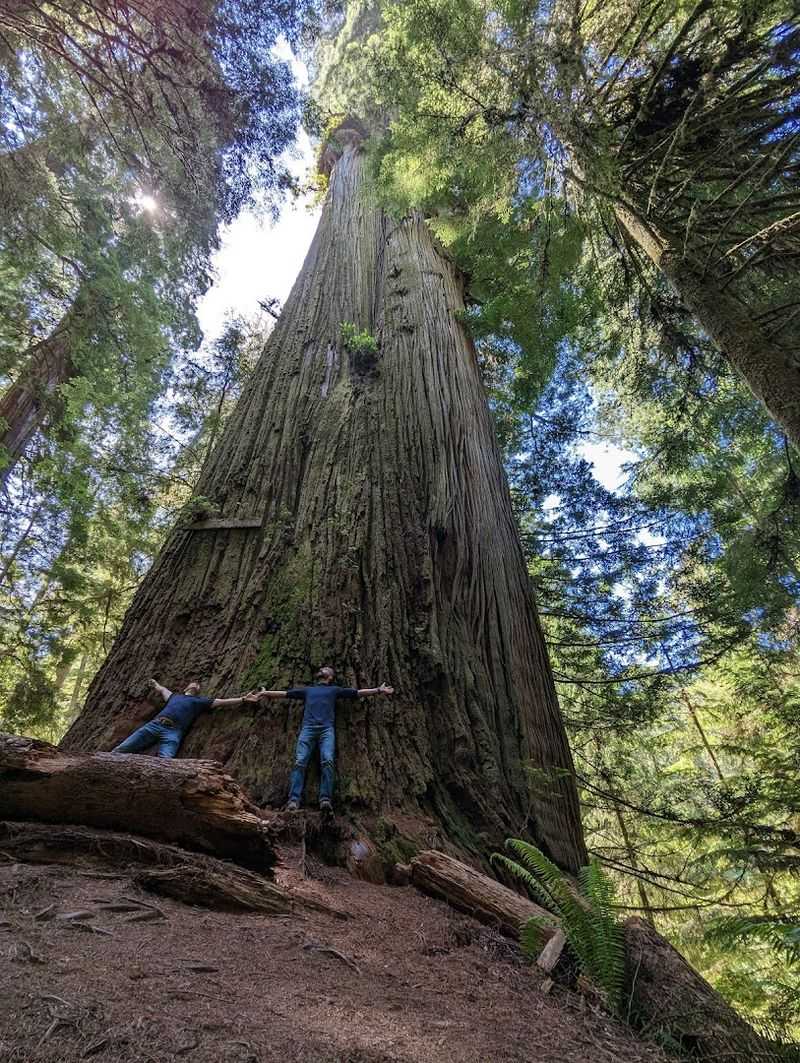
Old-growth redwoods have a particular kind of silence around them, a stillness that feels earned rather than empty, and the Boy Scout Tree Trail delivers that atmosphere for nearly the entire 5.5-mile round trip.
The trail runs through some of the densest and most impressive old-growth forest in Jedediah Smith Redwoods State Park, passing trees that have stood for hundreds of years without any real competition for attention.
Along the way the route follows riparian stretches where the air gets noticeably cooler and the forest floor stays soft and mossy.
Fern Falls appears near the far end of the trail and offers a quiet payoff that feels genuinely tucked away rather than staged for visitors.
The trailhead sits off Howland Hill Road, a narrow unpaved road that winds through the park and is not recommended for large RVs or vehicles with low clearance.
Jedediah Smith Redwoods State Park is located in Del Norte County near Crescent City in the northernmost stretch of California’s redwood coast.
The trail stays shaded for almost its entire length, which keeps it comfortable even on warmer days, though the unpaved road can become muddy and difficult to navigate after heavy rain.
10. Castle Lake to Heart Lake, Mount Shasta Area
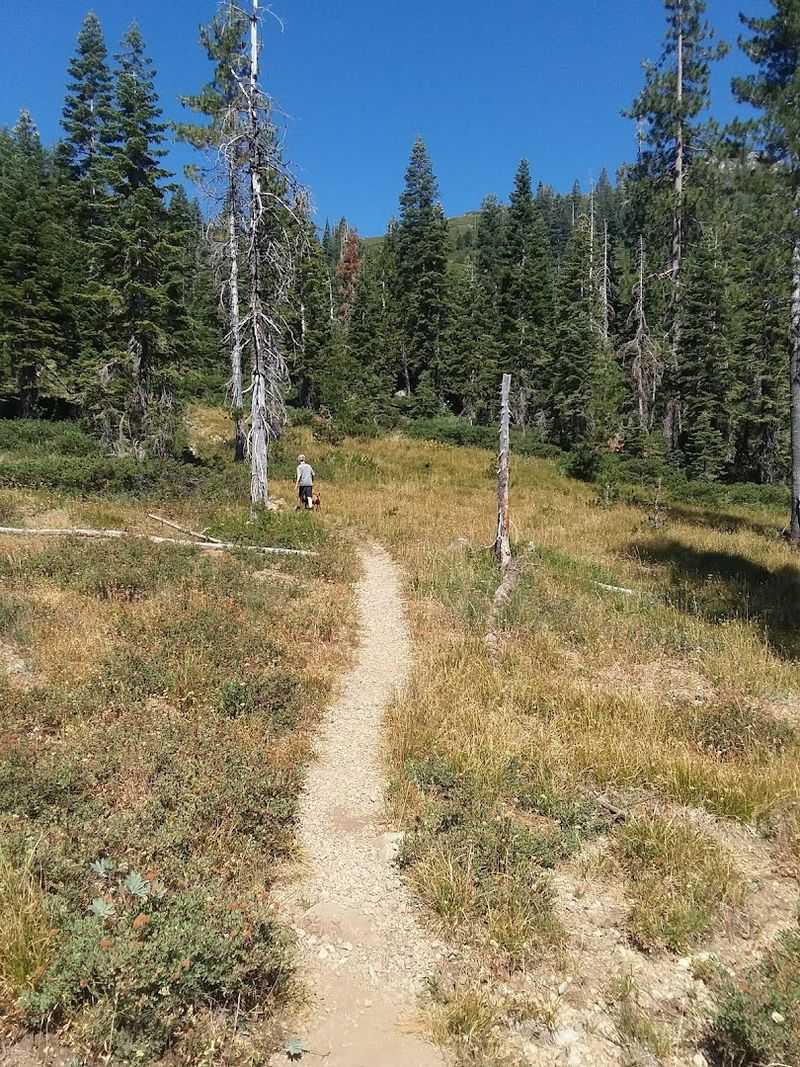
Some hikes punch well above their weight in terms of scenery relative to effort, and the short climb from Castle Lake to Heart Lake near Mount Shasta is a strong example of exactly that.
The route covers roughly 2.2 miles round trip with about 600 feet of elevation gain, which puts it firmly in the accessible category while still delivering views that include Castle Lake below, Black Butte, and the imposing snow-covered summit of Mount Shasta rising above the surrounding forest.
Castle Lake itself is worth time before or after the climb to Heart Lake, sitting at just over 5,400 feet in a granite-rimmed basin with remarkably clear water that reflects the sky and surrounding peaks.
The smaller Heart Lake higher up is quieter and less visited, offering a more secluded feel despite being just a short push above the main lake.
The trailhead begins at the Castle Lake parking area located about 10 miles southwest of Mount Shasta City off Castle Lake Road, and no permit is currently required for day use.
The road to the trailhead can be snow-covered or closed in winter and early spring, so confirming access conditions through the U.S. Forest Service Shasta-Trinity National Forest office before the trip is a practical step worth taking.