This Small North Carolina Place Lets You Hunt For Fossils And Shark Teeth
Digging for treasure usually sounds like something a cartoon pirate made up, but this North Carolina stop lets regular people show up and get their hands dirty for real.
Ancient shark teeth, fossil finds, and the thrill of pulling something prehistoric straight from the ground give the whole outing the kind of energy a normal museum visit can only dream about.
Even better, the hands-on fun does not come with a ticket price attached, which makes the adventure feel a little like getting away with something.
Kids get the excitement, grown-ups get the history, and everyone leaves with the satisfying feeling that a simple day trip just turned into a full-blown fossil fever story.
The Fossil Museum Experience
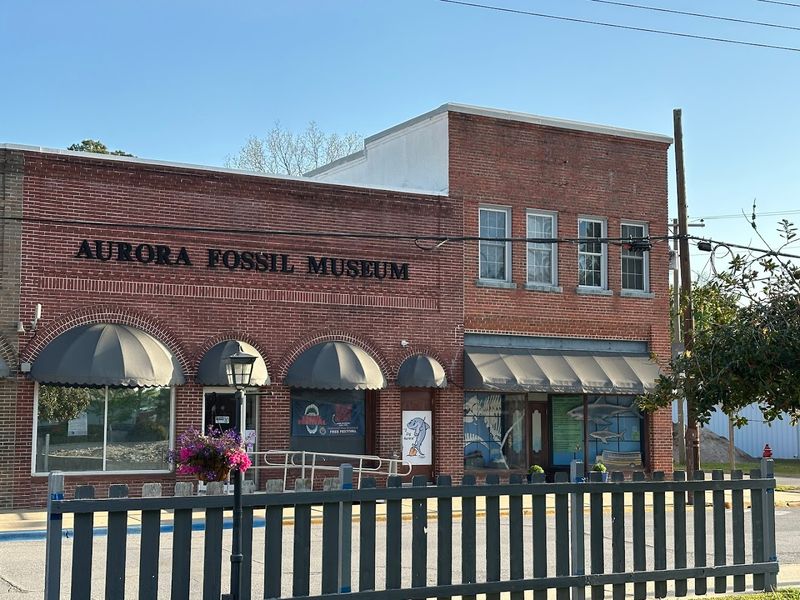
Walking into the museum gives the digging adventure far more meaning than it would have on its own. Current official pages say the Aurora Fossil Museum was founded in 1976 and exists to increase knowledge of the geology and paleontology of North Carolina’s Coastal Plain through exhibits, outreach, field studies, and the annual fossil festival.
Collection information also makes clear that the displays cover a wide prehistoric range, including vertebrate fossils, invertebrates, rocks and minerals, indigenous artifacts, and notable local finds such as large fossil shark teeth and even mastodon material. Instead of reducing the museum to a quick pre-dig stop, those details help it function as the intellectual backbone of the visit.
Children can connect what they are seeing in the cases to what they hope to pull from the pits outside, while adults get enough context to understand why Aurora is geologically special in the first place. Learning here feels closely tied to place rather than generic.
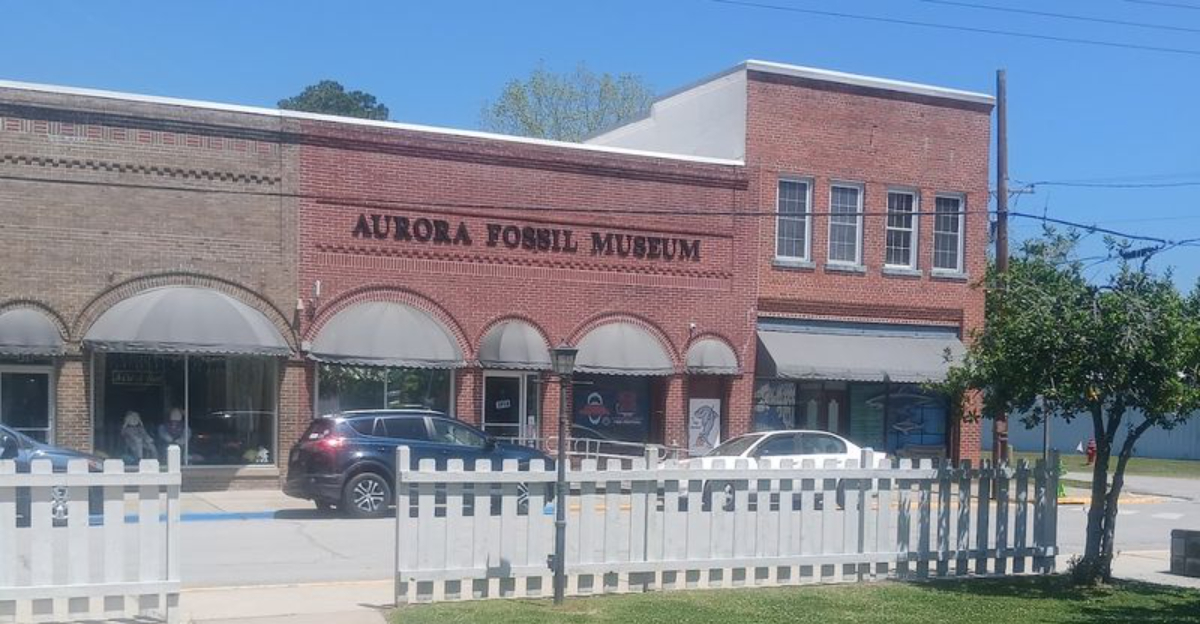
Coastal Plain science, nearby phosphate deposits, and marine life from millions of years ago all come together in one compact museum setting, which makes every fossil found later feel less random and much more like a clue from a very old local story. The Aurora Fossil Museum is located at 400 Main Street, Aurora, NC 27806.
Fossil Park Digging Pits
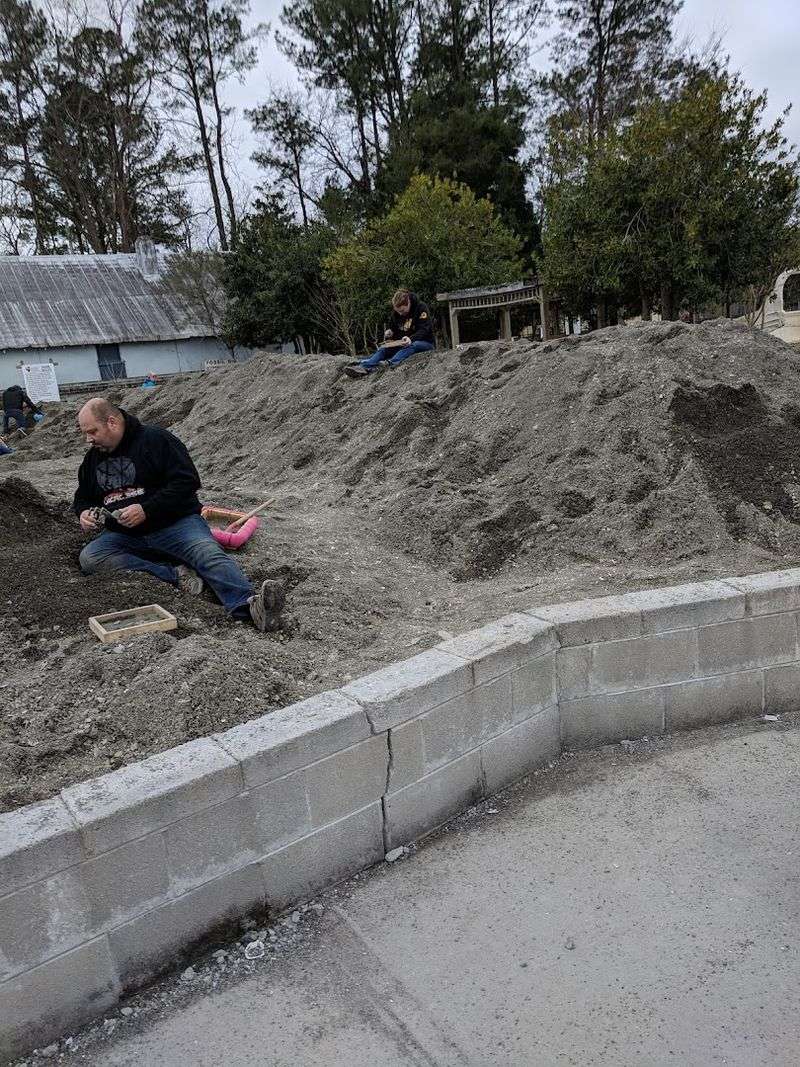
Heading outside is where curiosity usually turns into real excitement. Official museum information says the fossil park and pits are museum property, share the same operating schedule as the museum, and remain free to enter just like the indoor exhibits.
That same page also makes an important practical point: if the museum is closed, the fossil pits and park are closed too. Public materials encourage donations and gift-shop purchases to help support maintenance and operations, which reinforces that this is a functioning community resource rather than an abandoned open lot where people happen to dig.
Free admission is still the defining detail, because it makes the whole experience unusually accessible for families, school trips, and casual day-trippers. Bringing a bucket, a small bag, and clothes that can handle dust and dirt remains a smart plan, but no specialized gear is needed to enjoy the search.
Digging for fossils works here because the activity feels real without becoming intimidating. Visitors can simply kneel down, sift through material, and keep scanning until something dark, glossy, or oddly shaped catches the eye.
Once that first likely tooth or shell fragment appears, the whole park tends to become much harder to leave.
Shark Teeth Hunting Guide
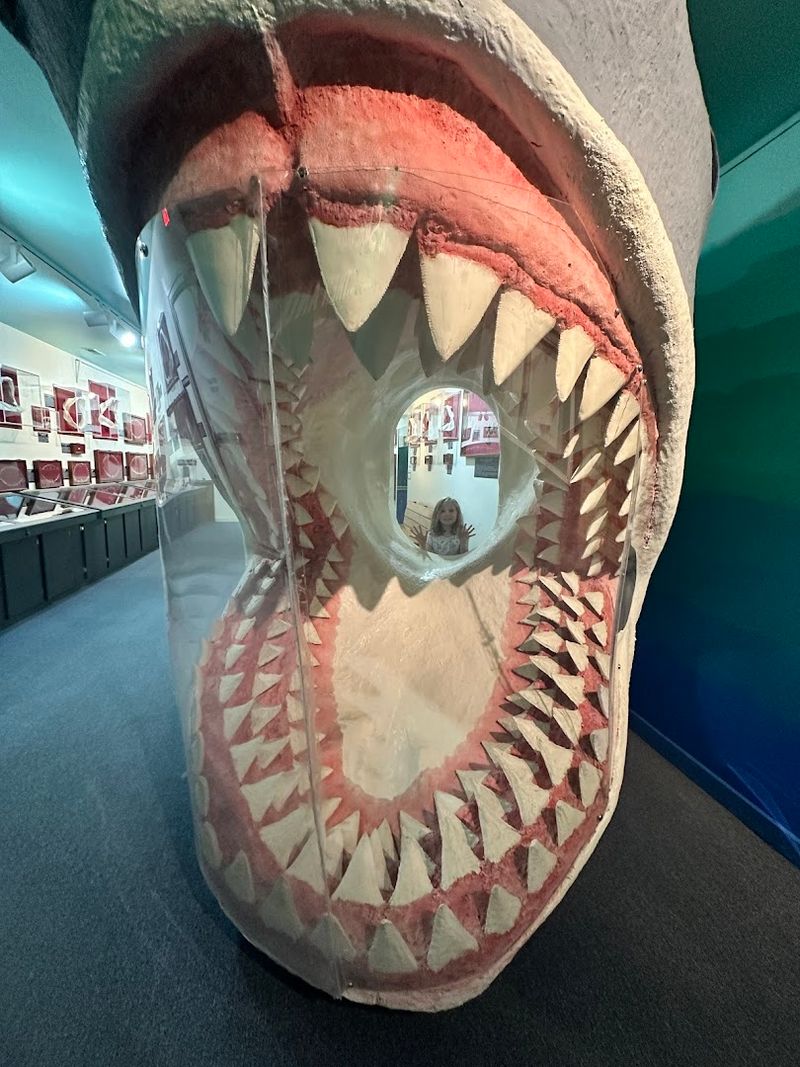
Shark teeth are the stars for good reason, and official museum resources explain exactly why Aurora has become such a magnet for them. Museum educational pages say fossil shark teeth are the most collected fossils in the world and the most common fossil found in the neighboring phosphate mine, while separate shark-fossil pages note that remains from nearly 50 shark species have been unearthed there, creating one of the richest Miocene and Pliocene fossil shark assemblages in the world.
Identification material adds even more context by explaining that teeth range from microscopic pieces to specimens over six inches long. Information like that changes the hunt from random dirt-sifting into something far more focused.
Once visitors know that dark triangular fragments may connect back to dozens of ancient shark species, even small finds start feeling significant. Aurora’s pits become more exciting because the odds of spotting a genuine shark tooth are not wildly remote.
The museum itself tells visitors this is exactly the sort of fossil the area is known for. Spotting one for the first time still feels thrilling, but the thrill lands even harder when it comes with the knowledge that the little black shape in your palm is part of a much bigger prehistoric marine record under eastern North Carolina.
Prehistoric Marine Fossils Beyond Shark Teeth
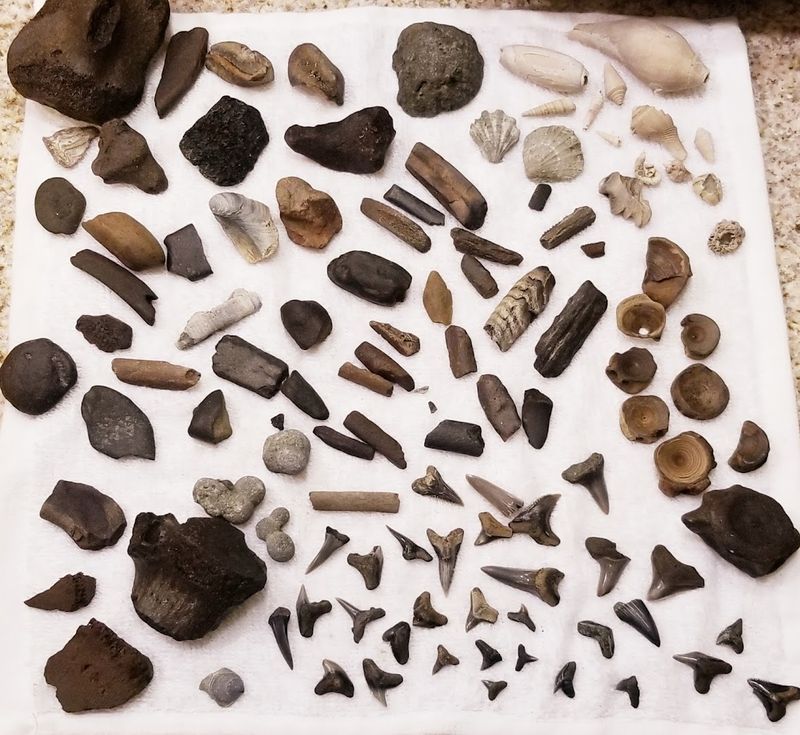
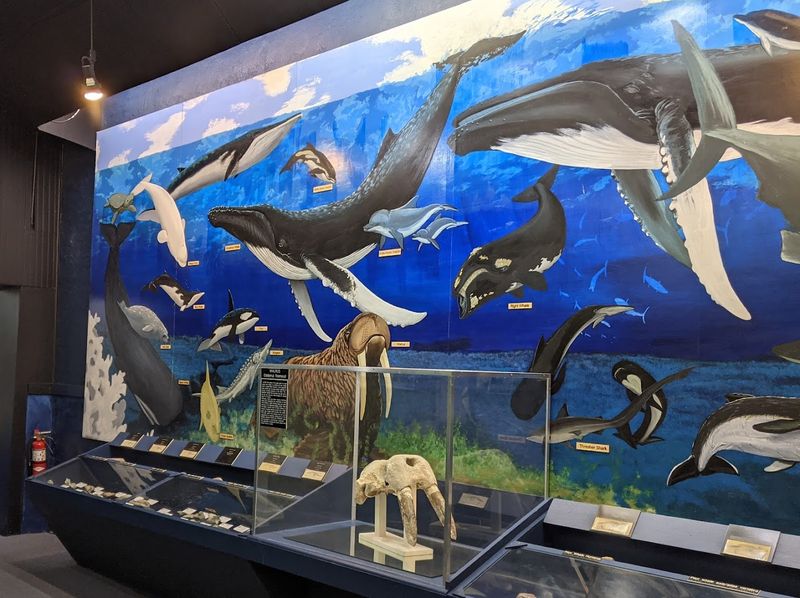
Ancient shark teeth may get the glory, yet the broader fossil story in Aurora is much richer than one famous category. Museum collections pages highlight vertebrate and invertebrate exhibits, while specialized pages on cetacean fossils explain that 39 species of whales, dolphins, and porpoises have been identified from the neighboring phosphate mine.
Official collection descriptions also mention marine shells, rays, and other fossil material tied to the ancient sea that once covered this region. That variety matters because it turns a fossil hunt into something with genuine range and surprise.
Visitors are not just searching for one black triangle and calling the day complete. Shell fragments, coral-like material, bone pieces, ray-related finds, and other marine leftovers all become possible parts of the experience.
Family outings especially benefit from that unpredictability, because every scoop of sediment can reward a different kind of eye. Children may lock onto shark teeth first, while adults get pulled into the broader question of what sort of seafloor ecosystem once existed here.
Museum displays help close that gap beautifully by giving names, categories, and visual context to what otherwise might seem like strange little fragments. Aurora becomes more satisfying precisely because every find can open into a larger prehistoric picture.
Aurora Town Charm And Local Atmosphere
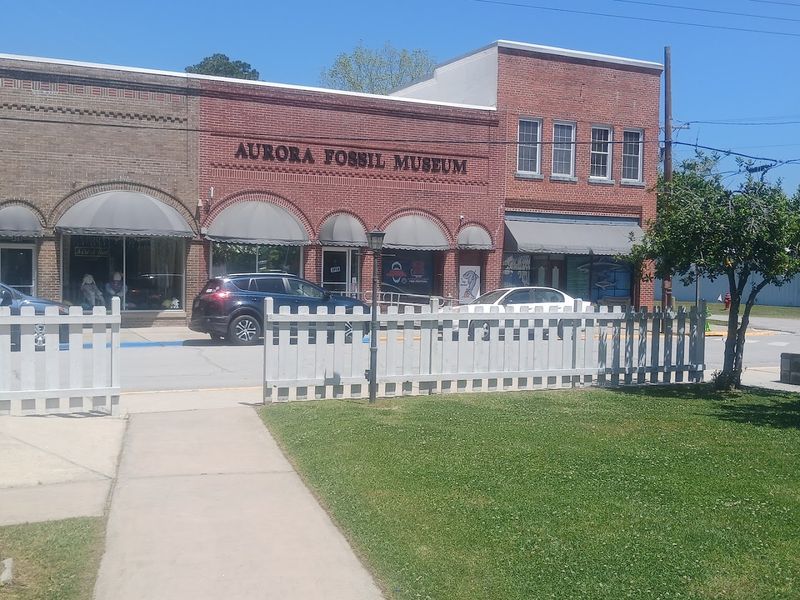
Aurora itself adds a huge amount to the experience because the town feels small enough that the museum’s fossil identity genuinely shapes the place. Public festival and museum materials tie the annual event directly to Aurora rather than to some larger nearby city, which reinforces how closely local identity and paleontology have become linked here.
A destination like this works differently from a giant tourism complex. Crowds and noise are not the appeal.
Instead, the visit feels folded into the rhythm of a quieter Beaufort County town where a nonprofit museum and outdoor fossil pits can still be the center of a day’s adventure. That scale changes expectations in a good way.
Fossil hunting stops feeling packaged and starts feeling discovered. Visitors can spend time at the museum, walk out to the pits, talk about finds, and absorb the strange delight of doing something so prehistoric in such a relaxed setting.
Smaller towns often leave stronger memories when they are tied to one vivid local specialty, and Aurora clearly has that advantage. Marine fossils, shark teeth, and festival culture all point back to the same main street address, giving the whole town a very specific personality that most North Carolina day-trip spots simply do not have.
North Carolina Fossil Festival In Aurora
Memorial Day weekend is when Aurora’s fossil identity becomes impossible to miss. Official museum and festival pages show that the North Carolina Fossil Festival runs May 23 to May 24, 2026, with free admission and programming built around the Aurora Fossil Museum and the region’s fossil record.
Public festival descriptions mention digging for fossils, fossil displays, partner organization exhibits, live entertainment, food and craft vendors, a dinosaur show, a silent auction, and special ticketed events, while the museum calendar ties the celebration directly to Aurora and its annual festival tradition. Planning a trip around those dates gives visitors much more than ordinary museum hours.
Energy rises, more people arrive with serious fossil enthusiasm, and the whole town leans into the prehistoric theme in a way that turns a quiet destination into a lively one without losing its local character. Memorial Day weekend can bring crowds, of course, but it also offers one of the fullest possible versions of the Aurora experience.
Museum learning, outdoor digging, and community celebration all converge at once, which makes the place easier to understand and harder to forget. Anyone wanting the broadest, most animated version of Aurora should circle those dates immediately.
Free Admission And Family Budget Tips
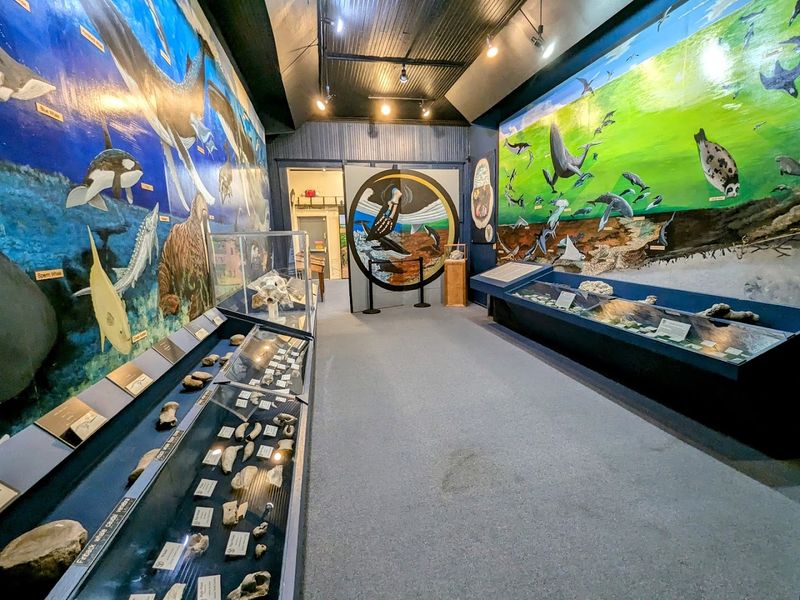
Free admission is one of the museum’s greatest strengths, and official information confirms that both the museum and the fossil park cost nothing to enter. That alone puts Aurora in a rare category of family day-trip destinations, especially because the activity involved is not passive.
Visitors leave with knowledge, time outside, and a fair chance of bringing home something tangible from the pits. Costs can still creep in through fuel, snacks, festival extras, or gift-shop temptations, yet the core experience remains unusually budget-friendly.
Practical planning makes the day even smoother. Carrying water, sunscreen, a small bag or bucket for finds, and clothes that can handle dirt will make the digging far more enjoyable, especially for children.
Because the 2026 schedule varies by season, checking the official museum calendar before visiting is essential. Timing matters more here than at a giant attraction with uniform daily hours.
Aurora rewards people who arrive prepared and unhurried. Once those basic details are handled, families can spend hours moving between the exhibits and the pits without worrying that every extra minute is driving up the price of the day, which makes the whole adventure feel even better.
Planning Your Visit To Aurora
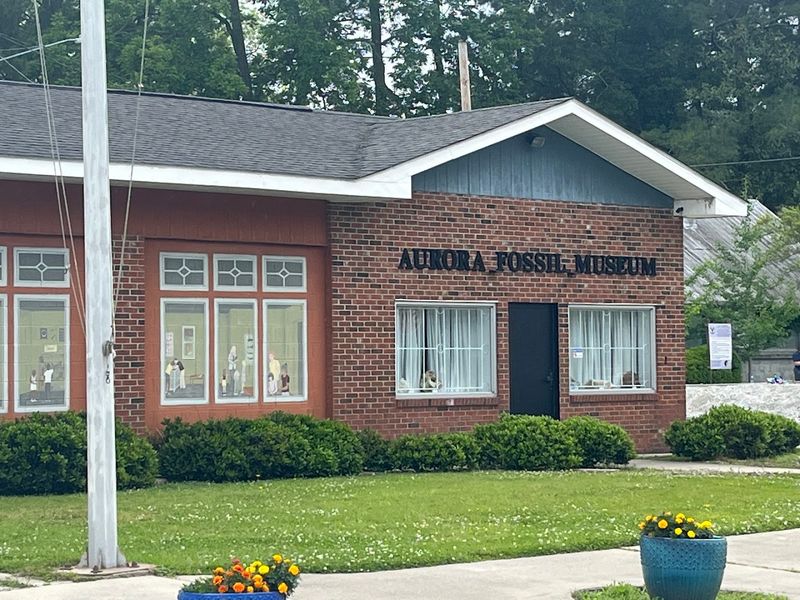
Getting to Aurora takes a little planning, but the journey is part of the fun. Located in Beaufort County in eastern North Carolina, the town sits roughly between Washington, NC and the Pamlico Sound, surrounded by flat farmland and winding waterways.
The drive through the Coastal Plain offers a scenic preview of the quiet, unhurried world you are about to enter.
The museum at 400 Main Street, Aurora, NC 27806 follows a seasonal schedule that changes across the year, so checking the official site before visiting is essential. Arriving on a weekday tends to mean smaller crowds at the fossil pits, giving you more space to dig and explore at your own pace.
Weekends during the summer can get busier, especially when organized school groups and family reunions are in town.
Combining an Aurora visit with a broader eastern North Carolina road trip makes excellent geographic sense. Nearby towns, waterfront areas along the Pamlico River, and other natural attractions in the region can round out a full weekend of exploration.
North Carolina’s eastern coast is full of hidden gems, and Aurora sits right at the heart of one of the most geologically fascinating corners of the entire state.