12 California Small Museums That Are Actually Worth The Detour
Big museums get the attention, but smaller ones often leave the deeper impression.
California has little places like this scattered across the state, quietly holding stories, objects, and odd corners of history that feel far more personal than grand.
Walking into one can change the whole rhythm of a day. The rooms are calmer, the details feel closer, and the experience has a way of surprising you when you least expect it.
A detour starts making sense in places like these because the reward is not scale. It is character.
One stop might be charming, another eccentric, another unexpectedly moving.
That variety is part of the fun. These California small museums prove a worthwhile visit does not need a huge building or a famous name to stay with you.
1. Museum of Jurassic Technology, Culver City
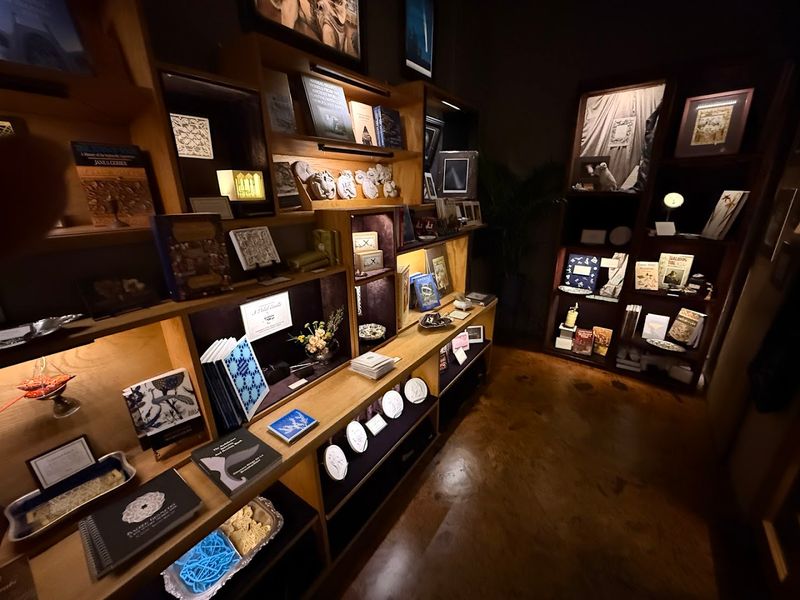
Walking into the Museum of Jurassic Technology feels less like entering a museum and more like stepping into someone else’s dream.
Located at 9341 Venice Blvd, Culver City, CA 90232, the building gives little away from the outside, which is very much the point.
Exhibits here blend real science with invented history in a way that keeps visitors genuinely unsure where fact ends and fiction begins.
Subjects range from the microscopic to the cosmic, covering everything from Soviet space dogs to Medieval bestiaries and the architecture of Islamic design.
The pacing is slow and deliberate, with low lighting and hushed corridors that feel more like a contemplative art installation than a traditional gallery walk. Hours are limited, so checking ahead before visiting is strongly recommended.
Admission is modest, and the museum includes a small rooftop tea room that offers a surprisingly peaceful pause between exhibits.
2. Niles Essanay Silent Film Museum, Fremont
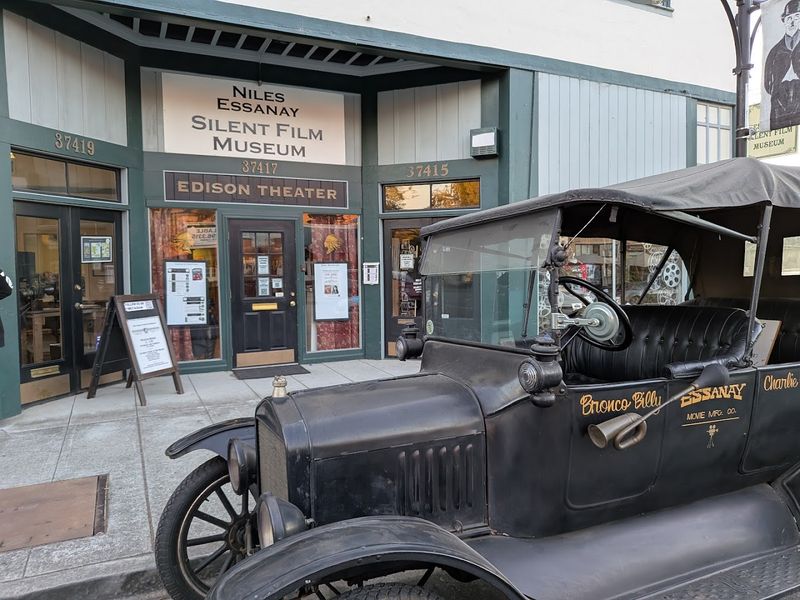
Long before Hollywood became synonymous with the film industry, a small district in what is now Fremont was quietly making cinema history.
The Niles Essanay Silent Film Museum, located at 37417 Niles Blvd, Fremont, CA 94536, honors that legacy with a collection tied directly to Essanay Studios, the production company that brought Charlie Chaplin to Niles in 1914 and 1915 to film some of his most beloved early shorts.
The museum is open on weekends only, which gives it the feel of a genuine hidden find rather than a tourist circuit staple.
Exhibits include original production photographs, artifacts from the Niles film era, and detailed documentation of how the town’s landscape appeared in actual scenes.
The surrounding Niles Canyon district still looks remarkably similar to its early twentieth-century form, which adds a tangible layer of atmosphere to the visit that most film history museums cannot replicate.
Silent films are also screened regularly at the nearby Edison Theatre, making it easy to build a fuller half-day experience around the museum stop.
For anyone interested in early cinema, labor history, or California’s pre-Hollywood film culture, this Fremont destination offers depth that far exceeds its modest square footage.
3. Maturango Museum, Ridgecrest
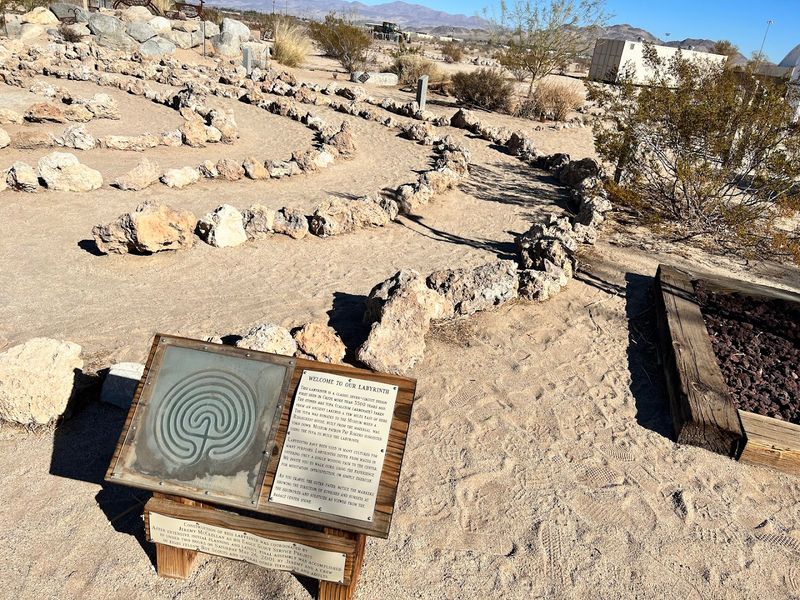
Sitting at the edge of the Mojave Desert, the Maturango Museum in Ridgecrest serves as both a gateway and a guide to one of California’s most underexplored regions.
The permanent collection covers local natural history, regional geology, and the cultural heritage of the people who have lived in and around the high desert for thousands of years.
Art exhibitions rotate regularly and often feature work by artists responding to the desert landscape in ways that feel grounded rather than decorative.
One of the museum’s most distinctive offerings is its connection to guided tours of the Coso Rock Art site, a location within the nearby Naval Air Weapons Station China Lake that contains one of the largest concentrations of petroglyphs in North America.
These tours require advance registration and are offered only during specific seasons, but they represent a genuinely rare opportunity to see rock art that is otherwise inaccessible to the public.
Even without the rock art tour, the museum itself offers solid value as a Ridgecrest stop, particularly for travelers passing through on a Mojave road trip.
The building at 100 E Las Flores Ave, Ridgecrest, CA 93555 is modest in size but generous in the range of subjects it covers with care and regional specificity.
4. Cabot’s Pueblo Museum, Desert Hot Springs
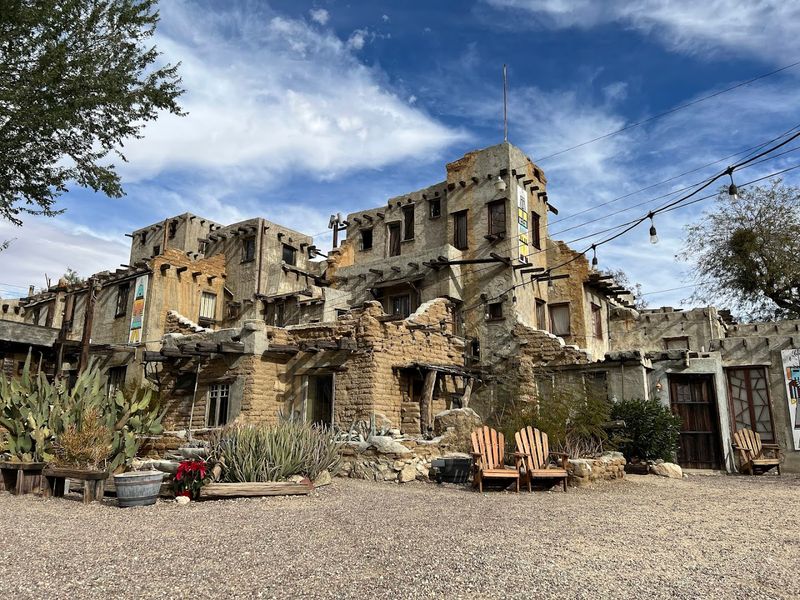
Built almost entirely by hand over the course of four decades, Cabot’s Pueblo Museum in Desert Hot Springs stands as one of California’s most unusual architectural achievements.
The structure was constructed by a single individual using salvaged materials collected from across the desert Southwest, resulting in a building that feels more like living folk art than a conventional historical site.
Guided tours run approximately 45 minutes and are led by docents who walk visitors through the rooms, artifacts, and stories embedded in the building’s construction.
The museum at 67616 E Desert View Ave, Desert Hot Springs, CA 92240 tells the story of the builder’s life, his relationship with Indigenous communities, his time in Alaska, and his deep connection to the Coachella Valley desert.
Rooms are filled with personal objects, Native American art, and handmade furnishings that give the space a warmly cluttered, deeply personal atmosphere.
The building itself has 35 rooms spread across four stories, all constructed without formal architectural training.
Visiting on a cooler morning is advisable since the desert heat can make outdoor portions of the tour uncomfortable by midday.
5. Historical Glass Museum, Redlands
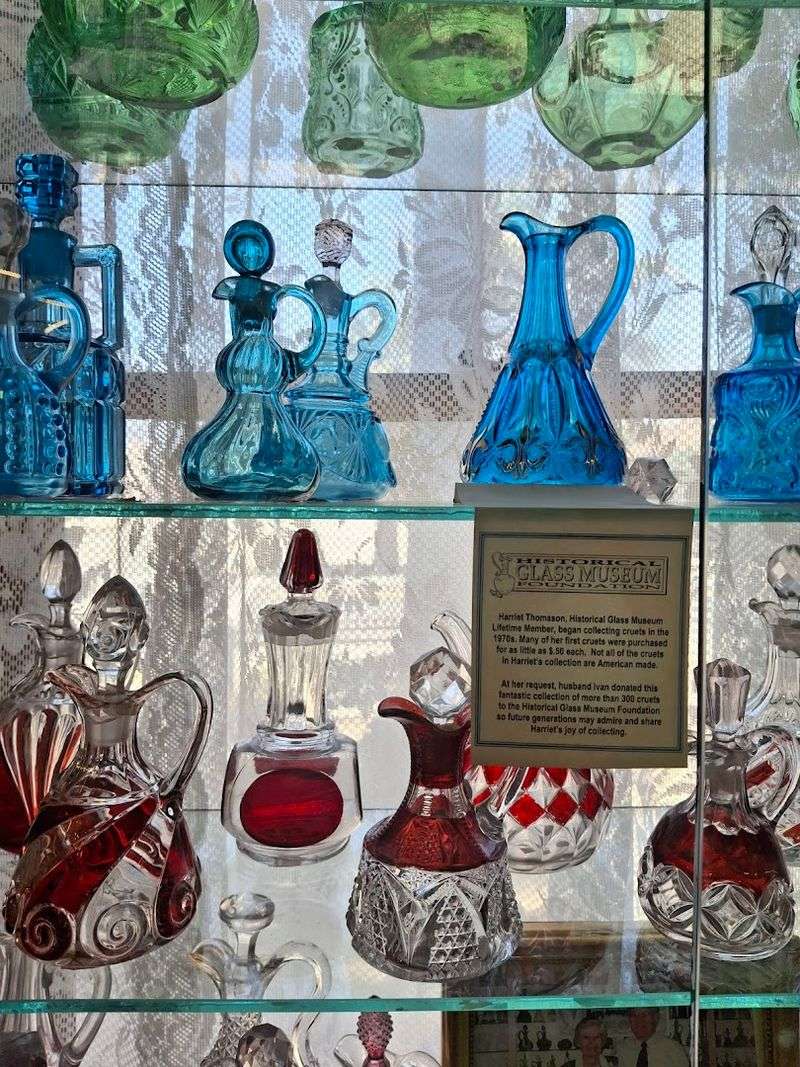
Housed inside a beautifully preserved 1903 Victorian home, the Historical Glass Museum in Redlands offers something genuinely uncommon: six rooms dedicated entirely to the history of American glass production.
The collection spans pressed glass, art glass, Depression-era glass, and decorative pieces from manufacturers across the country, presented with enough context to make the subject accessible even for visitors who have never thought much about glass as a collectible category.
The venue at 1157 N Orange St, Redlands, CA 92374 is open on weekends, which reinforces its identity as a rewarding side trip rather than a major tourist destination.
The Victorian setting adds a layer of atmosphere that a purpose-built gallery space simply could not replicate, and the scale of the rooms keeps the experience intimate and unhurried.
The focus on a single material category gives the museum a clarity of purpose that makes everything on display feel intentional and worth examining closely.
Checking weekend hours in advance is recommended since they can vary.
6. The Hand Fan Museum, Healdsburg
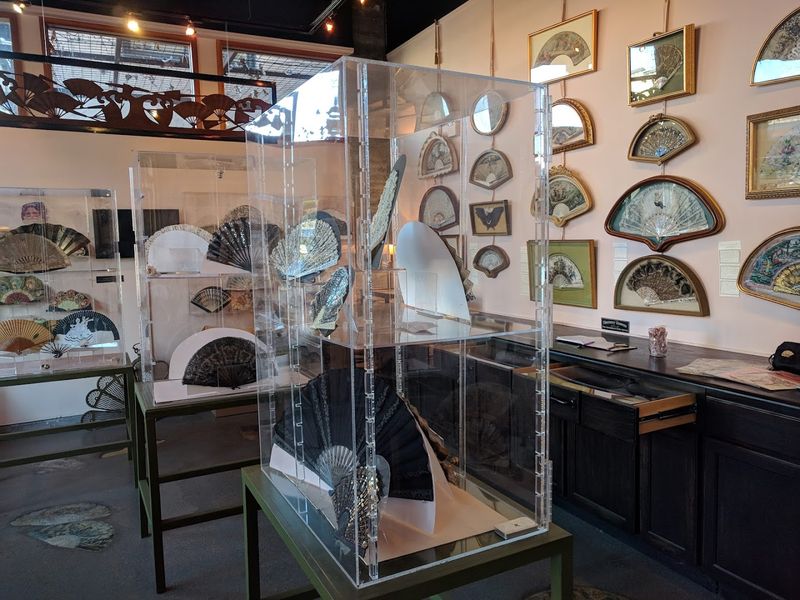
The first museum in the United States dedicated entirely to hand fans, the Hand Fan Museum in Healdsburg holds a collection of more than 2,500 items spanning several centuries and dozens of cultures.
What makes the collection especially compelling is the range of contexts in which fans have functioned historically, including fashion, religious ceremony, military signaling, theatrical performance, and political communication.
Each object carries a story that extends well beyond its surface decoration.
Permanent displays trace how fan design evolved across Europe, Asia, and the Americas, with rotating exhibitions that regularly introduce new pieces or thematic angles to the presentation.
The museum at 309 Healdsburg Ave, Healdsburg, CA 95448 occupies a modest but well-organized space that allows for careful examination of individual pieces without the overwhelming scale of a large institution.
The level of craft visible in many of the older fans is remarkable, with hand-painted silk, carved bone, and intricate lacework appearing throughout the collection.
Healdsburg itself is a charming town with plenty of reasons to spend a few hours, which makes the Hand Fan Museum an easy addition to a Sonoma County day trip rather than a standalone detour.
7. Napa Toy Museum, Napa
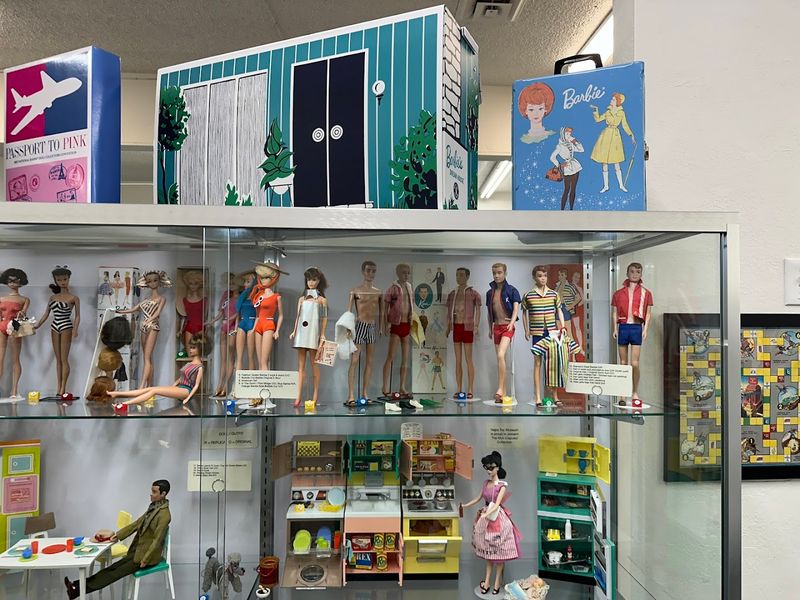
Toy museums can sometimes feel like glorified antique shops, but the Napa Toy Museum earns its status as a genuine collection worth visiting by organizing its holdings around themes of mechanical ingenuity, cultural history, and the evolution of play across generations.
Wind-up toys, tin robots, mechanical banks, cast-iron vehicles, and early plastic figures appear throughout the space, each category representing a distinct chapter in the history of how toys were made and marketed.
Located at 1091 Napa Town Center, Napa, CA 94559, the museum fits comfortably into a broader Napa day trip without demanding more time than visitors are willing to give.
The compact layout means the full experience can be completed in under an hour, making it a natural complement to other downtown Napa stops rather than a half-day commitment.
Displays are well-labeled and approachable for visitors of all ages, though the material tends to resonate most strongly with adults who grew up with mid-twentieth-century toys.
The mechanical banks section is particularly worth slowing down for, as many of the pieces demonstrate levels of engineering creativity that feel surprising given when they were produced.
8. Rancho Obi-Wan, Petaluma
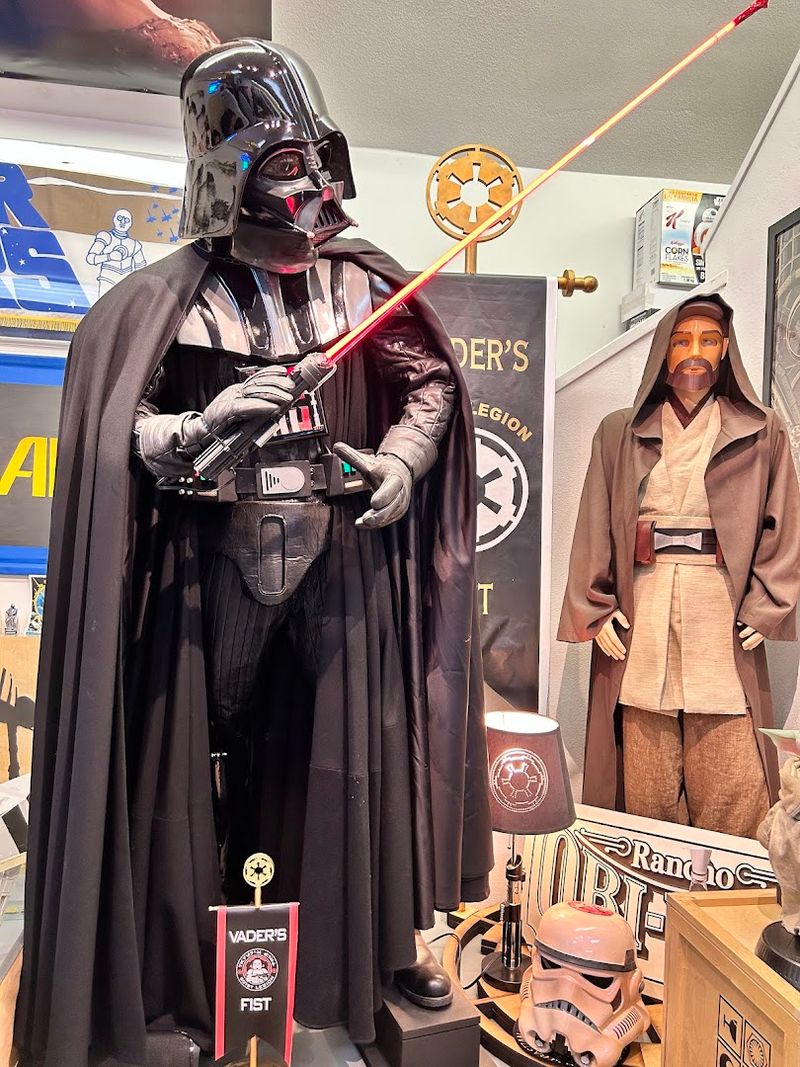
Holding the Guinness World Record for the largest privately held Star Wars memorabilia collection on the planet, Rancho Obi-Wan in Petaluma is a destination that requires serious advance planning to visit.
Walk-ins are not permitted, and all tours are docent-led, which means every visit is structured, informative, and paced to give the collection the attention it deserves.
Children under six are not allowed, keeping the experience focused on visitors who can genuinely engage with the material.
The collection spans decades of Star Wars history and includes original production props, rare international variants of classic toys, vintage costumes, promotional materials, and items that even dedicated fans may never have encountered before.
The depth of the archive is genuinely staggering, and the docent-led format ensures that context and stories accompany the objects rather than leaving visitors to interpret everything independently.
Located at 659 Chapman Ln, Petaluma, CA 94952, the museum fits naturally into a broader wine country or North Bay itinerary.
The experience tends to run around two hours and covers a large warehouse space, so comfortable footwear is a practical consideration.
9. Mendenhall Museum, Buellton
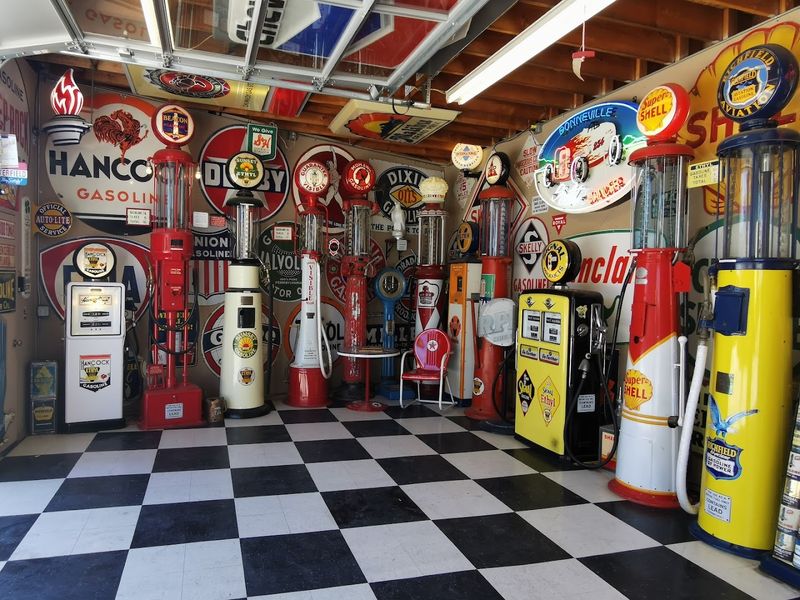
Somewhere between a personal obsession and a public treasure, the Mendenhall Museum in Buellton presents one of the most affectionate collections of American motoring history found anywhere along the California coast corridor.
Vintage gas pumps anchor the collection visually, their porcelain enamel surfaces still vivid with the colors and logos of mid-century petroleum brands that most travelers only recognize from old photographs.
Porcelain signs, oil cans, race cars, and road-trip memorabilia fill the surrounding space with a density that rewards slow, unhurried exploration.
The museum at 1114 A Ave, Buellton, CA 93427 is family-run, which gives the whole place a warmth and personal investment that distinguishes it from more institutional collections.
The people behind the museum have spent decades assembling pieces that document not just automotive mechanics but the broader culture of American car travel during its most romanticized era.
Stories and context accompany many of the objects, giving visitors more to engage with than simply the visual appeal of well-preserved artifacts.
Buellton sits along the Highway 101 corridor between Santa Barbara and San Luis Obispo, making the museum a natural stop for anyone driving the Central Coast rather than a standalone destination requiring a major detour.
10. The Dunes Center, Guadalupe
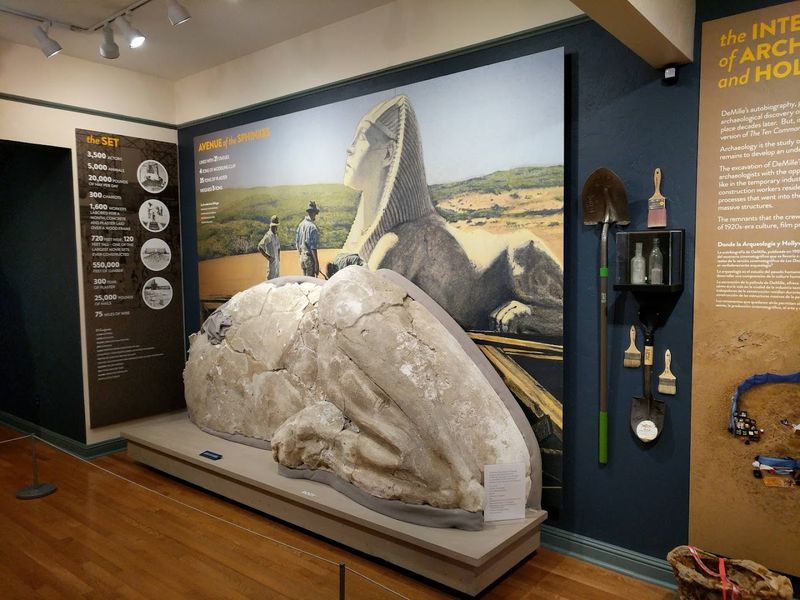
Tucked into the small agricultural town of Guadalupe on California’s Central Coast, The Dunes Center serves as both a nature education hub and a surprisingly cinematic history stop.
The museum focuses on the ecology and conservation of the Guadalupe-Nipomo Dunes, one of the largest remaining coastal dune systems on the West Coast, with exhibits covering the plant and animal communities that depend on this fragile environment.
The natural history content alone makes it worth a stop for anyone interested in California’s coastal ecosystems.
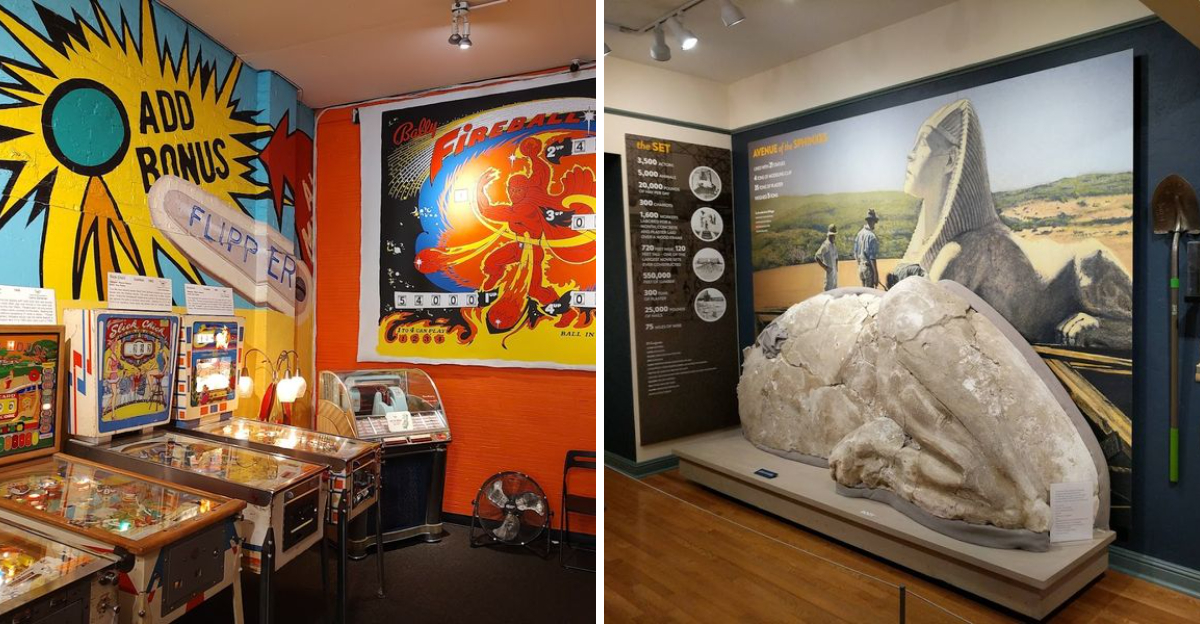
What elevates the experience into genuinely unexpected territory is the museum’s connection to Cecil B. DeMille’s 1923 production of The Ten Commandments, portions of which were filmed on the Guadalupe dunes.
When the production wrapped, DeMille reportedly buried the enormous Egyptian-style sets in the sand rather than haul them away, and artifacts from those buried structures have been recovered and are displayed at The Dunes Center.
The building at 1065 Guadalupe St, Guadalupe, CA 93434 holds these pieces alongside the ecological materials, creating an unusual combination that feels completely authentic to the place.
11. Pacific Pinball Museum, Alameda
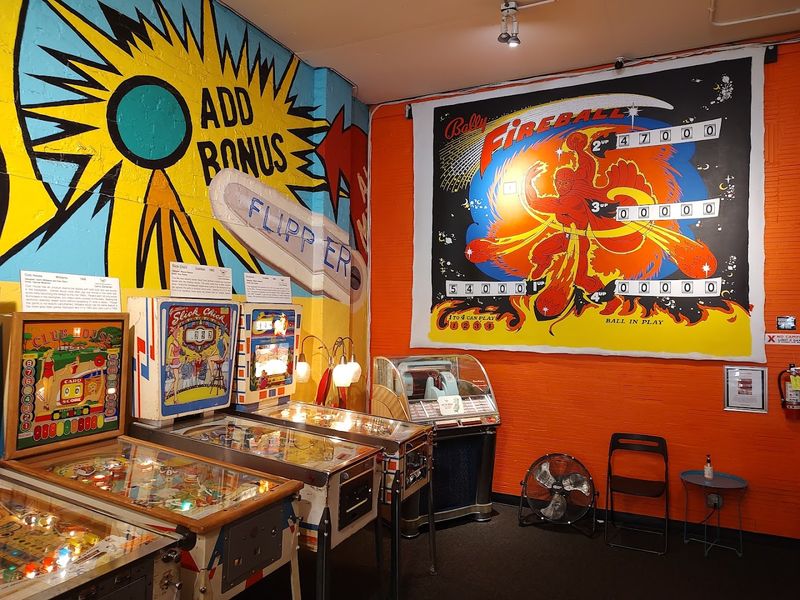
Few museum experiences are as immediately joyful as walking into a room filled with more than 100 fully playable pinball machines spanning nearly a century of design history.
The Pacific Pinball Museum at 1510 Webster St, Alameda, CA 94501, makes a strong case that pinball deserves serious cultural attention, not just nostalgic appreciation.
Machines are organized chronologically, so visitors can trace how the technology, artwork, and gameplay mechanics evolved from the 1930s all the way through the modern era.
Beyond the gameplay, the museum presents pinball as a lens for understanding American pop culture, mechanical engineering, and graphic design trends across different decades.
Panels and signage provide context without overwhelming the experience, keeping the tone educational but never dry.
The collection includes rare electromechanical models that are increasingly difficult to find in working condition anywhere else.
Admission includes unlimited play on all machines, which makes the entry price feel genuinely worthwhile for anyone who spends more than an hour there.
The space is lively but not chaotic, and the staff tends to be knowledgeable and approachable for questions about specific machines.
12. Blackbird Airpark, Palmdale
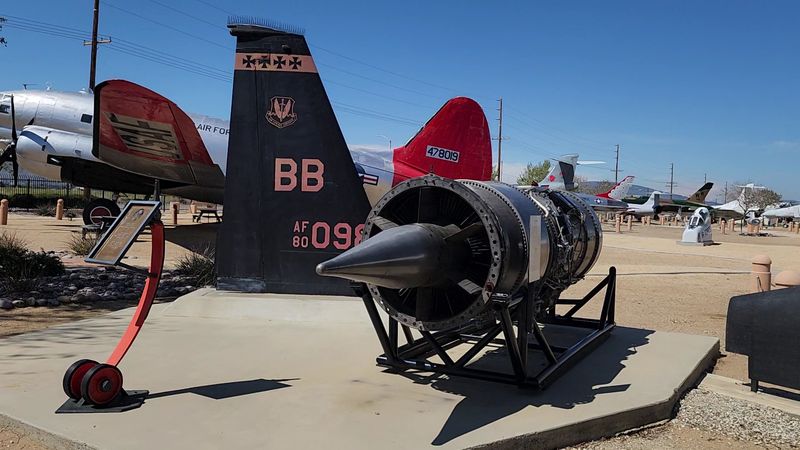
Few aviation stops in California offer the combination of rarity and accessibility found at Blackbird Airpark in Palmdale, where several of the most significant reconnaissance aircraft of the Cold War era are displayed in an open-air setting just off the highway.
The SR-71A Blackbird, the A-12 Oxcart, a D-21 drone, and a U-2 “D” model are among the aircraft on static display, representing a concentration of classified-program hardware that once operated from nearby facilities at Edwards Air Force Base and the Skunk Works division of Lockheed.
The sheer physical presence of these aircraft, seen up close without barriers, creates an impression that photographs simply do not prepare visitors for.
Located at 2555 Ave P, Palmdale, CA 93550, the airpark is an outdoor facility, which means visits are weather-dependent and most comfortable during the cooler months given the high desert climate.
Admission is free, and the site is managed in coordination with the Air Force Flight Test Museum, adding institutional credibility to the preservation and interpretation of the aircraft.
Informational signage provides historical context for each aircraft’s development, operational history, and eventual declassification.
Arriving during daylight hours and allowing at least an hour for a thorough walkthrough is advisable.