11 California Hiking Trails With Waterfalls That Feel Like Secret Finds
Not every trail announces its best part right away. Some keep you walking just long enough to make the reveal feel personal.
California has waterfall hikes that carry that kind of quiet suspense, where the air turns cooler, the sound starts threading through the trees, and suddenly the whole landscape feels like it has been keeping something from you.
The falls do not just look beautiful. They change the atmosphere around them, adding movement, freshness, and a little bit of awe to everything nearby.
A hike like that can feel less like exercise and more like following a hint toward something hidden.
These California trails have exactly that energy, part escape, part discovery, and far more satisfying than an ordinary scenic stop.
1. Pfeiffer Falls Trail, Pfeiffer Big Sur State Park, Big Sur
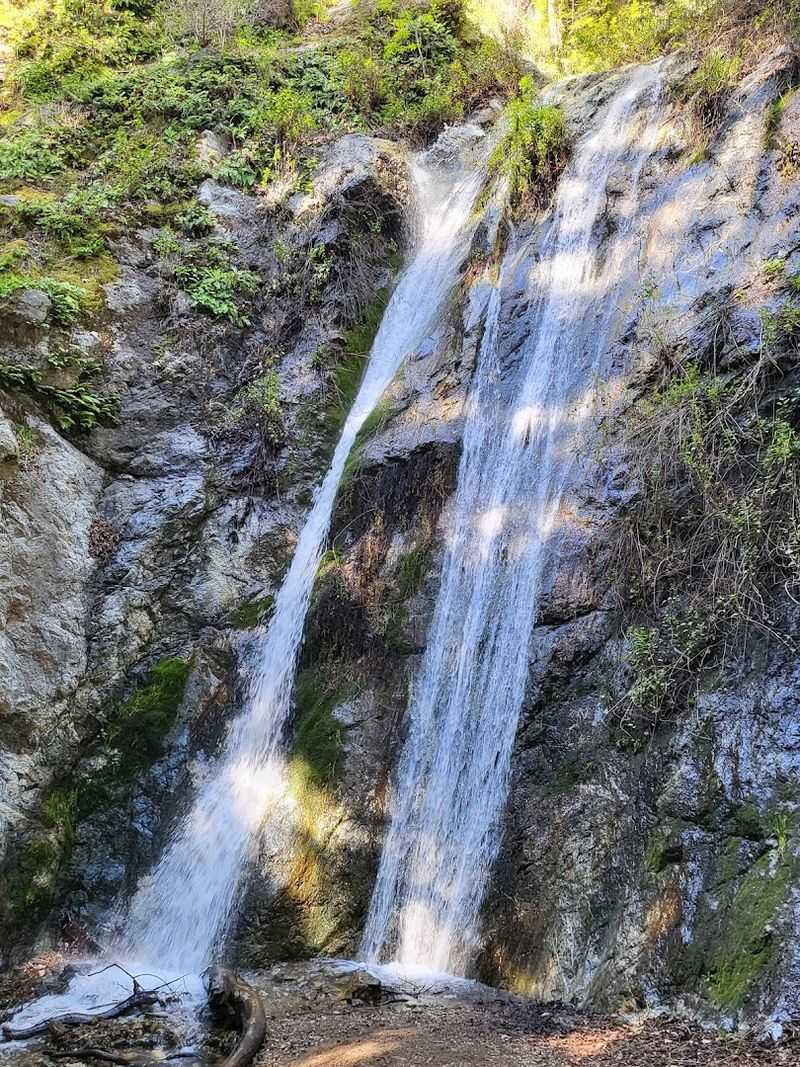
Tucked inside one of the most dramatic stretches of California coastline, the Pfeiffer Falls Trail delivers a surprisingly lush experience for such a short walk.
The trail winds through coast redwoods and crosses a recently repaired footbridge before arriving at a 60-foot waterfall that drops cleanly into a rocky pool.
After years of storm damage and closures, the trail has reopened and the forest feels refreshed and alive.
The canyon stays cool and shaded even on warm days, which makes the hike feel more remote than its modest length suggests.
Ferns crowd the trail edges and the sound of the creek builds steadily as the waterfall gets closer. The payoff at the end feels genuinely earned even though the distance is short.
Big Sur trails can be affected by seasonal closures and road conditions on Highway 1, so confirming access before the trip is worth the extra step.
Weekday visits tend to feel quieter and more peaceful than weekend crowds allow.
The combination of towering redwoods, a working footbridge, and a dramatic plunge waterfall makes this trail one of the most satisfying short hikes along the entire central California coast.
2. Phantom Falls Trail, North Table Mountain Ecological Reserve, Oroville
Few waterfall hikes in California feel quite as cinematic as the walk to Phantom Falls on a good rain year.
The trail crosses a wide basalt plateau that was formed by ancient lava flows, and the flat open terrain gives the landscape an almost otherworldly quality.
Wildflowers blanket the ground in early spring and the contrast between the open sky and the sudden cliff edge is genuinely striking.
Phantom Falls is entirely seasonal and typically disappears by late spring once the rainy season ends.
The waterfall drops dramatically off the basalt rim and the sound of it carries across the plateau long before the edge comes into view.
North Table Mountain Ecological Reserve is managed by the Bureau of Land Management and the trail system is relatively undeveloped compared to state park routes.
There are no formal facilities at the trailhead so bringing enough water and wearing sturdy footwear matters.
The hidden-feeling openness of this hike combined with the seasonal nature of the falls gives it a rare quality that rewards those who plan around the right conditions.
3. Russian Gulch Waterfall Loop, Russian Gulch State Park, Mendocino
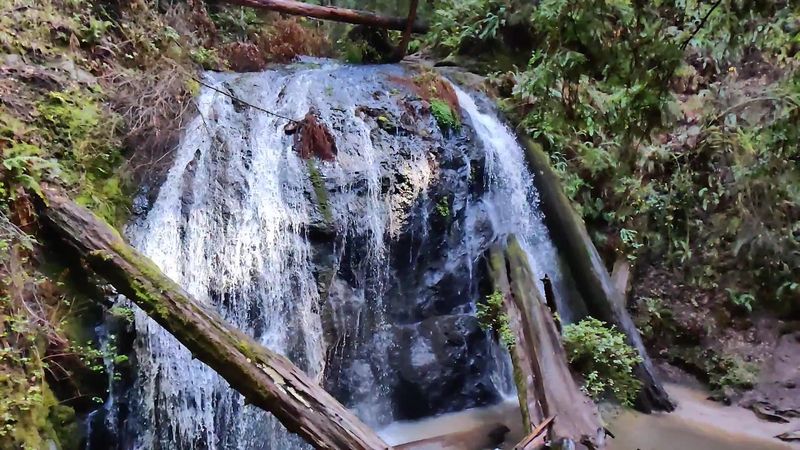
Russian Gulch State Park sits along the Mendocino coast and offers a trail system that feels far removed from the crowds typically found at more famous Northern California destinations.
The waterfall loop follows a canyon creek through a dense forest of coastal redwoods and ferns, building a rhythm that feels unhurried and genuinely restorative.
The forest floor stays damp and green for much of the year, giving the trail a lush texture that holds up well even outside peak waterfall season.
The waterfall itself is modest in height but sits in a narrow canyon that amplifies the sound and creates a sense of enclosure that feels satisfying after the walk in.
The loop format means the return route offers different views and a slightly different feel from the approach. Most visitors to the Mendocino area focus on the coastline, which leaves this inland canyon trail noticeably quieter.
The park charges a day-use fee and the trailhead is accessible from the main park entrance off Highway 1.
Parking fills up on summer weekends but the waterfall section of the trail rarely feels crowded even when the campgrounds are full.
4. Cataract Falls Trail, Mount Tamalpais Watershed, Marin County
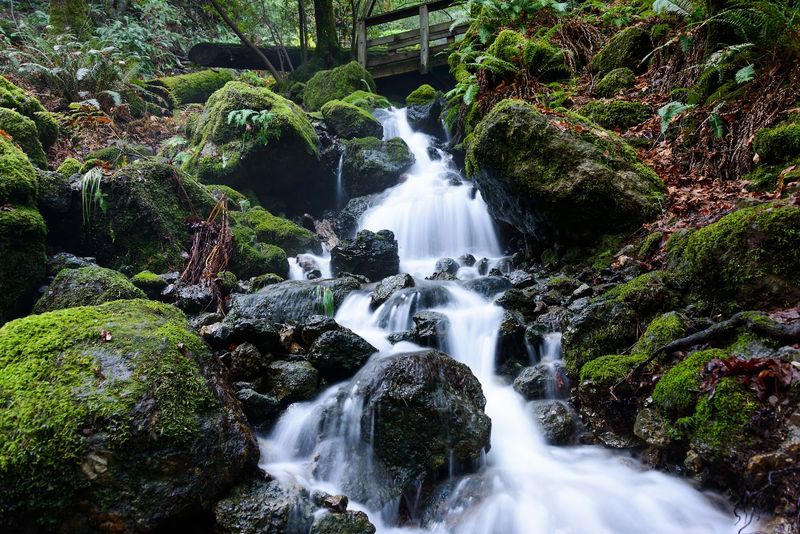
Some of the Bay Area’s most beloved hiking hides in Marin County, where forested slopes, reservoirs, and misty creek corridors can make a short outing feel surprisingly far from the city.
Among those routes, Cataract Falls Trail stands out as one of the most atmospheric hikes in the entire watershed.
The trail follows Cataract Creek uphill through a canyon dense with bay laurel, Douglas fir, and redwood, and the creek tumbles alongside the path in a series of small cascades that build toward the main falls.
The combination of mist, moss, and filtered forest light gives the canyon a deep-woods mood that feels much wilder than the proximity to San Francisco would suggest.
Alpine Lake sits at the base of the trail and the surrounding watershed land is managed carefully to protect the water supply, which keeps development minimal and the environment intact.
The trail can be combined with longer routes on Mount Tamalpais for a more extended day out. Wet seasons bring the falls to their most dramatic state and the trail surface can be slippery after rain so trekking poles are genuinely useful here.
Parking near the trailhead is limited and fills quickly on weekends, especially during winter and spring when water flow is strongest.
The misty, enclosed feel of this canyon makes it one of the most memorable waterfall hikes in the Bay Area region.
5. Black Star Canyon Falls Trail, Cleveland National Forest, Silverado
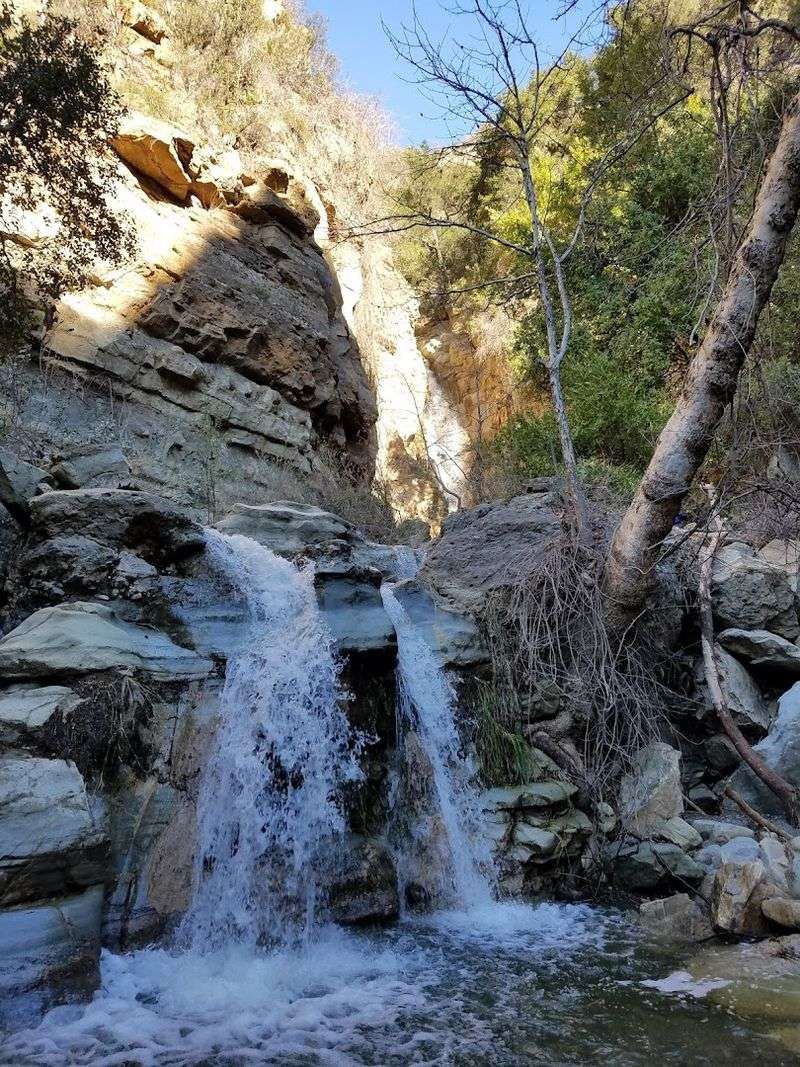
Among Southern California hikers, Black Star Canyon has built a reputation as one of the region’s more adventurous routes. Its rougher terrain, seasonal water, and tucked-away canyon setting give the hike a genuinely hidden-feeling edge.
The trail involves creek scrambling and route-finding through a narrow canyon, and the waterfall at the end feels like a discovery rather than a destination simply checked off a list.
The rugged chaparral terrain and rocky creek bed give the hike a character that sets it apart from more manicured park trails.
Water volume can vary significantly from year to year depending on rainfall totals, so checking recent trail reports before visiting helps set expectations.
The canyon walls close in noticeably as the route progresses and the shift from open hillside to enclosed rocky gorge is one of the more dramatic transitions on any Southern California trail.
Cleveland National Forest land does not always require a fee for day use on this particular route but access points and regulations can change, so verifying current information with the forest service ahead of time is advisable.
For hikers who want a waterfall experience that feels genuinely earned and off the beaten path, Black Star Canyon consistently delivers that feeling.
6. Sturtevant Falls Trail, Angeles National Forest, Arcadia
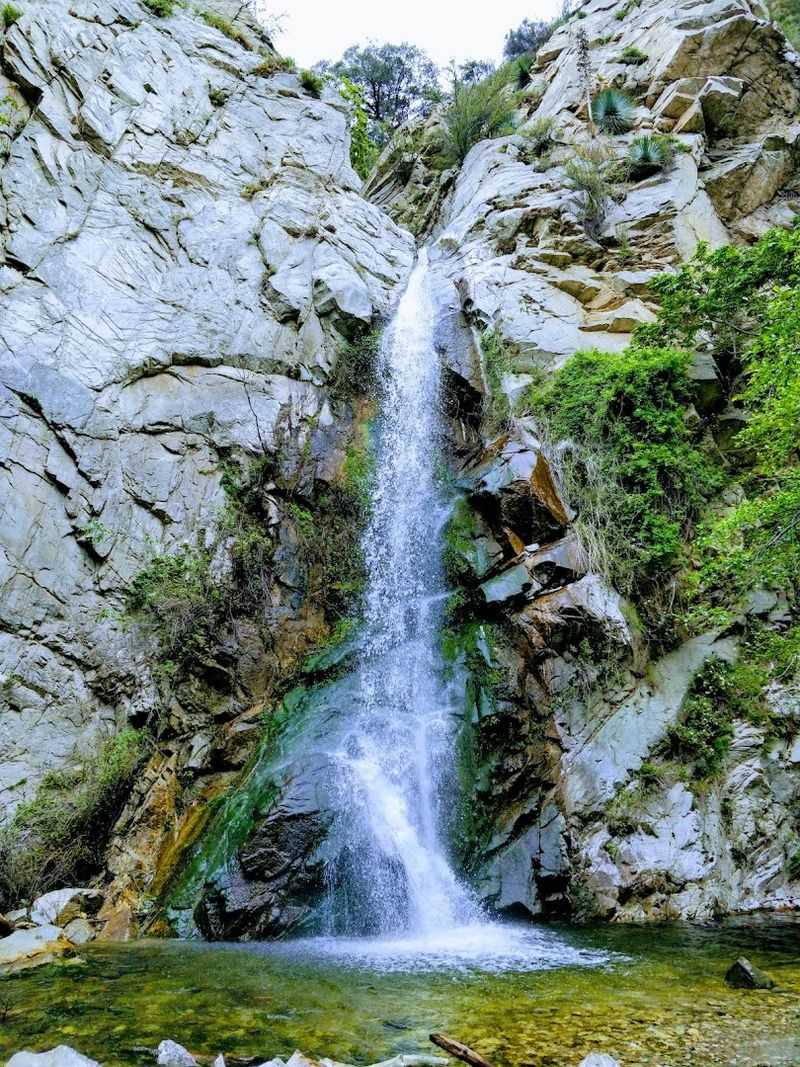
Within reach of Los Angeles, Big Santa Anita Canyon in the San Gabriel Mountains offers one of the area’s most accessible and rewarding waterfall hikes.
The trail to Sturtevant Falls follows a shaded creek through a surprisingly green canyon, and the 50-foot waterfall at the end makes a strong impression considering how close the trailhead sits to the urban edge of the greater LA area.
The canyon vegetation stays lush through much of the year and the creek crossings along the way add a playful quality to the walk.
After significant fire-related closures that affected portions of Angeles National Forest, the Sturtevant Falls Trail has reopened and the canyon shows signs of ongoing recovery alongside sections of intact old-growth.
Trail conditions after fire recovery can still vary and checking with the Angeles National Forest ranger station before visiting is a practical step.
The falls flow strongest between winter and early spring but a trickle often remains through summer in the main pool.
A National Forest Adventure Pass or equivalent permit is required for parking at the Chantry Flat trailhead, and the lot fills early on weekends throughout the year.
The walk in takes roughly 45 minutes at a relaxed pace and the shaded canyon keeps temperatures noticeably cooler than the surrounding hillsides.
7. Escondido Falls Trail, Escondido Canyon Park, Malibu
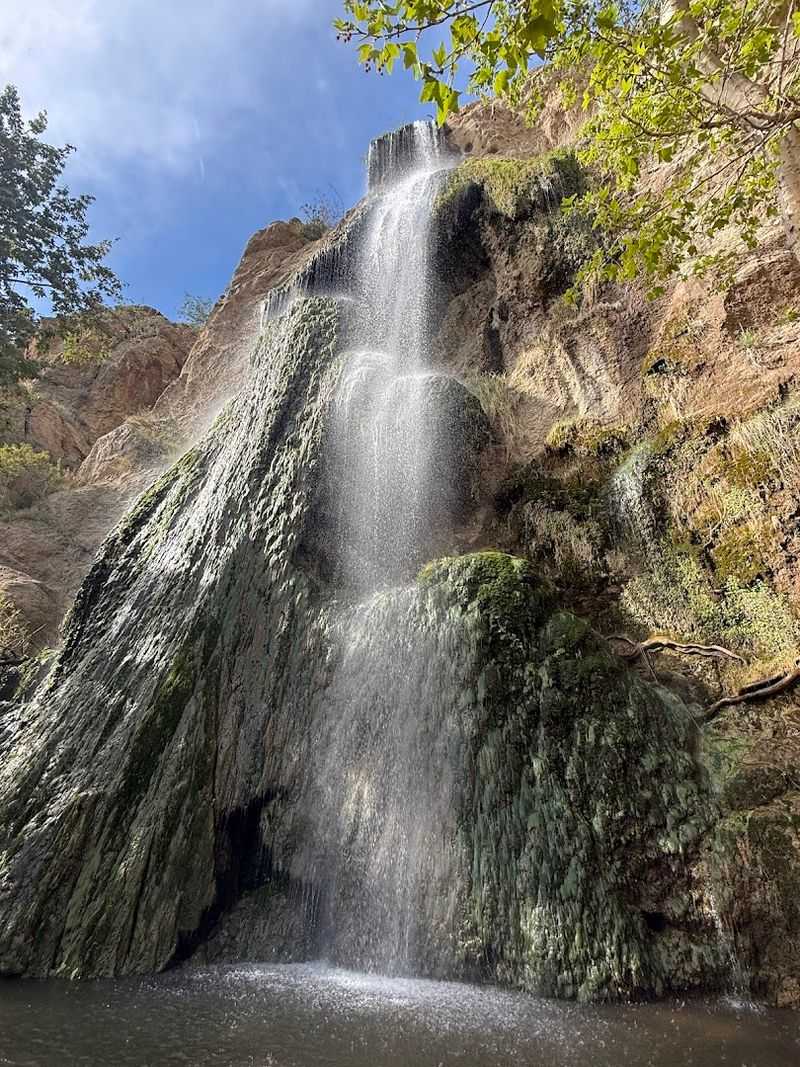
Along the Malibu coastline, Escondido Canyon Park offers one of the area’s more unexpected waterfall experiences while most visitors focus on the beach.
The trail follows a canyon creek inland through a mix of coastal sage scrub and riparian vegetation before arriving at a two-tiered waterfall that drops over limestone walls in a narrow enclosed canyon.
The upper tier reaches around 150 feet and is one of the taller waterfalls accessible on a day hike in Southern California.
Creek crossings are part of the route and the number of crossings can increase after significant rain events. Waterproof footwear or shoes that can get wet make the experience more comfortable.
The canyon narrows dramatically near the upper falls and the enclosed rocky walls create a cool microclimate that feels surprisingly remote given the proximity to Pacific Coast Highway.
Public access to the park has been maintained through ongoing management arrangements and the trailhead parking area sits along Winding Way in Malibu.
The falls flow most reliably from late fall through spring and may reduce to a seep or dry entirely in late summer.
8. Feather Falls Scenic Trail, Plumas National Forest, near Oroville
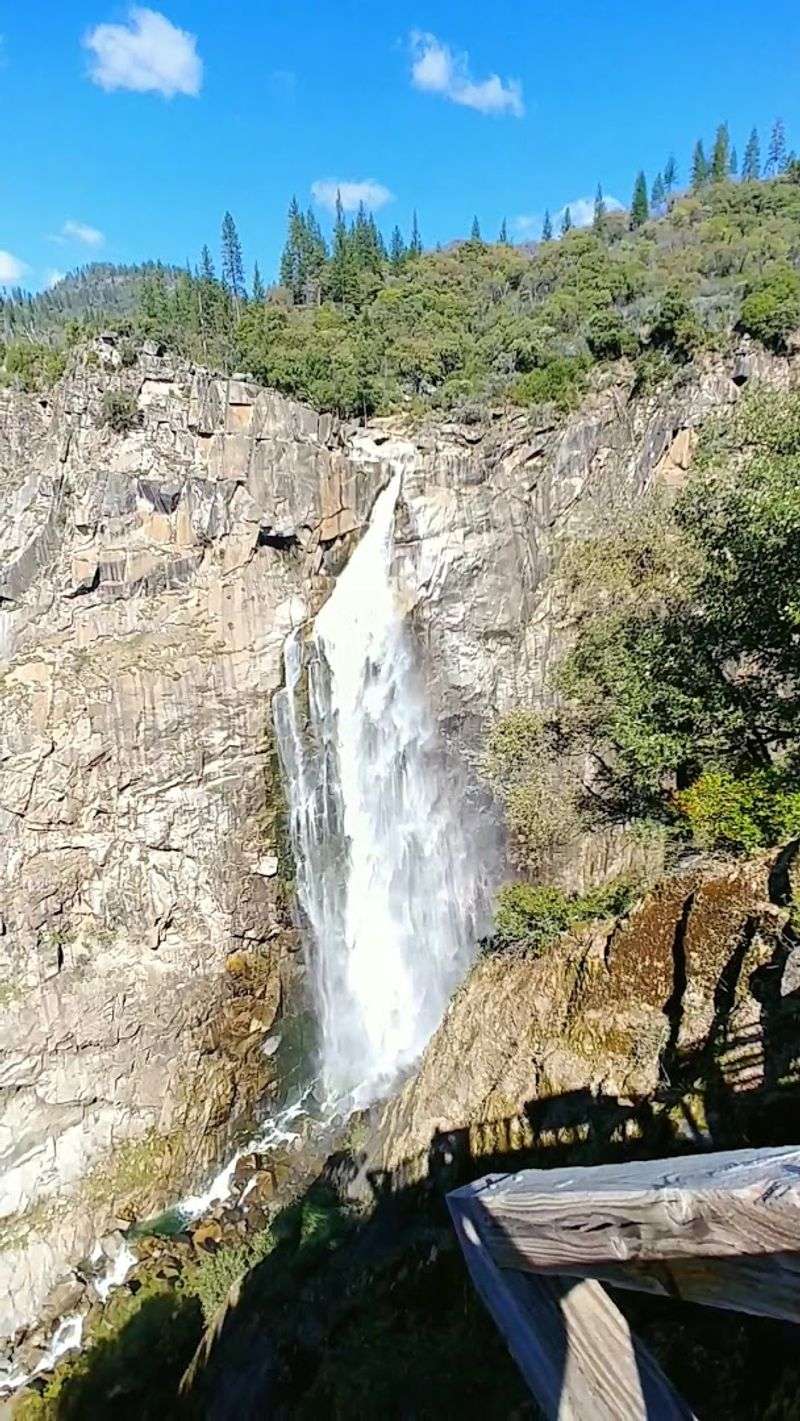
At roughly 410 feet, Feather Falls ranks among the tallest waterfalls in the contiguous United States and yet it receives a fraction of the visitor traffic that smaller falls at more famous parks attract.
The hike through Plumas National Forest is longer than most day hike waterfall routes, covering around 8 to 9 miles round trip depending on the chosen loop direction.
The forest along the trail is composed mostly of ponderosa pine and mixed conifers and the trail surface alternates between smooth packed dirt and rocky sections near the canyon overlook.
The overlook platform at the end of the trail positions visitors directly across from the falls and the view is genuinely breathtaking in terms of scale.
Spring snowmelt typically produces the highest water volume and the roar of the falls can be heard well before the overlook comes into sight.
Plumas National Forest does not charge a fee for this trail and the relative obscurity of the destination means the trailhead parking area stays manageable even on spring weekends.
Starting early is still recommended to secure a spot and to enjoy the overlook before midday crowds arrive.
9. Berry Creek Falls Trail, Big Basin Redwoods State Park, Boulder Creek
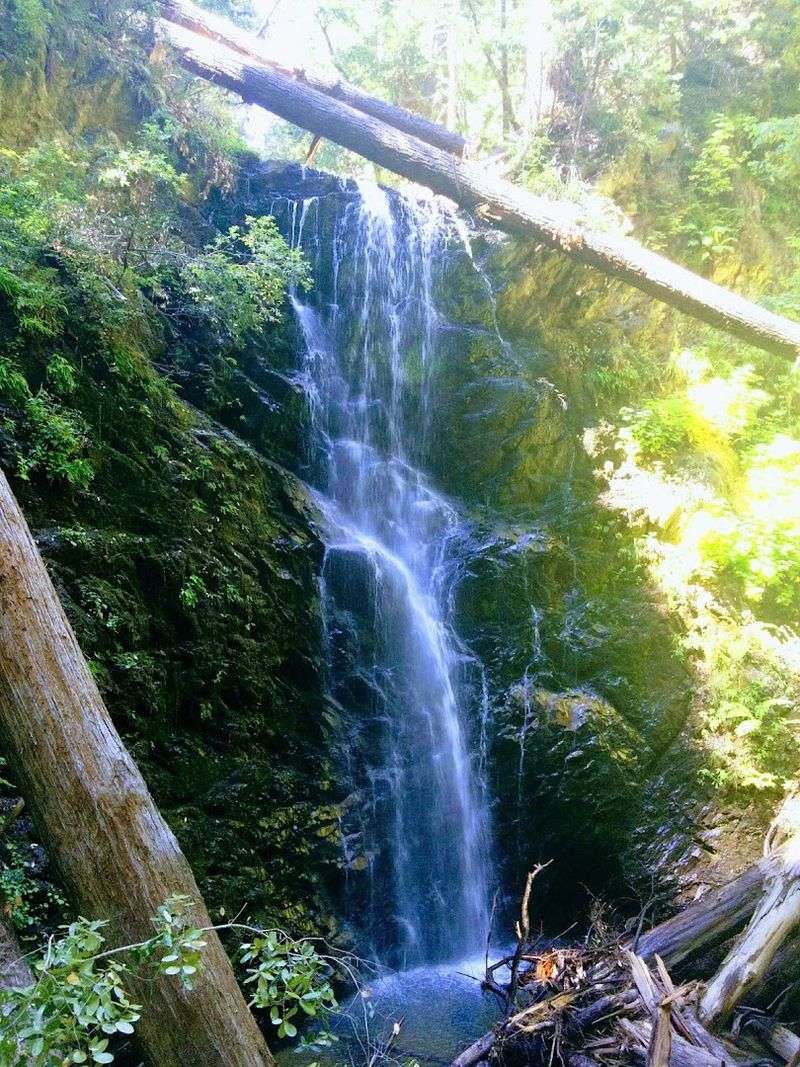
Big Basin Redwoods State Park was severely affected by the CZU Lightning Complex Fire in 2020 and access to the park has been managed in phases during ongoing recovery efforts.
Berry Creek Falls sits deep within the park and requires a longer hike to reach, but the combination of old-growth redwoods, multiple waterfall tiers, and genuine deep-woods atmosphere makes it one of the most rewarding waterfall destinations in the Santa Cruz Mountains.
Checking current park conditions and trail access status directly with California State Parks before planning a visit is essential since the situation continues to evolve.
The falls include a main drop and additional cascade sections upstream that reward those willing to continue past the first waterfall pool.
The forest along the approach trail is a mix of surviving old growth and recovering areas, and the contrast between fire-affected zones and intact redwood groves gives the hike an added layer of ecological interest.
Redwood canopy filters the light into a greenish softness that makes the canyon feel both ancient and quietly alive.
Trail distances to Berry Creek Falls from available trailheads can vary depending on which access points are currently open.
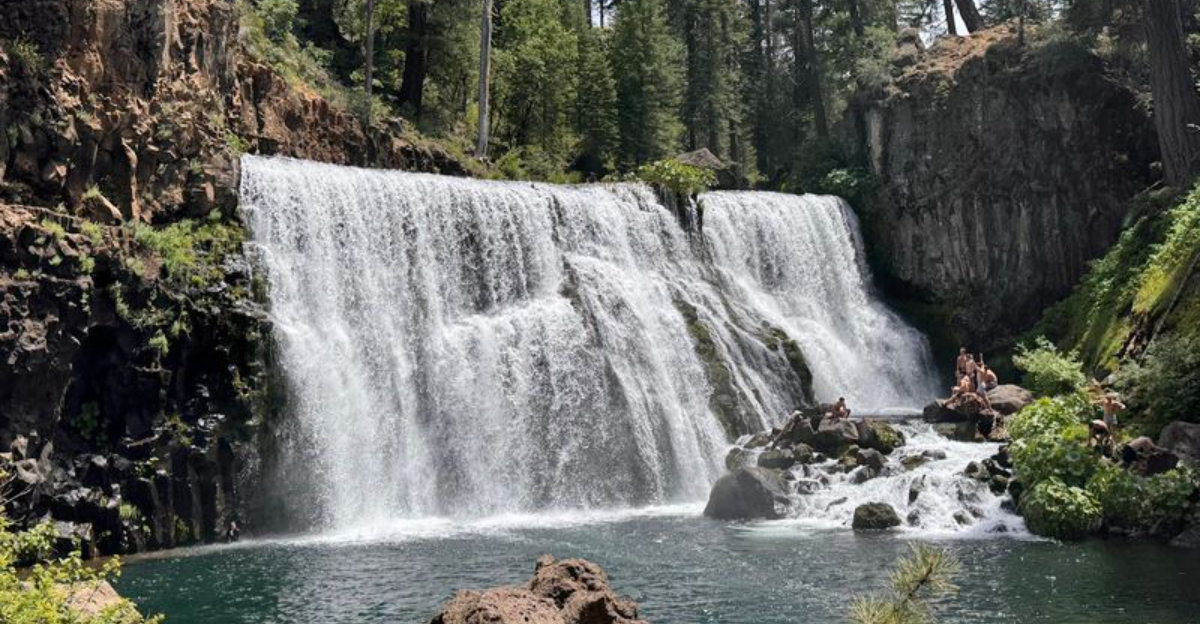
10. McCloud Falls Trail, Shasta-Trinity Area, McCloud
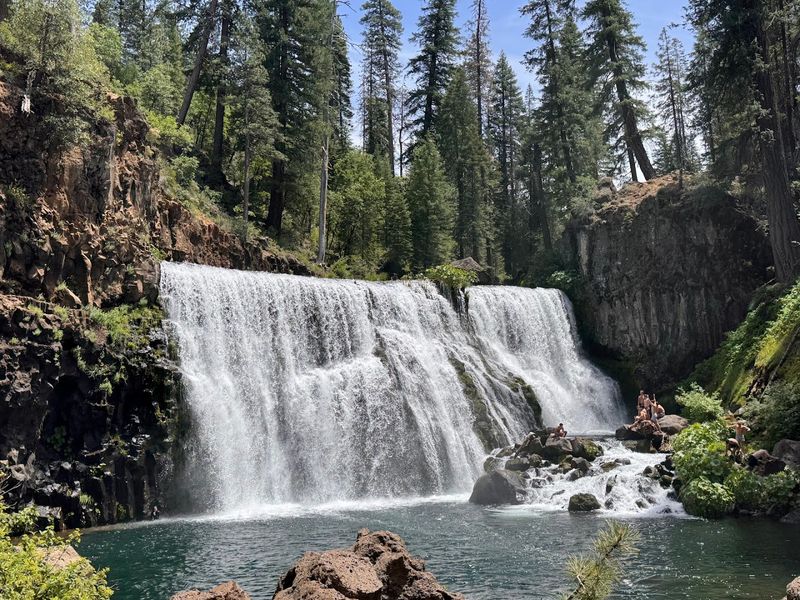
Three distinct waterfalls along a single accessible trail make the McCloud Falls route one of the most efficient waterfall experiences in Northern California.
Lower Falls, Middle Falls, and Upper Falls each have their own character and the trail connecting them follows the McCloud River through a forested canyon with a relaxed, unhurried pace.
Middle Falls tends to be the one that stops people in their tracks, dropping broadly over a basalt ledge into a wide pool that invites lingering.
The McCloud area sits in the shadow of Mount Shasta and the surrounding landscape has a high-country feel even at relatively modest elevation.
The river runs cold and clear and the sound of moving water accompanies most of the trail. Compared to the waterfall routes at Yosemite or other heavily marketed California destinations, the McCloud Falls Trail feels genuinely uncrowded for most of the year.
The trail is managed partly by the McCloud Ranger District of Shasta-Trinity National Forest and partly through local access areas.
Parking is available at multiple points along the route and visiting all three falls in a single morning is very manageable for most fitness levels.
11. Tokopah Falls Trail, Sequoia National Park
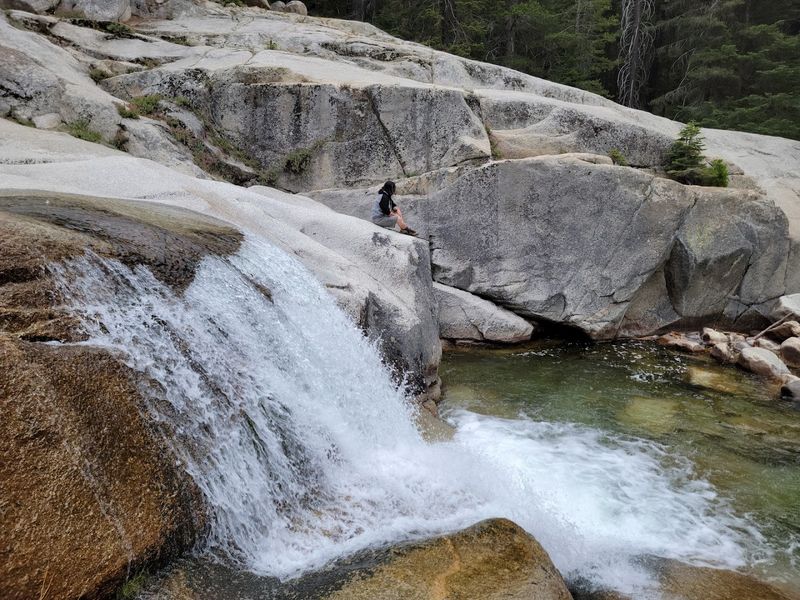
Sequoia National Park draws millions of visitors annually for its giant trees but the Tokopah Falls Trail offers a completely different kind of payoff that many park visitors miss entirely.
The route follows the Marble Fork of the Kaweah River through a broad granite canyon, gradually revealing a landscape that shifts from forested riverbank to open alpine rock as the trail progresses.
The waterfall at the end drops around 1,200 feet down a sheer granite face and the scale of it relative to the surrounding canyon is genuinely impressive.
The trail is relatively flat and covers about 3.4 miles round trip from the Lodgepole Campground area, making it accessible to a wide range of hikers without requiring significant fitness preparation.
Snow can linger on the upper sections of the canyon well into late spring and the falls reach peak volume during snowmelt in May and June.
The granite walls of the canyon reflect afternoon light in a way that makes the whole scene glow warmly in the hours before sunset.
Sequoia National Park requires an entrance fee and the Lodgepole area can be busy during summer months but the Tokopah trail never quite reaches the congestion levels of the park’s most famous giant tree groves.