Connecticut’s Nostalgic New England Town Offers Unique Museums, Fun Parks, And Charming Vibes
Some towns just have a way of slowing you down in the best possible way. You arrive thinking you’ll take a quick look around, and suddenly hours have passed without you even noticing.
That’s the magic of places that do not try too hard. They simply let you explore at your own pace and enjoy whatever catches your attention first.
Connecticut is home to a New England town filled with unique museums, scenic parks, walking trails, and charming historic streets that feel straight out of another era.
One minute you’re wandering through a quiet historic district, the next you’re stepping inside a museum you did not expect to love as much as you do.
It is not about rushing from one attraction to the next. It is about discovering little details, taking your time, letting the day unfold naturally, and finding a few surprises along the way.
1. Why Farmington Feels Like A Classic New England Town

Few towns in Connecticut hold onto their original character the way Farmington does, and that quality becomes clear within the first few minutes of arriving. The streets follow old patterns, the buildings sit close to the road in that colonial way, and the whole place feels unhurried without feeling forgotten.
Founded in 1640, Farmington is one of the oldest towns in Connecticut and has managed to preserve much of what made it distinctive from the very beginning.
Main Street is the heart of that character, lined with well-maintained homes and public buildings that reflect more than three centuries of careful stewardship. Miss Porter’s School, a prestigious girls’ boarding school founded in 1843 and located at 60 Main Street in Farmington, adds an academic elegance to the streetscape that feels entirely fitting.
The school has educated generations of students and remains an active part of the community today.
Walking through town on a weekday feels genuinely calm, with foot traffic that never overwhelms the atmosphere. There are no flashy tourist traps here, just a quiet pride in what has been kept intact.
Farmington Connecticut earns its reputation as a classic New England town through consistency, care, and an honest relationship with its own past.
2. Strolling Through Farmington’s Historic Center

A slow walk through Farmington’s historic center offers the kind of grounded, unhurried experience that feels rare in a busy world. The architecture along Main Street spans several centuries, with saltbox houses, Federal-style buildings, and Georgian facades sitting side by side in a way that feels organic rather than curated.
Stone walls border many of the properties, a common feature of old New England landscapes that gives the area a textured, rooted quality.
The pace of the neighborhood encourages stopping and looking closely. Details like original woodwork, wide front porches, and mature trees planted decades ago all contribute to a sense of continuity that newer developments simply cannot replicate.
Seasonal changes make each visit feel slightly different, with autumn foliage, winter quiet, spring blossoms, and summer greenery each offering their own version of the same charming setting.
Farmington’s historic center is also genuinely walkable, with most of the key landmarks within comfortable reach on foot. Sidewalks are well-maintained and the scale of the streets feels human rather than car-centric.
Spending an hour or two simply wandering without a specific destination in mind turns out to be one of the most satisfying ways to experience what this town has to offer.
3. Inside The Beautiful Hill-Stead Museum
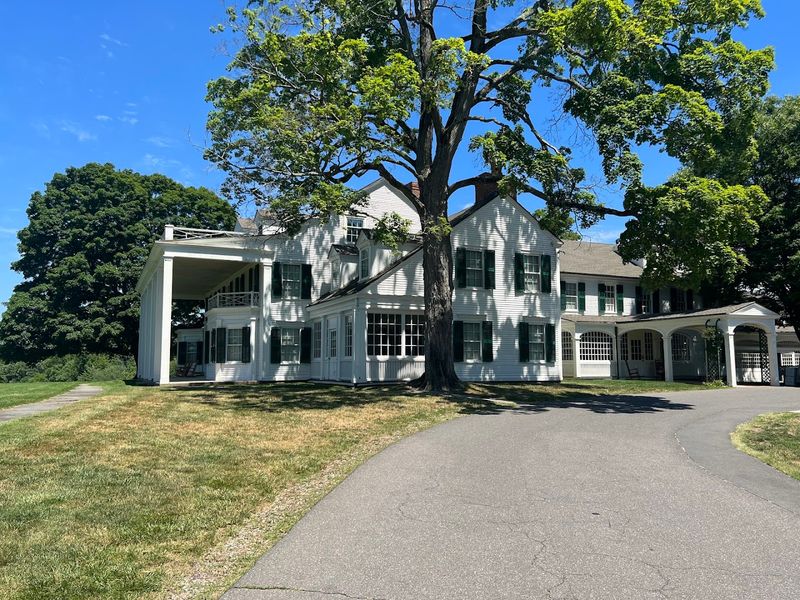
Built in 1901 as a private country home for the Pope family, Hill-Stead Museum stands as one of the most remarkable historic properties in all of New England. The estate at 35 Mountain Road in Farmington Connecticut spans 150 acres and contains an extraordinary collection of French Impressionist paintings, including works by Claude Monet, Edgar Degas, and Mary Cassatt.
Seeing these masterpieces in a domestic setting rather than a traditional gallery creates an experience that feels surprisingly intimate.
The house itself was designed in the Colonial Revival style and retains its original furnishings, art, and architectural details. Guided tours move through rooms that still feel lived-in, offering a window into upper-class American life at the turn of the twentieth century.
The attention to preservation here is exceptional, and the collection is presented with careful context that helps visitors understand both the art and the family who collected it.
Outside, the Sunken Garden designed by renowned landscape architect Beatrix Farrand adds another layer of beauty to the property. Hiking trails wind through the wooded sections of the estate, making the grounds worth exploring even beyond the house tour.
Hill-Stead Museum is open to the public and offers seasonal programming that keeps the experience fresh across multiple visits.
4. Step Back In Time At The Stanley-Whitman House
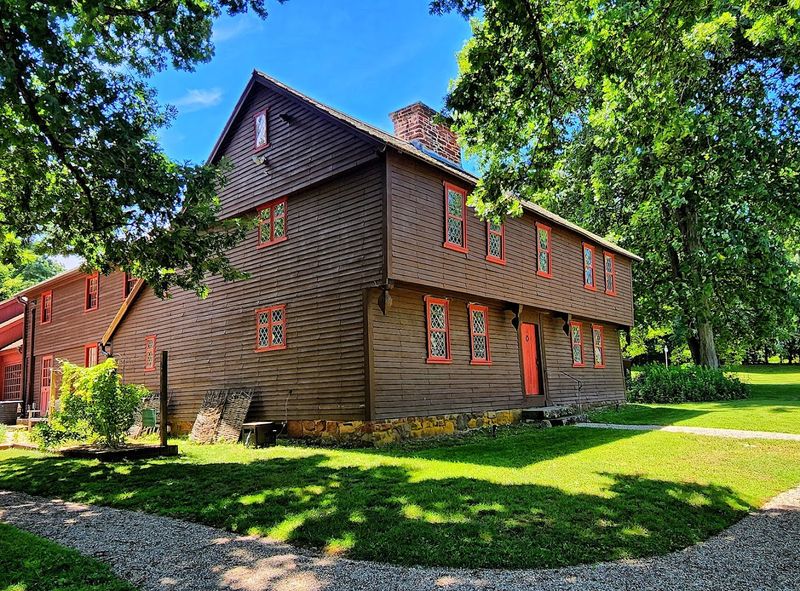
Dating back to around 1720, the Stanley-Whitman House is one of the best-preserved early colonial homes in the entire country. Designated as a National Historic Landmark, the house at 37 High Street in Farmington Connecticut offers guided tours that bring eighteenth-century domestic life into vivid focus.
The building itself is a classic saltbox design with a steeply pitched rear roofline that is immediately recognizable as a signature of early New England construction.
Tours run Wednesday through Sunday and are led by knowledgeable guides who explain the details of daily life in colonial Farmington with clarity and genuine enthusiasm. The interior reflects period-accurate furnishings and tools that help visitors understand how families lived, worked, and managed their households more than three centuries ago.
Children tend to find the hands-on elements especially engaging since the museum incorporates interactive components alongside the traditional exhibit format.
The surrounding grounds also reflect the period, with a kitchen garden and outdoor features that round out the historical picture.
5. Why Farmington’s Museums Feel So Special
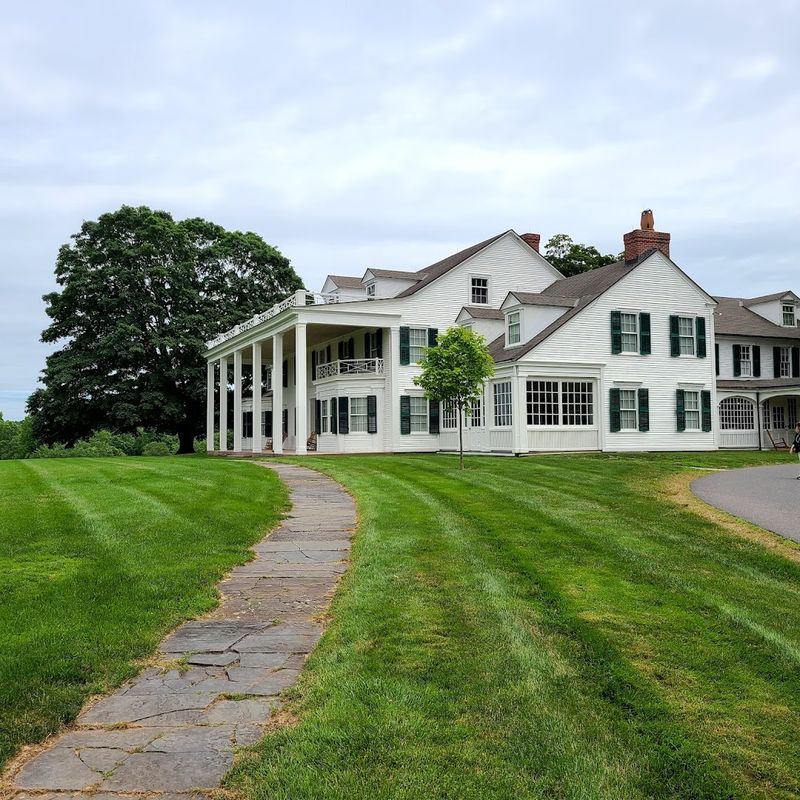
What sets Farmington’s museums apart from many others is the way they prioritize authenticity over spectacle. Both Hill-Stead Museum and the Stanley-Whitman House present their collections in settings that feel genuinely connected to their original contexts, which creates a different kind of engagement than a modern exhibition hall typically offers.
Visitors are not just looking at objects behind glass but moving through spaces where those objects actually belong.
The scale of these museums also contributes to their appeal. Neither is so large that the experience becomes exhausting, and both offer enough depth that a visit feels substantive rather than rushed.
The staff and guides at both locations tend to bring real knowledge and care to their work, which elevates the overall experience in ways that are hard to quantify but easy to feel during a visit.
Farmington Connecticut benefits from having two very different types of historic properties within close proximity of each other. One focuses on fine art and Gilded Age elegance while the other centers on colonial-era everyday life, and together they create a surprisingly complete picture of different periods in American history.
Planning a visit to both on the same day is entirely realistic given their proximity and the manageable size of each property, making Farmington a genuinely efficient destination for history-minded travelers.
6. Where To Walk, Bike, And Enjoy The Scenery

The Farmington Canal Heritage Trail is one of the most enjoyable outdoor features in the region, stretching roughly 56 miles and passing directly through Farmington Connecticut. Originally built as a working canal in the early nineteenth century, the corridor was later converted into a rail line and eventually transformed into the multi-use recreational trail that exists today.
The surface is paved and well-maintained, making it accessible for cyclists, joggers, and walkers of varying fitness levels.
The trail offers a satisfying mix of open stretches and wooded sections that shift the visual experience as visitors move through them. River views appear along certain segments, and the overall scenery feels genuinely scenic without requiring any strenuous effort to enjoy.
On weekday mornings the trail tends to feel quieter, while weekends bring a more social energy with families and groups sharing the path.
Renting a bike locally or bringing one from home are both reasonable options for exploring the trail. Shorter out-and-back segments work well for casual visitors who want a taste of the route without committing to a long ride.
The trail connects several towns in the Farmington Valley, so motivated cyclists can extend their journey well beyond the Farmington section if time and energy allow, making it a flexible option for different types of outdoor enthusiasts.
7. How The River And Parks Add To The Fun
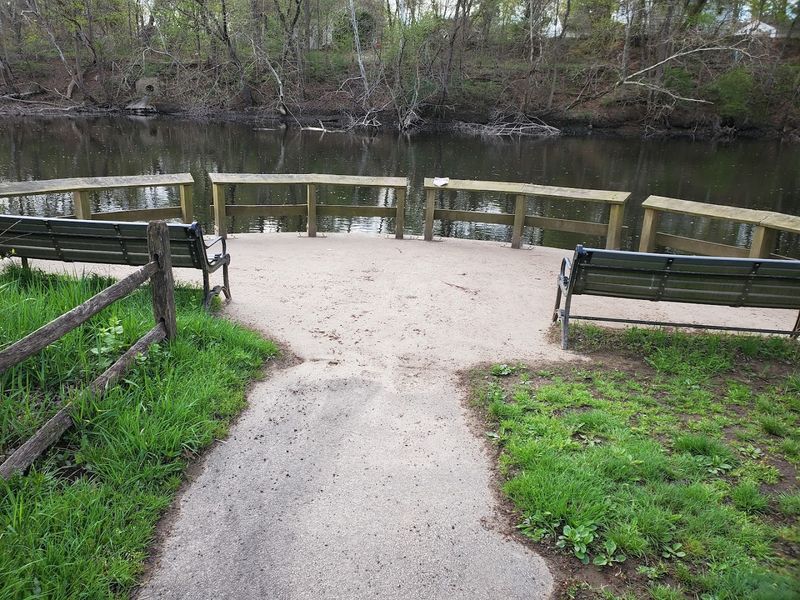
Flowing through the center of Farmington Connecticut, the Farmington River adds a natural energy to the town that complements its historic character. The river corridor supports several parks and recreational areas that give residents and visitors a range of outdoor options depending on their interests and energy levels.
Tunxis Mead Park sits directly along the river and includes baseball and soccer fields, basketball courts, a skate park, and a riverfront boathouse that anchors the space near the water.
Batterson Park offers a different kind of experience centered around Batterson Pond, where kayaking, sailing, and fishing are all possible during warmer months. The pond setting feels calm and picturesque, with enough open water to make paddling feel genuinely rewarding without being overwhelming for beginners.
Batterson Park Pond is located at 1 Batterson Park Road in Farmington Connecticut and is managed as a public recreational resource.
Suburban Park adds another layer to Farmington’s outdoor appeal with a backstory that sets it apart from the usual trail stop. The area was once home to a late nineteenth-century amusement park, and traces of that earlier chapter still add a sense of history to the landscape.
Miles of wooded paths wind through the property, making it a popular choice for hikers who like their time outdoors with a little extra character.
8. More Charming Spots Worth Seeing Around Town
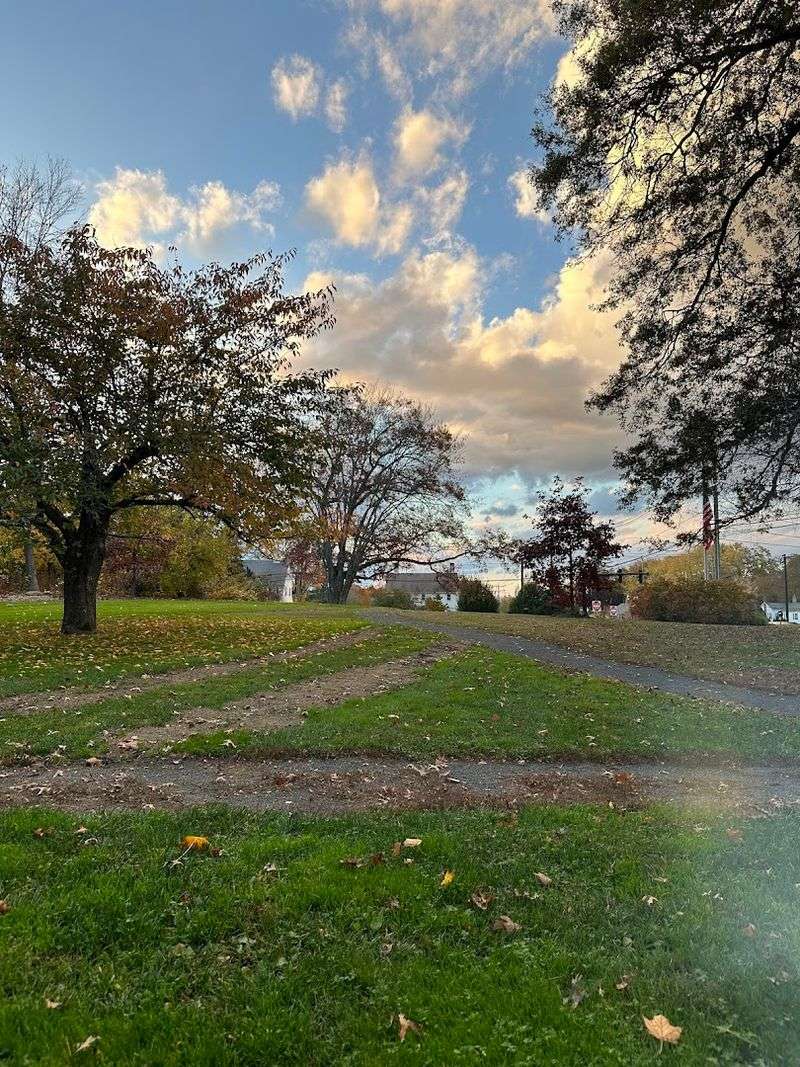
Beyond the major museums and parks, Farmington Connecticut rewards visitors who take a slower approach and pay attention to the smaller details. The town center has a handful of locally owned shops and cafes that reflect the community’s character without feeling forced or overly commercial.
Stopping into one of these spots offers a natural pause between sightseeing and a chance to get a feel for how the town operates on an ordinary day.
The Collinsville section of neighboring Canton, accessible via the Farmington River Trail, adds a complementary dimension to a day spent in the area. Known for its vintage charm and active arts presence, Collinsville sits along the river and offers a different but compatible atmosphere to what Farmington itself provides.
The trail connection makes it easy to combine both destinations into a single outing without needing to drive between them.
Architecture enthusiasts will find Farmington especially rewarding since the town has maintained a high concentration of historically significant buildings across multiple eras and styles. Walking with a simple map or a downloaded guide helps identify what each structure represents and why it matters.
9. Why Farmington Makes Such A Great Day Trip
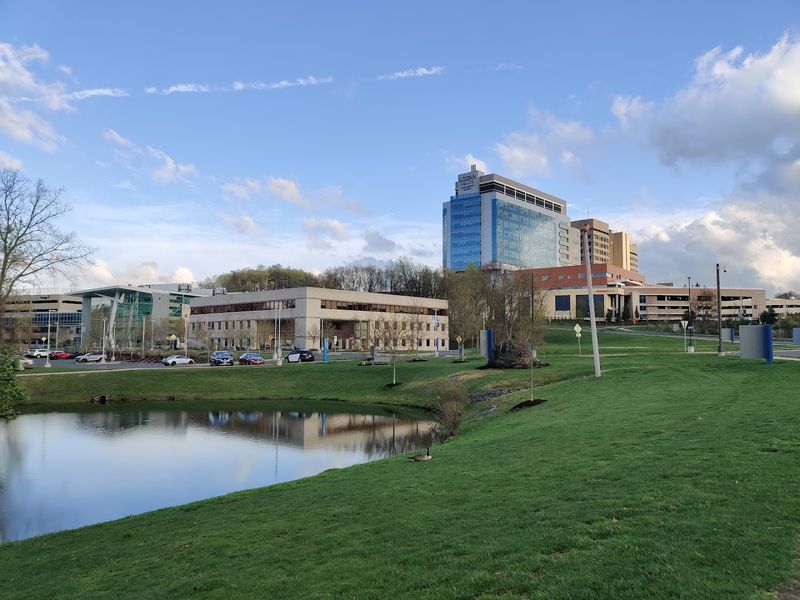
Located in Hartford County and easily reachable from Hartford, New Haven, and Springfield, Farmington Connecticut sits in a geographic sweet spot that makes it a natural day trip destination for much of southern New England. The town is compact enough to explore meaningfully in a single day without feeling rushed, and the variety of things to do means that different types of visitors can each find something that suits their pace and interests.
A well-planned day might include a morning tour of Hill-Stead Museum, a midday walk through the historic center, an afternoon on the Farmington Canal Heritage Trail, and a stop at one of the local eateries before heading home. That kind of itinerary covers art, history, nature, and local flavor without requiring any significant travel between stops since most of the key attractions are within a short drive or bike ride of each other.
Farmington Connecticut earns its place as one of the most satisfying and well-rounded small-town destinations in the entire state.