This North Carolina Bird Refuge Draws Photographers Every Spring During Nesting Season
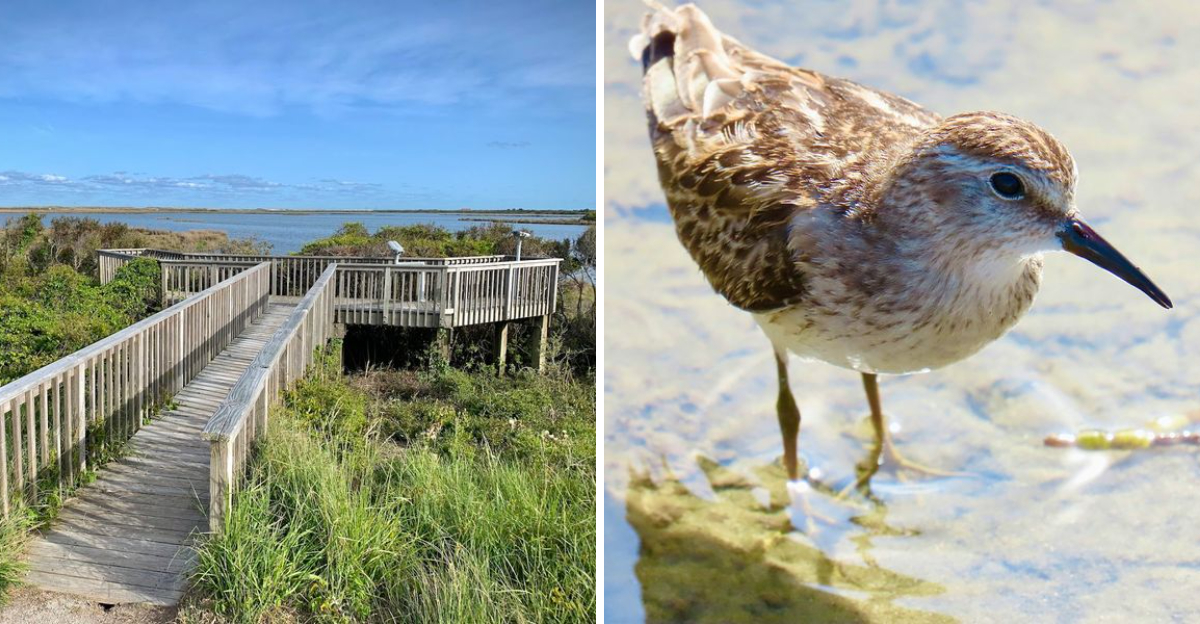
Birdwatching gets a lot more entertaining when the stars of the show arrive in feathers and pose like they know exactly what they are doing.
On the Outer Banks of North Carolina, this refuge turns spring into a full-blown avian takeover, with rare visitors dropping in and acting like the marsh is their personal red carpet.
Photographers come hoping for a few nice shots, then end up lingering like proud paparazzi for birds with far better balance and much stronger profile angles.
Pea Island has a way of making every wildlife fan feel completely tweet-struck, which is a pretty good trick for a place run mostly by birds with no interest in staying humble.
Pea Island National Wildlife Refuge Overview
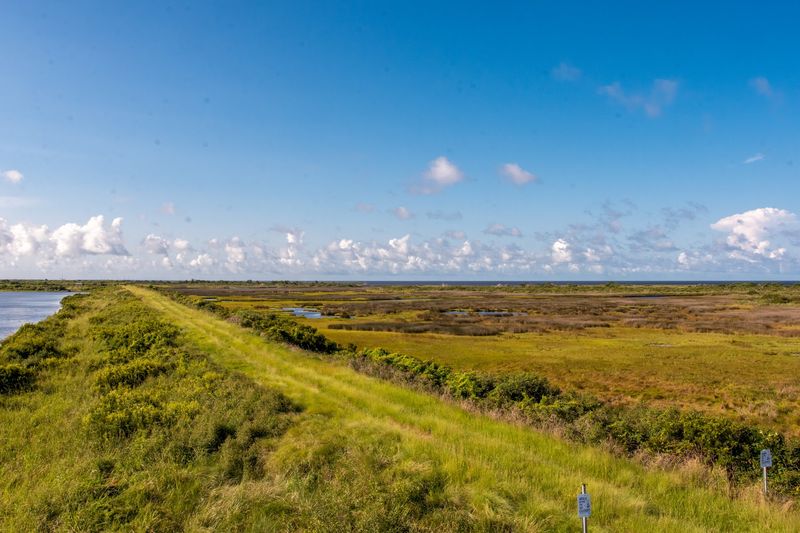
Barrier-island geography gives this refuge much of its power. Refuge pages describe Pea Island as a strip of beach, dunes, brackish ponds, marshes, and sound-side habitat on the north end of Hatteras Island, and that variety is exactly why the place feels so rich even before a single bird enters the frame.
One section may look spare and sandy, another full of reflective water and reeds, another alive with movement over impoundments. Public visitor information also notes the refuge’s popularity for wildlife observation, birding, fishing, paddling, and walking, with the Visitor Center serving as a first stop for recent sightings and trail guidance.
Bird photographers benefit from how open much of the landscape feels. Dense forest rarely blocks the action here.
Instead, views stretch across water, marsh, and low ground in a way that gives both birds and photographers room to work. Spring strengthens that openness rather than softening it.
Fresh light, active nesting behavior, and the steady pulse of migration can make the refuge feel less like a scenic stop and more like a living outdoor theater where nearly every movement in the distance might turn into a memorable shot if you stay patient enough.
Along NC Highway 12, about 4 miles south of the Marc Basnight Bridge over Oregon Inlet, Pea Island National Wildlife Refuge includes a broad mix of beaches, dunes, ponds, marshes, and sound-side habitat that gives it its wide-open coastal character.
Shorebird Nesting Habitat
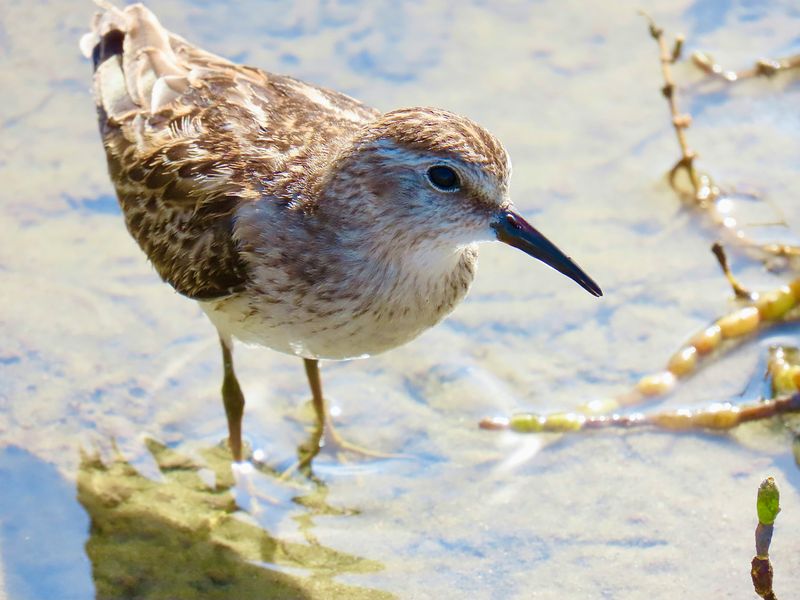
Open ground is a major reason spring matters so much here. Pea Island’s beaches, dunes, flats, and managed impoundments create the sort of low, exposed habitat that nesting shorebirds need, and refuge planning documents specifically name least terns, black skimmers, and American oystercatchers among the summer birds using these landscapes.
Broader refuge materials also emphasize that staff close sensitive areas to protect nesting birds and sea turtles, which is a reminder that the drama visitors come to photograph is happening in habitat that requires active care. From a visual perspective, the setting is unusually generous.
Low terrain keeps birds near eye level, clean backgrounds are easier to find than in brushier refuges, and early light often settles softly across water and sand. That combination is one reason photographers linger.
A bird does not have to be rare to look extraordinary when the habitat around it reads this cleanly. Spring pushes all of it into motion.
Courtship, nest defense, feeding, and chick-rearing start turning the refuge into a place where every quiet-looking stretch of sand or pond edge may actually be full of hidden activity. For photographers, that means success depends as much on patience and distance as on gear.
American Oystercatcher Sightings
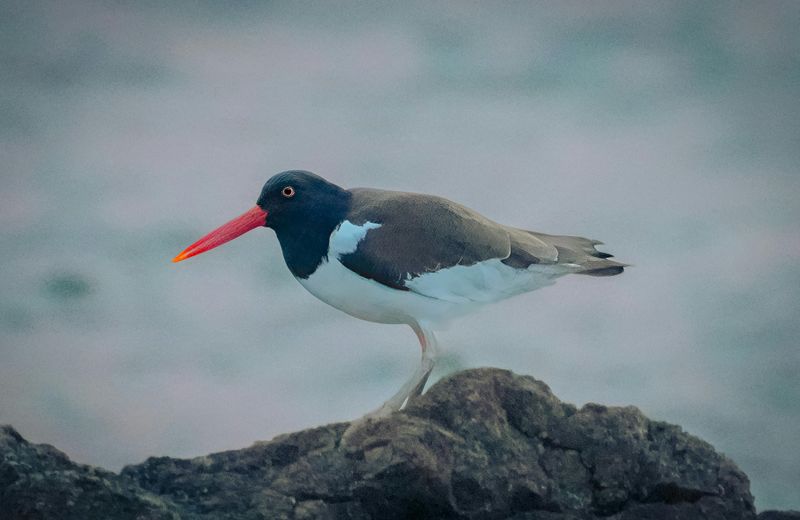
Bold pattern and attitude make the American oystercatcher one of the easiest birds here to notice and one of the most rewarding to photograph well. Refuge planning material specifically includes American oystercatchers among the summer birds using Pea Island, and broader closure guidance from the refuge underscores how seriously staff treat nesting shorebird protection during the sensitive season.
Visually, oystercatchers have a huge advantage over many shorebirds because they read instantly even at distance: black-and-white body, long orange bill, bright eye, and a stance that seems permanently alert. Photographically, though, they still demand more than a simple sighting.
Nesting birds often work low along open sand and shell-strewn areas, which means clean composition depends on angle, distance, and restraint. Defensive behavior is part of the spring appeal too.
Pairs can become vocal, conspicuous, and highly expressive once nests are involved, turning a simple beach view into a scene full of movement and tension. For wildlife photographers, that makes Pea Island especially exciting.
You are not just looking for a bird perched in decent light. You are watching one of the refuge’s most recognizable nesters act out a full season of territory, partnership, and persistence against a landscape that already photographs beautifully without much help.
Piping Plover Protection Efforts
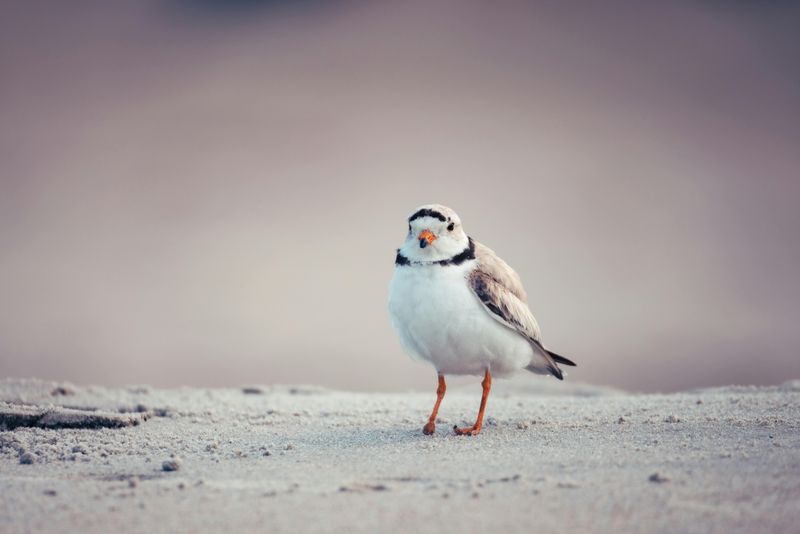
Weighing barely two ounces, the piping plover is one of the most fragile and federally protected birds at Pea Island. These small, sand-colored shorebirds blend almost perfectly into the beach, which makes spotting them feel like solving a puzzle.
Every spring, refuge managers work hard to give nesting pairs the best possible chance of success.
Wooden chick shelters are installed near active nests to protect newly hatched chicks from predators and harsh weather. Temporary beach closures are also put in place around nesting areas, and signs guide visitors safely around sensitive zones.
These measures reflect North Carolina’s strong commitment to preserving vulnerable wildlife species along its barrier island shores.
For photographers, the piping plover presents a unique creative challenge. Capturing such a small, camouflaged bird in sharp focus against a complex sandy background requires patience, a steady hand, and good timing.
Early morning visits when the beach is quieter give the best results. Getting low to the ground and shooting at the bird’s eye level creates intimate, compelling images that tell a real conservation story.
Many photographers say that finally nailing a perfect piping plover shot is one of their most satisfying wildlife photography achievements.
Black Skimmer Colonies
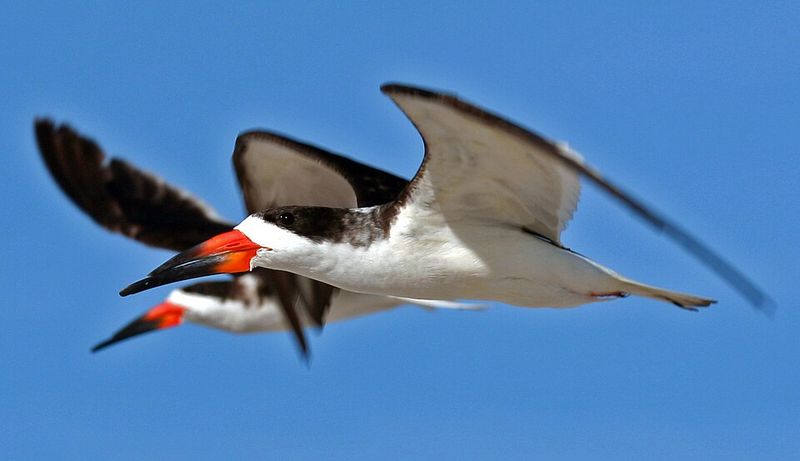
Fast motion arrives in spring with black skimmers and least terns, both of which are specifically named in refuge planning documents as summer birds using Pea Island’s habitats. Those two species bring some of the most dynamic photographic possibilities on the refuge because they rarely look static for long.
Black skimmers are especially striking in flight, with long contrasting bills and a feeding style that reads as almost theatrical when seen from the right angle over shallow water. Least terns bring a different kind of energy.
Smaller, quicker, and often noisier, they turn nesting colonies into places where attention has to stay sharp because action can happen in every direction at once. Refuge closure information matters here too, since those colonies and nesting areas are precisely the spaces staff work to protect through seasonal restrictions.
For photographers, that creates an important balance. Pea Island offers fantastic access and great visual openness, but it also demands respect for distance and posted boundaries.
Best results usually come from letting the birds do the dramatic work while the photographer stays still, low, and patient. Spring rewards that discipline.
Few things feel more satisfying than catching one clean, sharp frame from a colony that looked like total airborne chaos a few seconds earlier.
Least Tern Nesting Activity
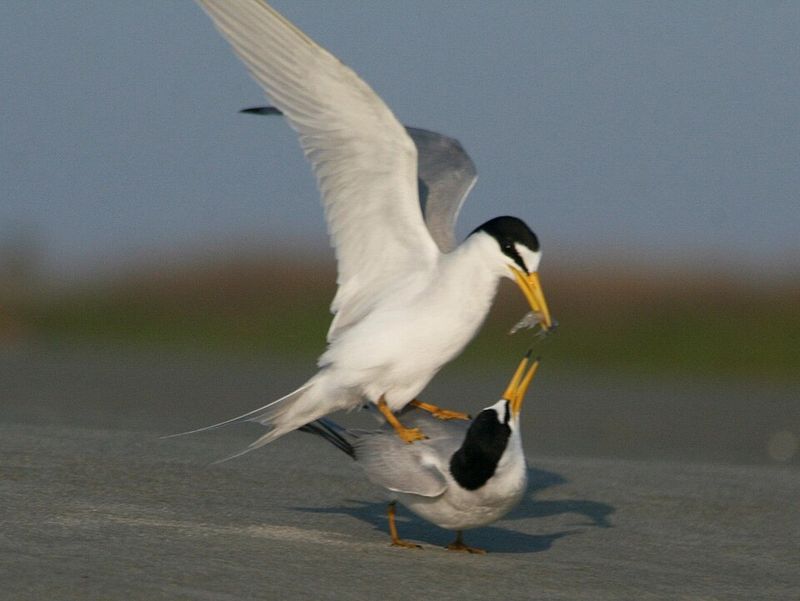
Tiny but fiercely spirited, the least tern is the smallest tern species in North America, and it puts on quite a show at Pea Island every spring. These birds nest in tight groups on open sand, and the adults are remarkably bold when defending their nests.
Watching them dive-bomb intruders much larger than themselves is both amusing and impressive.
Least terns typically arrive at the refuge in late spring and quickly set up nesting colonies on flat, open beaches. Located along NC Highway 12 south of Oregon Inlet, the refuge provides the kind of undisturbed sandy terrain these birds need to breed successfully.
Temporary closures protect active colonies from foot traffic during the most sensitive weeks of the nesting cycle.
From a photography standpoint, least terns offer incredible action shots. Their hovering flight before plunging into shallow water for fish is one of the most dynamic behaviors a bird photographer can capture.
The combination of a bright yellow bill, crisp white forehead patch, and fast wingbeats makes them visually exciting subjects. Visiting during midday when feeding activity peaks often yields the most dramatic aerial shots.
Patience and a fast lens are the two most important tools to bring along for a productive session.
Spring Migration Photography Tips
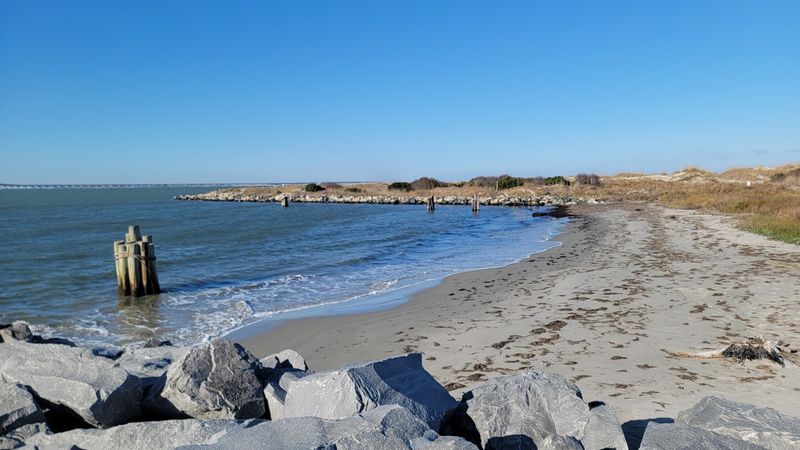
Morning is when this refuge feels most generous. Refuge activity pages describe North Pond Wildlife Trail and Salt Flats Wildlife Trail as prime places for wildlife observation and photography, and birding guidance also points visitors toward platforms, ponds, beach access, and the photo blind off Highway 12 for watching birds through different seasons.
For spring photographers, that means the question is less whether Pea Island offers opportunities and more how early and how quietly you can get into position. North Pond is especially useful because the trail begins right behind the Visitor Center and follows the dike between ponds, giving broad views over water that often holds feeding and resting birds.
Salt Flats adds another strong perspective by placing marsh and freshwater habitat within the same visual sweep. Soft light before the day brightens too much is a huge advantage, especially in a refuge where glare can get harsh quickly off open water and pale ground.
Long lenses help, but behavior matters more than gear once birds are active. Slow movement, neutral clothing, and a willingness to stop walking once something promising appears are often what separate a quick sighting from a frame worth keeping.
Planning Your Refuge Visit
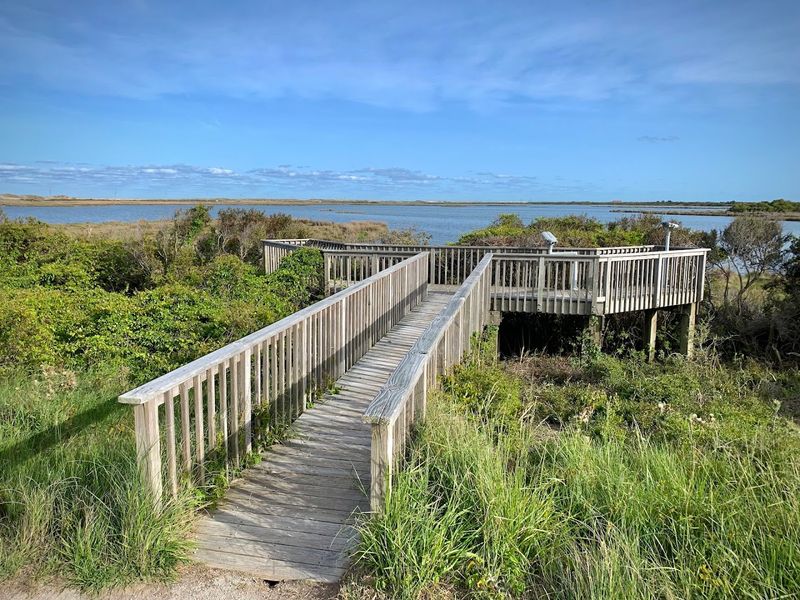
Preparation pays off here because Pea Island stays simple in the best way. Refuge pages say the Visitor Center is on Highway 12 about four miles south of the Marc Basnight Bridge over Oregon Inlet, and current refuge information encourages visitors to stop there for recent sightings, telescopes, trail details, and general orientation before heading out.
North Pond Wildlife Trail, Salt Flats Wildlife Trail, beach access, a larger loop around North Pond, and weekly free bird walks all give spring visitors several ways to shape the day, depending on whether the priority is photography, general birding, or a slower family outing. One 2024 Fish and Wildlife Service story notes that the Friday bird walk runs from 8:00 to 9:30 a.m., which lines up nicely with the strongest light and activity window for many photographers.
Comfort matters too. Open terrain means sun exposure builds quickly, and refuge tour information specifically recommends hats, sunscreen, insect repellent, secure footwear, and drinking water.
A visit here does not need complicated logistics to feel productive. It needs time, quiet, and enough patience to let the refuge reveal itself gradually.
Once that happens, spring on Pea Island rarely feels like just another stop on the Outer Banks.