10 Quiet Hiking Trails In California Tourists Rarely Discover
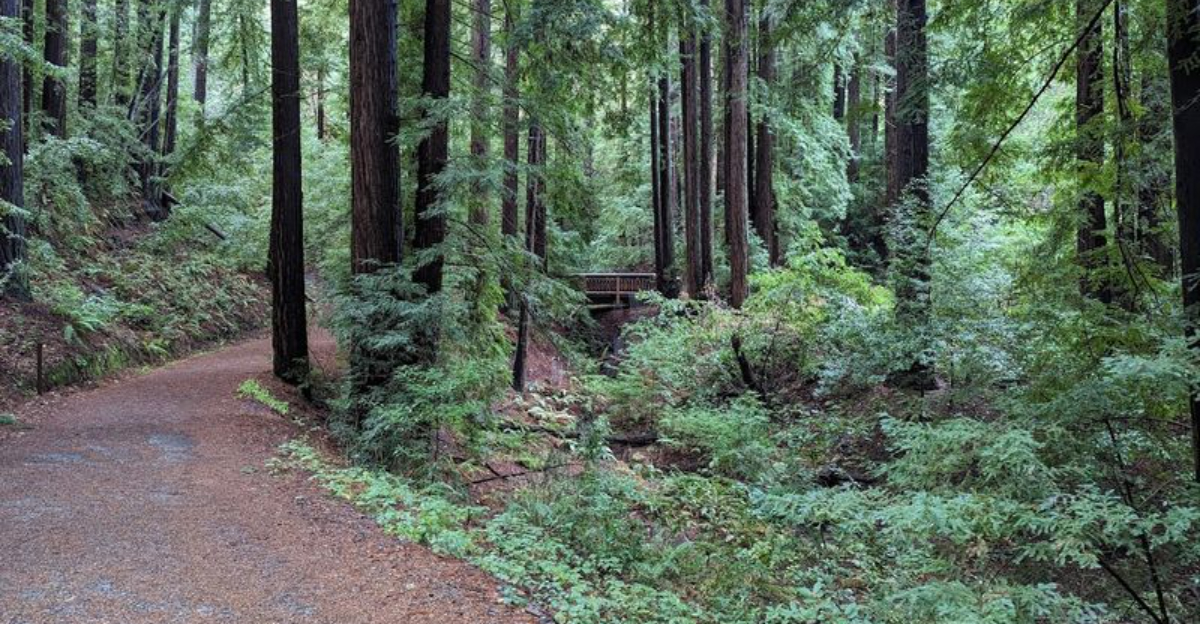
California can feel crowded long before you even lace up your boots, which is why a quieter trail can feel like such a gift.
Away from the famous overlooks and heavily trafficked paths, there are hikes where the only real soundtrack is wind in the trees and the occasional moment of wondering why more people have not found this place yet.
Solitude changes the whole experience. Views feel bigger and even a short walk can take on the kind of calm that busy trails rarely allow.
These quieter California hikes offer that rare pleasure of beauty without the noise, and that alone makes them worth seeking out.
1. Pygmy Forest Trail, Salt Point State Park, Sonoma County
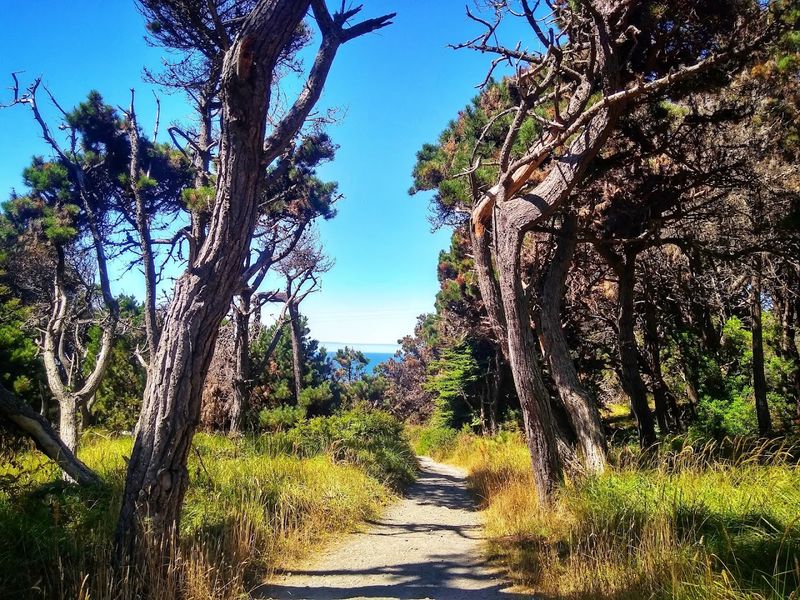
Salt Point State Park stretches across more than 6,000 acres of Sonoma coastline, but tucked near the park’s highest elevation sits one of its most unusual features.
The Pygmy Forest Trail winds through a landscape where nutrient-poor, hardpan soil forces trees like Bishop pine, Bolander pine, and coastal cypress to grow in stunted, miniature forms.
Full-grown trees here may reach only a few feet tall, creating a forest that feels almost otherworldly compared to the towering redwoods nearby.
Hikers tend to move slowly through this area because the visual details reward careful attention rather than a fast pace.
The trail itself is relatively short and manageable, making it accessible for a range of fitness levels. Salt Point has more than 20 miles of trails total, so combining the Pygmy Forest route with other paths in the park is a reasonable option for those wanting a longer outing.
The park sits along Highway 1 roughly 20 miles north of Jenner.
Weekdays tend to offer the most solitude, and the coastal fog that rolls through in the morning often clears by midday, leaving the forest in softer afternoon light that suits photography well.
2. Kruse Rhododendron Loop, Kruse Rhododendron State Natural Reserve, Sonoma County
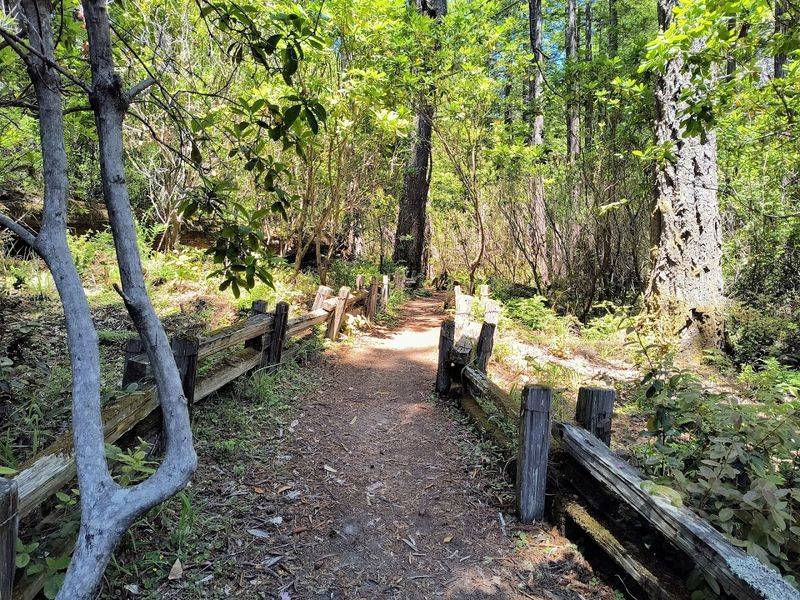
There are not many hikes in California that feel like stumbling into a hidden garden, but the Kruse Rhododendron Loop comes close.
Located within a dedicated state natural reserve in Sonoma County, the trail covers just over two miles through a forest environment that shifts noticeably with the seasons.
Rhododendrons here can grow quite tall, sometimes reaching 15 to 18 feet, and when they bloom in spring the pink and purple flowers create a canopy effect that feels completely different from the surrounding coastal scrub and redwood landscape.
Seasonal streams run through the canyon sections, adding a soft background sound that makes the whole trail feel more secluded than it actually is.
Ferns carpet the forest floor in dense patches, and the light filtering through the canopy tends to produce a green, diffused glow on clear days.
The reserve is small and focused, which means trail traffic stays low even on weekends. Parking is limited and the entrance is easy to miss from the road, so checking directions in advance is worthwhile.
Spring is generally considered the best time to visit for peak rhododendron color, though the trail holds its quiet character through summer and fall as well.
3. Hi-View Trail, Joshua Tree National Park, Black Rock Area
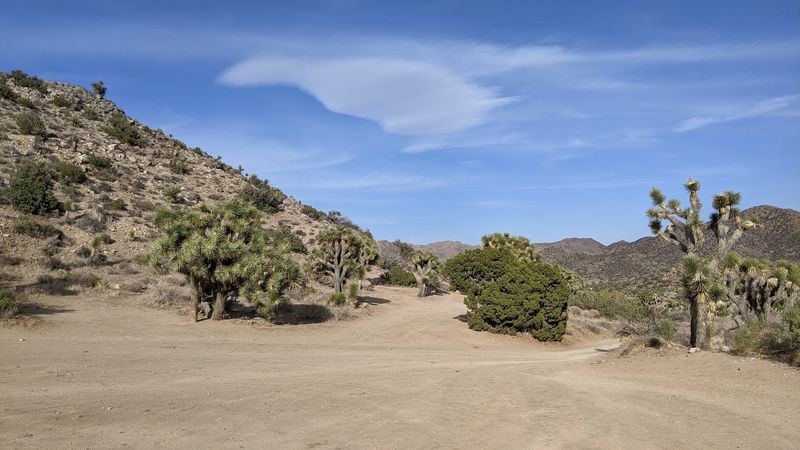
At a higher elevation along the park’s northern edge, the Black Rock Canyon section offers a much calmer atmosphere than Joshua Tree National Park’s busier central and southern areas.
The Hi-View Trail is a 1.3-mile loop that starts near the Black Rock Campground and climbs to a modest summit with panoramic views of the surrounding desert mountains.
The National Park Service notes that this area runs cooler than much of the rest of the park, which makes it more comfortable during warmer months when the lower desert sections can feel brutal by midmorning.
Joshua trees, pinyon pine, and juniper grow together along the route, giving the landscape a layered texture that differs from the boulder-heavy scenery most visitors associate with the park.
The elevation sits around 4,500 feet, and on clear days the views can stretch toward San Gorgonio Mountain to the west.
Because the Black Rock Area requires entering from Yucca Valley rather than the main park entrances, many visitors simply skip it.
That routing quirk works in favor of anyone willing to make the detour. The trail itself is short enough for most fitness levels and makes a satisfying morning outing before temperatures climb.
4. Ohlone Bluff Trail, Wilder Ranch State Park, Santa Cruz
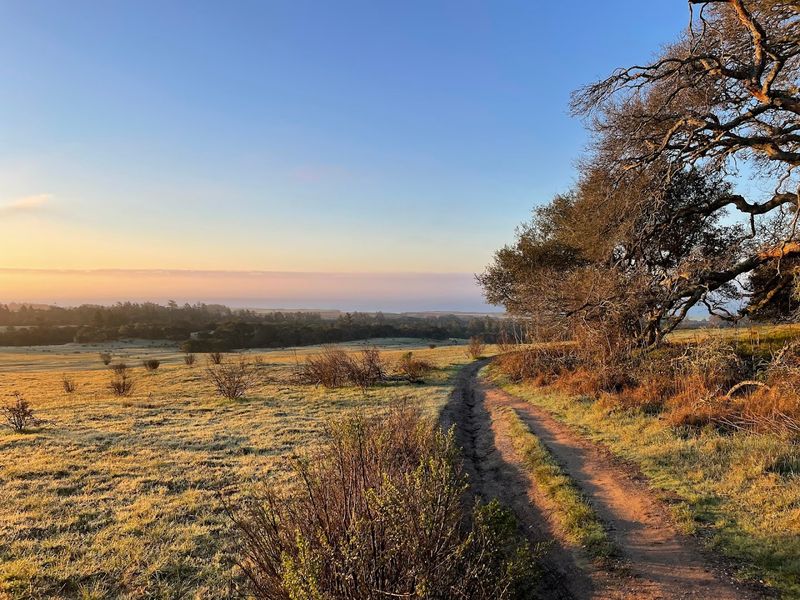
Just a few miles north of Santa Cruz, Wilder Ranch State Park stays much quieter than the boardwalk and beach areas that usually pull in the crowds.
The Ohlone Bluff Trail runs along the coastal edge of the park, offering consistent ocean views without requiring any significant elevation gain.
The bluff scenery here is genuinely dramatic in places, with the Pacific visible from nearly every section of the path.
Historic landing sites along the route hint at the park’s agricultural past, and several spur trails lead down toward small beach coves depending on the season and tidal conditions.
The trail connects to a broader network within the park, so hikers who want to extend their outing can loop inland through old ranch structures and grassland terrain.
Wildflowers appear along the bluff edge in spring and early summer, adding color to the already striking coastal backdrop.
Parking at the main trailhead requires a day-use fee, and the lot can fill on sunny weekend mornings. Arriving before 9 a.m. on weekends tends to secure a spot without much waiting.
The trail surface is mostly packed dirt and compacted gravel, which holds up reasonably well even after rain, though the bluff edge sections can get muddy in wet weather.
5. Peters Creek Trail / Ancient Grove Route, Portola Redwoods State Park, San Mateo County
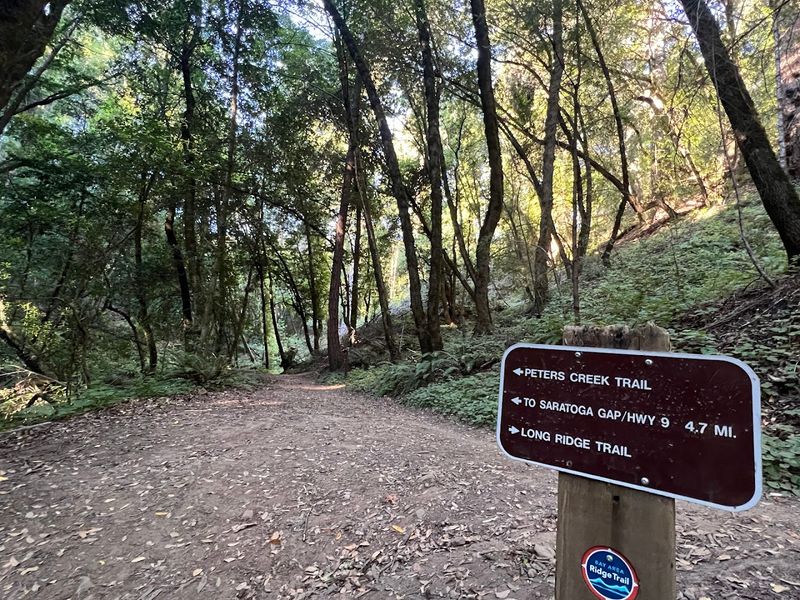
Deep in the Santa Cruz Mountains of San Mateo County, Portola Redwoods State Park offers 18 miles of hiker-only trails through terrain that feels genuinely remote despite being within reasonable driving distance of the Bay Area.
The Peters Creek Trail and routes leading toward the ancient redwood groves represent some of the most rewarding hiking in the park.
Old-growth redwoods in this section of the park have avoided the logging pressure that cleared much of the surrounding forest during the 19th and early 20th centuries.
The result is a grove of trees with the kind of scale that takes a moment to process when encountered in person.
Trunks several feet in diameter, a closed canopy overhead, and a forest floor covered in sorrel and ferns give the area a hushed, cathedral-like quality without needing any poetic exaggeration to describe it accurately.
Compared to Muir Woods or Big Basin’s most-visited areas, Portola Redwoods sees a fraction of the foot traffic.
The park road leading in is narrow and winding, which naturally limits casual drive-through visits.
Trail conditions can vary after heavy rain, so checking the California State Parks website before visiting during winter months is a practical step worth taking.
6. Lost Coast Trail, Sinkyone Wilderness Section, Mendocino County
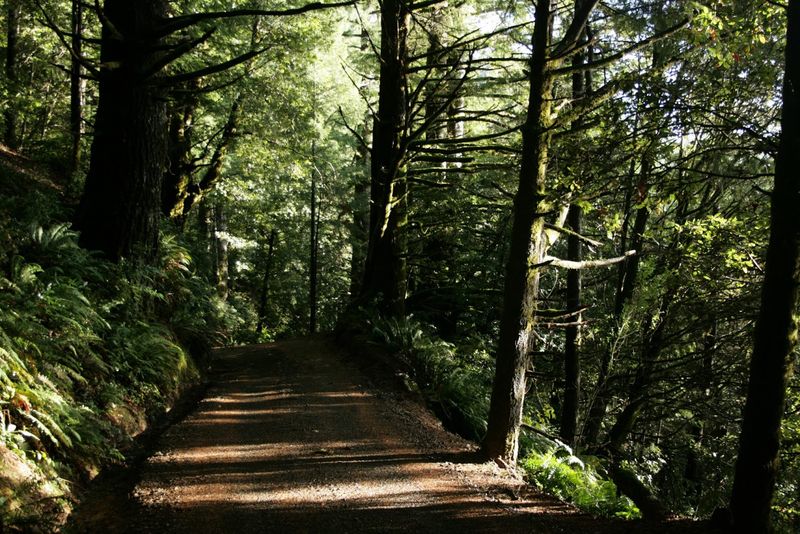
Rugged is not an overstatement when describing the Sinkyone Wilderness section of the Lost Coast Trail.
Located in southern Mendocino County, this stretch of coastline sits well beyond the reach of casual tourism, and the roads leading in are unpaved and slow. That access barrier is exactly what keeps the landscape in the condition it is.
Sea stacks rise from the water offshore, dark sand beaches stretch between headlands, and canyon drainages cut down to the coast with small waterfalls visible in wetter months.
Roosevelt elk move through the area with some regularity, and gray whales can sometimes be spotted offshore during their seasonal migration.
The trail follows the coastline closely in places and climbs inland through dense forest in others, creating a route that changes character frequently.
Camping is available at several primitive sites along the trail, and multi-day trips allow for a more complete experience of the wilderness.
Day hiking is possible from the Usal Beach trailhead or the Needle Rock visitor area, though distances are meaningful and the terrain is uneven.
Checking road conditions before arriving is important since the access roads can become impassable after significant rainfall.
The California Lost Coast is one of the most genuinely wild stretches of coastline remaining in the contiguous United States.
7. San Emigdio Canyon Trail, Wind Wolves Preserve, Kern County
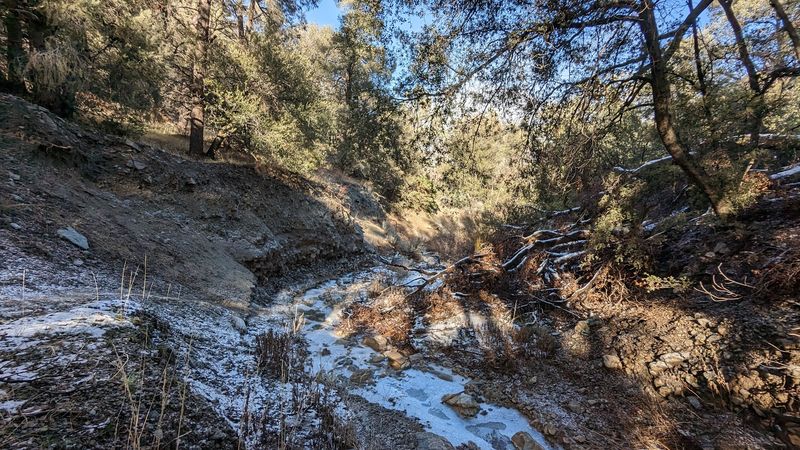
Wind Wolves Preserve in Kern County covers more than 93,000 acres and sits at the convergence of several major California ecosystems including the Coast Ranges,
Transverse Ranges, Sierra Nevada foothills, Mojave Desert edge, and San Joaquin Valley floor. That ecological complexity makes the landscape here genuinely varied in a way that few preserves in the state can match.
The San Emigdio Canyon Trail follows a creek drainage into the hills, passing through oak woodland, chaparral, and riparian habitat as the canyon narrows.
Wildflowers can be abundant in spring, and the canyon walls create a sense of enclosure that contrasts sharply with the wide open grasslands at the preserve’s entrance.
Tule elk and pronghorn have been documented in the preserve, and birding can be productive along the creek corridor.
The preserve is managed by the Wildlands Conservancy and is open daily at no charge, which is notable given its size and the quality of its trails.
Because it sits south of Bakersfield rather than near any major tourist corridor, visitor numbers stay low compared to state and national parks of similar scale.
Bringing water is essential since the terrain is dry for much of the year and shade is limited outside the canyon sections.
8. Santa Margarita River Trail, Santa Margarita River Preserve, Fallbrook, San Diego County
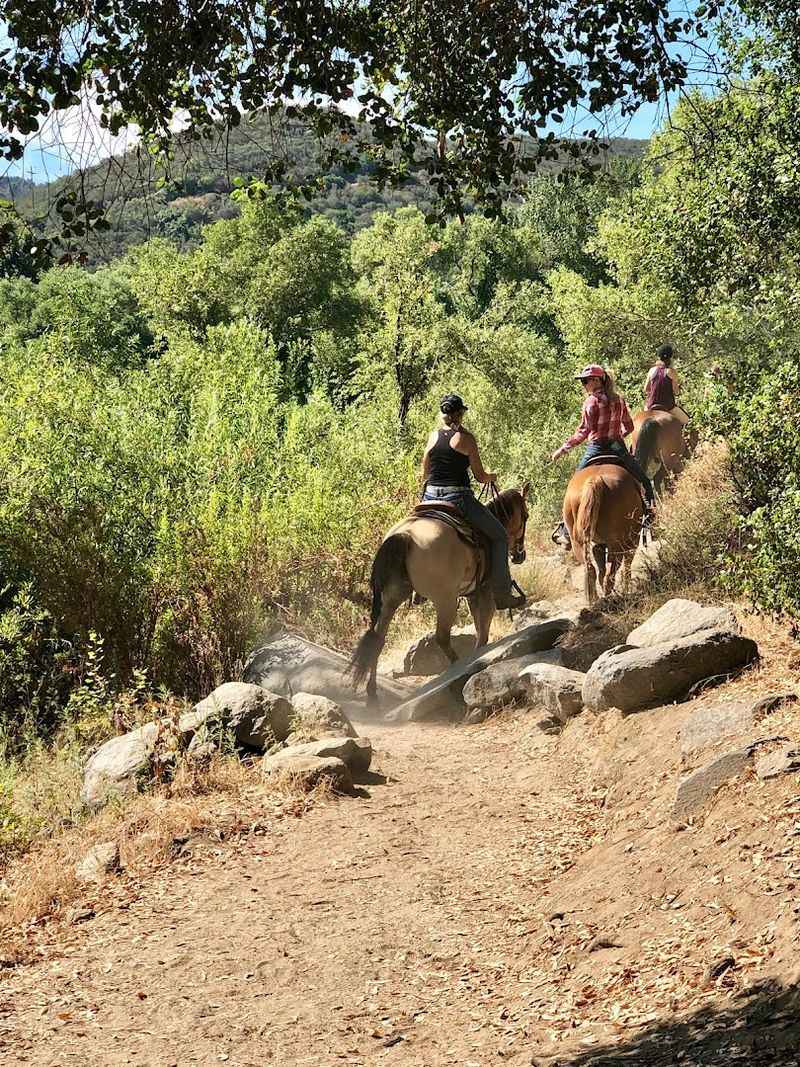
Fallbrook sits in the northern inland section of San Diego County, and the Santa Margarita River Preserve there protects one of the last free-flowing rivers in Southern California.
The trail system within the preserve covers roughly 18 miles of maintained paths used by both hikers and equestrians, running through a landscape that feels genuinely removed from the coastal tourist circuit.
Sycamore and willow trees line the river corridor, and the canopy along the water can be dense enough in summer to provide real shade during warmer afternoon hours.
The river itself runs at varying levels depending on the season and annual rainfall, and crossing points may change accordingly.
Bird diversity along the riparian corridor tends to be high, and the preserve hosts species that depend on intact river habitat increasingly rare in the region.
The preserve is managed by the Wildlands Conservancy and is open to the public free of charge.
Trail surfaces vary from compacted dirt to sandy river-adjacent stretches, and some sections involve modest elevation changes as the route moves away from the riverbank and into the surrounding oak woodland hills.
Visiting on a weekday almost guarantees a quiet experience, and the preserve’s distance from major highways naturally filters out drive-by traffic.
9. Bear Creek Redwoods Preserve Trails, Los Gatos, Santa Cruz Mountains
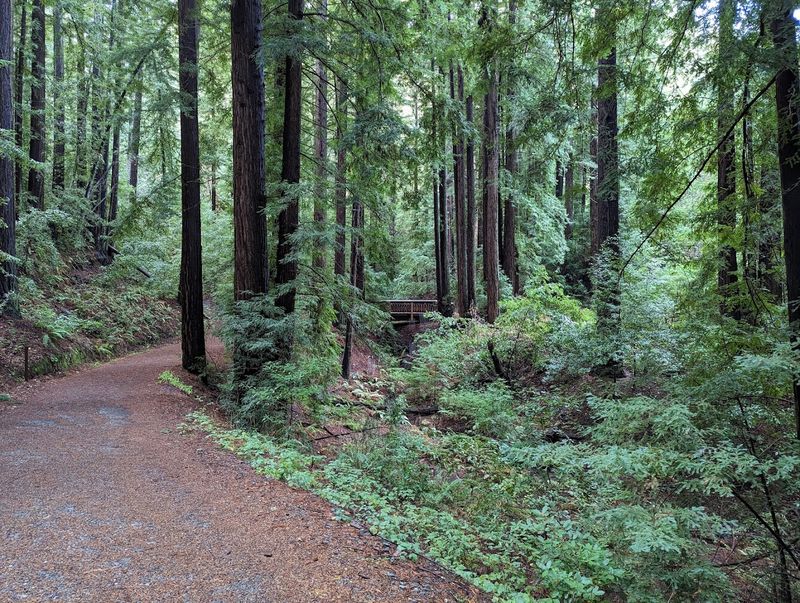
After years of restoration work, Bear Creek Redwoods Open Space Preserve opened its trails to the public in 2019, making it one of the newer hiking destinations in the Bay Area’s open space network.
Located in the Santa Cruz Mountains near Los Gatos, the preserve offers more than 10 miles of trails through second-growth redwoods, Douglas fir, and oak woodland that is still in an active recovery phase.
Because the preserve is relatively new to public access, it has not yet built the name recognition of older nearby parks.
Trail surfaces are generally well-maintained and the signage is clear, which makes navigation straightforward even for first-time visitors.
Creeks run through the lower sections of the preserve, and the sound of moving water follows hikers along several of the longer loop options.
Views toward the Sierra Azul Range open up from some of the higher ridge sections, providing a sense of the broader mountain landscape surrounding the preserve.
The parking area off Bear Creek Road has limited capacity, and weekends can fill up by mid-morning during good weather.
Checking the Midpeninsula Regional Open Space District website before visiting provides current trail conditions and any seasonal closures, which is useful since some areas may still be subject to restoration-related access restrictions.
10. Frog Lake / Middle Ridge Area, Henry W. Coe State Park, Morgan Hill
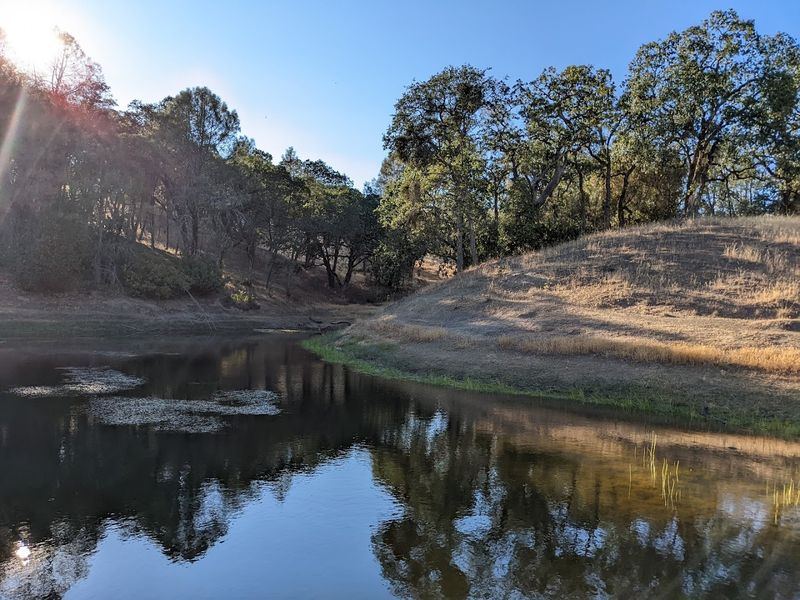
Covering nearly 87,000 acres east of Morgan Hill in the Diablo Range, Henry W. Coe State Park stands as Northern California’s largest state park, with oak woodland, chaparral, and grassland stretching across its rugged terrain.
Despite that scale, it draws a fraction of the visitors that smaller and more famous parks receive, largely because its terrain is genuinely demanding and its trailheads do not sit along popular tourist routes.
The Frog Lake area and Middle Ridge trails offer loops ranging from moderate to strenuous, with longer combinations extending well past 10 miles.
Seasonal ponds and small lakes dot the interior landscape, and Frog Lake itself is reachable on a manageable route from the park headquarters.
The rolling hills in this section of the park take on a golden color by late spring that persists through summer, and the oak canopy provides periodic shade along ridge and canyon routes.
Wildlife sightings here can include deer, wild pigs, golden eagles, and occasionally mountain lions, though the latter are rarely seen.
The park headquarters area provides trail maps and water, and rangers there tend to be helpful in suggesting routes based on current conditions and visitor experience level.
Summers can be extremely hot at lower elevations, so early morning starts and carrying sufficient water are practical necessities rather than optional suggestions.