13 Breathtaking Places In Idaho You Need To See To Believe
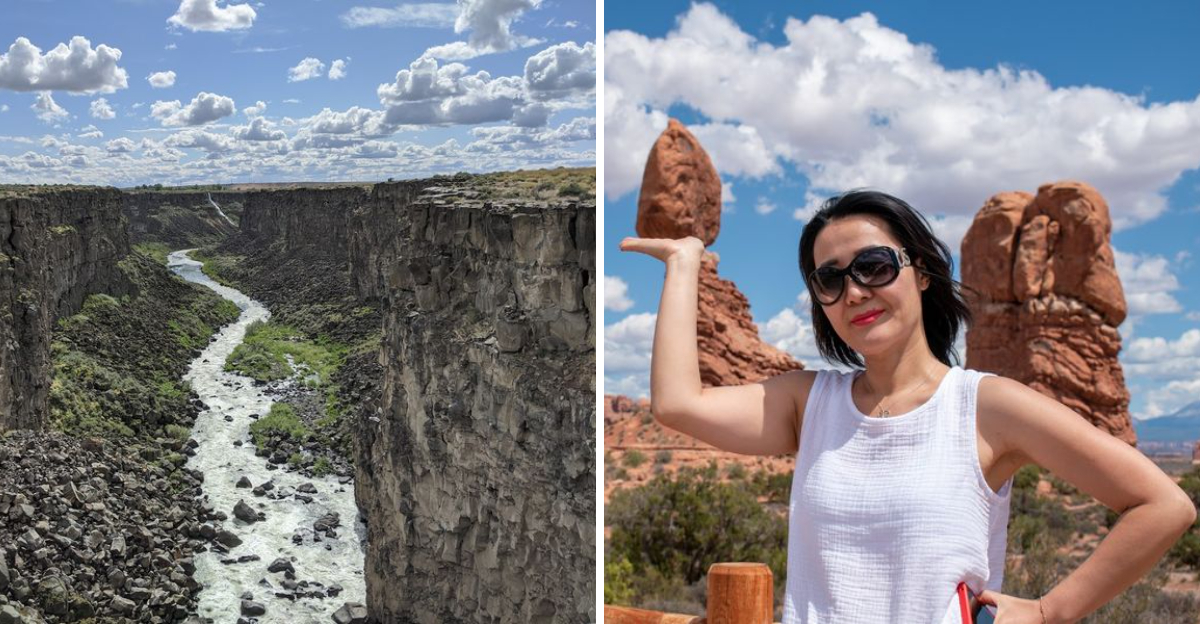
Idaho does not bother with a warm-up, it just throws open the curtain and starts showing off.
A drive here can feel like wandering through a place that was built to make people stop mid-sentence, where cliffs drop away without warning and distant peaks seem to rise just to prove a point.
Even the silence lands differently when the landscape gets this wild, as if the state knows exactly when to let the view do all the talking.
For anyone planning a route through Idaho, these 13 places show how varied and memorable the state can be without leaning on one single kind of view.
13. Craters Of The Moon National Monument
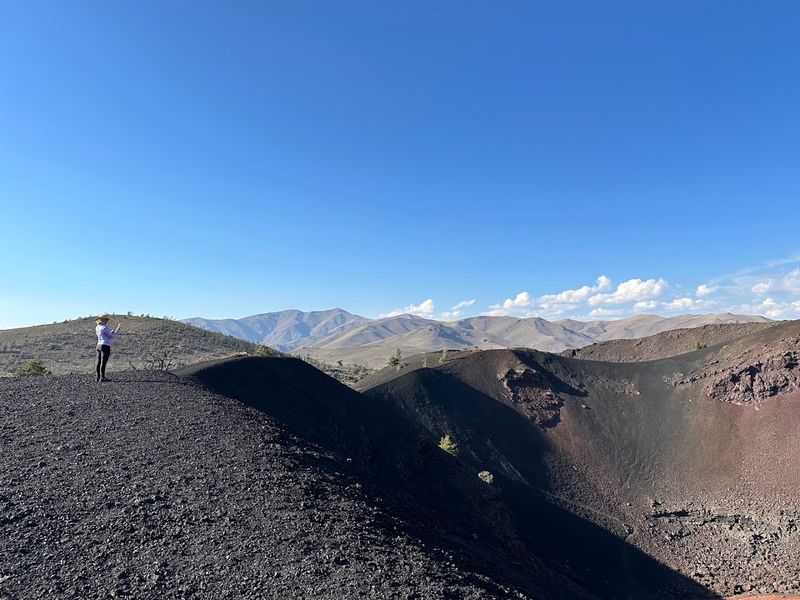
Black lava, cinder cones, fissures, and lava tubes turn Craters of the Moon into one of the strangest landscapes in Idaho, and the National Park Service still describes the place through active 2026 conditions showing most of the 7-mile Loop Road open while the caves area remains seasonally closed. The monument sits at 1266 Craters Loop Road near Arco, and its geology pages tie the terrain to the Great Rift, a 52-mile crack system that fed repeated eruptions.
That history matters because the land does not just look dramatic. It looks unfinished, as if the earth cooled only recently and forgot to smooth itself back out.
Even a short visit can feel like a reset in how scenery works. Instead of forests or rivers easing you into the view, the monument hits with dark basalt, open sky, and a level of visual weirdness strong enough that NASA once used the area for training comparisons.
Idaho has many beautiful places. Few feel this alien.
12. Shoshone Falls
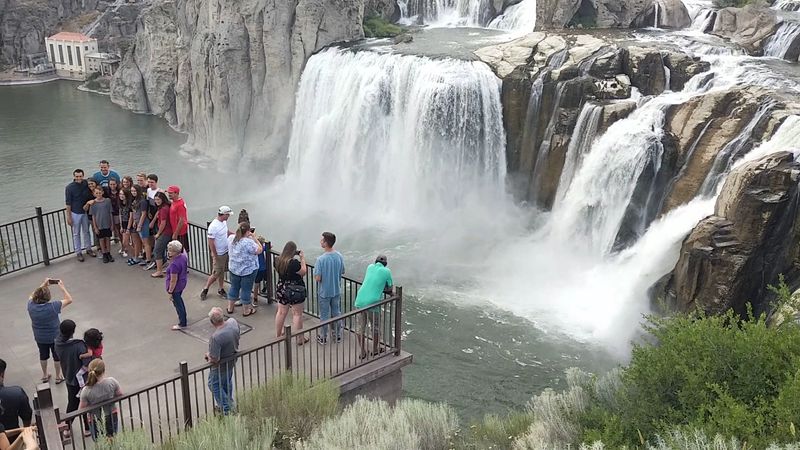
Water is doing the shocking work at Shoshone Falls, where the Snake River drops 212 feet into a deep canyon at the edge of Twin Falls. Current city guidance still directs visitors to 4155 Shoshone Falls Grade Road, and Visit Southern Idaho continues to describe the falls as higher than Niagara, which is exactly why the nickname “Niagara of the West” has stuck so stubbornly.
Height alone would make the stop worthwhile, but the setting improves everything. Basalt canyon walls, rising mist, and the broad white sheet of water combine into one of the state’s most forceful views, especially in spring when runoff gives the falls their biggest voice.
Shoshone Falls is also unusually accessible for something this dramatic, with overlooks, walking paths, and park infrastructure that make it easy to absorb the scale without a difficult hike. Plenty of natural landmarks impress from a distance and then fade.
This one keeps getting bigger the longer you stand there. Idaho has many strong canyon views, but few feel this immediate.
Sound, spray, and the sheer drop all work together to make the falls feel like a full event instead of just another pretty roadside stop.
11. Bruneau Dunes State Park
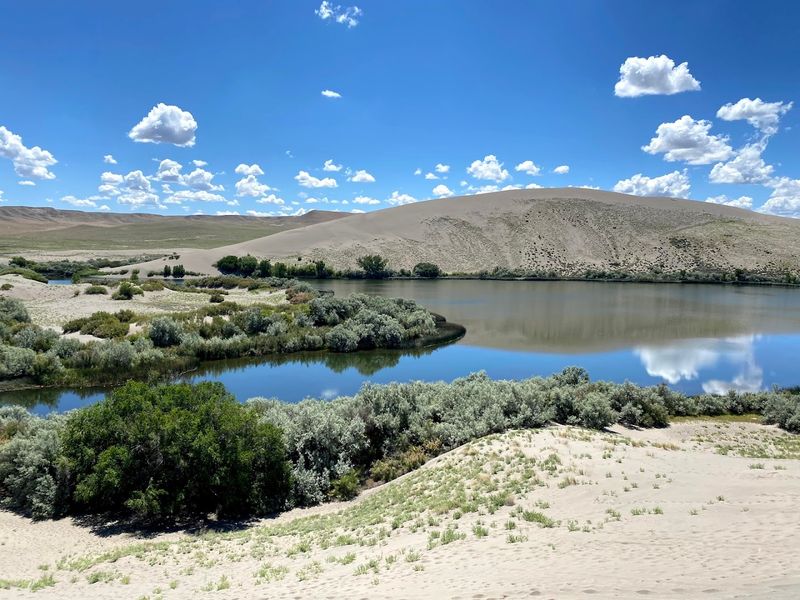
Golden sand dunes in southern Idaho already sound improbable, and Bruneau Dunes State Park pushes that surprise further by holding the tallest single-structured sand dune in North America. Idaho Parks says the highest dune rises 470 feet above the surrounding desert floor, and the park near Mountain Home also includes small lakes, hiking, sandboarding, and an observatory that turns nighttime into part of the attraction.
That mix is what makes the place feel so strange and so memorable. The dunes alone would be enough to stop people cold, but adding water at their base and dark-sky viewing after sunset gives the park a much broader character than a one-note desert curiosity.
Daylight brings heat, wind, and huge open shapes. Evening cools the sand, softens the colors, and makes the whole place feel even less like the Idaho many travelers expect.
States known for mountains and rivers rarely get to surprise people with a giant dune field. Bruneau manages it effortlessly and keeps doing it year after year.
10. Sawtooth National Recreation Area
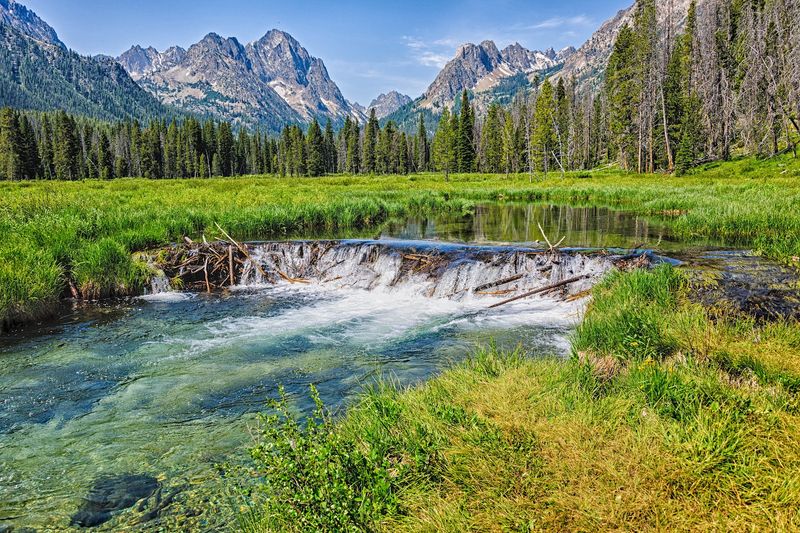
Jagged skyline is the reason people remember the Sawtooths long after the drive ends. The U.S.
Forest Service says the Sawtooth National Recreation Area covers 756,000 acres and includes more than 700 miles of trails, 40 peaks over 10,000 feet, and more than 300 high-elevation alpine lakes. Those numbers would already make it one of Idaho’s top outdoor regions, but the real force comes from how the land looks in person.
Granite walls cut into the sky with a severity that photographs rarely capture well, and even the byway views feel oversized. Meadows, rivers, and lakes soften parts of the landscape, yet the mountain line keeps everything dramatic.
That balance is what gives the area so much staying power. Hikers and backpackers can spend weeks here, but casual travelers still get something extraordinary just by driving through and stopping often.
The Sawtooths do not need gimmicks, rare colors, or one single signature landmark. Sheer concentration of mountain beauty does the whole job, and it does it with very little effort.
9. Redfish Lake
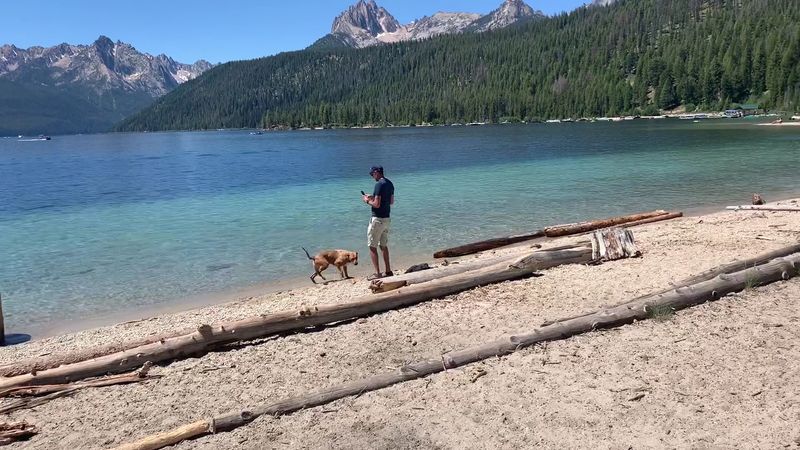
Morning is when Redfish Lake looks almost too perfect to trust. Redfish Lake Lodge confirms the 2026 season opens on May 19, and its current site anchors the destination at 401 Redfish Lodge Road near Stanley, where the Sawtooth Mountains rise sharply behind one of Idaho’s clearest alpine lakes.
The view is the immediate reason to stop. Reflection, blue-green water, pine forest, and jagged peaks all stack together so neatly that the place feels staged for a postcard.
What keeps it from becoming merely scenic is how complete the destination is once you stay longer. The lodge, marina, day-use access, and surrounding trail opportunities turn the lake into more than a viewpoint.
Visitors can paddle it, camp near it, watch the light move across it, or simply sit still and let the mountains keep doing their work. Many landscapes impress once.
Redfish keeps improving the longer you look, especially in calmer early hours when the water flattens and the peaks start appearing twice, once above and once below the shoreline.
8. Mesa Falls
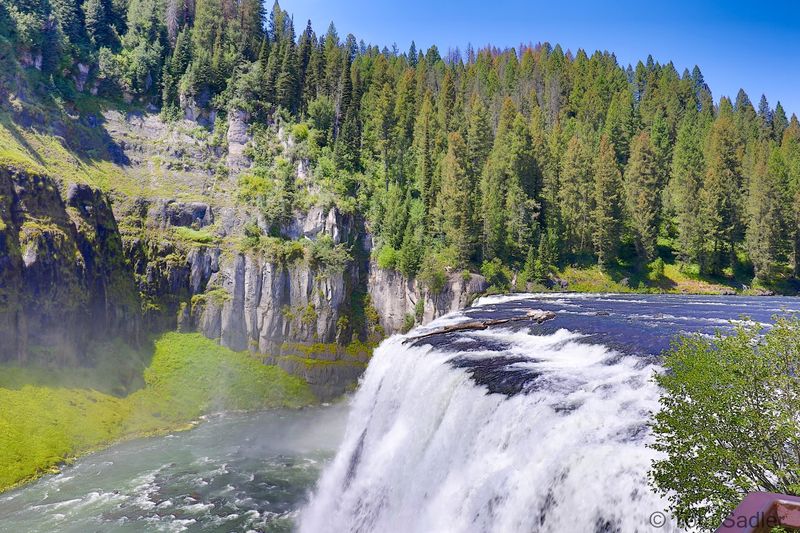
Most waterfalls in the American West have been dammed, diverted, or altered in some way, but Mesa Falls stands apart as a rare exception. Reached from the Mesa Falls Scenic Byway near Ashton, with visitor access around Upper Mesa Falls Road.
That untouched quality gives them an energy and authenticity that feels increasingly rare.
Upper Mesa Falls drops about 114 feet across a wide basalt ledge, sending a roaring curtain of water crashing into the canyon below and filling the air with cool mist. A restored historic visitors center sits nearby, offering exhibits about the geology and natural history of the region.
Wooden boardwalks and viewing platforms bring you close enough to feel the spray on your face without any safety concerns.
Visit Idaho and the Caribou-Targhee National Forest both highlight Mesa Falls as a top-tier destination, and every visitor who makes the short walk to the overlook instantly understands why.
7. Hells Canyon
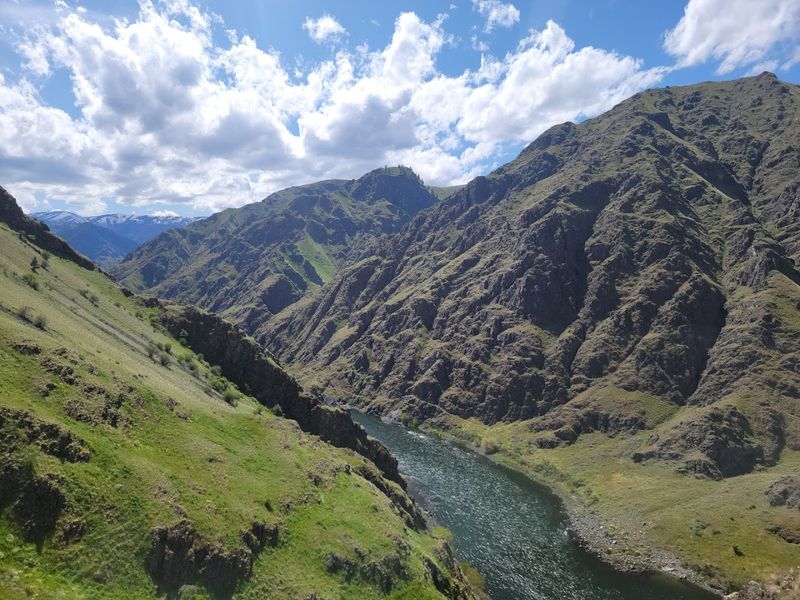
Numbers become hard to process in Hells Canyon because the gorge is too large to read quickly with the eye. The Forest Service continues to describe it as the deepest river gorge in North America, and North Central Idaho tourism materials point to Heaven’s Gate Overlook near Riggins as one of the best Idaho-side views into the canyon.
Current travel pages say Heaven’s Gate sits at 8,429 feet and offers views into Hells Canyon along with broad multi-state vistas, while older Forest Service lookout guidance still treats the overlook as the signature high view from the Idaho side. That combination of access and immensity is what makes Hells Canyon so effective.
You do not need to raft the Snake River or hike deep into the wilderness to understand the scale. One overlook can already make the whole place feel bigger than your mind wants it to be.
Add rafting, wildlife, steep backroads, and the larger Seven Devils setting, and the canyon turns from a scenic landmark into a full geography lesson on excess. Idaho has nothing else that feels remotely this vertically overwhelming.
6. City Of Rocks National Reserve
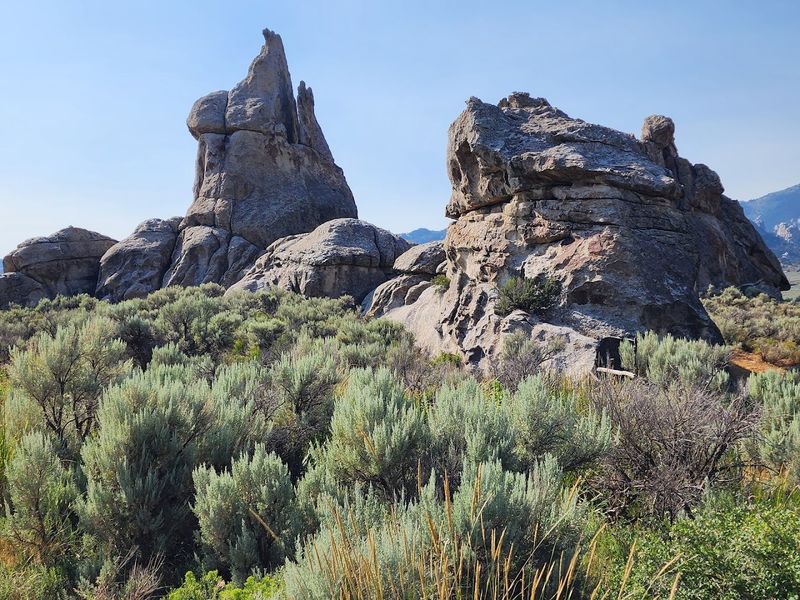
Wandering through City of Rocks feels like exploring a sculpture garden designed by nature over millions of years. Situated at 3035 S Elba-Almo Rd, Almo, ID 83312, this reserve is crowded with granite pinnacles, rounded domes, and twisted rock fins that rise dramatically from the surrounding high desert floor.
Some formations rise dramatically above the high desert floor, and the variety of shapes keeps you looking in every direction as you walk.
Rock climbers from across the country travel here specifically for the challenging routes etched across these ancient granite faces. Hikers, photographers, and families also find plenty to enjoy along the well-maintained trail network that winds between the formations.
The reserve sits along the historic California Trail, and wagon wheel ruts from 19th-century pioneers are still visible in places, adding a layer of human history to the natural wonder.
The National Park Service and Idaho Parks both confirm active visitor access and a welcoming visitors center, making this one of southern Idaho’s most rewarding and memorable stops.
5. Thousand Springs State Park
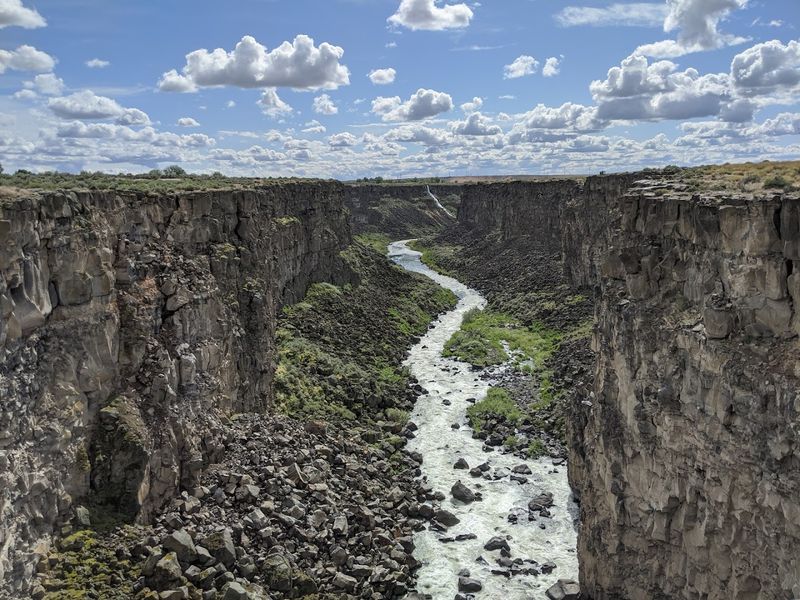
Water bursting straight out of canyon walls is not the sort of thing people expect to see in southern Idaho, which is exactly why Thousand Springs hits so hard. Idaho Parks currently lists visitor center hours at 17970 U.S.
Highway 30 in Hagerman, and the National Park Service notes that the Thousand Springs Visitor Center, opened in 2022, serves both Hagerman Fossil Beds National Monument and Thousand Springs State Park. That shared center is useful because the larger state park is spread across multiple units rather than concentrated in one simple stop.
What ties it all together is the same visual shock: bright water pouring from dark basalt in a way that looks almost staged. Springs, waterfalls, wetlands, and river corridors all contribute, but the canyon-wall emergence is what stays in memory.
Some landscapes impress through height. This one does it through contrast and improbability.
The water feels too vivid, the rock too dark, and the overall scene too theatrical to be casual. Idaho has many places where geology looks strong.
Thousand Springs is one of the rare ones where it also looks magical.
4. Lake Coeur d’Alene
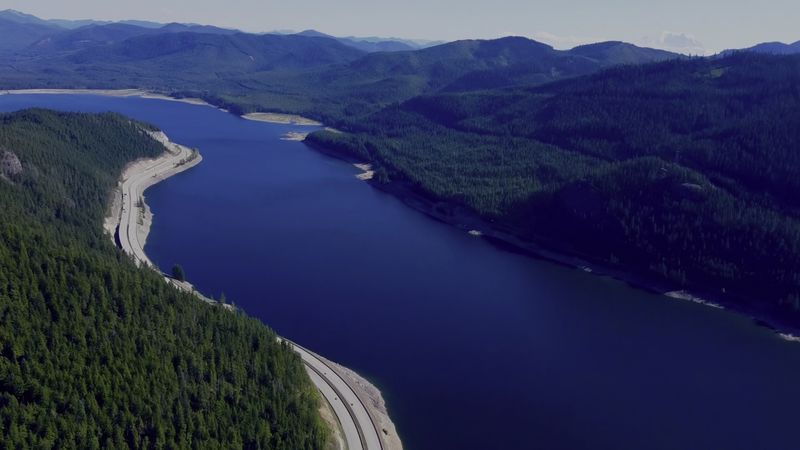
Northern Idaho shifts into a calmer but no less striking mode around Lake Coeur d’Alene. Visit Coeur d’Alene’s current tourism hub remains at 105 N. 1st Street in downtown Coeur d’Alene, and Visit Idaho’s scenic-byway page says the Lake Coeur d’Alene Scenic Byway runs 25.2 miles with year-round access.
That byway length matters because the lake works best when seen in more than one way. Downtown gives visitors easy boardwalk views, water access, and immediate skyline-meets-lake drama.
The byway widens the story into forested shorelines, mountain backdrops, and the sort of long curves that make the lake feel much larger than a first waterfront glance suggests. Water color helps too.
On clear days, the surface can look almost unnaturally rich against the surrounding evergreens. Some lakes win through remoteness.
Lake Coeur d’Alene wins through breadth and versatility. It can feel elegant from town, expansive from the road, and unexpectedly wild in the right corners, which is why so many visitors leave feeling like they only saw one fraction of what the lake can really do.
3. Priest Lake
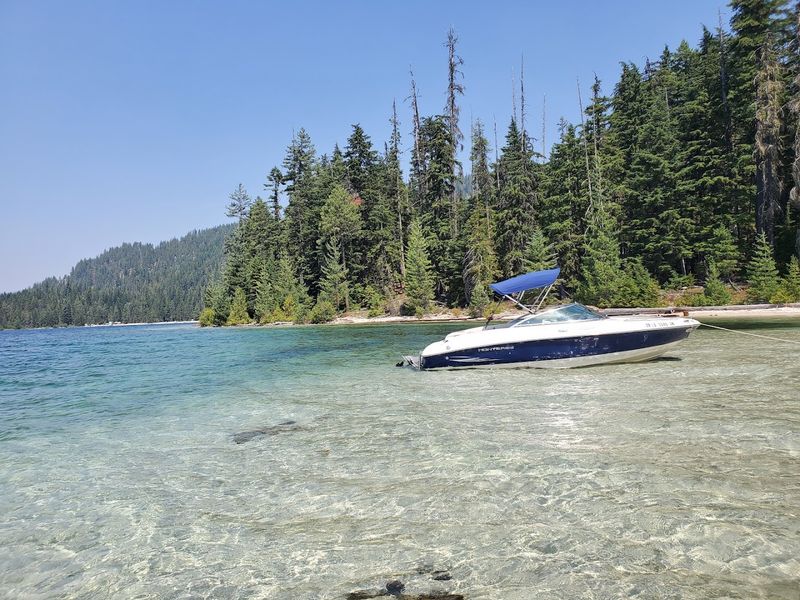
Priest Lake earns its reputation by feeling cleaner, quieter, and less hurried than many beautiful lakes people talk about more loudly. Idaho Parks places Priest Lake State Park at 314 Indian Creek Park Road in Coolin, and current 2026 updates show the park very much active, even with bridge work affecting part of the area.
Visit Idaho continues to call Priest Lake State Park a jewel of the Northwest, and that description fits because the main impression here is purity. Crystal-clear water, Selkirk Range scenery, and a less crowded feeling all work together to make the lake feel preserved rather than heavily consumed.
The shoreline experience also helps. Sand, forest, mountain backdrop, and water clarity combine into a place that feels equally suited to paddling, swimming, hiking, or simply doing very little at all.
Priest Lake does not need grand spectacle to be breathtaking. Its power is quieter.
The beauty lands through stillness, distance, and the sense that the lake is giving you a version of northern Idaho that has not yet been worn smooth by too much attention.
2. St. Anthony Sand Dunes
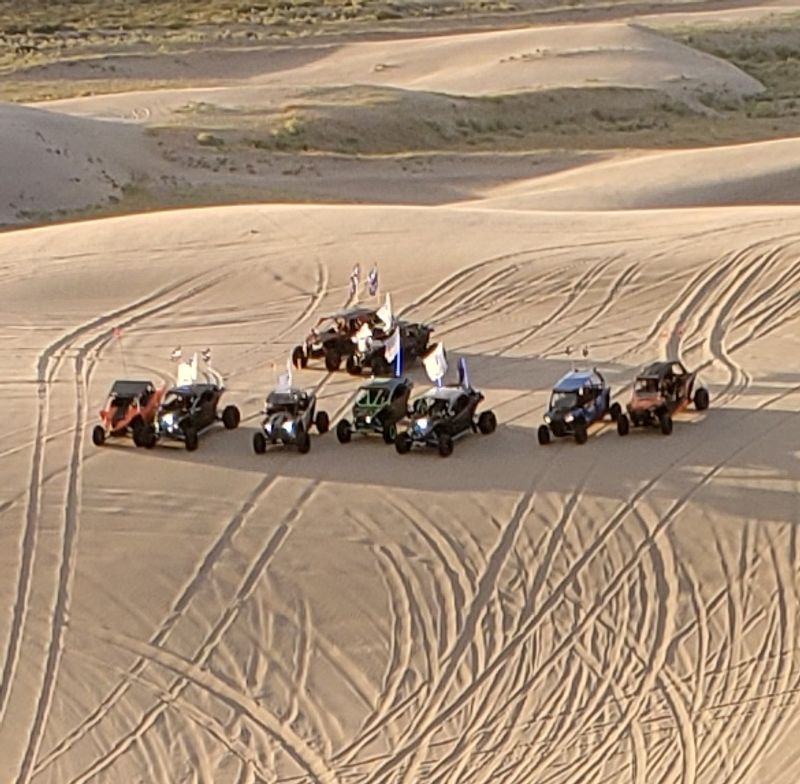
White quartz dunes belong in the category of Idaho scenery people do not believe until they see them. The Bureau of Land Management says the St. Anthony Sand Dunes cover 10,600 acres of clear, shifting white quartz sand, with dunes rising up to 400 feet high.
That already sounds surreal, but the feeling gets stronger once you stand in the middle of the area and realize how sharply the sand contrasts with the surrounding farmland, lava country, and ordinary expectations for eastern Idaho. Off-road vehicle riders have made the dunes famous for recreation, yet the place does not depend on engines to make an impression.
On foot, the terrain feels even stranger because the rolling white ridges keep repeating in a way that erases the usual visual cues of the region. Light is a huge part of the effect.
Sunrise and sunset make the dunes glow, while midday turns them almost blinding. Idaho has many places that are beautiful.
St. Anthony stands out by feeling like a complete geographical plot twist.
1. Balanced Rock
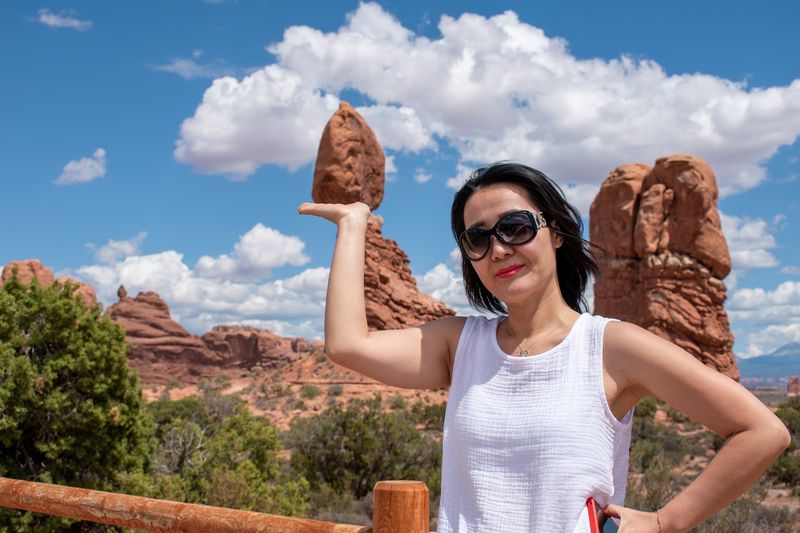
Nature occasionally produces things so scary that your brain struggles to accept them as real, and Balanced Rock near Castleford, ID 83321 is a perfect example. This 48-foot-tall, 40-ton mass of volcanic rock sits perched on a base so narrow it looks like a single strong gust of wind could send the whole thing toppling.
Wind and water erosion sculpted this formation over thousands of years, and the fact that it still stands today feels like a minor miracle.
A small park surrounds the formation, with picnic tables and a short walking path that circles the base and lets you view the rock from every angle. Visiting at different times of day reveals how dramatically the light changes the character of the stone, from warm amber at sunrise to deep shadow at midday.
It has become one of Idaho’s most photographed geological curiosities for good reason.
Sharing a photo of Balanced Rock with someone who has never seen it almost always triggers the same immediate reaction: there is simply no way that is real.