This Tucked-Away Living History Museum In Georgia Is A Must-Visit For History Lovers
History becomes tangible when you stand in a space where ordinary people lived extraordinary lives, where artifacts trigger genuine understanding rather than abstract knowledge. Pin Point Heritage Museum transforms what could be routine into an emotionally resonant experience that shifts how visitors understand Georgia’s complex narrative and human resilience.
This intimate institution refuses the distance typical museums maintain, instead creating conditions where empathy flows naturally.
The marshland setting anchors the museum’s narratives in actual geography that shaped these communities. Walking these spaces and encountering carefully preserved artifacts creates moments of genuine recognition understanding how people adapted, created community, and maintained dignity against significant odds.
Staff and curators demonstrate obvious passion for their work, evident in the thoughtfulness of every display and genuine willingness to engage visitors in deeper conversation. Discover fifteen compelling reasons why this Georgia destination deserves priority placement on your travel itinerary, a place where moving slowly through exhibits becomes the entire purpose of the visit.
1. A Marshside Setting That Immediately Feels Different
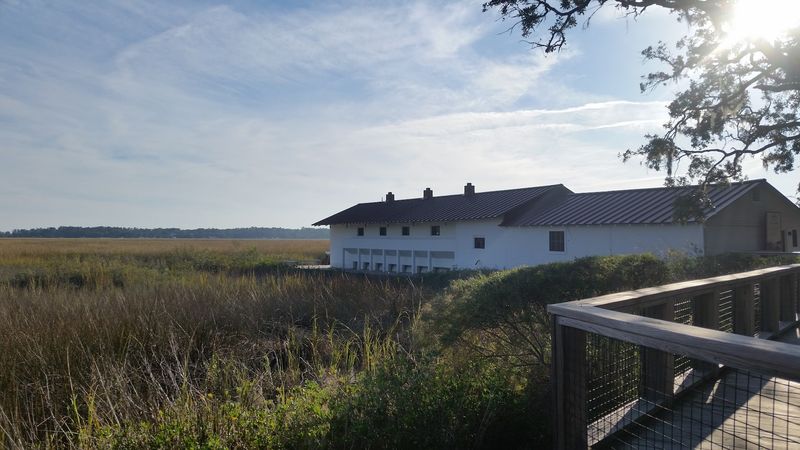
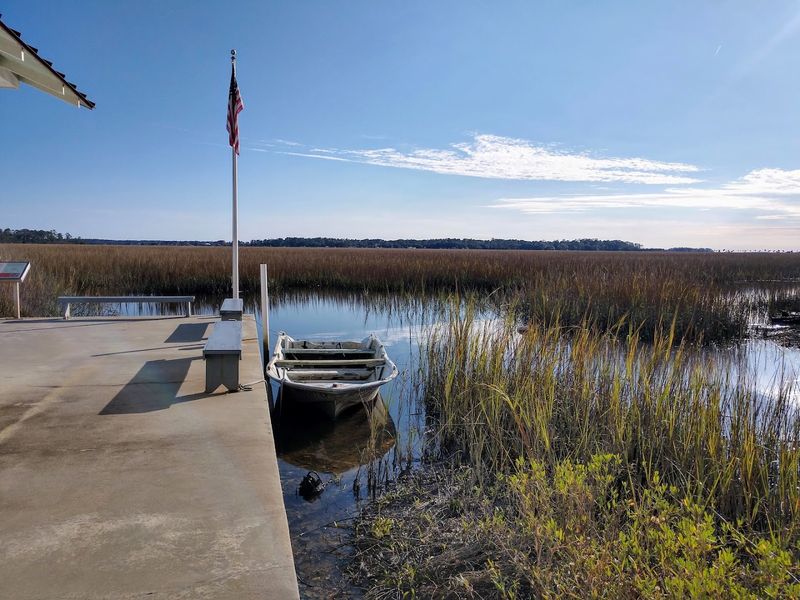
The approach alone sets a different tone from busier historic stops around Savannah. Pin Point Heritage Museum is located at 9924 Pin Point Avenue, Savannah, GA 31406, in a marshside community that feels calm, residential, and deeply connected to the water. That sense of place matters because the landscape helps explain the history before a single exhibit is read.
The surrounding tidal scenery gives visitors a clearer feel for why fishing, crabbing, and oyster work shaped local life for generations. Instead of separating history from geography, this visit keeps them together in a way that feels grounded and easy to grasp. The drive out also helps slow the pace, which suits the museum well.
Comfortable shoes, a little extra time, and an unhurried mindset tend to make the visit more rewarding. This is not a rushed checklist stop. It is a place where the setting quietly does part of the storytelling.
2. A Meaningful Introduction To Gullah Geechee Heritage
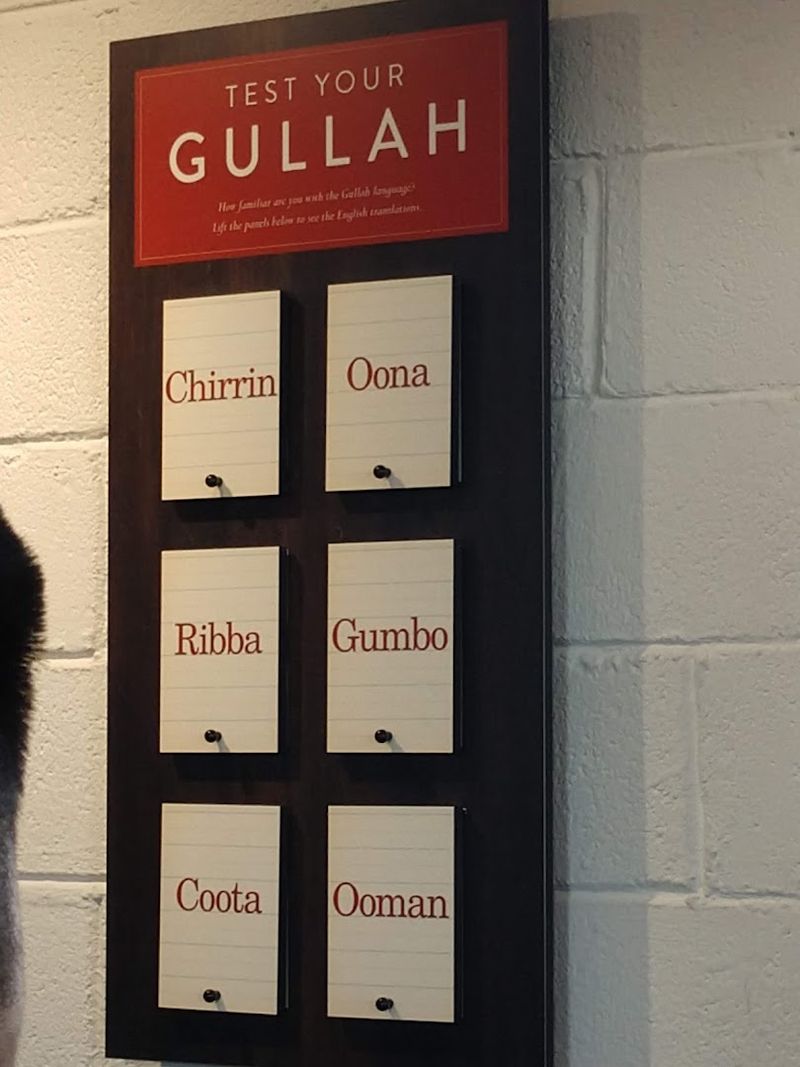
One of the strongest reasons to visit is the museum’s clear focus on Gullah Geechee history and culture in coastal Georgia. That context gives the museum emotional weight without making the experience hard to follow.
The exhibits help connect language, labor, foodways, faith, and family history to a specific place rather than treating the culture as something abstract. For visitors who have heard the term Gullah Geechee but want better understanding, this is a practical and respectful starting point. The scale stays approachable, which can make the material easier to absorb.
Reading slowly and listening carefully tends to pay off here because much of the value comes from lived experience and community memory. The museum feels personal rather than generic. That makes the history feel closer, richer, and more human.
3. The Historic Seafood Factory Setting Adds Real Texture
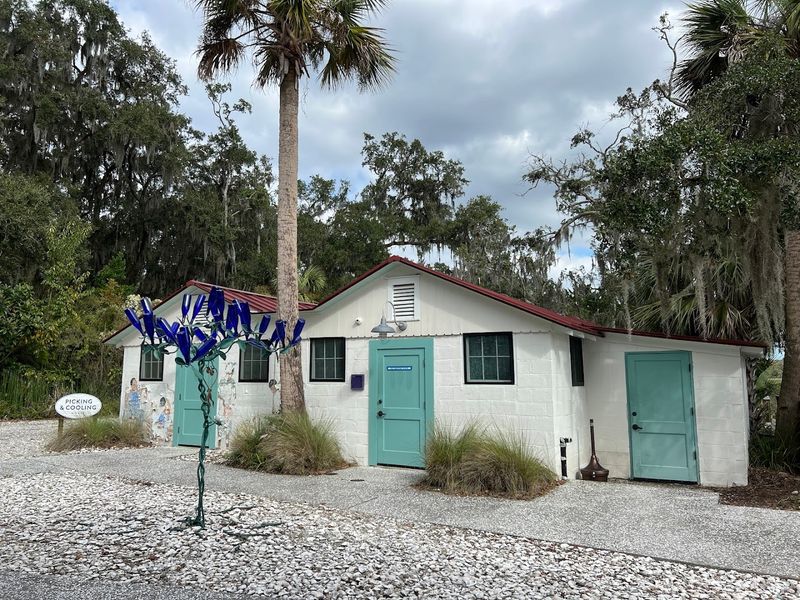
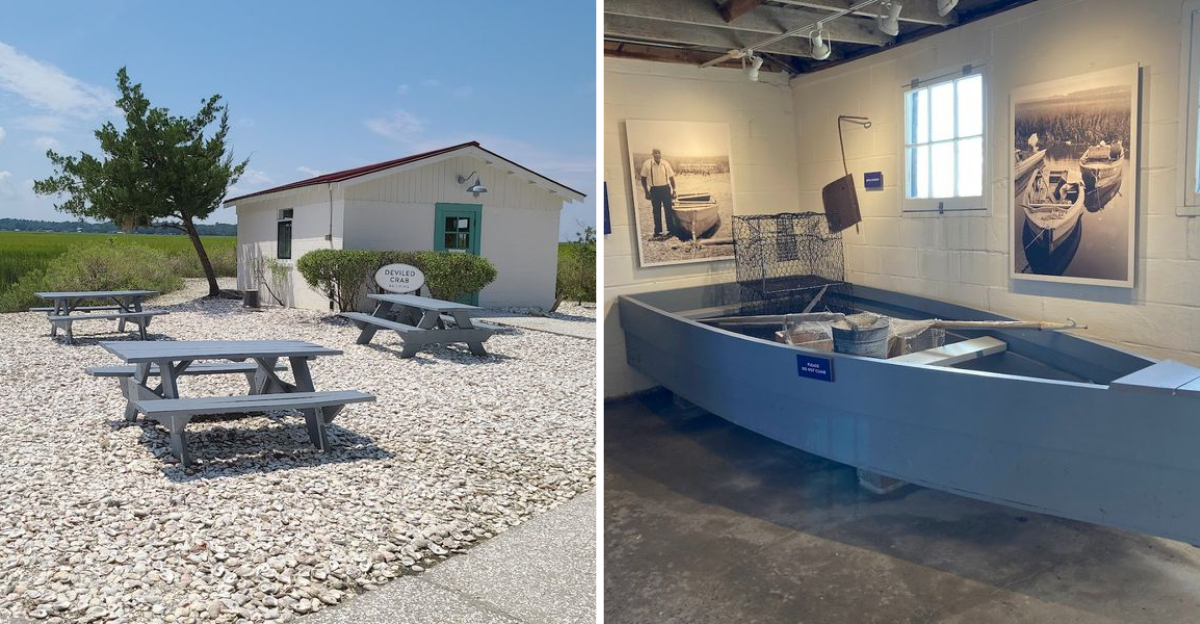
History often lands harder when it is presented in the very place where people once worked. Pin Point Heritage Museum is housed in the former A.S. Varn & Son Oyster and Crab Factory, which gives the visit an immediate sense of authenticity.
The structure itself helps explain the rhythms of labor, industry, and community life.
Instead of relying only on labels, the museum uses the bones of the old factory to show how seafood processing fit into the local economy. That physical setting can help visitors imagine sounds, smells, movement, and daily routines more clearly than a standard gallery might. It feels specific rather than staged.
This is especially appealing for travelers who enjoy industrial history as much as social history. The building makes the story tangible. Bringing a light layer for changing indoor temperatures and taking time to notice the architecture can make the stop even more satisfying.
4. The Museum Tells A Community Story, Not Just A Timeline
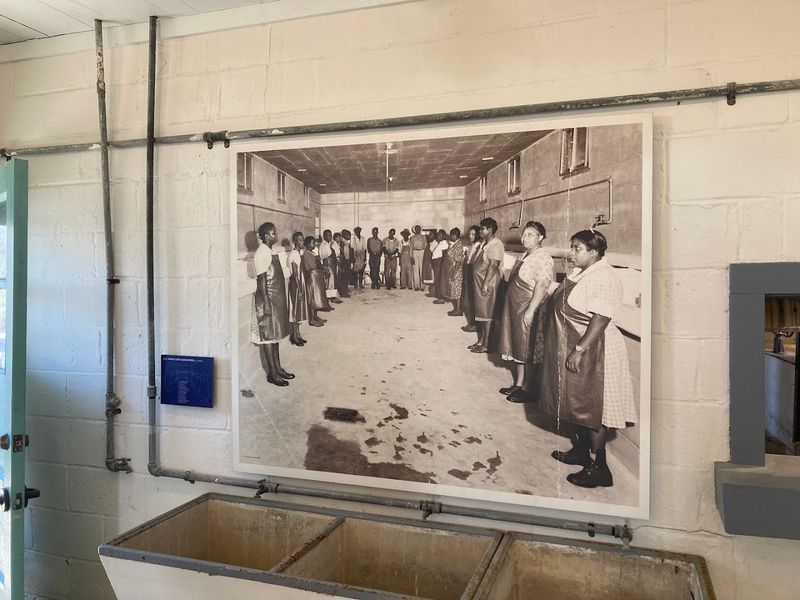
Some museums move quickly from date to date, but this one feels rooted in people first. Pin Point Heritage Museum, centers the story of the Pin Point community and the generations who lived and worked there. That local focus creates a more intimate experience than a broad survey museum usually can.
Visitors are not just learning about a building or an industry. They are seeing how place, family, and work shaped everyday life over time in one coastal Georgia community. That narrower lens can actually make the history easier to remember because the details feel connected rather than scattered.
It is a good stop for travelers who prefer depth over volume and would rather leave with a few strong impressions than a blur of facts. Reading each section in order helps. The museum rewards steady attention and curiosity more than speed.
5. Oral Histories Help The Past Sound Human
A particularly memorable part of the museum experience is the way community voices help carry the story. Pin Point Heritage Museum uses oral history and interpretation to connect visitors with lived experience instead of only presenting facts on walls. That approach can make the visit feel warmer, more immediate, and more personal.
Hearing or reading firsthand reflections tends to shift the mood from simple observation to real understanding. Details about work, family, and neighborhood life often land more clearly when they come through personal memory. It becomes easier to imagine the community as a living place rather than a historic concept.
This is one reason the museum appeals even to travelers who do not usually seek out history attractions. The storytelling feels accessible. Setting phones aside for a while and letting the audio or text unfold at a slower pace usually makes this part especially rewarding.
6. It Offers A Strong Counterpoint To Downtown Savannah
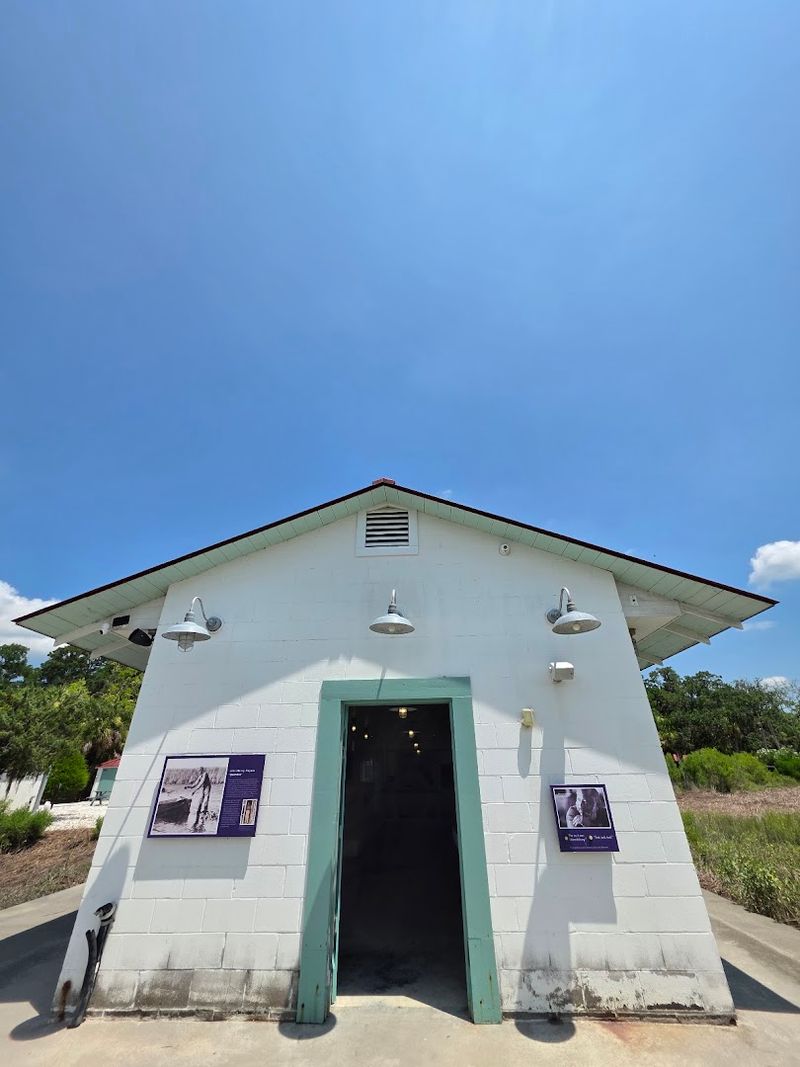
Visitors who know Savannah for grand houses and busy squares may appreciate how different this stop feels. Pin Point Heritage Museum is found away from the denser tourist core and closer to the marshes that shaped coastal livelihoods. That contrast broadens the picture of Georgia history in a useful way.
A trip here helps balance a classic Savannah itinerary by showing another side of the region, one tied to labor, water, and community continuity. It can work especially well on a longer visit when the historic district starts to feel crowded or repetitive. The quieter surroundings often feel refreshing.
Timing matters a little, since pairing this museum with lighter plans nearby can keep the day comfortable. Driving rather than relying on a tight schedule tends to help. The experience is best treated as a thoughtful detour, not a rushed add-on between louder attractions.
7. The Small Scale Makes The Visit Easy To Absorb
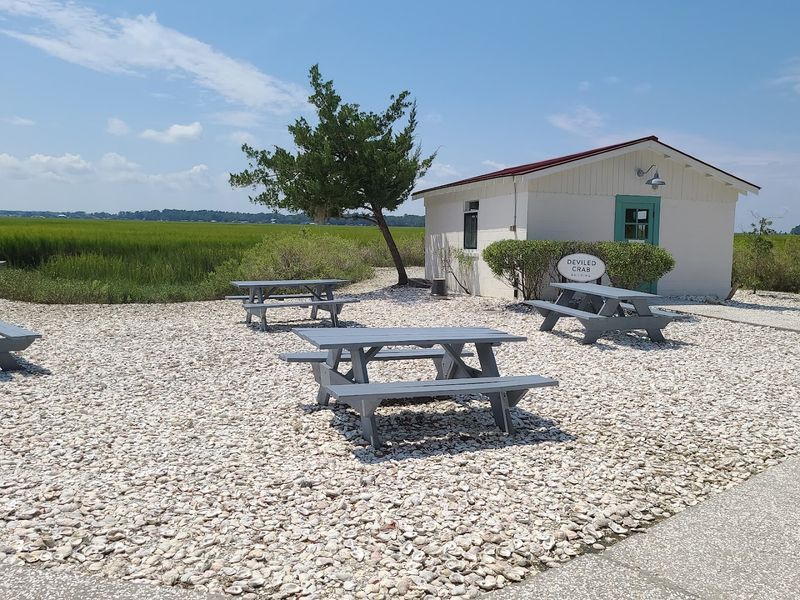
Not every history lover wants a giant museum that takes half a day and leaves the mind overloaded. Pin Point Heritage Museum, has a more manageable scale that allows the material to stay focused and digestible. That can be a real advantage, especially on a warm or full sightseeing day.
The museum is substantial enough to feel worthwhile, yet compact enough that visitors can move carefully without fatigue setting in too early. Families, older travelers, and anyone pacing a longer trip may find this especially helpful. There is room to pause, reread, and take in the setting without feeling pressured.
This scale also makes the museum a smart choice for people who want meaningful history without committing an entire day. Visiting with a bottle of water and a little flexibility tends to work well. The experience feels concentrated rather than crowded, which suits the subject beautifully.
8. It Connects Labor History With Daily Life
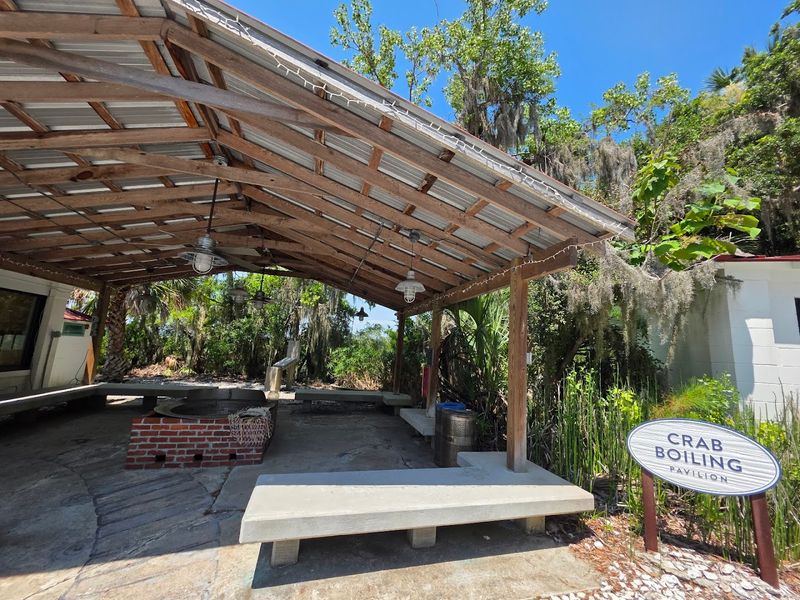
Many historic sites mention work in passing, but this museum gives labor its proper place in the story. Pin Point Heritage Museum helps visitors understand how oyster and crab processing shaped livelihoods, routines, and the identity of the community. That practical emphasis makes the history feel concrete instead of distant.
The exhibits suggest how jobs were connected to family life, neighborhood patterns, and the surrounding environment. This kind of interpretation can be especially valuable for travelers interested in social history, Black history, and the economics behind everyday life in coastal Georgia. It adds weight without becoming dry.
Looking closely at tools, spaces, and work processes can deepen the visit more than rushing toward the next panel. The museum rewards attention to ordinary details. Those details often reveal the strongest truths about how a community sustained itself across changing times.
9. The Drive Out Feels Like Part Of The Experience
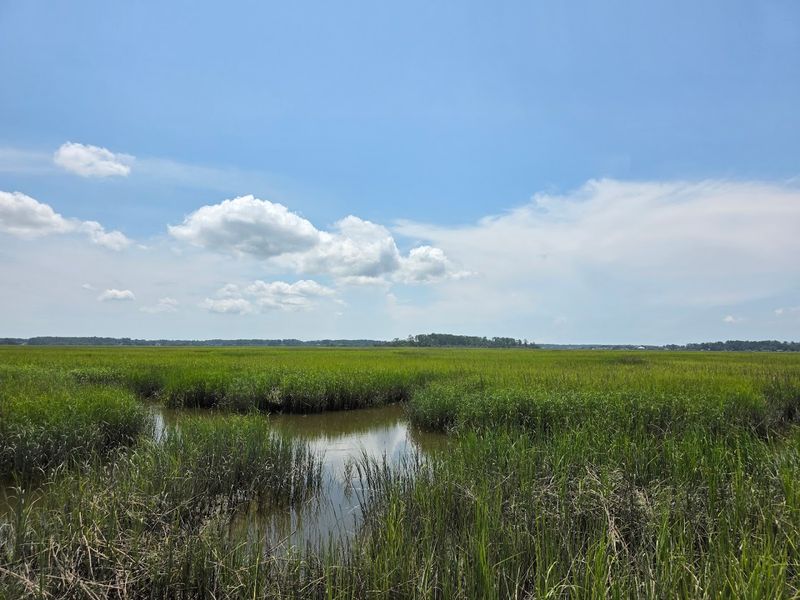
Part of this museum’s charm begins before the front door comes into view. The route there leads through a quieter stretch of coastal Savannah that helps shift the mood away from the city’s busiest areas. That change of pace can make the visit feel more intentional.
The drive encourages visitors to notice marsh scenery, neighborhood scale, and the distance between postcard Savannah and the working landscapes that supported regional life. For history lovers, that context matters. It helps explain why this location could not be swapped for a more central address without losing something essential.
Allowing a little extra travel time is wise, especially for anyone relying on navigation through unfamiliar roads. This is not the kind of stop that benefits from rushing in late. Arriving calm and unhurried tends to make the museum’s quieter strengths stand out much more clearly.
10. It Is A Strong Choice For Thoughtful Family Travel
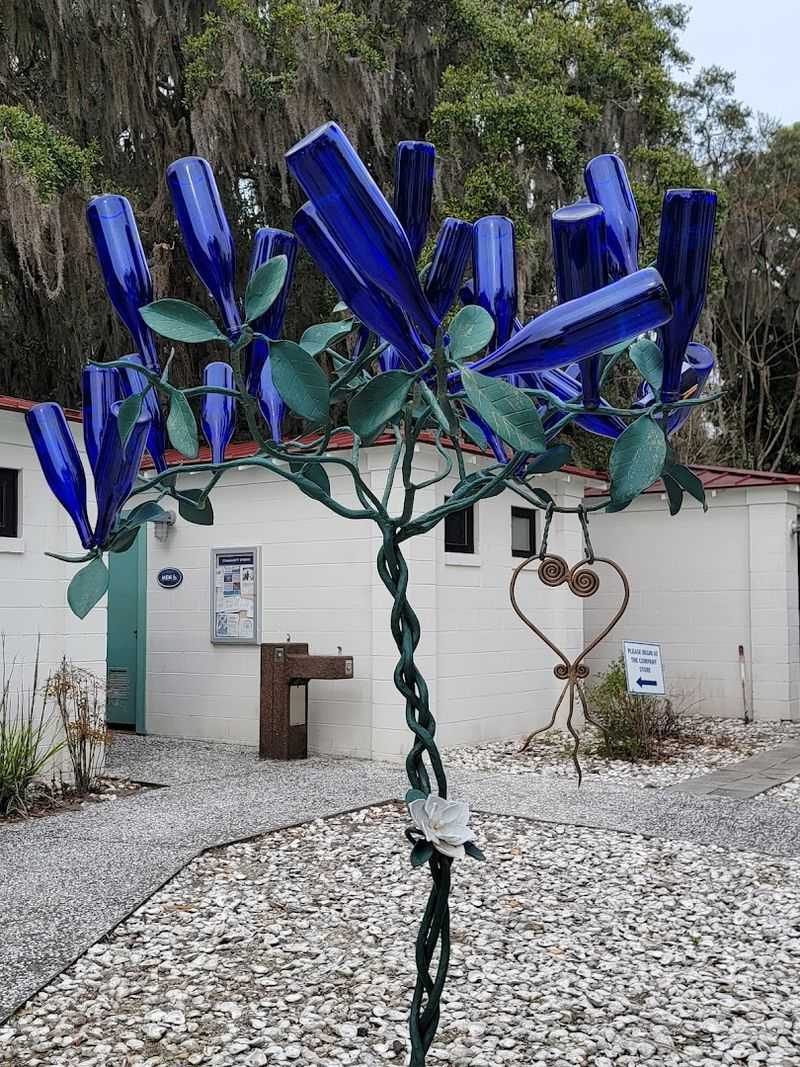
Families looking for a history stop with substance may find this museum easier to navigate than larger institutions. Pin Point Heritage Museum, presents its story in a focused way that can work for different ages when adults are ready to talk through what they see. The setting also gives kids something physical and visual to connect with.
Because the museum is tied to real work, real buildings, and a real community, conversations can move naturally from exhibits to broader topics like geography, labor, resilience, and cultural heritage. That makes the visit educational without feeling overly formal. The calm atmosphere can help everyone stay engaged.
It helps to frame the stop as a shared learning experience rather than expecting nonstop entertainment. Bringing questions and taking breaks to look around the grounds may keep younger visitors interested. For multigenerational groups, the museum’s manageable scale is often part of the appeal.
11. Photographers Will Find Plenty Of Honest Beauty
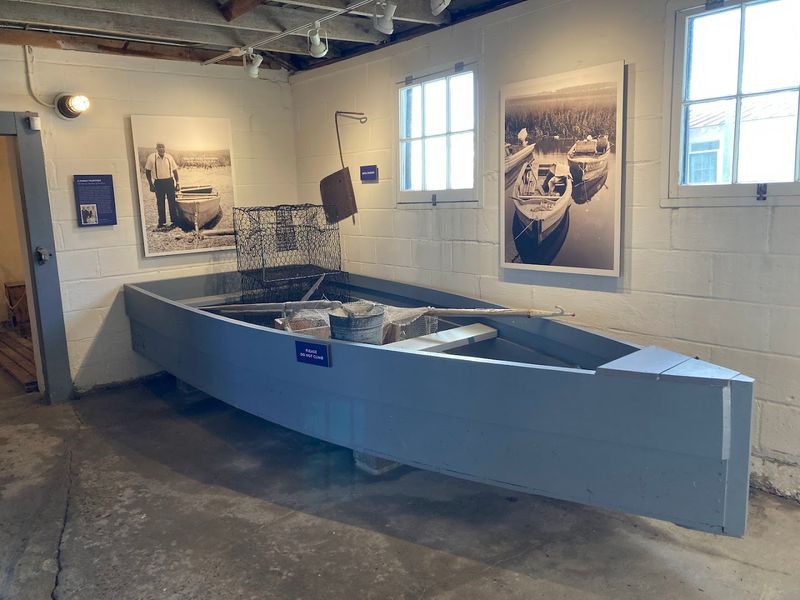
Travelers who enjoy photography may appreciate this museum for reasons that go beyond exhibits. Pin Point Heritage Museum is where weathered buildings, open sky, and surrounding marshland create a setting with quiet visual texture. The appeal here is subtle, which often suits documentary-minded photography best.
Rather than polished grandeur, the site offers honest surfaces, working history, and a landscape that feels tied to memory. That combination can produce images with depth and context, especially in softer morning or late afternoon light. The subject matter also encourages looking closely at details rather than chasing dramatic spectacle.
As always, visitors should follow any posted photography guidance and remain respectful in exhibit spaces. A phone camera can be enough because the strongest images may come from framing and patience, not equipment. The museum rewards observation, which is part of what makes it so visually satisfying.
12. The Site Gives Coastal Georgia History Useful Context
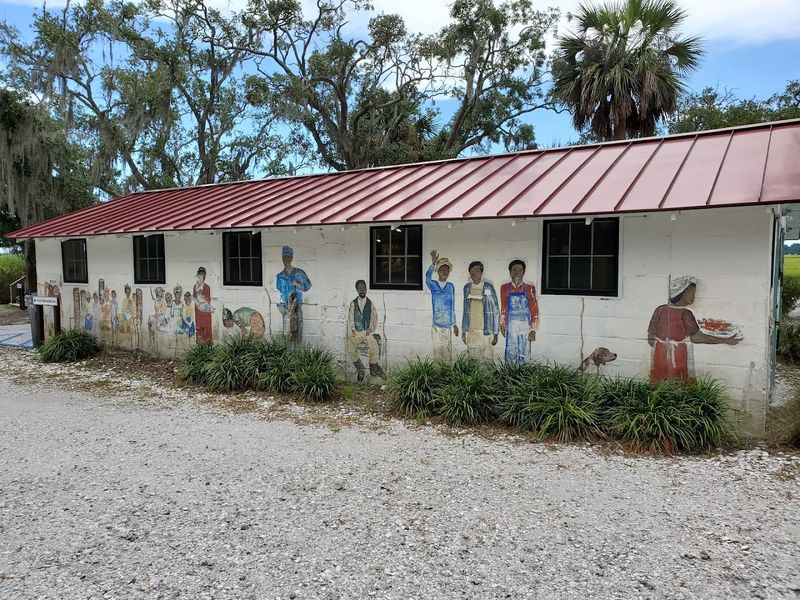
For anyone trying to understand coastal Georgia beyond broad textbook summaries, this museum fills in important gaps. Pin Point Heritage Museum places local history within the realities of environment, labor, and African American community life after emancipation. That combination makes the visit especially valuable for curious travelers.
It helps explain how coastal landscapes supported industries, how communities formed around shared work, and how cultural identity remained rooted in place. Those are big themes, yet the museum presents them through a concrete local story. That makes the information easier to retain and more meaningful than generalized background alone.
This is a smart stop early in a Savannah trip because it can sharpen understanding of other places visited later. Even seasoned museumgoers may come away with better regional context. The museum’s strength is not scale but clarity, which often matters more in historical interpretation.
13. It Encourages Slower, More Reflective Travel
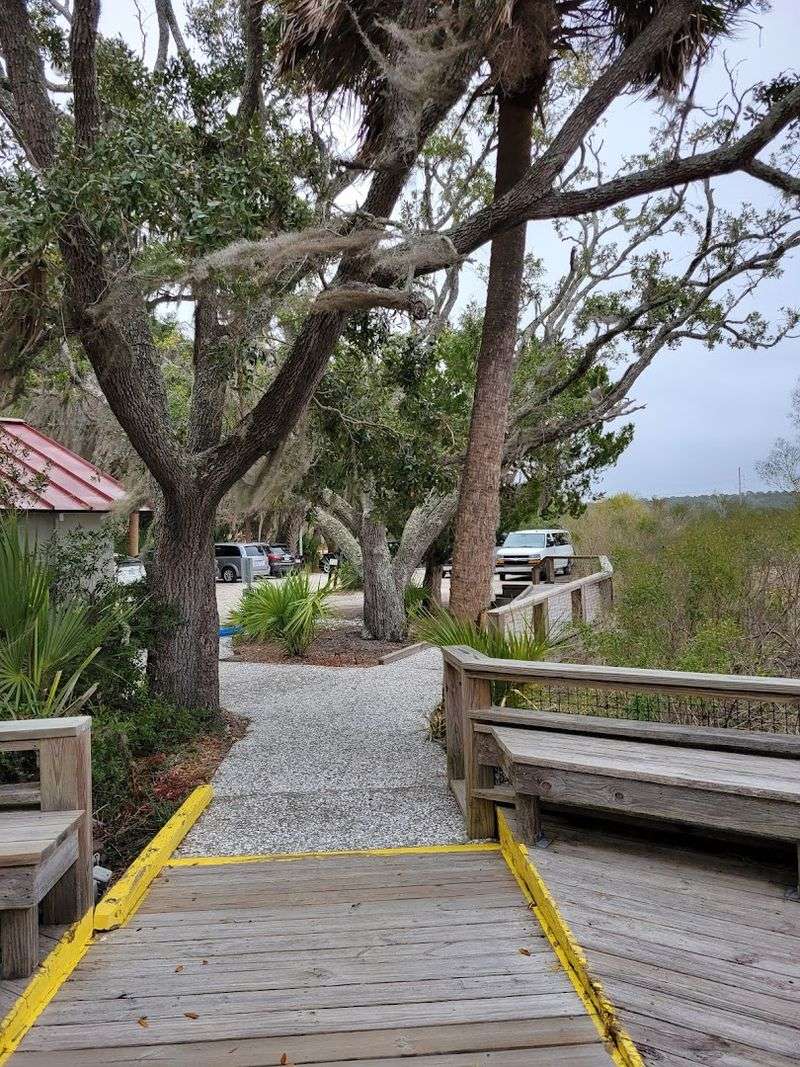
Some destinations are best appreciated at a slower pace, and this museum is one of them. Pin Point Heritage Museum, invites a kind of travel that values listening, reading, and noticing rather than moving quickly from one landmark to the next. That makes it especially appealing for travelers who enjoy thoughtful cultural stops.
The quieter atmosphere may encourage visitors to spend more time with a few exhibits instead of racing through many. In a trip filled with dining reservations, tours, and crowded sidewalks, this can feel like a welcome reset. The experience tends to be calm without ever feeling empty.
A practical tip is to avoid stacking too many major attractions around this visit. Leaving room before or after can help the museum’s stories settle in. It is a place that may be remembered less for spectacle and more for the steady way it deepens understanding.
14. The Museum Highlights A Less Told Savannah Story
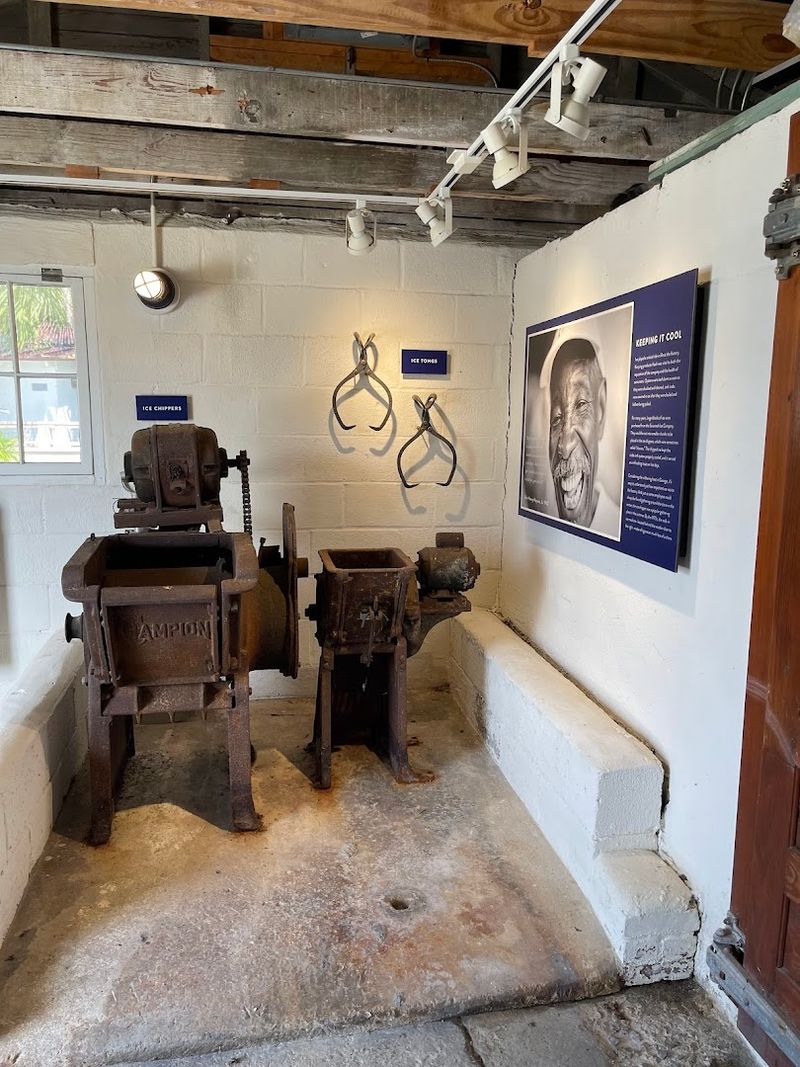
One of the most compelling reasons to visit is that the museum spotlights a story many travelers would otherwise miss. Pin Point Heritage Museum offers a view of Savannah-area history that goes beyond architecture, famous squares, and familiar tourism narratives. That added perspective can make an entire trip feel more complete.
By focusing on the Pin Point community and its heritage, the museum broadens the historical map of the region in a meaningful way. It shows that coastal Georgia’s past is not only preserved in grand settings but also in working landscapes and community memory. That is an important correction as well as a rewarding visit.
This stop may resonate most with travelers who actively seek out places that challenge a standard itinerary. It asks for attention rather than passive sightseeing. In return, it offers a more layered understanding of Savannah and the people who helped shape the area.