This Nostalgic Museum In Connecticut Is Like A Cartoon Lover’s Dream
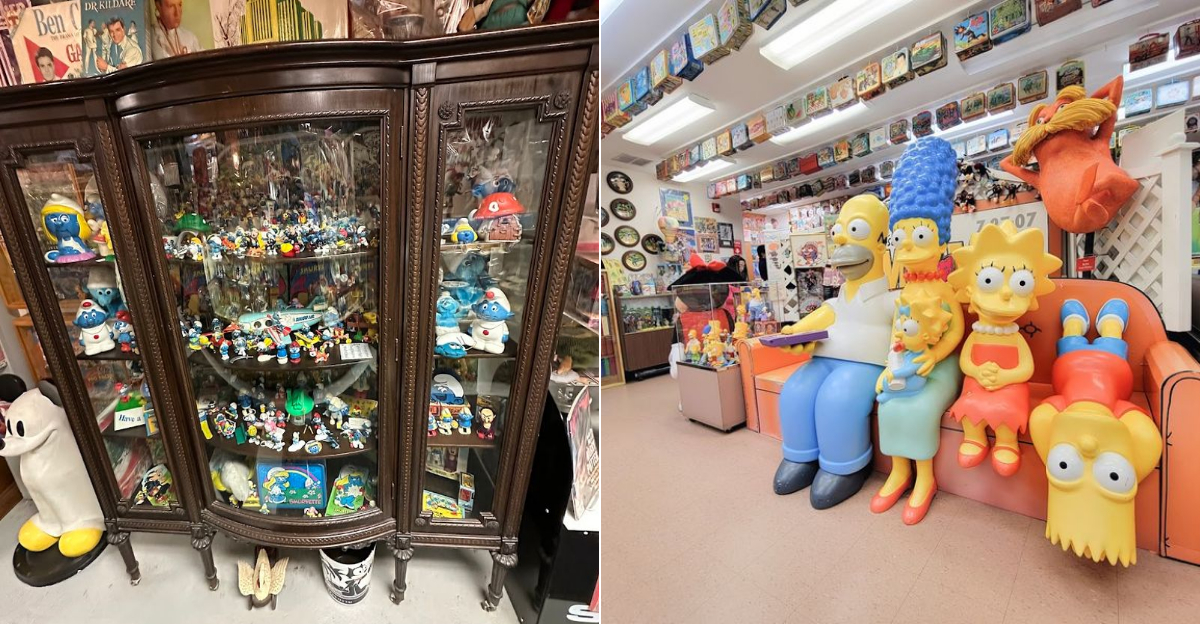
Some places don’t just bring back memories, they drop you right into them without warning. One second you’re walking through a quiet space, and the next you’re surrounded by characters that feel instantly familiar.
This museum visit in Connecticut feels more like opening a giant time capsule than walking through a typical exhibit.
Vintage cartoons, comic collectibles, classic character displays, and playful memorabilia create that funny little moment where you recognize something you had completely forgotten you loved.
You might think you know what to expect, but that usually changes pretty quickly. There’s always something in a display case or along the wall that catches your attention and makes you pause a little longer.
If you’ve ever had a favorite cartoon character, you’ll understand why this kind of place is hard to walk away from.
1. A Museum Built For Cartoon Fans
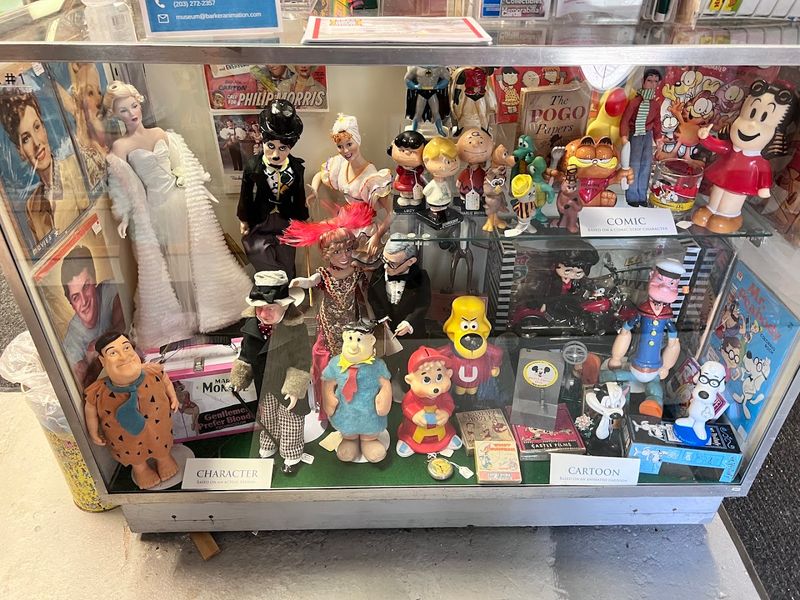
Not every museum earns the kind of loyalty that brings visitors back again and again, but the Barker Character, Comic, and Cartoon Museum in Cheshire has done exactly that. Located at 1188 Highland Ave, Building B, Cheshire, CT 06410, the museum sits in a modest building that gives little hint of the treasure trove waiting inside.
The admission price is remarkably affordable, with adult tickets at $5 and children aged 4 to 17 at $3, making it one of the most budget-friendly cultural experiences in Connecticut.
The museum is open Tuesday through Saturday from 11 a.m. to 5 p.m., which makes it easy to plan a weekday or weekend visit. Cartoon fans of all ages tend to find something that speaks directly to their personal history here.
The collection spans more than 150 years of animation history, covering characters and memorabilia that range from the 1870s all the way to the present day.
Families, solo visitors, and groups alike can find something to connect with across the two floors of exhibits.
2. Stepping Into A World Of Classic Characters

Walking through the front door of the Barker museum tends to trigger an immediate emotional response for most visitors. The displays are packed floor to ceiling with figurines, toys, advertisements, and collectibles representing some of the most iconic characters in animation history.
Mickey Mouse, Bugs Bunny, Betty Boop, Gumby, and Garfield are just a few of the familiar faces that greet visitors as they move through the space.
The layout encourages slow and thoughtful exploration rather than a quick walk-through. Display cases are organized so that each one tells a small story about a specific era or character type, giving the collection a sense of narrative flow.
The sheer density of items on display means that even returning visitors tend to spot something new on each trip.
Lighting inside the museum is modest and functional, keeping the focus on the objects themselves rather than dramatic staging. The overall atmosphere feels more like a personal collection lovingly shared with the public than a corporate exhibit, which adds to its charm.
Visitors who enjoy scavenger hunts can also pick up one of two versions available at the museum to add an extra layer of fun to the experience.
3. A Collection That Spans Decades Of Animation
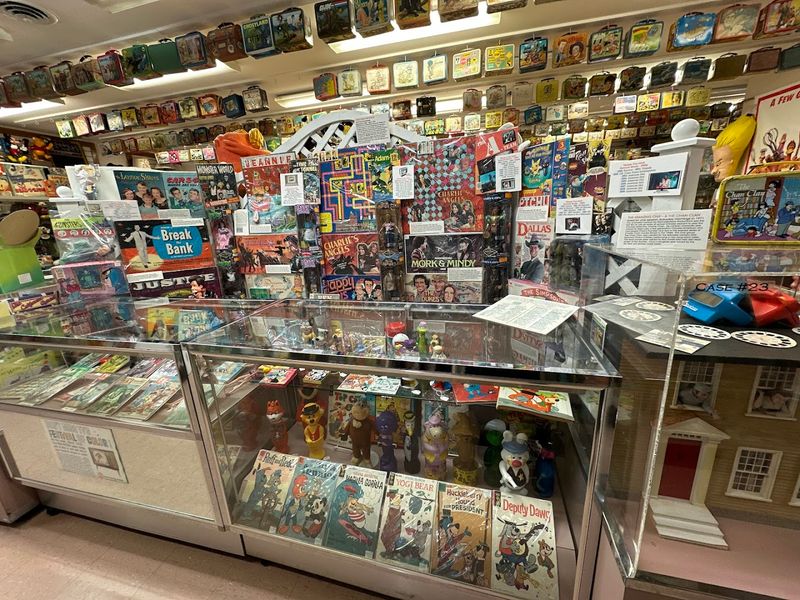
Few collections in the country can claim to cover as wide a stretch of animation history as the one housed here. Items in the museum date back as far as 1873, with one of the earliest pieces being a brass elephant toy originally created in Bridgeport, Connecticut.
From that starting point, the collection moves forward through every major era of American cartoon and comic culture.
The 1950s and 1960s are well represented through metal lunchboxes featuring cartoon characters that once graced elementary school cafeterias across the country. Moving into the 1970s and 1980s, the collection expands into action figures, board games, and promotional giveaway toys tied to beloved Saturday morning cartoons.
Characters from shows that defined entire generations appear throughout the collection in various formats.
Marvel heroes including The Hulk appear alongside DC characters, classic Looney Tunes figures, and even niche collectibles like California Raisins and Celebriducks figurines. The breadth of the collection is genuinely impressive and reflects decades of careful and passionate accumulation.
Visitors often find themselves lingering longer than planned simply because there is always another item to discover just a few feet away.
4. Childhood Favorites Around Every Corner
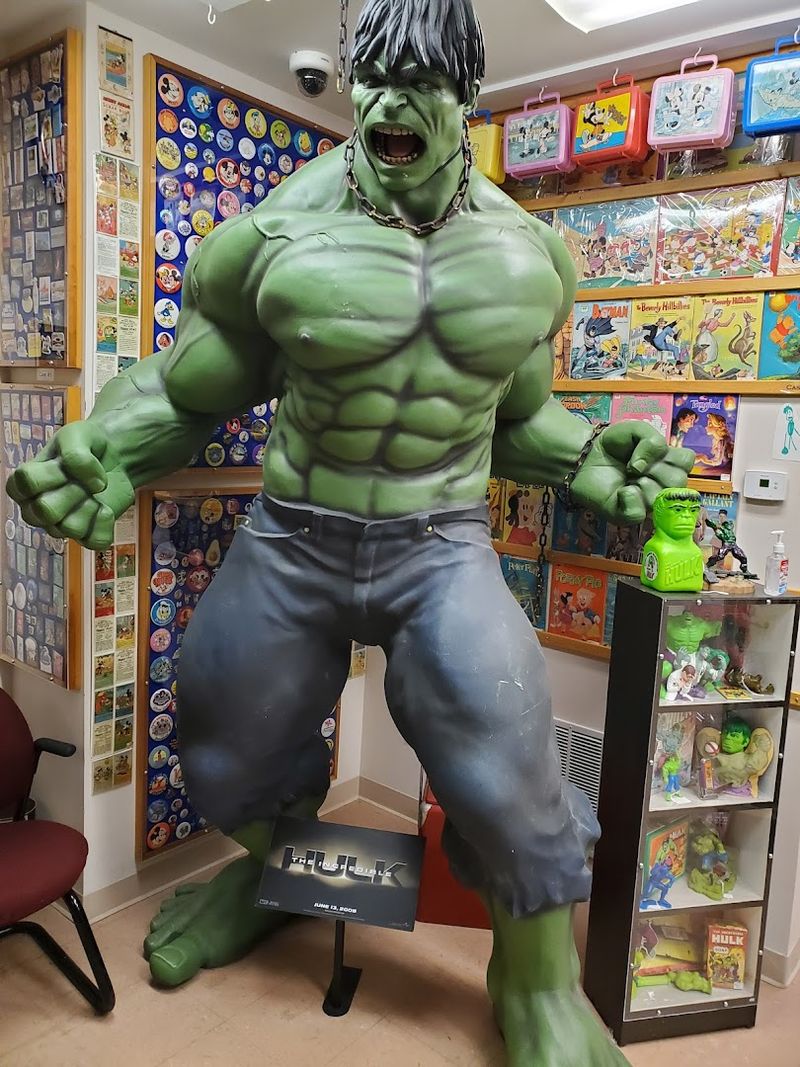
There is something genuinely disarming about turning a corner in this museum and coming face to face with a toy that sat on a bedroom shelf decades ago. Visitors frequently encounter objects they had completely forgotten about, from specific coloring books tied to long-canceled TV shows to dolls and action figures from franchises that defined after-school afternoons.
The recognition tends to be instant and surprisingly emotional.
Lunchboxes are a particular highlight of the collection, with examples representing nearly every major cartoon that ever aired on American television. Each one is a small time capsule, carrying the graphic design sensibility of its era and the specific characters that children once begged their parents to buy.
Star Wars, GI Joe, Frozen, and Dr. Seuss characters all appear across different sections of the museum.
Board games, piggy banks, album covers, bobbleheads, and Pez dispensers round out the childhood favorites section and ensure that nearly every visitor finds at least one item that sparks a strong personal memory. The museum does not try to manufacture nostalgia artificially.
It simply puts the objects in front of visitors and lets the memories surface on their own.
5. Rare Comics And Memorabilia Up Close
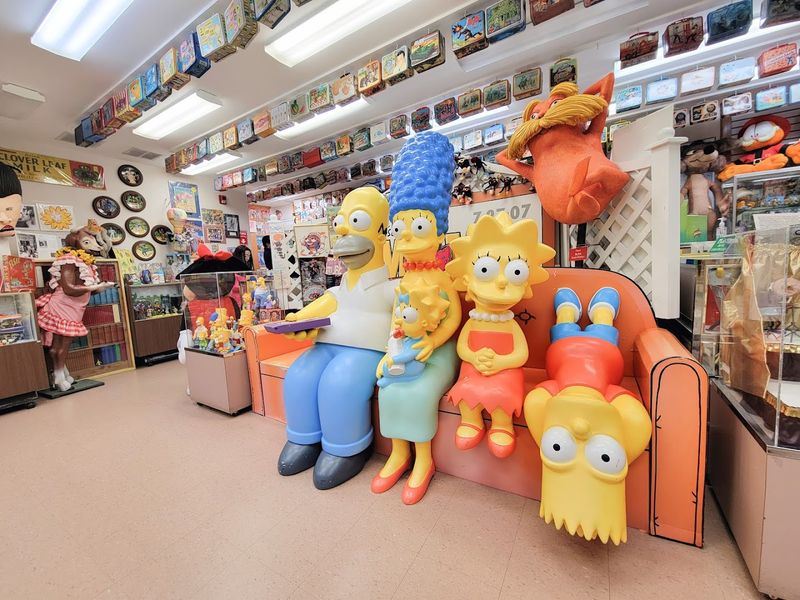
Comic book collectors and enthusiasts will find plenty to appreciate in the museum’s dedicated comics section. Early editions of Superman comics and vintage Marvel publications are part of the collection, offering a rare chance to see foundational pieces of American comic book history up close without traveling to a major city.
Seeing these items in person carries a different weight than viewing them in photographs.
Beyond the comics themselves, the memorabilia surrounding them adds important context to the collection. Promotional items, packaging, and advertising materials tied to classic comic characters help illustrate how these figures moved from the printed page into everyday consumer culture.
The progression from comic book panel to household toy is traced clearly through the objects on display.
Preservation is taken seriously throughout the museum, with fragile items kept safely behind glass and clearly labeled so visitors can understand what they are looking at. Some items carry price tags in the thousands of dollars, which is worth keeping in mind for visitors with young children who may be tempted to touch.
The overall curation feels thoughtful and respectful of the historical significance of each piece in the collection.
6. The Story Behind The Museum
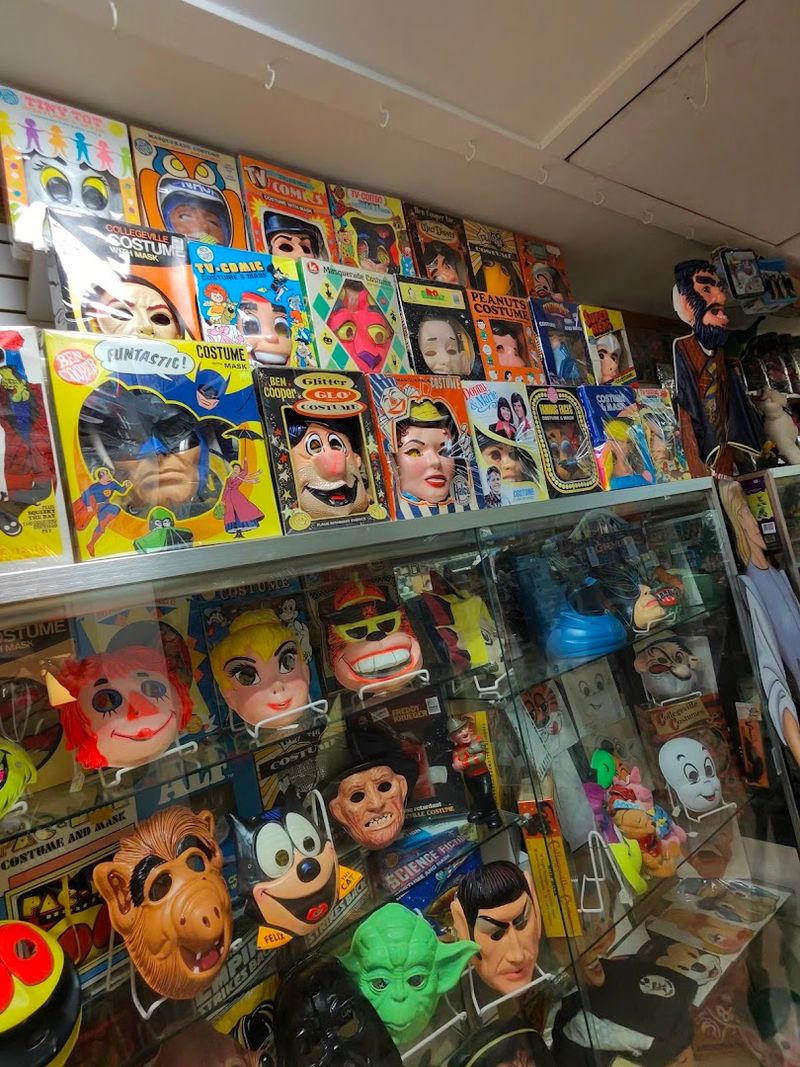
Behind every great collection, there is a story of dedication, and the Barker museum is no exception. Gloria and Herbert Barker founded the museum after spending years accumulating cartoon and character memorabilia that eventually grew far beyond what any home could comfortably hold.
Rather than scaling back the collection, they turned it into a public museum so others could share in what they had gathered.
The decision to open the collection to the public transformed a personal passion into a community resource. Families in Connecticut and visitors from out of state now have access to a curated archive of pop culture history that would otherwise exist only in private hands.
The personal origin of the collection is part of what gives the museum its distinctive warmth and character.
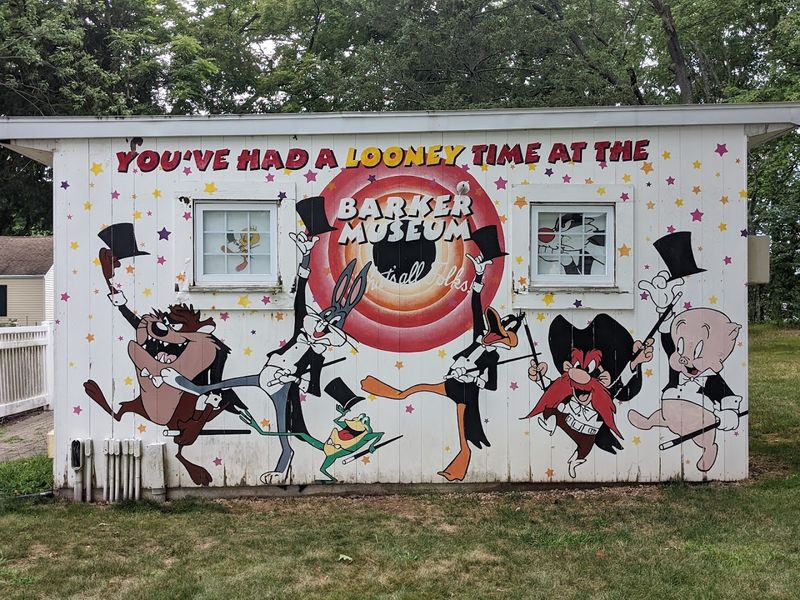
Outside the main building, painted wooden yard displays featuring cartoon characters offer a fun photo opportunity before or after exploring the interior exhibits. The museum also includes an Animation Art Gallery that displays and sells officially licensed artwork including figurines, sculptures, prints, and paintings.
All pieces in the gallery are licensed directly by the appropriate studios, ensuring quality that goes well beyond typical souvenir fare.
7. What You’ll Find Inside The Exhibits
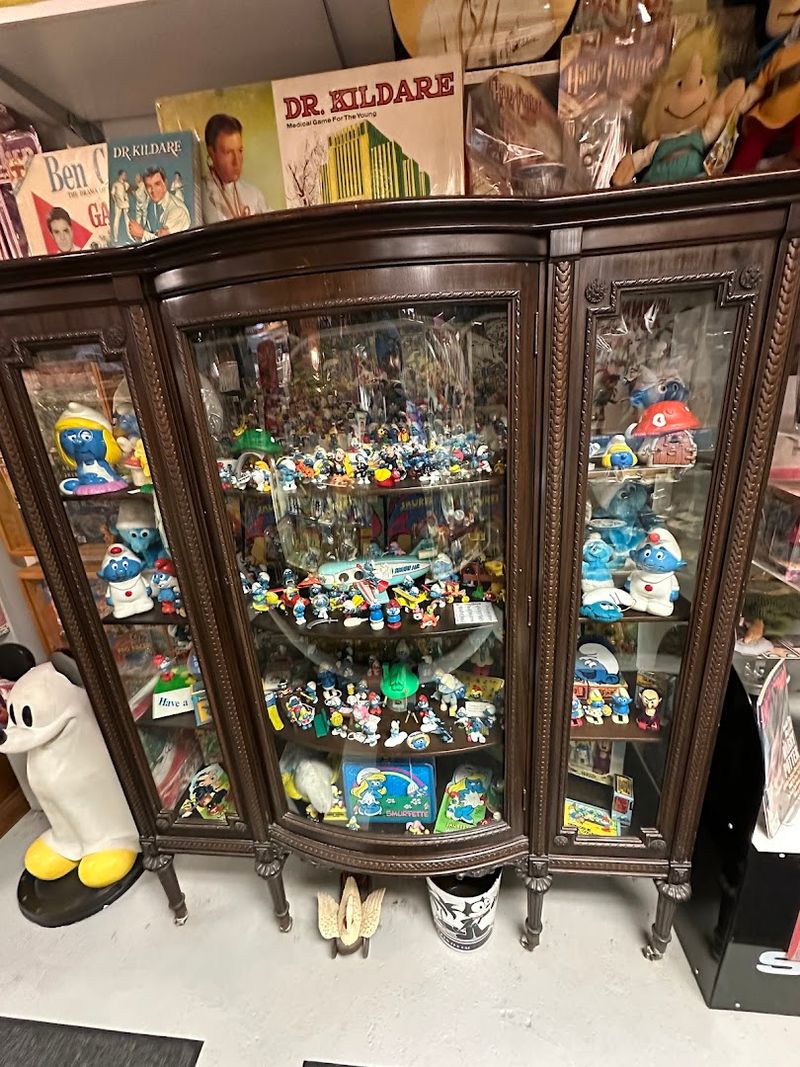
The main museum building is two stories tall and organized into display cases that line the walls and fill the floor space from bottom to top. Each case is packed with items grouped by character, era, or theme, giving the space a sense of order despite the overwhelming volume of objects on display.
Walking through feels like flipping through a very detailed encyclopedia of American pop culture.
The ground floor tends to draw the most attention initially, with large displays covering major characters and franchises that most visitors will recognize immediately. Gremlins, Campbell Soup Kids, and classic Looney Tunes characters share space with Marvel and DC superheroes across various sections.
Space inside the museum is relatively compact, which means strollers and large bags can feel cumbersome in the narrower aisles. The building carries a lived-in quality that adds to its authenticity rather than detracting from it.
Visitors who enjoy thorough exploration rather than a quick pass-through will get the most out of the experience, with many noting that a single visit rarely feels like enough time.
8. A Fun Stop For All Ages
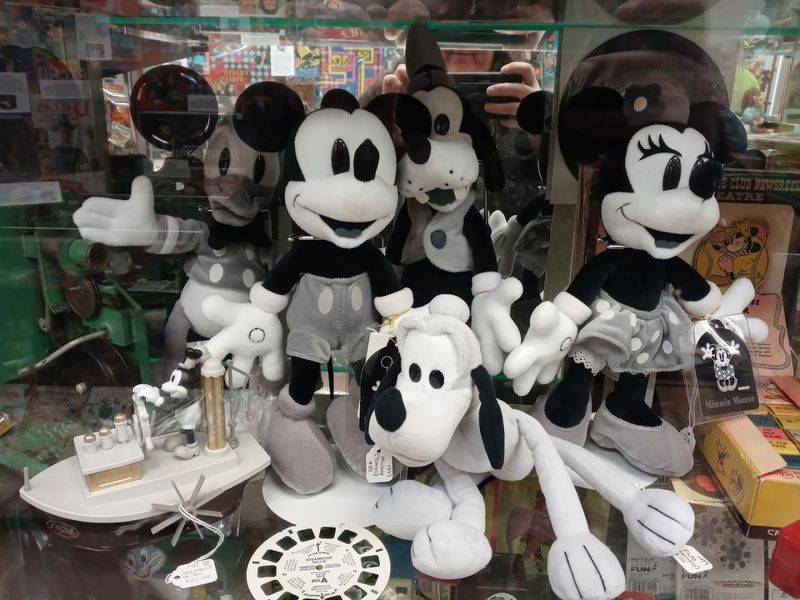
Adults who grew up watching cartoons in the 1970s, 1980s, and 1990s will likely find the most personal connection to the collection, but younger visitors are not left out of the experience. Characters from more recent animated franchises appear throughout the museum alongside the vintage classics, giving children something familiar to anchor their interest while exploring older items alongside the adults in their group.
The museum works particularly well as a multigenerational outing where grandparents, parents, and children can each find something meaningful to them. Older visitors often end up explaining the history behind certain characters or toys to younger family members, turning the visit into an informal and genuinely engaging history lesson.
That kind of cross-generational conversation is rare and worth seeking out.
Weekday visits tend to be quieter and more relaxed, which allows for a slower and more personal exploration of the exhibits. Weekend visits may draw more families, which adds energy but can also make the more compact spaces feel a bit crowded.
Either way, the museum staff are known for being welcoming and helpful, often offering context about specific items when asked. The gift shop near the entrance is worth browsing before leaving.
9. Why It Feels So Nostalgic
Nostalgia is a complicated feeling that combines memory, emotion, and sensory recognition all at once, and the Barker museum seems to understand that intuitively. The objects on display are not just historical artifacts but personal touchstones for millions of people who grew up watching the same cartoons, reading the same comics, and playing with the same toys.
Seeing them in person reactivates memories that may have been dormant for years.
The density of the collection plays a significant role in creating that feeling. There is no empty space or minimalist staging here.
Every surface holds something worth looking at, and the cumulative effect of seeing so many familiar objects together in one place creates a kind of sensory warmth that is hard to replicate anywhere else. The museum does not feel like a formal institution but more like a discovery.
Visitors often describe leaving the museum with a lighter feeling than when they arrived, as though spending time surrounded by objects connected to childhood has a genuinely restorative effect. The Barker Character, Comic, and Cartoon Museum earns its reputation not through grand architecture or elaborate production, but through the honest and generous sharing of a collection built entirely out of love for cartoons and the culture they shaped.