Reasons This New York Museum Deserves Way More Of Your Time Than You Planned To Give It
How much of a museum do most people actually experience when they visit on a typical afternoon?
At this New York museum, the honest and somewhat uncomfortable answer is: not nearly enough, and not even particularly close.
There are compelling reasons to stay far longer than originally planned. Each one reveals a genuine layer that any rushed visit would miss.
The depth here was built deliberately for anyone willing to give it real, unhurried time.
A quick hour scratches the surface. A full day begins to approach what the place actually offers and contains.
Come prepared to be genuinely surprised by what is here.
It’s Free To Enter With A Suggested Donation
Some of the best surprises in travel cost nothing at all.
The New York State Museum operates without a mandatory admission fee, asking only for a suggested donation to help support its ongoing programs and collections. For families, solo travelers, and curious locals, that kind of access is genuinely rare.
This museum ranks among the largest state museums in the entire country. The fact that it remains free makes it one of the most outstanding cultural values in New York.
You can spend two to three hours here without spending a single dollar on entry.
That suggested donation, however, does matter. It helps fund rotating exhibits, educational programs, and community events that keep the museum fresh year after year.
Even a small contribution goes a long way toward maintaining a collection this size. Giving what you can feels like a fair trade for everything you receive in return.
The museum is at 222 Madison Ave in Albany. Parking options nearby include garage parking for a small fee, making a visit here easy to plan without breaking the budget.
The Building Itself Is Impossible To Ignore

Before you even reach the exhibits, the building itself makes a statement.
The New York State Museum is housed inside the Cultural Education Center, a striking government complex that rises impressively from the Empire State Plaza in Albany. Most people walking past have no idea what waits inside.
The architecture is bold and deliberately monumental, reflecting the civic ambition of the era in which it was built.
Wide plazas, grand entryways, and a scale that feels built for history all contribute to an arrival experience that sets the tone before you step through the doors.
Inside, the scale continues to surprise. The museum occupies multiple floors within this enormous complex, and first-time visitors consistently underestimate how much space there is to explore.
The surrounding Empire State Plaza is worth exploring on its own. The New York State Capitol building sits just steps away, and guided tours of the Capitol are available throughout the day.
An ice skating rink in the plaza adds seasonal appeal. The whole area operates as a kind of civic campus, and the museum anchors it all with cultural weight that the exterior only hints at.
It Has A Powerful 9/11 Exhibit
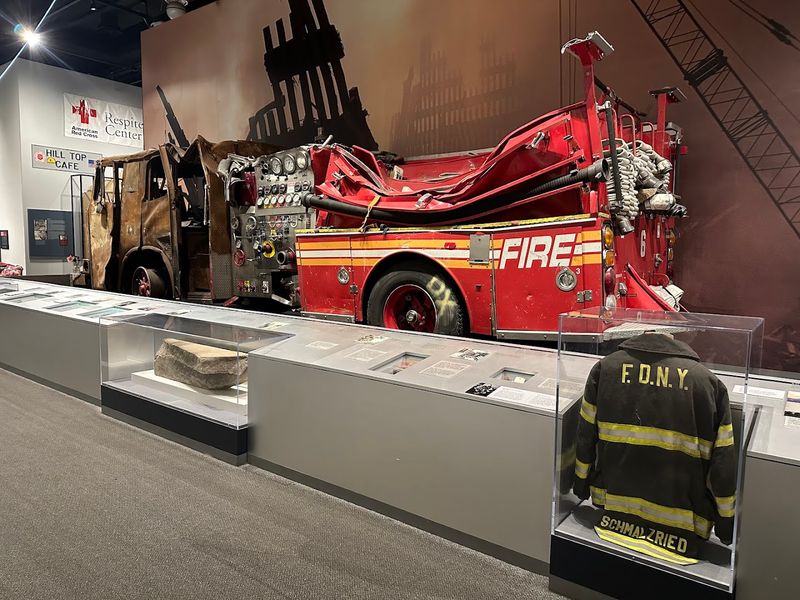
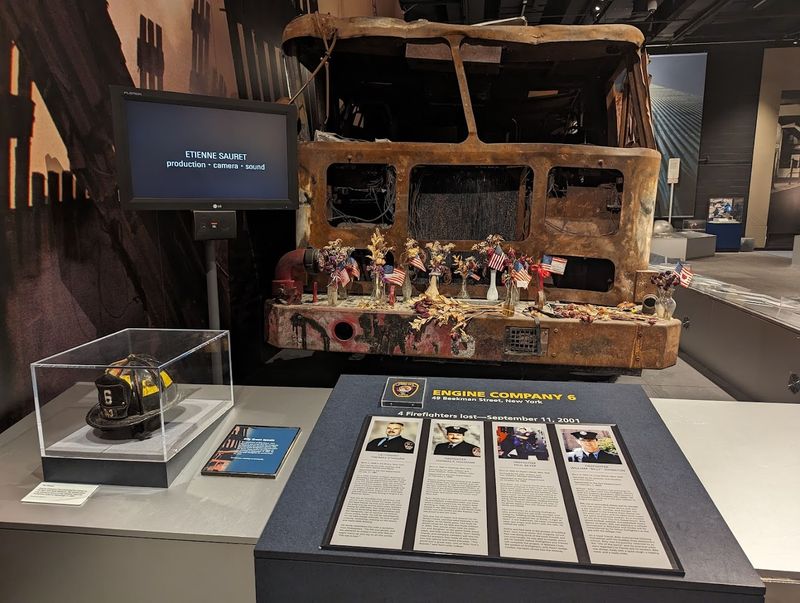
Nothing quite prepares you for the moment you turn a corner and find yourself standing beside a fire truck that was actually at Ground Zero.
The New York State Museum houses one of the most emotionally resonant September 11 exhibits I have ever seen, and it hit me harder than I expected.
The centerpiece is a recovered FDNY fire truck, visibly damaged and preserved exactly as it was found. Surrounding it are personal items, photographs, and detailed accounts that bring the human side of that day into sharp, unavoidable focus.
It does not feel like a display. It feels like a memorial.
What sets this exhibit apart is the care taken in its curation. Every artifact is presented with dignity, and the layout encourages you to slow down and truly take it in.
Visitors of all ages fall quiet here, and that silence speaks volumes. I spent nearly 40 minutes in this section alone.
The Natural History Collection
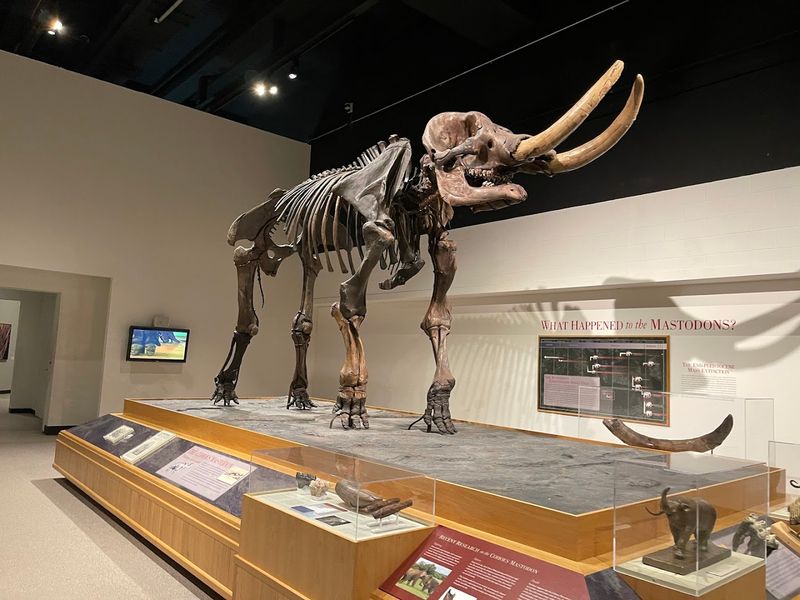
Picture standing next to a mastodon skeleton that roamed New York thousands of years ago.
That is the kind of moment the natural history halls at this museum deliver, and they do it repeatedly across a timeline that stretches back hundreds of millions of years.
The geology and paleontology sections trace the deep natural past of New York State with a thoroughness that consistently catches first-time visitors off guard.
Ancient marine fossils, ice age remnants, and prehistoric wildlife are all represented with impressive detail. Each display builds on the last, creating a clear narrative of how this land changed over time.
What I appreciated most was how accessible the information felt. Complex scientific concepts were explained in plain language, with visuals that helped connect the dots. Kids were clearly engaged, but so were the adults around them.
The mastodon exhibit alone is worth the trip. Seeing a creature that size reconstructed in full scale gives you a completely different understanding of what New York once looked like.
This is not a dry science hall filled with dusty labels. It is a vivid, well-organized journey through an ancient world that existed right beneath our feet, and it rewards every minute you give it.
The Life-Size Dioramas
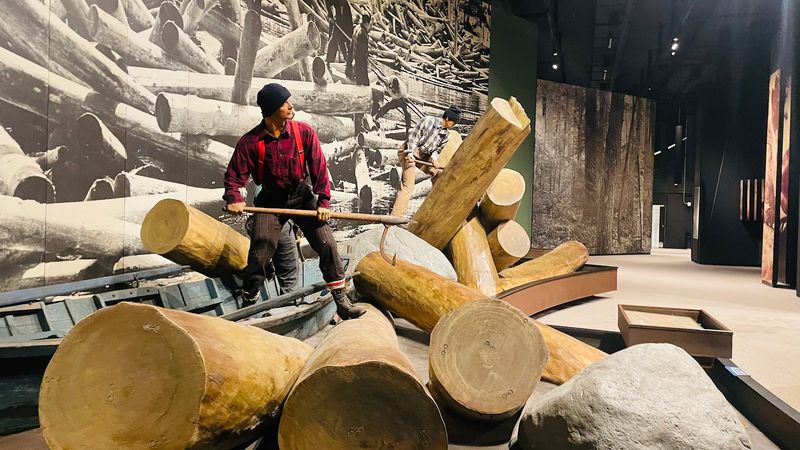
There is something almost theatrical about walking up to a life-size diorama and feeling like you could step right through the glass.
The New York State Museum has mastered this format, and its recreations of Adirondack wilderness scenes are among the most striking I have encountered in any museum.
These are not small tabletop models. They are full-scale, meticulously detailed environments that capture the textures, colors, and atmosphere of real places across New York State. The wildlife looks real.
The lighting feels natural. The overall effect is quietly impressive in a way that photographs struggle to capture.
Historic community scenes appear alongside the wilderness displays, showing how people lived and worked in earlier eras of New York history. The craftsmanship behind each scene is obvious, and the attention to small details rewards anyone who takes their time.
I found myself leaning in close to spot tiny details I had nearly missed, like hand-crafted tools, realistic foliage, and carefully posed animal figures. These dioramas work on multiple levels, functioning as both art and education simultaneously.
The Bird And Wildlife Displays Are Visually Impressive
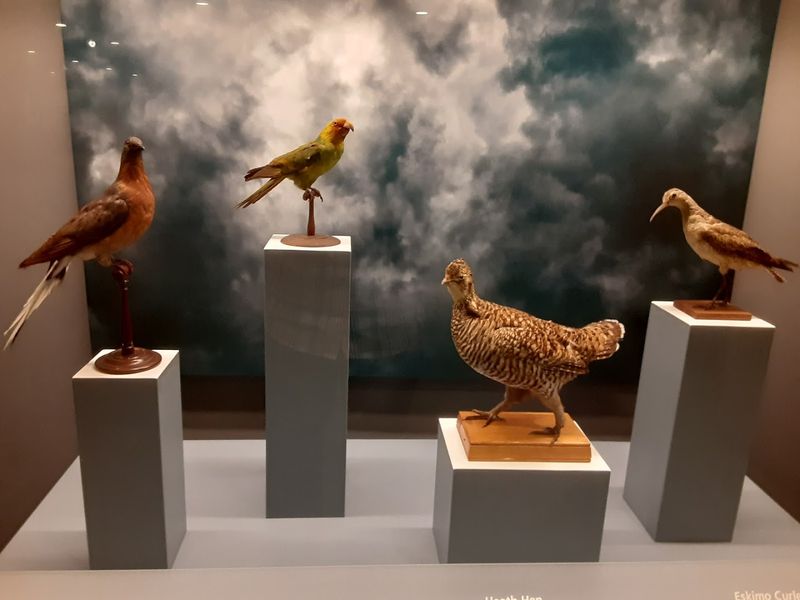
I kept stopping at the wildlife displays longer than I planned. The range of mounted specimens representing species from across New York State is genuinely impressive, and the quality of the taxidermy work makes each one feel almost alive.
Birds are a particular highlight. Species from every region of New York are represented, from common backyard visitors to rare birds that most people have never seen in the wild.
The displays are organized thoughtfully, making it easy to compare species and understand how they relate to specific habitats across the state.
Beyond birds, the broader wildlife collection covers mammals, reptiles, and other native animals with the same level of care. Each specimen is accompanied by clear, informative labels that add context without overwhelming the viewer.
What struck me most was how the displays sparked recognition. I found myself thinking about hikes I had taken across New York and spotting animals I had seen in the wild.
That personal connection made the experience feel less like a museum visit and more like revisiting somewhere familiar.
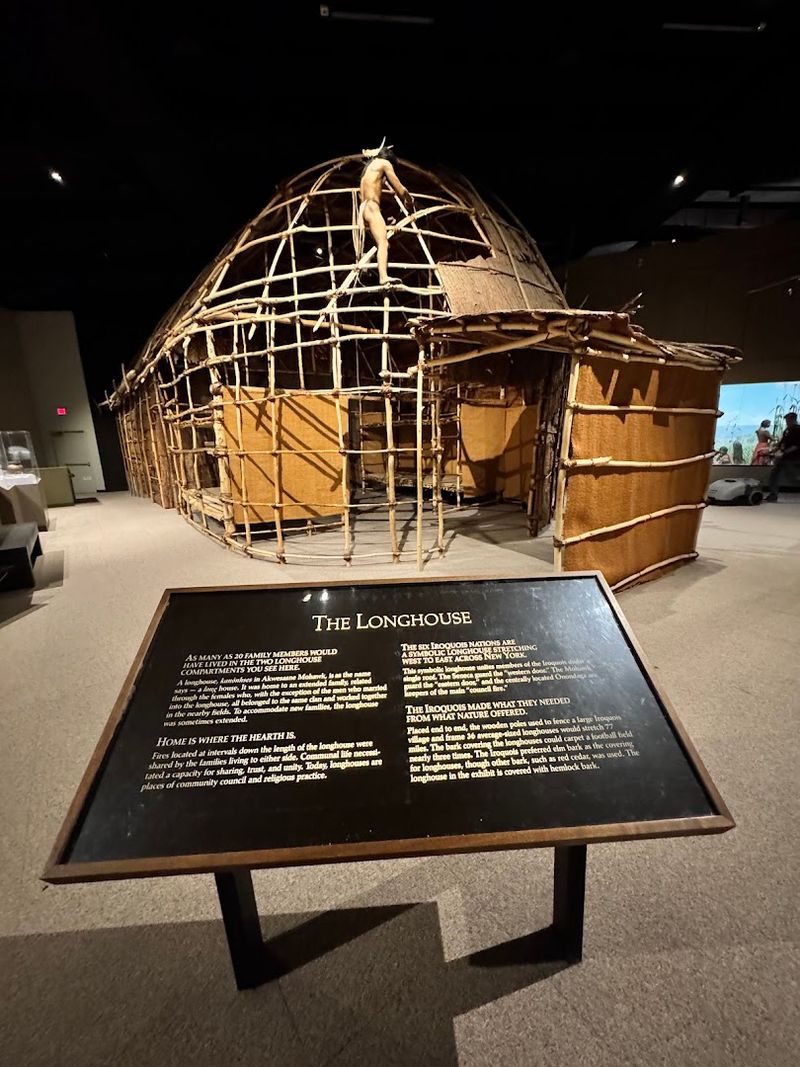
It Offers Looks At Haudenosaunee Culture In The State
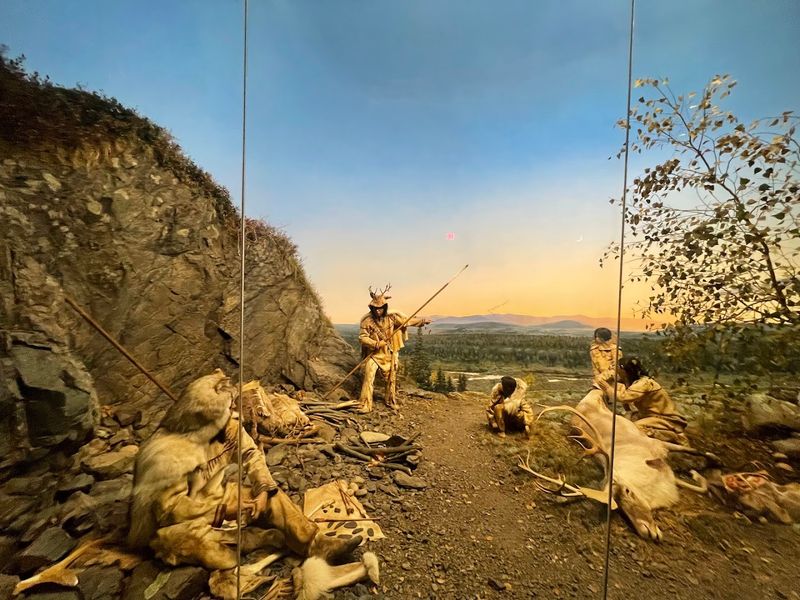
Cultural exhibits can sometimes feel surface-level, touching briefly on history before moving on.
The Native Peoples of New York exhibit at the New York State Museum takes a completely different approach. It presents the history and living culture of the Haudenosaunee with a depth and care that sets a high standard.
The Haudenosaunee, also known as the Iroquois Confederacy, have deep roots throughout New York State, and this exhibit honors that connection seriously.
Traditional artifacts, woven goods, ceremonial objects, and detailed historical accounts are presented in a way that feels respectful and thorough rather than tokenistic.
What impressed me was the emphasis on continuity. The exhibit does not treat Haudenosaunee culture as something that ended centuries ago.
It acknowledges an ongoing, living tradition that continues today, which gives the entire display a sense of vitality that many history exhibits lack.
Reading through the detailed panels, I found myself genuinely learning things I had not known before, even after years of visiting museums across the country. The curation here is thoughtful and clearly informed by serious research.
For anyone who wants to understand the deeper human history of this region, this section is not something to rush through. It is one of the most important exhibits in the entire building, full stop.
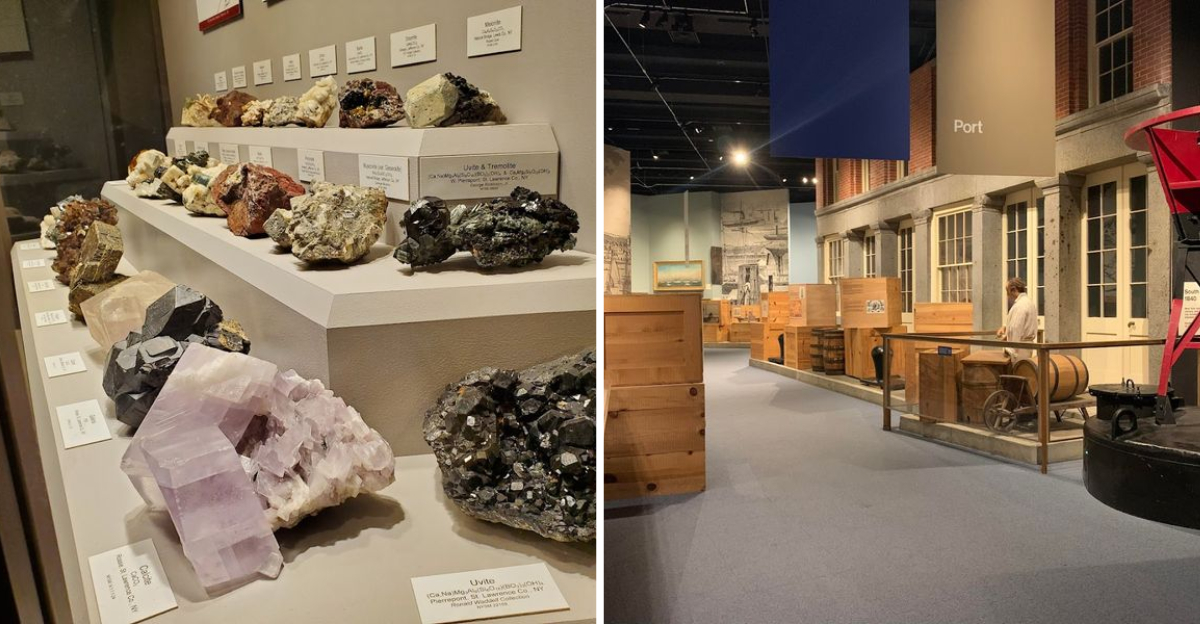
The Geology And Mineral Hall
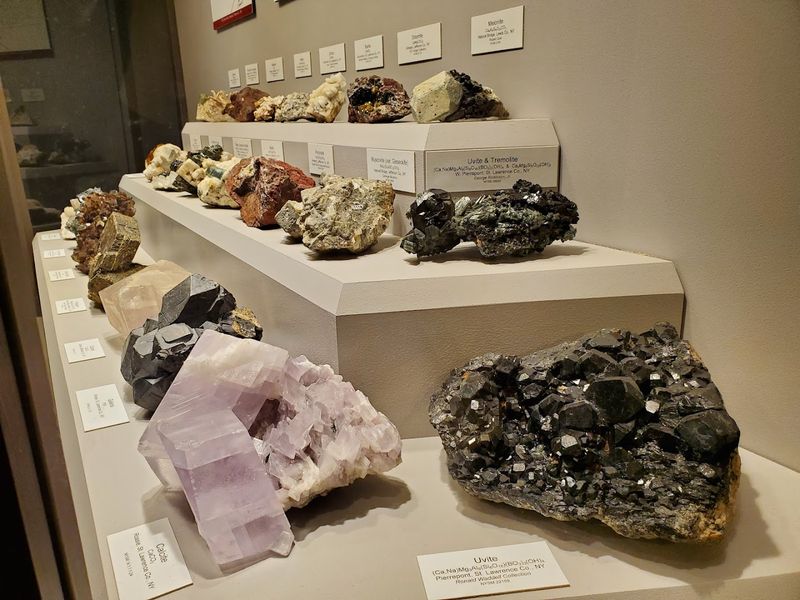
I did not expect the mineral hall to be the room I kept returning to. But here we are.
The geology and mineral collection at this museum is one of the most visually striking spaces in the entire building, and it earns that reputation the moment you walk in.
Massive specimens line the displays, ranging from deep purple amethyst clusters to sparkling quartz formations and rare gemstones found across New York State.
The scale of some pieces is genuinely surprising. These are not the small samples you might find in a school science cabinet. Some specimens are large enough to stop you mid-step.
The geological story of New York is told here through rock and crystal rather than text alone, which makes the information feel tangible rather than abstract.
Layers of ancient stone reveal the dramatic forces that shaped this landscape over billions of years, and the visual variety keeps the experience from ever feeling repetitive.
Kids tend to gravitate toward this section with particular enthusiasm, drawn in by the colors and the sheer size of the formations. Adults linger just as long, often surprised by how captivating raw geology can be when it is presented this well.
There Are Rotating Exhibits
One visit to this museum is not enough, and the rotating exhibit schedule is a big reason why.
Beyond the permanent collections that already fill multiple floors, the museum regularly hosts temporary exhibitions that cover an impressive range of topics.
Recent temporary exhibits have included a Barbie retrospective. That range tells you something about how broadly the museum defines its mission.
Seasonal programming adds another layer. February and March often bring Martin Luther King Jr. art and essay exhibits, as well as Lunar New Year celebrations that draw families from across the region.
These events turn the museum into a community gathering point, not just a place to view artifacts quietly.
You might discover a lecture by a visiting historian, a children’s workshop in the Discovery Center, or a photography exhibit you would have otherwise missed entirely.
The permanent collection alone justifies a visit, but the rotating programming makes every return trip feel like a new experience worth planning around.
It Sits In The Heart Of Albany
Location matters more than people admit when planning a museum visit.
Just steps from the New York State Capitol in Albany, the New York State Museum occupies one of the most historically charged addresses in the entire state. The surroundings alone make the trip feel worthwhile before you ever reach the first exhibit.
The Empire State Plaza stretches out around the complex, offering open space, public art, and a sense of civic grandeur that you do not often find in American cities.
Capitol building tours run throughout the day, making it easy to combine both experiences into a single afternoon without any complicated logistics.
Inside the museum, that urban energy fades quickly. The exhibits create their own atmosphere, drawing you away from the pace of the city outside and into stories that span centuries.
The contrast between the busy plaza and the quiet, absorbing halls inside is one of the more pleasant surprises of a first visit.
Parking is available in nearby garages, and weekend visitors often find Sunday parking free in certain lots. The museum is open Tuesday through Sunday, 9:30 AM to 5 PM, it’s closed on Monday.