Georgia Has An Island With A Gorgeous Beach And Sunsets That People Drive Hours To See
What does it actually take for a beach to feel like a genuinely well-kept and lasting secret?
In Georgia, it takes a stretch of coastline that most travel guides have quietly and consistently overlooked for years.
The sand is white, the shore stays genuinely uncrowded, and the sunsets deliver completely on their own without help.
This is not a beach that performs for visitors or works to impress. It simply exists at a level that makes any drive to reach it feel like exactly the right decision.
Sky, water, and a stillness that a more famous stretch of coast could never replicate. Arrive before dark.
First Look At The Island
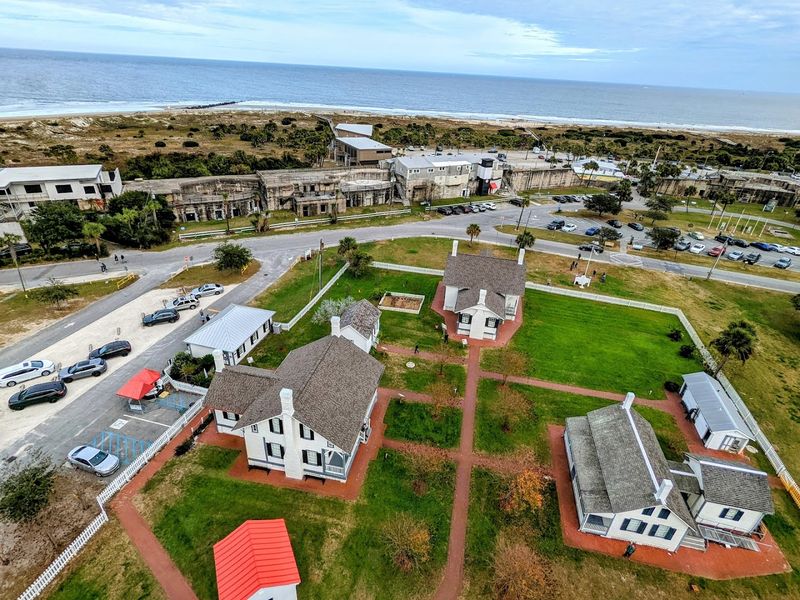
Pulling onto Tybee Island for the first time feels like the road itself is rewarding you.
The bridge crossing the marshes gives you a preview of what is ahead, with golden reeds on both sides and the smell of salt air filling the car.
Tybee Island sits at the eastern tip of Georgia, about 18 miles from downtown Savannah. The whole island is just three miles long and less than a mile wide.
Despite its small size, it packs in a surprising range of things to see and do.
Georgia barrier islands tend to be wild and marshy, but Tybee has a more accessible, community-focused feel. The main road leads you straight toward the Atlantic, past beach shops, seafood stands, and rental bikes leaning against fences.
The vibe is casual and unhurried. First-timers often say they expected a tourist trap and found a real neighborhood instead.
That gap between expectation and reality is exactly what makes arriving here so satisfying.
The Lighthouse Story
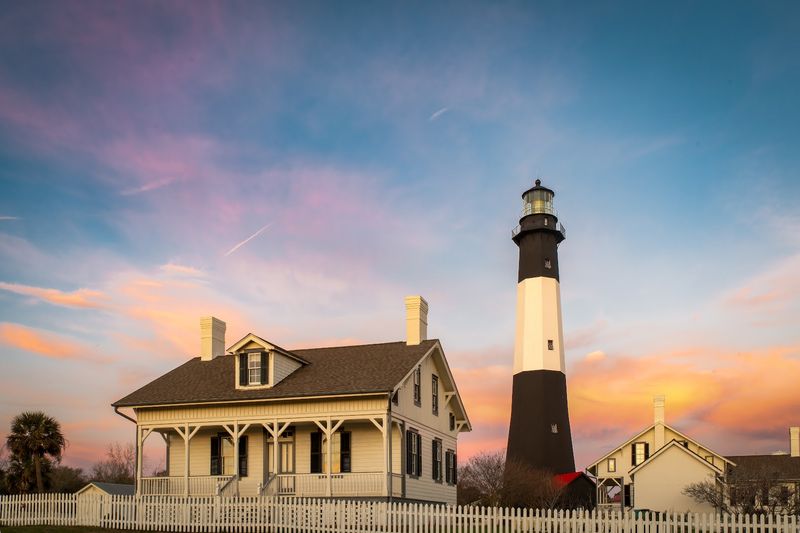
Standing at 145 feet tall, the Tybee Island Light Station is the oldest and tallest lighthouse in Georgia. It has been rebuilt multiple times since it was first constructed, making it one of the most historically layered structures on the entire East Coast.
The lighthouse is located in the northern part of the island, near Fort Screven. Climbing the 178 steps inside gives you a view across the Georgia coastline that is genuinely hard to describe without sounding like you are exaggerating.
On a clear day, you can see the South Carolina shoreline.
The Tybee Island Light Station and Museum sits beside the tower, housed in Battery Garland, a former military structure.
The museum does a good job of showing how the lighthouse evolved over centuries, from a simple wooden beacon to the brick-and-mortar structure standing today.
Admission is affordable, and the staff are knowledgeable without being stiff. If you only have time for one historic stop on the island, this is the one to choose.
The lighthouse is still fully operational, which makes it feel alive rather than like a relic sitting behind glass.
Fort Screven History
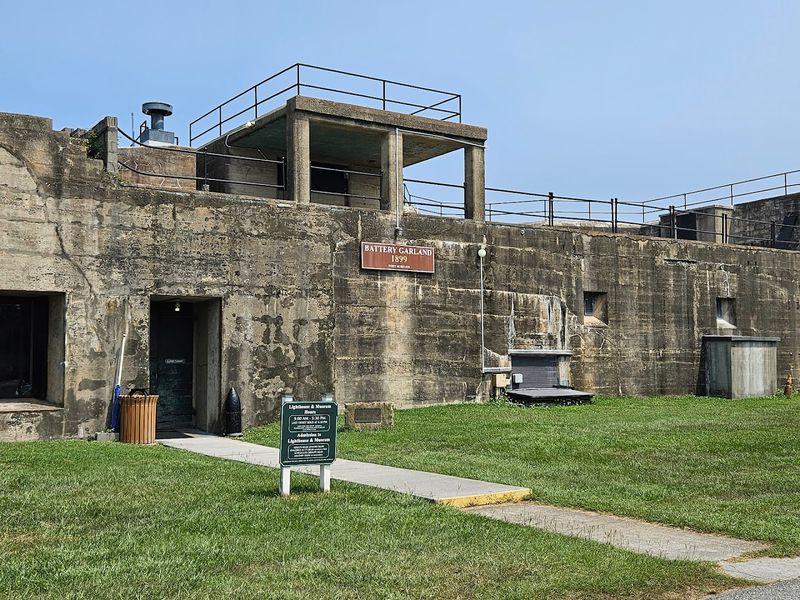
Not every beach town has a 19th-century military fort hiding in plain sight, but Tybee Island does. Fort Screven sits quietly at the northern end of the island, its concrete gun batteries still standing after more than a century of coastal weather.
The fort was built in the 1890s as part of a national coastal defense system. During both World Wars, it served as an active military installation.
The batteries, designed to hold enormous guns aimed out to sea, now sit open for visitors to explore on foot. Going through them feels oddly peaceful for structures built with such serious purpose.
Georgia has a deep military history along its coast, and Fort Screven is one of the clearest examples of that. The earthworks and concrete structures are scattered across the northern tip of the island, and some have been converted into private homes.
The Tybee Island Museum inside Battery Garland covers the fort’s role in regional defense history. If you enjoy outdoor history that does not require a guided tour to appreciate, Fort Screven rewards a slow, curious walk more than a rushed visit.
Bring comfortable shoes and a little patience.
South Beach Scene
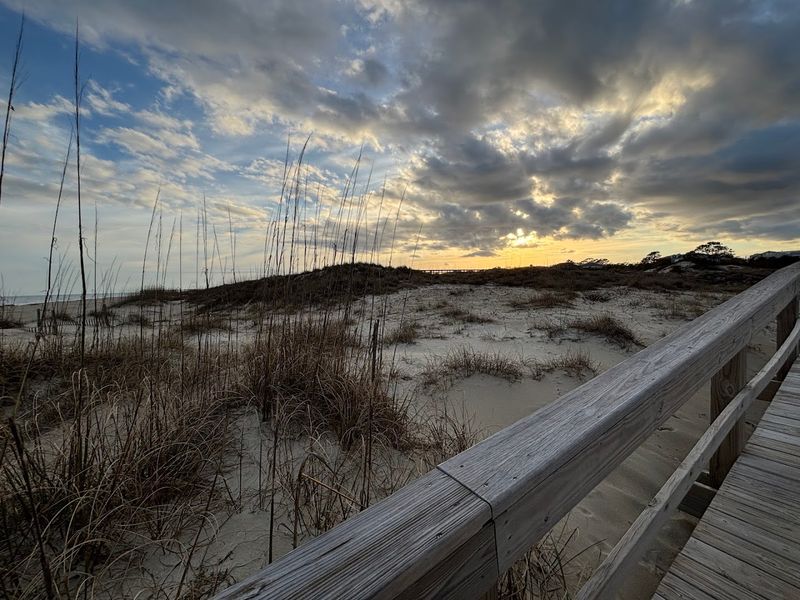
South Beach is where most of the action happens on Tybee Island.
The wide stretch of pale sand curves along the southern tip of the island, and the pier and pavilion give the whole area a classic seaside feel that is hard not to love immediately.
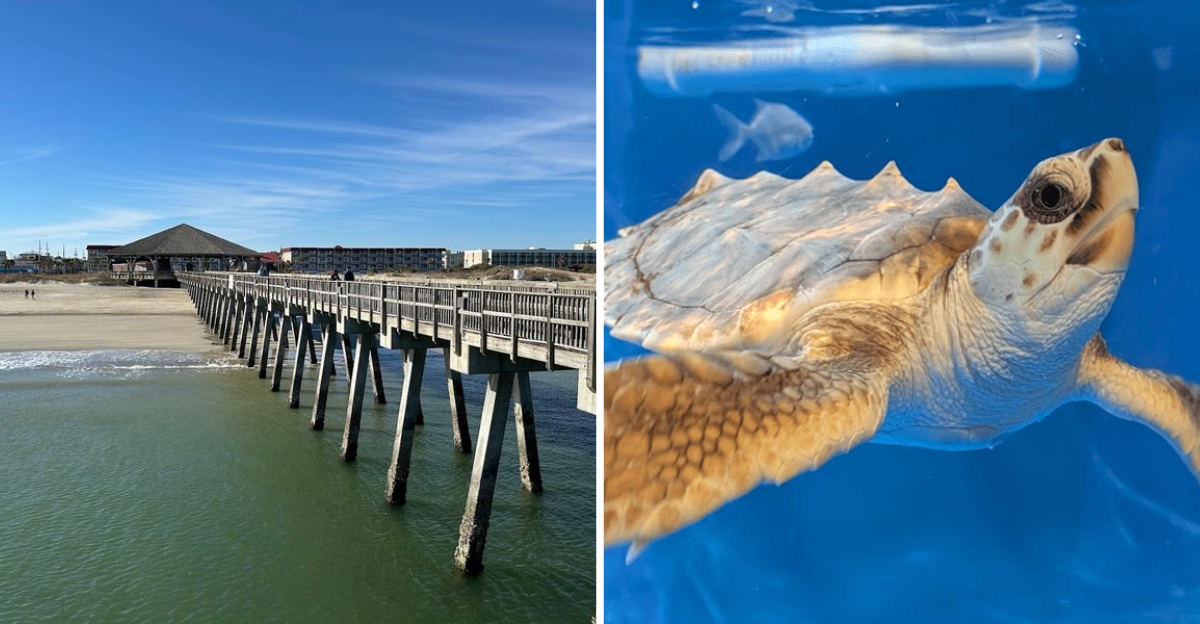
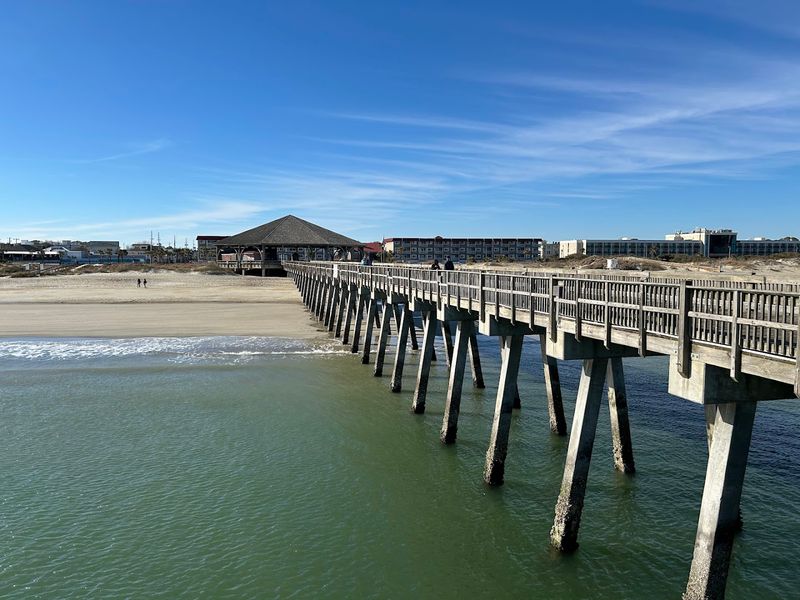
The Tybee Island Pier extends approximately 800 feet into the Atlantic and is one of the most photographed spots on the Georgia coast.
Fishermen line the railings on weekend mornings, and couples walk to the end just to stand above the water. The pavilion nearby hosts events, concerts, and community gatherings throughout the warmer months.
South Beach is also the most accessible part of the island for first-time visitors, with parking, restrooms, and beach equipment rentals all nearby.
The sand here is notably white and fine, which surprises people who expect the darker, coarser sand found on other Georgia beaches. The waves are gentle enough for families but interesting enough to keep boogie boarders entertained for hours.
Lifeguards are on duty during peak season, and the beach is well maintained. Arriving early in the morning means you get the best light, the coolest temperatures, and a stretch of sand that feels almost entirely yours.
Sunset Views Here
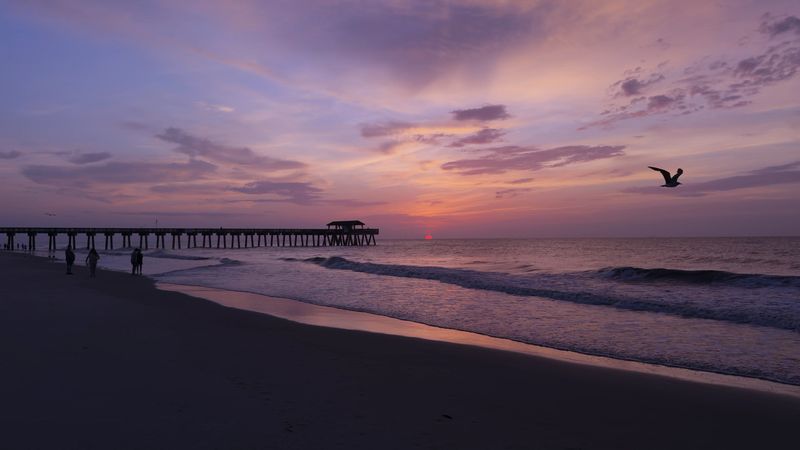
People really do drive hours to watch the sun go down from Tybee Island.
That is not marketing language, it is just what happens when you put a flat barrier island at the edge of Georgia with unobstructed western views across the Back River and marshland.
The sunsets here work differently than on most Atlantic-facing beaches. Because the island sits at an angle and the western side faces the marsh rather than the open ocean, you get a sunset view that most East Coast beaches simply cannot offer.
The colors reflect across the still water and the tall grass, doubling the effect. The best spots for sunset watching are along Inlet Avenue and the Back River area on the island’s western side.
Locals know to bring a folding chair and a light jacket, since the marsh breeze picks up as the light fades. Photographers set up tripods here regularly, trying to capture what the eye processes better than any camera.
Tybee Island earns its sunset reputation honestly. The sky turns shades of orange, pink, and deep purple in a sequence that feels almost choreographed.
Staying for the full show, from first color to full dark, is strongly recommended for any first-time visitor.
Wildlife And Nature

The natural side of Tybee Island is easy to miss if you stay close to the pier and the shops. But move just a little off the main drag and the island reveals itself as a genuinely rich coastal ecosystem.
The Tybee Island Marine Science Center at 37 Meddin Dr runs a sea turtle conservation program and offers beach walks where you can learn about nesting habits without disturbing the process.
Seeing a nest marked off with stakes and tape on the sand makes the whole conservation effort feel personal and real.
The salt marshes surrounding the island are home to blue herons, egrets, dolphins, and dozens of shorebird species. Kayaking through the marsh creeks at low tide puts you right inside that ecosystem in a way that a boat tour simply cannot replicate.
Georgia has some of the most productive salt marsh habitat on the entire East Coast, and Tybee Island sits at the heart of it.
The Marine Science Center also has touch tanks and exhibits for younger visitors, making it a smart stop for families who want more than just beach time.
Local Food Culture
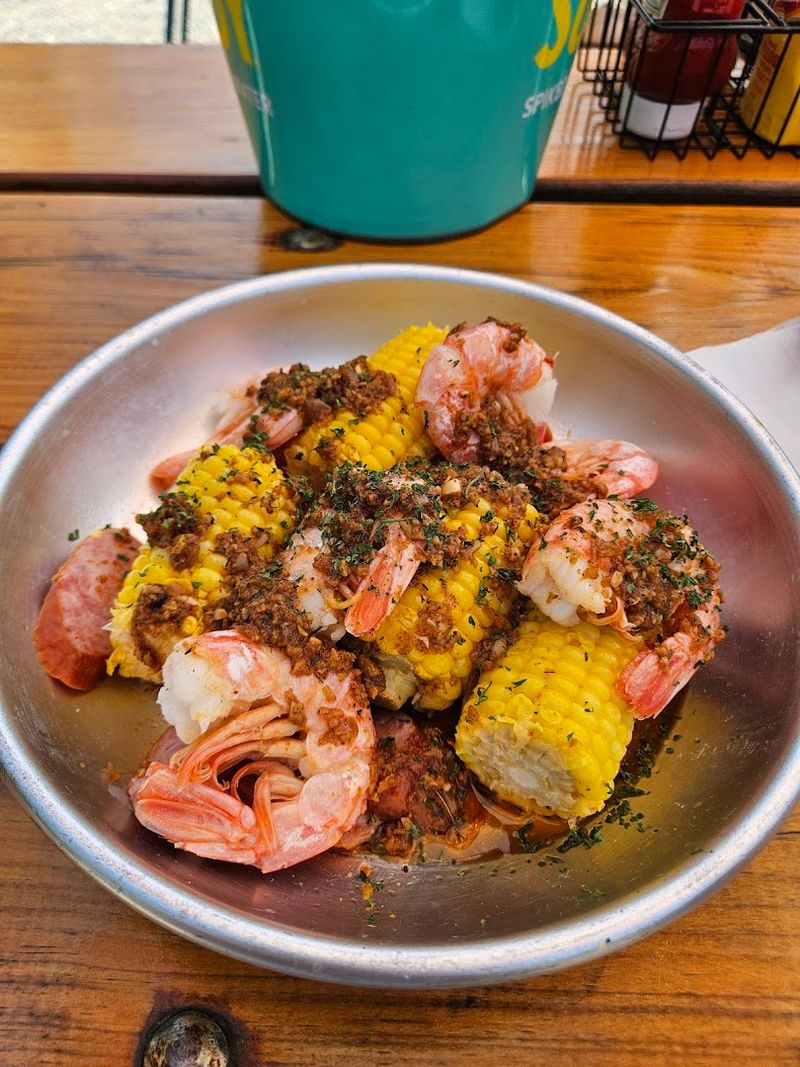
Fresh Georgia shrimp served within a short distance of where they were caught is the kind of thing that makes you question every shrimp dish you have ever eaten anywhere else.
Tybee Island has a small but confident food scene built almost entirely around what comes out of the surrounding water.
The restaurants here lean casual, which fits the island’s personality. Picnic tables, paper menus, and counter service are common.
The focus is on the food itself rather than the atmosphere, and that confidence is usually justified. Shrimp and grits, she-crab soup, and fried flounder show up on menus across the island with small variations that reflect each kitchen’s individual character.
The Tybee Island Farmers Market runs seasonally and gives visitors a chance to pick up local produce, handmade goods, and snacks from people who actually live on the island.
Eating here feels connected to the place in a way that chain restaurants never manage.
Georgia seafood has a distinct regional identity, and Tybee Island is one of the better places in the state to experience it without having to dress up or make a reservation weeks in advance. Come hungry and order whatever the person at the next table is having.
Best Time To Visit
Timing a trip to Tybee Island correctly makes a significant difference in what the experience actually feels like. The island draws large crowds in July and August, when Georgia families arrive in force and parking becomes a genuine test of patience.
Late spring, meaning May and early June, offers the best combination of warm weather, manageable crowds, and reasonable accommodation rates.
The water temperature is comfortable for swimming, the beach is not yet packed shoulder to shoulder, and the island’s restaurants are fully open without the wait times that summer brings.
September and October are the island’s best-kept secret.
The summer visitors have gone home, the temperatures drop just enough to make beach walks enjoyable for hours, and the light takes on a softer quality that photographers and painters notice immediately.
Winter on Tybee Island is mild by Georgia standards and almost completely uncrowded.
If you want the white sand and the sunsets without sharing them with a thousand other people, an off-season weekday visit delivers exactly that. Pack a light jacket and enjoy having the pier almost to yourself.