This Unique Georgia Town Blends Southern Charm With Art And A Bit Of Fast-Food History
Some places don’t announce themselves. They just wait.
I pulled off the highway on a whim, expecting nothing, and ended up spending three hours I hadn’t planned for.
This small Georgia town has a downtown that feels lived-in and real, murals climbing brick walls, and a history that stretches from civil rights to fast food in ways that somehow make perfect sense together.
Georgia has no shortage of charming small towns, but this one carries a different kind of energy. It is the sort of place locals clearly love but rarely brag about, which is exactly why it caught me off guard.
Come for curiosity, stay because you simply cannot leave.
A Historic Downtown That Feels Like A Living Museum
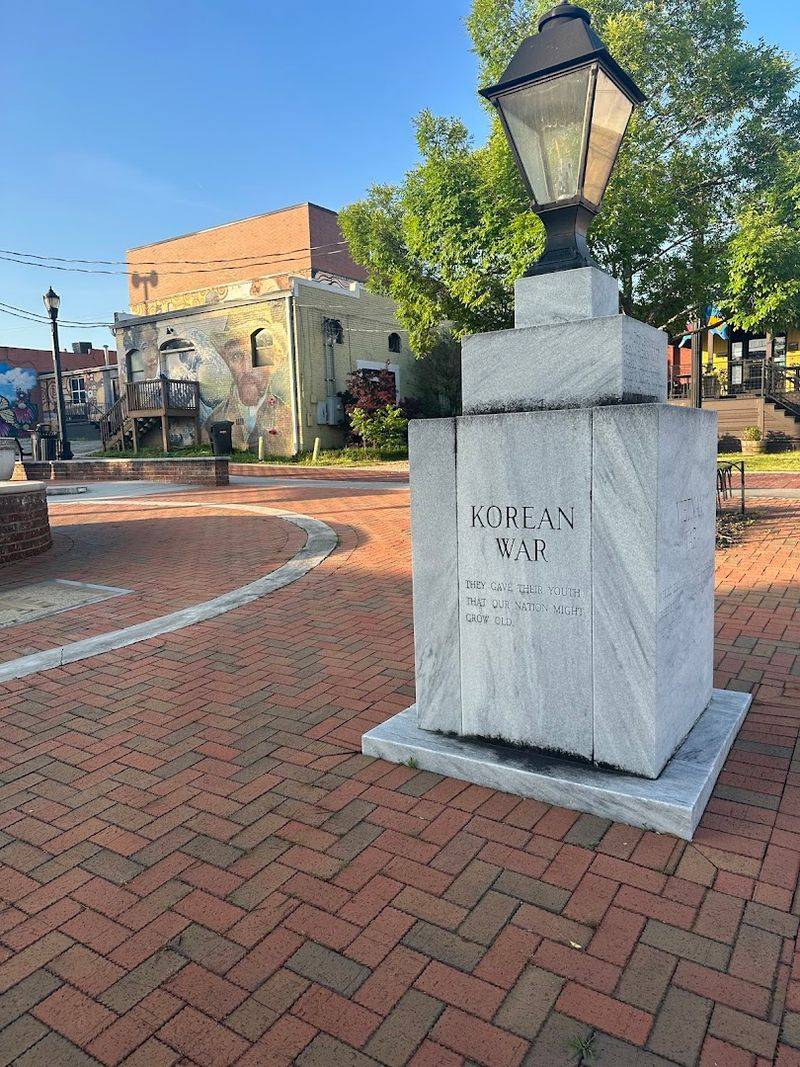
Some downtowns feel frozen in time, and this one wears that beautifully. The streets of Hapeville carry a quiet dignity that you notice the moment you step out of your car.
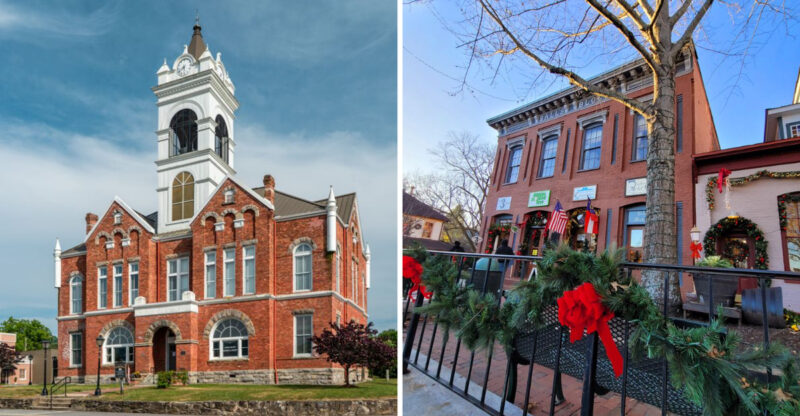
Buildings from the early 1900s line the blocks with real character. The Hapeville Depot, built in 1890, still stands as a proud centerpiece of the area.
The Christ Church and Carriage House, dating to 1895, adds another layer of history you rarely find in such a small city. Walking past these structures feels less like tourism and more like stepping into a story.
Hapeville earned the designation of a Main Street city, which means the community actively works to preserve and celebrate its downtown core. That effort shows in every storefront and sidewalk.
Local shops and restaurants fill the spaces between landmarks, giving the area a lived-in warmth. Nothing feels staged or overdone here.
The downtown park becomes a natural gathering point, especially on weekends. Families, artists, and longtime residents all share the same shaded benches.
Hapeville sits in Fulton County with a population of around 6,712 people. That small-town scale makes every corner feel personal and approachable.
Southern Hospitality You Can Actually Feel
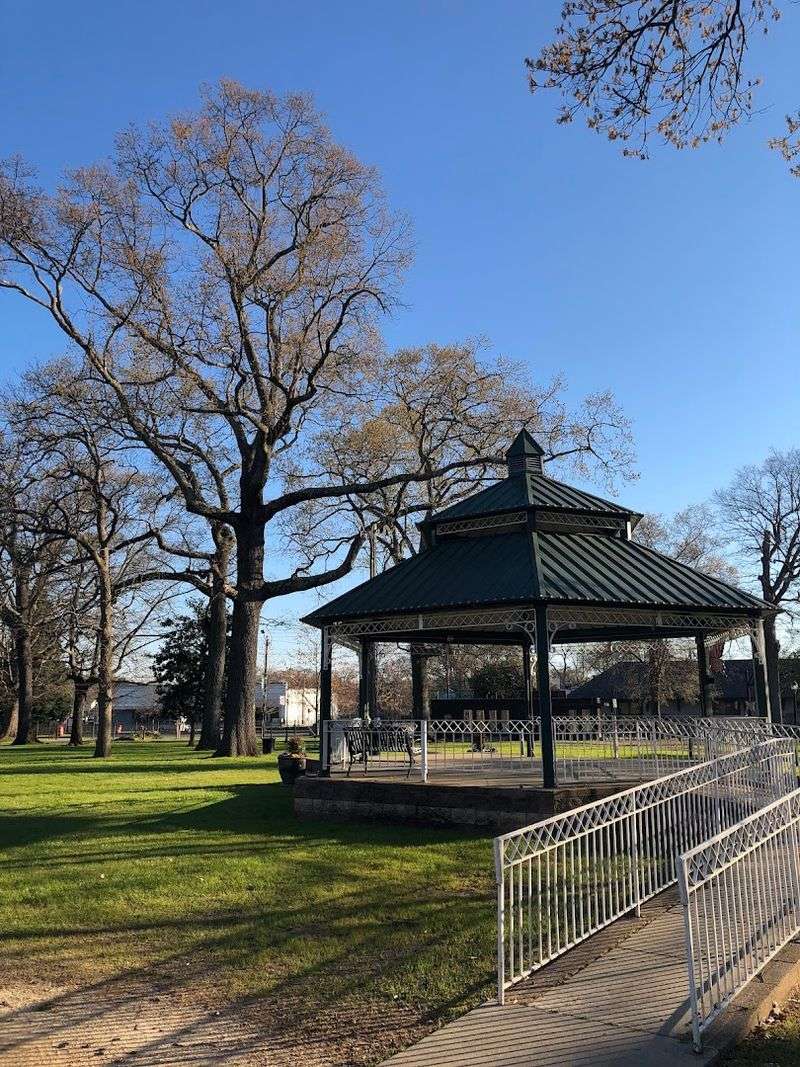
There is a version of Southern hospitality that exists only in brochures, and then there is the real thing. Hapeville serves up the real thing without any performance attached.
Strangers say hello here. Shop owners remember your face after one visit.
That kind of warmth is genuinely rare in towns this close to a major city.
Sitting just outside Atlanta, Hapeville manages to hold onto its small-town identity with impressive stubbornness. The proximity to the city brings convenience without erasing the charm.
The community has a cozy, welcoming vibe that regulars and first-timers both notice quickly. It is the kind of place where you feel comfortable slowing down.
Local restaurants offer Southern cooking that tastes like someone actually cared about the recipe. Comfort food here comes with a side of genuine pride.
The downtown park hosts community events that bring neighbors together regularly. These are not fancy productions, just real people enjoying a real town.
Hapeville sits at coordinates 33.66 latitude, placing it squarely in the heart of the metro area. Yet it never feels rushed or impersonal.
That balance between accessibility and authenticity is what makes the Southern charm here feel earned rather than performed.
Over 38 Public Art Installations Worth Exploring
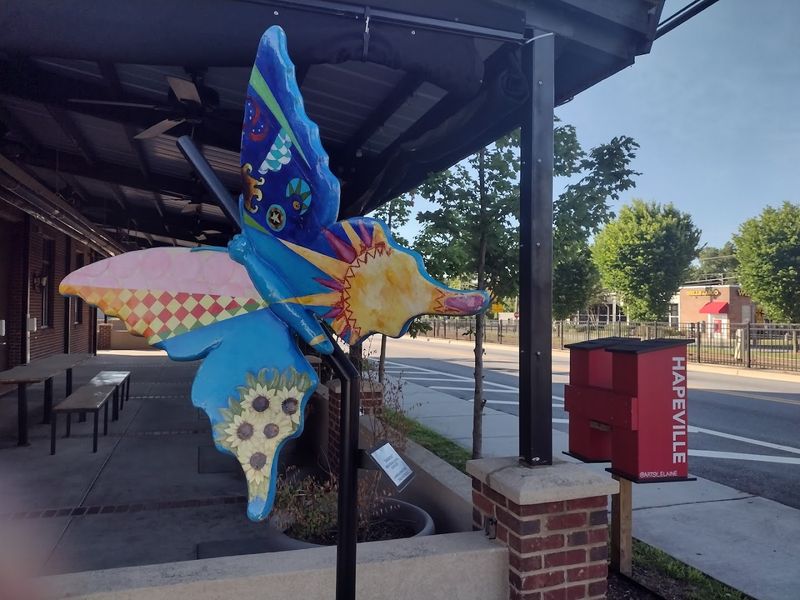
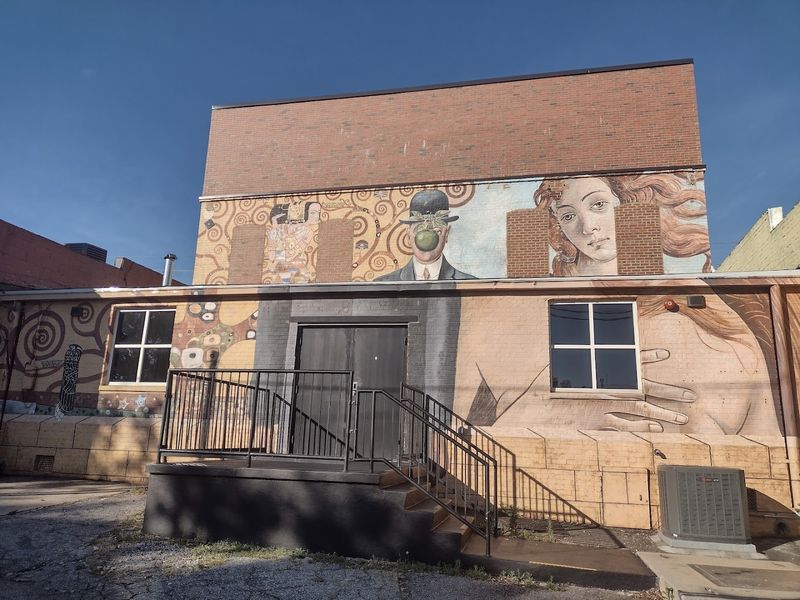
Thirty-eight pieces of public art scattered across one small downtown sounds almost impossible. But Hapeville pulls it off with style and genuine creative energy.
Sculptures, murals, and signature butterfly displays appear around nearly every corner. The butterfly art has become a recognizable symbol of the city’s creative identity.
The Hapeville Art Walk offers a self-guided tour of all the downtown installations. You set your own pace, and every stop rewards you with something visually striking.
Local artist Muhammad Yungai contributed a mural called Tuskegee Airgirl that stops people mid-stride. Shannon Lake added aviator portraits that connect the art to the area’s aviation history.
Charmaine Minniefield’s piece, Flowers Devine, brings vivid color to a space that might otherwise go unnoticed. These are not generic decorations; they are statements.
The Hapeville Arts Alliance Gallery operates inside the historic Hapeville Corner Building, supporting local artists with real exhibition space. Community investment in art here goes beyond murals on walls.
Shipping containers were converted into gallery and studio spaces, proving that creativity does not require a traditional setting. That kind of innovation keeps the arts scene fresh and unexpected.
Every installation tells a story specific to this place and its people.
Georgia’s Longest Running Professional Theatre With A Rich Legacy
Established in 1956, the Academy Theatre holds a title that most cities twice its size would envy. It is the longest-running professional theater in Georgia, and it earns that distinction every season.
The theater has been producing live performances for decades without losing its passion for the craft. That kind of staying power speaks to both the quality of the work and the loyalty of the audience.
Hapeville built its arts reputation partly on the strength of this single institution. The Academy Theatre became proof that a small city could support serious artistic work.
Productions here range across genres, keeping the programming fresh and accessible to different audiences. You do not need to be a theater expert to enjoy a night out at the Academy.
The building itself carries the character of its era, offering a performance experience that feels both historic and alive. Sitting in that space connects you to every audience that came before you.
Community members have grown up attending shows here, and many have performed on that same stage. That generational connection to the arts is something money cannot manufacture.
Catching a show is one of the city’s standout experiences. It is the kind of experience that defines a place.
The Hapeville Depot Museum Where Local History Comes To Life
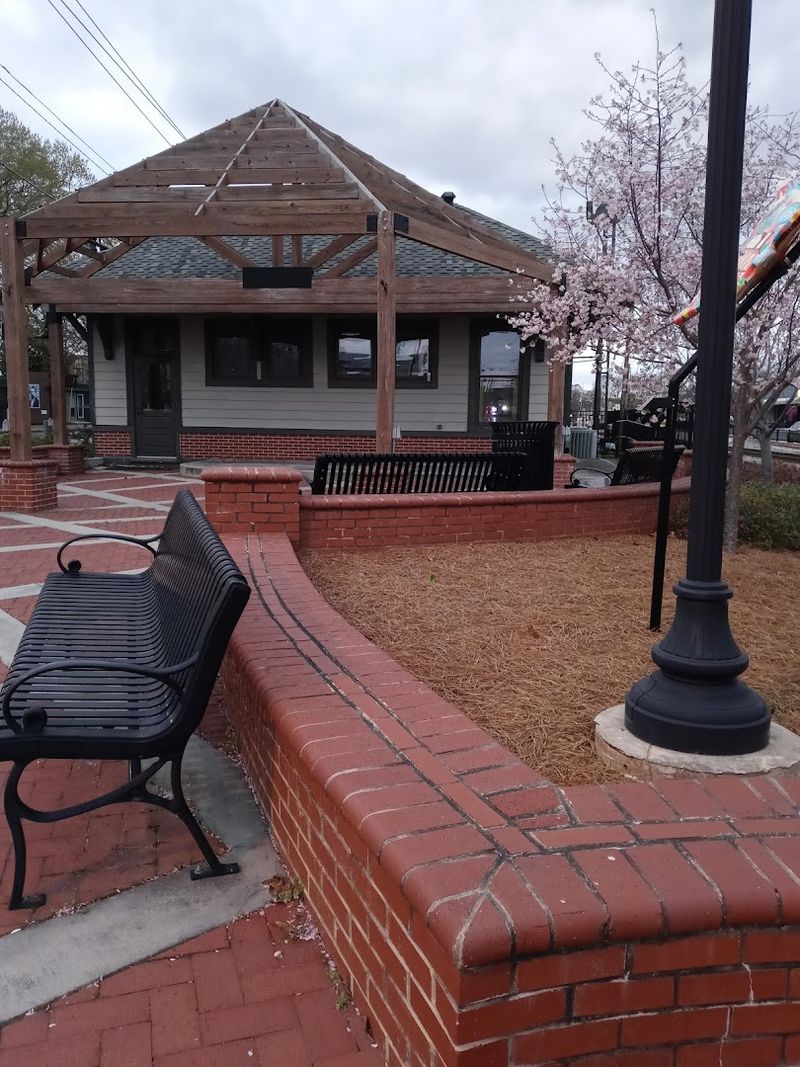
Built in 1890, the Hapeville Depot is the kind of building that makes you grateful someone had the sense to preserve it. Train depots from that era carry a particular gravity that newer structures simply cannot replicate.
Today the depot functions as a museum, keeping the city’s history accessible and alive for anyone curious enough to visit. It also serves as a venue for art exhibitions, blending history and creativity under one roof.
That combination is genuinely clever. A building that once welcomed travelers now welcomes ideas, artwork, and community gatherings.
The depot anchors the downtown district visually and historically. Standing near it, you get a clear sense of how the town grew around transportation and industry.
Exhibits inside cover the development of Hapeville from its founding in 1891 through its growth as a working-class community. The stories told here are specific, local, and worth knowing.
Visitors often spend more time inside than they planned. That is the sign of a museum that respects its audience enough to make the content genuinely engaging.
The building sits at the heart of the downtown area, making it an easy first stop on any visit. Starting here gives you context for everything else you will see in the city.
Where A Chicken Sandwich Became Fast-Food History
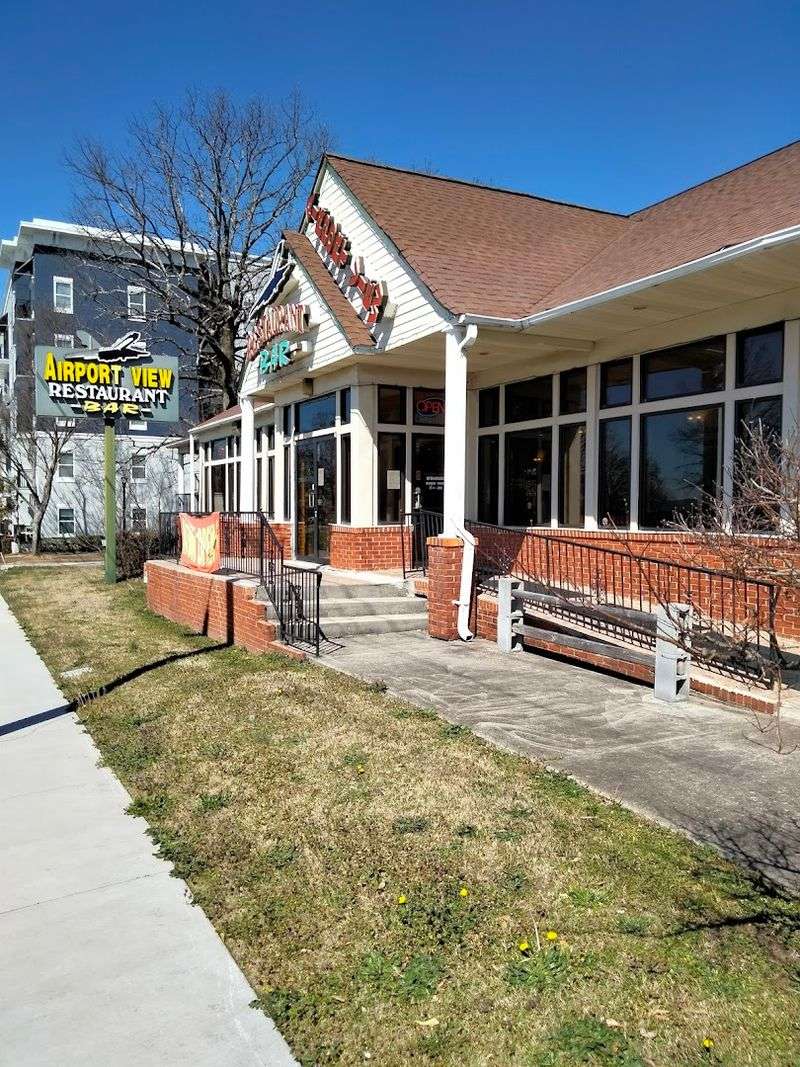
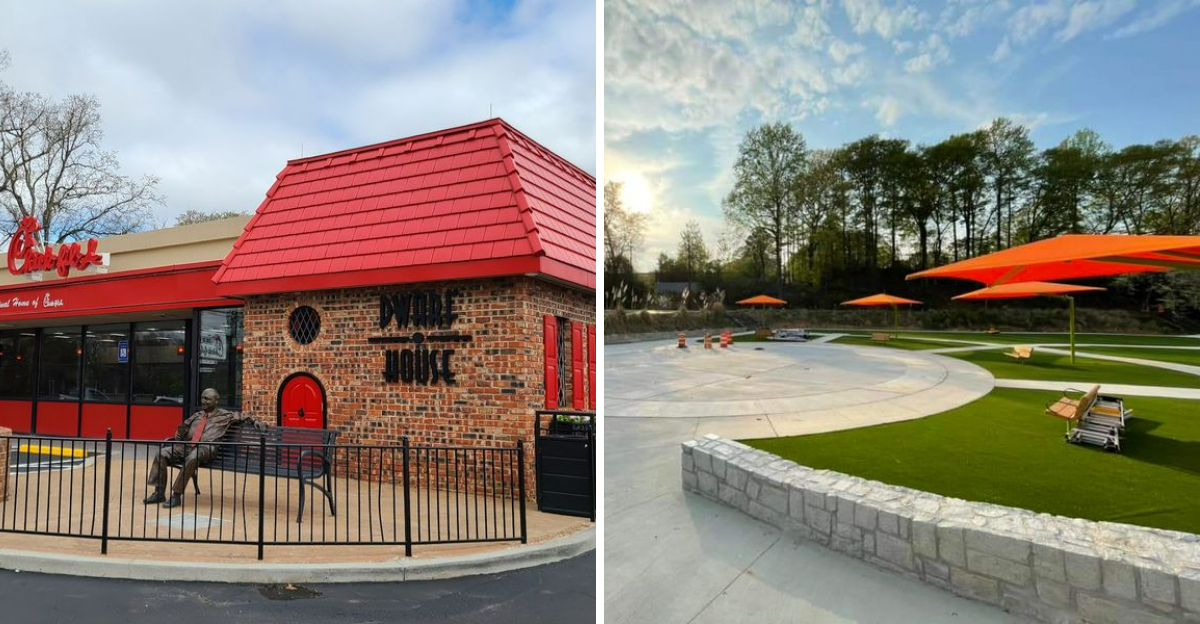
In 1946, a small diner opened in Hapeville and quietly launched one of the most recognized fast-food stories in American history. The original Dwarf Grill, opened by S.
Truett Cathy, started as a place for factory workers to grab a meal.
Those workers came from the nearby Ford Motor Company assembly plant, and the diner ran 24 hours a day, six days a week to keep up with demand. That schedule alone tells you how essential this place was to the community.
Inside those walls, Cathy developed the chicken sandwich recipe that would eventually become the cornerstone of Chick-fil-A. The diner at 461 North Central Avenue, Hapeville, is where that idea first took shape.
Later renamed the Dwarf House, the restaurant completed a year-long renovation in early 2022. The redesign embraced a mid-century modern aesthetic while incorporating artifacts from the original 1960s building.
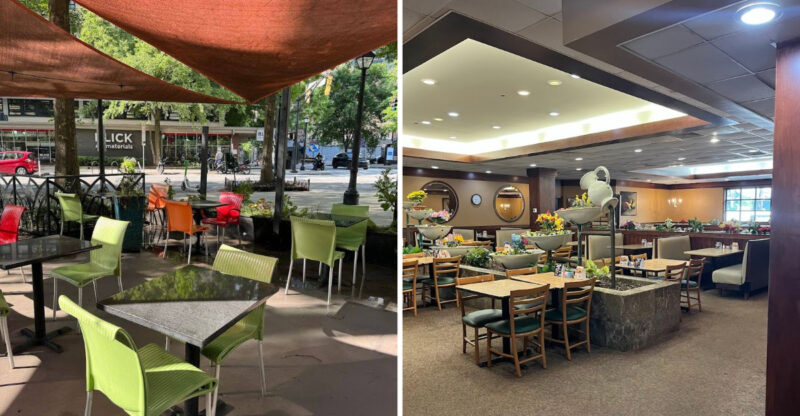
Today the Dwarf House serves both the classic Chick-fil-A menu and items from the original Dwarf Grill menu. That expanded selection makes it unlike any other location in the chain.
Sitting in a booth here feels like eating inside a living footnote to American food culture. The Dwarf House is not just a restaurant; it is a landmark with flavor.
The Fast-Food History That Put This City On The Map
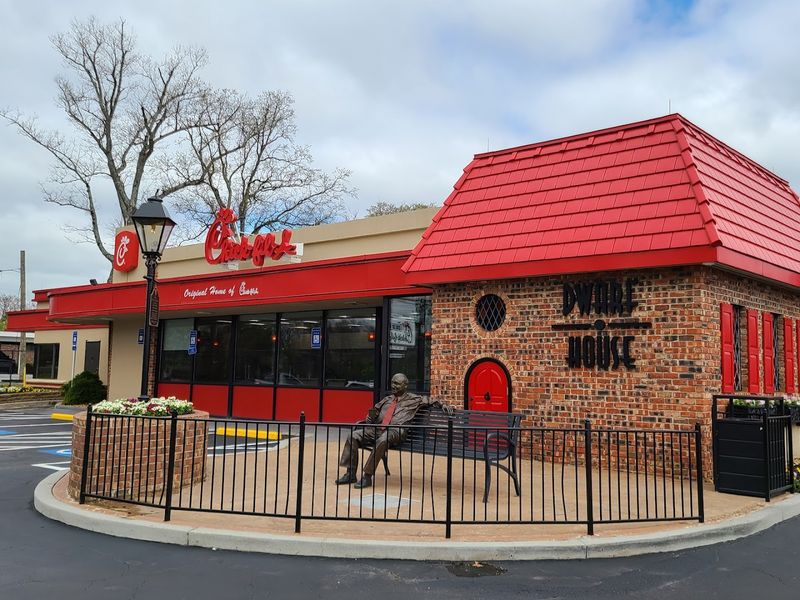
Most cities do not get to claim a role in shaping what Americans eat every day. Hapeville is one of the rare exceptions, and the story is more interesting than most people realize.
The chicken sandwich that Cathy perfected here was trademarked in 1963, years before the brand became a national phenomenon. That timeline matters because it shows how long the idea was quietly developing in this small city.
The first Chick-fil-A restaurant inside a mall opened in 1967 at Atlanta’s Greenbriar Mall, building directly on the foundation established in Hapeville. The original diner was the testing ground for everything that followed.
Understanding that origin story changes how you see the city. Hapeville was not just nearby when history happened; it was the reason history happened at all.
The connection between this community and fast-food culture is now a genuine point of local pride. Visitors come specifically to experience the place where the idea was born.
That kind of culinary history is usually reserved for cities with far larger populations. Hapeville earned its place in that conversation through one determined entrepreneur and one very good sandwich.
Food history can anchor a destination in ways that traditional tourism never could. This city proves that point with every meal served at the Dwarf House.
Creative Spaces Built From Unexpected Places
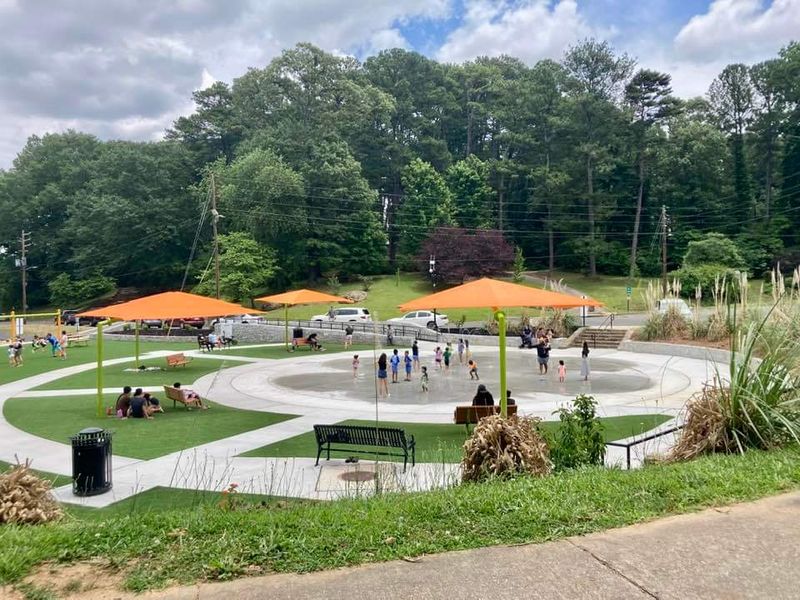
Turning a shipping container into an art gallery takes imagination and nerve. Hapeville has both, and the results are worth seeing in person.
The city transformed industrial containers into functioning gallery and studio spaces for working artists. That kind of creative repurposing reflects a community that takes its arts identity seriously.
An old gas station also got reimagined as the Atlanta Printmakers Studio, giving printmaking artists a dedicated space that feels completely original. Few cities this size invest in that level of artistic infrastructure.
These conversions are not just clever; they are practical. Real artists need affordable, functional spaces, and Hapeville found a way to provide them without building from scratch.
The approach also adds visual interest to the city’s landscape. Spaces that might have sat empty or deteriorated instead became active parts of the creative community.
Visiting these spaces gives you access to work in progress, not just finished pieces hanging on gallery walls. That rawness makes the experience feel more honest and connected.
The Hapeville Arts Alliance Gallery in the historic Corner Building complements these unconventional venues perfectly. Together they form an arts ecosystem that serves both established and emerging local talent.
Creative cities are built on decisions like these, and Hapeville made the right ones early enough to matter.
Why This Georgia Town Deserves A Spot On Your Travel List
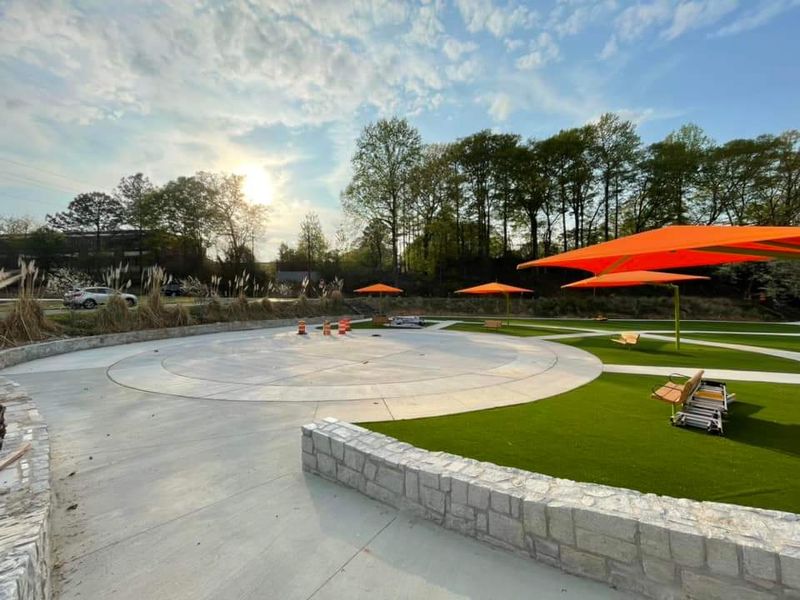
Not every worthwhile destination announces itself loudly. Hapeville, Georgia, lets the details speak, and once you start listening, you cannot stop.
A city with 38-plus public art installations, a professional theater active since 1956, and a diner that helped shape American fast-food culture is not an ordinary stop. It is a complete experience packed into a compact, walkable space.
The mix of history, creativity, and food culture gives visitors multiple reasons to stay longer than planned. Each element reinforces the others in a way that feels organic rather than manufactured.
Families will find plenty to explore without needing a complicated itinerary. The downtown layout makes it easy to move from the depot museum to the art walk to the Dwarf House all in one afternoon.
Art lovers get a city that treats public creativity as essential infrastructure, not decoration. That distinction matters and shows in every installation and converted studio space.
History enthusiasts get buildings dating back to the 1890s alongside stories that connect directly to national culture. The layers here reward curiosity at every level.
Hapeville sits just outside Atlanta, making it an easy addition to any visit to this part of the state. The drive is short, but the experience feels like a world apart.
Some places surprise you once. This one keeps surprising you the longer you stay.