These Breathtaking Idaho Day Hikes Make The Views Worth The Effort
A hiking trail should not be prettier than your camera roll, yet Idaho keeps behaving suspiciously.
Mountains show up dramatic, waterfalls get theatrical, and alpine lakes sit there looking like they hired a lighting crew.
Even a short day hike can turn into the kind of outing where everyone suddenly becomes “outdoorsy” for at least the length of the trail.
These Idaho routes are made for fresh air, snack breaks with views, and the very real possibility of checking your phone only to realize nature has been winning the attention contest all along.
1. Sawtooth Lake Via Iron Creek Trailhead
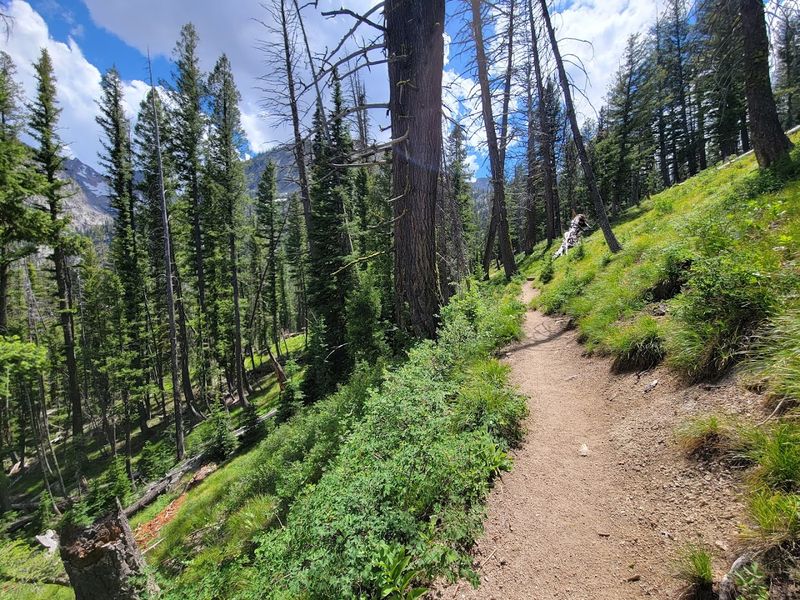
Jagged peaks start stealing attention long before Sawtooth Lake comes into view, which is exactly why this route feels so legendary. Visit Idaho describes the hike from Iron Creek Trailhead as a five-mile trek to the largest alpine lake in the Sawtooth Mountains, with about 1,700 feet of elevation gain along the way.
Forest shade, rocky stretches, open meadows, and mountain views build the drama slowly rather than giving everything away at once. By the time the trail reaches the lake basin, the setting feels earned in the best possible way.
Sawtooth Lake sits below sharp ridgelines and often keeps a cool alpine mood even when lower valleys feel warm. Start early from Forest Road 619 near Stanley because this is one of the area’s most popular day hikes, especially in summer and early fall.
Sturdy footwear matters because rocks and uneven tread can make tired legs sloppy on the way down. Bring layers, water, snacks, and patience for the climb.
What makes this hike unforgettable is the way the scenery keeps improving. Every mile feels like a promise, and the lake delivers on it completely.
2. Alice Lake Trail
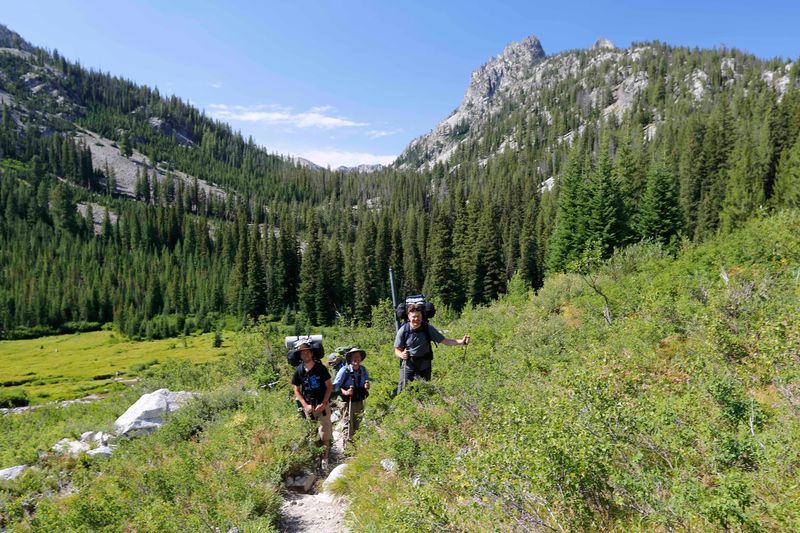
Granite walls and blue alpine water give Alice Lake the kind of payoff hikers talk about for years. The popular route begins from the Pettit Lake and Tin Cup Trailhead area south of Stanley, and Discover Sawtooth lists the round trip at 11.6 miles with about 1,600 feet of elevation gain.
That distance makes it a full day for many hikers, but the trail rewards the effort with forest sections, creek crossings, rocky openings, and growing views of the Sawtooth high country. Alice Lake itself sits in a dramatic basin where clear water reflects rugged peaks and makes lingering feel almost mandatory.
Summer wildflowers can brighten the approach, while early mornings usually offer cooler temperatures and a better chance at quiet shoreline moments. Snow can linger into early season at elevation, so timing matters.
Bring layers, reliable navigation, and more water than a short-looking map might suggest. The hike is not just about reaching a pretty lake.
It is about watching the landscape gradually widen until the final scene feels almost theatrical. Alice Lake belongs on any serious Idaho day-hike list because the destination has genuine presence and the route makes every step feel meaningful.
Because the route enters wilderness, hikers need a free wilderness permit from the trailhead and should follow Sawtooth wilderness rules.
3. Fishhook Creek Trail
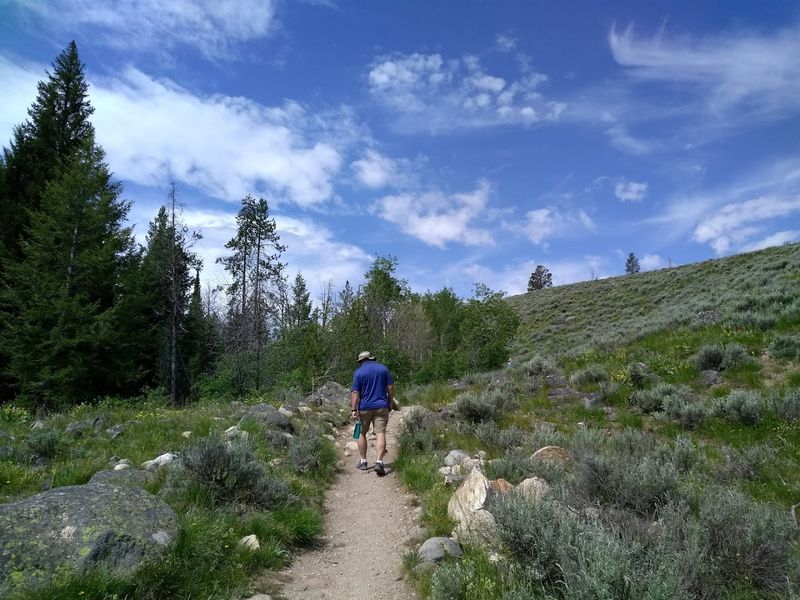
Easygoing miles make Fishhook Creek Trail one of the best introductions to the Sawtooth landscape. Sawtooth Trails lists Fishhook Trail #186 as 2.5 miles one way, starting near Redfish Lake and open for hiking and horseback riding, with an easy difficulty rating.
That manageable profile is exactly what makes the hike special. Instead of demanding a grueling climb, the trail gives families, casual walkers, and first-time Sawtooth visitors a gentler way to experience mountain scenery.
Meadows, creek sounds, forest shade, and widening views create a calm rhythm that feels wonderfully unforced. By the end, the Sawtooth backdrop gives the outing a payoff that feels far larger than the effort required.
Summer wildflowers can make the meadows glow, while autumn adds quieter trails and golden color in the surrounding vegetation. Some stretches may be uneven, so sturdy shoes still help even though the route is considered easy.
Bring water, use sun protection in open sections, and start early on busy weekends near Redfish Lake. Fishhook Creek proves a hike does not need to be punishing to feel memorable.
Its beauty comes from ease, space, and that steady mountain view unfolding at a comfortable pace.
Downed trees can appear along the route, so families and casual hikers should still expect normal backcountry trail conditions.
4. Upper Hazard And Hard Creek Lakes
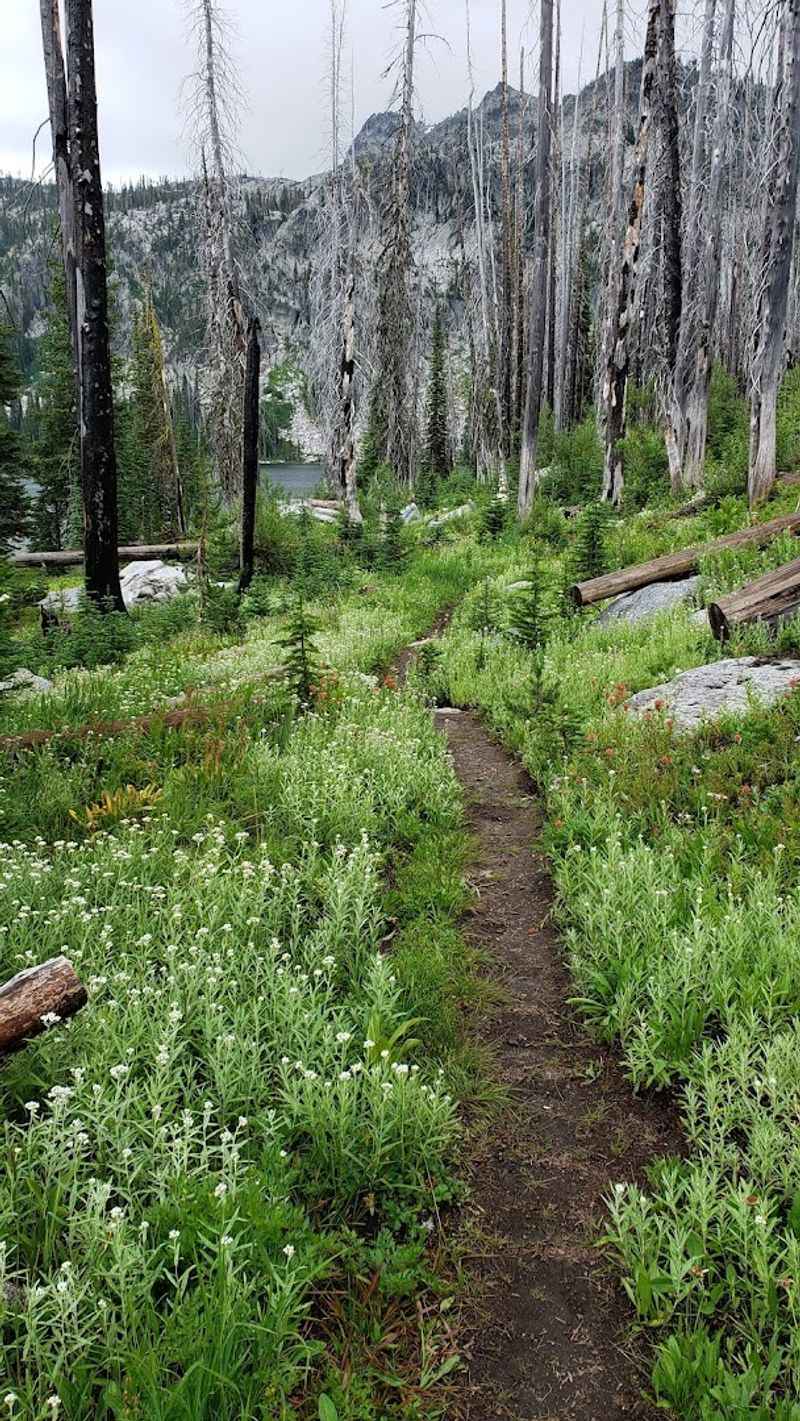
Wildflower meadows and quieter lake basins give the Upper Hazard and Hard Creek area a more tucked-away feeling than Idaho’s headline hikes. Payette National Forest identifies Upper Hazard Lake Trailhead as the access point for Upper Hazard Lake from the north via Upper Hazard and Hard Creek Basin Trail #169, with hiking, mountain biking, and motorcycle use in the area.
Because this route is more remote and shared with other users, hikers should arrive prepared rather than treating it like a simple roadside stroll. Trail conditions can vary by season, and lingering snow or muddy sections may appear earlier in summer.
What makes the trip worthwhile is the mix of open meadow color, granite scenery, and lake views that feel less crowded than the better-known Sawtooth basins. Fit beginners may enjoy the shorter approach to Upper Hazard Lake, while adding Hard Creek Lake creates a more involved outing.
Bring a map, offline navigation, water, and patience for the drive. Cell service can be unreliable, which is part of the point.
Once the noise drops away, the area feels wonderfully spacious. Upper Hazard and Hard Creek reward hikers who like their mountain scenery with a little more solitude and a little less fanfare.
5. Scotchman Peak
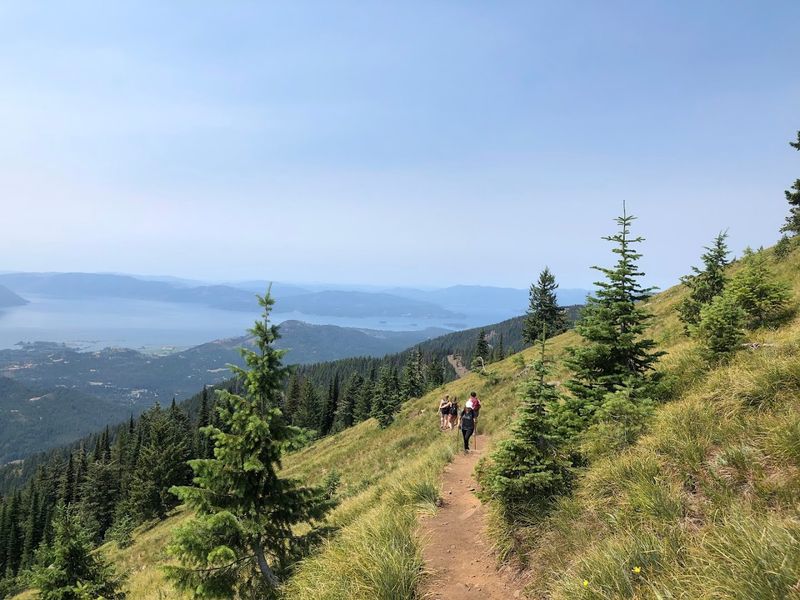
Summit hunger has a home on Scotchman Peak, one of northern Idaho’s most demanding and rewarding day hikes. Friends of Scotchman Peaks Wilderness lists Trail #65 at eight miles round trip, with about 3,700 feet of elevation gain and a hard difficulty rating.
That climb is no casual stroll. The route rises steeply from the Clark Fork area, pushing hikers through forest and open upper slopes before the summit reveals views across Lake Pend Oreille, the Clark Fork Valley, Montana, and the Cabinet Mountains.
Mountain goats are often associated with the upper mountain, but visitors should never approach, feed, or crowd them. Wildlife encounters only stay special when the animals remain wild.
Start early, carry enough water, and expect the descent to work your knees nearly as much as the climb works your lungs. Clear days are best because the summit view is the whole reward.
Early summer may bring snow patches, while fall can offer cooler air and sharper light. Scotchman Peak belongs on this list because it earns every bit of its reputation honestly.
The hike is steep, exposed in places, and tiring, but the view from the top feels enormous enough to make the effort fade.
6. Tubbs Hill Loop
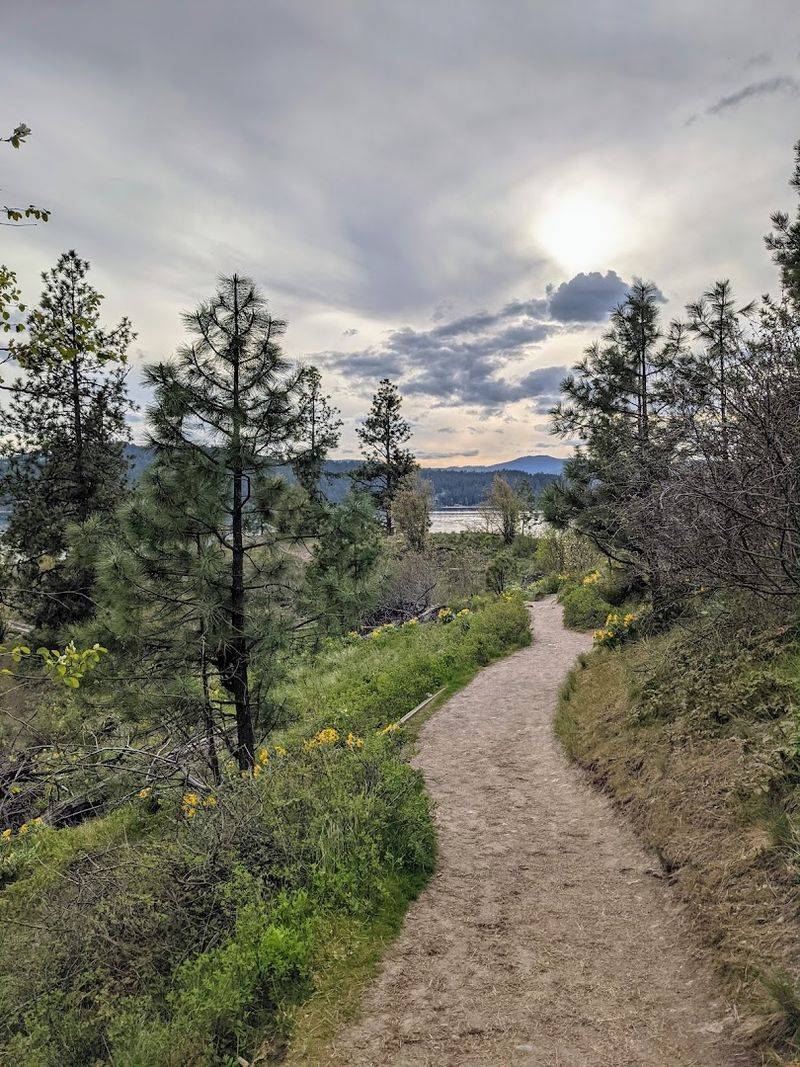
City noise fades surprisingly fast on Tubbs Hill, even though the trail begins right beside downtown Coeur d’Alene. The City of Coeur d’Alene describes Tubbs Hill as a 165-acre natural park bordered by Lake Coeur d’Alene on three sides, with several miles of trails and a 2.2-mile interpretive trail following the perimeter.
That easy access makes the loop especially valuable for travelers who want big lake views without a long drive or difficult climb. Forested paths, rocky shoreline overlooks, small coves, and interpretive signs create a walk that feels scenic and informative at the same time.
The west trailhead near McEuen Park makes it simple to add the hike to a downtown day, while the east side trailhead at South 10th Street offers another access point. Sunset can be beautiful from west-facing viewpoints, but midday still works well because lake breezes and tree cover keep the route pleasant.
Dogs are commonly seen here, but owners should follow posted leash rules and respect other users on narrower sections. Tubbs Hill proves Idaho scenery does not always require remote travel.
Sometimes one of the prettiest walks starts right beside restaurants, parks, and city streets.
7. Jump Creek Falls Trail
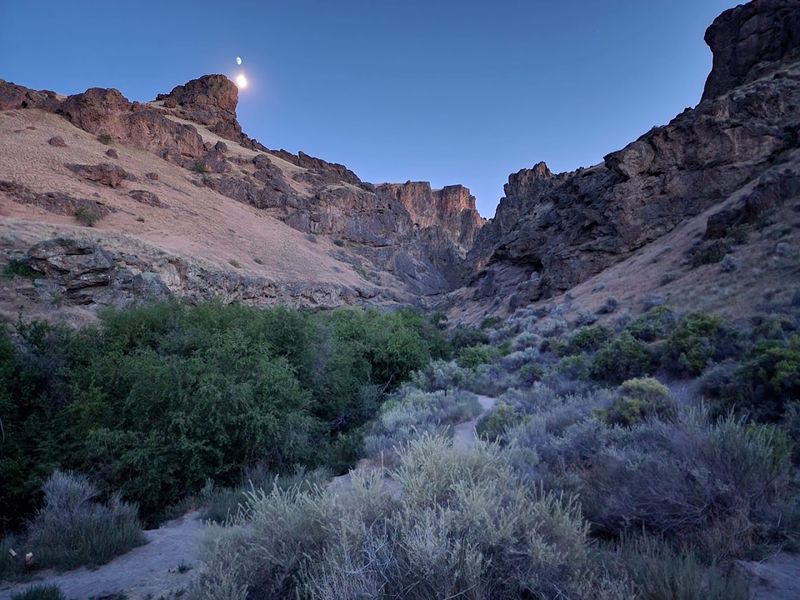
Basalt canyon shade makes Jump Creek Falls feel like a small desert secret. The Bureau of Land Management describes Jump Creek as a site with a surprising waterfall, a lush riparian community, picnic areas, an overlook, and an easy trail to the falls, while warning that poison ivy grows thick in some spots along the creek and trail.
Visit Idaho lists the waterfall at about 60 feet, which gives the short hike a strong payoff without needing a long approach. The contrast is what makes the place memorable.
Dry sagebrush country surrounds the canyon, then the trail slips into greener growth, rock walls, falling water, and cool pools at the base. Because the walk is short, it works well for families and casual hikers, but short should not be confused with careless.
Stay on the trail, avoid poison ivy, pack out trash, and wear shoes with traction near wet rock. Weekday mornings often feel quieter than warm weekend afternoons.
Jump Creek Falls earns a place among Idaho day hikes because it gives so much drama for so little distance. In less than a full expedition, hikers get canyon walls, rushing water, and a refreshing pocket of green in the high desert.
8. Perrine Coulee Falls Trail
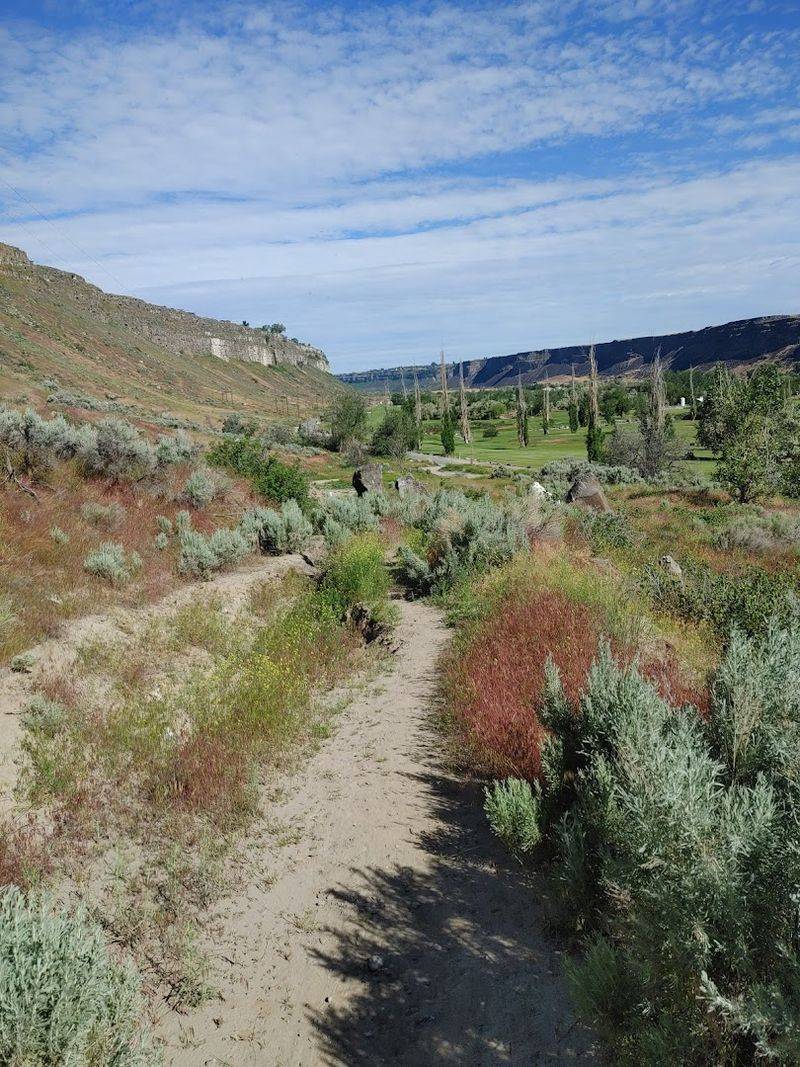
Waterfall spray turns Perrine Coulee Falls into one of Twin Falls’ most theatrical short hikes. Visit South Idaho describes Perrine Coulee Falls as a year-round waterfall in Twin Falls that drops almost 200 feet, with stronger summer flows and different beauty in every season.
The trail’s real magic comes from the chance to walk behind the falling water, placing a shimmering curtain between the canyon wall and the Snake River landscape beyond. Unlike longer mountain routes, this outing is short enough to fit into a broader Twin Falls day with Centennial Waterfront Park, Perrine Bridge viewpoints, or other canyon stops.
Comfortable shoes matter because rock, mist, and uneven sections can make footing slippery. Morning light can brighten the spray, while warmer months may make the water feel more refreshing than cold.
Give other visitors room behind the falls because the narrowest spots can bottleneck when the trail gets busy. Perrine Coulee works because it turns a casual walk into a sensory experience.
Sound, mist, height, and canyon views all arrive at once. For hikers who want a big moment without a brutal climb, this short Idaho trail delivers far more drama than its distance suggests.
9. Goldbug Hot Springs Trail
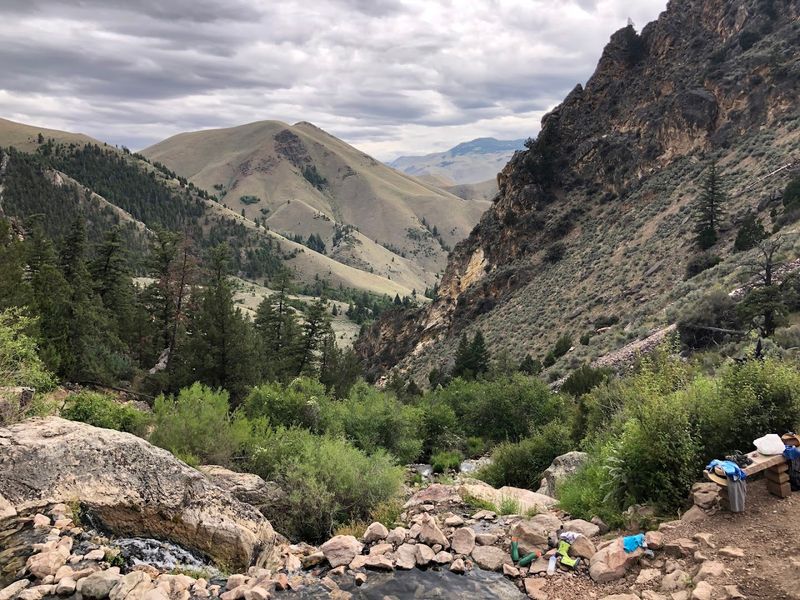
Warm pools above a mountain canyon make Goldbug Hot Springs one of Idaho’s most memorable hike-to-soak destinations. The Bureau of Land Management places Goldbug Hot Springs about 23 miles south of Salmon on Highway 93, with the trailhead reached by turning east south of Elk Bend and driving 0.3 miles on a county-maintained road.
Common trail descriptions put the hike at roughly 3.6 to 4 miles round trip, with a moderate climb and a steeper final push before the springs. The reward is a series of natural pools fed by warm water, set above open views and rocky canyon scenery.
Popularity is the main challenge. Weekends can feel crowded, so weekday mornings or shoulder-season visits offer a better chance at a calmer soak.
Bring water, pack out every bit of trash, respect other visitors, and be mindful that natural hot springs are fragile places rather than managed spa facilities. Water shoes can help around slippery rock.
Goldbug belongs on this list because it combines effort, scenery, and a rare reward at the end. The hike feels satisfying on its own, and the soak turns the whole outing into something distinctly Idaho.
10. Earl M. Hardy Box Canyon Springs Nature Preserve
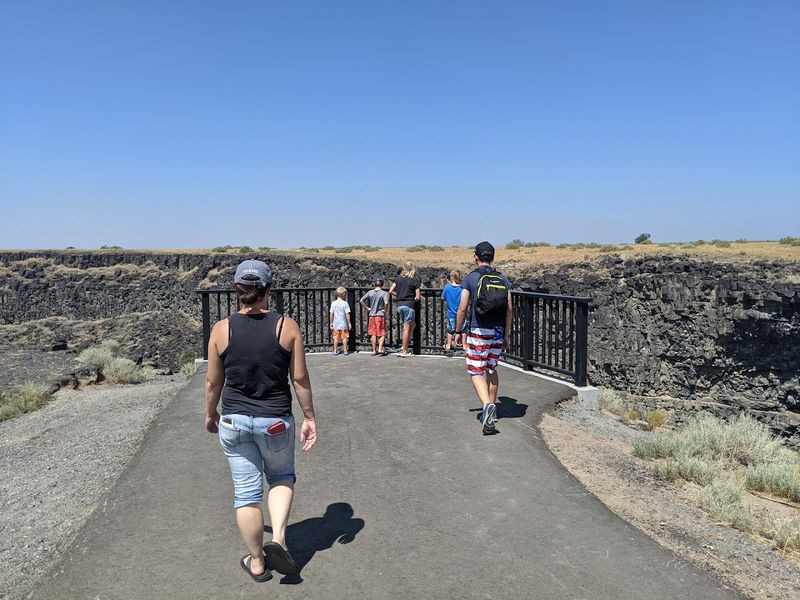
Electric-blue spring water gives Earl M. Hardy Box Canyon Springs Nature Preserve its unforgettable first impression.
Idaho Parks and Recreation lists Box Canyon as one of the year-round day-use units of Thousand Springs State Park, with day-use hours from 7 a.m. to 10 p.m. Visit South Idaho notes that Box Canyon is part of the Thousand Springs State Park network and has a vehicle fee, so arriving prepared makes the visit smoother.
The preserve protects a deep basalt canyon where powerful spring water creates a vivid blue-green stream below the rim. Hikers can enjoy overlooks from above or descend toward the water on routes that feel more rugged than the open landscape first suggests.
Shoes with good grip matter, especially on steeper or loose sections. This is southern Idaho geology at its most photogenic, with volcanic rock, clear water, canyon walls, and desert light all working together.
Box Canyon often feels less crowded than Idaho’s most famous waterfalls, which makes the color and scale feel even more startling. The hike belongs on this list because it offers a completely different kind of beauty than alpine lakes or summit views.
Here, the wonder comes from water rising out of the earth.