This Otherworldly Idaho Monument Looks Like A Trip To Another Planet
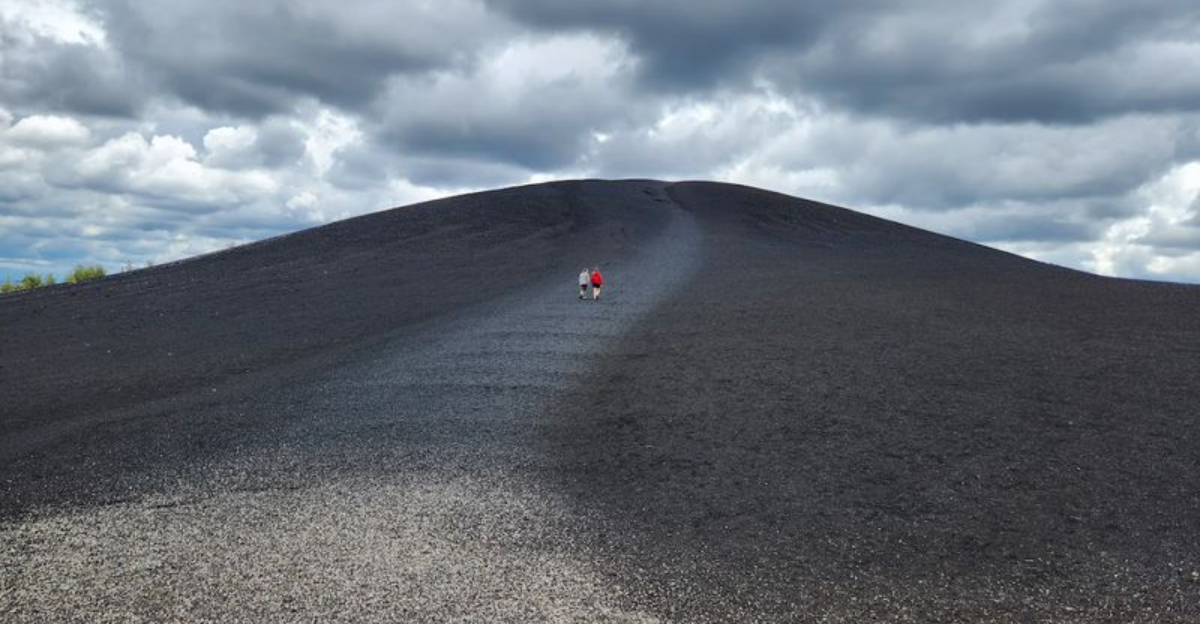
First reaction to this place is usually pure disbelief, like Idaho somehow forgot to mention it had a whole other planet tucked inside its borders.
Miles of black lava and strange volcanic shapes make the landscape look so wildly unreal that even the drive there starts feeling like the setup to a joke.
NASA trained here, which honestly sounds like the universe confirming that this place is weird in the most spectacular way possible.
A stop like this does not just surprise people, it makes them stare for a second and wonder whether they accidentally took a wrong turn onto Mars.
Earth’s Giant Crack
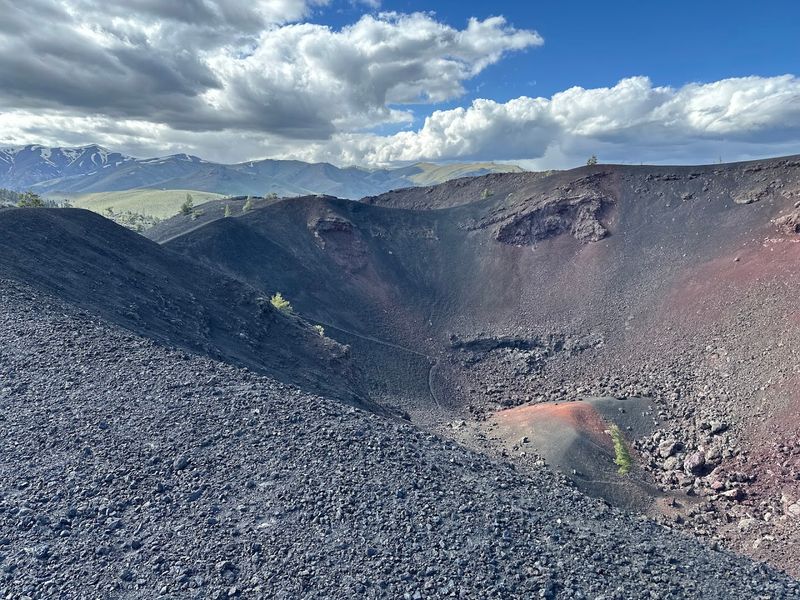
Stretching across the Idaho landscape like a scar left by some ancient force, the Great Rift is the geological heartbeat of Craters of the Moon. This massive crack in the Earth’s crust runs between 52 and 62 miles long, depending on which federal agency you ask, making it one of the most significant volcanic rift zones in the entire country.
Molten rock once surged through this rift over thousands of years, slowly building the dramatic lava fields visitors walk across today. Standing near the rift, you can almost feel the raw power that shaped this corner of Idaho so completely.
What makes it especially fascinating is how well-preserved the whole thing is. Scientists and curious travelers alike come here to study features that look like they formed yesterday rather than thousands of years ago.
The Great Rift is not just a crack in the ground. It is a living record of volcanic history written in basalt, open for anyone willing to explore it up close.
Lava Fields That Stretch Forever
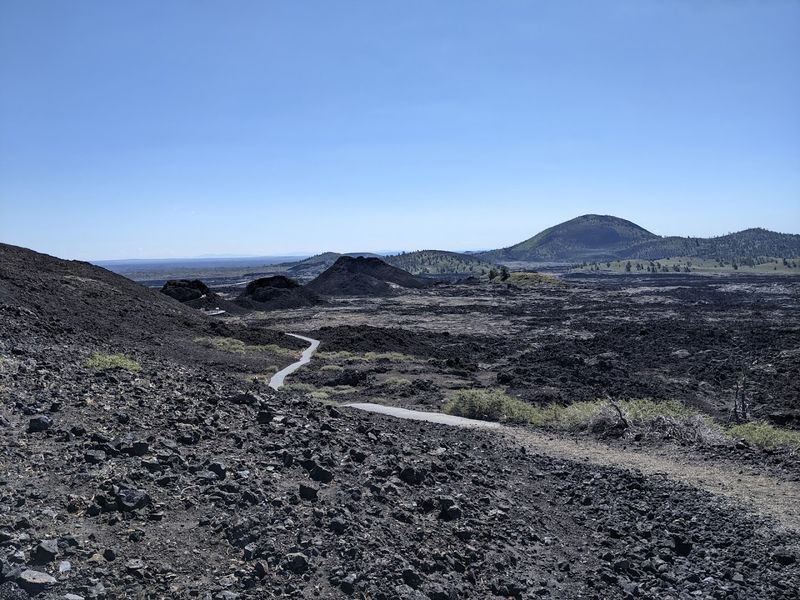
Black rock is the first thing people remember, and there is a lot of it. National Park Service geology pages say the Craters of the Moon lava field grew to cover 618 square miles, or about 1,600 square kilometers, making the monument’s volcanic spread feel much larger than a normal park stop.
Park materials also explain that two main lava types dominate the scenery: pahoehoe, which forms smoother and ropier surfaces, and ʻaʻā, which cools into rougher, sharper, more broken terrain. Seeing both in one visit helps explain why the monument never feels visually flat even when the color palette stays mostly dark.
Smooth, twisted, cracked, jagged, and piled-up surfaces keep changing the texture of the view. Open horizons add to the effect by giving the lava room to keep going visually far beyond the first pullout or trailhead.
Idaho has forests, rivers, and mountains that soften a landscape quickly. Craters of the Moon does the opposite.
It strips things down to rock, sky, and scale until the place stops feeling scenic in the usual sense and starts feeling genuinely alien.
Cinder Cones Worth The Climb
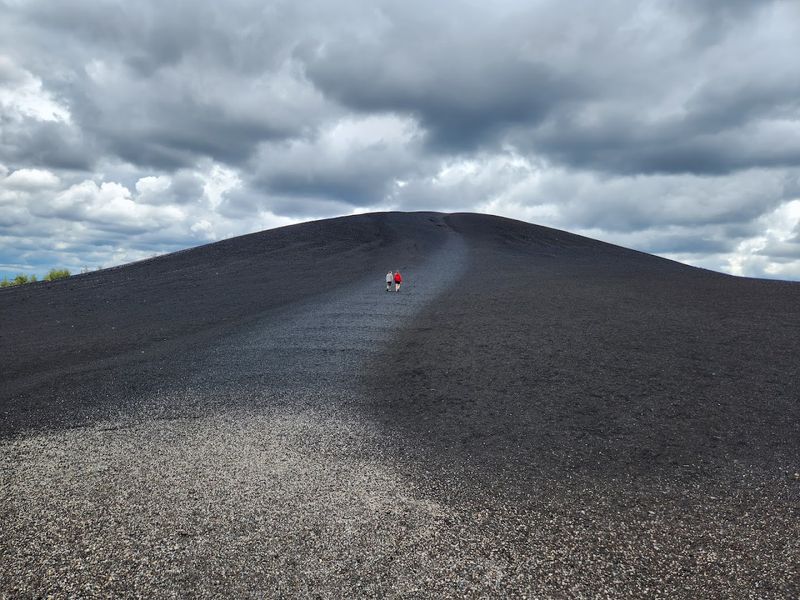
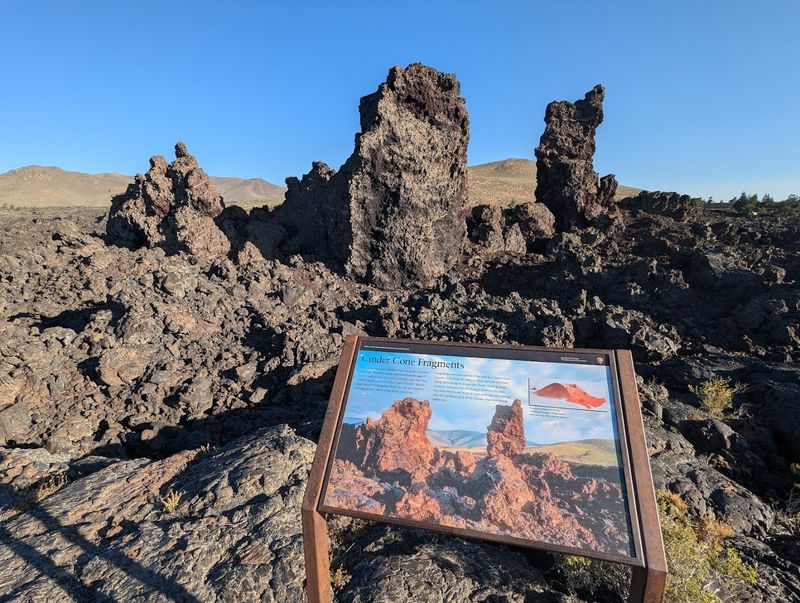
Sharp rises in the middle of all that black rock give the monument some of its most memorable overlooks. Inferno Cone is the best-known example, and National Park Service trip-planning materials continue to highlight it as one of the monument’s signature short climbs along the loop road.
Cinder cones matter here because they break the broad lava field into vertical drama. Instead of only looking across the volcanic landscape, visitors get the chance to look over it and understand how the pieces fit together.
Inferno Cone’s summit provides one of the clearest chances to see lava flows, fissures, cinder cones, and the wider shape of the Great Rift in one sweep. Loose footing and a steep grade make the climb feel harder than the mileage might suggest, so sturdy shoes and water are both wise.
Still, payoff comes quickly once the top is reached. Most Idaho overlooks reward visitors with mountains, rivers, or forests.
This one gives back a volcanic panorama so dark and strange that it almost feels like a geology diagram somebody enlarged into real life. Few short hikes offer a weirder or more satisfying summit.
Lava Tubes, Underground Wonders
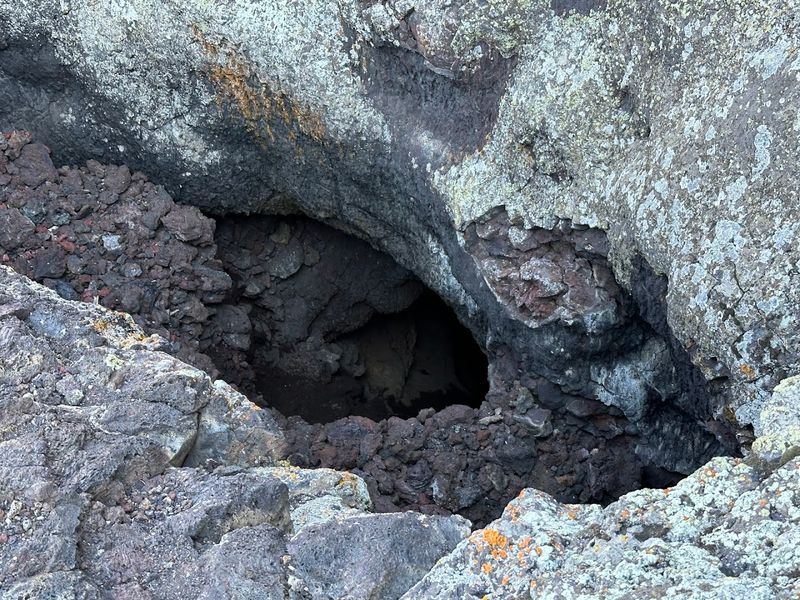
Underground space changes the visit completely. Current park conditions say Indian Tunnel and Dewdrop Cave are seasonally closed until June due to ice and snow, and the National Park Service also notes that when the caves reopen, a free cave permit is required and available only in person at the visitor center during business hours.
Those details matter because the monument’s lava tubes are one of its biggest draws, and they require more planning than a roadside pullout. Lava tubes form when the outer layer of a lava flow hardens while molten lava continues moving beneath it, eventually draining away and leaving a tunnel.
Inside, heat drops, light disappears quickly, and the monument’s surface drama turns into something darker and quieter. Indian Tunnel is especially popular because of its size and accessibility once open, but every cave visit here depends on conditions and the current bat-protection permit system.
Surface geology is impressive enough on its own. Add underground passageways formed by old lava flows, and the monument starts feeling even less like Idaho as most people imagine it and more like someplace Earth accidentally hid from itself.
NASA’s Favorite Training Ground
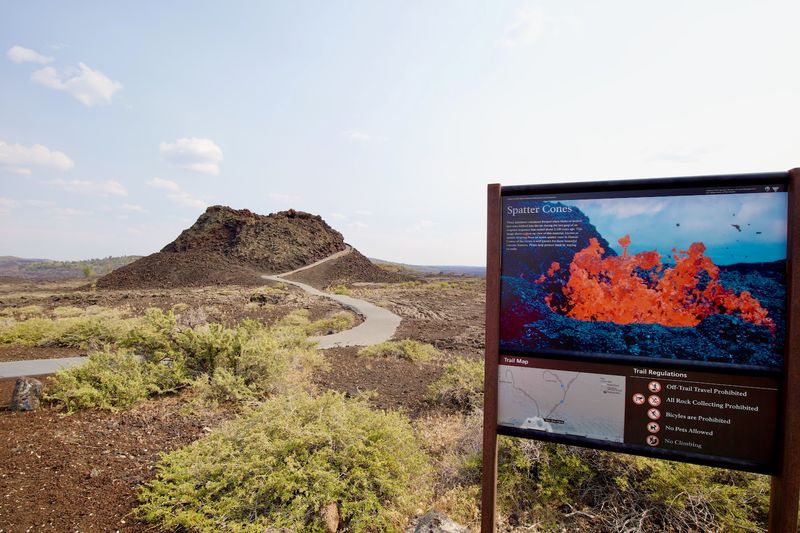
Space comparisons here are not just travel-writer exaggeration. National Park Service history pages say Craters of the Moon has served as a NASA space exploration research site and astronaut training site for more than 50 years.
One official park page specifically notes that the monument provided essential field training for Apollo 14 astronauts, while another explains that in 1969 four Apollo astronauts visited to study volcanic geology in preparation for collecting rock samples on the Moon. That history changes how the place feels once visitors know it.
Strange cones, fractured lava, and broad black surfaces stop seeming merely dramatic and start reading as genuinely useful analog terrain for lunar and planetary exploration. NASA did not choose the site because it was vaguely weird.
Researchers and astronauts used it because the volcanic landscape could teach them something relevant about navigating and studying another world. Very few American road-trip stops can claim that kind of connection with a straight face.
Idaho may not be the first state people associate with space exploration, but Craters of the Moon closes that gap instantly. A monument already impressive as scenery becomes even more compelling once its role as a training ground for thinking beyond Earth enters the picture.
The 7-Mile Loop Road Experience
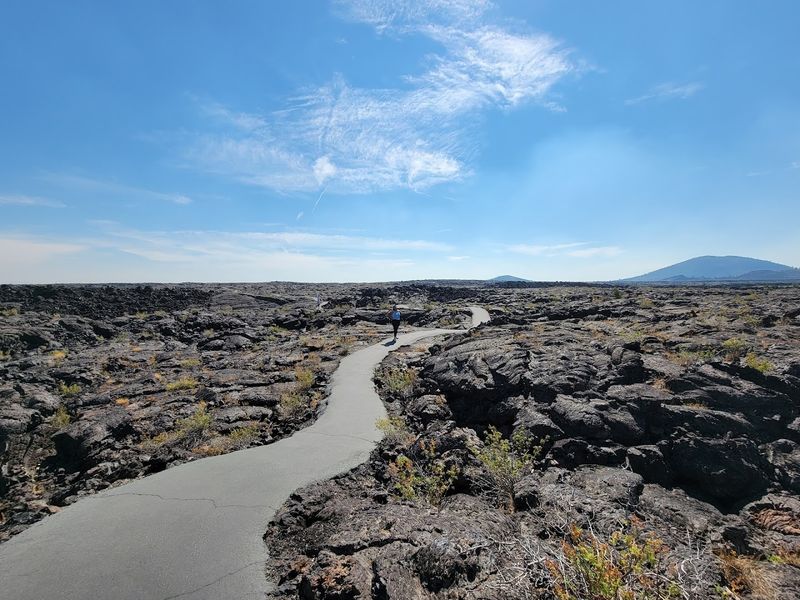
Not every visitor needs to tackle long trails to understand the monument. Current National Park Service conditions say the majority of the 7-mile Loop Road is open to vehicles, with the exception of the short spur road to the caves while cave access remains seasonally closed.
That one line is useful because it explains how accessible the monument can still be even when not every feature is available. Pullouts, overlooks, trailheads, and interpretive stops along the loop create a visit that can be scaled up or down depending on time, weather, and energy.
Some travelers will use the drive as the framework for a deeper hiking day. Others will rely on it as the main experience and still come away feeling like they saw something extraordinary.
Craters of the Moon benefits from that flexibility because the landscape is visually strong enough to impress even through a windshield and a handful of carefully chosen stops. Morning remains the smartest time in warmer months, since exposed lava heats up fast and the monument offers very little shade.
Few scenic drives in Idaho trade mountain curves for black volcanic surrealism this successfully.
Sky Views From Volcanic Terrain
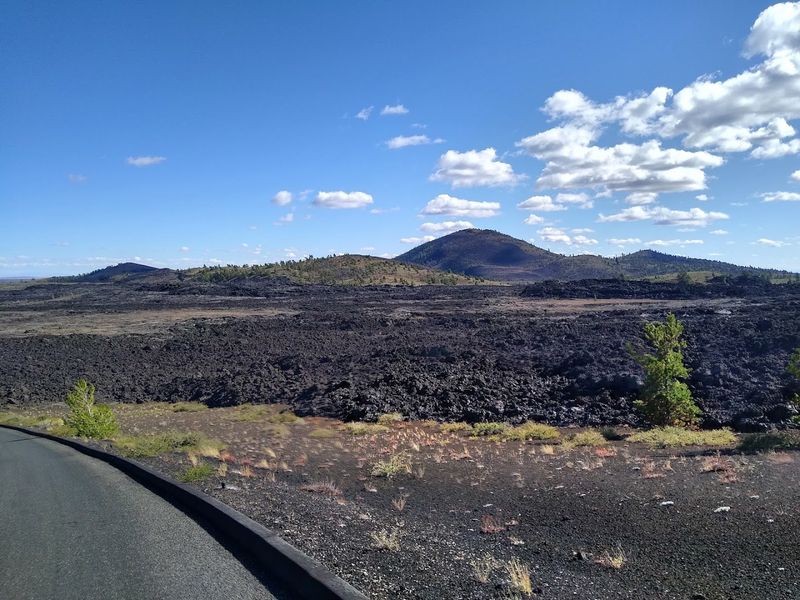
Night changes the monument again. National Park Service event pages continue to promote ranger-led and partner-led astronomy programs such as June star parties, held under what the park itself describes as naturally dark skies.
That matters because the volcanic terrain already feels unearthly in daylight, and darkness pushes the place even further into the surreal. Lava fields absorb light instead of reflecting it, horizons open widely, and city glow stays far enough away that the sky can take over in a way many modern travelers rarely experience.
Lying back on ancient basalt while watching stars appear is not a side detail here. It is one of the strongest ways to understand why the monument unsettles and fascinates people so quickly.
Daytime proves the landscape looks like another planet. Night adds the overhead reminder that other worlds are not very far away at all in the imagination.
Temperatures can drop quickly after sunset, so extra layers matter even in warmer seasons. Idaho has many beautiful skies, but few places pair darkness and geology this effectively.
Volcanic rock below and a bright, deep sky above make the monument feel almost too perfectly staged to be real.
Wildlife Hiding In Plain Sight
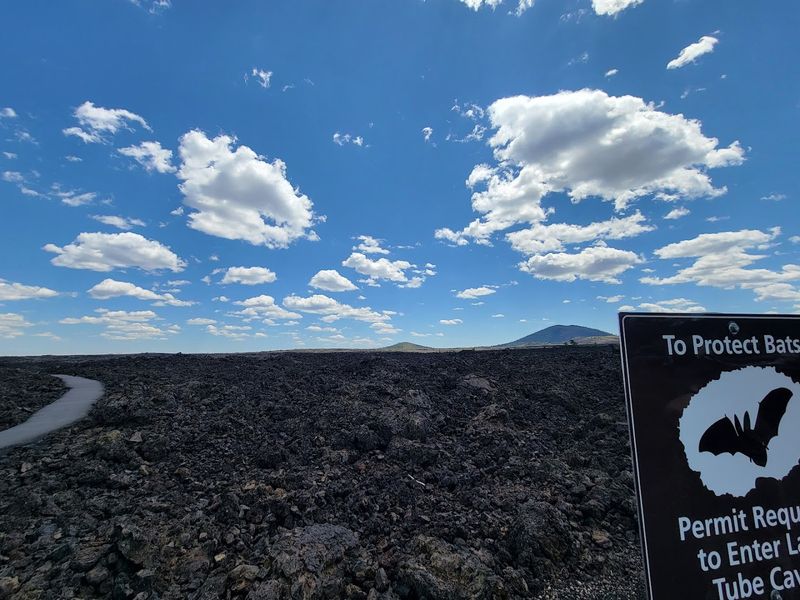
At first glance, the monument can look too harsh to support much life. National Park Service nature materials and park guides tell a more interesting story.
Sagebrush, rabbitbrush, bitterbrush, grasses, and cracks within the lava all help create pockets of habitat, and visitor materials continue to emphasize that wildlife survives here in ways many people do not initially expect. Open terrain gives raptors plenty of room overhead, while smaller mammals use fissures, shade, and rock gaps for cover.
Seeing movement among the lava almost always changes a visitor’s relationship with the place. What looked barren suddenly feels intricate.
What seemed purely geological starts revealing itself as ecological too. That shift is one of the monument’s quieter rewards.
Not everything dramatic here comes from the rock itself. Life finding a way through fractured basalt is part of the wonder as well.
Binoculars are helpful, but slowing down helps even more. Fast-moving visitors tend to absorb only the monument’s shock value.
Patient ones start to notice that the same terrain which first looked impossible is also supporting plants and animals in clever, durable ways. On a landscape this alien, ordinary survival becomes its own impressive spectacle.
Plan Your 2026 Visit Right
Up-to-date planning matters here because conditions can shift with season, weather, and cave access. National Park Service pages list the monument’s address as 1266 Craters Loop Road, Arco, ID 83213, and current conditions note that caves remain closed until June due to hazardous ice and snow while the majority of the loop road stays open.
Park materials also confirm that cave permits, once caves reopen, are free but must be obtained in person at the visitor center during business hours. Public FAQ and trip-planning resources make clear that the monument sits along U.S. 20/26/93 between Arco and Carey, which helps set expectations for distance and services.
Bringing water, sun protection, and sturdy footwear is not optional here. Shade is scarce, heat builds quickly on dark lava, and even short walks can feel more intense than the mileage suggests.
Early arrival is usually the smartest move in warmer months, especially for Inferno Cone and the caves area once open. Craters of the Moon rewards preparation because the place is not trying to behave like a relaxed roadside scenic stop.
It is stranger, harsher, and much more memorable than that, which is exactly the point.