The Fascinating Automobile Museum In Nebraska You’ve Probably Never Visited
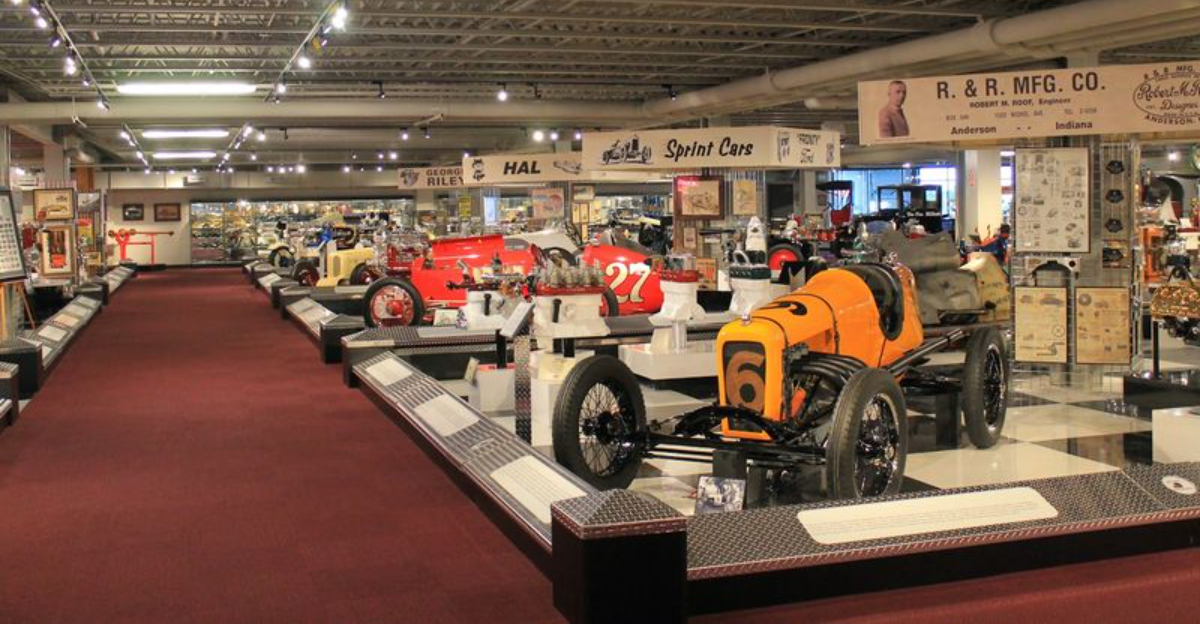
Engines have a way of making history louder.
Chrome catches the eye. Old race cars pull people closer. A quiet museum visit suddenly starts feeling like a pit stop through another era.
Nebraska has an automobile museum that turns horsepower into pure curiosity. Every room gives car lovers a new reason to slow down.
Vintage machines do not just sit there looking polished. They carry stories about speed, invention, risk, and obsession.
One display can make a casual visitor care about racing history faster than expected. Another can send longtime gearheads straight into detail-hunting mode.
Nothing feels flat when the collection has this much personality.
A Museum Built On Six Decades Of Racing Passion
Not every museum starts with a personal obsession, but this one did.
The Museum of American Speed was founded in 1992 by Bill and Joyce Smith, who also built Speedway Motors into one of the most respected performance parts companies in the country.
Their six decades of hands-on involvement in racing and hot rodding gave them something most museum founders never have: a genuine, lived-in connection to everything on display.
The facility sits at 599 Oakcreek Drive, Lincoln, NE 68528, and operates Tuesday through Saturday from 10 a.m. to 4:30 p.m., with the museum closed on Sundays.
From the outside, the building looks large but understated, giving little hint of the jaw-dropping scope waiting inside.
The mission here is specific and serious: to present a continuous chronology of automotive racing engines and speed equipment development from the earliest days of American motorsport to the present.
That focused purpose shapes every exhibit, every display case, and every restored vehicle on the floor.
Visitors tend to walk in expecting a modest regional collection and walk out genuinely stunned by the depth and quality of what they just experienced.
Three Floors That Could Easily Fill An Entire Day
Walking through the front doors and realizing the museum spans three full floors is the moment most visitors understand they underestimated this place.
The building covers more than 150,000 square feet, with a recent expansion pushing the total display space well past 200,000 square feet, making it one of the largest automobile museums in the entire country.
All three floors are open for self-guided touring, and a printed map is available to help visitors navigate the space without feeling overwhelmed.
Benches are placed throughout the building so visitors who need to rest can take a break without missing out on nearby displays.
Weekday guided tours are offered at 1 p.m. and provide a more structured way to experience the highlights, especially for those visiting for the first time.
Saturday visits are self-guided unless a group arranges a guided tour in advance.
Planning ahead matters here because the sheer volume of things to see means that rushing through even one floor leaves a lot behind.
Most visitors report spending three to four hours and still feeling like they could have stayed longer.
A Collection With Serious National Recognition
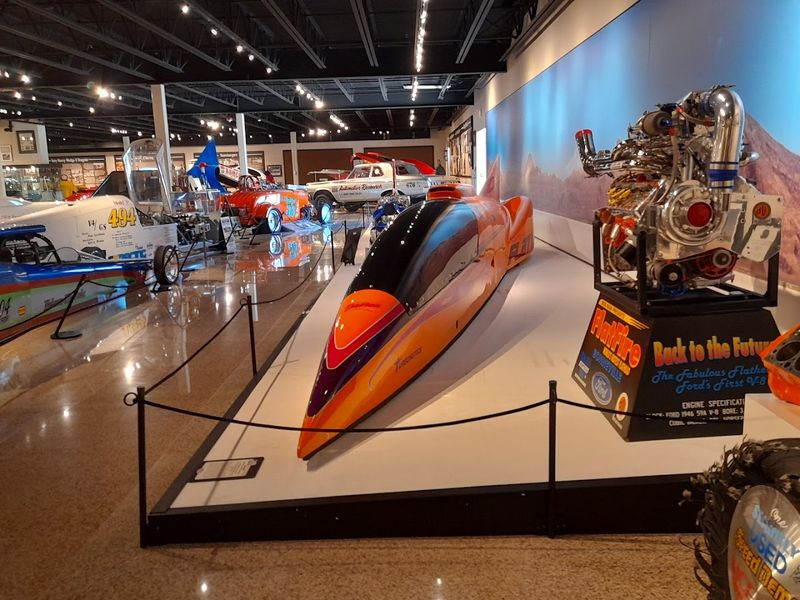
Beyond its size, the Museum of American Speed has earned attention because it preserves pieces tied to major names, builders, and turning points in American performance history.
The collection does not only show finished vehicles after they became famous; it also gives space to parts, tools, designs, and racing innovations that explain how speed culture was built piece by piece.
That makes the museum feel less like a showroom and more like a working archive of American ingenuity.
Visitors can trace how backyard experimentation, professional racing, custom fabrication, and mechanical problem-solving all shaped the machines people still admire today.
Every display adds another layer to the story, showing how cars became more than transportation. They became identity, competition, craftsmanship, and obsession.
For Nebraska travelers, that depth is what makes the stop feel so unexpected.
Lincoln may not be the first place many people associate with nationally important automotive history, yet this museum proves the state has one of the country’s most fascinating collections hiding in plain sight.
The World’s Largest Collection Of Historic Racing Engines
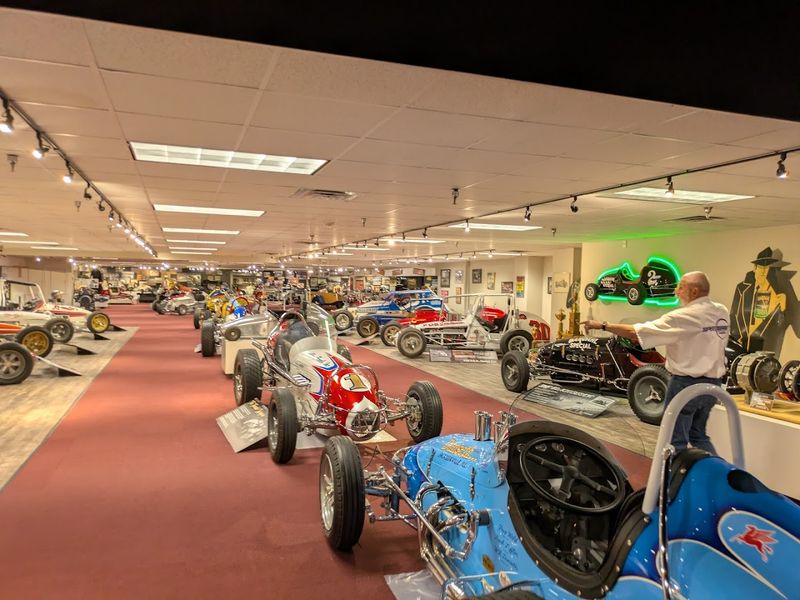
Few things in the automotive world carry as much mechanical drama as a racing engine, and the Museum of American Speed holds what is widely recognized as the world’s largest collection of exotic and historic American racing engines.
The range is extraordinary, stretching from hand-built powerplants of the early 1900s all the way through modern high-performance units.
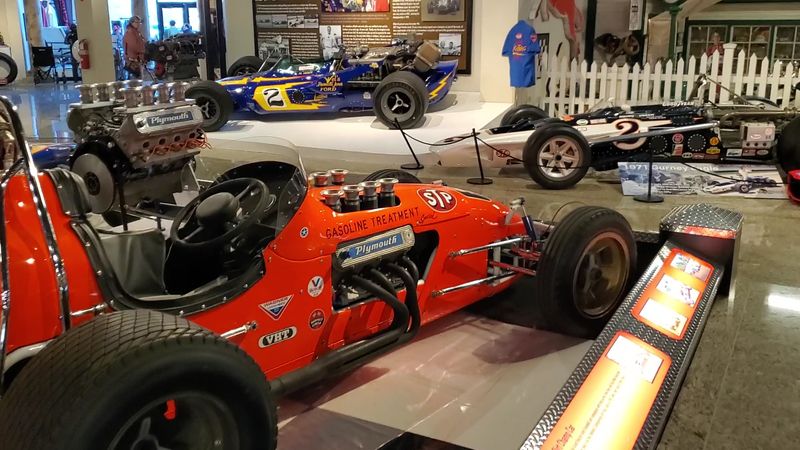
Among the most celebrated pieces are the Miller and Offenhauser engines, two names that defined American open-wheel racing for decades.
Seeing them up close reveals a level of craftsmanship that photographs simply cannot capture.
The machining, the proportions, and the sheer ingenuity packed into each unit make them feel more like sculpture than machinery.
For visitors who are not deeply technical, the displays are organized in a way that provides context without requiring an engineering background.
Labels and supporting information explain what each engine accomplished, which races it powered, and why it mattered in the larger story of American motorsport.
Engine enthusiasts could spend hours on this section alone, studying the evolution of power and performance across more than a century of racing history.
Rare And Iconic Vehicles That Shaped American Racing
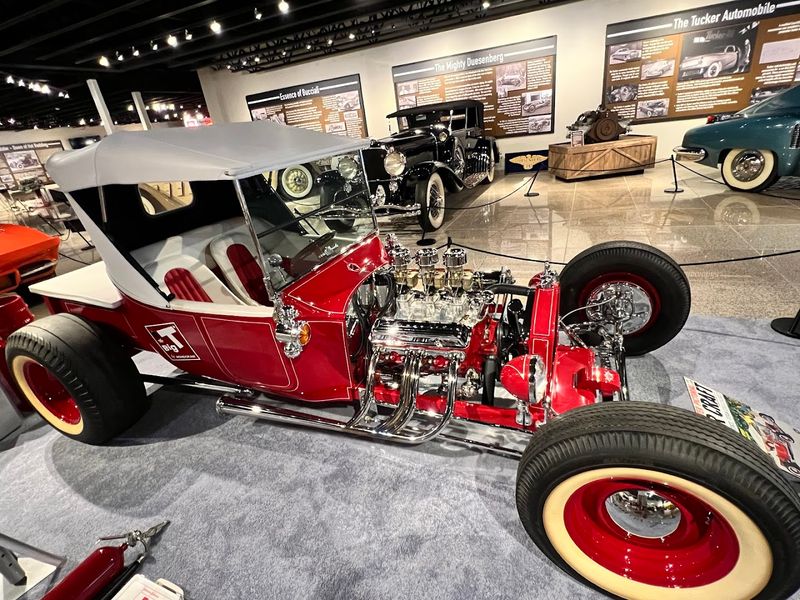
The vehicle collection at the Museum of American Speed reads like a wish list for any serious automotive historian.
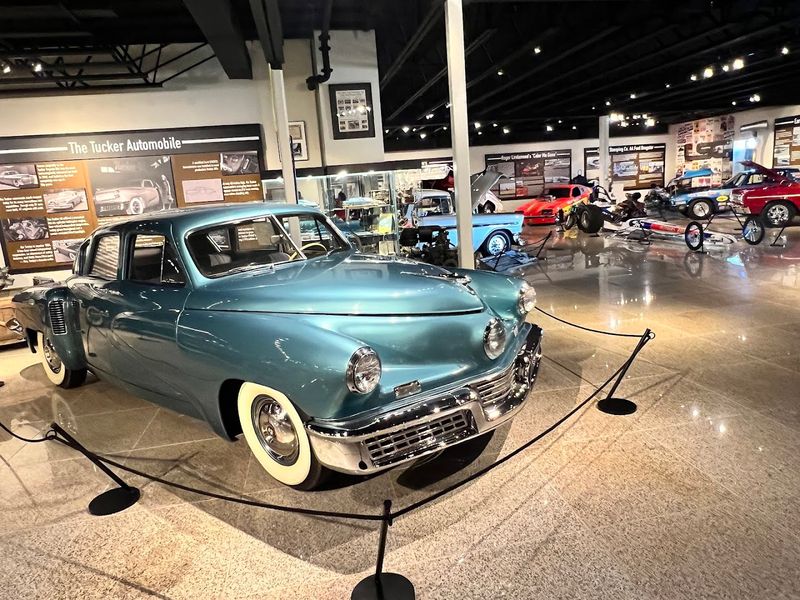
A 1914 Cornelian once driven by Louis Chevrolet sits alongside a 1935 Miller-Ford Indy car, a 1920 Ford Model T believed to be the oldest surviving hot rod, one of the rare Tucker automobiles ever built, a 1930 Model J Duesenberg, and a 1937 Hudson Terraplane pickup.
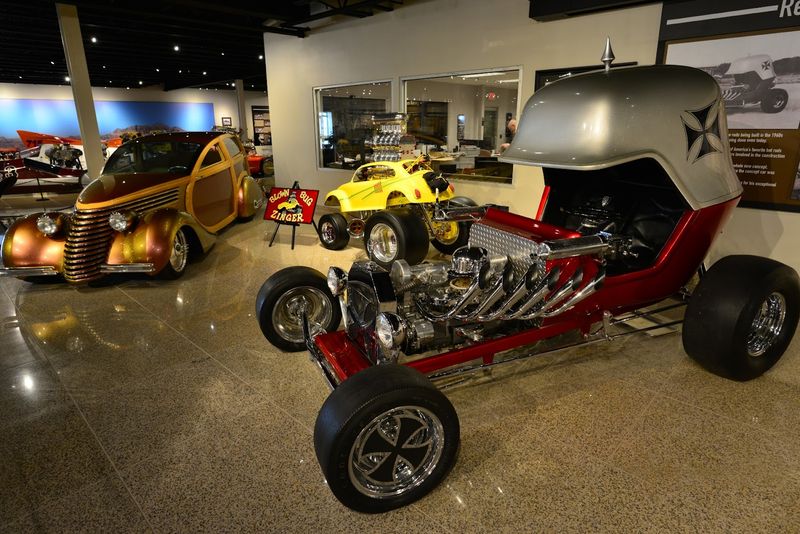
Custom car culture gets its own spotlight through pieces like Chuck Miller’s Red Baron, Ed Roth’s Outlaw, and the Boothill Express, which is an 1850s horse-drawn hearse converted into a drag racing machine.
Each vehicle carries a story that goes well beyond its sheet metal and chrome.
The Icons of Speed dioramas celebrate the legacies of influential figures in motorsport history, adding a storytelling layer that keeps the exhibits from feeling like a simple parking lot of old cars.
A Music Room adorned with autographed guitars adds a surprising cultural angle to the collection.
Every corner of the vehicle displays offers something unexpected, which keeps the energy of the visit fresh from one end of the floor to the other.
The Unser Racing Collection And The Vault
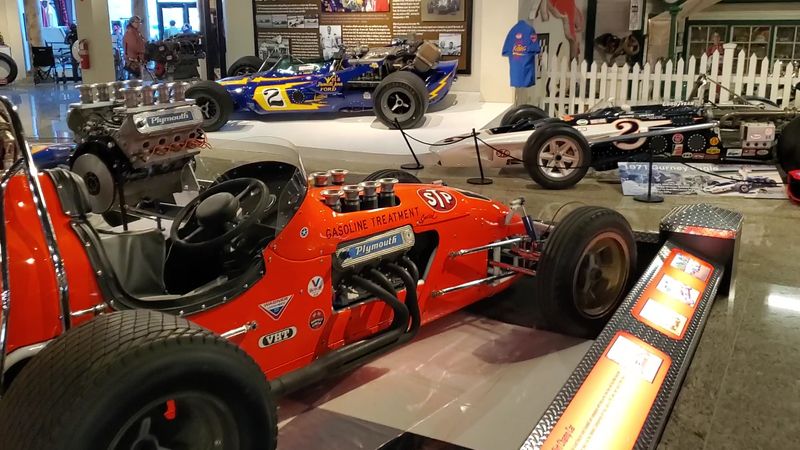
In 2023, the Museum of American Speed merged with the Unser Racing Museum, bringing one of the most celebrated families in American motorsport history directly into the collection.
The Unser display includes Al Unser Sr.’s Johnny Lightning Special and Bobby Unser’s Gurney Eagle, along with decades of family awards, racing suits, and personal memorabilia that paint a vivid picture of a dynasty built on speed.
The Unser Vault is a particularly compelling section, open on weekdays from 12 p.m. to 2 p.m. and housing the family’s most significant and valuable artifacts.
Seeing 45 cars connected to the Unser legacy in one place creates a sense of scale that feels almost cinematic.
What makes this exhibit resonate beyond the hardware is the human element.
The displays trace not just race wins but the family’s relationships, sacrifices, and contributions to the sport over multiple generations.
For visitors who grew up watching open-wheel racing, spending time in this section tends to feel genuinely moving rather than simply informative.
The merger strengthened the museum’s already impressive credentials and gave the Unser story a permanent, respectful home worth traveling to see.
Pedal Cars, Lunch Boxes, And The Unexpected Treasures
Somewhere between the Indy cars and the racing engines, the Museum of American Speed reveals a completely different side of automotive culture.
The museum holds what is recognized as the world’s largest collection of pedal cars on permanent display, with hundreds of miniature vehicles including cars, bicycles, boats, airplanes, and tractors arranged in colorful, densely packed rows that delight visitors of all ages.
Beyond the pedal cars, the collection includes vintage metal lunch boxes, movie posters, antique car parts, and automotive memorabilia spanning decades of American popular culture.
These items might seem like curiosities at first, but they tell a surprisingly rich story about how deeply cars worked their way into everyday American life.
Autographed guitars hang in the Music Room, adding a rock-and-roll edge that feels perfectly at home in a museum dedicated to speed and personality.
The variety of objects on display means that even visitors with little interest in racing engines tend to find something that genuinely catches their attention.
Children especially respond to the pedal car section, and the broader memorabilia displays give families a shared experience that works for every age group in the group.
Planning A Visit That Actually Does The Museum Justice
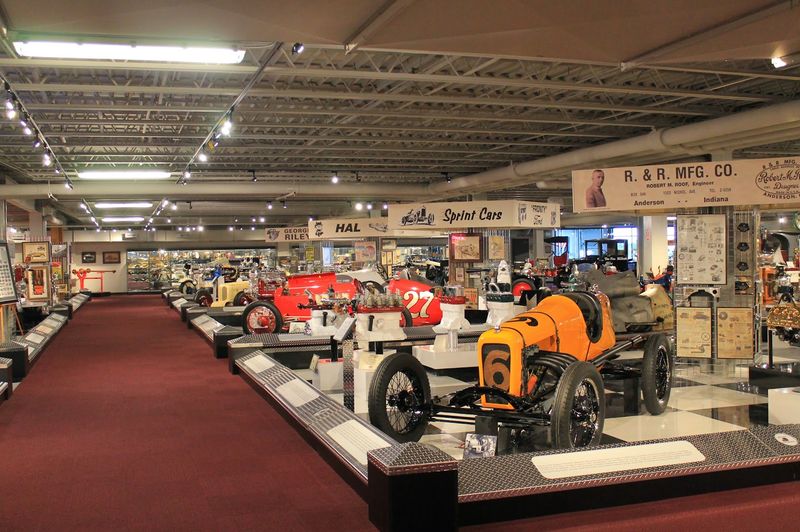
Arriving early is the single most practical piece of advice for anyone planning a visit to the Museum of American Speed.
The museum opens at 10 a.m. Tuesday through Saturday, and the Saturday closing time of 1 p.m. catches many visitors off guard, leaving them rushing through the upper floors when they had planned to linger.
Mobility accommodations are available, including motorized scooters offered at no additional cost for visitors who need them.
The building is clean, well-lit, and organized with clear pathways, and benches placed throughout the exhibit floors make it possible to pace a visit comfortably without pushing through fatigue.
Guided weekday tours at 1 p.m. are worth considering for first-time visitors who want context alongside the visuals.
A gift shop is available for those who want to take something home.
Phone inquiries can be directed to the museum at 402-323-3166, and additional planning information is available at museumofamericanspeed.org. Building in at least three to four hours gives the visit enough room to breathe properly.