The Gorgeous Historic Town In Idaho That’s Straight Out Of A Hallmark Movie
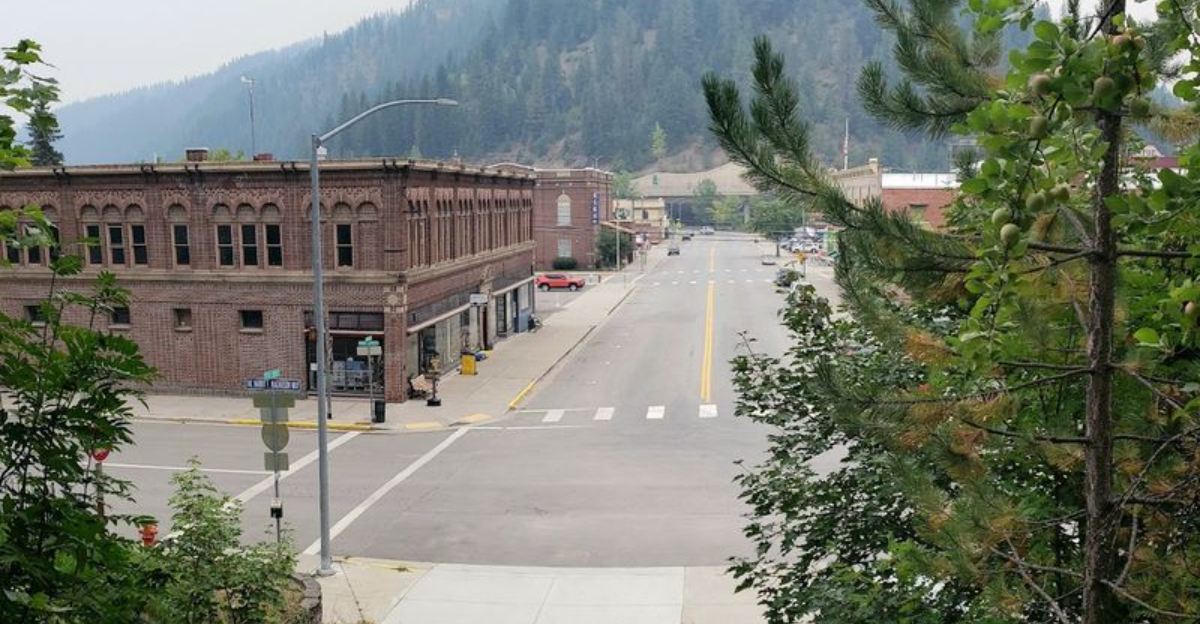
Movie-set towns usually try too hard.
Northern Idaho has one that just stands there in a mountain valley looking unfairly charming, like it knows every brick building has better screen presence than most travel brochures.
Downtown carries real historic weight, with the entire district listed on the National Register of Historic Places, so the pretty streets are not just posing for photos.
Anyone craving a slow, storybook escape will find plenty to love here, especially if “just walking around for a minute” usually turns into checking café windows, admiring old facades, and wondering whether moving to a former mining town is a reasonable personality change.
The Historic Downtown Streetscape
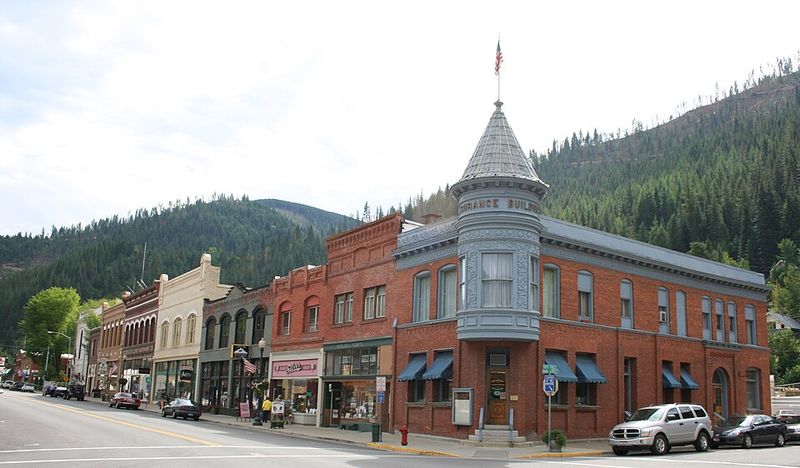
Walking through downtown Wallace feels like stepping into a scene that was carefully designed for the big screen. The rows of brick buildings, original facades, and vintage storefronts create a streetscape so well-preserved it is hard to believe it is a real, living town.
Located at 620 Bank St, Wallace, ID 83873, the heart of downtown sits within a compact and completely walkable historic core.
What makes this place stand out from other small towns is the fact that the entire downtown district is listed on the National Register of Historic Places. That rare distinction means the buildings you see today look very much like they did over a century ago.
Idaho does not have many towns that can claim that level of historic integrity, which makes Wallace genuinely one of a kind.
Strolling the sidewalks here, you will notice details that most modern towns have lost, like ornate cornices, hand-painted signs, and old wooden doorways. The compact layout means everything is within easy walking distance.
Visitors often say the town feels like a film set, but the warmth and authenticity here are completely real and deeply rooted in community pride.
The Center Of The Universe
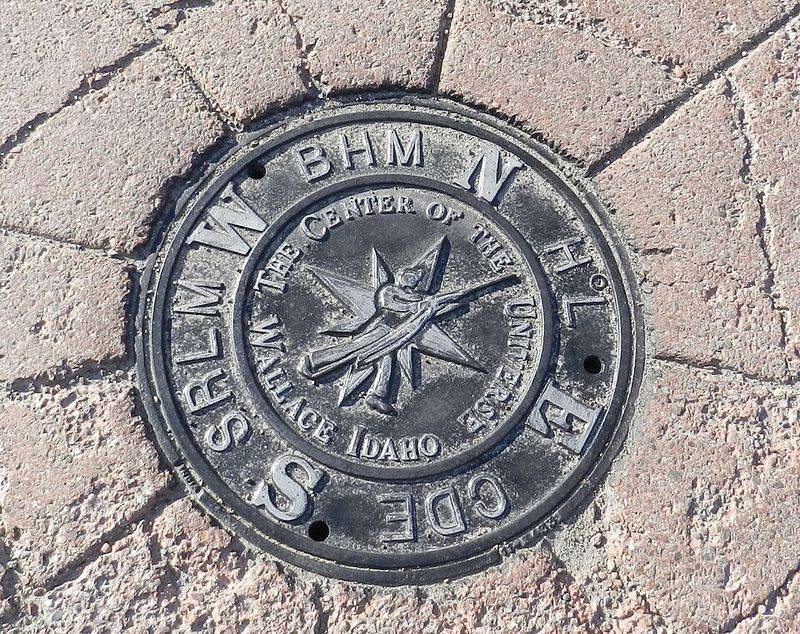
Playful confidence gives Wallace one of Idaho’s funniest roadside claims. In 2004, the city officially proclaimed itself the Center of the Universe, and a specially marked manhole cover downtown now marks the spot where visitors stop, laugh, and take the required photo.
Visit Idaho explains the logic behind the joke perfectly: since the claim cannot be disproven, Wallace decided it could make the declaration. That kind of humor says a lot about the town.
Wallace takes preservation, mining history, and community identity seriously, but it never lets the seriousness flatten its personality. The marker is small, easy to miss if no one points it out, and somehow more charming because of that.
Standing there gives travelers a quick, silly ritual that breaks up the museum stops and historic architecture. It also captures the town’s stubborn, witty spirit, especially because the declaration grew from a place that has spent decades defending its identity.
Plenty of small towns have pretty storefronts. Wallace adds a wink.
That mix of genuine history and offbeat self-confidence makes the whole place feel more memorable than a polished mountain village with no sense of humor.
Silver Valley Mining Heritage
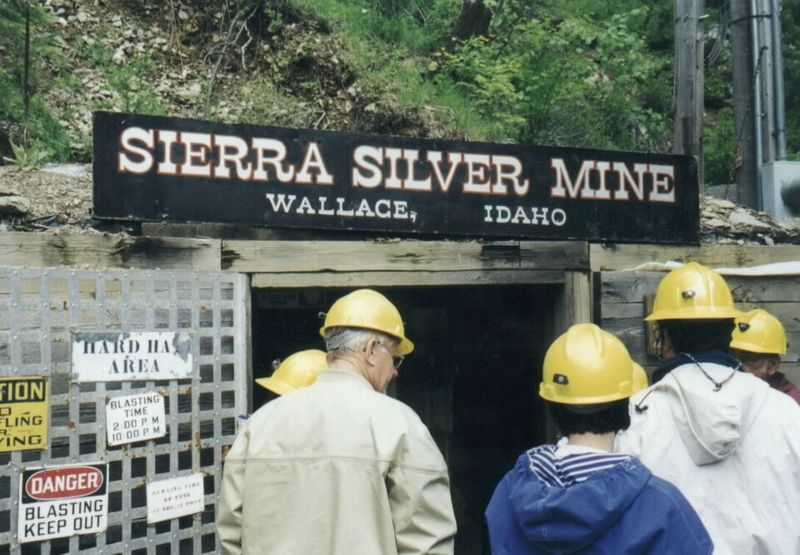
Silver, lead, zinc, and gold shaped Wallace long before weekend travelers started arriving with cameras. The Silver Valley became one of the most important mining regions in the country, and Wallace still carries that industrial story through museums, tours, preserved buildings, and local identity.
Visit North Idaho describes the Wallace District Mining Museum as celebrating more than 130 years of silver, lead, zinc, and gold production in the largest silver-producing mining district in the world, with Historic Wallace positioned as its capital. Sierra Silver Mine Tour adds another direct way to understand the work behind the town, taking visitors underground with retired miners who explain hard-rock mining in the Coeur d’Alene Mining District.
That context matters because Wallace’s charm was not built out of decoration. Miners, families, railroads, businesses, and boom-and-bust cycles all gave the town its shape.
Walking downtown after learning the mining story makes the buildings feel more grounded. The pretty facades become evidence of a hard-working place that produced enormous wealth, endured upheaval, and managed to preserve a strong local character through it all.
The Wallace District Mining Museum
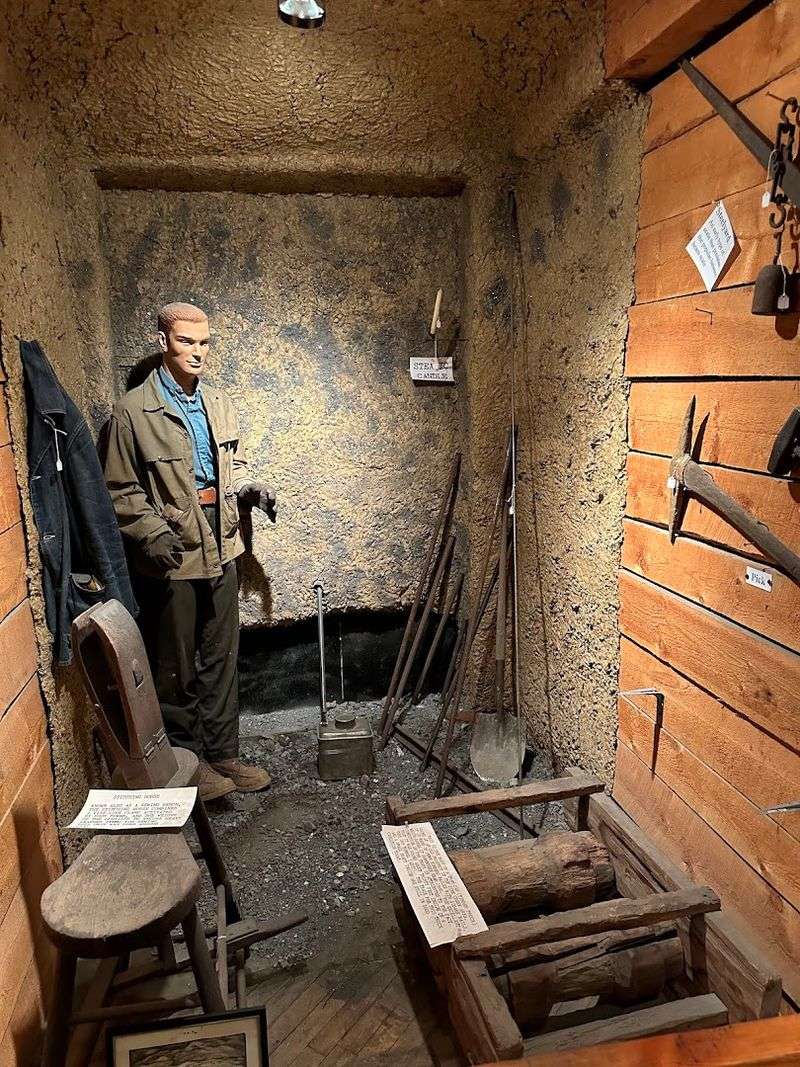
Curiosity has plenty to work with at the Wallace District Mining Museum. Located downtown, the museum focuses on the Coeur d’Alene Mining District and the Silver Valley, giving visitors a clearer picture of the industry that built Wallace.
Visit Idaho lists more than 50 exhibits, over 5,000 photos and maps, and a one-of-a-kind mock mine experience, which makes the museum useful for both serious history fans and casual travelers who want a quick but meaningful introduction. Displays cover mining methods, equipment, local communities, labor, disasters, and the broader regional story behind the town’s reputation.
That variety helps the museum avoid feeling like a room full of static objects. Instead, it turns Wallace’s history into something easier to imagine.
Families can move through visual exhibits without getting buried in technical detail, while adults interested in regional history will find enough depth to linger. The museum also works well as an early stop because it changes how the rest of town looks afterward.
Storefronts, hillsides, rail corridors, and old buildings all make more sense once the mining world behind them comes into focus.
Outdoor Adventures In The Mountains
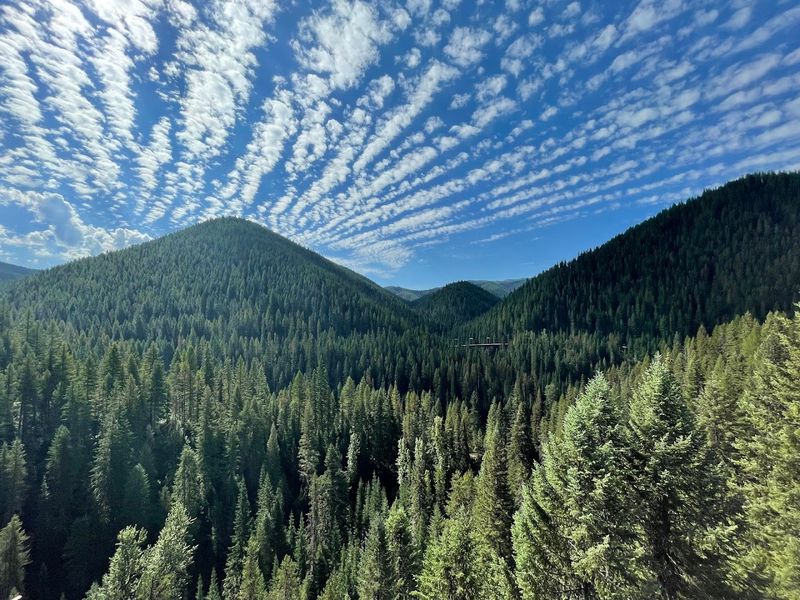
Mountain scenery keeps Wallace from being only a history trip. Forested slopes rise around the valley, and outdoor options sit close enough to turn a downtown weekend into a full adventure.
Route of the Hiawatha is one of the major draws near Wallace, with Visit Idaho describing it as a celebrated rail-to-trail route featuring ten tunnels, including the 1.6-mile St. Paul Pass Tunnel, and seven high trestle bridges. Lookout Pass Ski Area adds winter appeal near the Idaho-Montana state line, with official information listing more than 1,000 skiable acres, dozens of trails, and a long-running family-friendly reputation.
That year-round recreation gives Wallace a practical advantage over towns that are charming for only an afternoon. Summer visitors can bike, hike, or explore forest roads, while winter travelers can plan a ski day and return to a historic downtown for dinner.
The mountains do not feel like background scenery here. They are part of the weekend’s structure, giving every meal, museum stop, and storefront browse a more dramatic setting.
Wallace’s best trips often mix old buildings with fresh air.
Charming Local Shops And Eateries
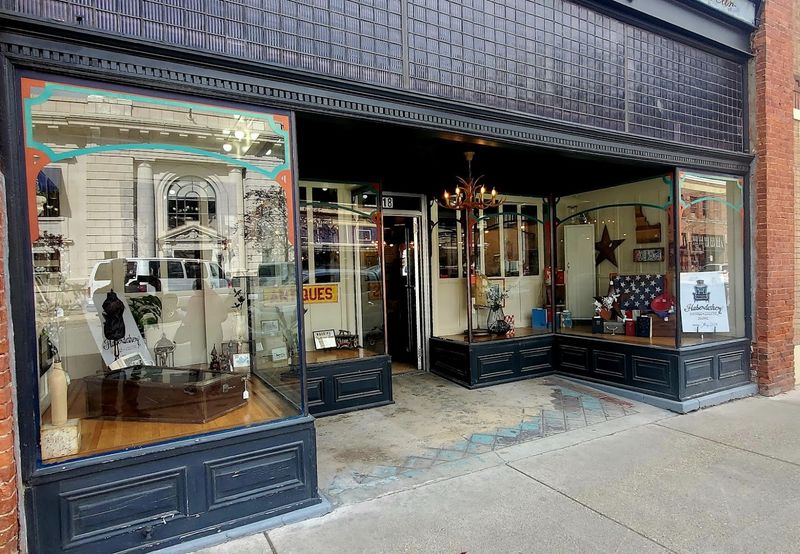
Local businesses help Wallace feel personal instead of preserved behind glass. Downtown storefronts hold restaurants, shops, museums, galleries, antique spots, and places where visitors can browse without feeling rushed.
The town’s official attractions page leans into that density, promoting Wallace as a place with a surprising number of things to do, including downtown exploring, mine tours, trails, and local stops. That compact variety makes the town easy to enjoy without a rigid schedule.
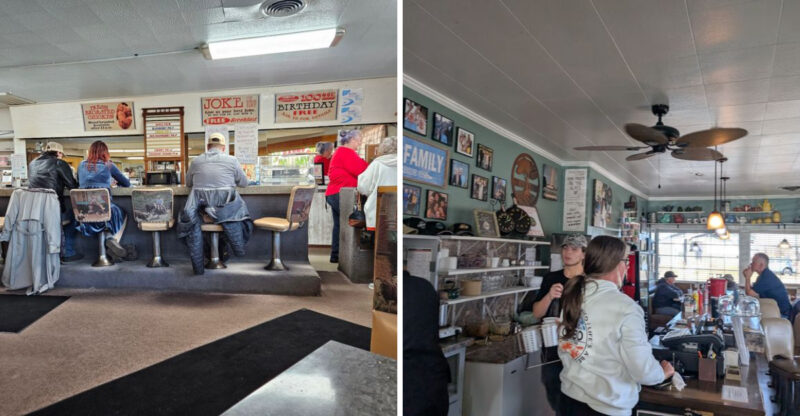
A morning can begin with coffee and a walk past historic facades, shift into browsing vintage finds or local goods, then settle into a hearty meal suited to a mountain town. Wallace’s dining scene is not about glossy big-city polish, and that is part of the appeal.
Meals tend to feel casual, generous, and connected to the town’s working history. Shops also benefit from the walkable layout, since visitors can move from one doorway to the next while still noticing old signs, brickwork, and mountain views at every turn.
The best part is how natural it feels. Commerce, history, humor, and hospitality all share the same few blocks.
The Oasis Rooms And Museum
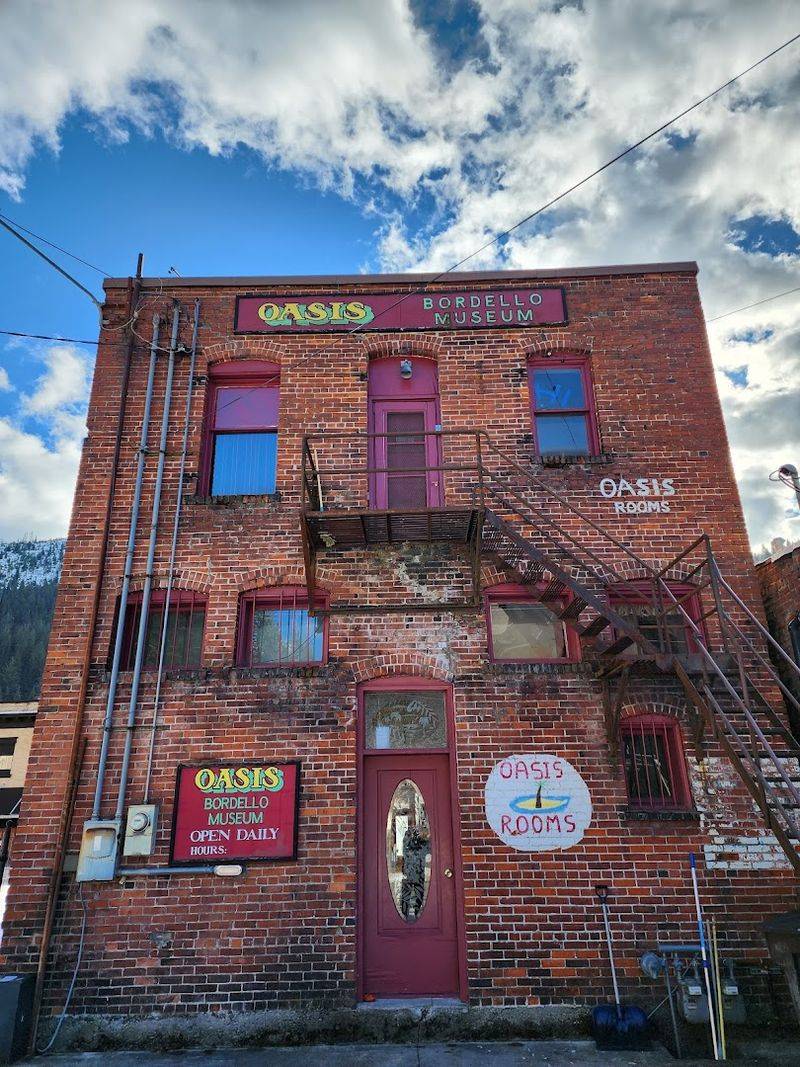
Unusual history gets handled with surprising directness at the Oasis Museum, one of Wallace’s most memorable attractions for adults interested in the town’s full past. The museum’s local listing describes it as a former operating place in historic Wallace, preserved much as it was left when it closed in 1988.
Its value comes from showing a part of mining-town life that many communities prefer to ignore or smooth over. Guided interpretation gives visitors context about local commerce, social history, and the complicated ways service businesses operated in mining communities.
The preserved rooms, furnishings, and personal objects can feel more like a time capsule than a conventional museum display. Because the subject matter is mature, travelers with children should check ahead and decide whether it fits their group.
For adults, though, the museum adds honesty to Wallace’s polished historic image. It reminds visitors that real towns are never just pretty facades.
They are made of complicated stories, unusual businesses, and human details that do not always fit neatly into a postcard.
A Perfect Weekend Getaway Town
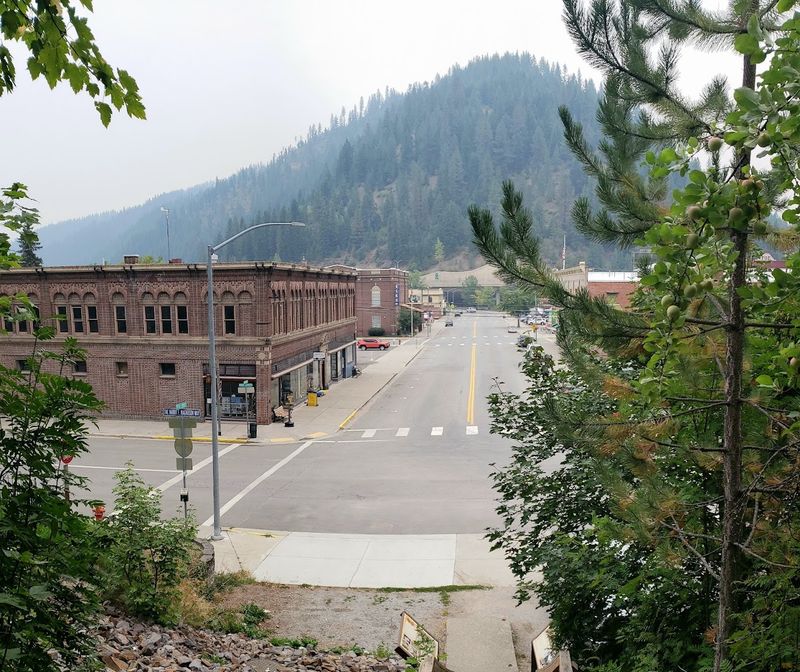
Lingering suits Wallace far better than rushing through. The town is compact enough for an easy walk, layered enough for a full weekend, and scenic enough that even an ordinary corner can feel worth slowing down for.
A strong itinerary might start with the historic downtown and Center of the Universe marker, continue into the Wallace District Mining Museum or Sierra Silver Mine Tour, then leave time for a bike ride, ski outing, or mountain drive depending on the season. Overnight stays give the town a different mood after day-trippers leave, when brick buildings glow under evening light and the surrounding hills feel closer.
Wallace also has a real pop-culture footnote, since Visit Idaho notes that the 1997 movie Dante’s Peak was filmed there, which only strengthens the “movie town” feeling without turning the article into pure fantasy. What makes Wallace work as a getaway is balance.
Historic preservation gives it beauty, mining heritage gives it substance, outdoor recreation gives it energy, and local humor keeps it from feeling too polished. For an Idaho weekend with character, Wallace feels wonderfully complete.