This Spooky Museum In Connecticut Celebrates Classic Horror Cinema
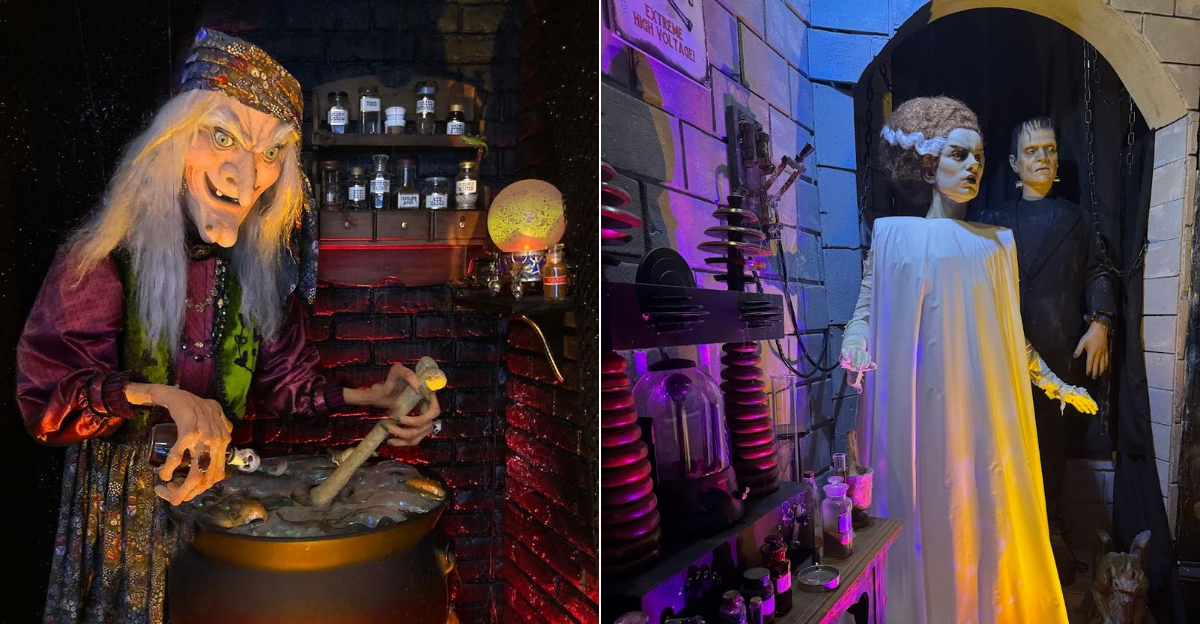
Horror fans, this one was made for you and it absolutely delivers. Walking into this spooky museum in Connecticut feels like stepping directly into the golden era of horror cinema – life size figures, iconic scenes recreated with insane attention to detail, and an atmosphere so committed to the bit that even people who aren’t horror fans find themselves completely absorbed.
Classic monsters, legendary film moments, and a level of dedication to the craft that makes it clear whoever built this place did it out of pure love for the genre. The kind of spot that feels personal rather than corporate – every corner tells you someone really cared about getting this right.
Spooky season or not, this museum hits differently than anything else on the Connecticut cultural map. Go at night if you can – just for the full effect.
1. Step Inside A World Where Horror Comes Alive
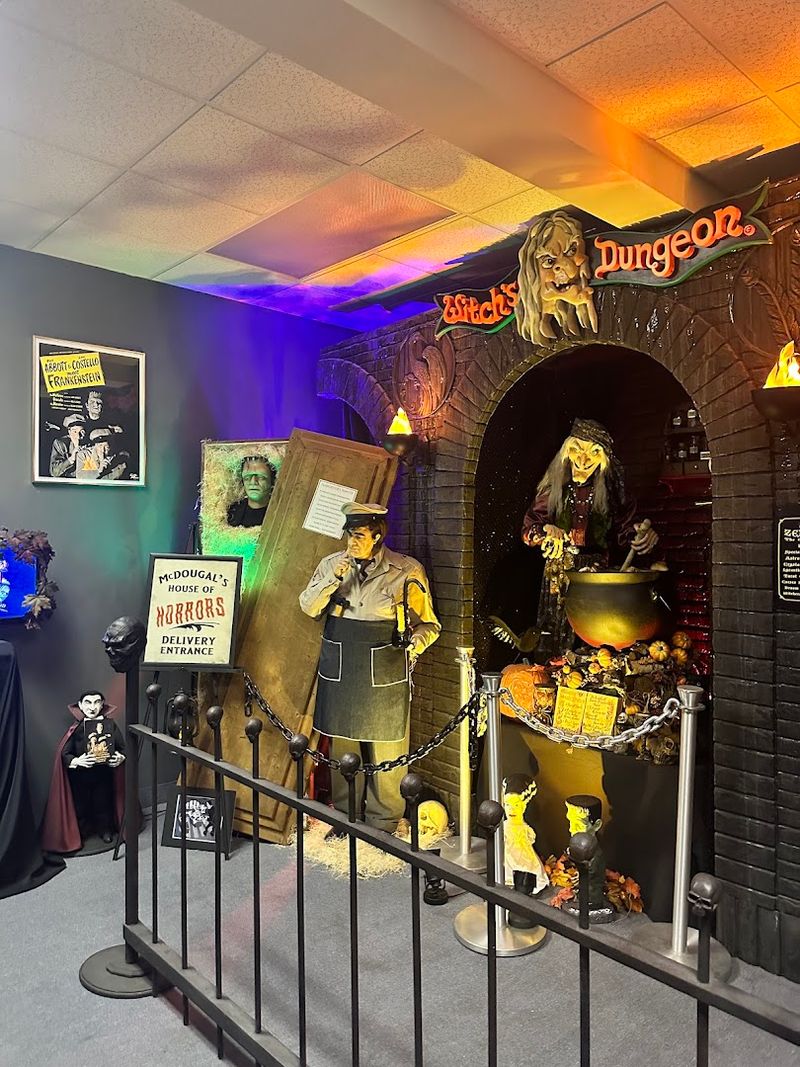
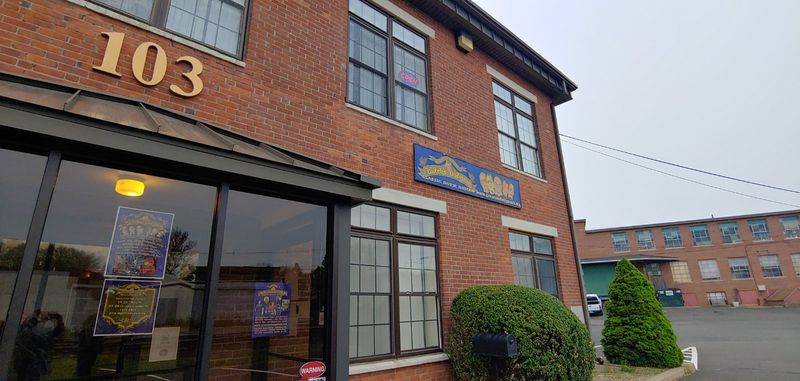
Walking through the front door of Witch’s Dungeon Classic Movie Museum feels less like entering a building and more like crossing into another era entirely. The space is compact but dense with atmosphere, and the low lighting sets the mood the moment visitors step inside.
Every corner holds something worth stopping to look at, from carefully arranged display cases to towering figures that seem almost too real to be still. The guided tour format ensures no one rushes through the exhibits, allowing each piece to receive the attention it deserves, and small group sizes add to the intimate and slightly eerie feeling of moving through the collection.
Admission is $15 per adult and is cash only, so coming prepared makes the experience much smoother. Booking a reservation in advance is strongly recommended since walk-ins are welcome but may face a short wait depending on how busy the current tour slot is.
You’ll find the museum at 103 E Main St, Plainville, CT 06062, making it easy to plan a visit whether you’re coming from nearby towns or farther across Connecticut.
2. Meet The Monsters Behind Classic Horror Films
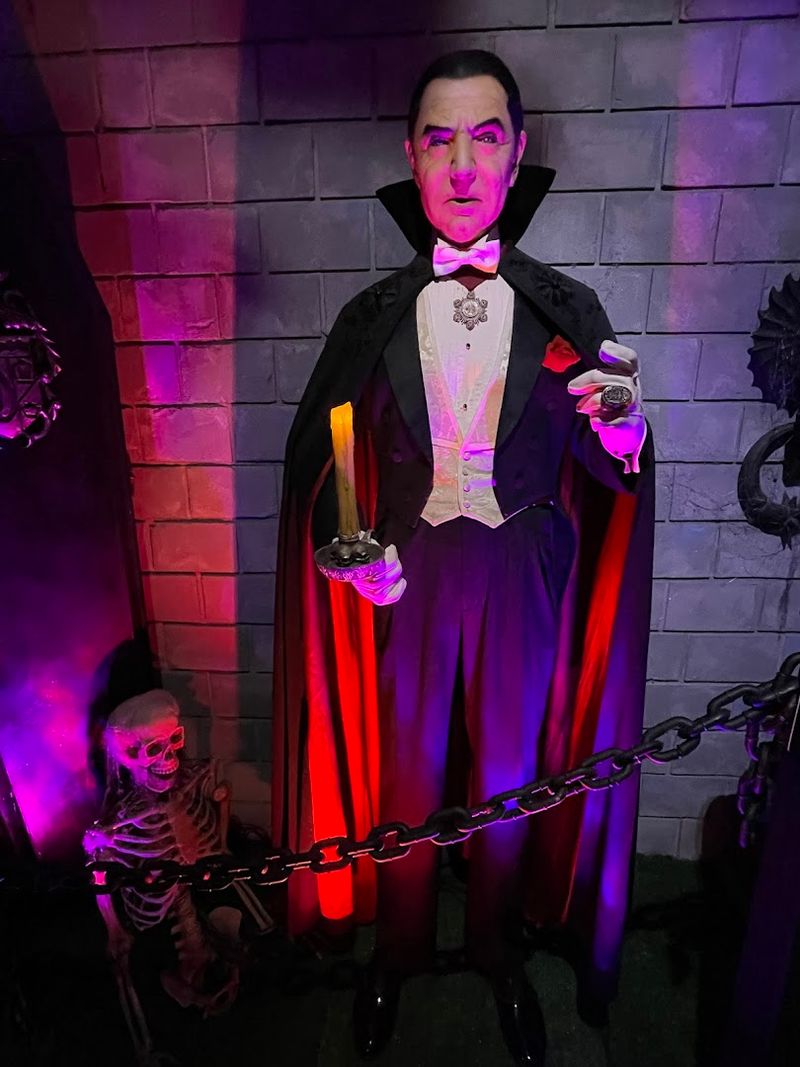
Few collections anywhere bring together so many iconic monsters from the golden age of horror under one roof, and the figures here are crafted with a level of detail that catches visitors off guard. Lon Chaney, Boris Karloff, Bela Lugosi, and Vincent Price are all represented in the collection, each figure conveying the personality and presence that made those performers legendary.
Standing beside them, even knowing they are sculptures, produces a genuinely unsettling and exciting reaction.
The wax figures are not simply generic monster shapes but are modeled with careful attention to the specific performances and costumes associated with each role. Fans who grew up watching these films will likely notice small details in the facial expressions and costuming that casual visitors might overlook.
That level of specificity reflects the depth of knowledge that went into building the collection over many decades.
Audio recordings connected to certain characters add another layer to the experience, giving the figures a kind of voice that deepens the sense of immersion. The combination of visual detail and sound design creates a display environment that feels more dynamic than a typical museum setting.
Visitors who appreciate craftsmanship tend to linger longer in front of these figures than they initially expect to.
3. Chilling Displays That Make You Look Twice
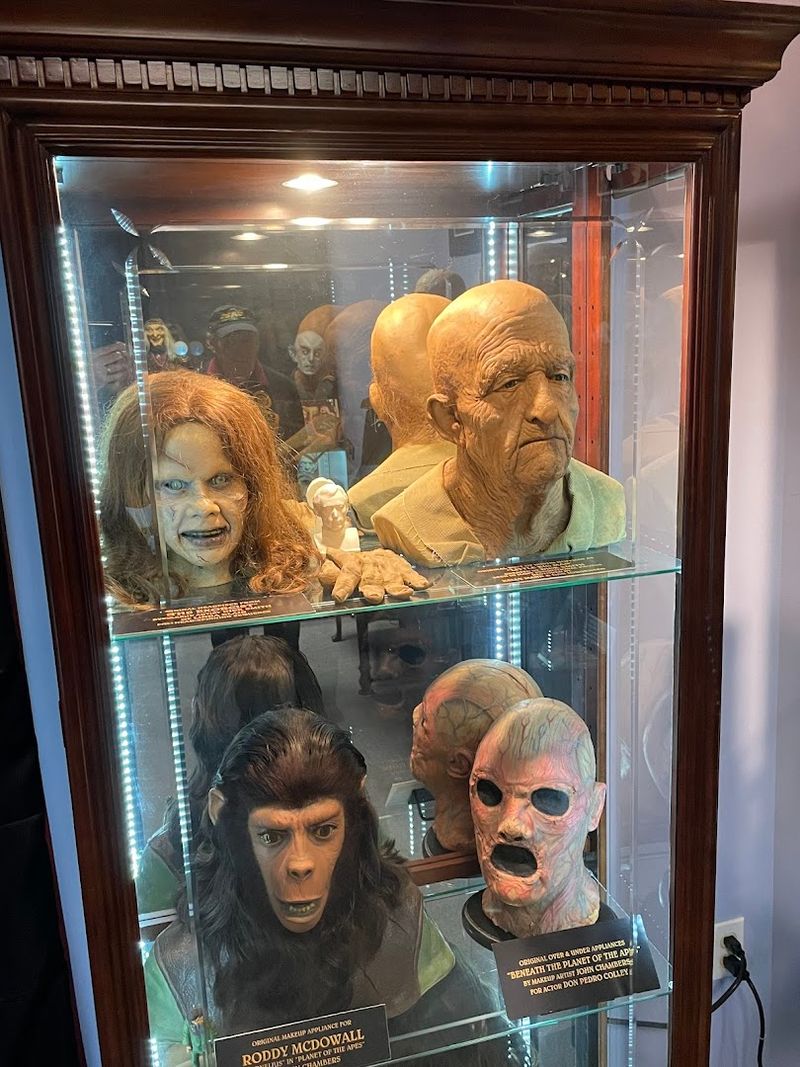
There is a particular kind of detail in the displays at this museum that rewards slow, careful looking rather than a quick glance and move on. Masks, posters, autographed memorabilia, and sculpted figures are arranged in a way that layers visual information, so each return pass across a display case tends to surface something that was missed the first time.
The density of the collection is part of what makes it feel so rich.
Some of the masks on display are original pieces used in actual film productions, and seeing them up close reveals construction techniques from an era before digital effects changed the industry entirely. The craftsmanship involved in creating those early practical effects holds up remarkably well in person, and the museum context allows visitors to examine them in a way that a darkened theater screen never permitted.
Knowing the history behind each piece adds a layer of meaning that transforms a simple object into a piece of cinematic history.
Posters and printed materials from the same era fill the walls and create a visual backdrop that reinforces the time period being celebrated throughout the collection. The overall effect is immersive rather than cluttered, which reflects deliberate curation rather than simple accumulation.
Every item in the space seems to have earned its place.
4. Secrets Of Hollywood’s Golden Age Of Horror
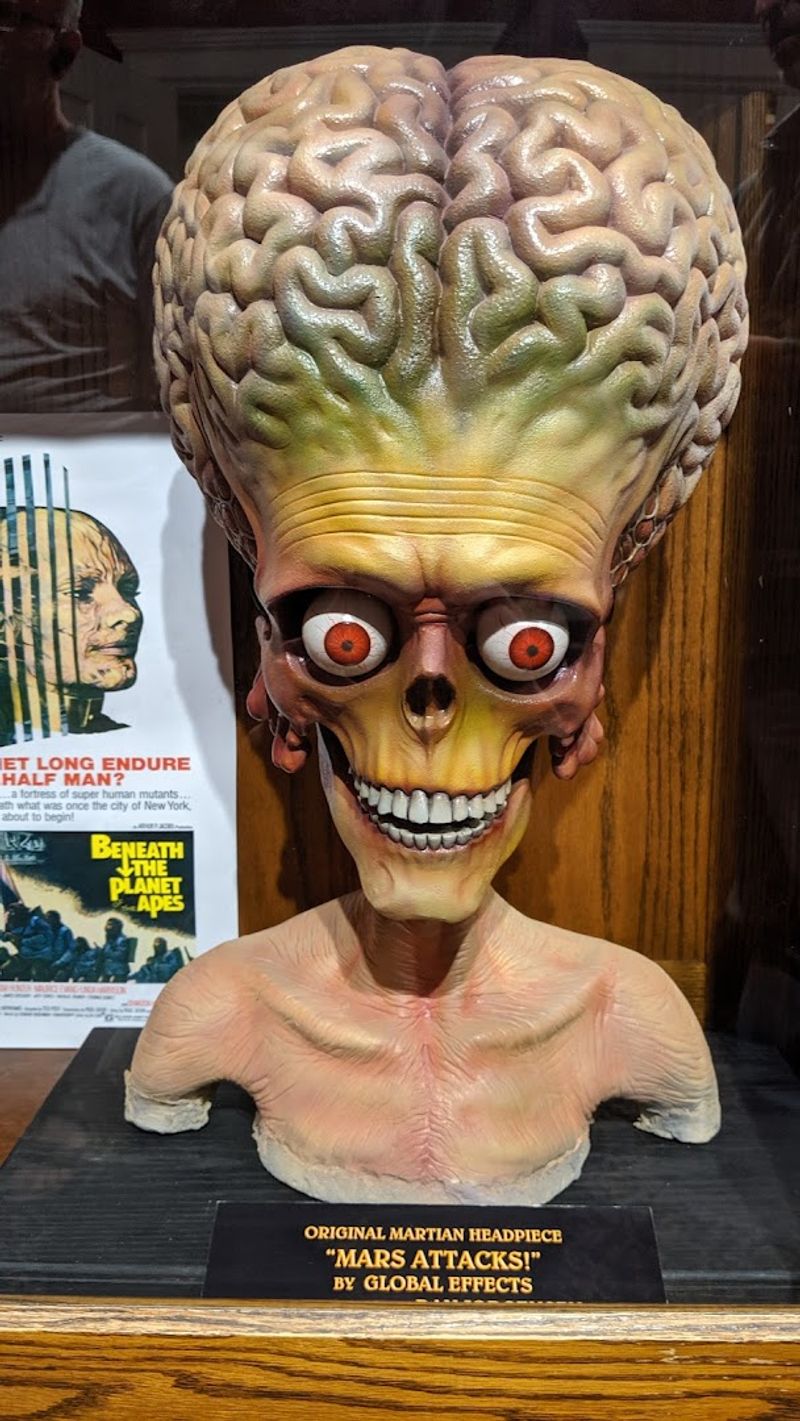
Hollywood’s golden age of horror produced some of the most recognizable characters and stories in cinema history, and the collection at this museum captures that era with remarkable specificity. The focus leans heavily toward Universal Studios monster films and the broader classic horror genre spanning roughly from the early 1900s through the late 1980s and early 1990s.
That defined scope gives the collection a sense of coherence that helps visitors understand the arc of the genre over time.
Behind many of the displayed items are stories that connect the collection directly to the industry itself, including pieces with documented provenance tracing back to actual productions. Learning about how certain items were acquired adds a storytelling dimension to the tour that transforms the experience from a passive viewing into something more like a history lesson delivered by someone who lived through parts of it.
The personal connections woven into the collection make it feel less like an exhibit and more like a conversation.
Visitors who arrive with some background knowledge of classic horror films will find the tour especially rewarding, but the guided format ensures that even newcomers leave with a solid understanding of why these films matter. The museum presents its subject with genuine reverence rather than novelty, which gives the whole experience a dignified quality that lingers after the visit ends.
5. Scenes So Real You’ll Feel Like You’re On Set
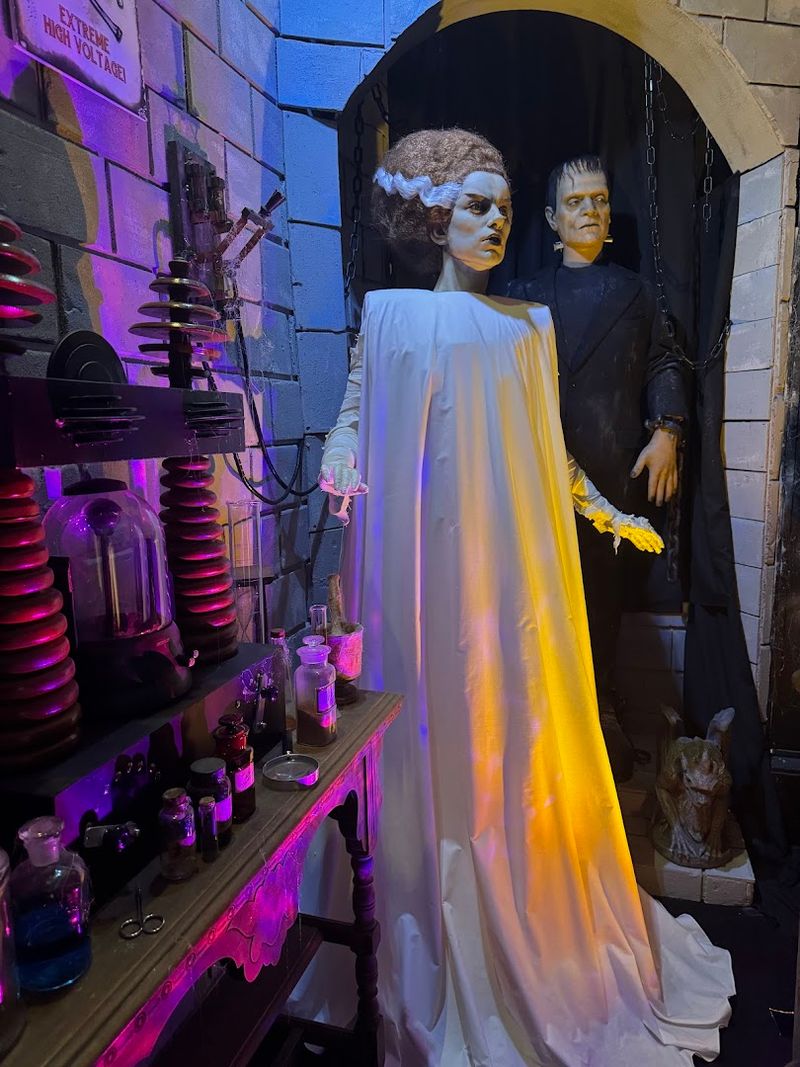
Certain sections of the museum are arranged so deliberately that the combination of figures, props, lighting, and audio creates the sensation of stepping into a scene rather than simply observing one. The Phantom of the Opera displays, for example, are noted for their visual craftsmanship and the emotional resonance they carry for fans of that particular story.
The attention given to scenic context rather than just individual objects sets this collection apart from a standard trophy-style display.
Original film props placed within these scene-like arrangements carry a different energy than the same objects would have sitting behind glass in isolation. The spatial relationship between items communicates something about how they were originally used and what they meant within the films they came from.
That curatorial choice reflects a deep understanding of how objects gain meaning through context and not just through rarity or age.
Photography is encouraged during the tour, which gives visitors the opportunity to capture the displays in ways that extend the experience beyond the museum walls. The guided format also means someone knowledgeable is present to point out elements that might otherwise be overlooked, adding layers of discovery to what could otherwise be a straightforward walk-through.
The tour typically runs around 45 minutes to an hour depending on the group.
6. Creepy Movie Sets Frozen In Time
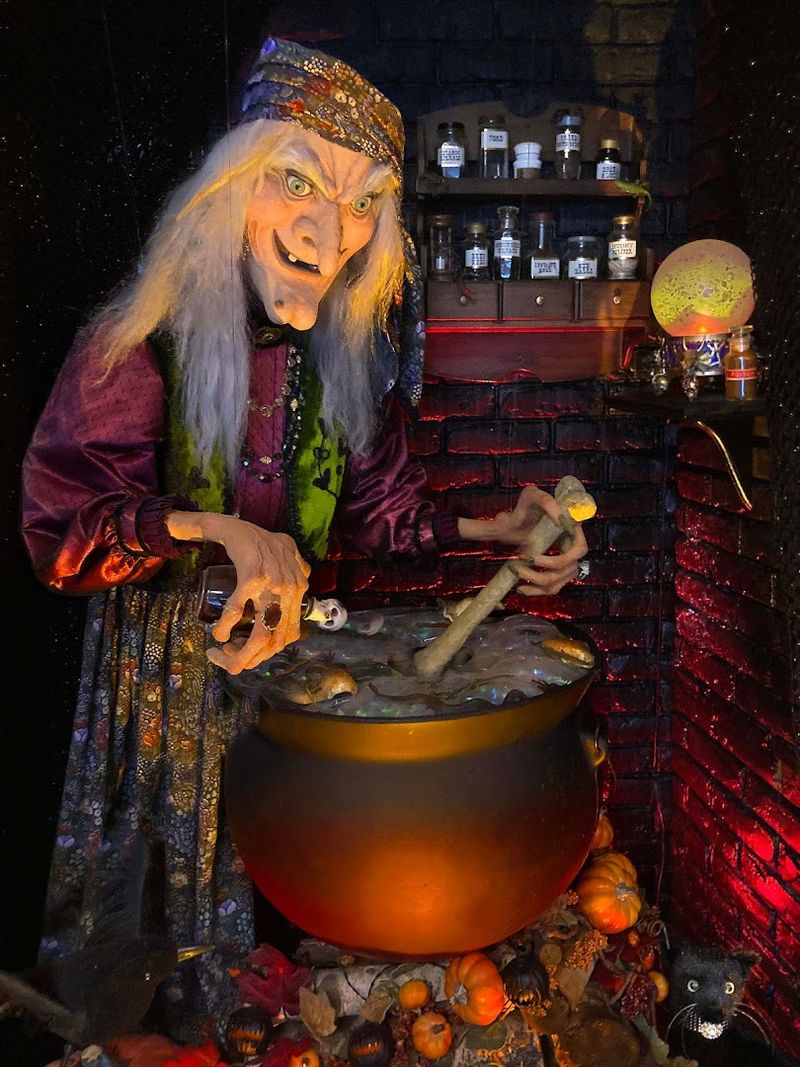
Some displays inside the museum feel so carefully constructed that standing in front of them triggers a strange sense of recognition, like a scene from a half-remembered film suddenly made physical. Original set pieces from actual productions are part of the collection, which gives the space a weight that pure reproductions simply cannot match.
The props carry history in a way that feels tangible rather than decorative.
Certain items on display were sourced directly from film productions, making them genuinely rare objects that most people will never see outside of a dedicated archive or private collection. The density of the space means that every step forward reveals something new, and looking closely at the details rewards patient visitors with small surprises tucked into each display.
Textures, materials, and construction methods from decades past are preserved here in ways that reference books and streaming services simply cannot replicate.
The museum has been described as a small but tightly packed space, which means groups of four to five people tend to move through it most comfortably. Larger groups may find the space feels crowded, so planning a visit with a smaller party could make the experience more enjoyable.
The atmosphere inside feels genuinely curated rather than casually assembled.
7. Unexpected Details Only True Fans Will Notice
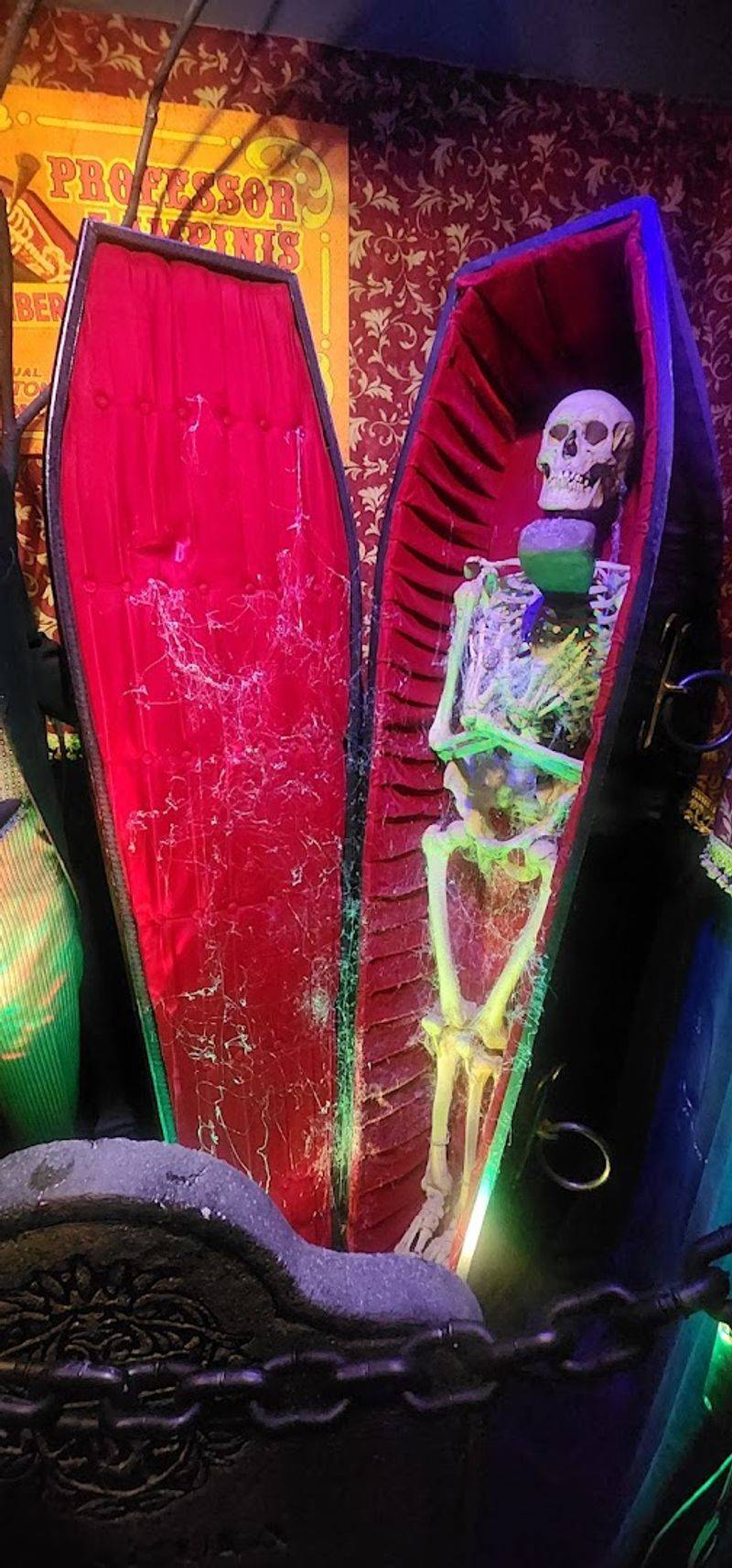
Seasoned horror fans often report noticing details in the collection that catch them completely off guard, including limited-edition items and production-connected pieces that fall outside the usual range of what museums typically display. The collection extends beyond the most famous titles and figures into corners of the classic horror genre that even dedicated enthusiasts may not have fully explored.
That depth is part of what makes repeat visits feel worthwhile rather than redundant.
Certain items in the collection are described as things visitors will genuinely never see anywhere else, which is a strong claim but one that the breadth and provenance of the collection tends to support. The combination of original production materials, high-quality reproductions with documented histories, and rare merchandise creates a layered experience that offers something different depending on what a visitor already knows going in.
Familiarity with the genre sharpens the appreciation but is not required to enjoy the space.
The guided format ensures that the stories behind unusual or lesser-known pieces get told rather than left for visitors to puzzle out on their own. Those explanations often reframe an item that might look unremarkable at first glance into something genuinely surprising once its origin is understood.
That dynamic of revelation is one of the quiet pleasures the museum consistently delivers.
8. Why Even Casual Visitors Leave Spellbound
Not every visitor who walks into Witch’s Dungeon Classic Movie Museum arrives as a dedicated horror fan, and yet the experience tends to resonate across a surprisingly wide range of interests. The combination of art, history, craftsmanship, and storytelling creates an atmosphere that connects with people who appreciate any one of those elements even if classic horror films were never a priority for them.
The museum works on multiple levels simultaneously, which is a rare quality in a small-scale attraction.
Visitors in their twenties have noted recognizing many of the films represented even without deep genre knowledge, and the guided tour fills in the gaps in a way that feels engaging rather than academic. Families with older children, couples looking for something offbeat, and solo travelers interested in cultural history all tend to find something meaningful in the experience.
The tour guide format creates a shared experience rather than an isolated one, which adds a social warmth to what might otherwise feel like a solitary walk through dark corridors.
The museum has been operating for over 60 years and continues to add new pieces to the collection, so even past visitors may find something fresh on a return trip. Seasonal displays such as the Monsters Holiday event from Thanksgiving through New Year’s weekend add further reasons to come back.
For anyone open to something genuinely different, this small Connecticut museum delivers an experience that holds up long after the drive home.