12 Dreamy Towns In Central California That’ll Make You Want To Leave Everything Behind
A beautiful town can make everyday life feel suspiciously loud.
Main streets slow the pace, old buildings hold the mood, even cafés start looking like better life choices.
Central California has dreamy towns that make staying “just one more day” sound very reasonable.
The pull feels sneaky at first. It could be a quiet street or a vineyard view. A coastal breeze or a mountain backdrop. Then the whole place starts making your normal routine look negotiable.
Small towns like these do not need big drama to win people over. They use charm, scenery, good food, and that soft little thought nobody wants to admit out loud.
Maybe leaving everything behind would not be the worst idea.
1. Carmel-by-the-Sea
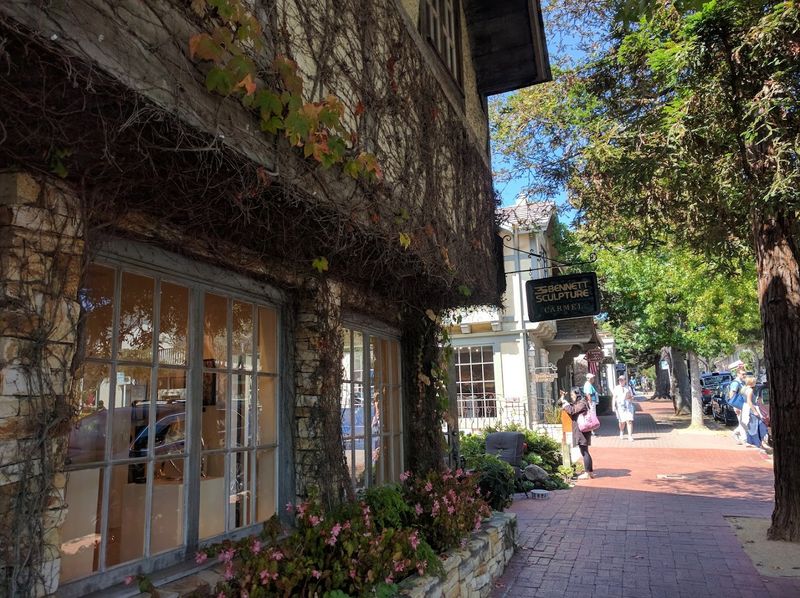
Few places in California carry the kind of unhurried charm that wraps around a visitor the moment they step onto Ocean Avenue.
Carmel-by-the-Sea sits on the Monterey Peninsula and has long been known for its fairytale-like cottages, art galleries, and a beach that stretches wide and white beneath a moody coastal sky.
The streets are intentionally free of traffic lights and sidewalk curbs in many areas, giving the whole town a soft, walkable quality that feels almost dreamlike.
Boutique shops and small restaurants are tucked into stone-and-timber buildings draped with climbing roses and wisteria.
The downtown area is compact enough to explore entirely on foot without a plan, which turns out to be part of the appeal.
Carmel Beach, just a short walk from the main street, is one of the more peaceful stretches of sand on the Central California coast and allows leashed dogs year-round.
The light here changes constantly, shifting from bright morning gold to soft afternoon silver depending on the marine layer.
2. Cambria
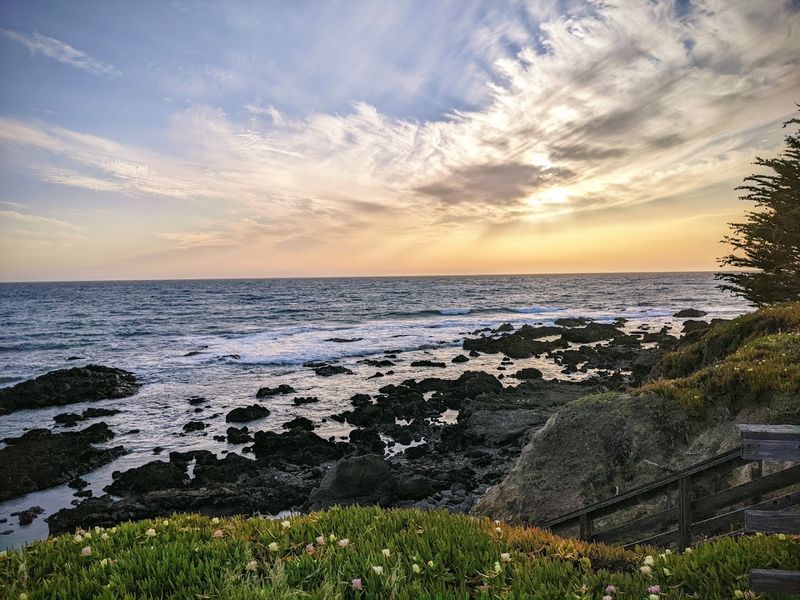
Nestled between the Santa Lucia Mountains and the Pacific Ocean, Cambria has a personality that feels genuinely lived-in rather than curated for visitors.
The town splits into two distinct sections called the East Village and West Village, each offering a slightly different mood.
The East Village leans more toward antique shops and galleries tucked into older wooden buildings while the West Village sits closer to the ocean with a relaxed, slightly windswept feel.
Moonstone Beach Drive runs along the bluffs just above the shoreline and is one of the better walking routes in the area.
The boardwalk path along the bluff offers views of sea otters floating offshore and tidepools below, depending on the tide.
The sound of waves is almost constant here and the air carries a clean, briny freshness that tends to clear the head.
Cambria attracts artists and independent travelers who prefer a slower pace over flashy attractions.
Lodging options range from small inns to vacation rentals and the town has enough good food options to keep meals interesting throughout a multi-day stay.
3. Solvang
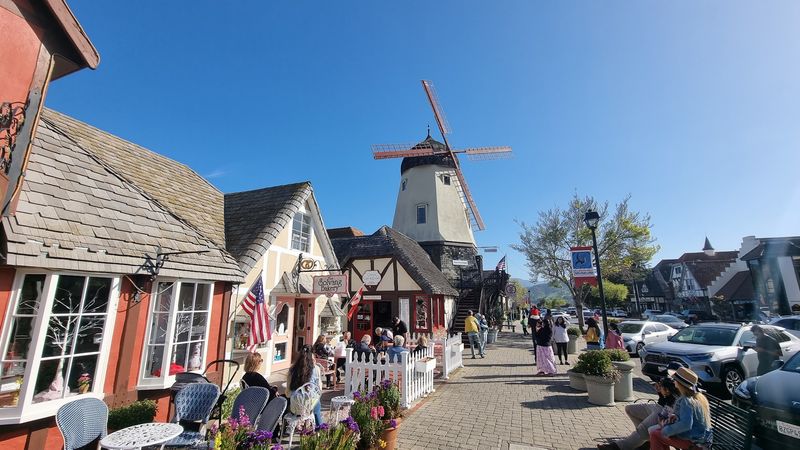
A Danish-style village sitting in the middle of California wine country sounds unlikely but Solvang pulls it off with a kind of wholehearted commitment that makes the whole thing feel genuinely delightful rather than gimmicky.
Founded in 1911 by Danish immigrants, the town still maintains its European character through windmills, half-timbered buildings, cobblestone-style walkways, and bakeries that fill the air with the scent of fresh pastries from early morning.
The main drag, Mission Drive, is lined with shops selling Danish imports, hand-painted ceramics, and freshly made aebleskiver, which are round Danish pancake puffs often served with jam and powdered sugar.
Old Mission Santa Ines, located at 1760 Mission Dr in Solvang, sits just off the main street and adds a layer of California history to the visit that balances out the European architecture nicely.
Solvang is walkable and compact, making it easy to cover most of the town in a single afternoon.
The surrounding Santa Ynez Valley adds a beautiful backdrop of golden hills and vineyard rows that can be seen from the edges of town.
4. Los Olivos
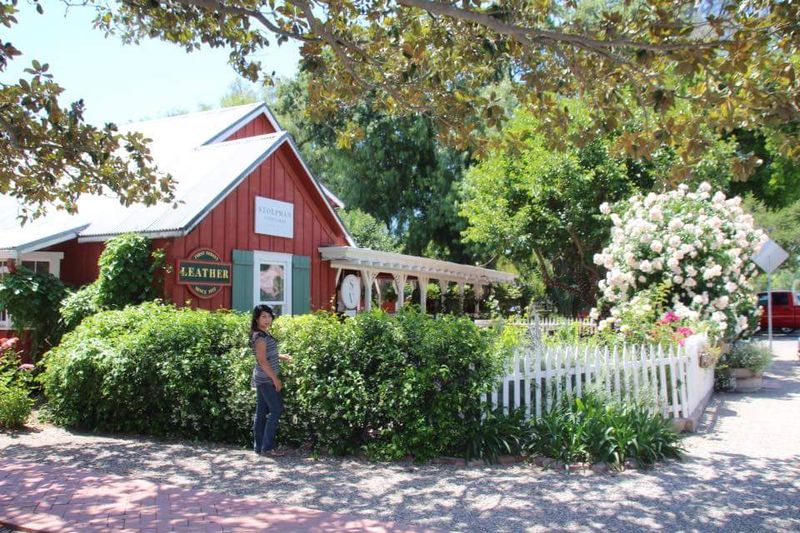
Blink and the main stretch of Los Olivos might be missed, but that would be a genuine shame.
Grand Avenue, the town’s central corridor, is only a few blocks long and lined with tasting rooms, galleries, and small restaurants that feel relaxed and unhurried.
The town sits in the heart of the Santa Ynez Valley and the surrounding landscape of rolling oak-dotted hills gives the whole area a golden, pastoral quality that photographers tend to love.
What makes Los Olivos feel different from other wine country towns is the pace. There are no crowds pressing through narrow doorways and no pressure to rush.
Visitors tend to drift from one tasting room to the next at their own speed, stopping to browse a gallery or sit on a bench in the sun for a while.
The town also has a genuine art community with several working studios and galleries showing local and regional work.
Flagpole Park at the center of town is a small green space that anchors the street and gives the area a community feel that larger towns often lose.
5. Cayucos
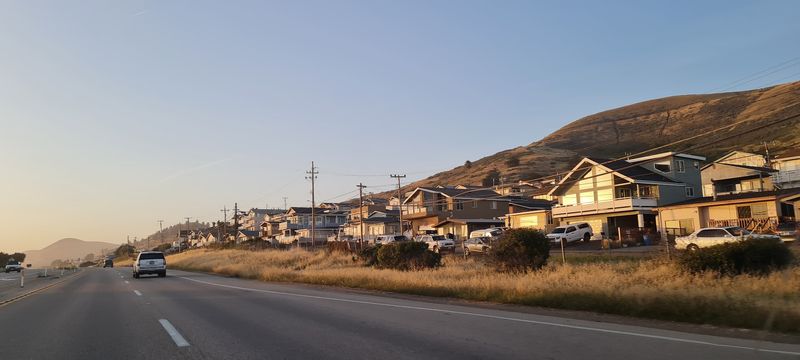
There is a laid-back, salt-weathered quality to Cayucos that feels like stepping back into a slower version of California coastal life.
The town sits just north of Morro Bay along Highway 1 and has managed to hold onto an old-school beach town character that many similar towns have gradually lost over the years.
The wooden pier stretching out over the Pacific is one of the most photographed spots in the area and offers a nice vantage point for watching pelicans glide past.
Ocean Avenue, the main street, is lined with a mix of antique stores, surf shops, and small eateries that cater to both locals and weekend visitors without feeling overrun.
The beach itself is wide and relatively uncrowded compared to more popular Central Coast spots, making it a solid choice for families or anyone who just wants space to spread out and breathe.
Cayucos has a small-town warmth that shows up in small ways, like handwritten signs in shop windows and unhurried service at the local spots along the main drag.
6. Morro Bay
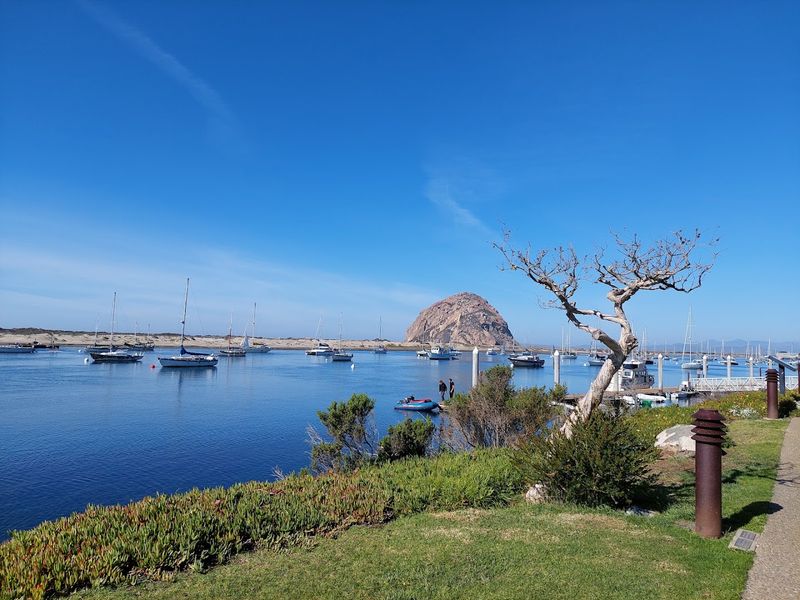
Anchored by one of the most recognizable geological landmarks on the California coast, Morro Bay has a natural drama that sets it apart from other Central Coast towns.
Morro Rock, a 576-foot volcanic peak rising straight out of the water at the harbor entrance, is a protected wildlife area and home to nesting peregrine falcons.
The rock gives the whole waterfront a sense of scale that makes even a casual stroll along the Embarcadero feel memorable.
The Embarcadero itself is a lively waterfront stretch with seafood restaurants, kayak rentals, and small shops facing the bay.
Sea otters are frequently spotted floating in the harbor, often wrapped in kelp and cracking open shellfish with rocks balanced on their chests.
The estuary behind the town is a protected natural preserve and one of the better birdwatching spots on the Central Coast, particularly during the fall migration season.
Morro Bay State Park sits just south of town and offers camping, hiking, and access to a natural history museum.
The town has a working fishing port feel that gives it more authenticity than many tourist-heavy coastal stops.
7. Pacific Grove
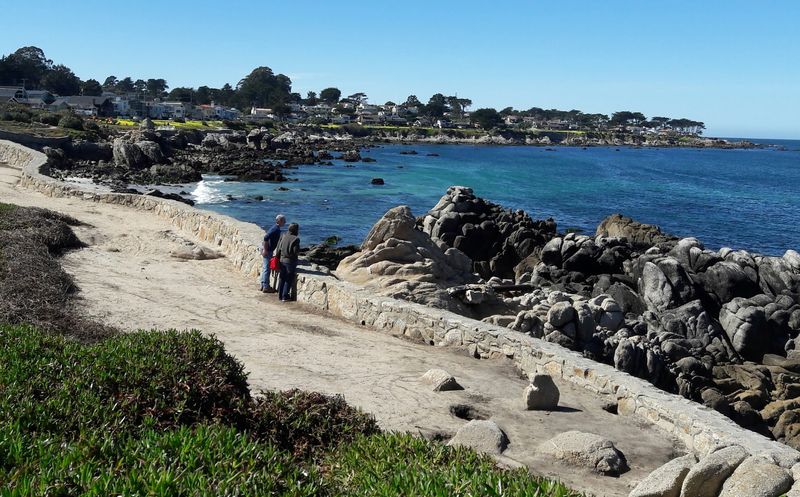
Tucked at the tip of the Monterey Peninsula between Pebble Beach and Monterey, Pacific Grove carries a quiet dignity that feels refreshingly free of hype.
The town is known locally as Butterfly Town USA because thousands of monarch butterflies migrate here each year between October and February, clustering in the eucalyptus and pine trees near the George Washington Park area.
Watching the butterflies in motion on a warm afternoon is one of those experiences that tends to stop people mid-sentence.
The residential streets are lined with well-preserved Victorian homes in soft, faded colors that give the neighborhood a nostalgic, almost storybook quality.
Ocean View Boulevard runs along the rocky coastline and is one of the best walking or cycling routes on the entire Monterey Peninsula, offering unobstructed views of the bay and frequent seal sightings along the rocks below.
Pacific Grove has a slower tempo than neighboring Monterey and that difference is felt almost immediately upon crossing into town.
The downtown area has a handful of independent restaurants and shops that serve the local community year-round rather than just during peak tourist season.
8. Capitola
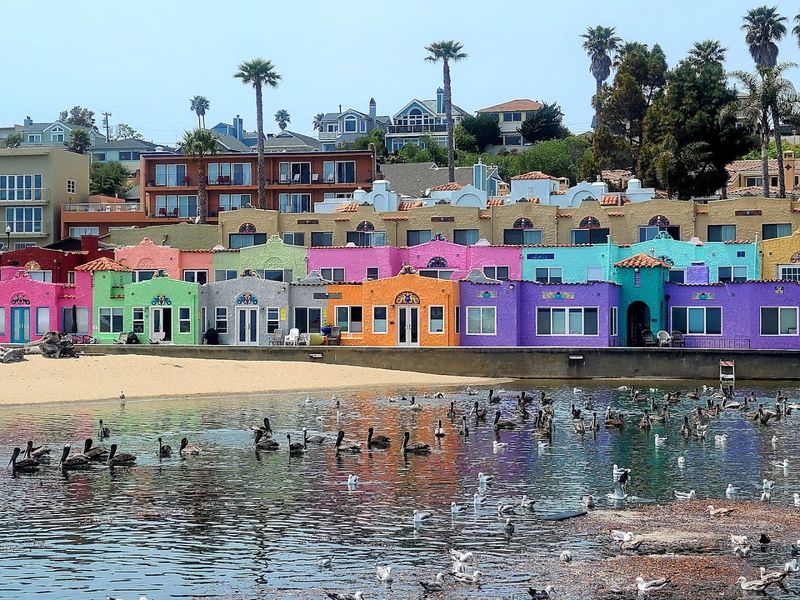
Bright pastel buildings stacked along a narrow beachfront make Capitola one of the most visually cheerful towns on the California coast.
Located just south of Santa Cruz, the village sits at the mouth of Soquel Creek where it meets the Pacific, creating a small sheltered beach that families and locals have been enjoying for well over a century.
The scene has a relaxed, almost Mediterranean quality on sunny afternoons when the buildings reflect warm light off the water.
Capitola Village, the pedestrian-friendly core of town, is compact and easy to navigate on foot. Shops, restaurants, and cafes are clustered within a few blocks of the beach and the whole area has a neighborhood feel that sets it apart from larger coastal tourist zones.
The concrete trestle bridge overhead adds an unexpected industrial texture to the otherwise soft, colorful scene below.
Capitola has been called the oldest seaside resort town in California and that history shows in the layered, slightly worn-in character of the buildings and streets.
The beach gets busier on summer weekends so a spring or fall visit tends to offer more breathing room.
9. San Luis Obispo
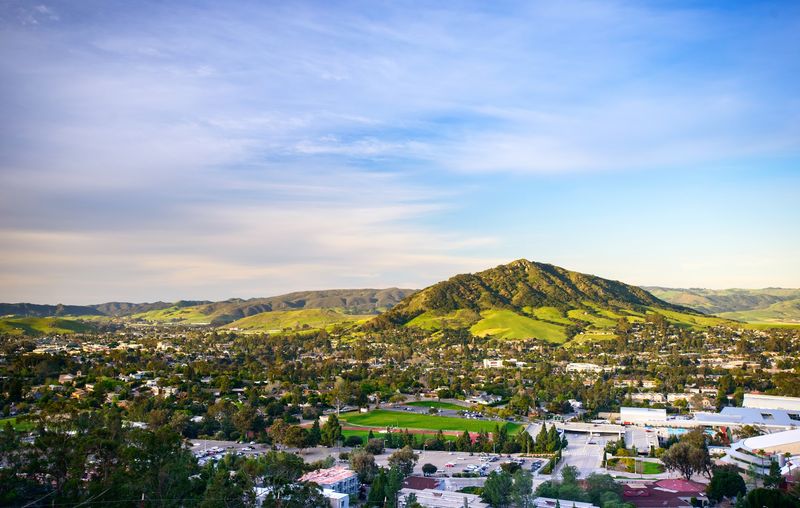
Sitting roughly halfway between Los Angeles and San Francisco, San Luis Obispo has a geographic luck that matches its personality.
The downtown area is genuinely walkable, anchored by a creek-side pathway called the San Luis Obispo Creek Walk and framed by the historic Mission San Luis Obispo de Tolosa at 751 Palm St.
The mission, founded in 1772, still holds regular services and is open to visitors throughout the week, offering a grounding sense of history in the middle of an otherwise lively college town.
Higuera Street is the commercial spine of downtown and hosts a farmers market every Thursday evening that draws locals and visitors in equal measure.
The market fills several blocks with fresh produce, street food, and live music and runs year-round regardless of the season.
The creek walk nearby is lined with restaurants and shops that spill out onto patios in warm weather.
San Luis Obispo also serves as a practical base for exploring the wider Central Coast, with Pismo Beach, Morro Bay, and wine country all within a short drive.
The town has a youthful energy from Cal Poly but also a settled, community-rooted character that gives it more depth than a typical college town.
10. Paso Robles
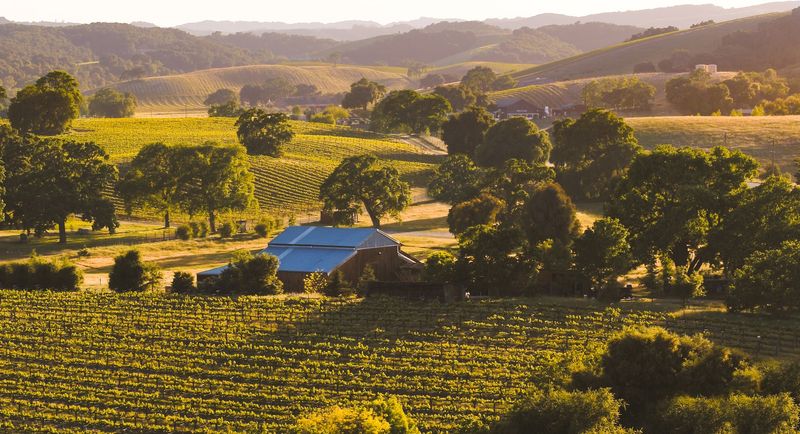
Paso Robles sits in a broad inland valley north of San Luis Obispo and has a warm, unhurried energy that feels different from the coastal towns to the west.
The downtown square, anchored by a shady park and surrounded by historic brick buildings, has the kind of lived-in character that takes decades to develop and cannot be manufactured.
Hot springs were the original draw here in the late 1800s and the name Paso Robles comes from the Spanish phrase for pass of the oaks, a reference to the valley’s abundant native trees.
The town’s food scene has grown noticeably in recent years, with a range of restaurants along 12th Street and Spring Street that reflect both the agricultural richness of the region and a growing appetite for quality local cooking.
Farmers markets and roadside produce stands are common throughout the area and offer some of the best stone fruit and almonds in the state during peak season.
Paso Robles also sits within easy reach of the Salinas River and several state parks that offer hiking and wildlife viewing.
The town has a genuinely friendly street culture where conversations with locals tend to happen naturally.
11. Ojai
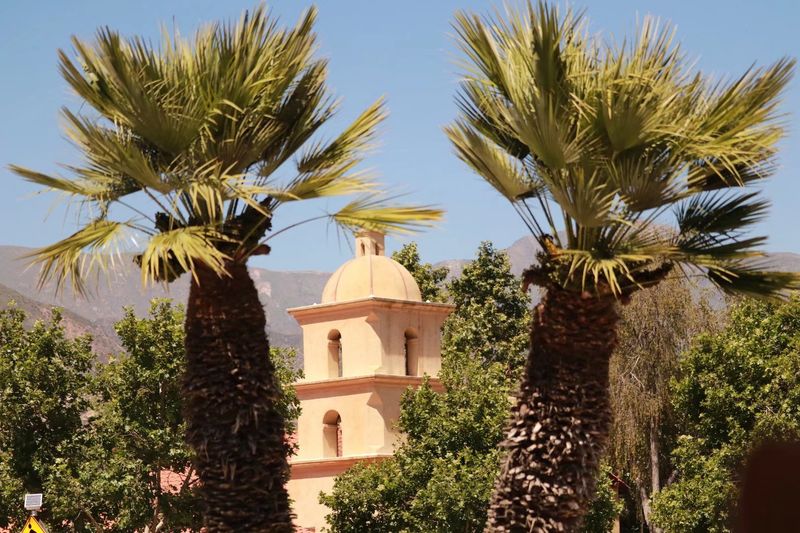
Tucked into a narrow east-west valley about 35 miles inland from Ventura, Ojai has a landscape and light quality that has drawn artists, writers, and seekers of quiet for well over a hundred years.
The valley runs in a rare east-west orientation which creates a phenomenon locals call the pink moment, a brief window at sunset when the Topa Topa Mountains behind town glow a soft rose and lavender before the light fades.
It happens most evenings and is worth timing a walk around.
The downtown arcade, a covered Spanish Colonial walkway along Ojai Avenue, gives the main street a shaded, unhurried character that holds up even on warm afternoons.
Independent bookstores, pottery studios, and farm-to-table restaurants are mixed in alongside longstanding local businesses that give the street a genuine community feel.
Libbey Park at the center of town hosts outdoor concerts and community events throughout the year.
Ojai is also a starting point for hiking into the Los Padres National Forest, with trails that range from short canyon walks to more demanding ridge routes with wide valley views.
The town is small enough to feel intimate but has enough going on to fill a full weekend without retracing steps.
12. Pismo Beach
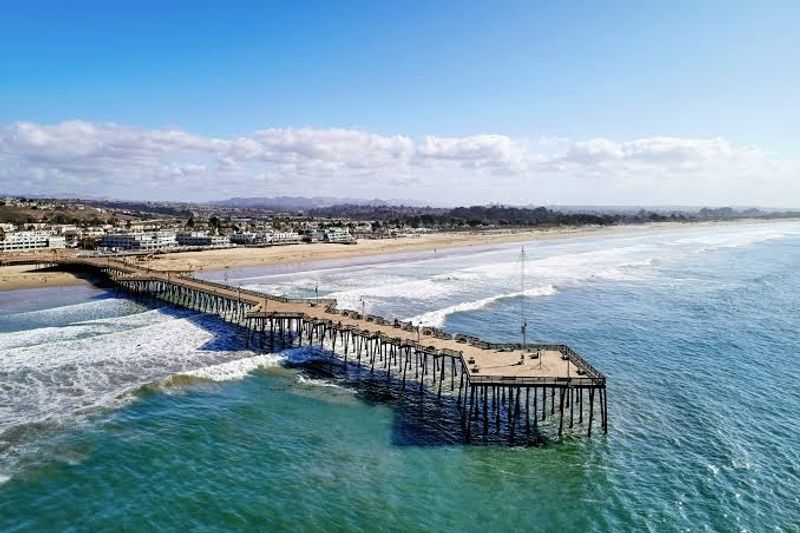
Wide, flat, and open to the full force of the Pacific, Pismo Beach has a breezy, unpretentious quality that makes it easy to settle into without overthinking.
The beach itself is one of the broader stretches of sand on the Central California coast and is one of the few in the state where vehicles are permitted on the sand in designated areas, which gives it a distinct character compared to more manicured beach towns.
The Pismo Beach Pier extends out over the surf and is a consistent spot for fishing and watching the waves roll in.
The downtown area along Pomeroy Avenue and Price Street has a mix of seafood restaurants, souvenir shops, and casual eateries that cater to the beach crowd without feeling exhausting.
Clam chowder is something of a local specialty and several spots along the main street serve it in bread bowls that are hard to pass up on a cool afternoon.
The monarch butterfly grove just south of town near the campground at Pismo State Beach hosts overwintering monarchs from late October through February.
Pismo Beach works well as either a destination on its own or as a comfortable base for exploring nearby San Luis Obispo and the wine country to the north.