10 Pennsylvania Landmarks That Deserve A Spot On Every Serious Traveler’s List
Pennsylvania holds more than most travelers ever really get to see. The history runs deep, the architecture earns its name, the landscapes hold.
These landmarks deserve more than a brief glance on any road trip. Each one tells a different part of the story this state carries.
Some are famous and some remain surprisingly overlooked by outside visitors.
What do they have in common? All of them justify real dedicated time rather than a quick stop.
A serious traveler leaving without visiting these destinations has left something real behind. I’m here to help make sure that does not happen to you.
Pennsylvania has been waiting patiently for the right kind of attention.
1. Gettysburg National Military Park
You might not believe me when I say this, but standing here changes the way you think about history.
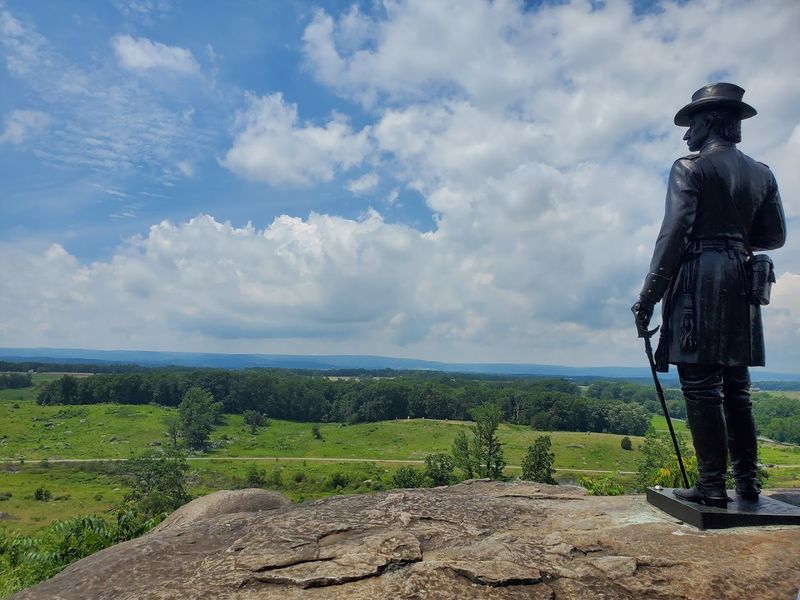
Gettysburg National Military Park in Gettysburg, Pennsylvania, is one of the most emotionally powerful places I have ever set foot on. The park stretches across more than 6,000 acres of preserved land.
The Battle of Gettysburg in July 1863 was a turning point in the American Civil War. Over 50,000 soldiers were casualties during those three brutal days. Walking the battlefield, you pass hundreds of monuments honoring the regiments that fought here.
The Museum and Visitor Center is a smart first stop. It houses an impressive collection of Civil War artifacts and a massive cyclorama painting.
Rangers lead guided tours that bring the strategy and sacrifice to life in a way no textbook can match.
Autumn is a stunning season to come, with golden fields and cool air adding a reflective mood. Cycling the battlefield roads is a popular and peaceful way to cover the grounds.
Every turn reveals another marker, another story, another reason to slow down and pay attention.
2. Flight 93 National Memorial
I never would have guessed that a quiet field in rural Pennsylvania could carry this much meaning.
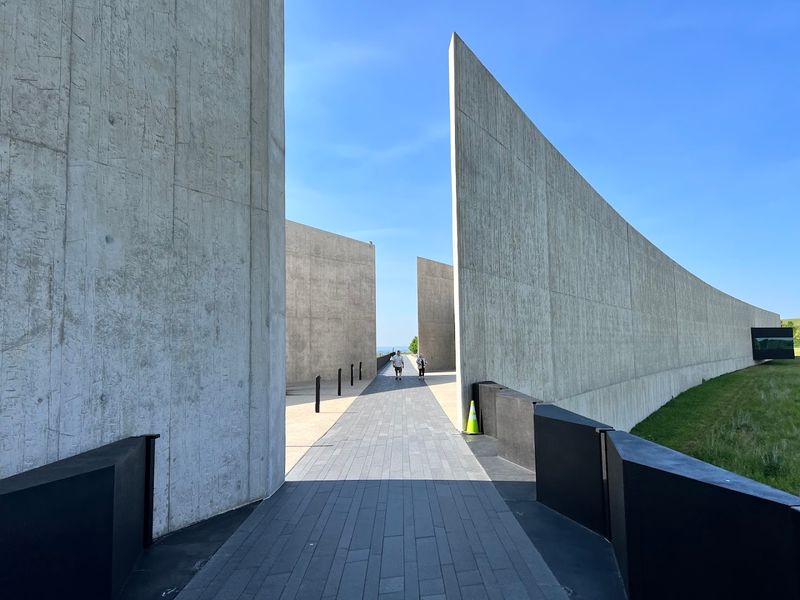
Flight 93 National Memorial at 6424 Lincoln Hwy in Stoystown honors the 40 passengers and crew of United Airlines Flight 93. On September 11, 2001, they made a decision that saved countless lives.
The memorial is designed with remarkable thoughtfulness and restraint. A long, low wall of white marble bears each name of those on board. The sacred ground where the plane came down is marked and protected as hallowed earth.
The visitor center tells the full story through recordings, artifacts, and personal items left by families. Hearing the actual voices from the flight is a deeply moving experience.
The timeline exhibit walks you through the events of that morning in careful, respectful detail.
Spring and early fall offer the most comfortable weather for a thoughtful walk along the memorial plaza. The surrounding landscape of Somerset County is quietly beautiful, with rolling hills and open sky.
Plan to spend at least two hours here, because, trust me, this is not a place you rush through.
3. Washington Crossing Historic Park
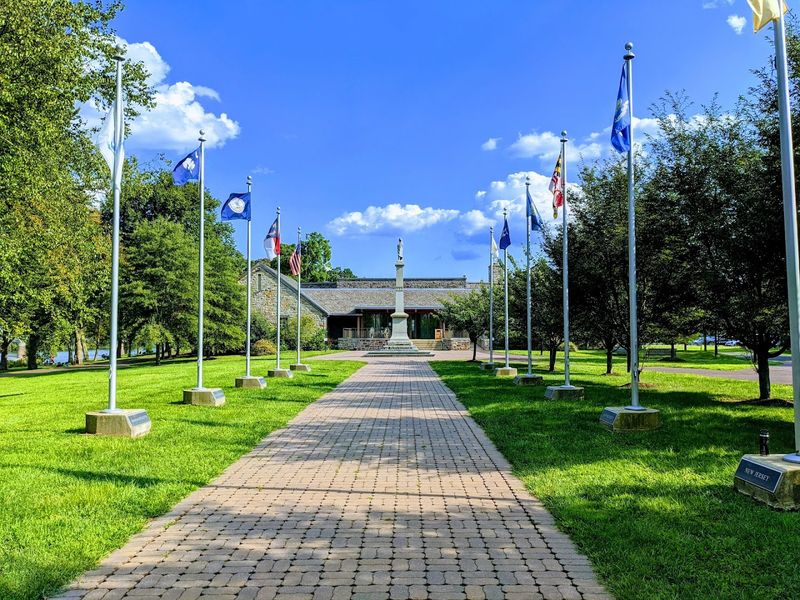
Can you believe that one freezing night on a river changed the entire course of a nation?
Washington Crossing Historic Park marks the exact spot where George Washington led his troops across the Delaware River. That crossing on December 25, 1776, led to a surprise attack that turned the tide of the Revolutionary War.
The park is divided into two main sections connected by River Road. The lower section includes the McConkey’s Ferry Inn, where Washington reportedly dined before the crossing. The upper section features the Thompson-Neely House and a historic gristmill.
Every Christmas Day, volunteers reenact the famous crossing in full period costume. Crowds line the riverbank to watch the boats push through the icy water just as Washington’s men once did.
It is one of the most authentic living history events in the entire country.
The park at 1112 River Rd in Washington Crossing is open year-round and admission is very affordable. Hiking trails wind through the grounds and offer lovely views of the Delaware.
If you love Revolutionary War history, this quiet stretch of river will absolutely deliver.
4. Phipps Conservatory And Botanical Gardens
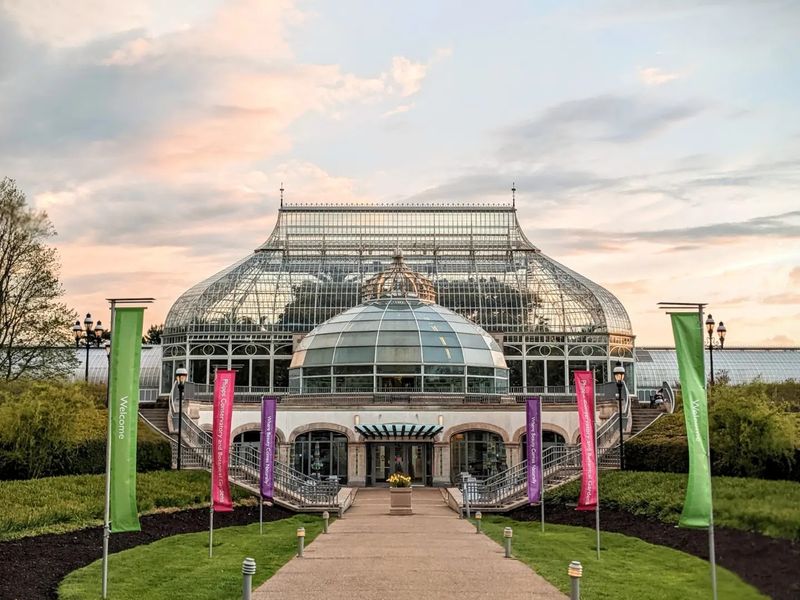
A greenhouse that makes you feel like you have stepped into another world entirely? Yes, please, take me there immediately!
Phipps Conservatory and Botanical Gardens in Pittsburgh is one of the most stunning green spaces in the entire United States. Built in 1893, this Victorian glasshouse is a true architectural treasure.
Inside, you will find a series of themed rooms that shift dramatically from one to the next.
Tropical rainforests, cactus rooms, orchid displays, and seasonal flower shows fill the interconnected glass pavilions. Each room feels like its own small universe, distinct in climate, color, and mood.
Phipps is also a leader in sustainability, earning multiple LEED certifications for its eco-friendly design. The outdoor gardens are equally impressive, with native plantings and peaceful walking paths.
Schenley Park surrounds the conservatory, making it easy to extend your outdoor time after your visit.
Families, solo travelers, and photographers all find something to love here at 1 Schenley Dr. Tickets are reasonably priced, and the experience is genuinely unhurried and calming.
This destination truly lingers with you long after you have left, the colors and the quiet staying in your mind for days. Pittsburgh often surprises first-time travelers, and Phipps is one of the best reasons to add this city to your itinerary.
5. Betsy Ross House
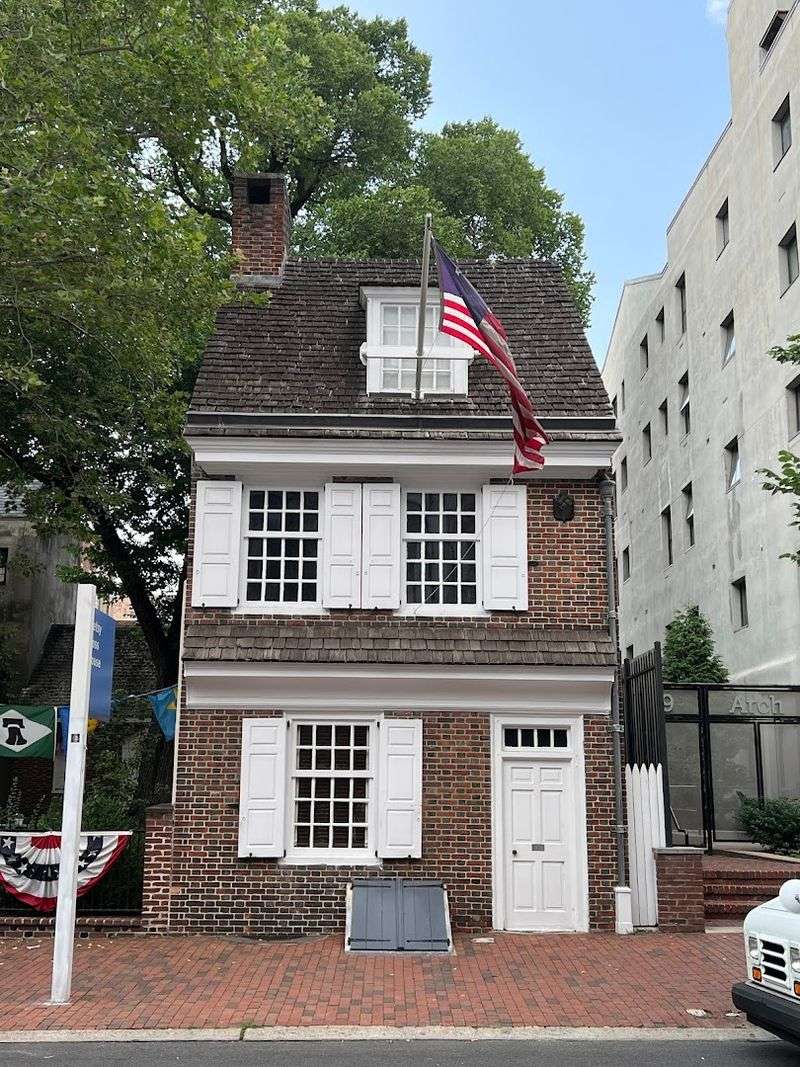
Who would have thought that a narrow brick rowhouse could hold such a legendary piece of American identity?
The Betsy Ross House at 239 Arch St is said to be the home of the woman who sewed the first American flag. The house itself, fully documented or not, is a fascinating window into 18th-century Philadelphia life.
The building has been carefully preserved and restored to reflect the period when Betsy Ross lived and worked there.
Costumed interpreters guide you through the rooms, explaining the daily routines of colonial tradespeople. The upholstery shop where Ross worked is one of the most interesting stops on the tour.
The courtyard outside is a lovely spot to pause and take in the historic neighborhood around you. Old City Philadelphia is packed with colonial-era landmarks within easy walking distance.
Combining the Betsy Ross House with nearby sites like Elfreth’s Alley makes for a rich half-day of exploration.
Admission is low-cost, and the house is open most days of the year. Kids tend to enjoy the hands-on elements and the costumed guides.
It is a compact but surprisingly rich experience in the heart of one of America’s most historic cities.
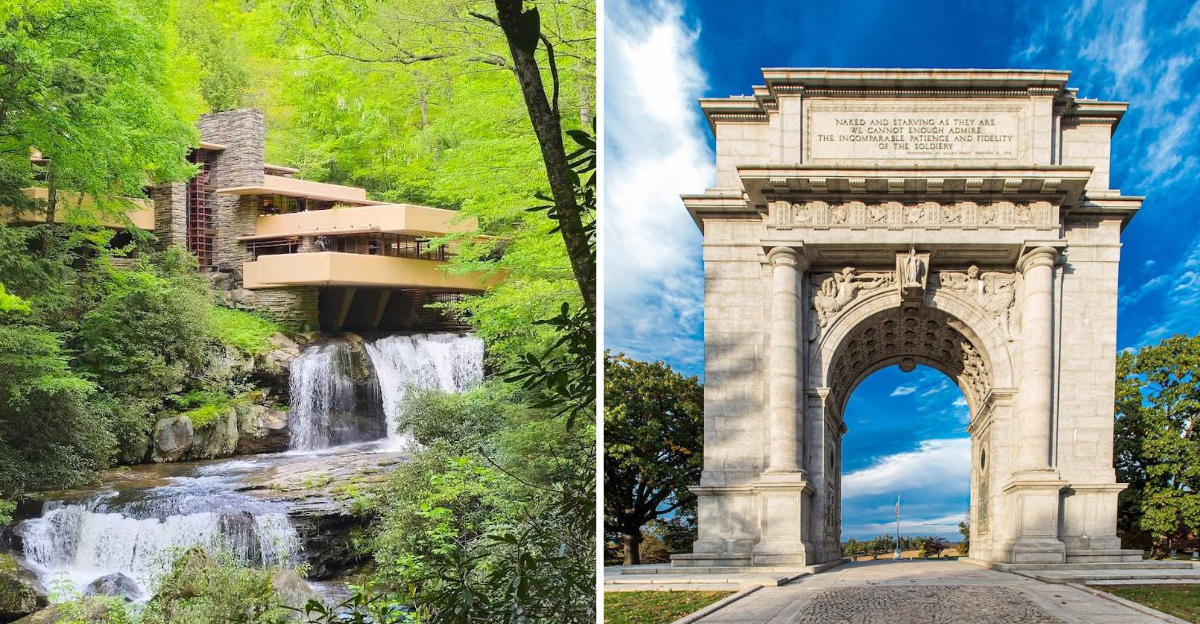
6. Fallingwater
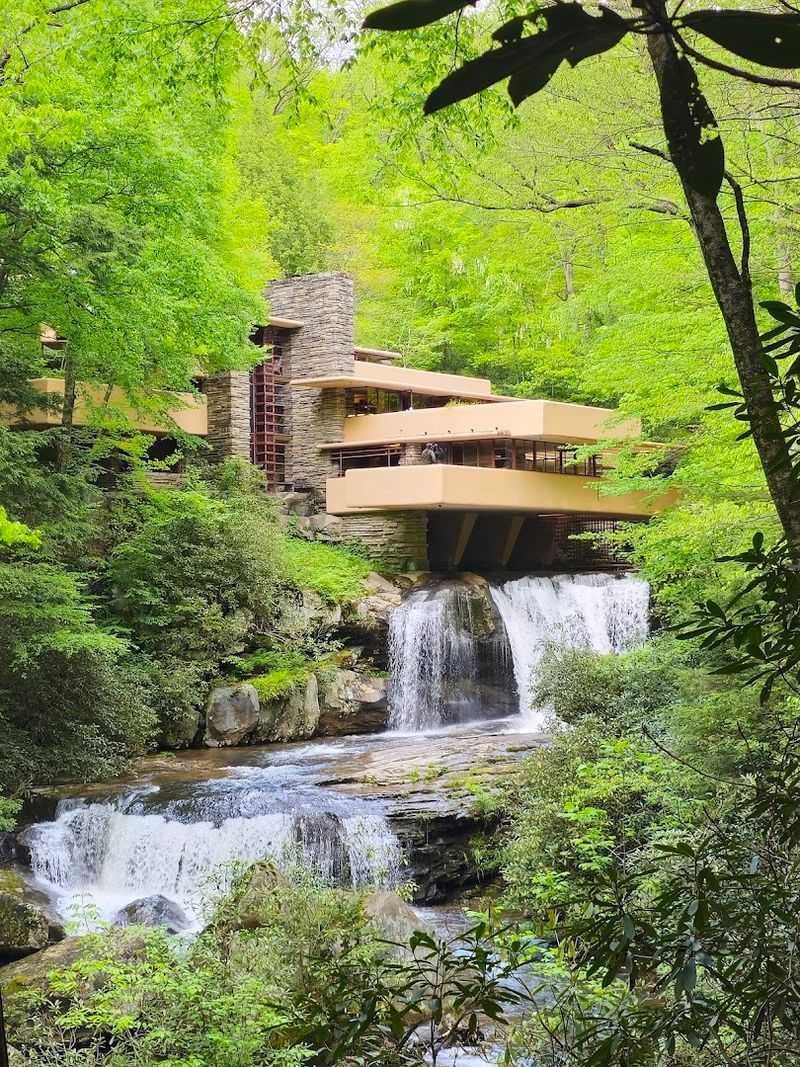
Doesn’t that sound strange, a house built directly over a waterfall? When I say strange, I mean it in the most fascinating way!
Fallingwater is widely considered one of the greatest works of architecture ever created. Designed by Frank Lloyd Wright in 1935, it was built as a weekend retreat for the Kaufmann family.
The structure’s bold concrete terraces seem to float over Bear Run, a natural stream that tumbles beneath the house.
Wright’s genius was in making the building feel like it grew from the landscape rather than being placed on it. Every angle of Fallingwater rewards a second and third look.
The interior is filled with original furniture and art, much of it designed by Wright himself. Being inside the house at 1491 Mill Run Rd in Mill Run while hearing the waterfall below is a rare and unforgettable experience.
The surrounding Laurel Highlands region of southwestern Pennsylvania is beautiful in every season. Fall foliage around the property is absolutely spectacular.
Book your tour well in advance, especially for weekends, because this is one of the most sought-after architectural tours in North America.
7. Eastern State Penitentiary
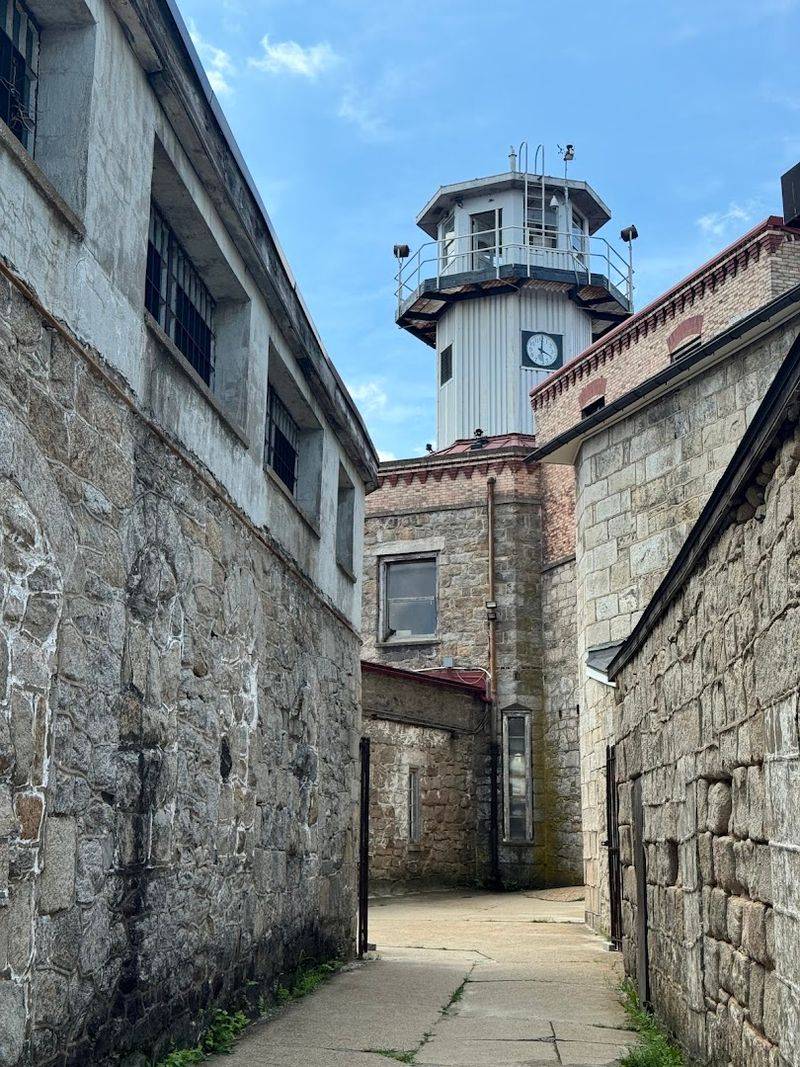
Nothing could have prepared me for how fascinating a crumbling old prison could be.
Eastern State Penitentiary in Philadelphia opened in 1829 and once held some of America’s most infamous inmates. Al Capone himself spent time here, and his surprisingly lavish cell is still on display.
The building’s Gothic stone facade is imposing from the outside, and the interior is even more striking. Cellblocks radiate outward from a central hub, a design that was revolutionary and widely copied around the world.
Today, the crumbling walls and peeling paint create an atmosphere unlike anything else in Pennsylvania.
Audio tours add a cinematic layer to the experience. The stories of inmates, guards, and reformers are told with honesty and depth. It is an unexpectedly thoughtful exploration of prison history.
During October, the penitentiary transforms into one of the most acclaimed haunted attractions in the country. If you come at 2027 Fairmount Ave for history or the Halloween experience, this is a landmark that genuinely rewards curiosity.
8. Independence Hall
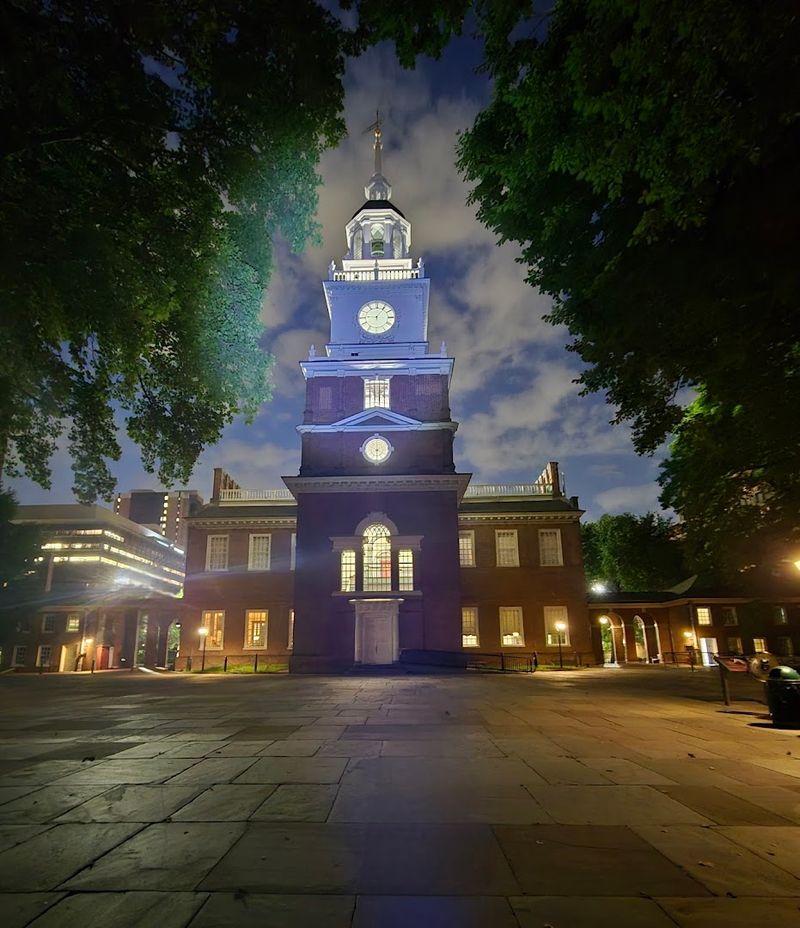
Some buildings are old. Then there are buildings where democracy was literally invented.
Independence Hall in Philadelphia is where both the Declaration of Independence and the U.S. Constitution were debated, drafted, and signed. That is not a small detail, that is the foundation of an entire nation.
The building was completed in 1753 and originally served as the Pennsylvania State House. The Assembly Room, where the founders gathered, has been restored to its 18th-century appearance.
Seeing the actual chairs and writing tables used during those historic debates is quietly astonishing.
Ranger-led tours run throughout the day and are free of charge, though timed tickets are required during peak season. The rangers are exceptionally knowledgeable and bring real personality to the storytelling.
Standing in that room at 520 Chestnut St, surrounded by the same walls that witnessed the birth of American democracy, is genuinely powerful.
Independence Hall sits within Independence National Historical Park, surrounded by other significant sites. The Liberty Bell Center is just steps away, making it easy to combine both in one morning.
9. Valley Forge National Historical Park
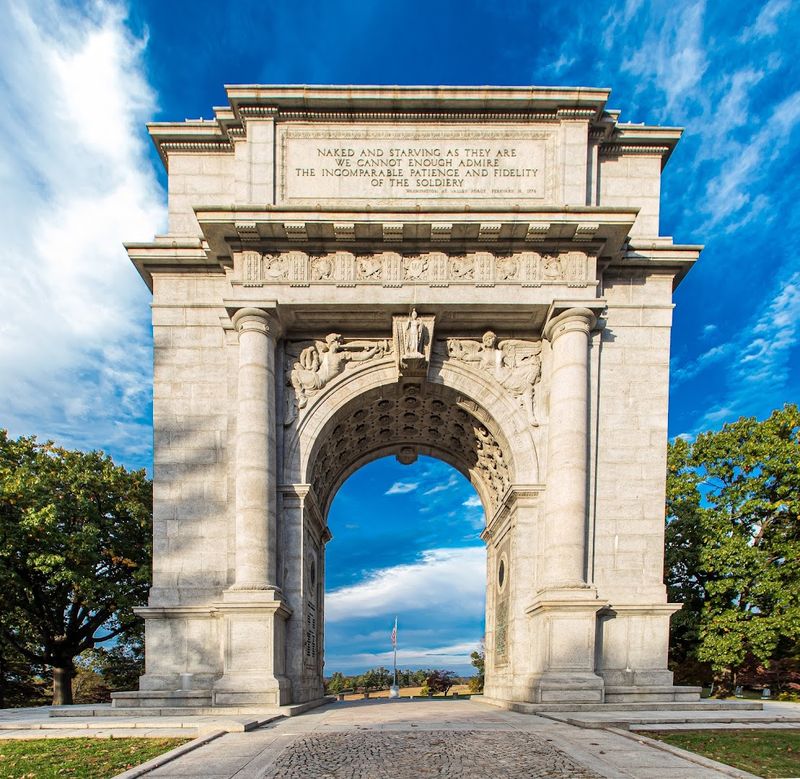
Here is something most people do not fully appreciate until they actually stand here.
Valley Forge National Historical Park at 1400 N Outer Line Dr in King of Prussia tells the story of one of the most grueling winters in American military history.
From December 1777 to June 1778, Washington’s Continental Army endured brutal cold, hunger, and hardship here.
The park covers over 3,500 acres of open land, woodlands, and historic structures. Reconstructed log huts give a vivid sense of the conditions soldiers endured that winter.
The Washington Memorial Chapel, built in the early 20th century, is a beautiful and solemn addition to the grounds.
Driving or cycling the tour road is a popular way to cover the park’s many monuments and viewpoints. The landscape itself is lovely, with wide meadows and forested ridges that are especially scenic in spring and fall.
Over 30 miles of trails make this a favorite among hikers and cyclists year-round.
The visitor center does an excellent job of framing the human story behind the strategic one. Interactive exhibits highlight individual soldiers rather than just generals and battles.
10. Liberty Bell Center
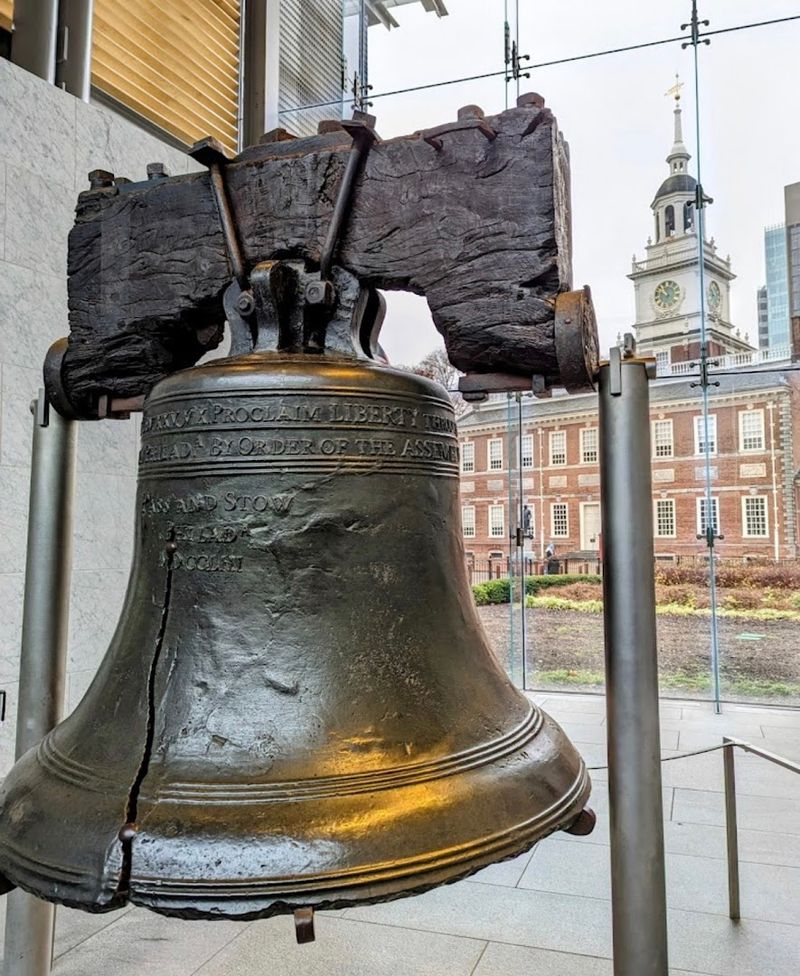
Can you believe that a cracked bell became one of the most recognized symbols of freedom in the world?
The Liberty Bell Center in Philadelphia houses this iconic relic right in the heart of the city’s historic district. The bell itself weighs about 2,080 pounds and bears a famous crack that runs up its side.
The center is free to enter, which makes it one of the best no-cost experiences in all of Philadelphia. Large glass walls allow you to view the bell with Independence Hall framed perfectly in the background.
That view alone is worth the short walk from any nearby hotel.
Exhibits inside trace the bell’s history from its casting in London in 1752 to its transformation into a civil rights symbol.
Abolitionists adopted the bell’s image long before it became a general symbol of American liberty. That layered history makes the bell far more interesting than most people expect going in.
The surrounding Independence Mall is a pleasant open space for a stroll after your tour. Street performers and food carts often gather nearby, giving the area a cheerful energy.
Combining the Liberty Bell Center at 101 S Independence Mall W with Independence Hall next door makes for a rich and satisfying morning in Philadelphia.