This Small Idaho Town Was Once Home To Ernest Hemingway
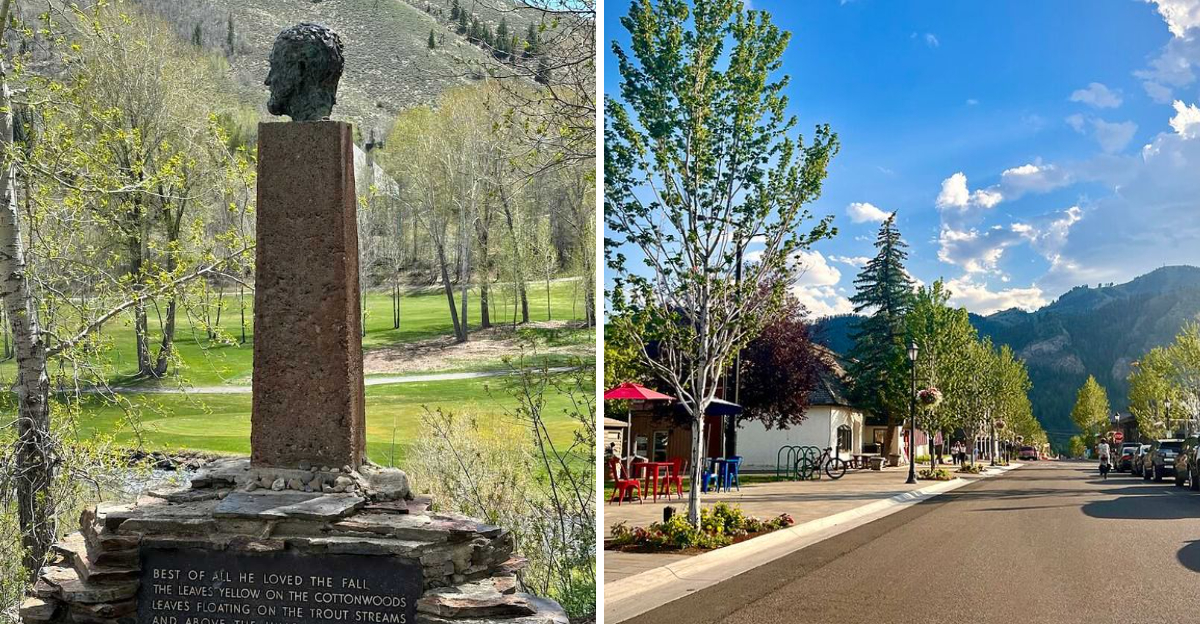
Some mountain towns feel like they were written in pencil, then left for the wind to edit.
High in south-central Idaho, one quiet place still carries Ernest Hemingway’s final chapter between rugged peaks, old trails, and Sun Valley lore.
Literary history lingers softly here, never loud enough to spoil the mystery.
Every cold morning, shadowed path, and mountain view makes the town feel like a secret with excellent grammar.
Hemingway’s Final Home
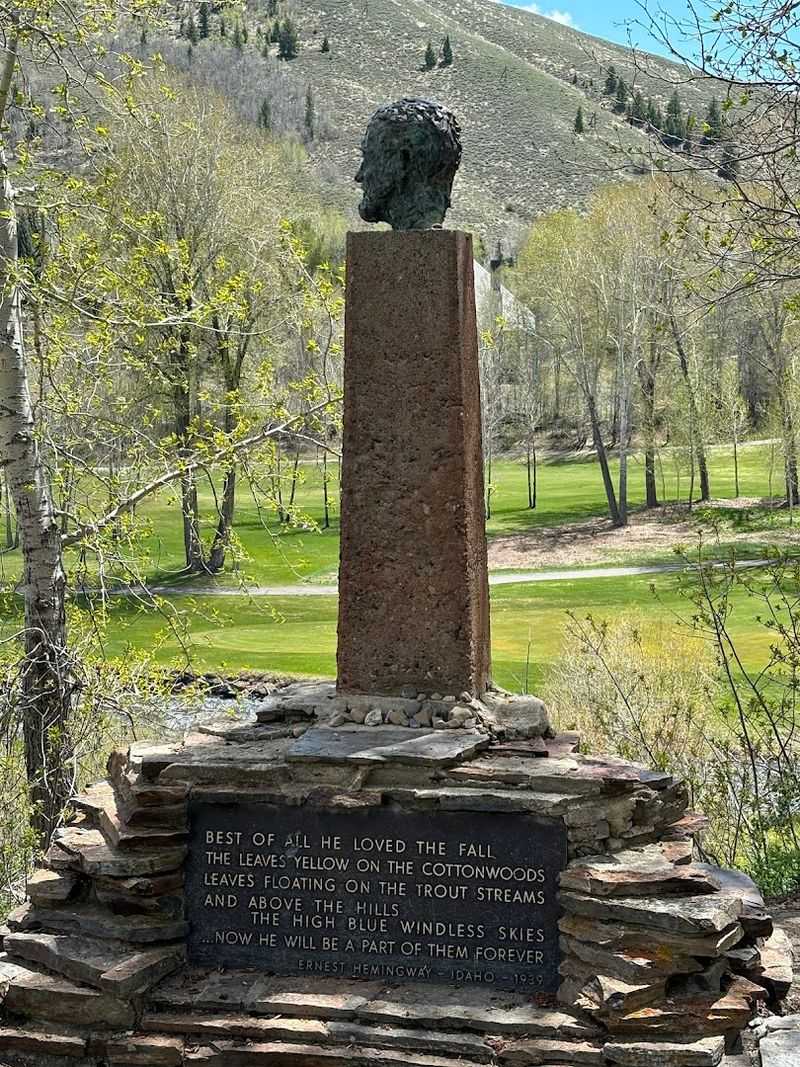
Ketchum carries Hemingway’s legacy with a quietness suited to the mountains around it, and the town’s setting in the Wood River Valley helps explain why he kept returning after his first Sun Valley visit in 1939. His Ketchum house was purchased in 1959, becoming his final home and later Mary Hemingway’s home until 1986.
Today, the property is managed by The Community Library Association as a private residence for visiting writers and as a preservation site rather than a regular public attraction. Privacy gives the place dignity instead of turning it into a commercial stop, which feels right for such a complicated final chapter.
Visitors cannot casually tour the house, yet knowing it remains preserved gives the town’s literary history real weight. River water, mountain ridges, open sky, and a sense of distance from noise still shape the landscape Hemingway chose.
For readers, Ketchum is not just a town where a famous writer once lived. It is where his final Idaho chapter unfolded in a setting still capable of making silence feel powerful.
Your Starting Point
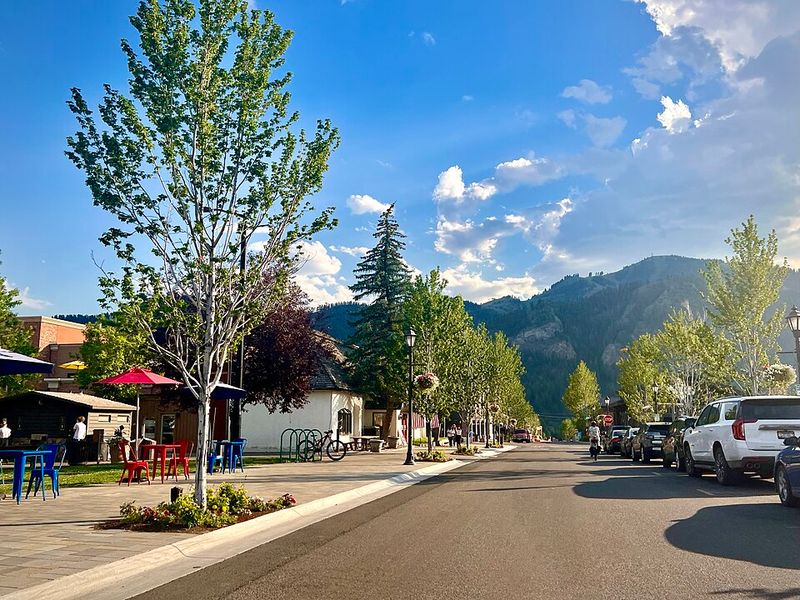
A strong Hemingway trip in Ketchum begins at the Sun Valley Visitor Center, located at 491 Sun Valley Road, Ketchum, ID 83340. Maps, brochures, local guidance, and seasonal tips help visitors understand the area before heading deeper into its literary and scenic layers.
Hemingway history here is not gathered into one single attraction with a giant sign, so starting with local orientation makes the visit feel less scattered. His story spreads across the valley through his home’s legacy, the cemetery, the Community Library, the museum, Sun Valley Lodge, the Big Wood River, and the wider landscape he loved.
Staff can help travelers balance literary stops with hiking, dining, galleries, shops, and seasonal events, which keeps the day from feeling too heavy or rushed. Ketchum works best when the schedule has room to breathe.
A visitor can start with practical advice, then move toward the places where Hemingway’s Idaho life still echoes. Slower exploration fits the town better than racing between landmarks, because the valley rewards curiosity, patience, and a willingness to let the mountains shape the day.
Hemingway’s First Visit To Sun Valley In 1939
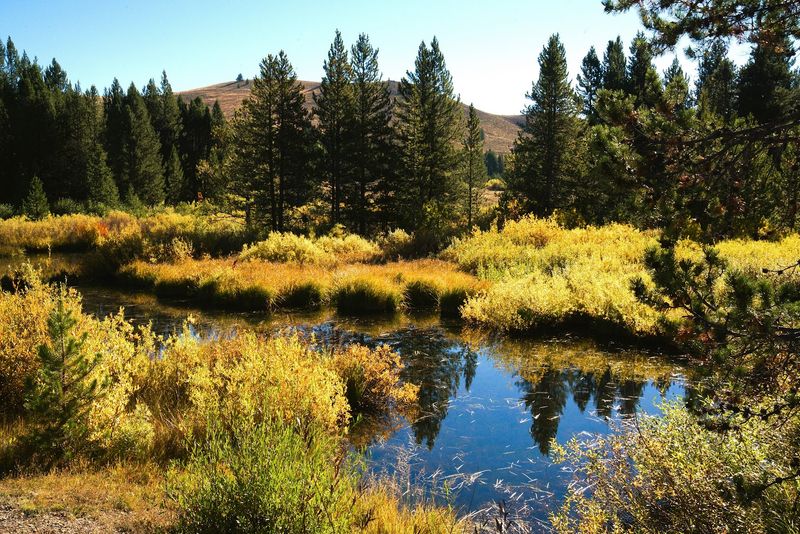
September 1939 marked the beginning of Hemingway’s long connection with central Idaho. He arrived in Sun Valley with Martha Gellhorn, bringing books, hunting and fishing gear, his typewriter, and the growing manuscript of For Whom the Bell Tolls.
Union Pacific had invited him as part of its effort to promote the new resort, and his arrival helped link Sun Valley with writers, celebrities, and outdoor glamour during its early years. More importantly, Idaho gave Hemingway far more than a stylish resort stop.
It offered mountains, rivers, hunting, solitude, and a Western directness he found deeply appealing. Sun Valley had polish, but the surrounding landscape carried a rougher, more lasting pull.
Hemingway returned many times during the next two decades, making the region part of both his personal life and literary mythology. For modern visitors, knowing For Whom the Bell Tolls traveled with him into this valley gives the scenery extra charge.
Mountain ridges, cold water, and open country were not just beautiful details. They belonged to the working world of a writer still shaping one of his major novels.
What Hemingway Did In Ketchum
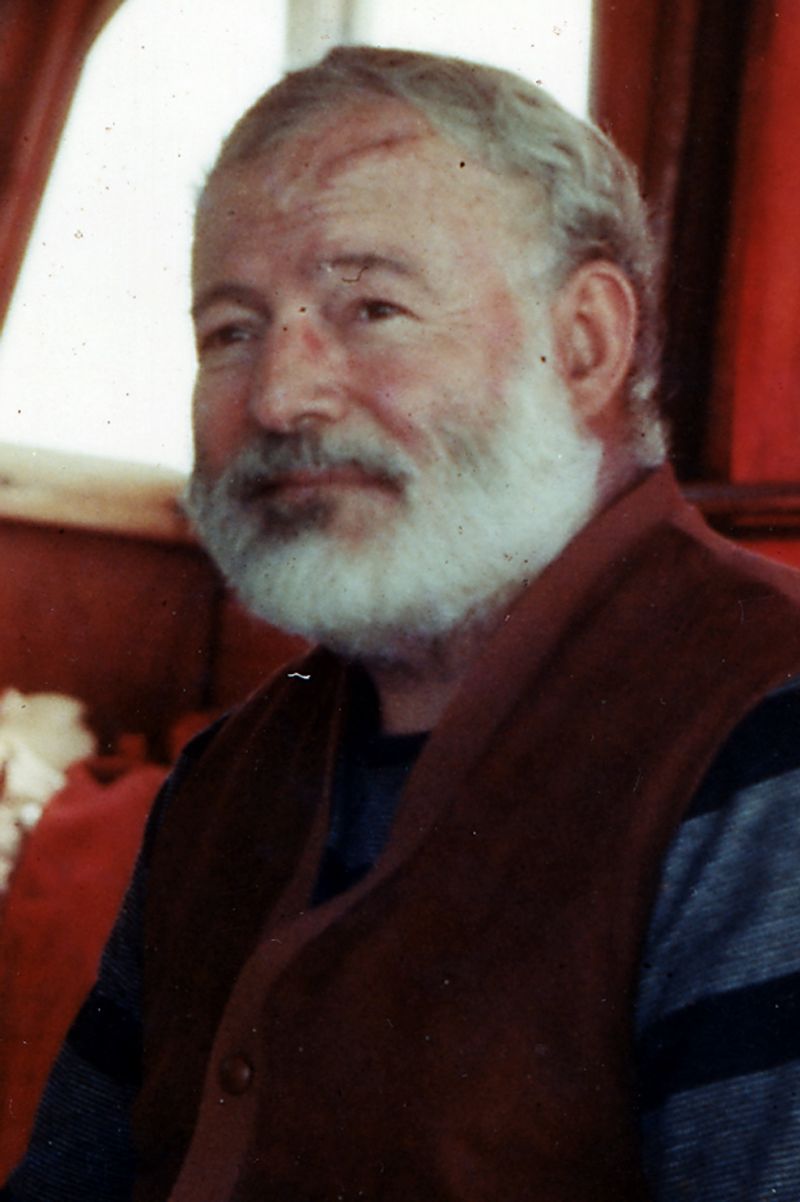
Daily life made Hemingway’s Ketchum connection feel deeper than a famous-name footnote. He wrote, hunted, fished, made friends, and connected strongly with central Idaho between his first 1939 visit and his final years in the area.
Surrounding landscapes suited a man drawn to outdoor pursuits, hard weather, rivers, and communities where people were not overly impressed by celebrity. Fishing along the Big Wood River and hunting in nearby country gave him the physical rhythm he often sought, while Ketchum offered social grounding.
Local friendships, shared meals, and familiar gathering places helped him become part of the community rather than only a literary figure passing through. Belonging matters in this story because Ketchum was not merely a backdrop for a famous writer.
It was a place where he lived, worked, struggled, and tried to hold onto the parts of life he valued most: words, land, friendship, and solitude. Those pieces still shape the town’s Hemingway identity today.
Visitors can sense how the valley offered both escape and attachment, which makes the connection feel personal rather than decorative.
The Hemingway House In Ketchum
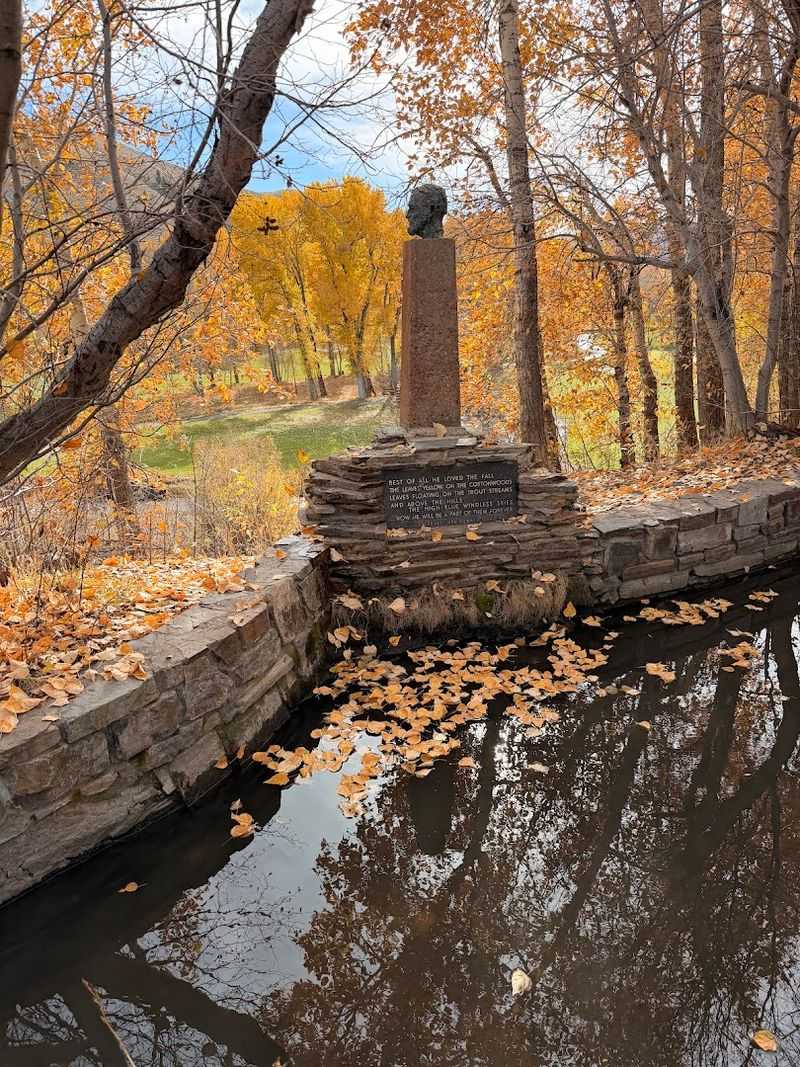
Privacy gives the Hemingway House a different kind of gravity. The Community Library describes the Hemingway House and Preserve as Hemingway’s final home, Mary Hemingway’s home until 1986, and a historic house and nature reference library for research and writing.
Current stewardship keeps the property connected to preservation, scholarship, and visiting writers instead of turning it into a standard house museum. Public walk-throughs are not offered, which may disappoint casual visitors but protects the seriousness of the site.
A virtual tour through Idaho Public Television gives interested readers a way to see the house remotely while respecting its current purpose. This restrained approach feels appropriate for a place tied to Hemingway’s final chapter and to the quieter side of his Idaho life.
Set along the Big Wood River, the home offered privacy, water, trees, and distance from the noise around fame. Even without public tours, the preserved house gives Ketchum’s Hemingway story a living center.
Its importance comes not from spectacle but from the knowledge that one of America’s most famous writers chose this valley as his last refuge.
A Lasting Literary Connection
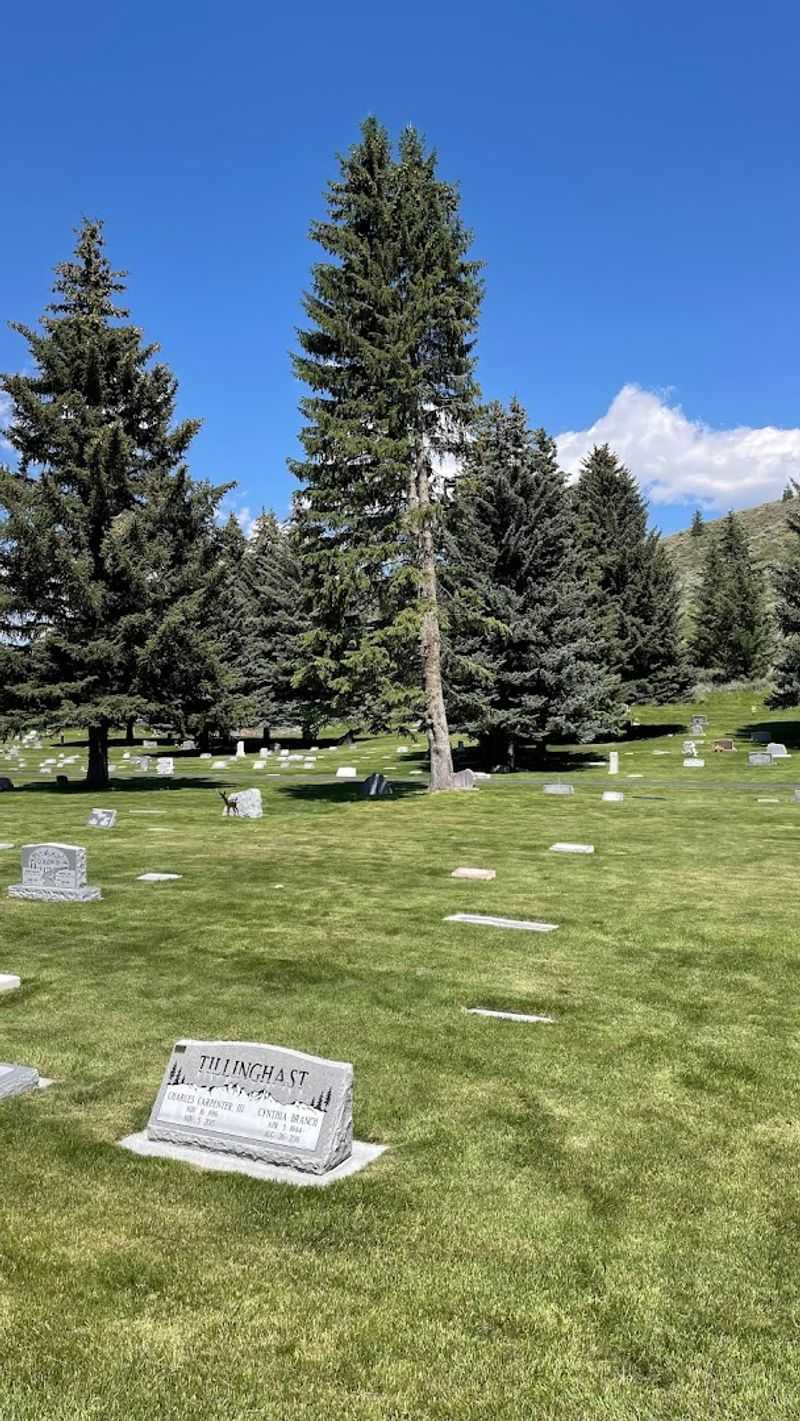
Resting beneath the wide Idaho sky, Ernest Hemingway is buried at Ketchum Cemetery, a quiet and deeply moving place that draws literary pilgrims from around the world. His grave is simple and unadorned, which feels entirely fitting for a man who valued honesty and directness above all else in both life and writing.
The cemetery itself is a serene spot, surrounded by trees and backed by the mountains that Hemingway loved so fiercely. Visitors often leave small offerings near his headstone, a spontaneous and touching tradition that speaks to how personally readers connect with his work.
The atmosphere is calm and reflective, encouraging visitors to slow down and sit with their thoughts.
Paying respects at Ketchum Cemetery is one of the most quietly powerful experiences available in the area. It grounds the literary history of this Idaho town in something real and permanent.
For anyone who has ever been moved by his writing, standing at that grave in the mountain air of Ketchum is a moment that stays with you long after the visit ends.
The Community Library’s Hemingway Resources
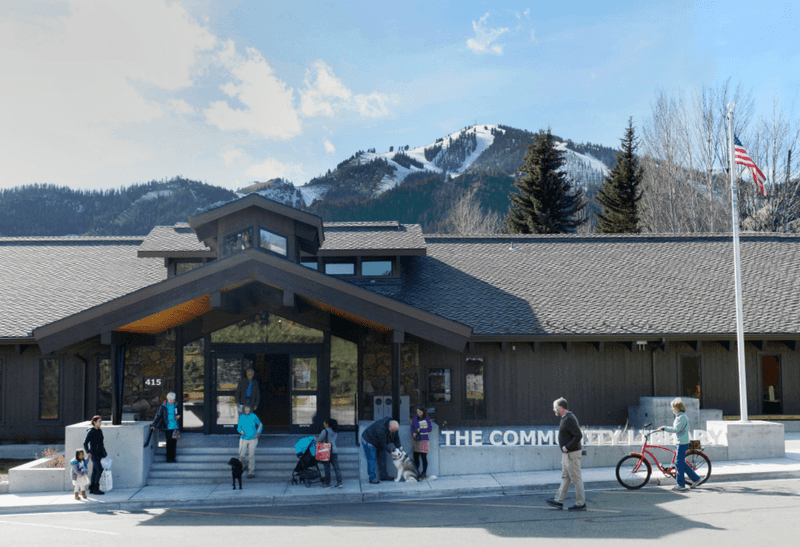
Research gives Ketchum’s Hemingway legacy a stronger foundation than roadside nostalgia ever could. The Community Library manages the Hemingway House and Preserve while maintaining a broader Hemingway program tied to preservation, scholarship, public learning, and regional history.
Its Hemingway in Idaho resources include a virtual tour of the final home and an audio walking tour connected to his presence in the area. Those tools help visitors move through the story with more context and less guesswork.
Library resources are especially valuable because Hemingway’s Idaho years touch literature, celebrity culture, conservation, mental health, marriage, friendship, and the changing identity of Sun Valley and Ketchum. A thoughtful cultural institution can hold that complexity better than a simple plaque or photo stop.
The library also supports writer-focused programs connected to the Hemingway House, keeping the site tied to living literary work rather than only memory. Visiting Ketchum becomes more than finding a grave or glancing toward a private house.
It becomes a chance to understand why the valley mattered and how one writer’s Idaho years still shape the town’s cultural life.
Wood River Museum Of History And Culture
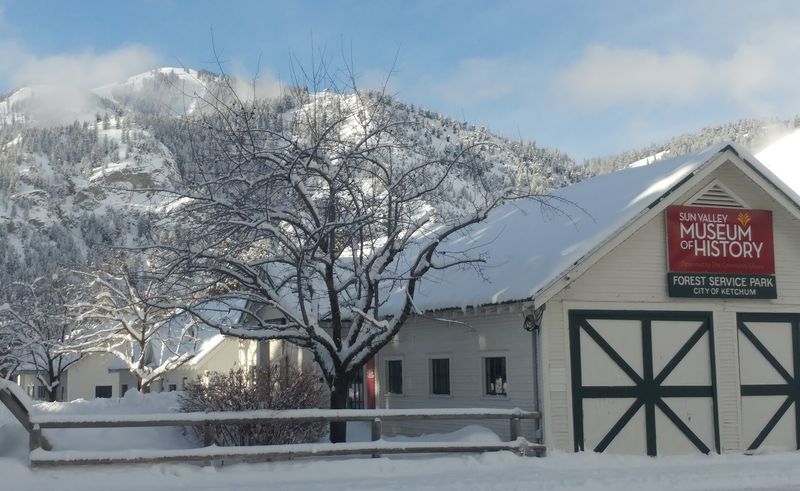
Regional history gives Hemingway’s Ketchum years a wider setting. Wood River Museum of History and Culture helps visitors see the valley as more than a famous writer’s final address, exploring the people, landscapes, industries, migrations, outdoor cultures, and communities that shaped the area over time.
Hemingway’s story makes more sense when placed beside the valley’s full identity. Ketchum was shaped by mining, sheep ranching, skiing, tourism, writing, art, and outdoor recreation long before and after his arrival.
Seeing him within that larger tapestry keeps the history balanced. He was important, but he was also one part of a living community rather than the entire story.
A museum stop can help visitors understand why this region attracted creative, rugged, and restless people for generations. It turns the Hemingway trail into a fuller Idaho story rather than a single-author pilgrimage.
Anyone planning a literary trip should make room for this wider context because the town’s history feels richer when Hemingway is treated as one voice in a much larger mountain chorus. That perspective makes the whole visit feel more grounded.
Planning Your Visit To Ketchum, Idaho
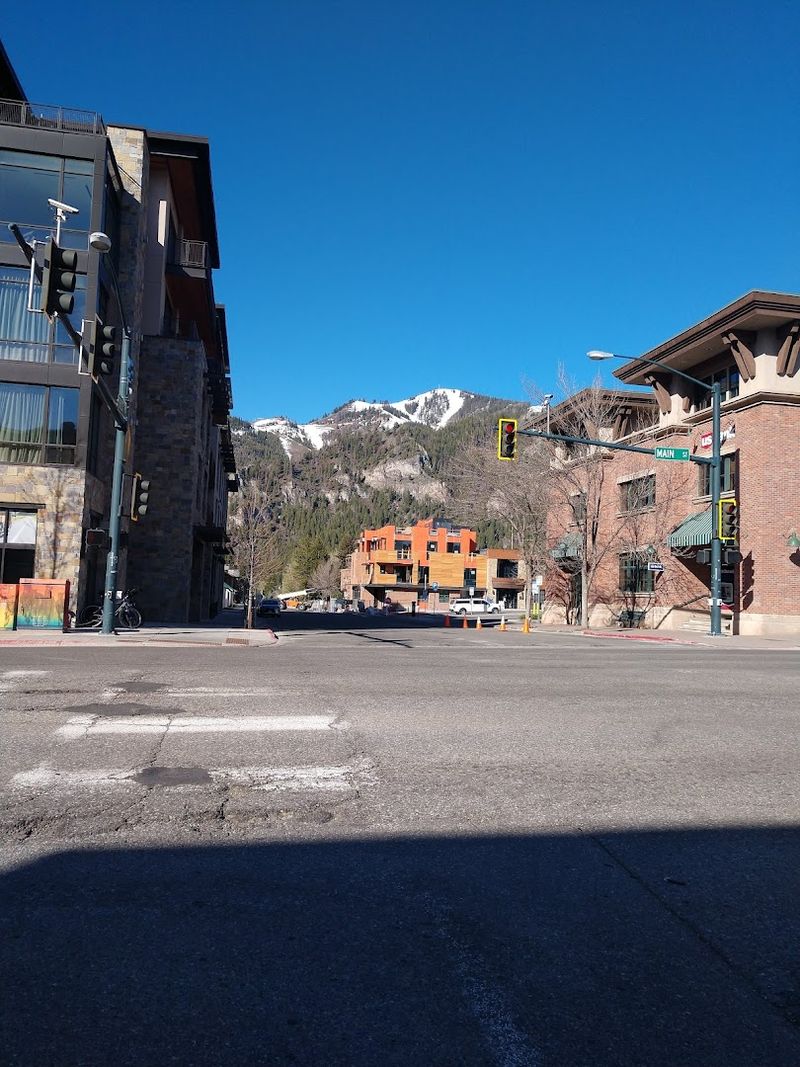
Smart planning helps a Hemingway-themed Ketchum trip feel reflective instead of rushed. Start at the Sun Valley Visitor Center for maps and local suggestions, then build the day around the Community Library’s Hemingway resources, Ketchum Cemetery, Wood River Museum of History and Culture, downtown Ketchum, and the wider Sun Valley landscape.
Summer and early fall work beautifully for walking, river views, hiking, and warm mountain light, while winter brings the ski-town energy that made Sun Valley famous. Spring can be gorgeous but variable, with rushing water and changing weather.
Visitors hoping to experience Hemingway sites should remember his house is private and not open for regular public tours, so the cemetery, library resources, museum exhibits, and public walking materials become the best ways to connect with the story. Ketchum works best when literary history is paired with the landscape itself.
Walk slowly, look toward the mountains, and let the town explain why he stayed. The strongest visits leave space for quiet, because quiet is part of the story here.