Walk Through One Of The Oldest And Most Charming Historic Districts In Connecticut
There are streets that have stories and then there are streets that are basically living history books with better architecture.
Old, beautifully preserved, and carrying centuries worth of character in every single block – this historic district in Connecticut is the kind of place that makes you slow your pace without even realizing you’re doing it.
Colonial homes that have been standing since before the country had a name, brick sidewalks that have seen more history than most textbooks cover, and a atmosphere so genuine it never feels like a performance.
The kind of afternoon where you start with a quick walk and end up two hours deeper than planned because there is always something else worth stopping for around the next corner. History lovers are going to be completely in their element and casual visitors are going to leave far more impressed than they expected.
Comfortable shoes, no rush, and an appreciation for places that actually earned their charm over centuries.
1. Step Back In Time On Cobblestone Streets
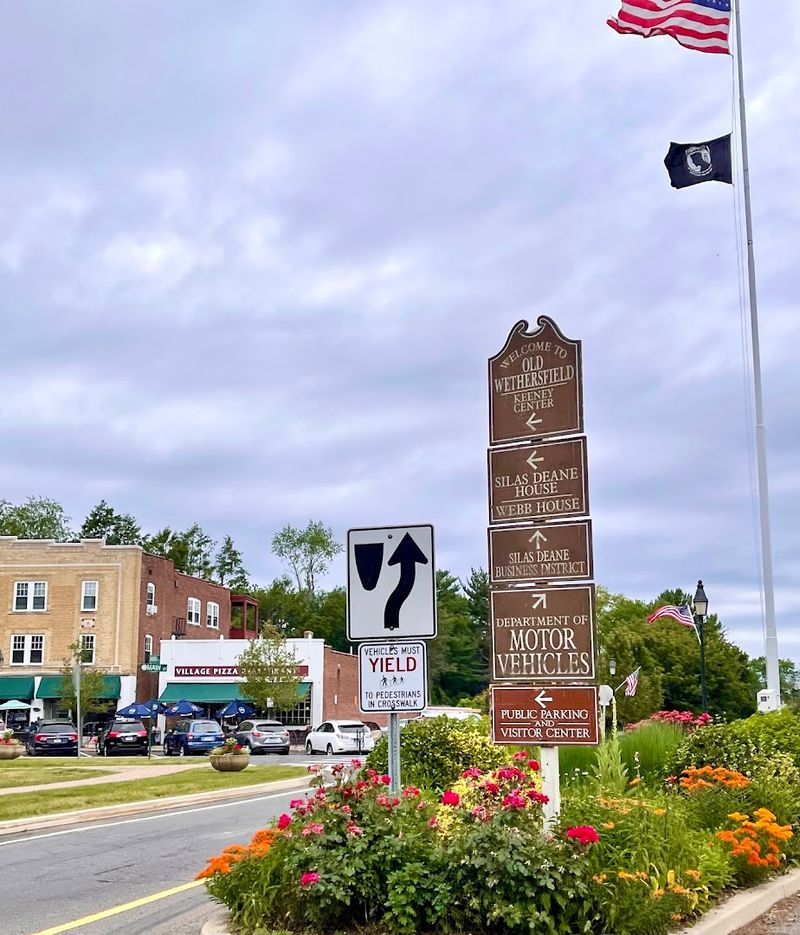
There is something grounding about walking a street that has existed for nearly four hundred years. The historic core of Old Wethersfield features brick-lined sidewalks and narrow roads that wind past homes built in the 1700s and early 1800s.
The scale of everything feels human and unhurried, which makes exploring on foot the most rewarding way to experience it.
Main Street is one of the best starting points for a self-guided walk. The tree canopy overhead creates a natural tunnel effect in warmer months, filtering sunlight in a way that softens the whole scene.
In autumn, the leaf color adds a layer of warmth that makes the already picturesque streetscape feel almost cinematic.
Foot traffic tends to be light on weekday mornings, which gives visitors more space to stop, look up at rooflines, and notice architectural details without feeling rushed. The pacing of a walk here tends to slow naturally, and that is part of the appeal.
Comfortable walking shoes are recommended since some surface areas are uneven and worth navigating carefully.
2. Historic Homes And Architecture That Tell A Story
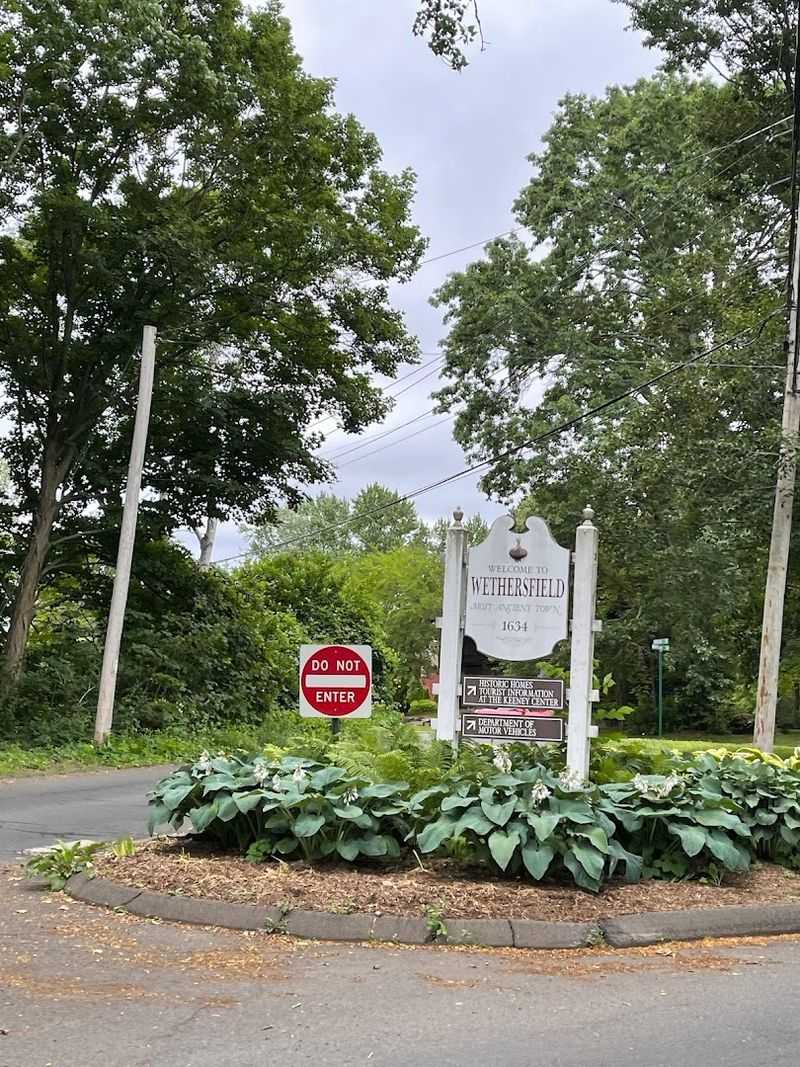
More than two hundred pre-Revolutionary War structures still stand in Old Wethersfield, making it one of the most architecturally intact colonial districts in the northeastern United States. The homes range from modest saltbox cottages to grand Georgian and Federal-style houses, each one reflecting a different chapter of the town’s long history.
Details like original clapboard siding, twelve-over-twelve windows, and hand-laid stone foundations are visible throughout the district. Many of these homes have been privately maintained and carefully restored over generations, which means the streetscapes look remarkably consistent and authentic.
Architecture enthusiasts tend to spend hours simply walking the side streets and noticing how construction styles shifted across different eras. Broad Street Green, a central common area surrounded by historic structures, offers a clear view of multiple building styles at once.
The variety is striking without feeling chaotic, and the overall effect is one of layered history rather than a theme park recreation. Visiting in spring or fall tends to offer the most comfortable walking conditions and the best light for appreciating the facades up close.
3. Charming Cafes And Local Eateries To Explore
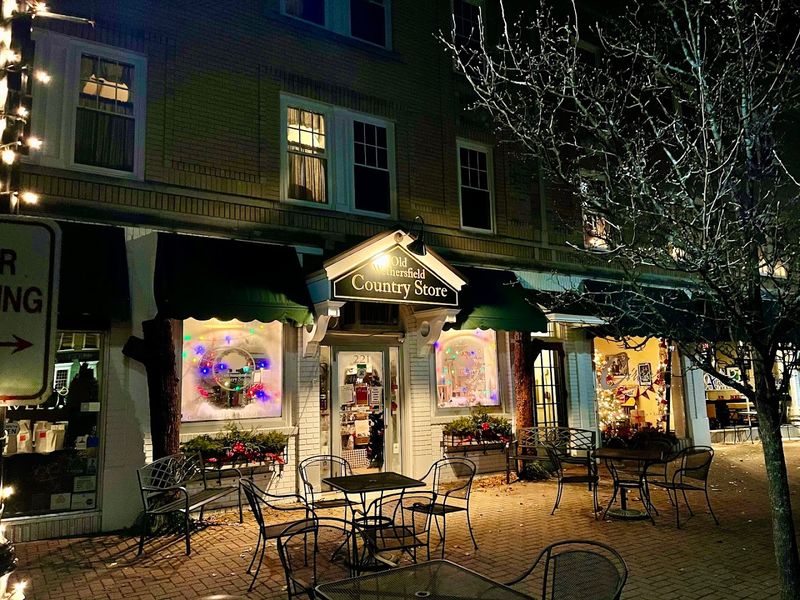
After a long walk through the historic district, a quiet place to sit and eat feels especially welcome. The area around Old Wethersfield has a small but solid selection of local eateries that reflect the community’s character rather than chain restaurant uniformity.
The atmosphere at most spots tends to be relaxed and neighborhood-focused.
Standout Provisions, located at 272 Main Street in Wethersfield, CT 06109, is a well-regarded local spot known for its approachable menu and comfortable setting. The space has a warm, unpretentious feel that suits the surrounding historic neighborhood well.
Menu options tend to cover a range of preferences, making it a practical stop for groups with different tastes.
Seating at smaller local spots can fill up on weekend afternoons, so arriving a little earlier in the day tends to result in a more relaxed experience. Many visitors find that pairing a meal with a walk through the district makes for a satisfying half-day outing.
Checking current hours ahead of time is always a good idea since schedules at smaller establishments can shift seasonally.
4. Museums And Landmarks That Bring History Alive
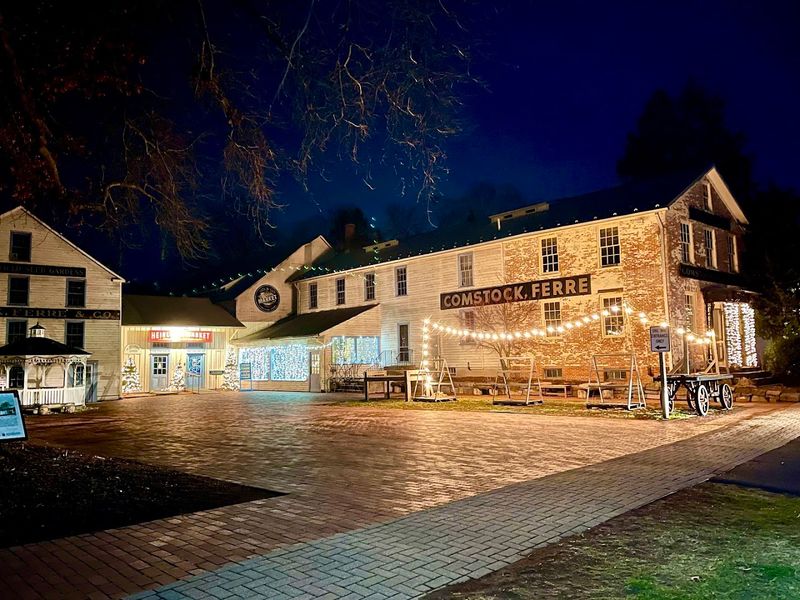
Old Wethersfield is home to some of Connecticut’s most significant historic house museums, and the Webb-Deane-Stevens Museum is among the most visited. Located at 211 Main Street, Wethersfield, CT 06109, the museum encompasses three fully preserved 18th-century homes that offer guided tours through furnished interiors.
Each house tells a distinct story about colonial-era life, trade, and domestic culture.
The Buttolph-Williams House, one of the oldest structures in the district, dates back to around 1711 and gives visitors a clear sense of how early settlers actually lived. Rooms are furnished with period-appropriate objects, and the overall presentation favors authenticity over dramatization.
The experience feels educational without being dry or overly formal.
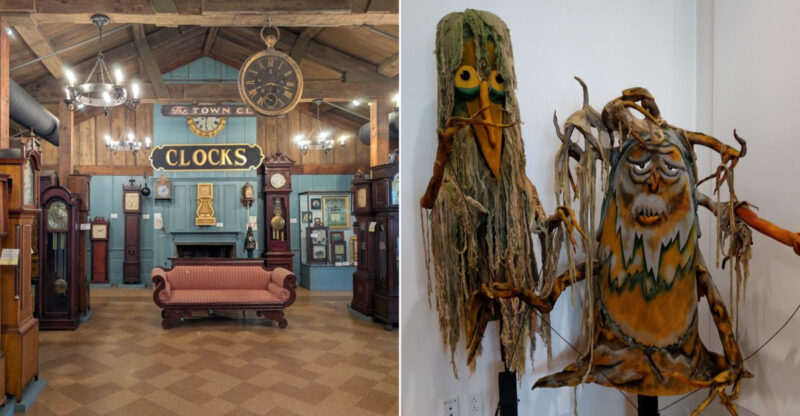
The Wethersfield Historical Society also maintains resources and exhibits that help visitors understand the town’s evolution from a colonial trading hub to a modern suburb. Checking the museum websites before visiting is recommended since hours and tour availability can vary by season.
Combining a museum visit with a walk through the surrounding streets tends to create a more complete understanding of the district as a whole.
5. Seasonal Festivals And Community Events To Enjoy
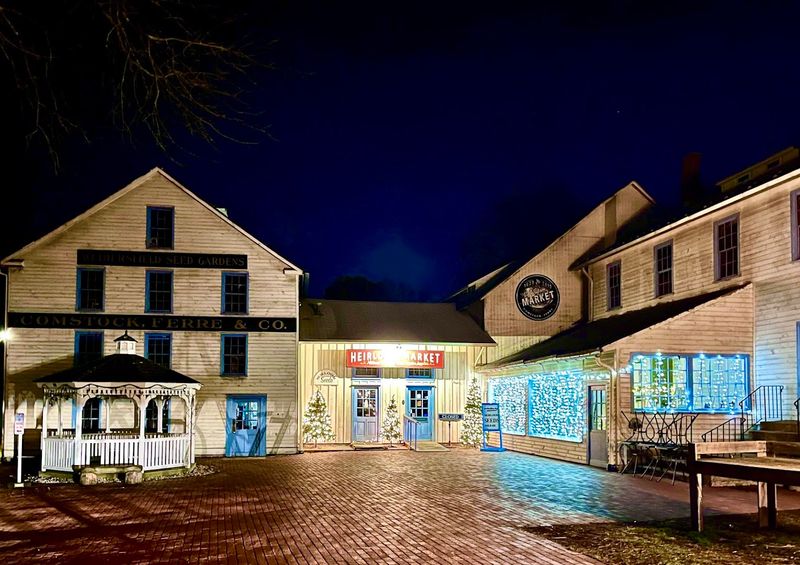
Throughout the year, Old Wethersfield hosts a variety of community events that draw both locals and visitors from across the region. The Wethersfield Historical Society and local organizations regularly organize seasonal programming that ties into the town’s colonial heritage.
These events tend to feel genuinely community-driven rather than heavily commercialized.
The annual Wethersfield Witch Trials Lantern Tour, held in October, is one of the more distinctive seasonal offerings in the district. Participants walk through the historic streets after dark while guides share the stories of accused individuals from the colonial period.
The experience is historically grounded and atmospheric without being sensationalized.
Spring and summer bring outdoor markets and garden-focused events that take advantage of the district’s green spaces and public commons. Broad Street Green has served as a gathering place for community events for centuries and continues to function that way today.
Checking the Wethersfield Historical Society’s event calendar in advance helps with planning since schedules and registration requirements can vary. Many events are family-friendly and free or low-cost, which makes them accessible for a wide range of visitors.
6. Hidden Alleys And Courtyards Worth Discovering
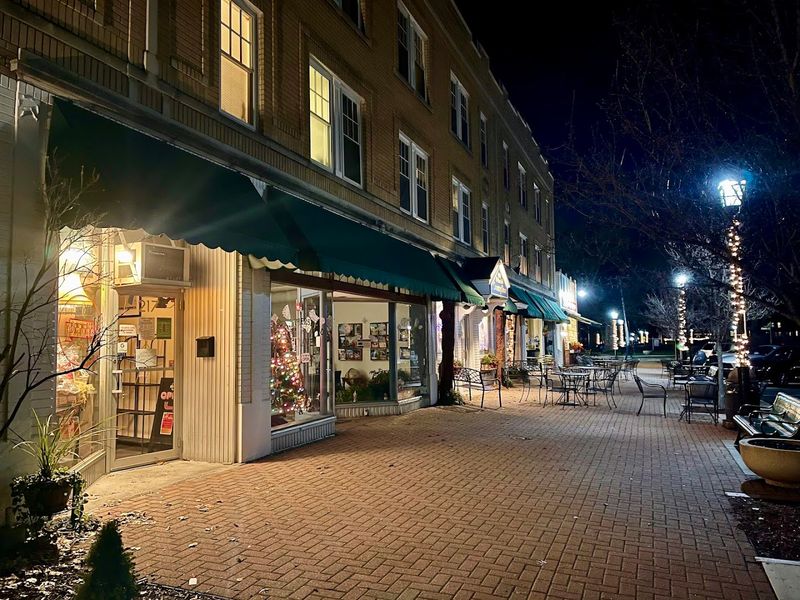
Not everything worth seeing in Old Wethersfield is immediately visible from the main road. Side streets, narrow passages, and tucked-away courtyards reward visitors who take the time to wander rather than follow a strict itinerary.
The district’s layout reflects its organic colonial origins, which means there is no perfectly predictable grid to navigate.
Some of the most interesting architectural details appear on the backs and sides of buildings rather than their street-facing fronts. Stone walls, old carriage paths, and small garden enclosures can appear unexpectedly along quieter stretches of the neighborhood.
Taking a slower pace and looking beyond the obvious sightlines tends to reveal these quieter layers of the district.
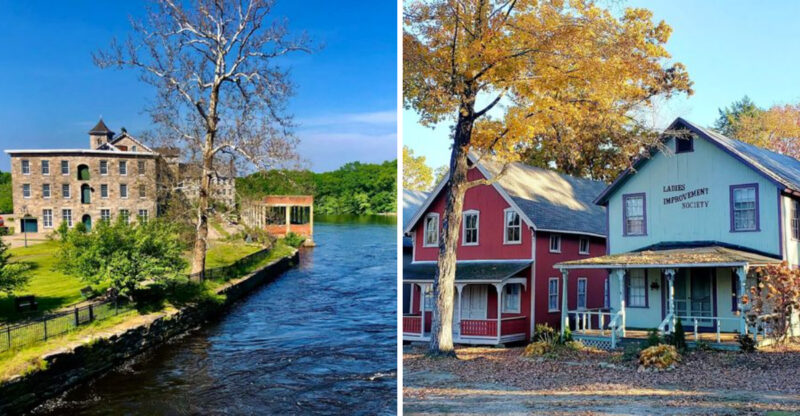
The area near Cove Park, which borders the historic district along the Connecticut River, offers a different kind of discovery. The park itself is open to the public and provides a peaceful transition from the built environment of the historic streets to a more natural setting.
Combining a walk through the side streets with time at the waterfront gives visitors a fuller sense of how geography shaped the town’s development over centuries.
7. Boutiques And Artisan Shops For Unique Finds
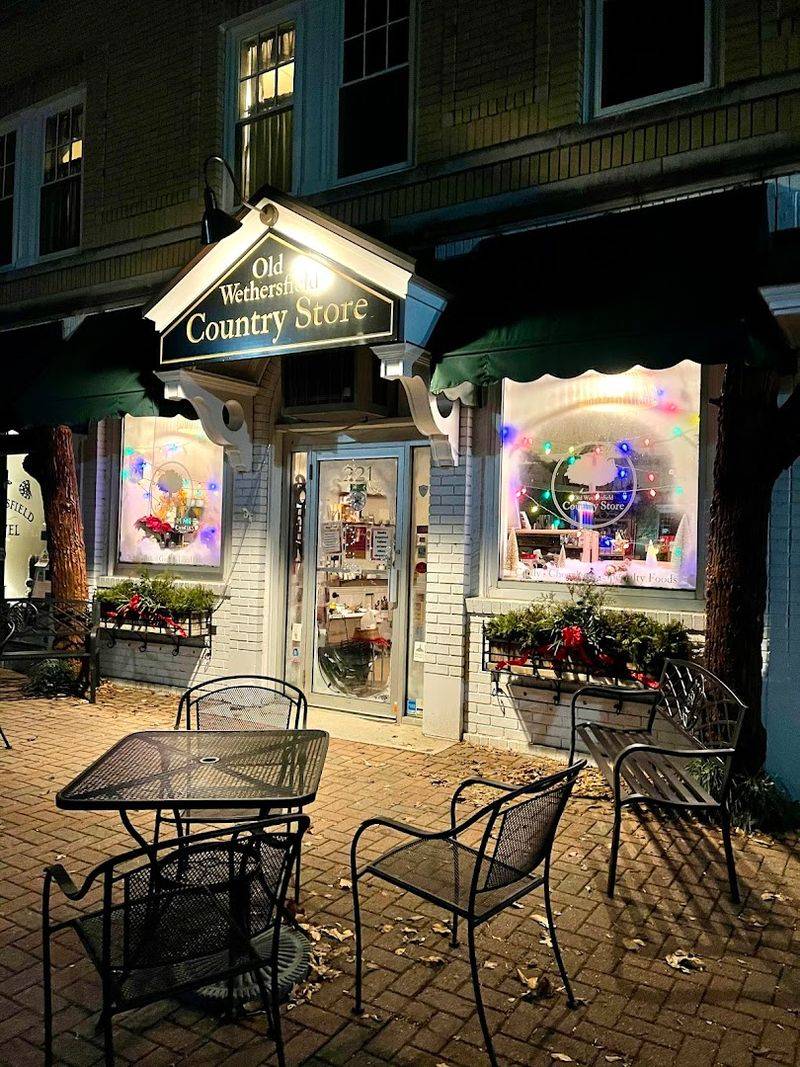
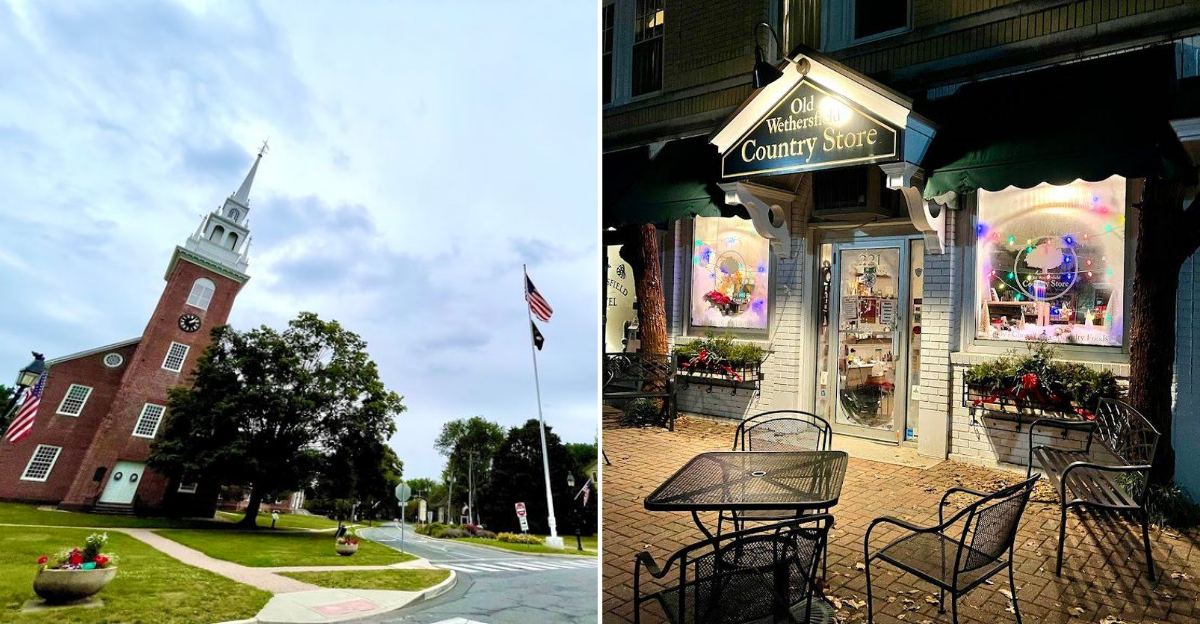
Shopping in Old Wethersfield tends to lean toward the independent and the handcrafted rather than the mass-produced. The district’s commercial stretch includes a modest but thoughtfully curated mix of small businesses that reflect the character of the surrounding historic neighborhood.
Browsing here feels unhurried and personal in a way that larger retail environments rarely offer.
Antique dealers and specialty shops with a focus on locally made goods appear throughout the area, and many carry items that connect directly to New England history and craft traditions. Pottery, handmade textiles, vintage maps, and locally produced preserves are among the types of items that tend to appear in these shops.
Availability changes regularly, which means repeat visitors often find something new on each trip.
The pace of shopping in this district suits those who enjoy browsing without pressure. Shop owners are generally knowledgeable about their inventory and happy to share context about the pieces they carry.
Hours can vary between establishments, and some smaller shops may close on certain weekdays, so a quick check online before visiting helps avoid any unnecessary detours. Bringing cash alongside a card is useful since some smaller vendors may prefer it.
8. Tips For Experiencing The District Like A Local
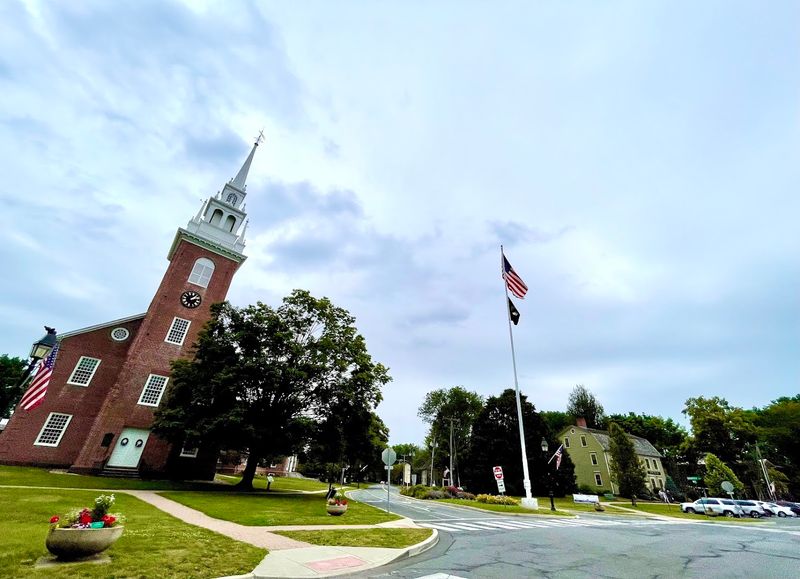
Getting the most out of a visit to Old Wethersfield comes down to timing and pace. Weekday mornings tend to offer the quietest experience, with fewer cars on the streets and more space to linger in front of historic structures without feeling like a disruption to foot traffic.
Weekend afternoons bring more visitors, which adds energy but also means museum queues and parking spots fill up faster.
Parking is generally available near Broad Street Green and along side streets adjacent to the main historic corridor. Arriving by mid-morning on weekends usually means finding a spot without difficulty.
The district is compact enough that once parked, most points of interest are reachable entirely on foot.
Layering clothing is practical in any season since the district involves extended time outdoors. Spring and fall offer particularly comfortable walking temperatures and the best natural light for photography.
Carrying a small water bottle and wearing supportive shoes makes the longer walking stretches more comfortable. Local residents tend to be familiar with the district’s history and are often happy to point visitors toward lesser-known spots that do not appear in standard travel guides.
Approaching the visit with flexibility rather than a rigid schedule tends to result in the most memorable experience.