This Postcard-Worthy 100-Acre Botanical Garden In Nebraska Feels Like A Living Painting
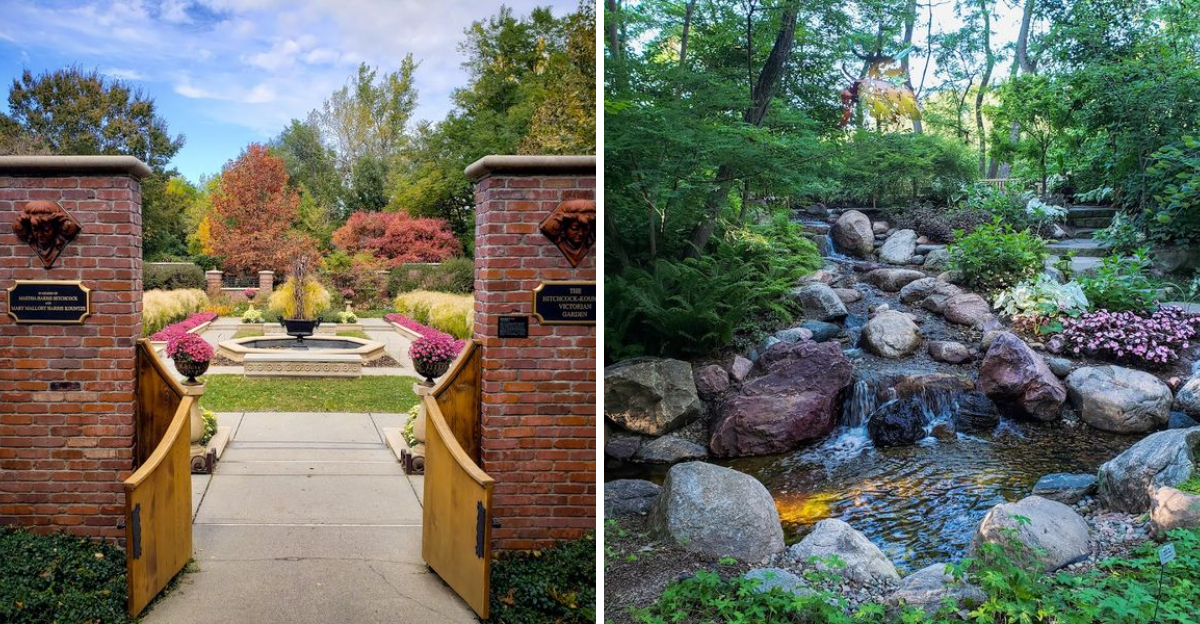
A garden can make people slow down before they realize they have obeyed. Flowers do that. So do quiet paths and water views that look almost too arranged to be real.
One turn feels peaceful. The next feels like someone painted the whole scene just to show off.
A postcard-worthy Nebraska botanical garden can make an ordinary afternoon feel strangely polished.
You wander in for fresh air. Then the colors start getting competitive. The paths pull you deeper.
Nothing feels rushed because the place keeps on giving you reasons to stop.
A garden like this does not need a loud attraction to hold attention. It works with blooms, texture, shade, and the kind of beauty that makes people speak a little softer.
The Rose Garden With Nearly 2,000 Blooms Worth Stopping For
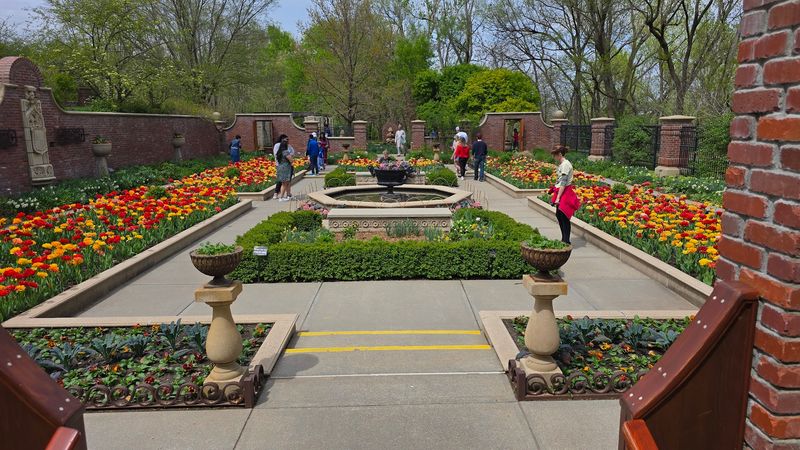
Few things stop a person mid-stride like rounding a path and suddenly finding themselves surrounded by nearly 2,000 rose plants in full bloom.
Construction on the Rose Garden at Lauritzen Gardens began in 1995, making it one of the earliest features developed on the property.
The sheer variety of roses here tends to surprise first-time visitors who expect something small and tidy.
The garden is laid out in a way that encourages slow walking and frequent pausing.
Different rose varieties bloom at different times throughout the season, so the display shifts and changes as the weeks pass.
Visiting more than once between late spring and early fall could reveal an entirely different palette of color each time.
Warm mornings tend to be a pleasant time to visit this section of the grounds before the midday heat sets in.
The fragrance alone makes the walk worthwhile.
For anyone who appreciates traditional garden design combined with genuine horticultural depth, this corner of the 100-acre property delivers something that feels both timeless and quietly spectacular without trying too hard to impress.
The Marjorie K. Daugherty Conservatory Is A Tropical Escape Inside A Glass Structure
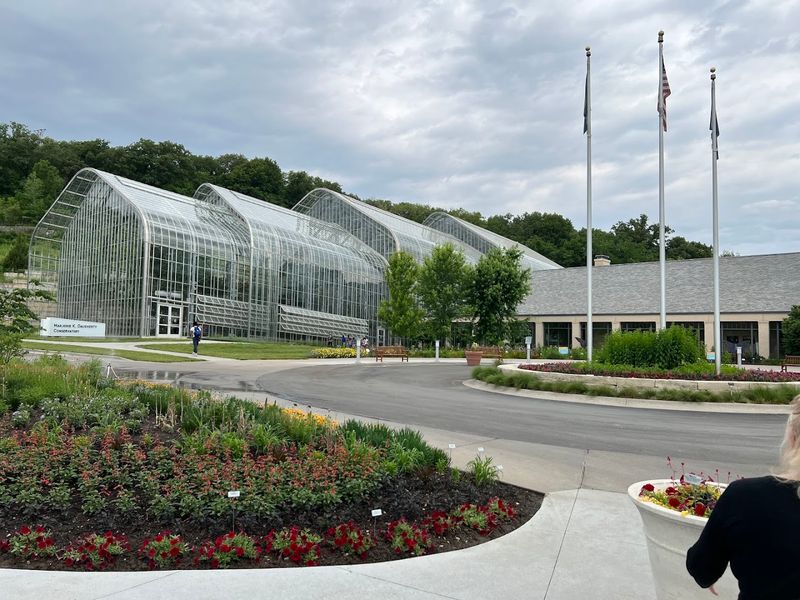
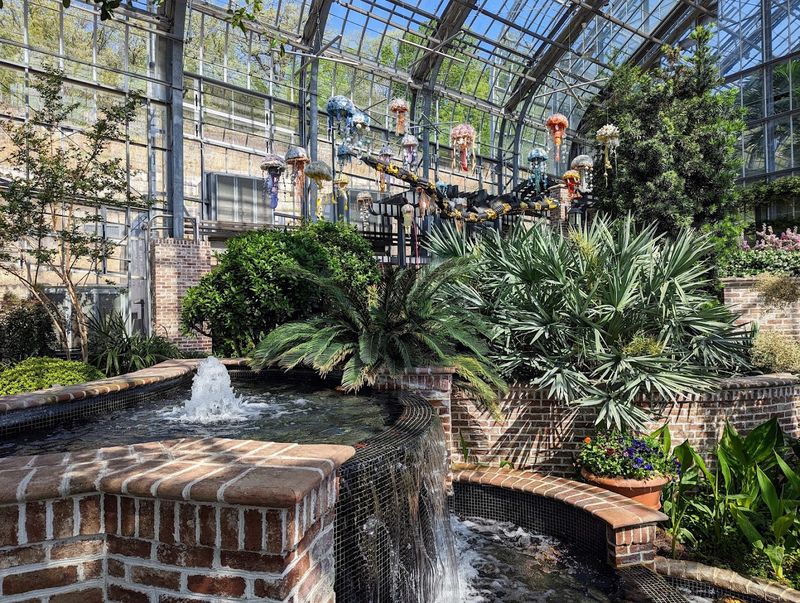
Stepping inside the Marjorie K. Daugherty Conservatory feels a bit like crossing into a completely different climate zone.
This 17,000-square-foot glass structure opened in 2014 and was designed to cultivate plants that require warmer conditions than Nebraska’s outdoor seasons allow.
The air inside is noticeably warmer and more humid than the surrounding grounds, which makes it especially welcome during a cold winter visit.
Tropical and temperate plant collections fill the conservatory’s interior, creating a lush, layered environment that looks remarkably different from the garden spaces outside.
The glass walls and ceiling flood the space with natural light, giving the plants a vibrant quality that photographs beautifully.
Visitors who come during the colder months often describe the conservatory as a genuine oasis from the wind and chill outside.
It is worth checking the official Lauritzen Gardens website before visiting, as the conservatory has undergone renovation periods that temporarily affected access.
When open, it functions as one of the most visually striking indoor spaces on the property.
Sofia’s Play Garden With Hands-On Outdoor Space For Young Visitors
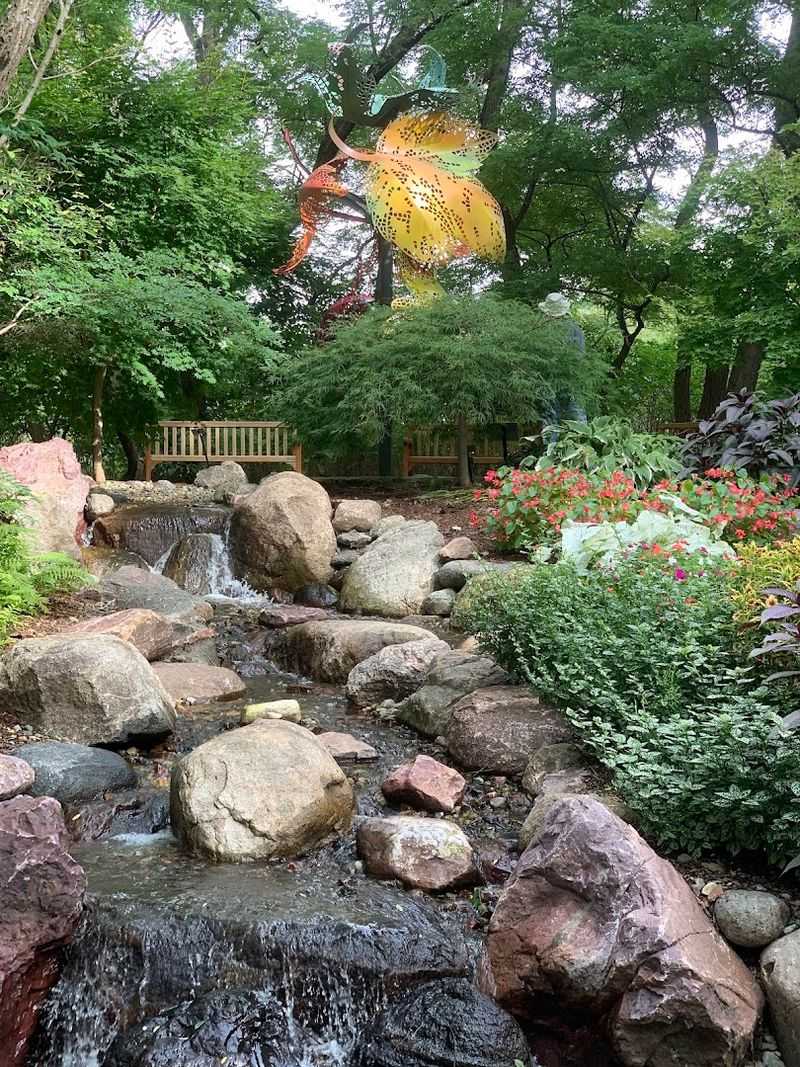
Opened in 2025, Sofia’s Play Garden is one of the newest additions to Lauritzen Gardens and it has already become a major draw for families visiting the property.
The space was designed with younger visitors in mind, combining hands-on play elements with an educational environment that encourages curiosity about the natural world.
Rope nets, play structures, and water features give children plenty of ways to engage physically with the outdoor setting.
What makes this play area stand out from a typical playground is the way it integrates into the broader garden landscape rather than sitting apart from it.
The natural surroundings remain part of the experience, so kids are playing within a garden environment rather than simply next to one.
Parents and caregivers tend to appreciate the amount of space available, which allows children to move and explore without feeling cramped.
The play garden functions well as a natural stopping point during a longer visit to the grounds. Adults can rest while children burn energy, and the transition back to walking the garden paths afterward tends to feel natural rather than forced.
The English Perennial Border Is A Riot Of Color And Informal Beauty
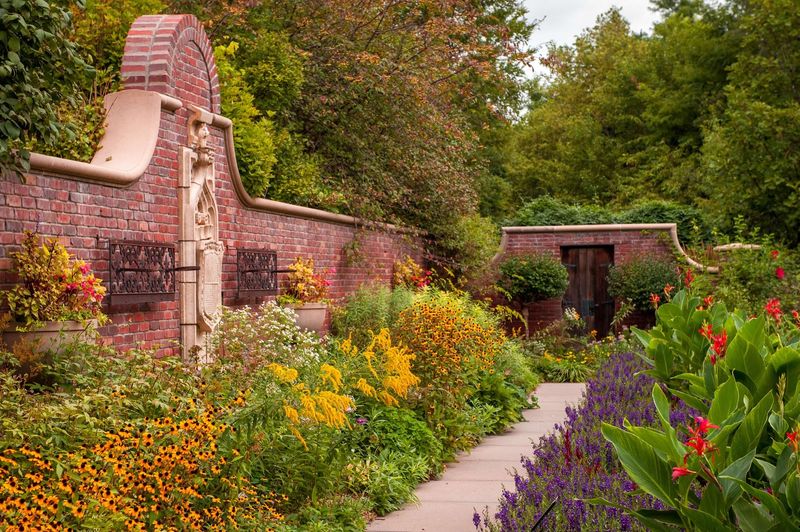
Opened in 2006, the English Perennial Border at Lauritzen Gardens spans a generous stretch of the grounds and features approximately 300 different plant species arranged in a deliberately informal style.
The design borrows from the classic English garden tradition of layering plants by height and bloom time so that color and texture remain interesting across the growing season.
Walking alongside it feels less like viewing a static display and more like watching something actively in progress.
The informality of the design is part of what gives this section its energy.
Plants spill slightly over edges, taller specimens rise unexpectedly behind shorter ones, and the overall effect is one of controlled abundance rather than rigid order.
Peak bloom periods tend to occur in summer, though different species carry the display through into early fall.
Pollinators are frequently active along this border, adding movement and life to the already dynamic planting.
Photographers and garden enthusiasts often spend extra time here because the layered depth of the planting creates interesting compositions from multiple angles.
The Arboretum And Bird Sanctuary Is Four Acres Of Regional Plant Life And Migratory Wildlife
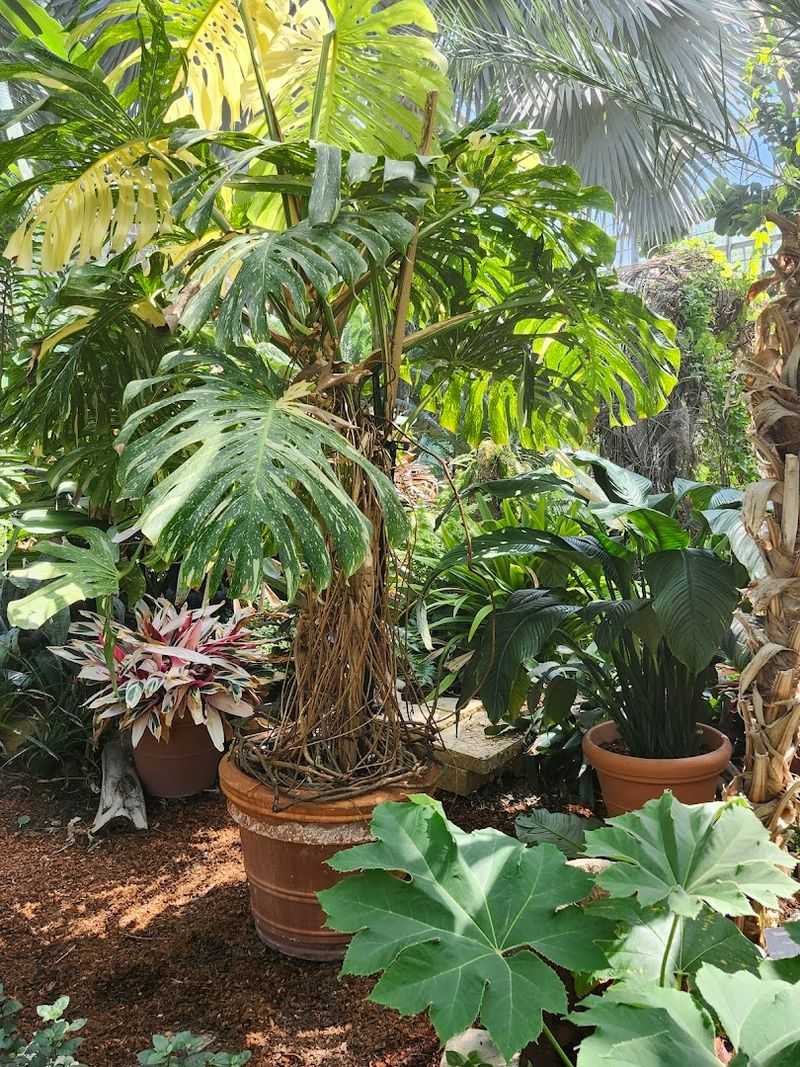
Covering four acres of the broader Lauritzen Gardens property, the Arboretum and Bird Sanctuary highlights plant communities native to the Great Plains region while serving as a recognized natural flyway for migratory birds.
The combination of regional vegetation and bird activity gives this section a character that feels distinctly different from the more cultivated garden areas nearby.
Tall trees create a canopy that changes the light quality and sound environment noticeably as you walk beneath them.
Birdwatchers tend to find this corner of the grounds particularly rewarding during spring and fall migration periods when activity peaks.
Even outside those windows, the sanctuary maintains a quieter, more contemplative atmosphere than the busier sections of the garden.
Benches positioned throughout the area make it easy to sit and observe without needing to keep moving.
The plant selection reflects Lauritzen Gardens’ broader conservation mission, which includes protecting endangered and imperiled plant species of the Great Plains.
Walking through the arboretum offers a sense of what the regional landscape may have looked like before development reshaped much of the area.
The Garden Of Memories As A Reflective Space With Quiet Symbolism
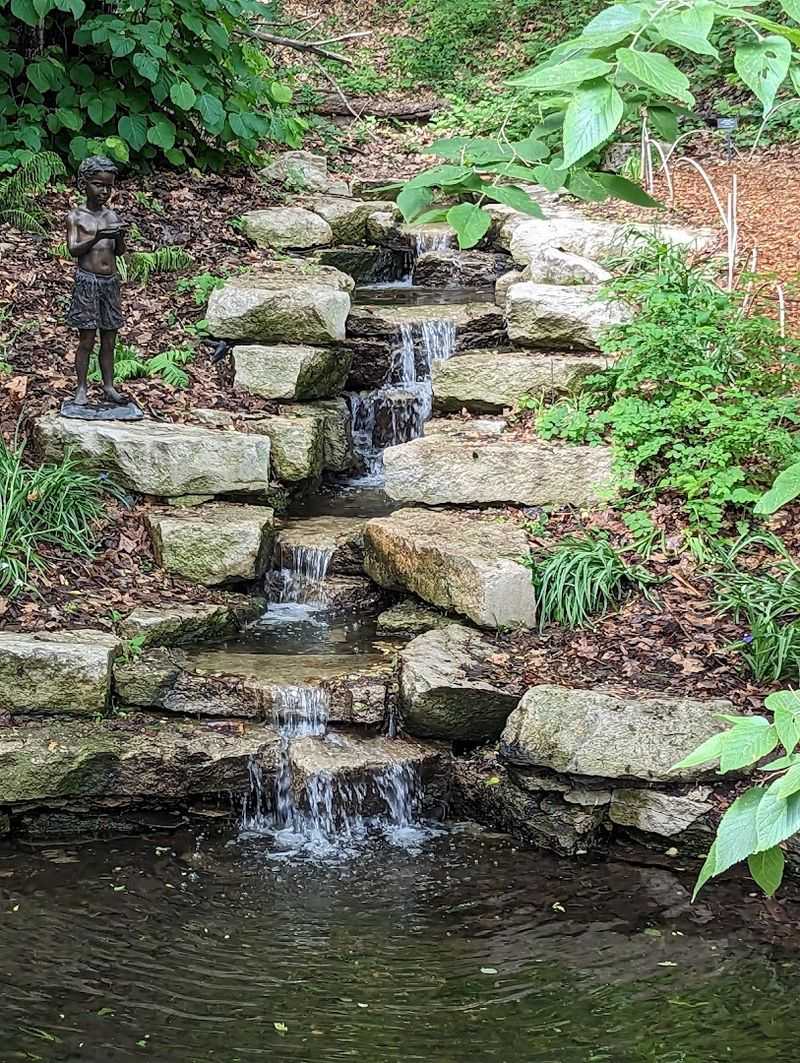
Set apart from the more active areas of Lauritzen Gardens, the Garden of Memories offers a space designed for reflection and quiet acknowledgment of life’s significant moments.
A 40-foot-wide half-circle reflecting pool anchors the design, creating a still, mirror-like surface that responds to light and weather in subtle and often beautiful ways.
A bronze sculpture of a Canada goose adds a symbolic focal point to the composition.
The overall atmosphere here is noticeably calmer than in other sections of the property.
The design invites visitors to pause rather than move through, and many people find it a natural spot to sit quietly for a few minutes before continuing their walk.
The planting around the pool softens the edges of the space without overwhelming the central design elements.
The name itself signals its intention clearly, and the design follows through on that promise with restraint and care.
Visiting in the early morning or late afternoon, when light hits the reflecting pool at lower angles, tends to make the space feel especially serene and worth lingering in.
The Visitor And Education Center Is Where Every Visit Begins
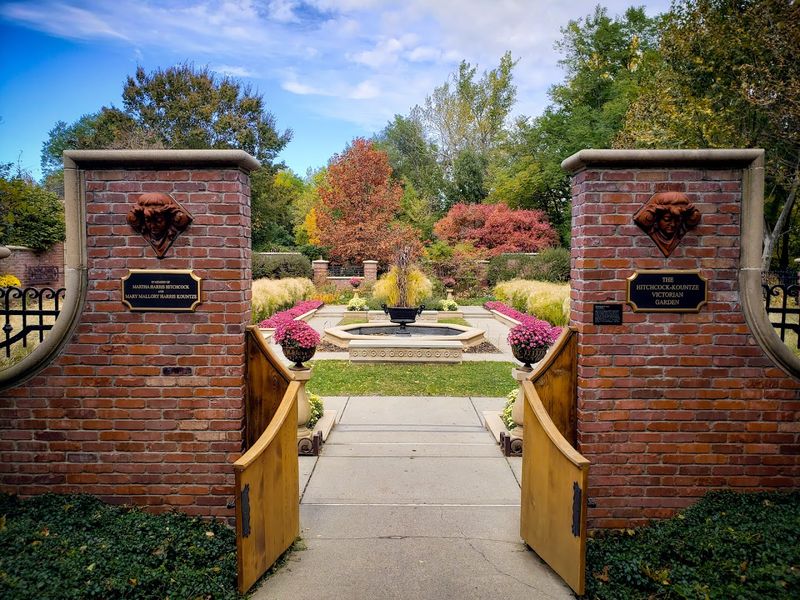
At 32,000 square feet, the Visitor and Education Center at Lauritzen Gardens is considerably more than a standard welcome building.
Opened in 2001, it houses a 5,000-square-foot floral display hall that changes with the seasons and exhibitions, an education wing with dedicated classrooms, and one of the only horticultural libraries in the region.
The scale of the space reflects the seriousness with which the garden approaches both visitor experience and botanical education.
The building sits at 100 Bancroft Street in Omaha, Nebraska 68108, and serves as the main arrival point for most visitors to the grounds.
A cafe inside the center offers a practical stopping point during longer visits, and the garden-inspired gift shop carries items that tend to reflect the horticultural focus of the surrounding property.
The combination of food, retail, and learning resources under one roof makes the center a genuine hub rather than just a pass-through space.
Classes, workshops, and seasonal events are frequently hosted within the education wing, adding programming depth beyond simple garden access.
Seasonal Tram Tours Are The Smartest Way To Cover 100 Acres
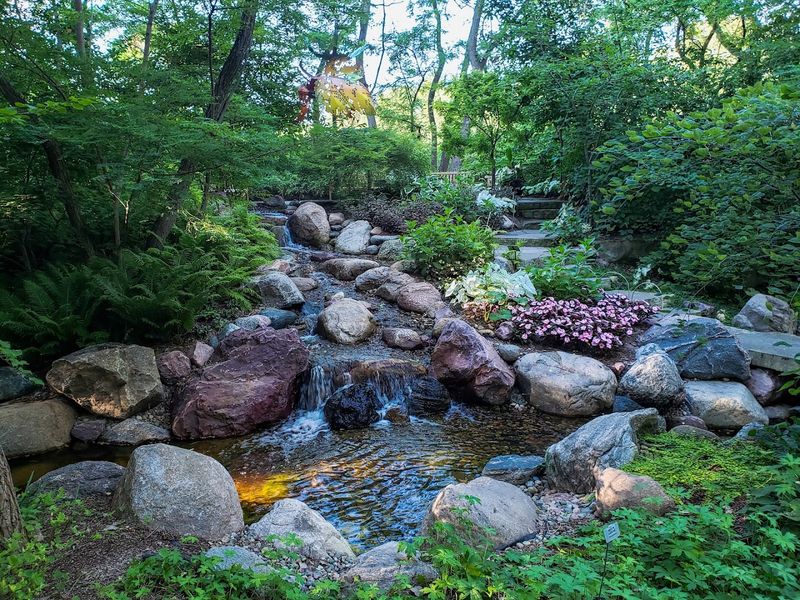
Covering 100 acres on foot is a genuinely rewarding way to experience Lauritzen Gardens, but it also requires a fair amount of energy and time.
The seasonal narrated tram tours offer an alternative that suits visitors who prefer a guided overview or who may find extensive walking difficult.
At around 50 minutes per tour and a modest additional fee beyond general admission, the tram provides solid value as both a standalone experience and a preview for those who plan to walk afterward.
A knowledgeable guide narrates the route, sharing information about the various garden sections, plant collections, and the history of the property as the tram moves through the grounds.
This context can meaningfully enrich what might otherwise feel like a purely visual experience.
Visitors who take the tram first and then walk the grounds often report that the narration helps them notice details they might have otherwise passed without registering.
The tram operates seasonally, so confirming availability through the official Lauritzen Gardens website before planning a visit is a practical step.
Conservation And The Great Plains Plant Mission
Behind the colorful displays and carefully tended garden rooms, Lauritzen Gardens carries a conservation mission that sets it apart from purely decorative botanical spaces.
The garden actively works to protect endangered and imperiled plant species native to the Great Plains, incorporating conservation-focused plantings throughout the property.
This commitment gives the overall visit an additional layer of meaning that goes beyond aesthetic enjoyment.
The Song of the Lark Meadow and the Arboretum and Bird Sanctuary both reflect this mission in tangible ways, using native species that support regional ecosystems rather than simply showcasing ornamental varieties.
The horticultural library housed in the Visitor and Education Center also supports research and education connected to plant conservation.
These efforts position Lauritzen Gardens as a resource for the broader botanical community rather than just a destination for casual visitors.
For visitors who care about environmental stewardship, knowing that the garden’s plantings serve a purpose beyond visual impact can make the experience feel more substantive.
Admission fees contribute to the ongoing maintenance and conservation programming that keeps the garden functioning at this level.