11 Quiet California Towns Where You Can Actually Afford To Build Your Dream
Building a dream sounds expensive until the right town enters the conversation.
Not the flashy kind or the place where every coffee costs too much and every listing feels personally offensive.
The better version is quieter. Somewhere where there’s a main street with breathing room. A slower pace that does not feel boring. A home price that does not immediately ruin the mood.
A quiet California town can make the dream feel less like a fantasy and more like a plan.
People want space, comfort, and a life that does not require winning the lottery first. Small towns can still offer that kind of charm without turning everyday living into a financial obstacle course.
Maybe the dream starts with a porch.
Maybe it starts with a workshop, a garden, or just one peaceful morning that does not feel rented by the hour.
Either way, places like these make “someday” sound a lot closer.
1. Rio Vista, California

Positioned along the Sacramento River in the heart of the Delta region, Rio Vista is a small town that most Californians drive past without stopping.
That oversight works in favor of anyone looking to build affordably, because land prices here reflect the town’s low profile rather than any shortage of charm.
The river runs right through the community, giving residents access to fishing, boating, and waterfront walks without the premium price tag of better-known Delta towns.
The surrounding landscape is flat and agricultural, with windmills dotting the horizon thanks to the Montezuma Hills wind farm nearby.
The town has a laid-back energy that suits people who prefer quiet evenings and weekend fishing trips over crowded farmers markets and traffic.
A small downtown area offers basic services, a few local eateries, and a community feel that has not been overtaken by development pressure.
Rio Vista sits within reasonable driving distance of Sacramento and the Bay Area, which makes it a practical choice for remote workers or anyone willing to commute a few days a week.
The Delta climate brings warm summers and mild winters, with occasional valley fog in the colder months.
2. Fort Bragg, California
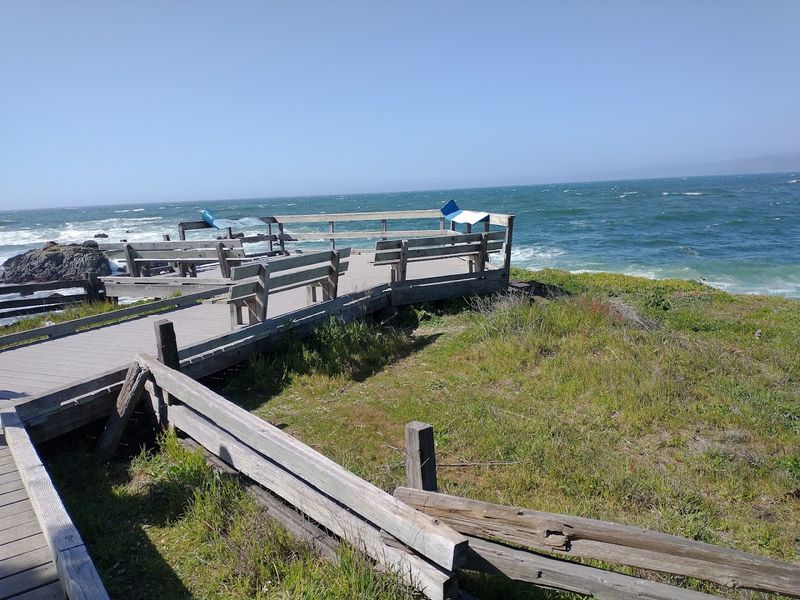
Fort Bragg sits along the Mendocino Coast and has long been known as the more affordable neighbor to the famously picturesque town of Mendocino just to the south.
The coastline here is rugged and beautiful, with the Glass Beach area drawing visitors who come to find the sea-polished glass that washes ashore from a former dump site.
The town itself has a working-class backbone, with a history rooted in lumber and fishing that still shapes its character today.
Compared to most California coastal communities, Fort Bragg offers noticeably lower land prices and a housing market that has not yet priced out everyday residents entirely.
The downtown area has a mix of local restaurants, hardware stores, and small businesses that suggest a community built for living rather than just visiting.
The Skunk Train, a historic railroad that runs through the redwood-filled Noyo River canyon, is a genuine local landmark and a fun way to experience the surrounding landscape.
The climate stays mild year-round with coastal fog being a regular companion through summer mornings.
3. Tehachapi, California
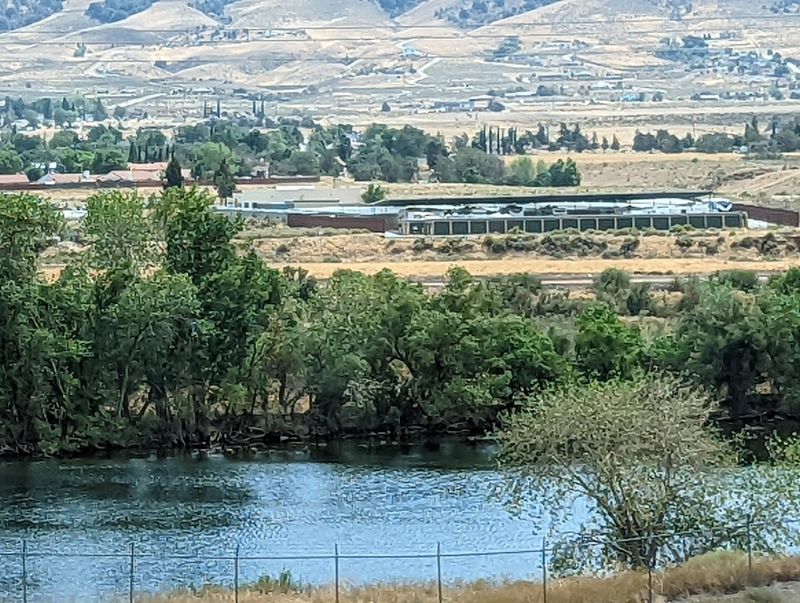
Perched at about 4,000 feet in the mountains between the San Joaquin Valley and the Mojave Desert, Tehachapi enjoys a climate that surprises most first-time visitors.
Summers stay comfortably cool compared to the scorching heat of the valley below, and winters bring occasional snow that gives the area a four-season feel rare in Southern California.
The surrounding landscape is wide open, with grasslands, oak trees, and wind turbines creating a scene that feels genuinely western.
Land in Tehachapi tends to be far more affordable than in nearby communities like Lancaster or Bakersfield, and the town has been quietly attracting people who want space without sacrificing basic amenities.
The downtown area has a small but growing collection of local shops, a farmers market, and a community that takes pride in its agricultural roots.
Apple orchards are a local specialty, and the fall harvest season brings a festive energy to the area.
Building here means planning for a mountain climate with real temperature swings between seasons, which affects both construction choices and utility costs.
4. Porterville, California
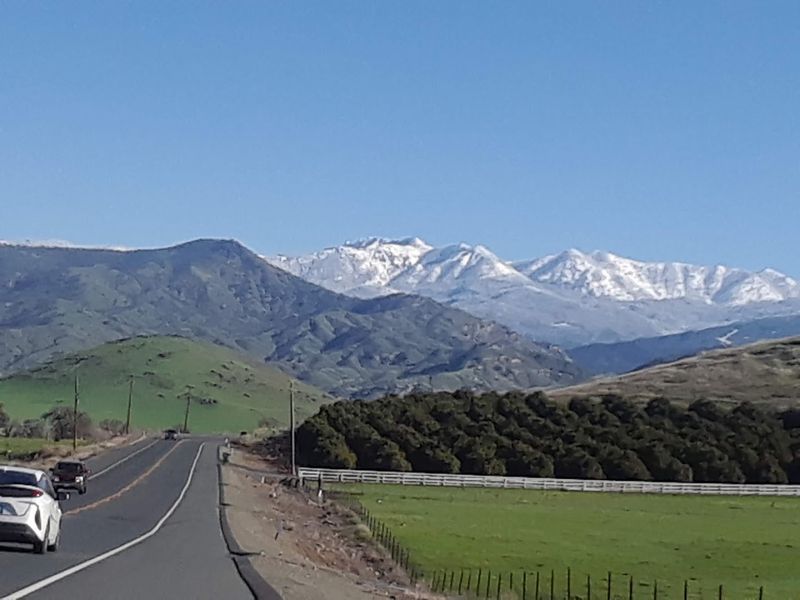
Sitting at the base of the Sierra Nevada foothills in Tulare County, Porterville is a working agricultural city that rarely comes up in conversations about California living but probably should.
Land prices here are genuinely low by California standards, and the surrounding area offers a mix of flat valley farmland and the rugged terrain of the foothills just to the east.
Success Lake and Lake Sequoia are both within easy reach, giving residents weekend access to water and mountain scenery.
The city has a strong agricultural identity, with citrus and olive groves common in the surrounding countryside.
The local economy leans toward farming, healthcare, and light industry, which means the community has a practical, working-class character.
There is a regional hospital, a community college, and enough commercial infrastructure to handle daily life without requiring frequent trips to larger cities like Visalia or Fresno.
Summers in Porterville run hot, with temperatures regularly climbing into the triple digits during July and August, so anyone building here should think carefully about shade, insulation, and cooling systems.
The winters are mild and pleasant, which partially offsets the summer intensity.
5. Crescent City, California
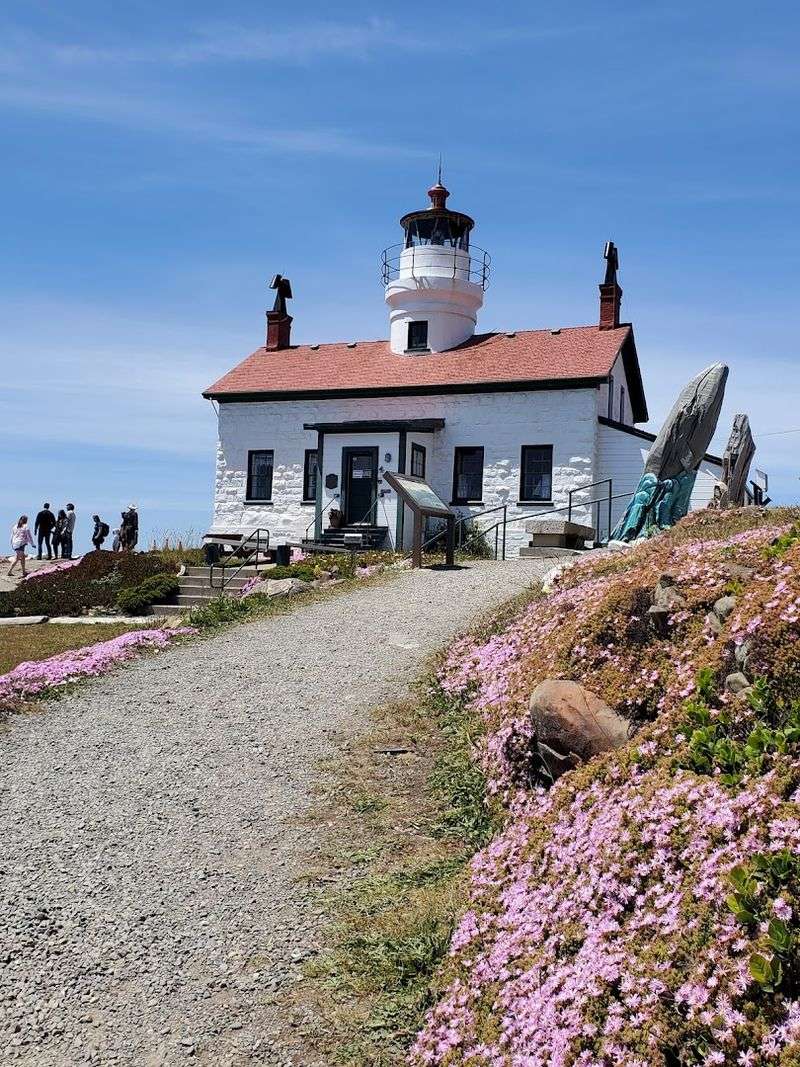
Tucked into the far northwestern corner of the state, Crescent City sits where ancient redwood forests meet a dramatic Pacific coastline.
Land prices here tend to run well below California averages, and the town has a small, working-class character that feels grounded and real.
The harbor brings in fresh seafood regularly, and the proximity to Redwood National and State Parks means outdoor access is practically built into daily life.
Winters can be cool and rainy, so anyone considering building here should plan for a climate that leans damp and overcast much of the year.
That said, the green landscape that results from all that rainfall is genuinely stunning. The town itself is compact and walkable in parts, with basic services, a small hospital, and a community college nearby.
Housing costs in Del Norte County are among the lowest in the state, which makes Crescent City a realistic option for people working remotely or looking to build on a modest budget.
The pace of life here is unhurried, and the natural surroundings offer a kind of quiet that is hard to find anywhere closer to a major city. It rewards those who appreciate solitude and open space.
6. Orosi, California
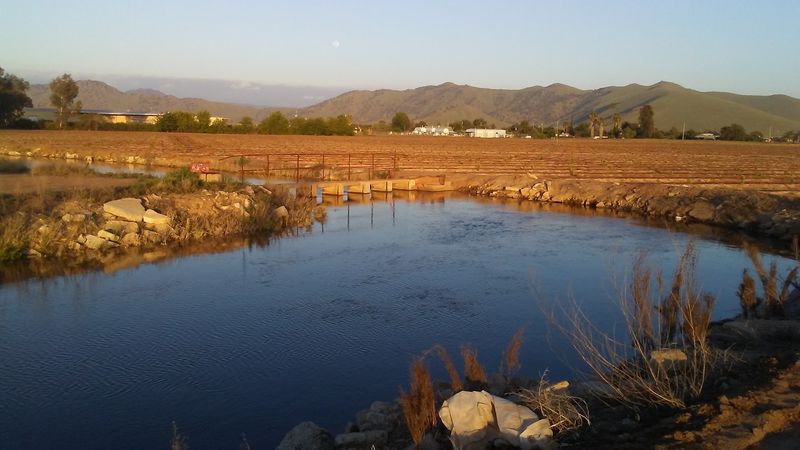
A small unincorporated community in the Reedley area of Fresno County, Orosi sits in the heart of some of the most productive agricultural land in the world.
The San Joaquin Valley here is flat and green during the growing season, with citrus orchards and vineyards stretching toward the foothills in nearly every direction.
Land prices in this part of the valley remain among the lowest in the state, which makes it a realistic starting point for anyone working with a tight building budget.
The community has a tight-knit, predominantly Latino character, with local businesses, a small library, and community events that reflect the agricultural rhythms of the area.
Life here moves at a pace tied to the land, which suits people who value simplicity and space over urban convenience.
Fresno is roughly 30 miles to the northwest, providing access to larger hospitals, shopping, and employment options without requiring daily city living.
Summers are intensely hot, as is typical across the San Joaquin Valley, so building with energy efficiency in mind is genuinely important rather than optional.
The air quality in the valley can also be a concern during certain seasons, which is worth factoring into any long-term decision.
7. Eureka, California
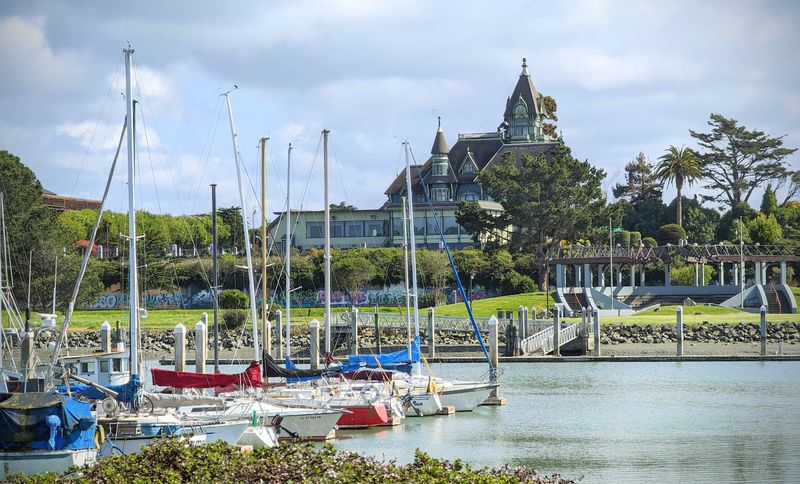
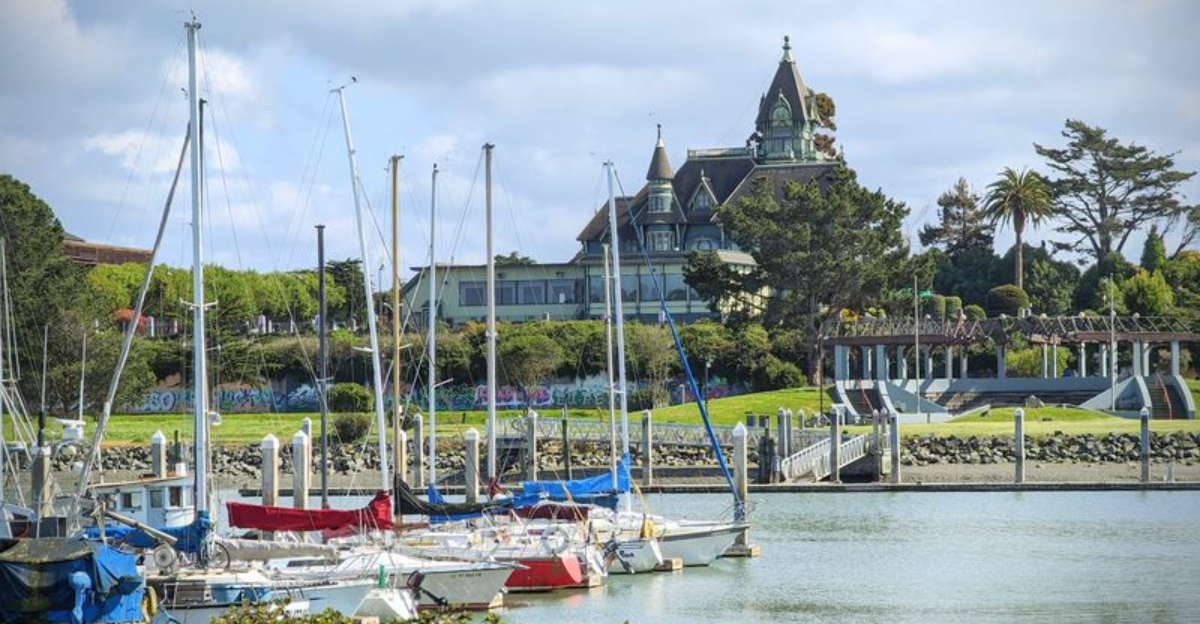
Sitting along the shores of Humboldt Bay, Eureka carries a distinct personality shaped by its Victorian architecture and its deep ties to the fishing and timber industries.
The Old Town district is filled with restored historic buildings, small shops, and murals that give the city a creative, slightly bohemian feel.
For a coastal California city, the home prices here are refreshingly reasonable compared to what the same square footage would cost further south.
Humboldt State University, now called Cal Poly Humboldt, brings an educated and artistically inclined population to the area, which has helped support a lively local food scene and arts community.
The bay itself is a draw for kayakers, birdwatchers, and anyone who enjoys watching boats move quietly through calm water.
The surrounding hills and forests add to the sense that nature is always just a short drive away.
Building in Eureka means navigating a coastal climate with plenty of fog and moisture, so construction choices matter.
Still, the combination of cultural amenities, natural access, and lower land costs makes it one of the more complete small cities on this list.
8. Avenal, California
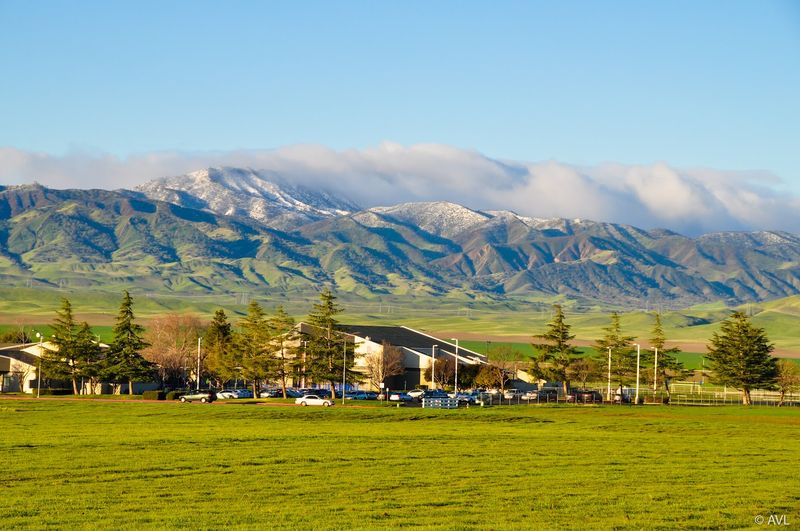
Few towns in California are as genuinely off the radar as Avenal, a small city tucked into the Kettleman Hills of Kings County.
The surrounding landscape is dry and rolling, with oil fields and open range giving the area a frontier-like atmosphere that feels worlds away from coastal California.
Land here is remarkably inexpensive, and the town itself is small enough that newcomers tend to stand out in a good way, quickly becoming part of the community fabric.
The town has basic services including a small medical clinic, a few local shops, and schools that serve the surrounding area.
Interstate 5 runs nearby, which makes Avenal more connected to the broader state than its remote feel might suggest.
Fresno and Bakersfield are both within about an hour’s drive, offering access to larger hospitals, airports, and employment centers for those who need them.
The climate is dry and warm, with hot summers and mild winters that make outdoor construction more predictable than in wetter parts of the state.
Water access and utility infrastructure are worth researching carefully before purchasing land here, as rural areas in the Kettleman Hills region can have specific limitations.
9. Yucca Valley, California
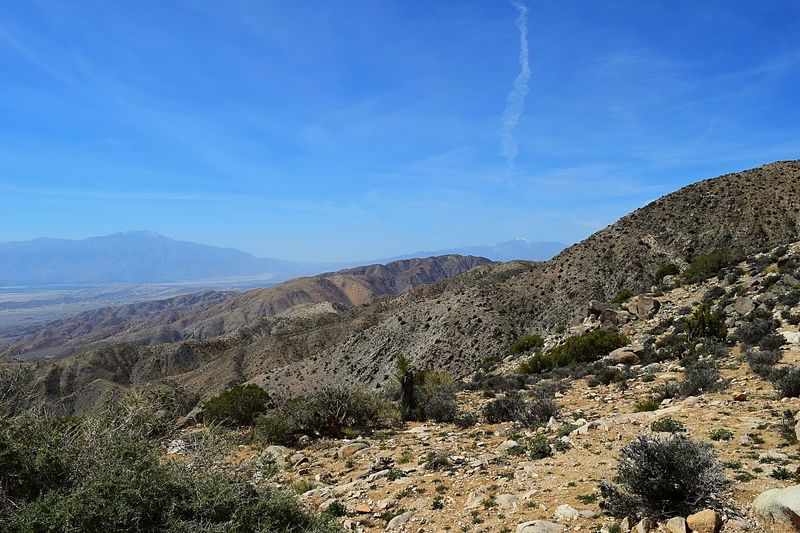
High desert living has a character all its own, and Yucca Valley captures it better than almost anywhere else in Southern California.
Sitting at roughly 3,200 feet in the Morongo Valley area of San Bernardino County, the town borders Joshua Tree National Park and offers a landscape that draws artists, outdoor enthusiasts, and anyone captivated by the strange beauty of the Mojave.
Land prices have risen in recent years as the area gained popularity, but they still compare favorably to most of coastal Southern California.
The main commercial strip along Highway 62 has a mix of local shops, vintage stores, and small restaurants that reflect the town’s growing creative community.
The proximity to Joshua Tree means hiking, rock climbing, and stargazing are available essentially year-round, with the park’s dark skies being a particular draw for those who want to see the Milky Way clearly.
Weekends bring more visitors through the area, so the quieter weekday rhythm feels noticeably different.
Summers in the high desert get hot but rarely reach the extreme temperatures of lower desert communities, while winters can bring surprising cold snaps and occasional frost.
10. Desert Hot Springs, California
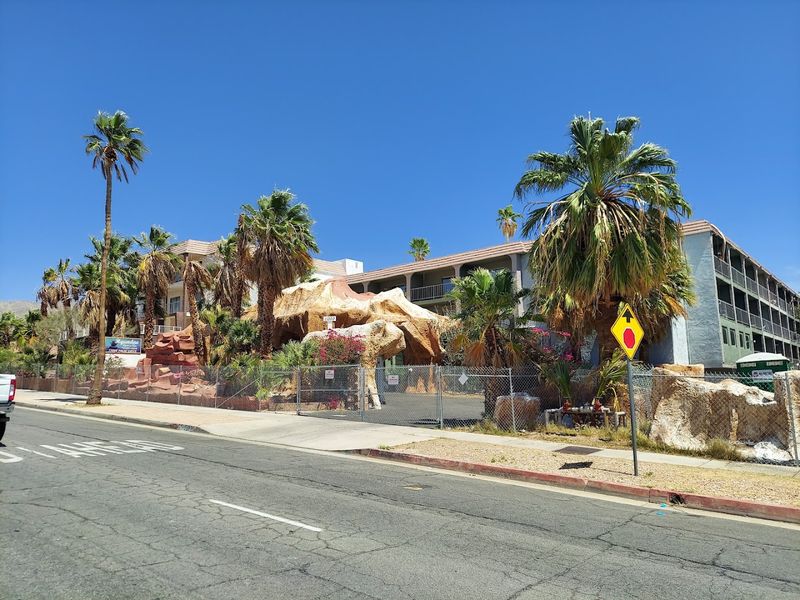
Sitting just north of Palm Springs across Interstate 10, Desert Hot Springs has long been the more affordable sibling in the Coachella Valley family.
The town is named for its natural geothermal hot springs, which feed many of the local spas and small resorts that give the area its relaxed, mineral-soaked identity.
Land prices here tend to be significantly lower than in Palm Springs or Palm Desert, making it one of the more accessible entry points into desert living in Southern California.
The community has been evolving steadily, with new small businesses and creative projects gradually taking root alongside the established spa culture.
The San Jacinto Mountains rise dramatically to the south, offering a visual backdrop that changes color with the light throughout the day.
Summers are intensely hot, with temperatures regularly exceeding 110 degrees Fahrenheit, which is a serious planning consideration for anyone thinking about building here.
Solar energy is a natural fit for the area given the near-constant sunshine, and many newer homes and projects in the region incorporate solar systems as a practical response to both the climate and utility costs.
11. Clearlake, California
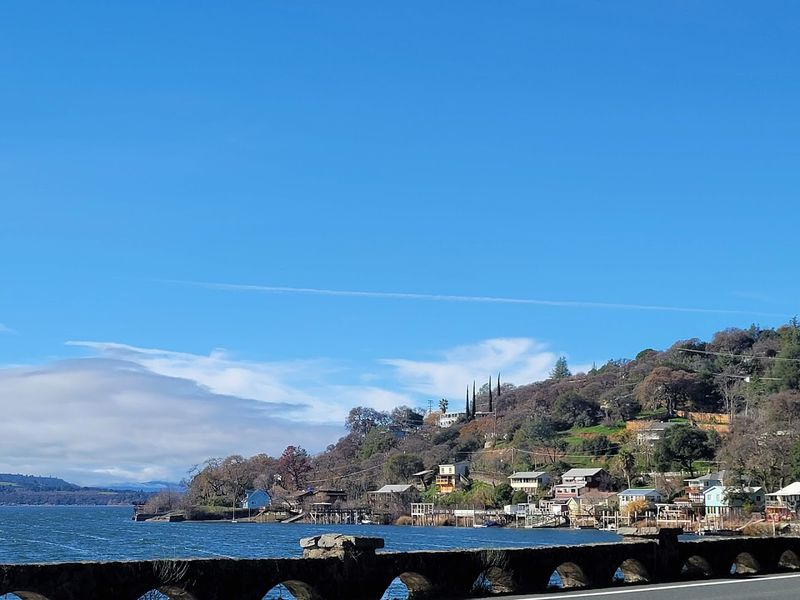
Built around the shores of Clear Lake, the largest natural freshwater lake entirely within California, Clearlake is a town with enormous natural assets and a housing market that reflects its current economic challenges rather than its scenic potential.
Land and home prices here are among the lowest in the state, which attracts buyers who see long-term value in a lakefront community that has not yet found its footing after years of economic difficulty.
The lake itself is a genuine draw, supporting bass fishing, water skiing, and birdwatching that bring visitors from across Northern California.
The surrounding hills are dotted with oak trees and vineyards, and the Lake County wine region has been quietly building a reputation for producing interesting wines at prices well below Napa.
The local community is working through real challenges related to infrastructure, services, and economic recovery, and anyone considering building here should research those factors honestly rather than relying on the scenery alone to tell the full story.
For buyers willing to do their homework and engage thoughtfully with a community in transition, Clearlake could represent one of the most undervalued opportunities in the state.