This 6.2-Mile Idaho Trail Leads To Stunning Caves And A Hidden Waterfall
Lace up carefully, because this Idaho hike likes to save the dramatic scenery for the grand finale.
Out in Teton Valley, the trail climbs through cool forests and wide canyon views before revealing a hidden cave and a waterfall that feels almost unfairly photogenic.
Every stretch of the route changes the mood a little, which makes the miles disappear faster than most hikers expect.
By the time the cave finally comes into view, even tired legs usually start acting suspiciously enthusiastic again.
The Trailhead And Getting There
Finding the Darby Canyon Trailhead already makes the day feel like a proper Idaho adventure. The route begins off Darby Canyon Road near Victor and Driggs, where farmland gives way to canyon scenery and the western slope of the Tetons starts taking over the view.
Offline maps are smart because cell service can become unreliable near the trailhead, and the drive feels more relaxed when nobody is depending on a fading signal at the last minute. A gravel parking area serves hikers, and summer weekends can fill it early because this trail is one of the better-known cave hikes in Teton Valley.
The hike is often listed at about 6.2 miles round trip, with AllTrails estimating 10 kilometers and 522 meters of elevation gain, while other local trail writeups put the climb closer to 1,800 feet. Arriving early helps with parking, heat, and crowds, especially from late June through September.
Comfortable shoes, water, sun protection, bear spray, and a headlamp all belong in the pack before anyone starts walking. This is not a trail where the final reward should be approached casually.
Forest And Canyon Scenery Early On
Cool shade starts the hike on a generous note, giving hikers a creekside warmup before the real climbing begins. Local trail guides describe the first section as moving through forest and along Darby Creek, with the opening portion staying relatively easy before the trail starts gaining elevation more steadily.
That early stretch is part of what makes the hike so appealing because it does not throw everyone straight into the hardest terrain. Trees, water sounds, small bridge crossings, and canyon air create a calm beginning while the route gradually pulls hikers deeper into the landscape.
As the path climbs, views begin opening across the canyon, and the cave can eventually appear across the slope before hikers actually reach it. The contrast between shaded forest and exposed canyon terrain keeps the route from feeling monotonous.
Families with older children, steady hikers, and visitors used to mountain trails can enjoy the variety, but the mileage and elevation still deserve respect. Idaho’s Teton side feels especially wild here, with enough water, trees, rock, and open sky to make even the approach feel memorable before the cave becomes the main event.
Meadows And Wildflower Fields
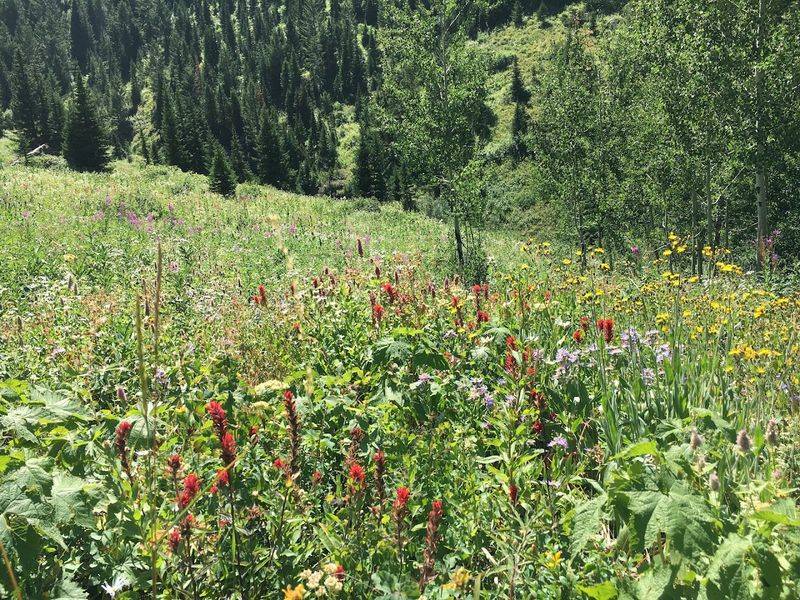
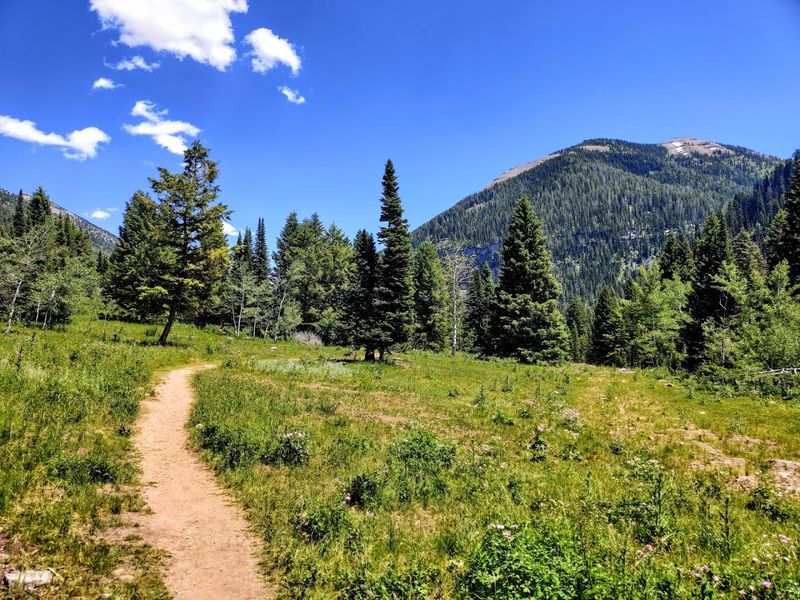
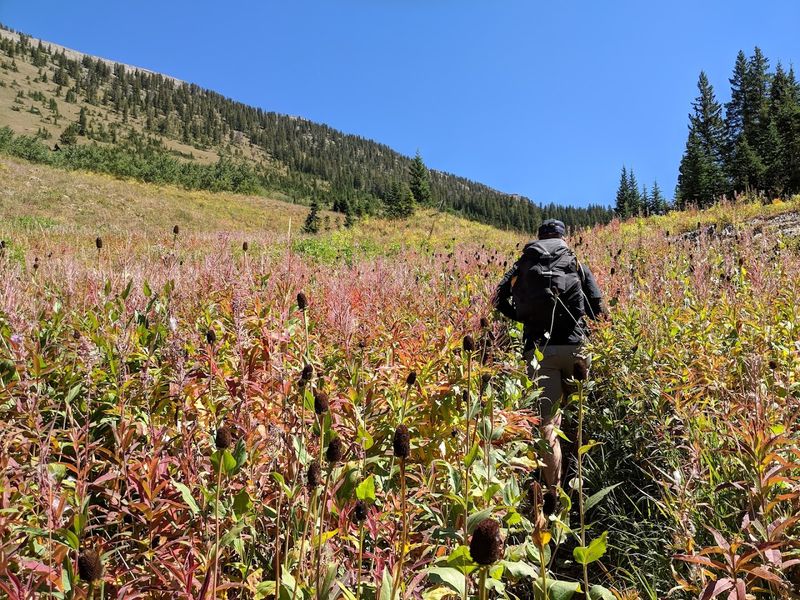
Open meadow sections bring color, sunlight, and some of the best wide views on the route. Late spring and summer can be especially beautiful, with local hiking guides noting wildflowers in the canyon and meadow areas as part of the trail’s appeal.
Lupine, paintbrush, daisies, and other high-country blooms can brighten the slopes when conditions line up, turning the hike into more than just a destination chase. Those meadows also change the feel of the day because shade becomes less reliable and the sun can feel intense at elevation.
Water and sunscreen matter more here than people sometimes expect, especially on July or August afternoons. Photographers often slow down in this section because the canyon opens visually and the Teton terrain begins feeling bigger.
A clear day gives hikers layers of meadow, rock, forest, and ridgeline in the same frame. Morning light usually feels gentler, and starting early also reduces the chance of getting caught by afternoon weather.
The meadow stretch is a reminder that Darby Canyon is not only famous because of the cave. The journey itself has enough beauty to justify the effort, especially during peak wildflower season.
The Steep Final Climb
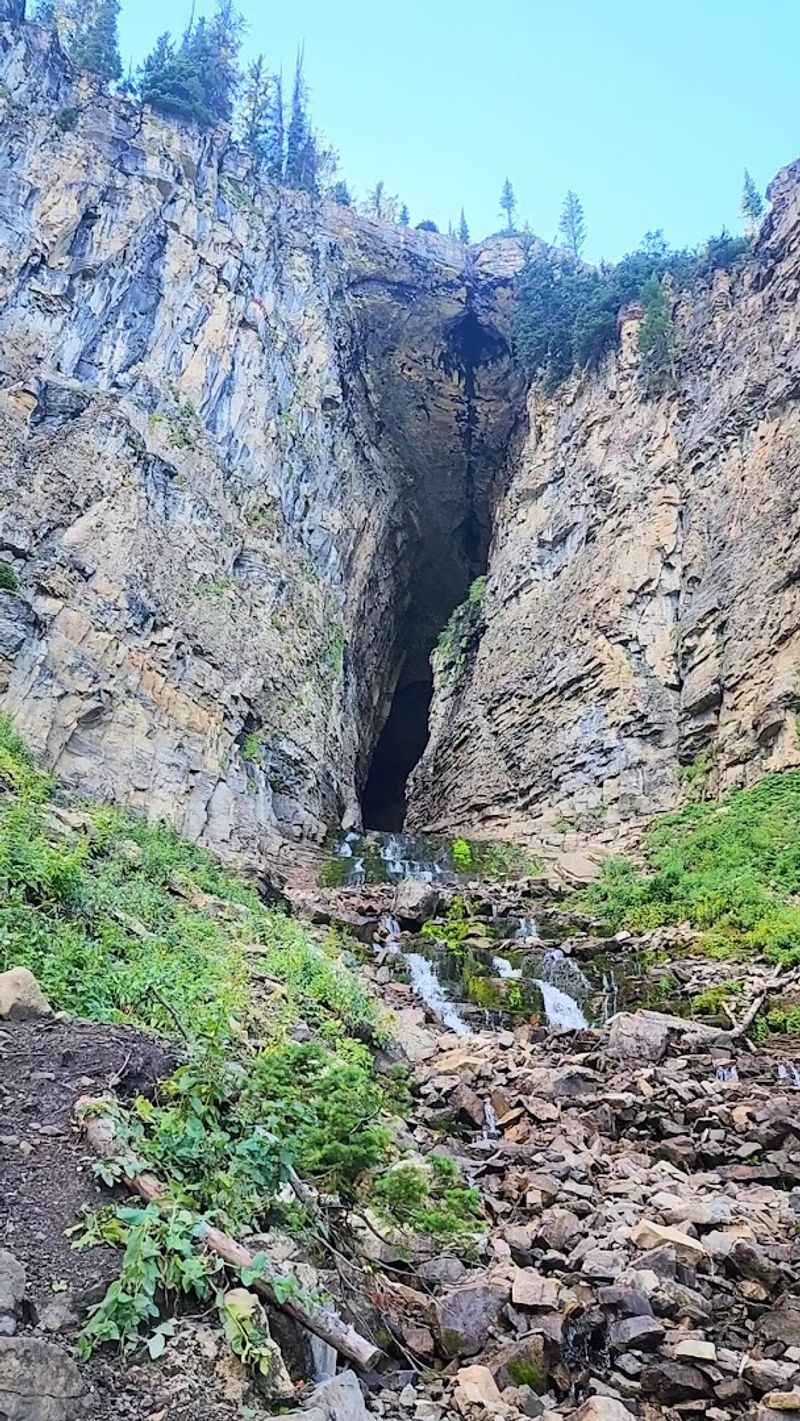
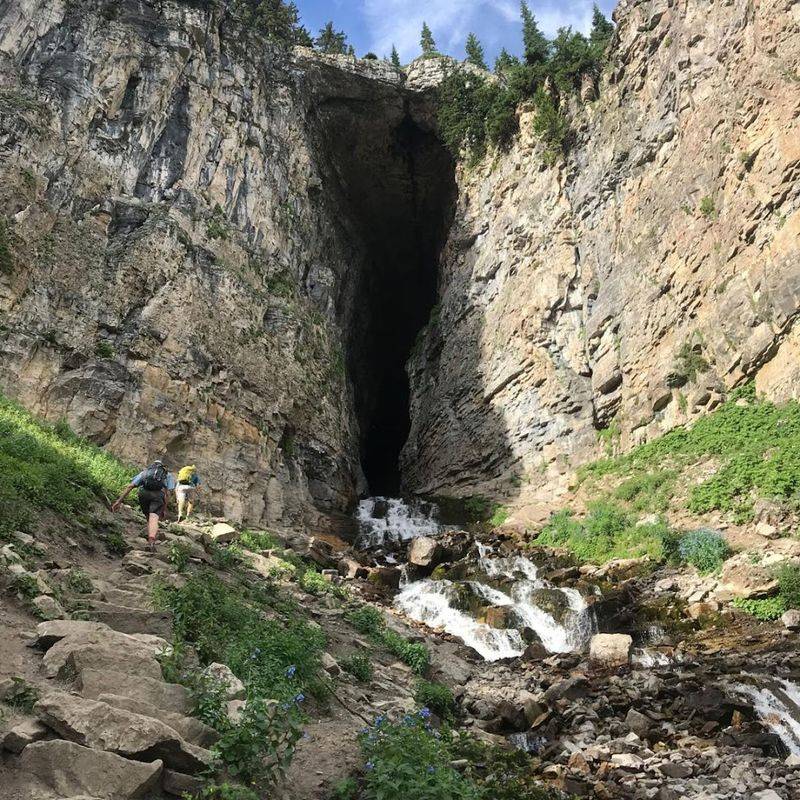
Final switchbacks make this trail earn its reputation. After the gentler forest and meadow sections, local hiking descriptions point to a much steeper cave approach, with rocky terrain, switchbacks, and a challenging climb near the waterfall and cave entrance.
This is where hikers who felt confident earlier may suddenly slow down. Loose rock, exposed slopes, and tired legs can make the last push feel more serious than the mileage suggests.
Trekking poles help, especially on the descent, because coming down steep, uneven ground can be harder on knees than climbing up. Rest breaks are not a failure here; they are part of hiking smart.
The sound of rushing water grows louder near the cave, which helps keep motivation high even as the grade steepens. Anyone hiking with children should pay close attention in this section, especially near drop-offs, wet rock, and narrow parts of the route.
The reward is dramatic, but reaching it safely matters more than rushing for photos. That final climb is the trail’s filter: demanding enough to feel like an achievement, short enough to be manageable with patience, and scenic enough to keep hikers moving.
Wind Cave Falls Waterfall
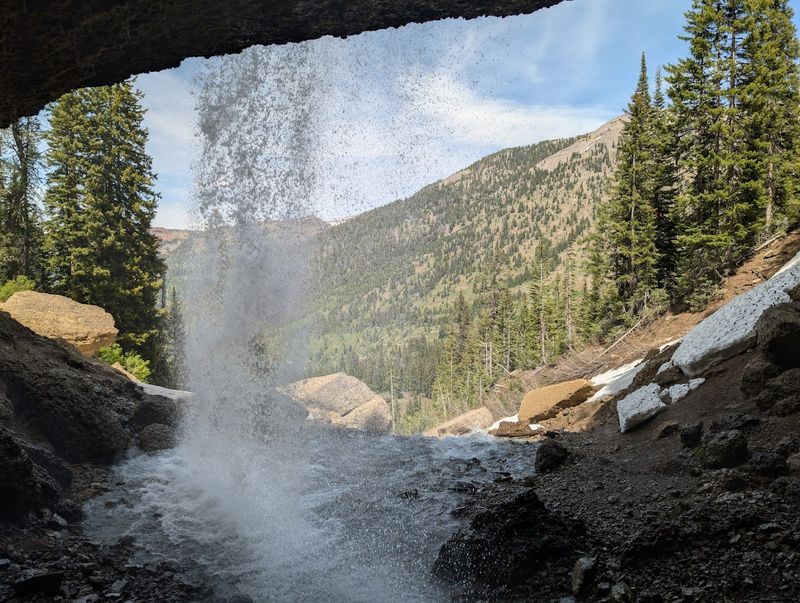
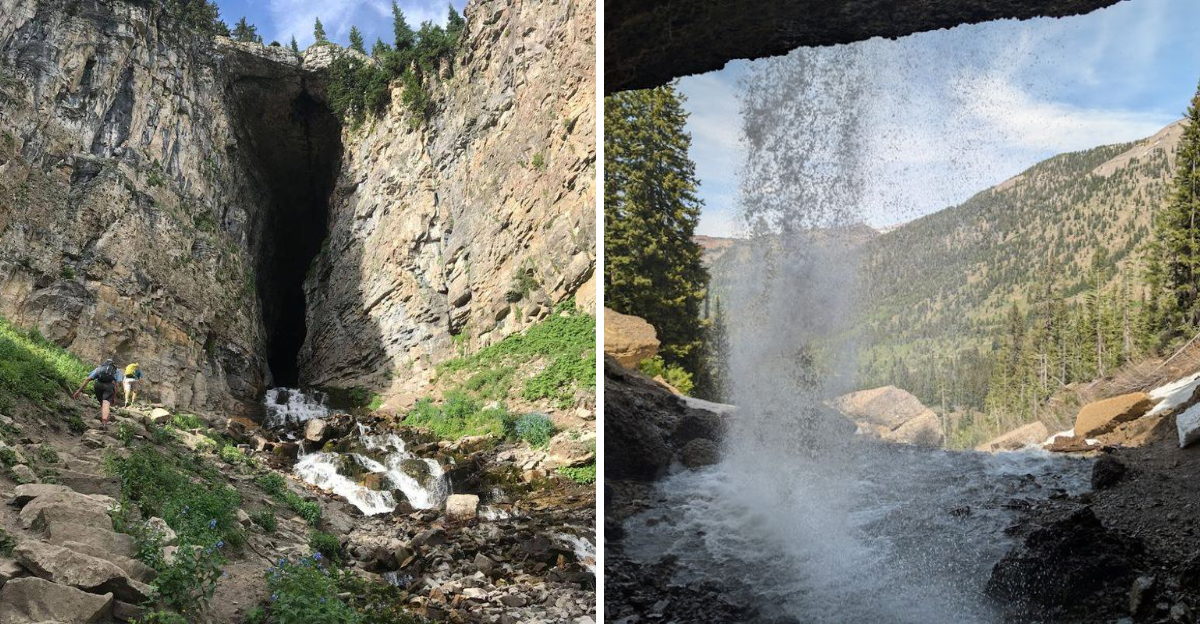
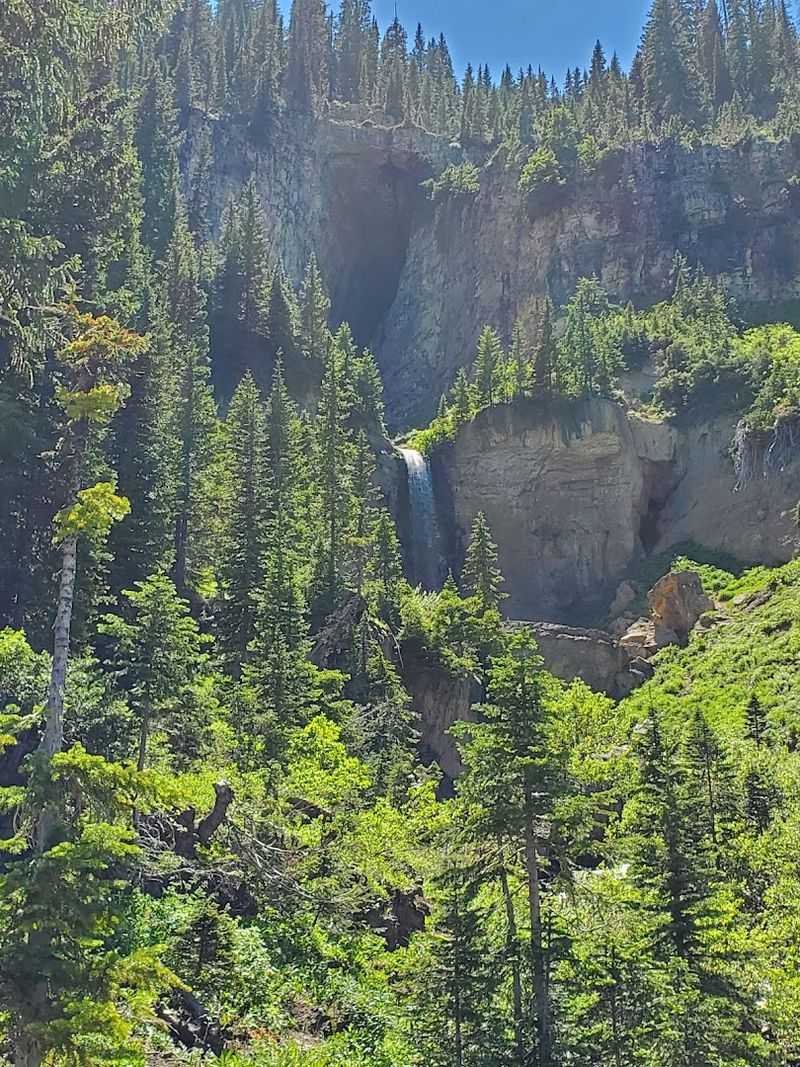
Water spilling from the cave gives this hike its signature surprise. Local trail reports describe a waterfall near the cave section, with flow ranging from a heavy deluge during May and June snowmelt to a much lighter trickle by late August.
That seasonal difference matters because the waterfall can completely change both the look and the risk level of the final approach. Early in the season, snowmelt makes the scene more powerful and dramatic, but slick rock and fast-moving water can also make crossing or climbing near the cave more hazardous.
Later in summer, the water may be calmer, allowing hikers to appreciate the cave entrance and surrounding rock more comfortably. Either version feels memorable because the combination of a cave mouth and falling water is rare enough to stop people in their tracks.
The mist, sound, cold air, and cliffside setting create the kind of natural payoff hikers talk about afterward. Anyone approaching the falls should move carefully, watch footing, and skip any crossing that looks unsafe.
The view is spectacular from multiple angles, and no photo is worth gambling with wet rock and rushing water.
Inside Darby Wind Cave
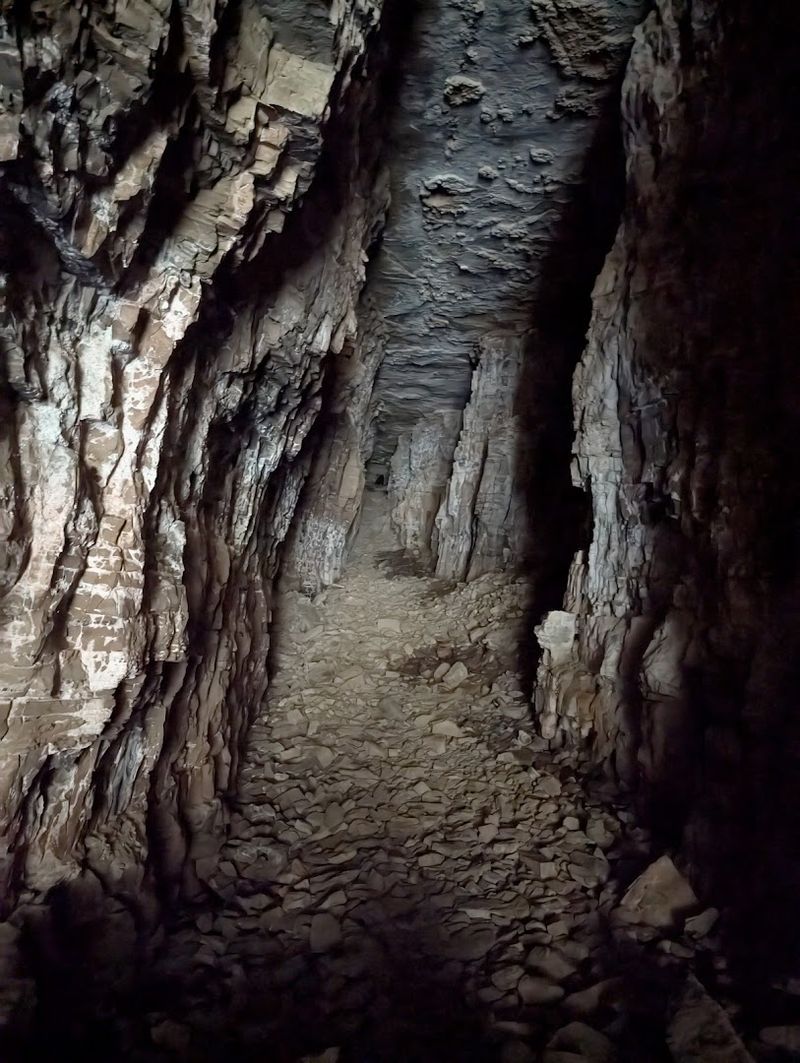
Cold air rushing from the cave makes the name feel instantly accurate. Hiking guides describe the cave as a notable opening in the rock where cool air flows out even on warm days, and some sources note the cave system extends much farther than casual visitors should attempt.
A headlamp or flashlight is essential for anyone stepping beyond the entrance because natural light fades quickly. Wet rock, uneven footing, and low passages mean this is not a flip-flop or phone-flashlight situation.
Most hikers are satisfied exploring the first accessible area, looking out over the canyon, feeling the temperature drop, and listening to water moving through the rock. More serious cave exploration requires specialized equipment, experience, and caution.
Casual visitors should avoid crawling deeper without proper preparation because tight passages and slick surfaces can turn risky fast. The best part for many hikers is simply standing near the mouth of the cave after the climb, feeling the wind, looking back over Darby Canyon, and realizing the trail delivered something far stranger than a typical mountain overlook.
Idaho has plenty of scenic hikes, but very few end with this kind of cave-and-waterfall combination.
Cave conditions can change, and visitors should check current Forest Service or local ranger guidance before entering.
Wildlife And Nature Encounters
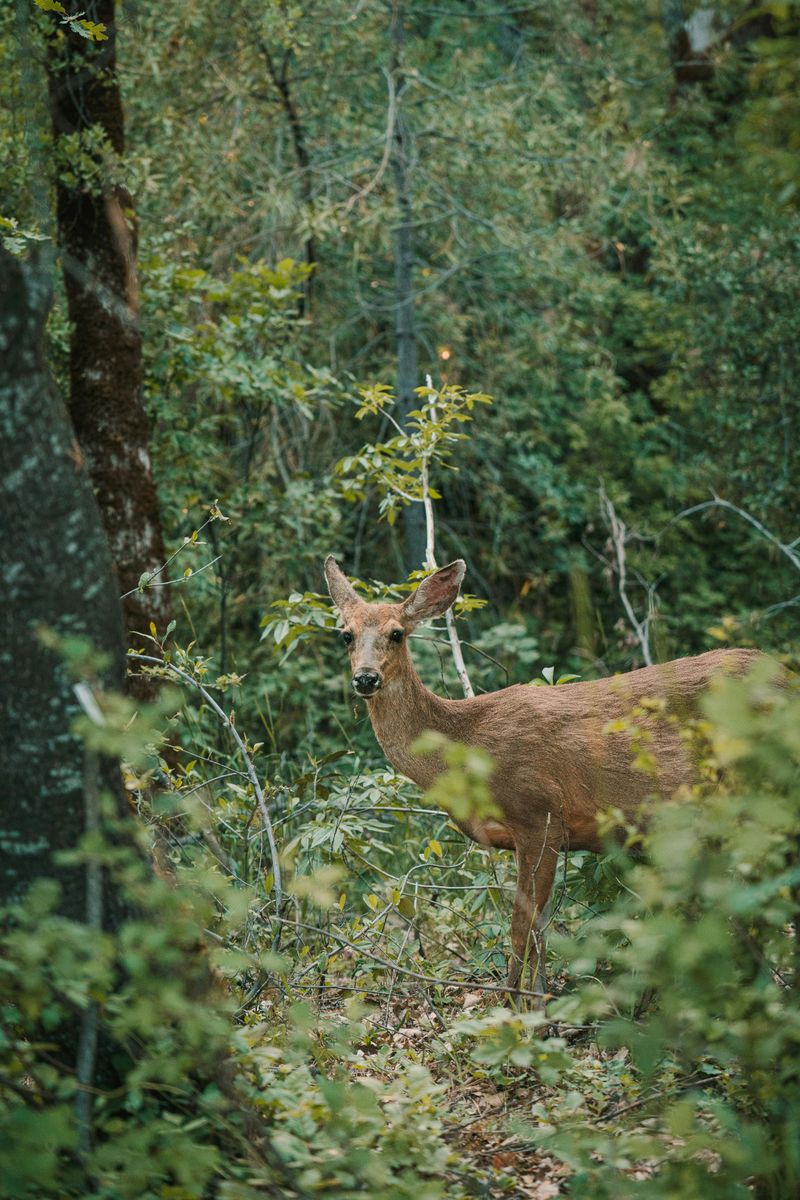
Wild country surrounds the Darby Canyon route, and hikers should treat it with respect. Teton Valley hiking guides regularly recommend carrying bear spray, and local trail advice notes that this part of the western Tetons is bear territory even on popular trails.
Moose, deer, birds, small mammals, and pollinators may appear depending on season, time of day, and luck. Creek corridors and meadow edges are especially good places to stay alert because animals often move through water-rich areas.
Seeing wildlife can be thrilling, but giving animals distance is essential. Moose in particular can look calm while still being dangerous if surprised or crowded.
Making noise, hiking in groups when possible, keeping food secure, and avoiding dawn or dusk complacency all help reduce risk. Wildflowers and insects also add life to the route during summer, making the canyon feel active even when larger animals stay hidden.
This biodiversity is part of what makes the hike more than a fitness challenge. It is a real mountain ecosystem, not a theme park trail.
Visitors who slow down, watch carefully, and follow safety practices often come away with a deeper appreciation for Idaho’s Teton Valley landscape.
Best Time To Visit And Trail Tips
Late June through September is usually the most practical window for hikers who want a real chance of reaching and entering the cave safely. Several trail sources warn that snow can linger into spring, water can run high during melt season, and the best cave access typically comes after snow has cleared.
July and August bring warmer weather, wildflowers, and more predictable footing, but they also bring stronger sun, more hikers, and possible afternoon storms. Early starts help with nearly every problem: parking, heat, crowds, and weather timing.
Essential gear includes sturdy hiking shoes, plenty of water, snacks, sunscreen, a hat, bear spray, and a headlamp for the cave. Trekking poles can make the steep final climb and descent more manageable.
Dogs may be allowed on the broader trail depending on current rules and land-management guidance, but owners should verify leash requirements before visiting and keep pets controlled around wildlife, other hikers, water crossings, and steep terrain. Families with children should judge the final cave approach carefully instead of treating the full route as automatic.
The trail is rewarding, but it asks for preparation, patience, and common sense.
What To Expect After The Hike
Finishing this trail calls for a proper celebration, and the towns nearby are ready to deliver. Driggs and Victor, both just a short drive from the Darby Canyon Trailhead in Idaho, offer a welcoming mix of local eateries, cafes, and shops that cater to outdoor enthusiasts.
Post-hike meals taste especially satisfying after a 6.2-mile round trip through canyon terrain.
From casual burger spots to cozy cafes serving fresh coffee and baked goods, the Teton Valley towns punch above their weight when it comes to food options.
The surrounding area also offers plenty of other outdoor activities for those wanting to extend their trip. Hot springs, scenic drives through the Teton Valley, and other hiking trails make this corner of Idaho a worthy destination for a full weekend getaway.
Whether you are a first-time visitor or a returning fan of the region, the combination of trail adventure and small-town warmth makes the whole experience genuinely special.