This Unusual Florida Museum Celebrates Vintage Garbage Trucks And Working-Class History
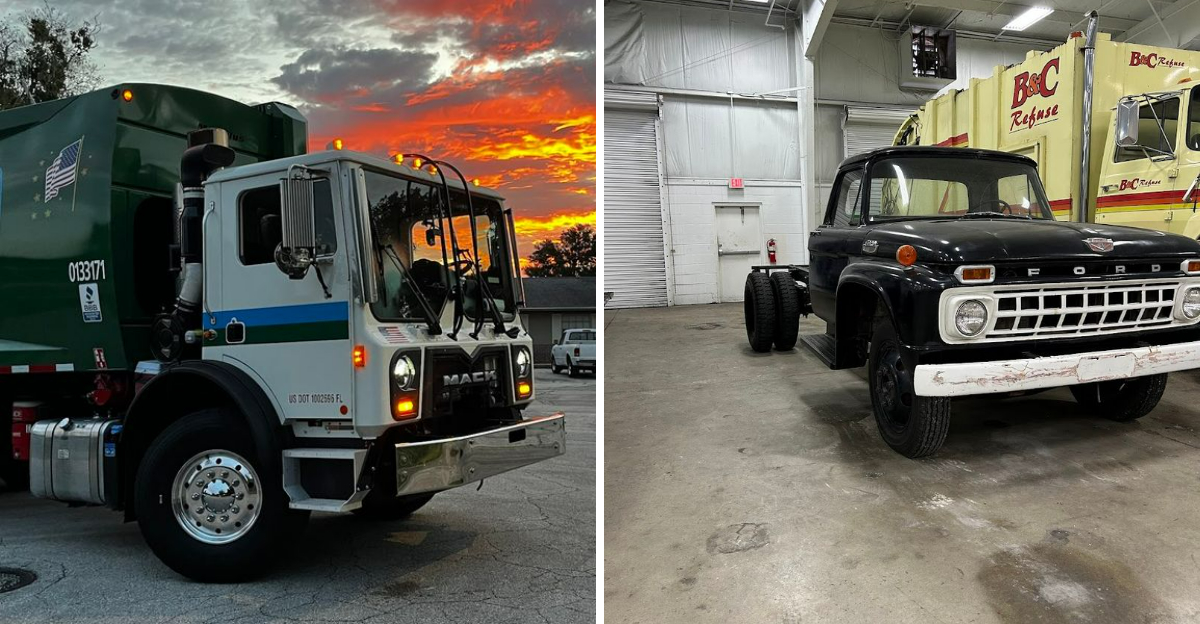
I have been to a lot of weird places in this state, but nothing quite prepared me for this one. I almost drove past it twice.
It sits in the last place you would ever think to look, and that is exactly what makes it so good. Inside, I found something I had never seen anywhere else in Florida, and honestly, something I had never seen anywhere in my life.
This state has its share of roadside oddities and quirky little museums, but this one operates on a completely different level. It does not try to impress you.
It does not need to. You walk in a skeptic and leave a believer, and somewhere in between, you completely lose track of time.
A Museum Built By People Who Truly Care About The Industry
Not every museum starts with a grand vision or a million-dollar budget. This one started with one man’s lifelong love for the waste industry and a deep respect for his father’s work.
The founder, John Jennings, is the Executive Board Chairman of Waste Pro, Inc. He began imagining this place back in 2006, inspired by his father, an Irish immigrant who worked in sanitation.
By 2009, the dream became real. Jennings purchased a property in Sanford, Florida, that was previously used as an ambulance factory.
That building now houses one of the most unexpected collections in the entire state. The museum operates under the name Waste Pro Historical Foundation Museum.
You can find it at 3705 St Johns Pkwy, Sanford, FL 32771. It sits inside the Waste Pro Central Florida Regional Headquarters, right in an industrial park.
The whole setup feels personal and purposeful. Every truck on display tells a story that goes beyond trash pickup.
This is genuinely a tribute to hardworking people and the industry that keeps communities clean.
Over 30 Restored Trucks Tell The Story
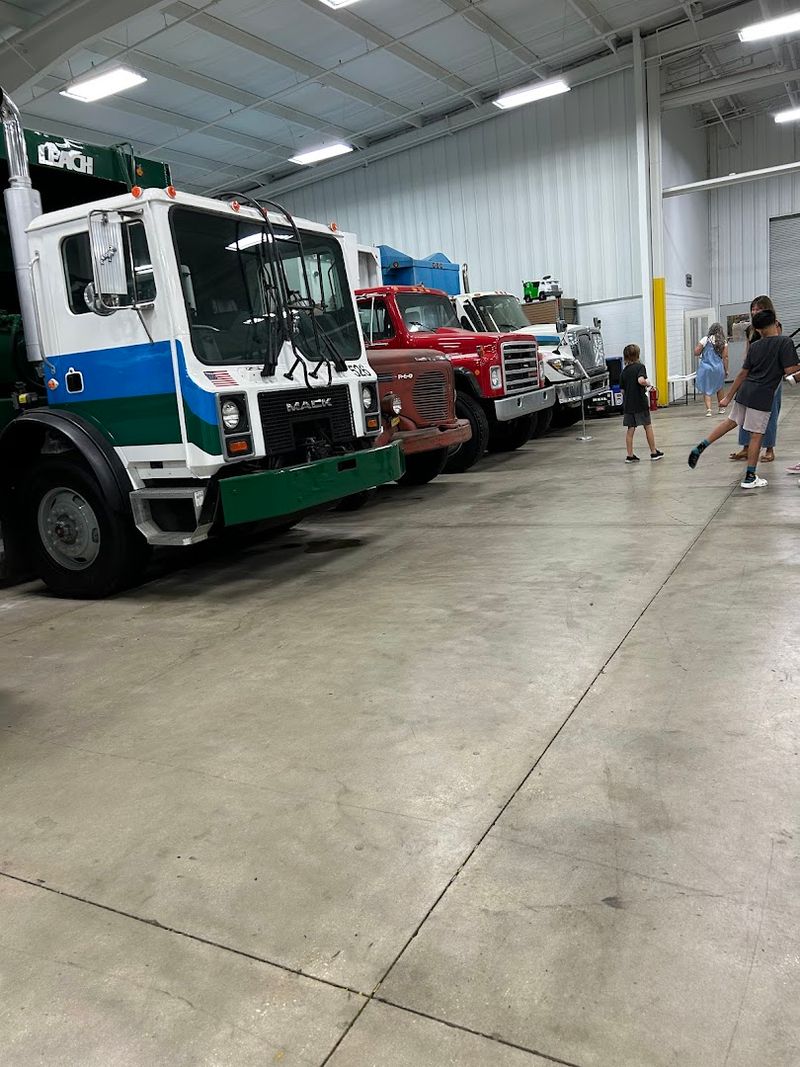
Walking past a line of restored antique trucks feels oddly cinematic. Each vehicle looks like it rolled straight off a movie set, polished and proud.
The museum features approximately 30 completed vehicles, with additional trucks still in the restoration process.
One of the crown jewels is a 1926 GMC flatbed. It holds extra meaning because John Jennings’ father actually worked on that very truck during his career in sanitation.
There is also a 1975 Ford on display, which was Jennings’ very first personal truck purchase. That kind of specific, personal history makes each vehicle feel alive rather than just old.
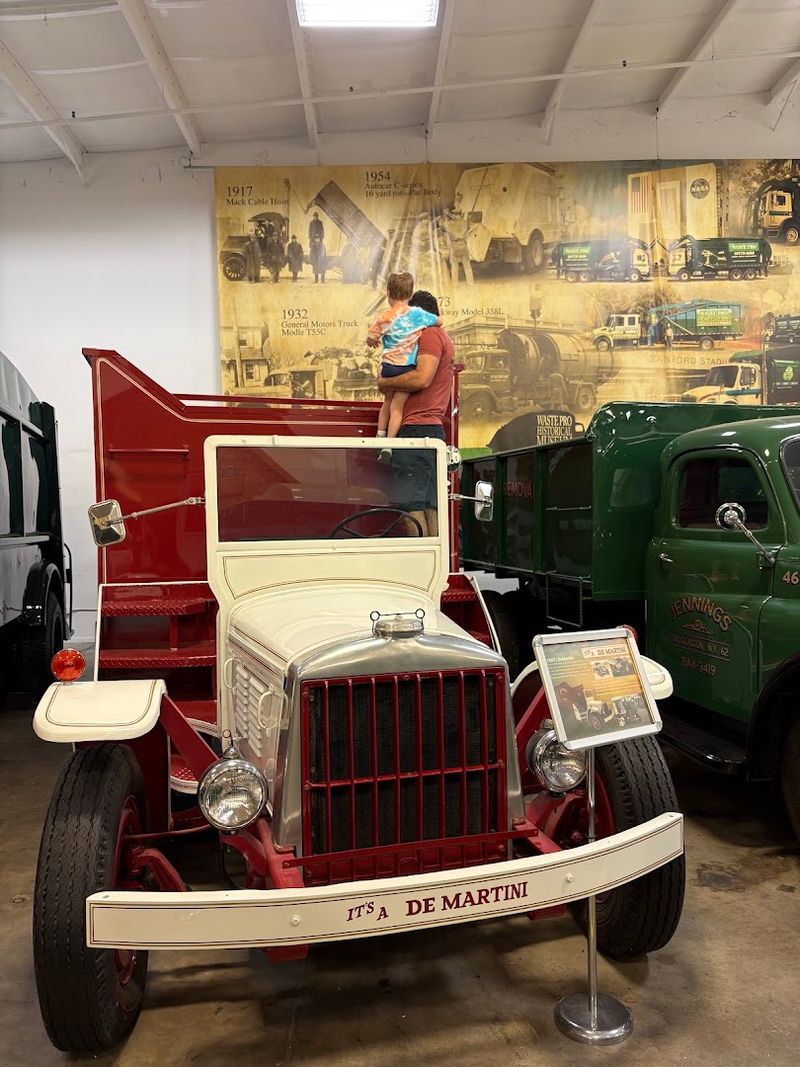
A 1930s DeMartini Scavenger Truck rounds out some of the most eye-catching pieces in the collection. Few people even know this brand existed.
All restoration work is done in-house by the Waste Pro team. That means every bolt and paint job reflects real craftsmanship from people who genuinely care about preserving this history.
Seeing 30-plus trucks lined up together is something you simply cannot unsee. It rewires how you think about an industry most people never stop to appreciate.
The 1926 GMC Flatbed That Started It All
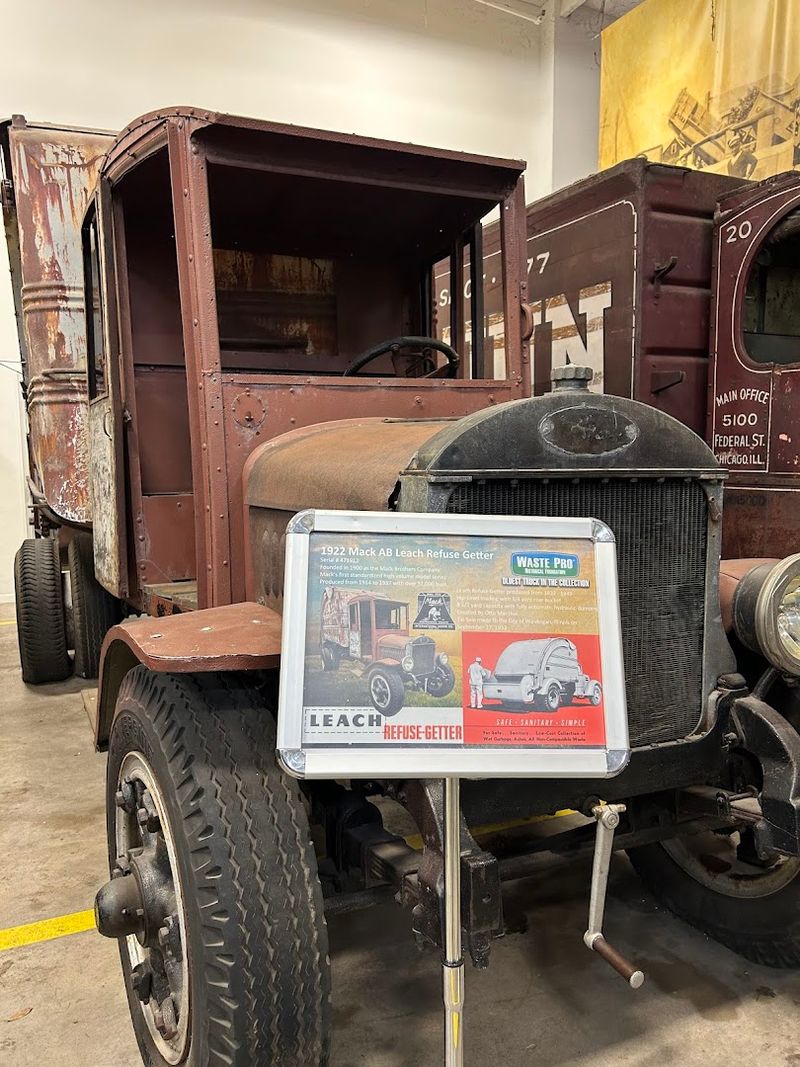
Few museum pieces carry this kind of emotional weight. The 1926 GMC flatbed is not just old metal and rubber.
It is a direct link to a family story spanning generations.
John Jennings’ father worked on this exact model during his years in the sanitation industry. Seeing it restored and displayed feels like watching history get the respect it deserves.
The truck is nearly a century old, yet it looks remarkably solid. The restoration team clearly poured serious effort into every surface.
Standing next to it, you realize how physically demanding early waste collection must have been. There were no hydraulics, no automation, just hard manual labor day after day.
This truck represents the beginning of a whole industry that modern life depends on. It is easy to overlook that history when your trash disappears every Tuesday morning without a thought.
The 1926 GMC also anchors the entire museum’s story. Without that truck, and without Jennings’ father’s dedication, this collection might never have existed at all.
It is a quiet, powerful reminder that every industry has pioneers. Theirs just happened to drive something most people would never think twice about.
Hollywood Came Calling For These Trucks
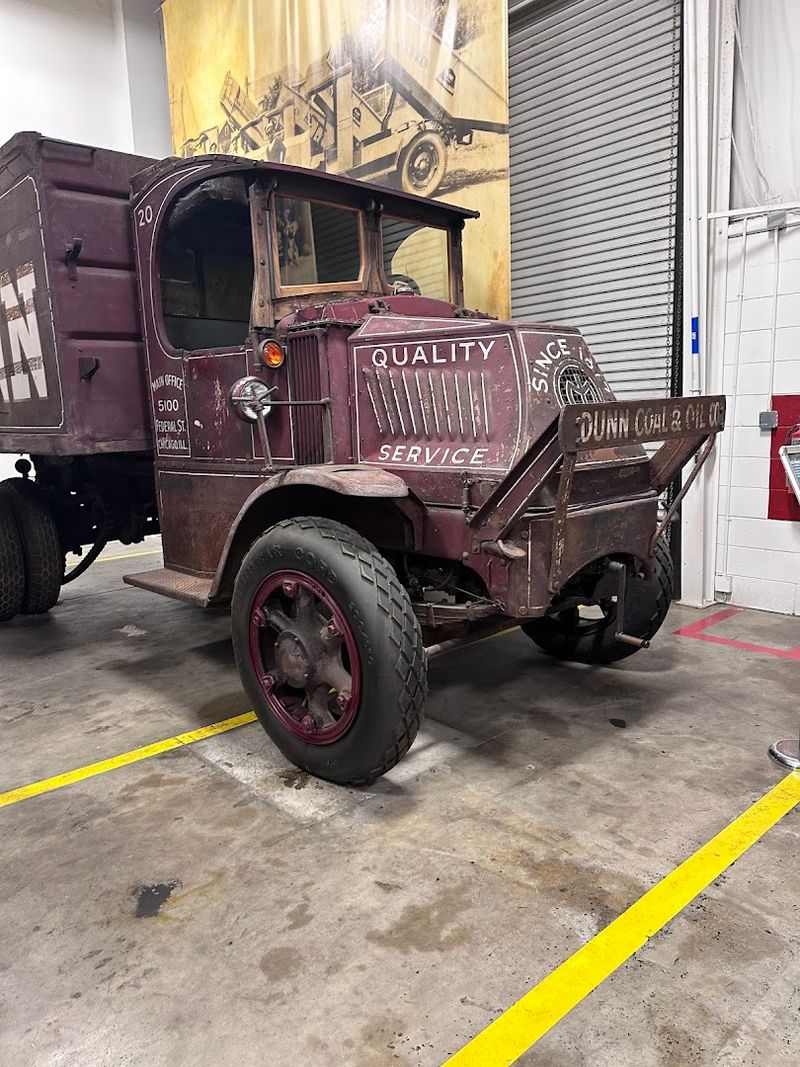
You might have seen one of these trucks before without realizing it. Some vehicles from this collection have actually appeared in Hollywood productions.
The Denzel Washington film Fences featured trucks from this very museum. That detail alone makes the collection feel surprisingly connected to mainstream culture.
It makes sense when you think about it. Period-accurate props are hard to find, and this museum has some of the most authentic vintage waste vehicles in existence.
Filmmakers need real trucks to create believable scenes set in past decades. This museum delivers exactly that, with vehicles restored to look exactly as they would have on the street.
Knowing a truck once appeared on screen adds a fun layer to the visit. You find yourself looking at each vehicle wondering which one had its close-up moment.
The Hollywood connection also proves these trucks have value far beyond nostalgia. They are cultural artifacts that tell stories about everyday American life in past eras.
That crossover between industrial history and film history is genuinely unexpected. It is the kind of fact that makes you want to call a friend and share it immediately.
Appointments Only And That Makes It Even Better
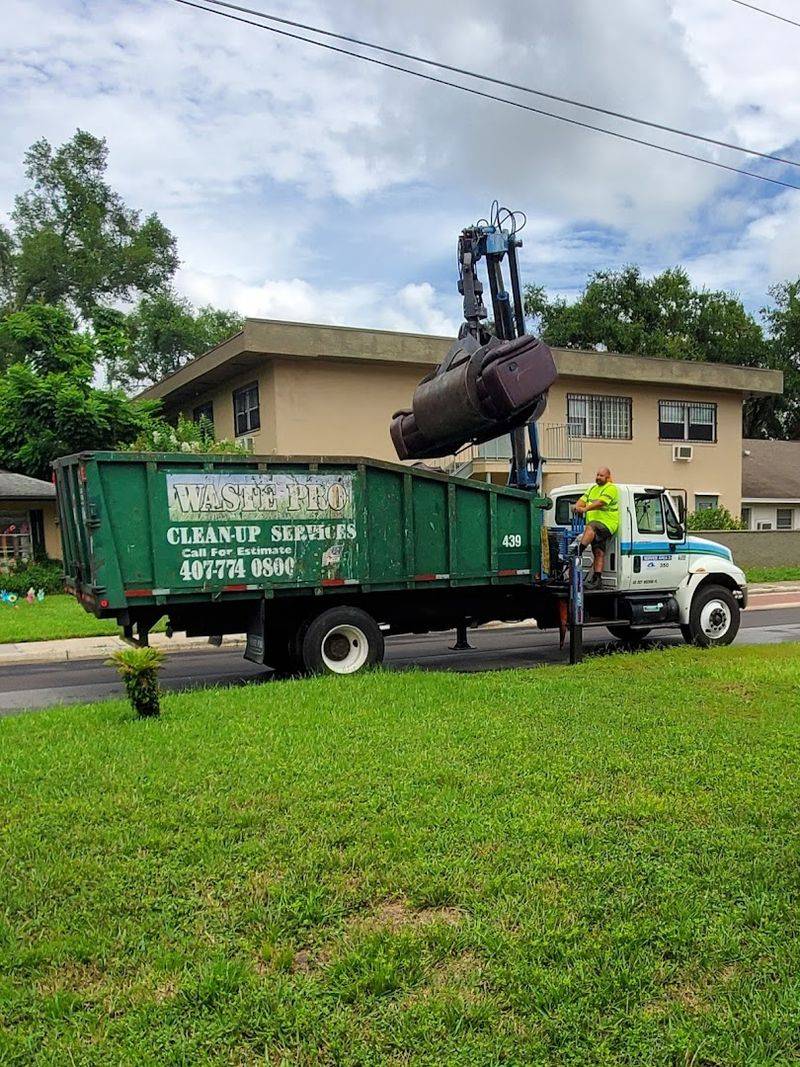
Some of the best experiences require a little extra effort to access. This museum does not take walk-ins, and that policy actually works in your favor.
Visits are by appointment only, scheduled Monday through Friday from 8 AM to 4 PM. You can reach the museum through the main contact at Waste Pro to set things up.
Because it is not a typical tourist attraction, the experience feels personal and unhurried. There is no crowd pushing past you or timed entry window cutting your visit short.
Planning ahead means you arrive prepared and genuinely curious. That mindset makes the whole visit land differently than a casual drop-in ever could.
The appointment-only format gives this place a private tour energy. You leave feeling like you discovered something most people simply do not know exists.
A Replica Street Sweeper That Takes You Back In Time
Before trucks, there were carts. Before carts, there were people pushing brooms down cobblestone streets.
The museum does not skip that part of history.
A replica of a 1900s street sweeper cart sits among the collection, offering a fascinating contrast to the massive motorized trucks nearby. The difference in scale is almost comical.
Seeing that cart next to a 1970s rear-loader makes the evolution of the industry feel almost cinematic. You can trace over a century of progress just by walking a few feet.
The cart is simple and wooden, built in the style of early municipal sanitation equipment. It is a reminder that keeping cities clean has always required dedicated human effort.
Most visitors probably walk past it quickly, eager to look at the big trucks. Slowing down to really study it changes your whole perspective on the exhibit.
The street sweeper cart represents the very beginning of organized waste collection in America. That makes it arguably one of the most historically significant pieces in the entire museum.
History does not always announce itself loudly. Sometimes it sits quietly in the corner, waiting for someone curious enough to stop and pay attention.
The Walls Tell Just As Much History As The Trucks
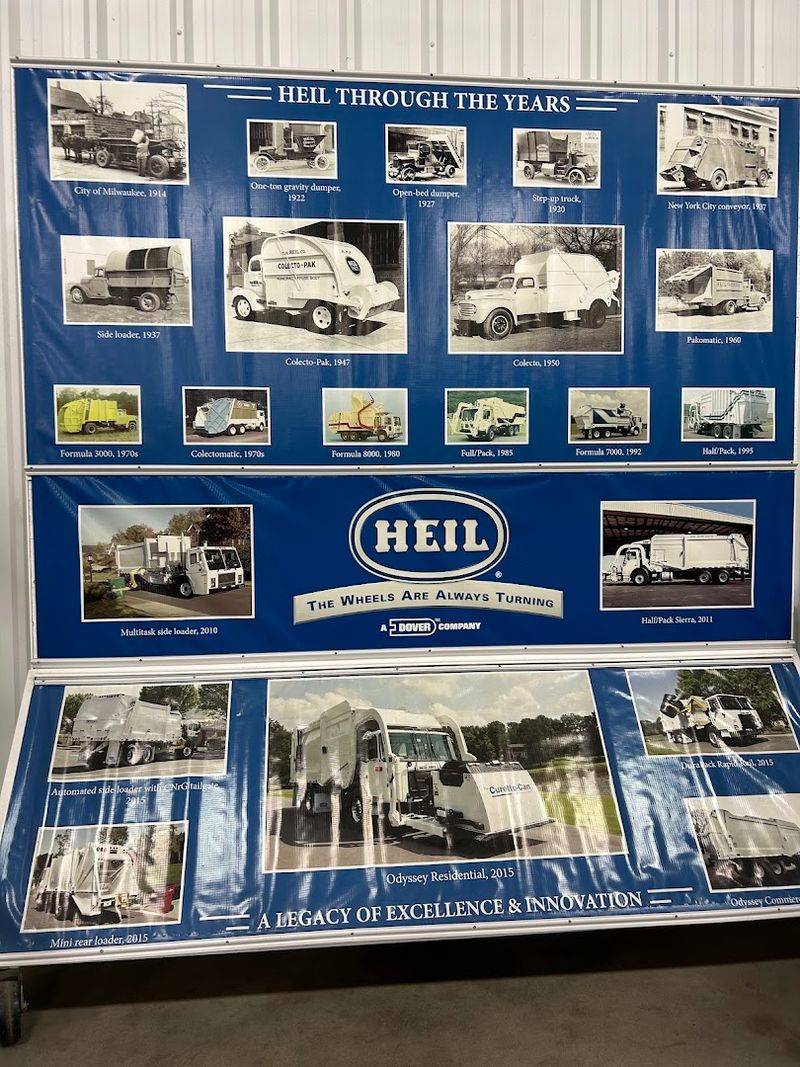
The trucks get all the attention, but the walls deserve just as much of your time. Factory photos, company pictures, old brochures, and vintage advertisements cover the exhibit space.
There are also old annual reports, industry magazines, and books that document the waste collection business across multiple decades. The depth of the archive is genuinely impressive.
Flipping through the visual history of this industry reveals how much has changed in terms of design, branding, and technology. Old ads for garbage trucks are surprisingly creative and colorful.
Digital displays with vintage refuse truck videos add another layer to the experience. Watching old footage of these trucks in action makes the static displays feel suddenly alive.
The combination of physical artifacts and digital media keeps the pacing of the visit interesting. You are never staring at the same type of content for too long.
For anyone interested in American industrial history, this wall archive alone is worth the trip. It documents an industry that rarely gets this kind of careful, loving attention.
The printed materials also show how seriously people took this work. These were not throwaway businesses.
They were proud operations with real identities and long histories worth celebrating.
The 1975 Ford That Made History Personal
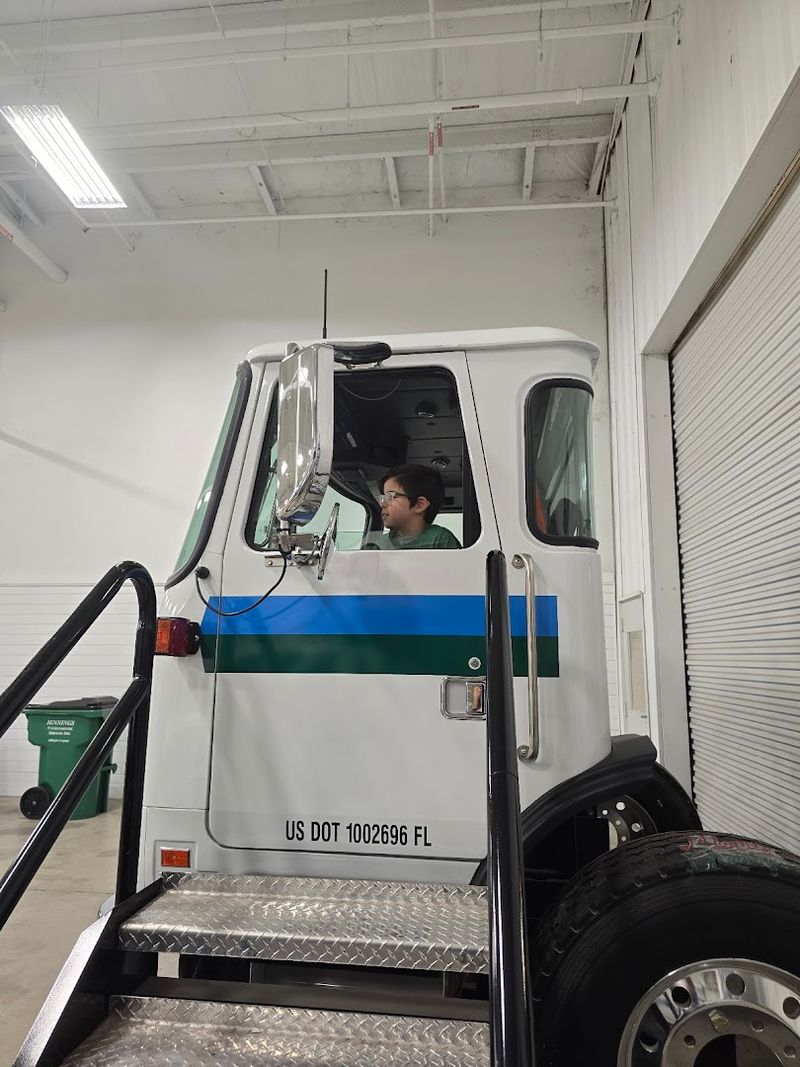
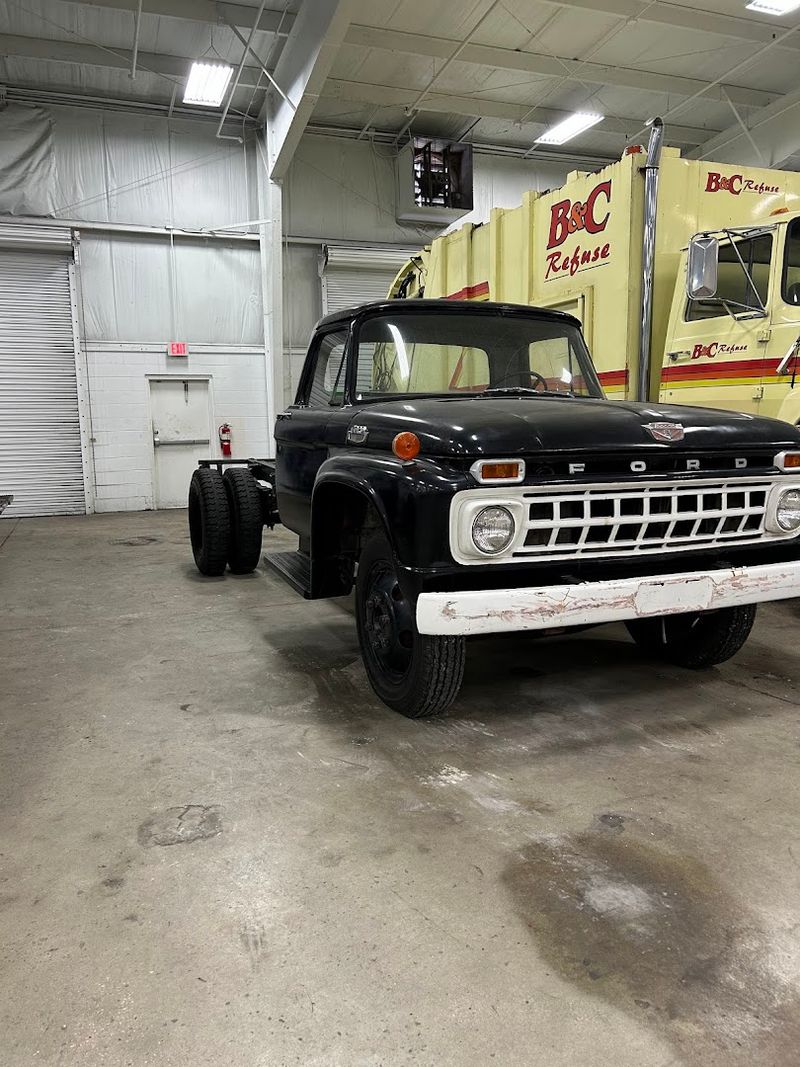
There is something different about an object that belonged to a specific person at a specific moment in their life. The 1975 Ford on display carries that kind of energy.
This was John Jennings’ first ever truck purchase. That single fact transforms it from a vintage vehicle into a personal milestone on four wheels.
The truck has been restored beautifully and sits proudly alongside vehicles that predate it by decades. Its relatively recent age makes it feel both familiar and surprisingly nostalgic.
For anyone who has ever held onto a first car or a first tool from a meaningful job, this truck resonates immediately. It is about more than preservation.
It is about identity.
The 1975 Ford also shows that the museum is not just about ancient history. It captures a range of eras, from horse-drawn carts all the way into the mid-seventies.
That timeline approach makes the collection feel complete rather than selective. Every decade of the industry gets some representation, which gives the whole museum a satisfying sense of thoroughness.
Visiting this truck feels like reading the opening chapter of a much larger story. The rest of the collection fills in everything that came before and after it.
Why This Place Deserves Way More Attention
Most museums celebrate art, discovery, or human achievement. Very few stop to honor the people who kept cities functional and clean for over a century.
This one does, and it does it well.
The Waste Pro Garbage Truck Museum is genuinely unlike anything else in this part of the state. The combination of personal history, industrial heritage, and Hollywood-level restoration is rare anywhere.
Visitors often describe it as a surprisingly memorable stop, especially because the collection is so specific and carefully restored. That kind of consistency is hard to fake and even harder to achieve.
The museum is free to visit by appointment and offers an experience that is both educational and oddly moving. You leave with a new respect for an industry you probably never thought about before.
For families, history buffs, truck enthusiasts, or anyone who appreciates unusual attractions, this place checks every box. Families with kids who love big vehicles will find plenty to keep them interested.
Some of the best experiences are the ones nobody told you about. This is absolutely one of them.