This 11-Mile Northern California Trail Follows An Old Railroad Along The Sacramento River And Rugged Canyon Views
A trail built from an old railroad already sounds like it has better stories than most.
Rails are gone. The drama stayed. Now the route trades train cars for river bends, rugged canyon views, and that satisfying feeling of moving through a place with history under your feet.
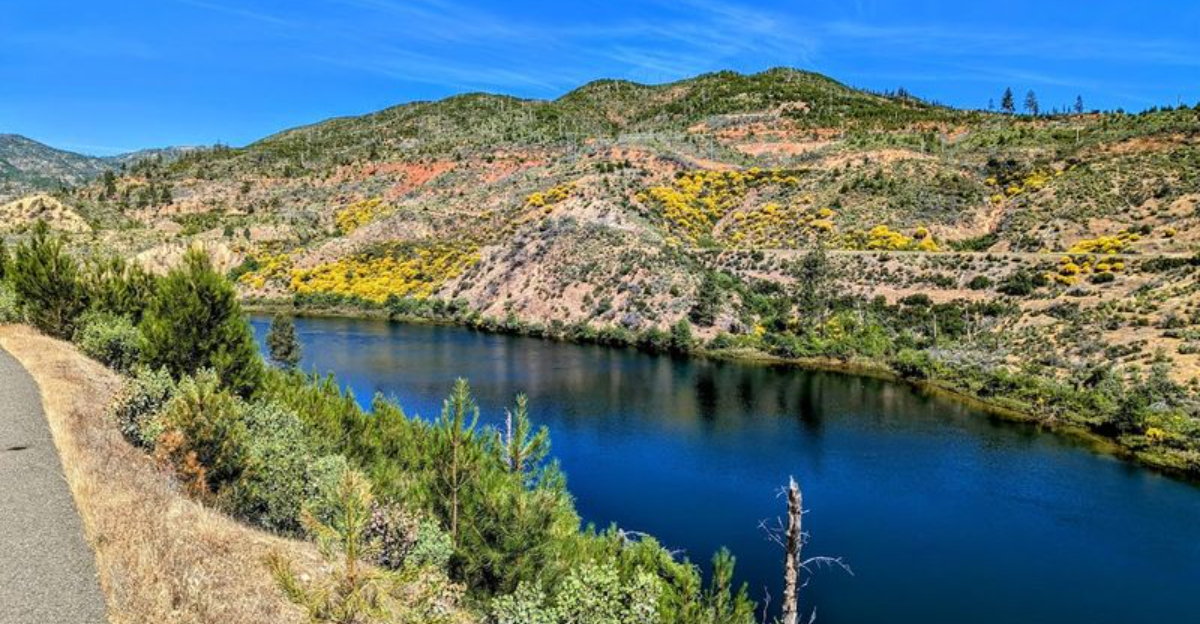
An 11-mile Northern California trail like this makes the Sacramento River feel like a travel companion.
You get water on one side. Rocky slopes on the other. Enough open space to make the day feel bigger without turning the outing into a punishment.
Go for the views and stay for the strange little thrill of following a path where something else used to run.
The Railroad History Behind The Trail
Not every bike trail comes with a story that stretches back more than a century, but the Sacramento River Rail Trail does.
The path follows the former alignment of the Central Pacific Railroad’s Shasta Route, a rail corridor that once served as a vital link between Portland, Oregon, and California’s Central Valley.
That original rail line was rerouted in the mid-20th century to accommodate the construction of Shasta Dam, one of the largest dams in the United States.
After the rerouted section was eventually abandoned in the early 1980s, the corridor sat quiet for years before being converted into the trail that cyclists and hikers enjoy today.
Riding the trail gives a real sense of that layered past, especially when passing through the 500-foot former rail tunnel, which is one of the most memorable and tangible reminders of the route’s industrial origins.
The nearby ghost towns of Coram and Keswick once thrived during the mining and railroad era, adding even more historical texture to the ride.
In 2023, the Rails-to-Trails Conservancy inducted the trail into its Hall of Fame, cementing its place as one of the most historically significant rail-trails in the country.
The 500-Foot Rail Tunnel Experience
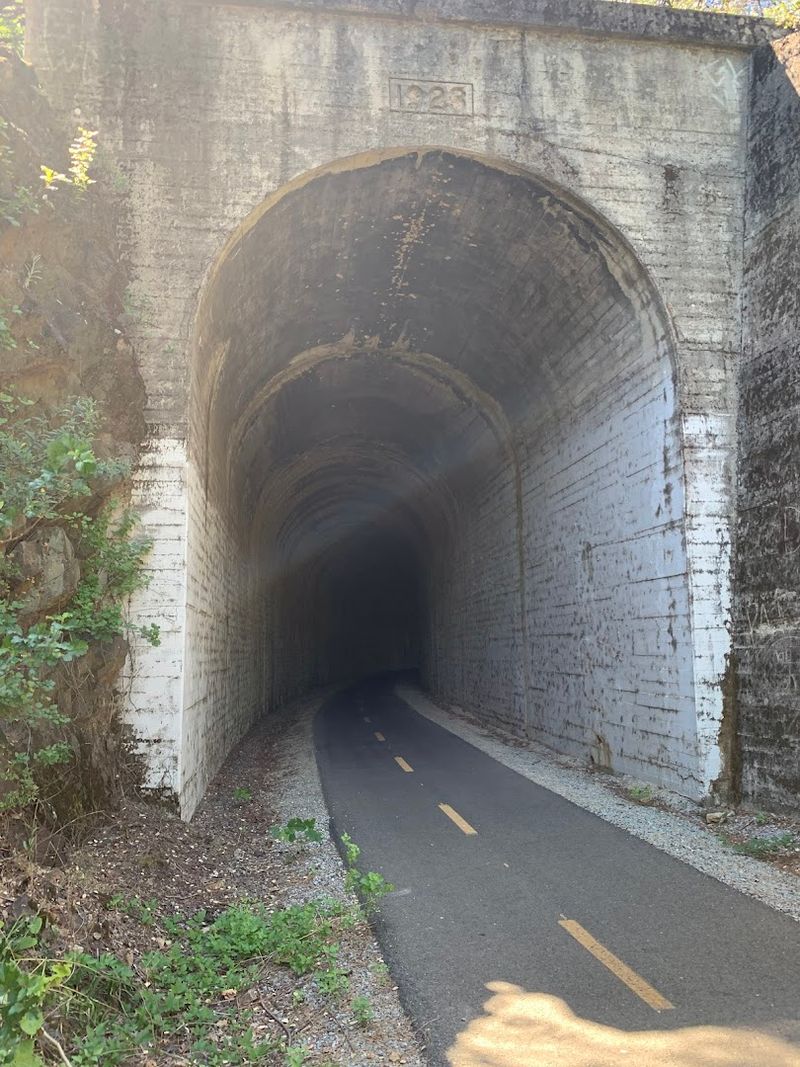
Somewhere along the 11.1-mile route, the trail disappears into the hillside through a 500-foot tunnel carved out during the railroad era, and that moment tends to stop first-time visitors in their tracks.
The temperature inside drops noticeably compared to the open trail, and the stone walls carry a cool, earthy smell that feels nothing like the warm California air outside.
Riding or walking through the tunnel is a brief but genuinely memorable experience.
The darkness at the center point is deep enough that bringing a small light or headlamp is a smart move, especially on overcast days when natural light from both ends does not reach the middle.
On the other side, the trail opens back up to reservoir views and canyon scenery, making the tunnel feel like a natural dividing point between two different moods of the same ride.
Kids tend to love the tunnel section, and it often becomes the highlight story of the whole outing.
The tunnel is one of the clearest physical reminders that this path was once a working rail corridor, and it adds a layer of adventure to what is otherwise a smooth and accessible paved trail through Northern California.
Keswick Reservoir Views Along The Route
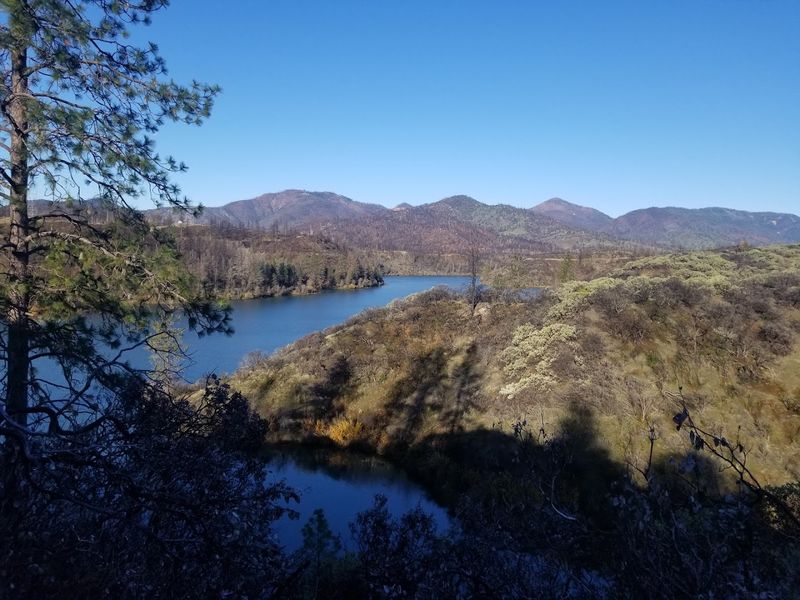
Running along the western shore of Keswick Reservoir for most of its 11.1-mile length, the Sacramento River Rail Trail keeps the water close enough that the sound of it and the shimmer of reflected light become a steady companion throughout the ride.
Keswick Reservoir is a relatively small but visually striking body of water, fed by releases from Shasta Dam to the north.
The reservoir sits within a canyon landscape, meaning the hills rise sharply on both sides of the water and give the whole corridor a rugged, enclosed feeling that is quite different from flat valley trails.
Morning light tends to catch the water surface in a way that makes the whole scene feel quieter and more expansive than the short mileage might suggest.
Multiple points along the trail offer unobstructed sightlines across the reservoir, and the BLM manages several river access spots along the route, including the paved Keswick Boat Launch area where smaller watercraft can put in.
Fishing access is also available near the Keswick Dam Trailhead via the Fishermen’s Trail spur.
For anyone who enjoys layering water scenery into a bike ride, this trail delivers that combination in a way that feels natural rather than engineered.
Shasta Dam Views And The Northern Trailhead
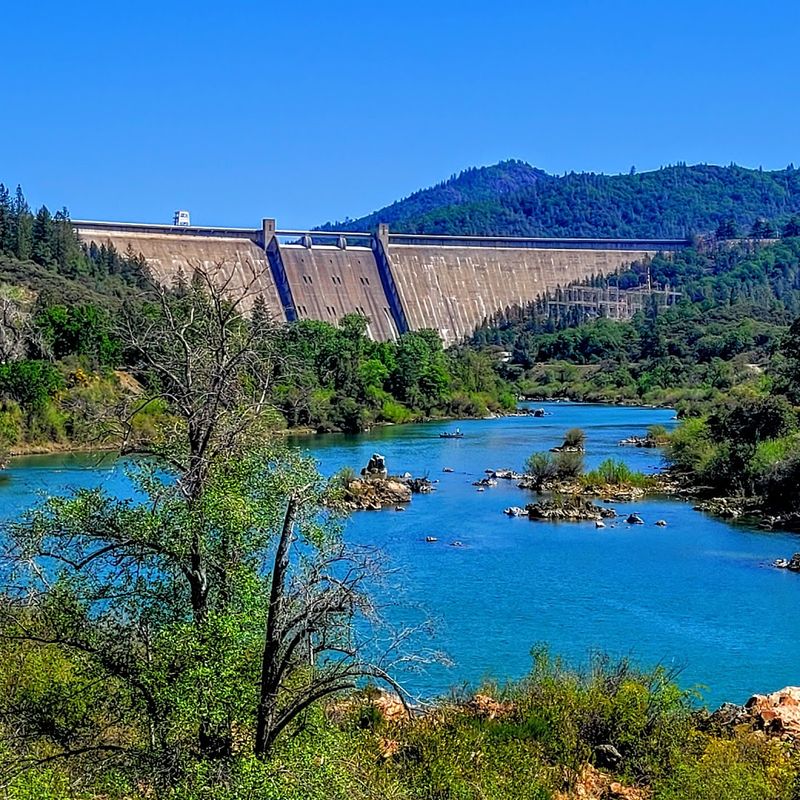
Starting a ride from the northern end of the Sacramento River Rail Trail means beginning right in the shadow of one of the most impressive pieces of infrastructure in the American West.
The Shasta Dam Trailhead sits on Coram Road, just south of the Shasta Dam Visitor Center, and the dam itself is visible from early in the ride heading southward.
Shasta Dam is the second tallest dam in the United States, and seeing it up close from trail level gives a sense of scale that photographs rarely capture accurately.
The concrete face of the dam rises dramatically above the reservoir, and the sound of water moving through the structure can sometimes be heard depending on the time of year and current release levels.
The Shasta Dam Visitor Center, located at 16349 Shasta Dam Blvd, Shasta Lake, CA 96019, is open to the public and worth a stop before or after a ride for anyone curious about the dam’s construction history.
The trailhead parking area on Coram Road has space for vehicles and provides a straightforward starting point for a full out-and-back ride covering the entire 11.1-mile route down to Keswick Dam Road at the southern end.
The Southern Connection To The Sacramento River Trail
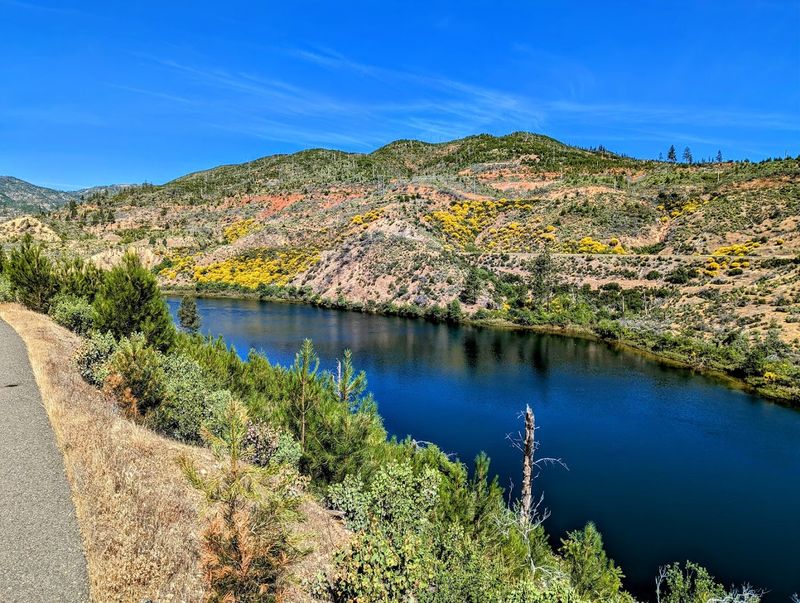
One of the most practical features of the Sacramento River Rail Trail is where it ends at the southern boundary near Keswick Dam Road, because that endpoint is also a beginning.
From there, the path connects directly to the Sacramento River Trail, which continues south through Redding all the way to the Sundial Bridge, turning a single trail into a much longer adventure.
Together, the two trails form a combined paved corridor that stretches roughly 21 to 23 miles depending on the exact route taken, making the full out-and-back distance a solid half-day or full-day ride.
The combined system is managed partly by the Bureau of Land Management and partly by the City of Redding, and the transition between the two trails is generally smooth and well-marked.
Riders who want to experience the full scope of the Sacramento River corridor from Shasta Dam down to the iconic Sundial Bridge in Redding will find this connection invaluable.
The combined trail network is part of a larger system exceeding 200 miles of connected paths in the region, making the Sacramento River Rail Trail much more than a standalone out-and-back.
It functions as a gateway into one of Northern California’s most well-developed non-motorized trail ecosystems.
What The Paved Two-Lane Path Feels Like To Ride
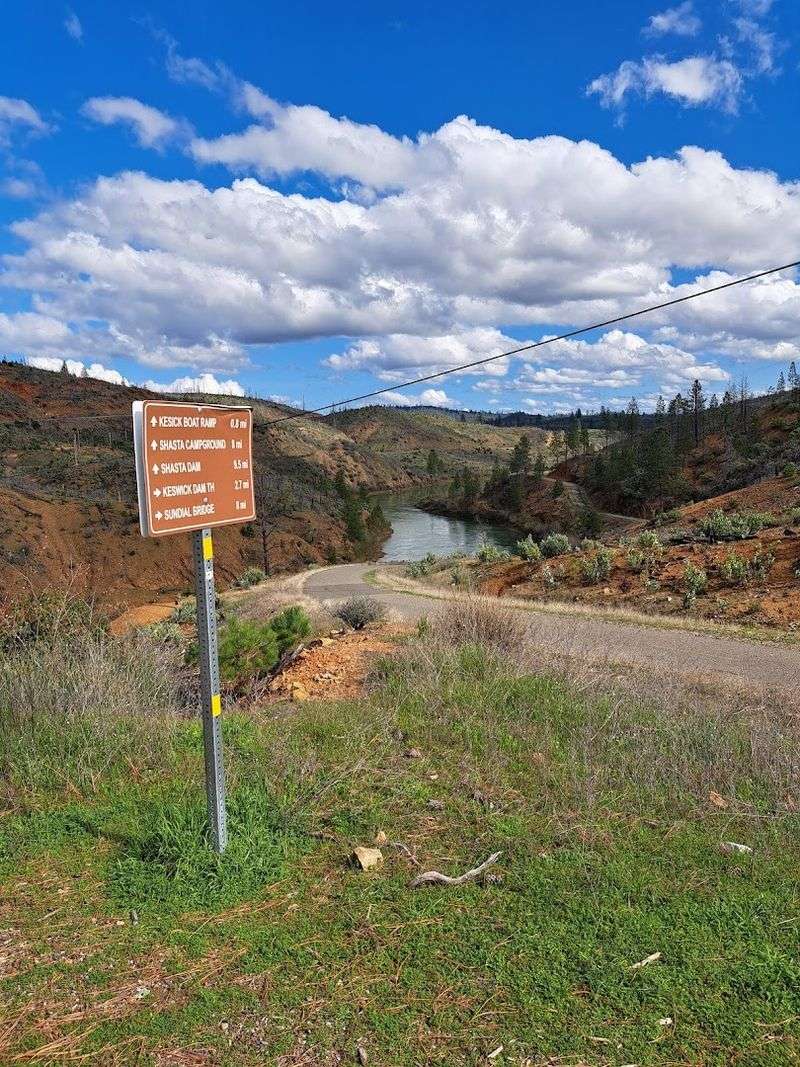
Paved trails are not all created equal, and the surface quality of the Sacramento River Rail Trail tends to stand out compared to many other rail-trails in the region.
The Bureau of Land Management describes it as a two-lane non-motorized path, wide enough for cyclists traveling in opposite directions to pass comfortably without crowding the edges.
The grade along the route is generally gentle, which makes sense given its railroad origins since trains require relatively flat and consistent slopes.
That low grade means most fitness levels can handle the full 11.1-mile length without feeling overwhelmed, though the exposed sections in summer can make heat and sun a real factor worth planning around.
Bringing plenty of water and sun protection is strongly recommended, particularly between late spring and early fall when temperatures in Shasta County can climb well above 90 degrees Fahrenheit.
The trail is popular with road cyclists, mountain bikers on paved setups, families with children, and casual walkers alike.
Motorized vehicles are strictly prohibited on the route, which keeps the experience calm and predictable.
Early morning rides tend to offer cooler temperatures and softer light across the reservoir, making that time of day a favorite for regulars who know the trail well.
Multiple Trailheads And How To Plan Your Access
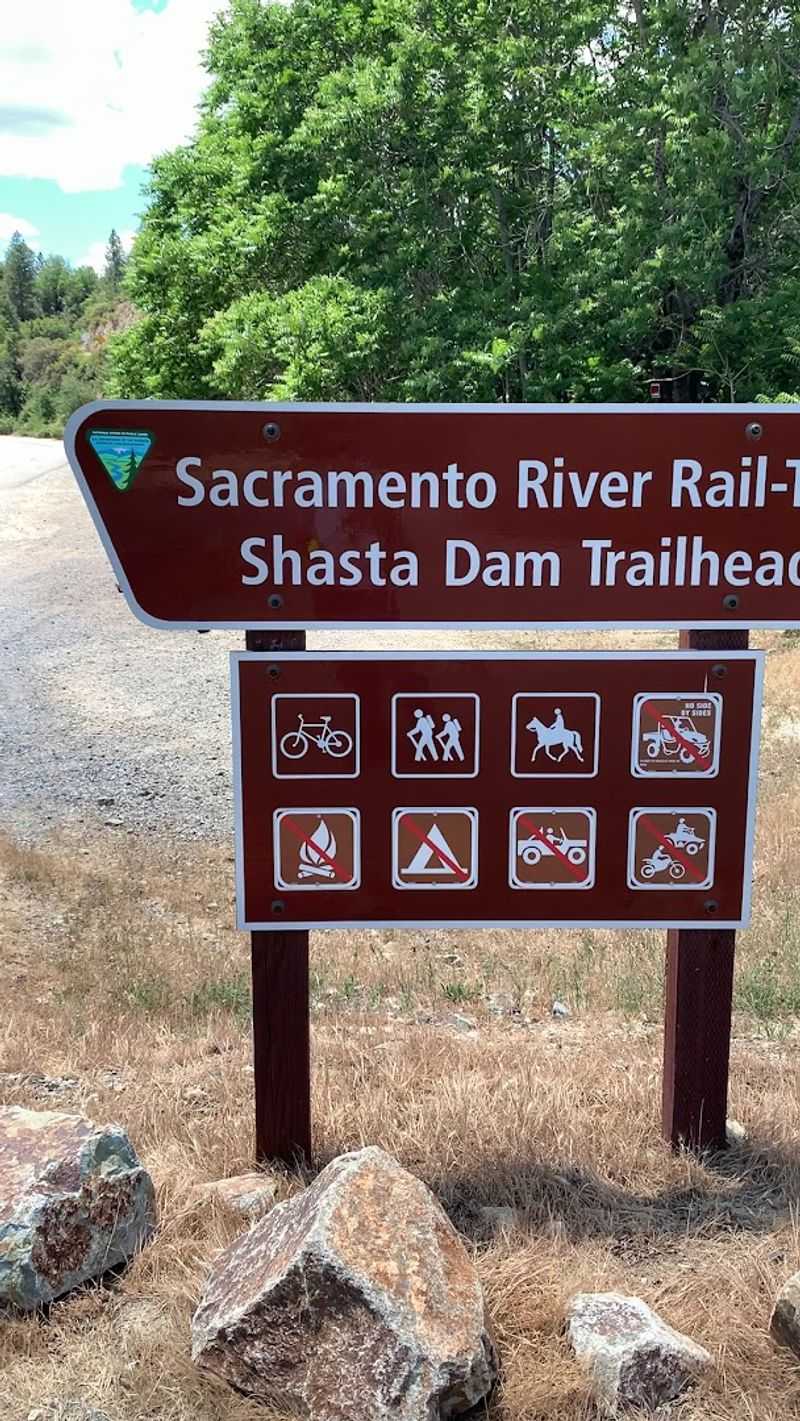
Flexibility is one of the quiet strengths of the Sacramento River Rail Trail, because the Bureau of Land Management maintains several managed trailheads along the route rather than just one or two endpoints.
Access points include the Shasta Dam Trailhead on Coram Road at the north, the Keswick Dam Trailhead at the south, the Keswick Boat Launch, the Matheson Trailhead, and the Rock Creek access point.
Having multiple entry points means families or groups with mixed fitness levels can plan custom distances rather than committing to the full 11.1-mile length.
It also makes it easy to start a ride from one trailhead and get picked up at another, which can be a practical option on very hot days when turning around midway might not feel appealing.
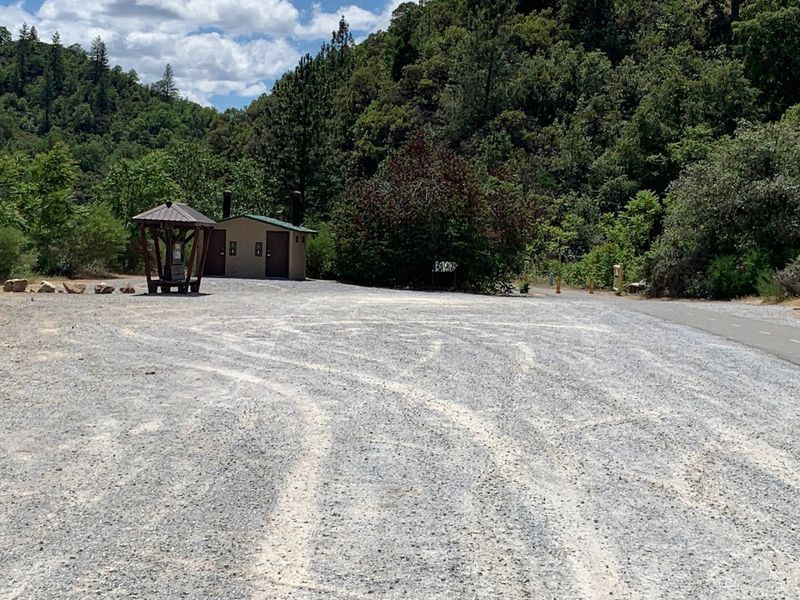
The Keswick Boat Launch trailhead is fully paved and tends to be one of the more accessible starting points, offering parking and a smooth connection to the main trail corridor.
Trail hours at the Shasta Dam Trailhead run from 6 AM to 10 PM daily, so early morning starts are fully supported.
Checking current BLM conditions before visiting is always a reasonable step, as seasonal factors like heat, water levels, or maintenance work can occasionally affect specific access points along the route.
Mount Shasta Views And The Broader Scenery
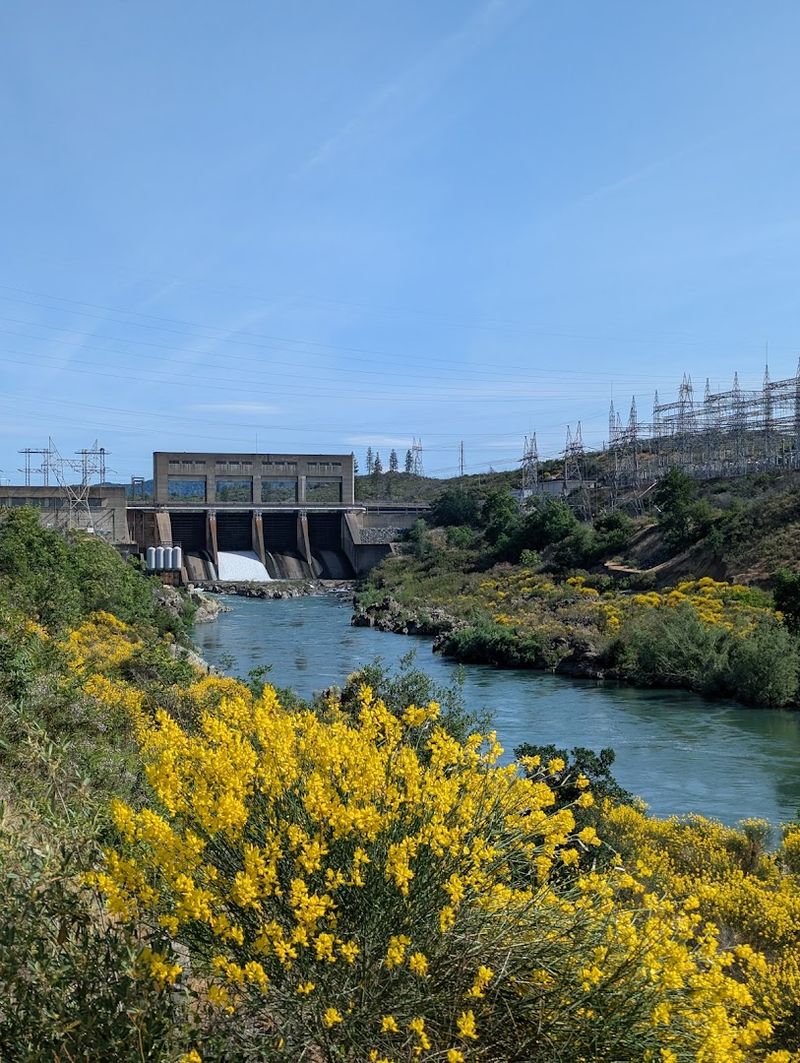
Clear days on the Sacramento River Rail Trail reward riders with something that goes well beyond the immediate canyon walls and reservoir surface.
On days with good visibility, snowcapped Mount Shasta is visible in the distance, rising to over 14,000 feet and standing out sharply against a blue sky in a way that makes the whole ride feel connected to a much larger landscape.
The trail also passes through terrain shaped by old mining activity, with the former towns of Coram and Keswick sitting nearby as quiet reminders of a more industrial past.
The canyon walls themselves have a rough, mineral-rich texture with layers of rock visible in the exposed hillsides, giving geology enthusiasts plenty to notice between pedal strokes.
Wildflowers appear along the trail edges during spring, and the smell of blackberry bushes in late summer is something regular visitors mention as one of those small, sensory details that makes the trail feel alive rather than just scenic.
Bridges along the route add visual interest and provide elevated vantage points over the water below.
The overall scenery shifts gradually from one trailhead to the next, so the ride rarely feels repetitive even on a simple out-and-back through the full 11.1-mile corridor.