This Fascinating Texas Museum Tells The Story Of A Truly Legendary Soda
I have a soft spot for the kind of places that make you feel like you stumbled onto a secret. This one hit different.
Somewhere in the heart of the Lone Star State, there is a museum so unexpectedly charming that I almost drove past it without a second thought. Thank God I did not.
It is dedicated to one of America’s most iconic sodas, a drink with a story stranger and more fascinating than anything I could have invented. The State of Texas has no shortage of legends, but this one comes in a bottle.
And the deeper you go, the more you realize that the State has been quietly sitting on one of the greatest origin stories in American beverage history. I walked in curious and left completely obsessed.
The Historic 1906 Bottling Plant Building
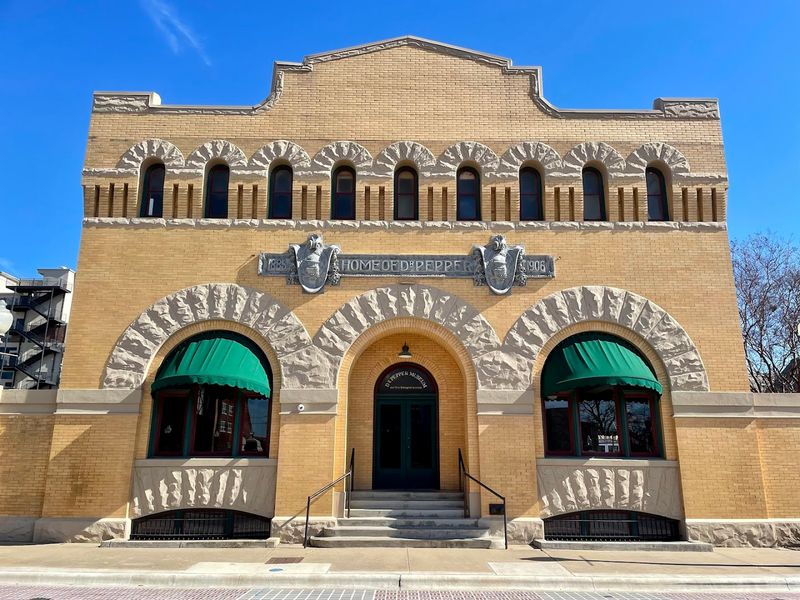
Old brick buildings have a way of telling stories before you even step inside. The Dr Pepper Museum lives inside the 1906 Artesian Manufacturing and Bottling Company building, the very first purpose-built manufacturing plant for Dr Pepper.
That fact alone made me stop and stare at the facade for a solid minute.
This building is listed on the National Register of Historic Places as the “Home of Dr Pepper.” It survived an F5 tornado that struck Waco on May 11, 1953. You can still see evidence of the storm damage on the Mary Street side of the building.
The structure has serious bones. The worn brick and tall industrial windows give it an authentic, no-frills character that modern buildings simply cannot fake.
Standing outside at 300 S 5th St, you feel the weight of over a century of history pressing against your curiosity. The building does not shout for attention.
It earns it quietly, the way genuinely important things usually do. Visiting it feels less like touring a museum and more like stepping into a living chapter of American food history.
The Origin Story Of Dr Pepper
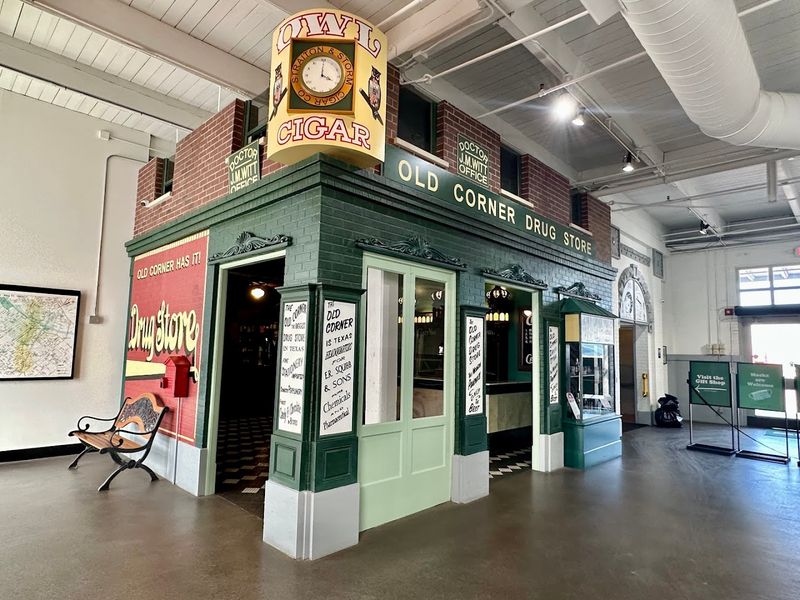
Most people know Dr Pepper as that mysterious soda with 23 flavors. Far fewer people know it was invented by a pharmacist named Charles Alderton in 1885.
He mixed it up at Morrison’s Old Corner Drug Store right here in Waco, Texas.
That makes Dr Pepper the oldest major soft drink brand in America. It actually predates Coca-Cola by a full year.
Patrons at the drug store originally called it “Waco” before the name Dr Pepper stuck for good.
The museum dedicates serious exhibit space to this origin story. Vintage photographs, period artifacts, and detailed timelines walk you through every early chapter.
I found myself reading every single panel, which almost never happens to me at museums. The story is genuinely gripping because it connects a small-town pharmacist’s experiment to a product that billions of people now recognize worldwide.
That kind of journey from a soda fountain counter to global shelves is the kind of American story that feels almost too good to be true. Yet here it is, fully documented and beautifully displayed just a short walk from where it all began.
Three Floors Of Interactive Exhibits
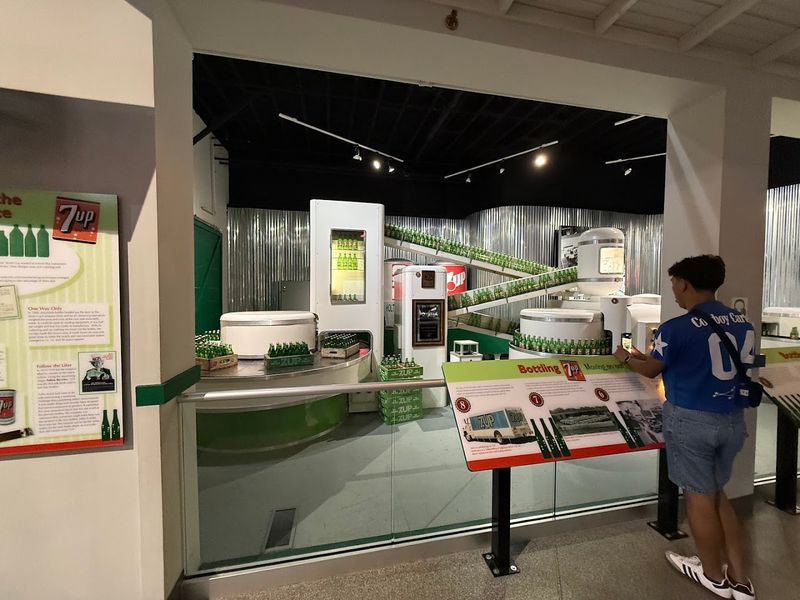
Three floors of exhibits sounds like a lot. It is, and somehow it never feels overwhelming.
Each level peels back a different layer of the Dr Pepper story and the broader soft drink industry.
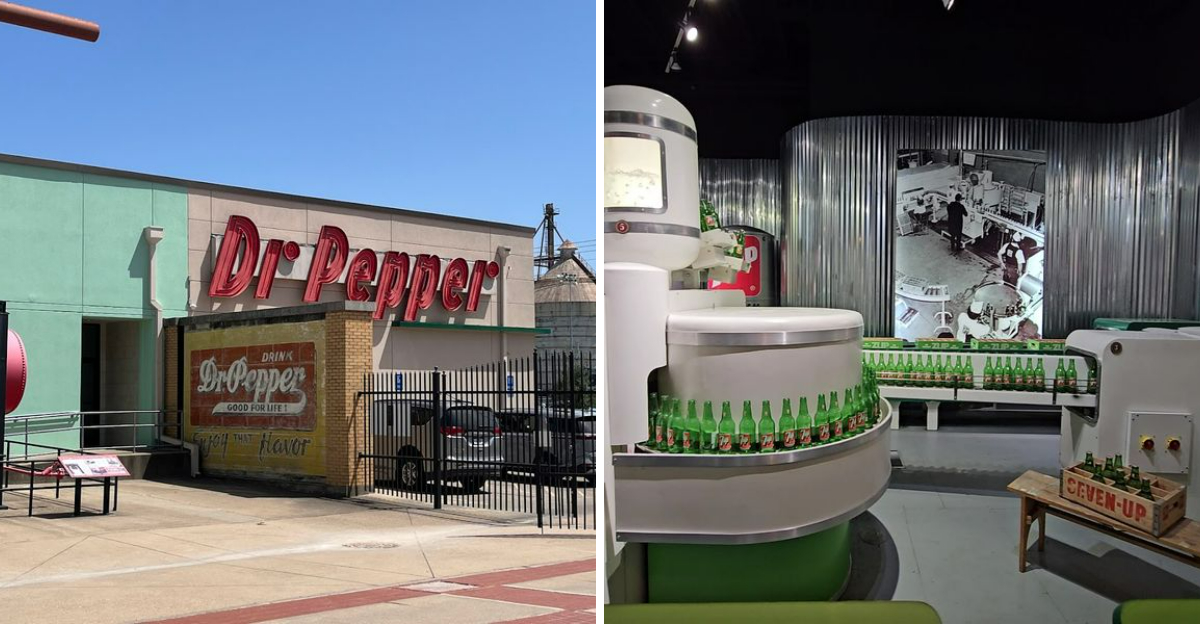
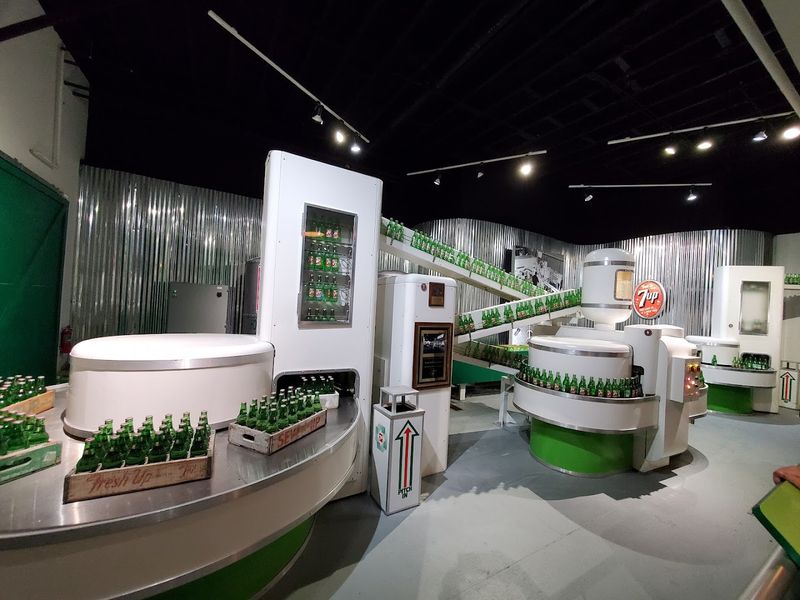
The collection holds over 300,000 artifacts. Vintage bottles, antique delivery wagons, old advertisements, and classic bottling equipment fill the space with color and texture.
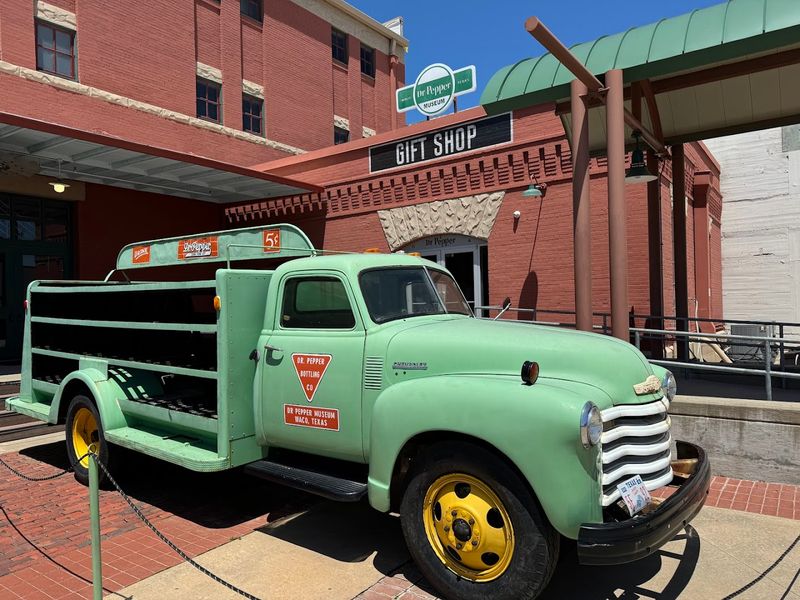
There are also two delivery trucks and a delivery wagon on display that stopped me in my tracks.
Videos and audio recordings play throughout the building, giving life to the people who shaped the brand across different decades. Kids gravitate toward the vintage car you can actually sit in.
Adults tend to linger near the wall of iconic advertisements, recognizing slogans from their own childhoods. The exhibits cover not just Dr Pepper but the entire soft drink industry, including 7 Up, Big Red, Nehi, and Squirt.
That broader scope makes the museum feel genuinely educational rather than like a long commercial.
Every corner introduces something new, which kept me moving at a steady pace from the ground floor all the way up to the top, where the views of the surrounding area are surprisingly beautiful.
The Original Artesian Well
There is something almost eerie about standing on top of a sealed well that once supplied water to an entire bottling operation. The original artesian well that provided purified mineral water for early Dr Pepper production is right there inside the museum.
You can stand directly over it.
One review described it as looking “bottomless,” and that description is accurate. The well was later used as a trash pit before being sealed, and excavated bottles from that period are displayed nearby.
Seeing those old broken glass fragments behind glass felt like a small archaeological discovery.
The “People Who Made Dr Pepper” exhibit surrounds this area, connecting the physical source of the water to the human stories behind the brand. Water quality was a major selling point in the early days, and the artesian well was central to that identity.
Dr Pepper was originally marketed with health-related claims tied to the purity of its mineral water source. That context reframes the soda in a way I had never considered before.
It transforms a familiar fizzy drink into something with genuine historical roots, making the well one of the most quietly powerful moments in the entire visit.
The Keurig Dr Pepper Liquid Lab And Make-A-Soda Experience
Making your own custom soda is not something most adults expect to enjoy as much as they actually do. The Keurig Dr Pepper Liquid Lab in the Kellum-Rotan Building hosts the Make-A-Soda experience, and it is a genuine crowd-pleaser for every age group.
For an additional $20 per person, you get to mix your own unique flavor combination and take home a personalized souvenir cup. Advance reservations are strongly recommended because walk-up spots fill quickly.
Book at least a week ahead to avoid missing out.
The Taste-A-Soda option is another fun add-on. You sample six different Dr Pepper flavors while answering trivia questions, which turns tasting into a game.
I went with Make-A-Soda and walked away with a combination I was genuinely proud of. The staff keeps the energy light and fun, and the whole setup feels more like a science experiment than a sales pitch.
Both experiences are housed in the Kellum-Rotan Building, which was originally constructed in the 1880s and now holds museum collections, archives, and the renovated soda fountain area.
The contrast between the old building and the playful modern lab creates a surprisingly charming atmosphere.
The Renovated 1960s Soda Fountain
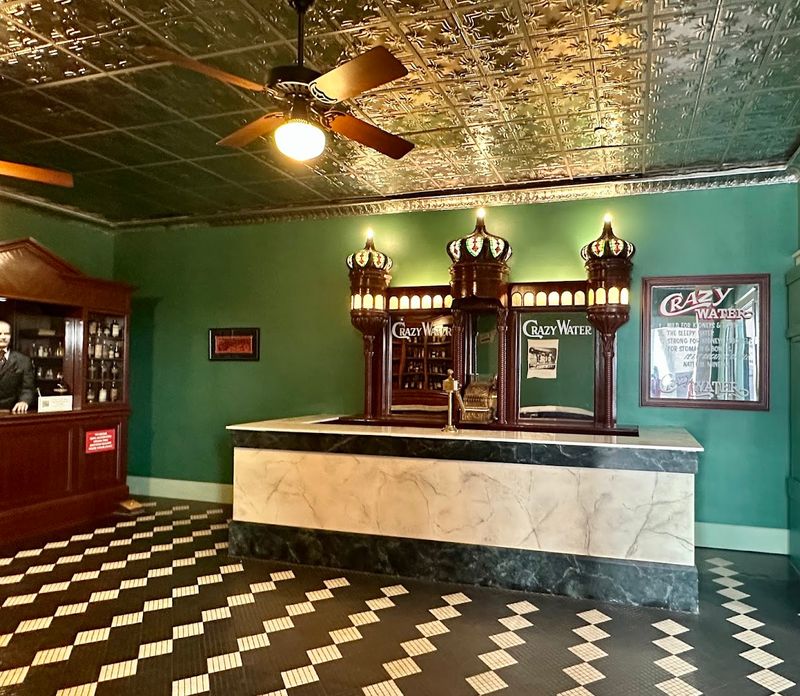
Few things transport you back in time faster than a classic soda fountain. The renovated 1960s soda fountain inside the Kellum-Rotan Building is a fully working experience, not just a display piece.
You can order a freshly mixed Dr Pepper or a Dr Pepper float in a souvenir cup.
General admission at $12 per adult includes a complimentary Dr Pepper, which you can redeem right at the fountain. The float option costs a little extra, but it is absolutely worth it.
Caramel Dr Pepper over vanilla ice cream is a combination I did not know I needed in my life.
The soda fountain area also serves as the home of the “Sit Down to Take a Stand” exhibit. This year-round display features a replica 1960s lunch counter that tells stories of the Civil Rights Movement and desegregation in Waco.
The pairing of a joyful soda experience with a serious and important chapter of American history feels intentional and respectful. It gives the fountain area real depth beyond nostalgia.
You can sit outside at picnic tables surrounded by murals on the building exterior, which makes for a genuinely pleasant ending to the visit.
The Civil Rights Exhibit Inside The Soda Fountain
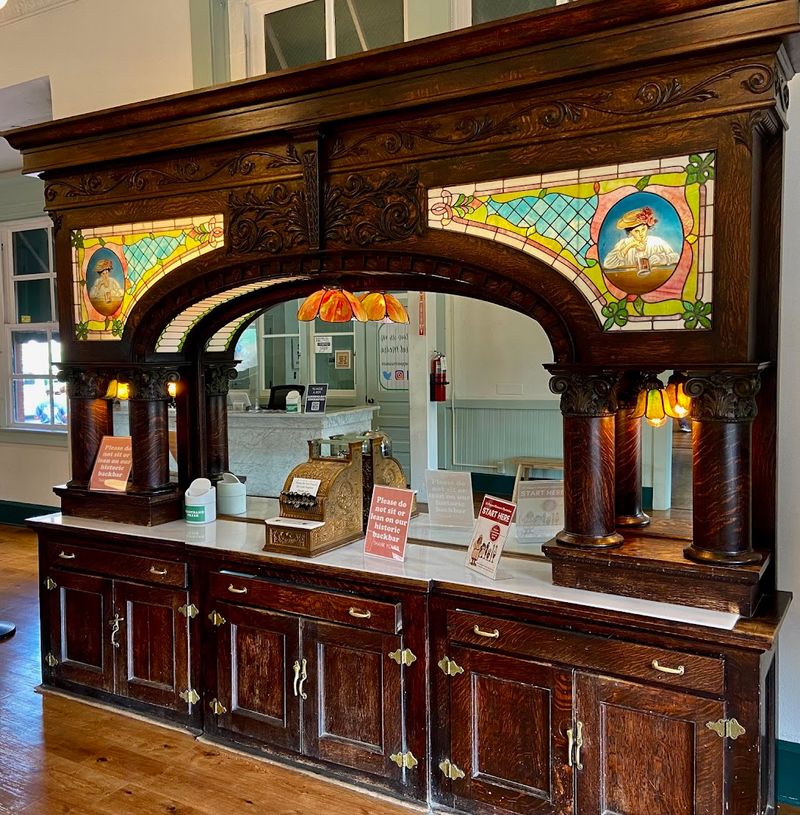
Not every museum about a soft drink brand takes time to teach visitors about the Civil Rights Movement. This one does, and it does it well.
The “Sit Down to Take a Stand” exhibit sits inside the soda fountain area and uses a replica 1960s lunch counter as its centerpiece.
The display tells the specific story of desegregation sit-ins and the Civil Rights Movement as it unfolded in Waco. It also includes exhibits on the history of women in the workplace.
Both sections are thoughtfully presented and feel completely at home in a space built around the social history of American gathering places.
Soda fountains were deeply tied to community life in mid-century America. They were also, in many places, sites of exclusion and protest.
Addressing that history directly inside a working soda fountain gives the exhibit an immediacy that a standalone display could never achieve. I spent more time in this section than I expected to.
The photographs and written accounts are sobering and powerful. It is a reminder that the story of a simple drink is also the story of the people who made it, sold it, and sometimes fought for the right to simply sit down and enjoy it.
The W. W. Clements Free Enterprise Institute
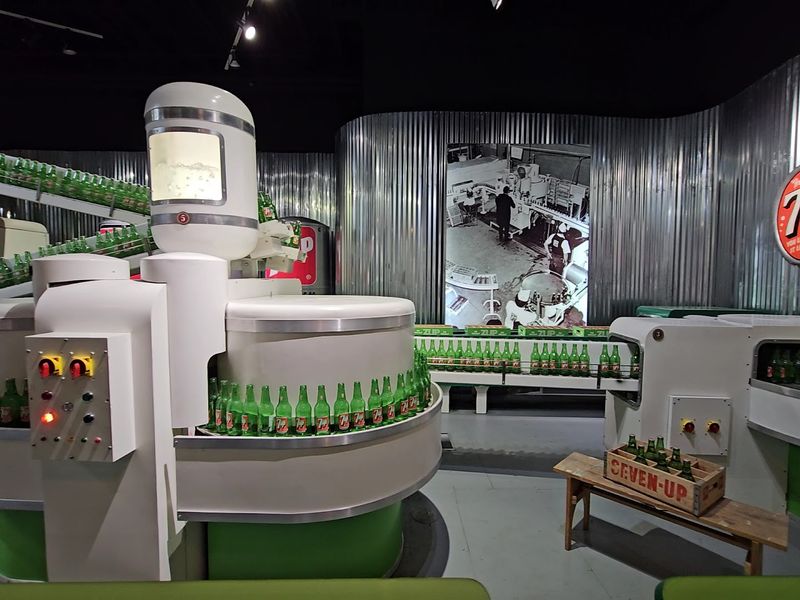
A museum about soda teaching economics sounds unexpected. The W.
W. Clements Free Enterprise Institute inside the Dr Pepper Museum does exactly that, and it works surprisingly well.
The soft drink industry turns out to be a perfect lens for understanding how American business actually functions.
The institute uses the rise of Dr Pepper and the broader bottling industry to explain concepts like entrepreneurship, competition, distribution, and brand building. It connects economic theory to a product that visitors already know and love.
That familiarity makes the lessons stick in a way that textbooks rarely manage.
Named after a former Dr Pepper CEO, the institute adds a layer of educational substance that elevates the museum beyond simple brand history. Students, families, and curious adults all get something meaningful from this section.
The exhibit traces how a single pharmacist’s recipe grew into a national distribution network spanning decades of American commerce. Seeing the business mechanics laid out alongside the human stories makes the whole journey feel more complete.
It answers the question of not just what Dr Pepper is, but how something born in a small Texas drug store became one of the most recognized soft drink brands on the planet.
What To Know Before Visiting The Dr Pepper Museum
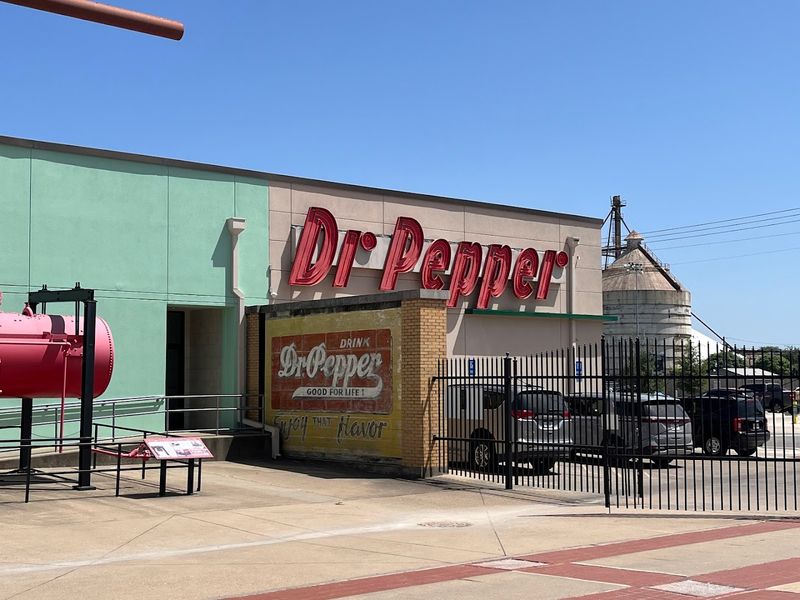
Planning ahead makes a real difference here. The museum is open daily from 10 AM to 5:30 PM.
It closes on Easter, Thanksgiving, Christmas Eve, Christmas Day, and New Year’s Day, so check the calendar before you go.
General admission is $12 for adults. Children four and under get in free.
Every paid admission includes a complimentary Dr Pepper. The Make-A-Soda and Taste-A-Soda experiences cost an additional $10 per person and require advance reservations.
Book those at least a week out to guarantee your spot.
The soda fountain and gift shop are free to visit without paying admission, which is a nice option if you just want a quick stop. Street parking nearby is free if you are patient enough to find a spot.
The paid lot across the street runs $10. Visiting on a weekday keeps the crowds lighter and the experience more relaxed.
You can also plan your visit at drpeppermuseum.com. Budget about two hours for a thorough visit and leave room for a float at the end.