8 North Carolina Beaches Where Sea Glass Is Surprisingly Easy To Find
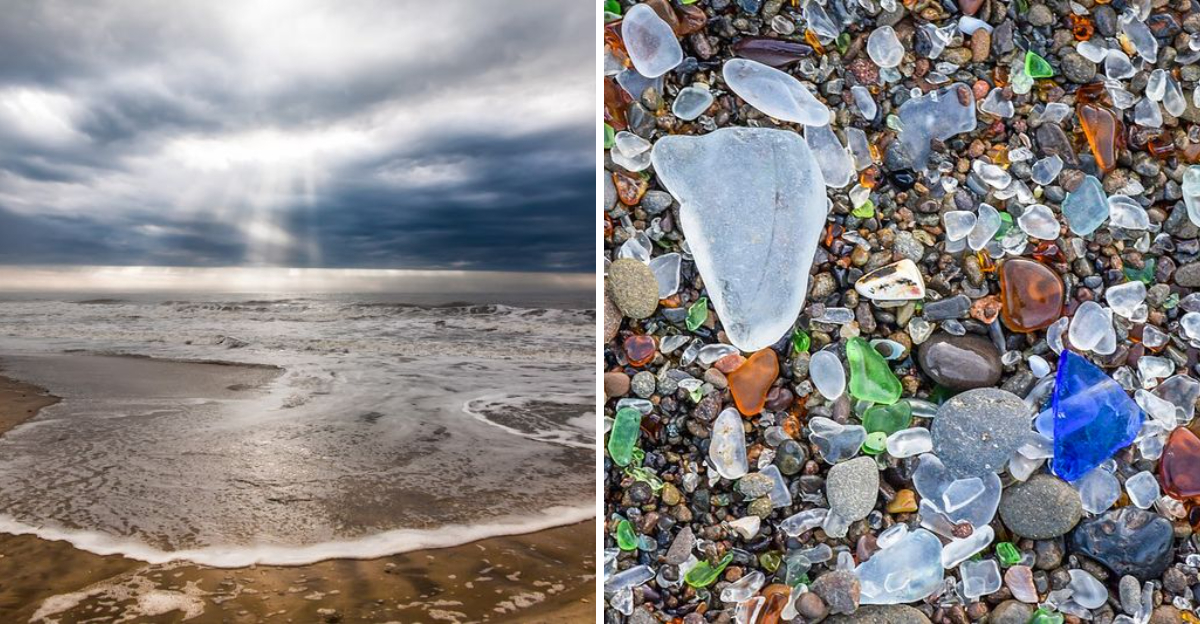
Sea glass is basically the ocean’s way of saying, “Fine, I’ll clean up the mess and make it cute.”
Along North Carolina’s coast, a simple beach walk can turn into a tiny treasure hunt with better lighting, saltier hair, and far fewer pirates than expected.
Every wave seems like it might cough up a frosted little prize, which makes strolling slowly feel weirdly productive. Pockets fill.
Neck muscles ache from staring down.
Suddenly, everyone becomes an expert in “rare coastal jewels” after finding one green shard near a shell. Eight beaches make the hunt feel especially addictive.
Pea Island National Wildlife Refuge
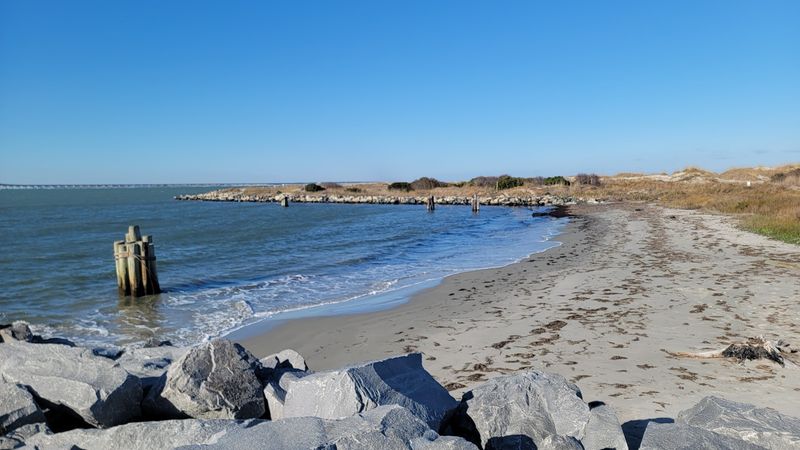
Remote, wild, and wonderfully quiet, Pea Island National Wildlife Refuge gives sea-glass hunters the kind of shoreline where patience actually feels enjoyable. Protected beaches stretch along this Outer Banks refuge with very little commercial noise, which means a morning walk can feel more like a private coastal search than a crowded beach outing.
Collectors should still arrive with realistic expectations, because sea glass is never guaranteed anywhere along North Carolina’s coast. Rough surf, recent storms, low tide, and shifting sand all decide what appears on a given day.
Green, brown, and clear pieces are the most likely finds, while blue or aqua glass would be a rare little jackpot. The best strategy is simple: walk slowly along the wrack line, scan shell piles carefully, and look for rounded edges rather than bright shine.
Early mornings are especially rewarding because fewer beachcombers have crossed the sand, and the light can make frosted pieces easier to spot. Birdwatching adds an extra reward here, since the refuge draws herons, ducks, shorebirds, and other wildlife throughout the year.
Bring water-friendly shoes, a small mesh bag, sunscreen, and enough time to wander without rushing. Even on days when the glass stays hidden, the scenery makes the search feel worthwhile.
Find this peaceful Outer Banks stretch at 14500 NC Highway 12, Rodanthe, NC 27968, with quiet dunes, ocean wind, and plenty of room for a slow, careful hunt along the tide line. Visit after rough weather for better odds.
Beach Access Ramp 34, Avon
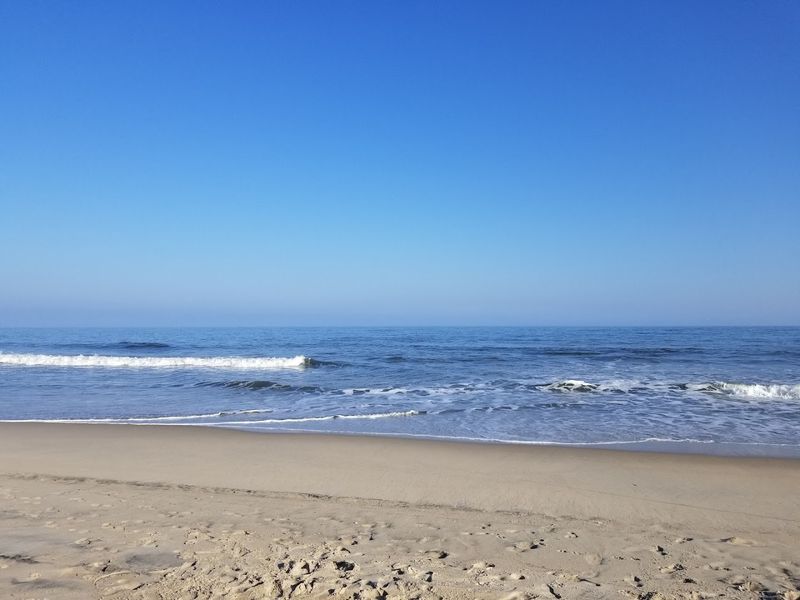
Avon’s Beach Access Ramp 34 works best for collectors who like simple access, open sand, and the feeling of searching somewhere slightly overlooked. This Cape Hatteras National Seashore access point does not need flashy amenities to be useful, because the real appeal sits right where the Atlantic keeps rearranging the shoreline.
Storms, wind, and outgoing tides can leave fresh shell beds and debris lines behind, and those are the places where small sea-glass pieces may appear. Green glass is the most realistic find, followed by brown and clear pieces that can be harder to notice against pale shells.
Anyone hoping for bright blue or red should treat that as a rare surprise rather than a reasonable expectation. Slow walking matters here more than distance.
Instead of rushing down the beach, pause around wrack lines, crouch near pebble patches, and scan for soft, frosted surfaces. Off-season visits often feel especially promising because fewer visitors are combing the same stretch, and rougher weather can help uncover material buried beneath sand.
Ramp 34 also works well for people who want a straightforward beachcombing stop without building a full day around it. Pack water, wear shoes that can handle wet sand, and keep a small bag ready for finds.
Use NC Highway 12 near Avon, NC 27915, as the practical reference point for this quiet Outer Banks sea-glass hunt. The reward may be modest, but the wide beach, moving surf, and quiet setting make every careful search feel satisfying, especially after a storm.
Hatteras Beach, Cape Hatteras National Seashore
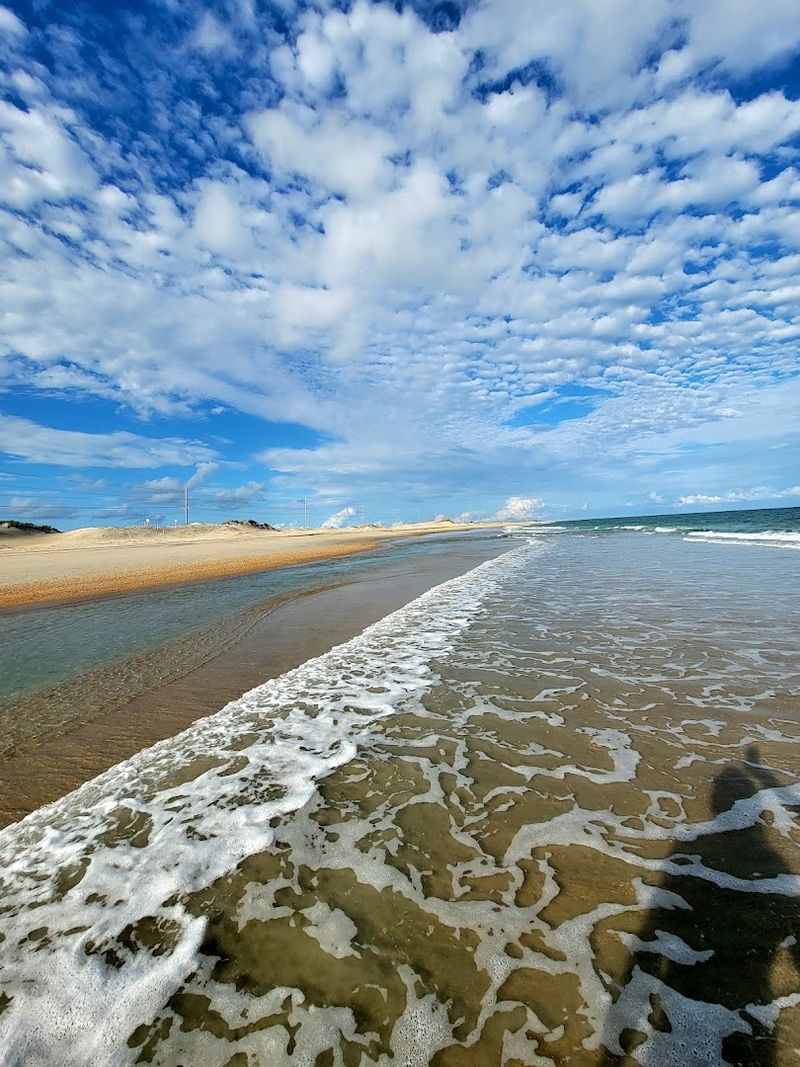
Hatteras Beach brings a stronger sense of history to the search, which makes every piece of sea glass feel a little more meaningful. This stretch of Cape Hatteras National Seashore sits near waters shaped by shipwrecks, shifting shoals, storms, and powerful currents, so beachcombing has a deeper story behind it than a casual shoreline stroll.
Finds are still never guaranteed, but the area’s exposure gives patient collectors a practical reason to keep looking after rough weather and during low tide. Green and amber pieces are the most common expectations, while clear glass may blend in with shell fragments unless it is fully frosted.
Cobalt, aqua, or older colors are possible only as lucky surprises. Successful searching here means slowing down and watching the ground directly ahead, especially where shells, seaweed, and small stones gather after the water recedes.
Families can easily turn the hunt into a full coastal day because the lighthouse area, picnic spots, ranger information, and broad beaches make the setting interesting even when the glass is scarce. Wind can be intense, so hats, sunscreen, and water matter more than visitors sometimes expect.
A small mesh pouch keeps finds secure without collecting sand. Begin near the Cape Hatteras access area around 46379 Lighthouse Road, Buxton, NC 27920, then follow the tide line with patience.
The best mornings often come after unsettled surf, when fresh shell beds appear and the beach seems to have rewritten itself overnight for careful collectors.
Buxton Beach Near Cape Hatteras
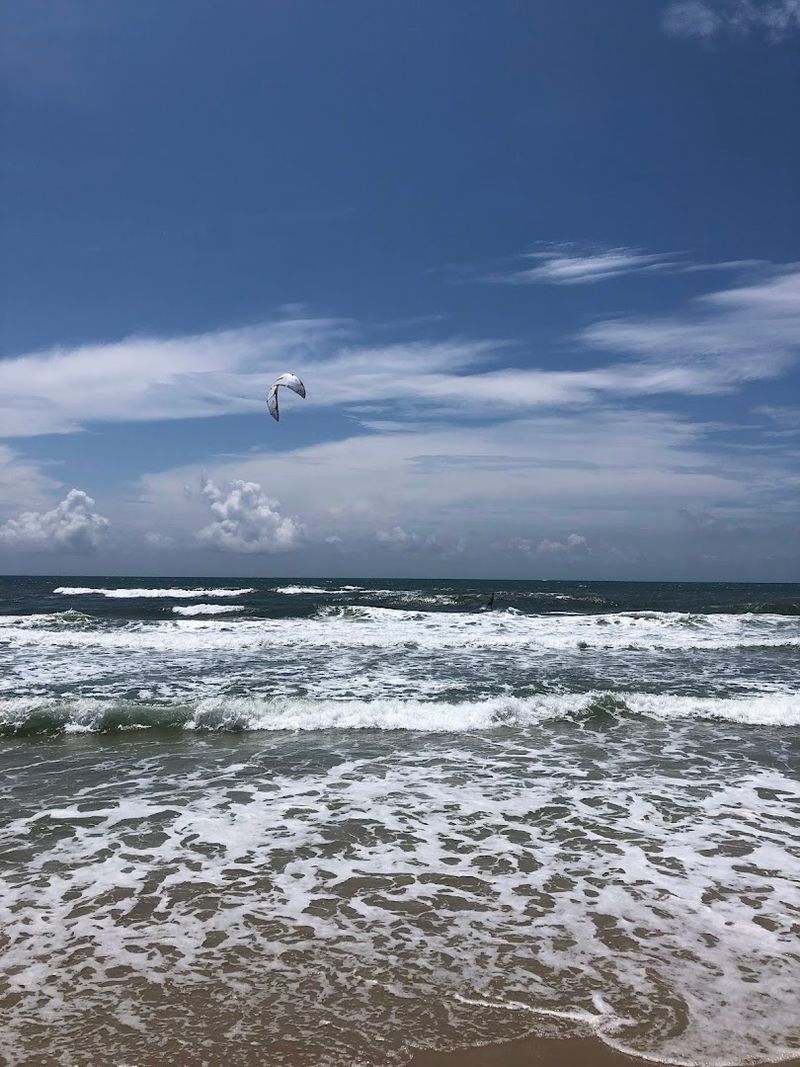
Buxton Beach suits collectors who understand that sea-glass hunting is more about rhythm than instant results. Near the bend of Hatteras Island, the Atlantic pushes against sandbars and shoreline in ways that constantly change what appears on the beach.
One visit may reveal only shells and driftwood, while another after rough surf may leave frosted green or brown pieces tucked among pebble patches. The best approach is patient and low to the ground.
Search during low tide, follow the wrack line, and give extra attention to spots where heavier material has collected. Clear glass can be difficult to see unless sunlight catches its softened edges, so moving slowly helps.
Buxton’s atmosphere also makes the hunt enjoyable even when finds are modest. Compared with busier resort-style beaches, this area feels more relaxed, with enough open sand for long walks and fewer distractions pulling your attention from the shoreline.
The nearby lighthouse district adds context and makes the outing feel tied to a larger coastal story. Bring water-friendly shoes, a small collection bag, and a willingness to cover ground without rushing.
North Carolina rewards the beachcomber who treats the search like meditation instead of a race. Start near Cape Hatteras beach access around 46379 Lighthouse Road, Buxton, NC 27920, and let the tide decide your path.
Morning light is especially helpful because small frosted pieces can stand out more clearly against wet sand, crushed shell, and darker tide lines. If nothing appears, the walk still feels quiet and worth the detour.
Frisco Beach, Hatteras Island
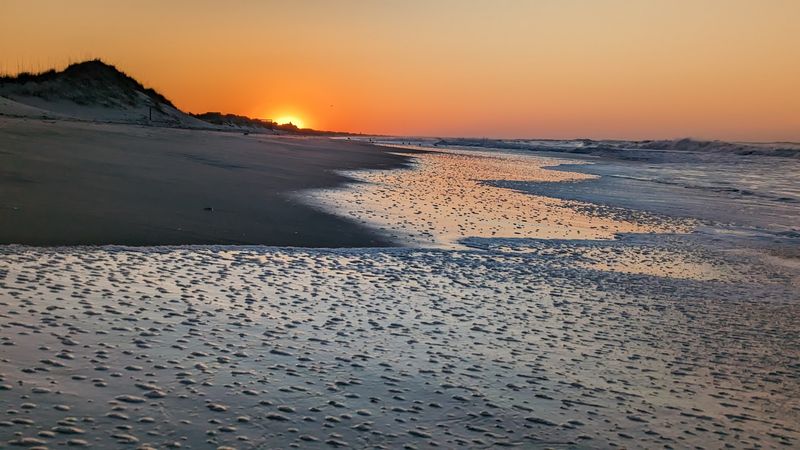
Quiet, unhurried, and genuinely beautiful, Frisco Beach sits near the southern end of Hatteras Island with a personality all its own. Found along NC Highway 12, Frisco, NC 27936, this stretch of coastline draws far fewer visitors than the more famous beaches nearby, which is precisely what makes it so attractive to patient sea glass hunters.
When fewer people walk a beach, the pieces that wash ashore have a better chance of staying put until you arrive.
Frisco regularly appears in sea glass and shelling recommendations for Hatteras Island, and collectors who have spent time here describe it as a calm, meditative place to search. The beach has a slightly coarser sand texture in spots, which can actually help sea glass stand out visually against the lighter grains.
Low tide is the prime window for searching, especially along the wet sand zone where retreating waves leave behind thin layers of shell fragments and smoothed glass.
Green and brown pieces dominate most finds here, though the area’s quieter surf energy sometimes allows smaller, more delicate pieces to survive intact rather than breaking further. Frisco also has a small local community with a genuine coastal character, so grabbing a snack before or after your beach walk feels like part of the experience rather than an afterthought.
North Carolina’s southern Outer Banks section, where Frisco sits, offers a different pace from the busier resort towns up the island chain. That slower rhythm suits beachcombing perfectly, rewarding those who take their time and look carefully.
Salvo Beach Access Ramp 27
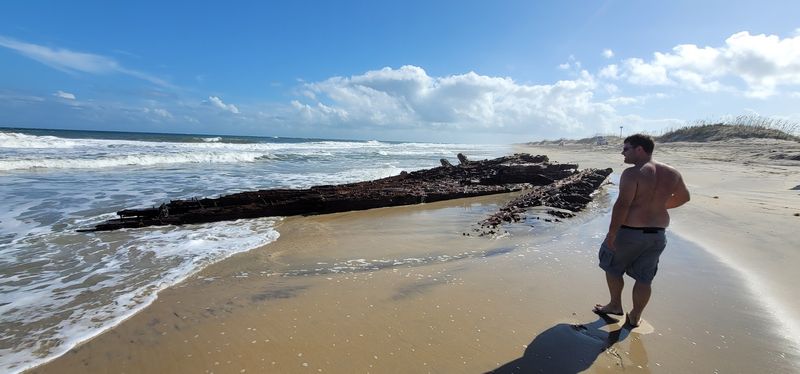
Salvo Beach Access Ramp 27 feels like the sort of place beachcombers mention quietly, which makes it especially appealing for collectors who prefer low-key shoreline access. The ramp opens onto an Outer Banks beach that sees less casual attention than more famous stops, giving patient searchers a better chance to enjoy the process without constant foot traffic.
At least one beachcombing account has reported sea glass from this access area, but the honest expectation should still be modest and condition-dependent. Storms, outgoing tides, and shifting sandbars decide whether the beach offers anything more than shells and driftwood on a given morning.
Green and brown pieces are the most likely finds, while rare colors require a lot of luck. The best technique is slow and deliberate.
Walk the wrack line after low tide, crouch near shell piles, and watch for rounded, frosted edges rather than sharp shine. Because the beach can feel raw and open, wind, sun, and soft sand are all part of the experience.
Bring water, sturdy footwear, and a small bag for any treasures that appear. The surrounding Salvo area stays quieter than many Outer Banks communities, which adds to the secret-getaway feeling.
For planning, use Beach Access Ramp 27 along NC Highway 12 near Salvo, NC 27972. A careful search here may not fill a jar, but it can turn an ordinary beach walk into a surprisingly satisfying treasure hunt.
Visit after rough surf, and keep your pace slow enough to notice glass among broken shells.
Fort Fisher State Recreation Area
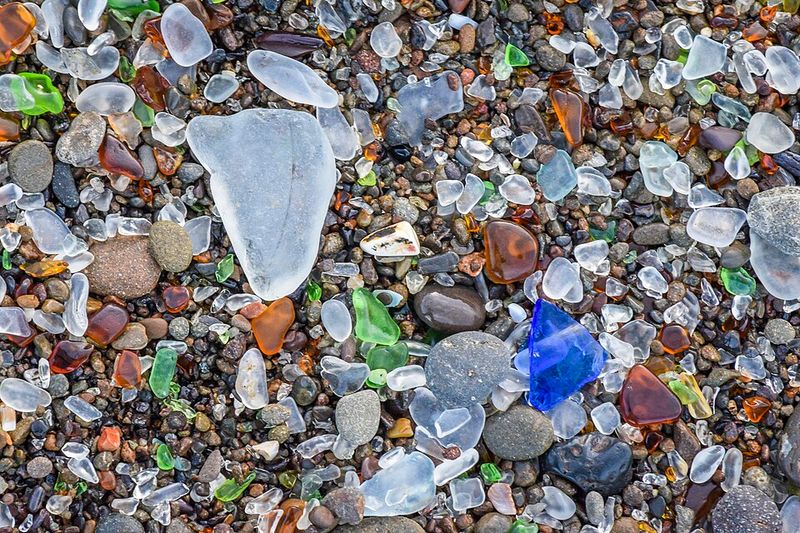
Fort Fisher has a well-known Civil War history, but today the shoreline is also valued for beach walks, shelling, and coastal scenery. Situated at 1000 Loggerhead Road, Kure Beach, NC 28449, this open state recreation area offers visitors access to a stretch of shoreline shaped by stronger-than-average currents that flow past the Cape Fear River inlet nearby.
Those currents are a key reason why sea glass discussions about the Carolina coast frequently mention Fort Fisher as a promising location.
The combination of historic shoreline conditions and active tidal movement creates a setting where glass, pottery shards, and other smoothed debris turn up more regularly than at calmer beaches. Collectors have reported finding both traditional sea glass and pieces of old ceramic, sometimes called sea pottery, along the Fort Fisher shoreline after storms or strong tidal shifts.
Walking the stretch closest to the inlet tends to produce the most interesting finds because water movement there is especially dynamic.
Green and brown glass are the most common discoveries, but the area’s layered history means older, more unusual pieces occasionally surface too. Fort Fisher is also home to the North Carolina Aquarium, making it easy to combine a sea glass hunt with an educational visit for families.
The recreation area stays open year-round, and off-season visits during fall and winter often reward collectors with both better finds and more peaceful surroundings. North Carolina’s southeastern coast has a different energy from the Outer Banks, and Fort Fisher captures that distinctly with its mix of wild shoreline and rich historical character.
Holden Beach
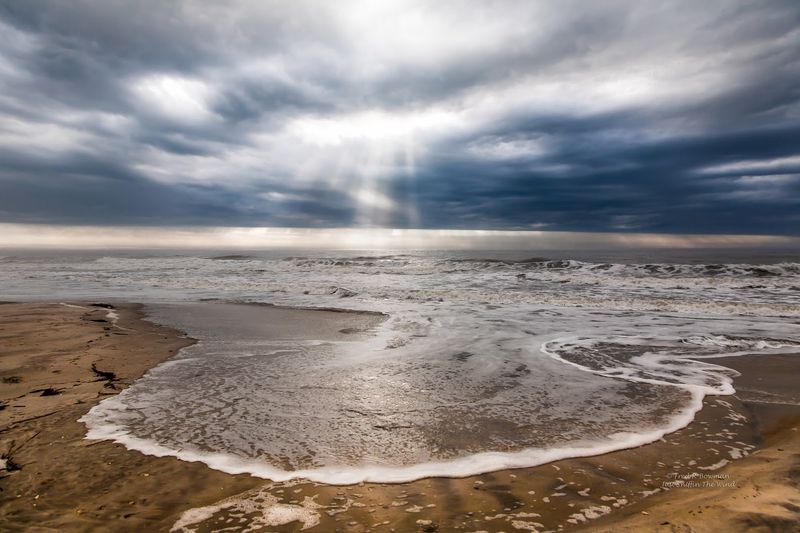
Holden Beach brings a gentler Brunswick Islands rhythm to sea-glass searching, which makes the hunt feel relaxed even when finds are few. This family-friendly coastal town is better approached as a pleasant beachcombing destination than a guaranteed glass hotspot, because the calmer southern shoreline depends heavily on weather, tide, and recent surf to reveal anything interesting.
Local beachcombing resources mention sea glass among the possible treasures here, along with shells, shark teeth, sand dollars, and driftwood. Early morning after rougher weather offers the strongest odds, especially near island ends or inlet-influenced areas where longshore currents naturally gather heavier debris.
Green and brown pieces are the most realistic finds, while white glass can hide among pale shell fragments. The key is moving slowly, checking wrack lines, and letting the walk become part of the reward.
Holden’s laid-back personality helps. Even when the glass is scarce, the beach still offers quiet sand, ocean breeze, and a friendly small-town feel that makes the outing worthwhile.
Families can pair a search with seafood, porch time, or a longer Brunswick Islands day. Bring a small bag, comfortable shoes, sunscreen, and realistic expectations.
Use Holden Beach Town Hall at 110 Rothschild Street, Holden Beach, NC 28462, as a general reference point. Patient collectors often do best by revisiting the same stretch on different tides, because this shoreline can change subtly overnight.
A tiny piece of frosted green glass feels especially rewarding here because the whole search stays peaceful, slow, and pleasantly coastal.