This Southern California Bike Trail Along The River Is Ideal For A Breezy Afternoon Ride
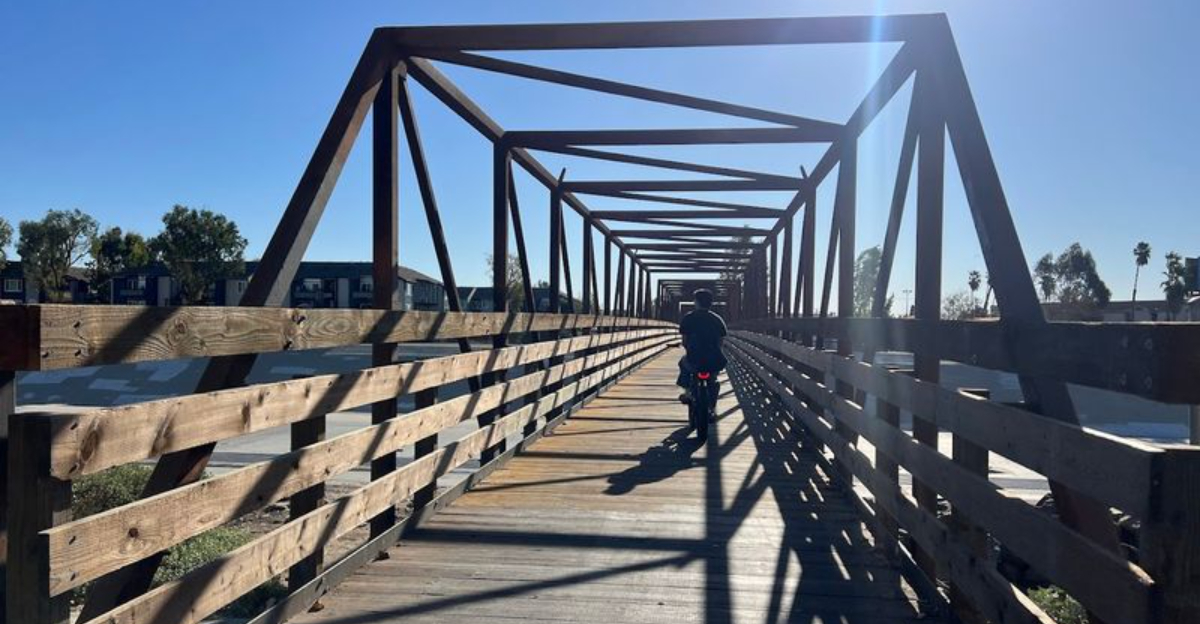
A river trail makes a bike ride feel easier before the wheels even get moving.
Flat stretches help. Open air helps more. Nobody wants an afternoon ride that feels like a fitness test with scenery attached.
A Southern California trail like this gives the day a lighter mood and enough breeze to make pedaling feel almost too pleasant.
You can ride for distance. You can ride for fresh air. You can ride because sitting around suddenly sounds boring.
That is the sweet spot.
A route like this turns an ordinary afternoon into something that feels active and just adventurous enough.
About 30 Miles In Orange County
Stretching roughly 30 miles through Orange County, the Santa Ana River Trail gives riders a solid and satisfying route without ever feeling overwhelming.
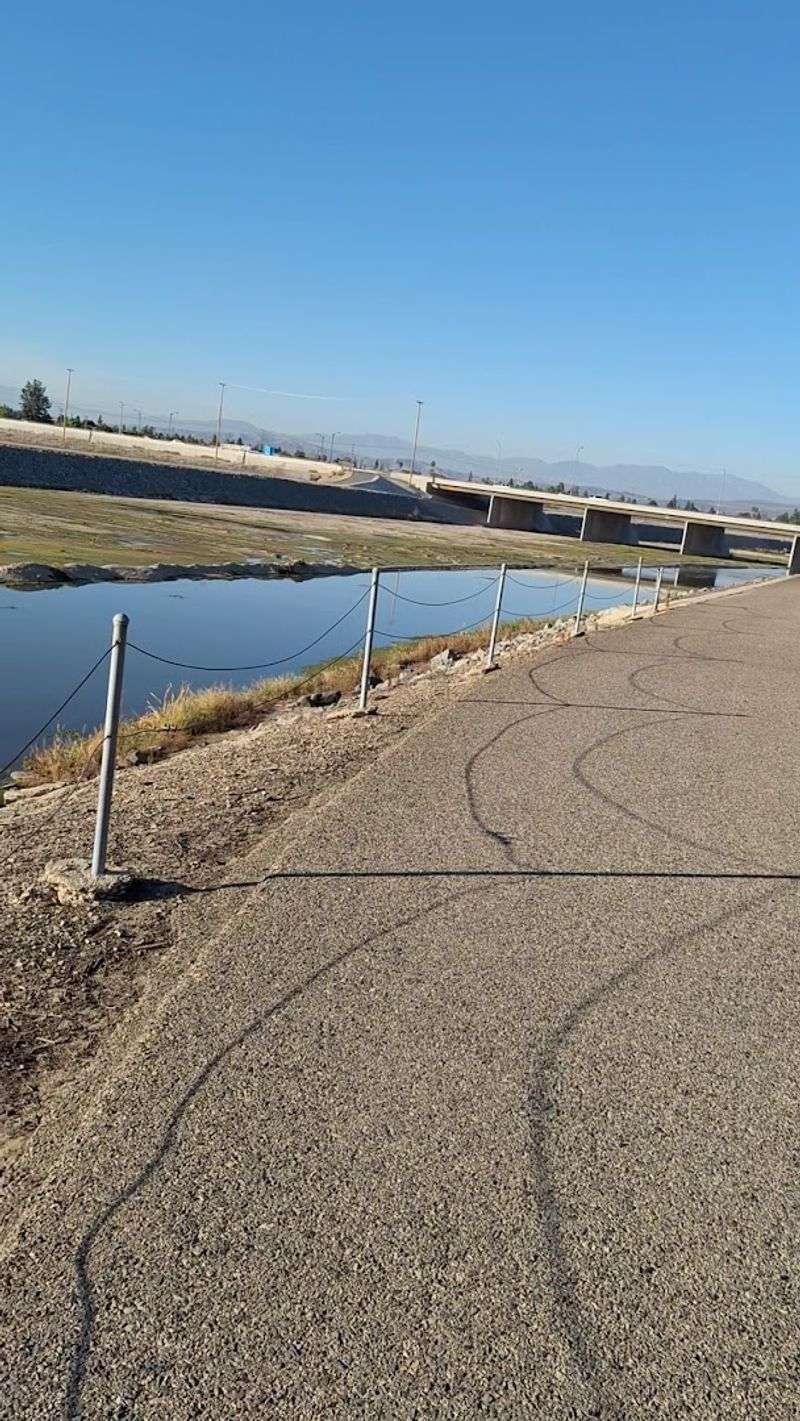
The paved path runs close to the river for much of the way, offering a steady and calming backdrop that keeps the ride feeling scenic rather than suburban.
For a lot of recreational cyclists, 30 miles is the sweet spot between a casual loop and a real adventure.
Most of that distance stays flat and smooth, which makes it approachable for riders of different fitness levels.
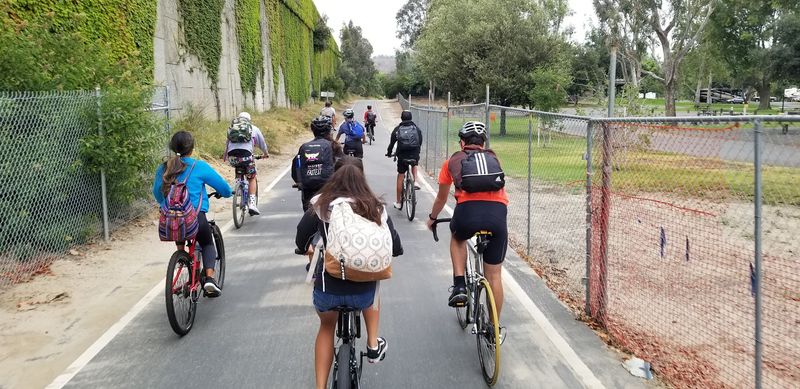
Families, commuters, and weekend warriors all share the path, and the mix of users keeps the energy friendly and relaxed.
The trail passes through several parks and city sections, so there are natural spots to rest, grab water, or simply take in the surroundings.
Orange County riders have had this trail on their radar for years, and it continues to attract new visitors who discover it for the first time.
The 30-mile stretch is long enough to feel like a real accomplishment but manageable enough to complete in a single afternoon.
Planning a one-way ride with a return shuttle is a popular strategy for making the most of the full distance.
110-Mile Future Plan
The current Orange County stretch is impressive on its own, but the bigger story is where the trail is eventually headed.
Plans call for the Santa Ana River Trail to reach 110 miles in total length, connecting the San Bernardino National Forest area all the way to the Pacific Ocean at Huntington Beach.
That kind of scope would make it one of the longest urban river trails on the West Coast.
Progress on the full route has happened in stages over many years, with different segments opening as funding and construction allow.
The vision has always been ambitious, and the completed sections already demonstrate what the finished trail could feel like.
Riders who use the trail today are essentially experiencing a preview of something much larger.
For cycling enthusiasts, a completed 110-mile route would open the door to multi-day touring options along a fully connected corridor.
The trail would pass through dramatically different landscapes, from mountain foothills to coastal wetlands, giving riders a genuine sense of geographic variety.
Even in its current form, the trail hints at that range, and the ongoing expansion keeps the local cycling community engaged and looking forward to what comes next.
Paved Multi-Use Path Makes It Very Reliable
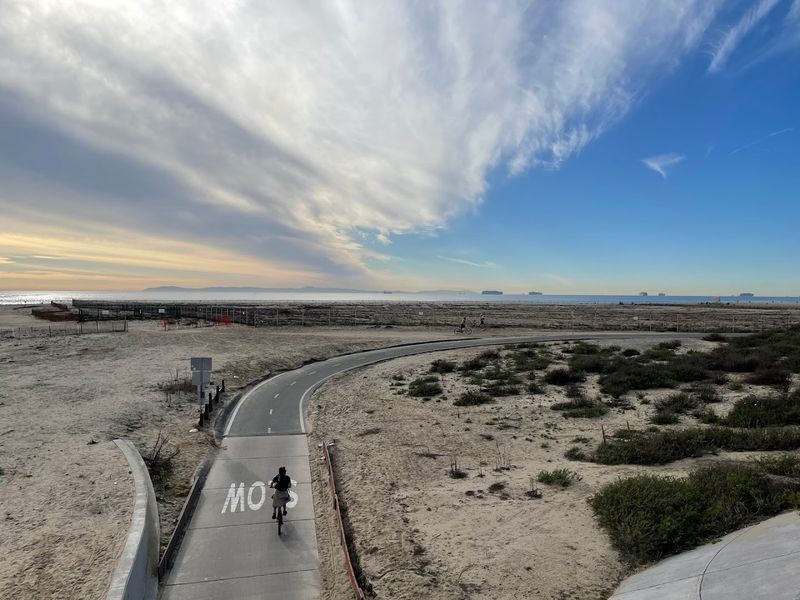
A paved surface makes a significant difference on a long trail, and the Santa Ana River Trail delivers that consistency throughout its Orange County stretch.
Smooth pavement means road bikes, hybrid bikes, and even inline skates can handle the route without the jarring interruptions that come with gravel or uneven dirt paths.
That reliability is a big part of why the trail draws such a wide range of users on any given day.
Walkers, joggers, and cyclists all share the path, which means staying aware of surroundings is part of the experience.
Most users follow a natural rhythm of keeping right and signaling when passing, which keeps things moving smoothly even on busier weekend mornings.
The multi-use nature of the trail gives it a community feel that single-use paths sometimes lack.
Maintenance along the paved sections tends to be reasonably consistent, though conditions can vary by segment.
Checking recent trail reports before a long ride is a smart habit, especially after heavy rain when debris or minor flooding can affect certain stretches.
Overall, the paved surface is one of the trail’s strongest practical features and a key reason it remains popular year-round among Southern California outdoor enthusiasts looking for reliable recreational infrastructure.
Beach Connection Is A Giant Plus
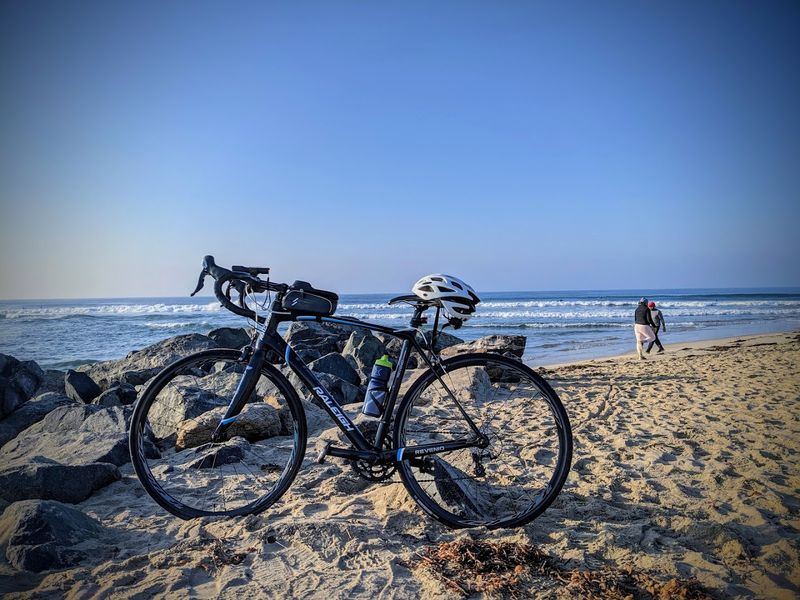
Riding from a river path all the way to the ocean is the kind of payoff that makes a bike trail genuinely memorable.
The Santa Ana River Trail reaches the coast at Huntington Beach, where the river channel meets the Pacific and the landscape opens up into that familiar wide coastal light.
Finishing a ride with sand and saltwater in view feels like a natural reward for the miles behind you.
Huntington Beach is well known as a Southern California surf destination, and arriving by bike rather than by car gives the experience a different kind of energy.
Locking up a bike near the beach and walking out to the water after a long ride feels earned in a way that a parking lot arrival simply does not.
The beach connection is one of the most talked-about features of the trail for good reason.
Timing a ride to arrive at the beach in the late afternoon tends to work well, when the light softens and the crowds begin to thin slightly.
Riders who plan a one-way trip often arrange a pickup near the beach access point at the trail’s coastal end.
The river-to-ocean finish line gives the Santa Ana River Trail a sense of narrative that few other urban bike paths can match.
Yorba Regional Park Start
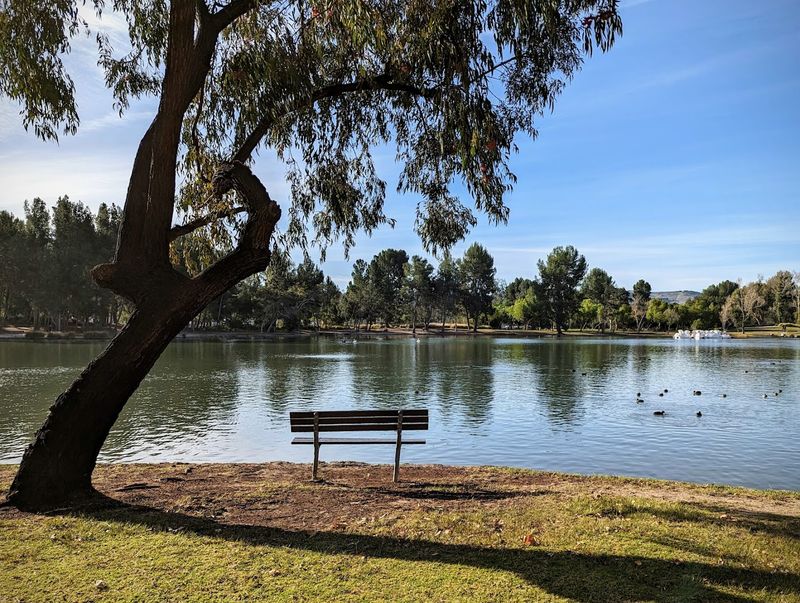
Starting a ride at Yorba Regional Park is one of the most popular choices along the trail, and it is easy to see why.
The park offers ample parking, clean restrooms, shaded picnic areas, and direct access to the trail, making it a comfortable and well-organized launching point.
Located in Anaheim Hills near the Riverside County border, it sets riders up with a calm and green beginning before the trail opens up along the river.
Yorba Regional Park sits at 7600 East La Palma Avenue in Anaheim, and the park’s layout makes it straightforward to find the trail connection without much searching.
The atmosphere inside the park tends to be relaxed and family-friendly, with plenty of activity happening around the lake and picnic areas on weekends.
Arriving early on busy days helps secure parking and gives riders more of the trail to themselves during the first stretch.
The park itself is worth a few extra minutes of exploration before or after a ride. Trees line much of the interior, and the lake adds a pleasant visual anchor to the starting area.
Gorgeous River Views Along The Way

Riding alongside a river has a particular kind of rhythm to it, and the Santa Ana River Trail captures that quality through much of its length.
The river channel runs parallel to the path for long stretches, and even in its more engineered, concrete-lined sections, the water adds a sense of movement and natural energy to the ride.
On clear days, the light bouncing off the water creates a brightness that feels energizing rather than harsh.
The trail passes through a mix of park-like greenery and more developed urban sections, so the scenery shifts gradually rather than staying static.
Some segments feel almost rural, with open space and native vegetation visible on both sides of the path.
Other stretches pass closer to neighborhoods and road crossings, giving riders a sense of how the river weaves through the broader community.
Wildlife sightings are fairly common along the river corridor, including herons, egrets, and various migratory birds depending on the season.
The natural sounds of the river, even a channelized one, provide a quiet backdrop that helps separate the ride from the noise of surrounding traffic.
Those river views are a consistent thread running through the entire experience, reminding riders that they are following something real and moving rather than just a painted line on asphalt.
Good Choice For Longer Rides
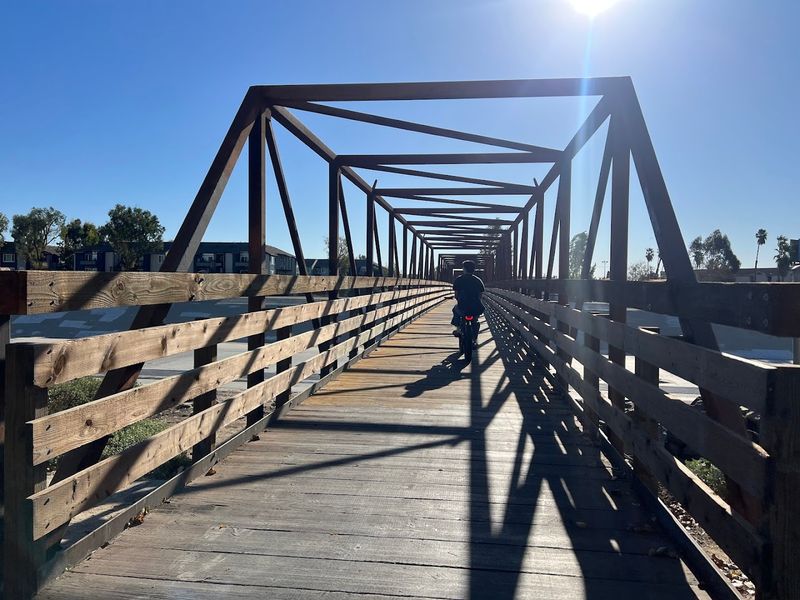
Not every trail can sustain a longer ride without feeling repetitive, but the Santa Ana River Trail manages to keep things interesting over extended distances.
The combination of changing scenery, multiple park sections, and the gradual progression toward the coast gives longer rides a sense of forward momentum that shorter loops sometimes lack.
Riders looking to log serious miles have a reliable and mostly car-free corridor to work with.
An out-and-back from Yorba Regional Park to Huntington Beach and back covers roughly 60 miles, which is a solid training ride for cyclists building endurance.
Intermediate stops along the way allow for water refills and short breaks without having to leave the trail entirely.
That kind of self-contained structure makes planning a longer effort much simpler than navigating mixed road and trail routes.
The flat terrain helps maintain a steady pace over longer distances, which means riders can focus on cadence and breathing rather than constantly managing elevation changes.
Experienced cyclists often use the trail for tempo work or long aerobic efforts, while less seasoned riders may simply enjoy the satisfaction of covering more ground than they expected.
Either way, the trail rewards commitment with a finish that feels genuinely earned rather than arbitrary.
Mostly Easy Terrain
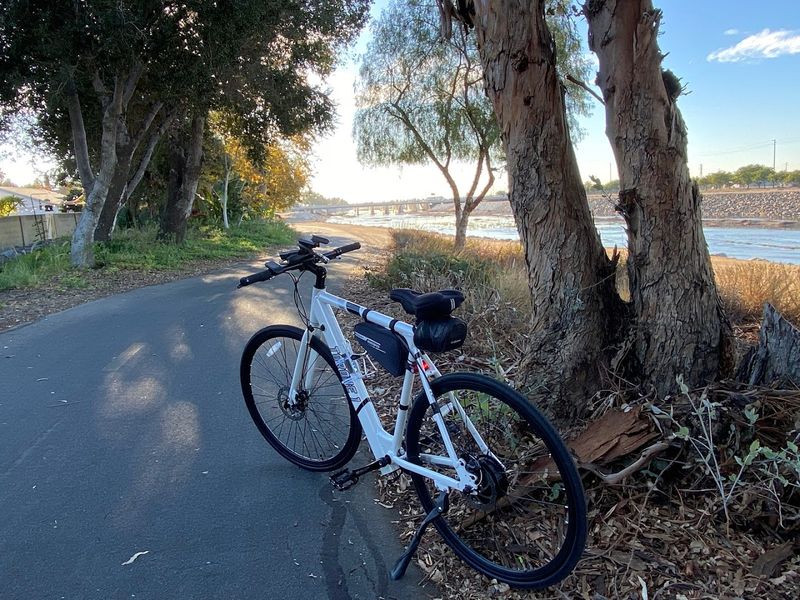
Flat trails have a quiet appeal that steep or technical routes simply cannot offer, and the Orange County section of the Santa Ana River Trail leans heavily into that approachable character.
The elevation stays relatively consistent throughout, with only gentle inclines in certain areas, making the overall experience manageable for riders who are not training for competitive events.
That ease of terrain is a big reason families and casual cyclists return to the trail regularly.
Beginners often find the trail to be a confidence-building experience rather than an intimidating one.
Without steep grades or technical obstacles to navigate, riders can focus on enjoying the surroundings and finding a comfortable pace.
Kids on smaller bikes, adults returning to cycling after a long break, and older riders all tend to feel at home on this kind of low-pressure terrain.
Even on warmer Southern California afternoons, the flat surface means exertion levels stay moderate and manageable.
Bringing enough water and sunscreen matters more than worrying about gear ratios or climbing strategy.
The mostly easy terrain is not a weakness of the trail but rather one of its most welcoming qualities, opening the experience to a wider range of people who might not feel ready for something more demanding.
Several Access Points Make It A Very Flexible Ride
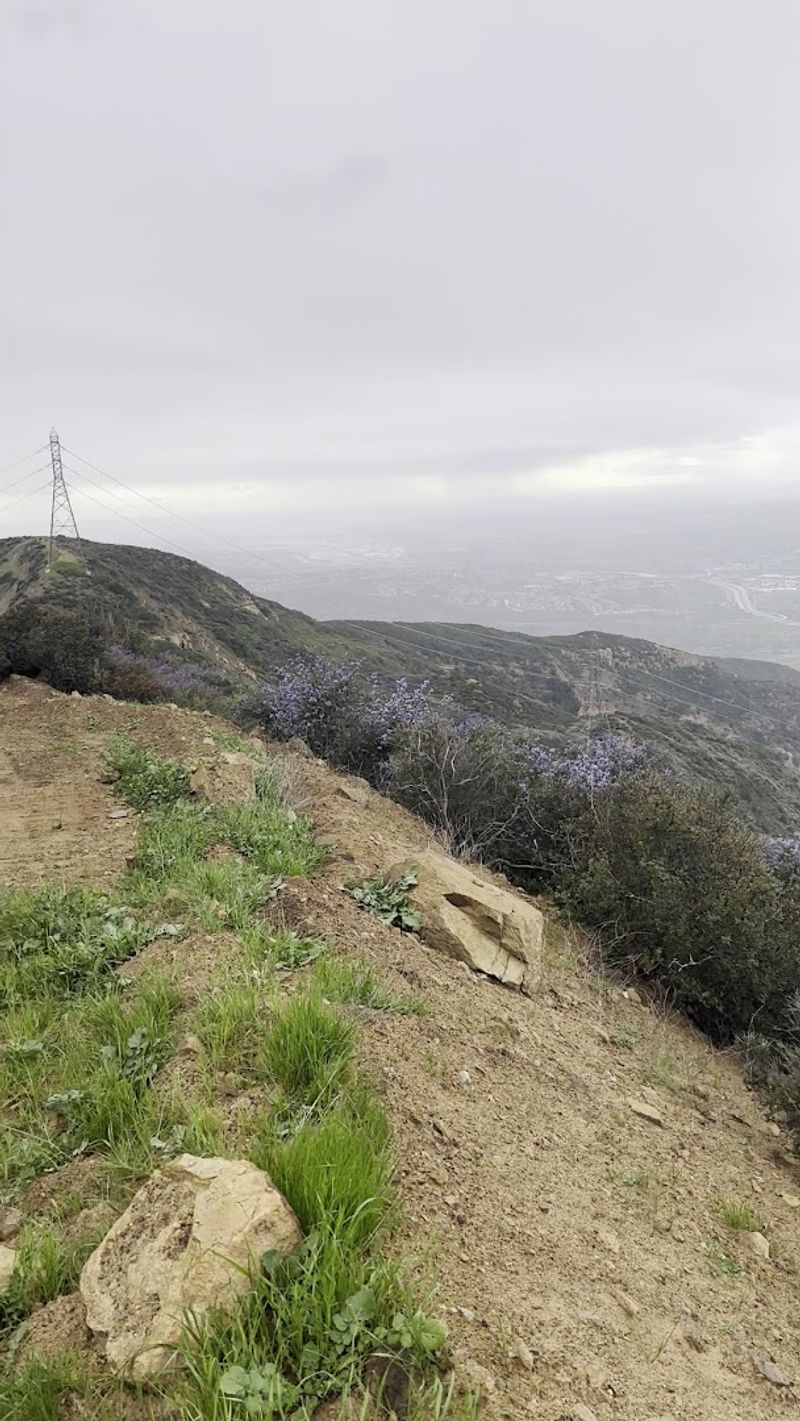
Flexibility is one of the practical strengths of the Santa Ana River Trail, and the number of access points along the route plays a big role in that.
Riders can join the trail at multiple parks and city crossings throughout Orange County, which means there is no single required starting point.
That kind of open entry structure makes it easy to customize a ride based on available time, energy, and proximity.
Popular access points include Yorba Regional Park in Anaheim, Riverdale Park in Anaheim, and various road crossings in cities like Orange, Riverside, and Corona near the county border.
Each entry point has its own character, with some offering more parking and amenities than others.
Checking a trail map before heading out helps identify which access point best matches the planned route and distance.
For riders who want to do a one-way trip rather than an out-and-back, the multiple access points make shuttle logistics much more practical.
One person can drop off the group at the starting point and drive ahead to the finish, or riders can use the access points to break a longer trip into shorter segments over multiple days.
That built-in flexibility makes the trail feel genuinely usable rather than rigidly structured around a single prescribed experience.
It’s A Southern California Classic
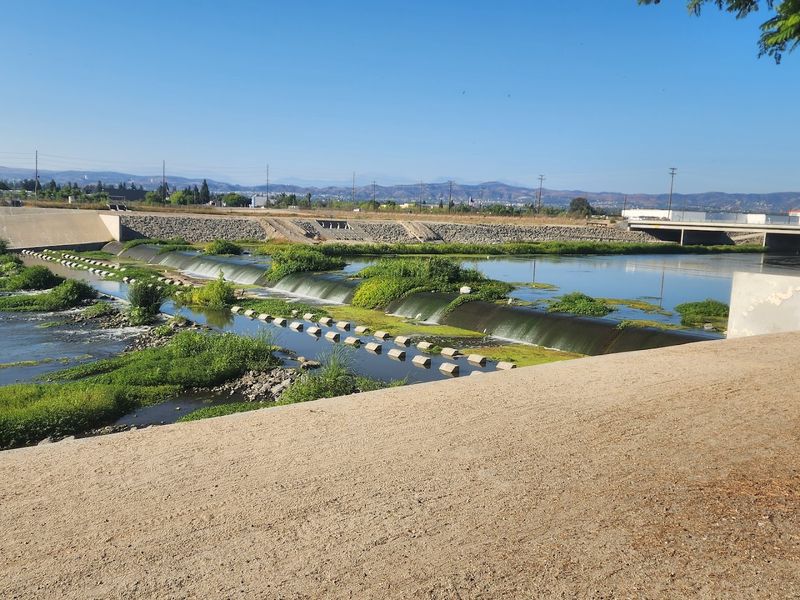
Very few bike trails in Southern California manage to connect so many different environments in a single continuous route.
River scenery, urban parks, residential neighborhoods, open sky, and a coastal finish all appear along the Santa Ana River Trail in a sequence that feels natural rather than forced.
That combination gives the trail a sense of place that goes beyond simple recreation infrastructure.
The trail has been part of the Orange County cycling scene long enough to have built a genuine following.
Regulars know which sections offer the best morning light, where the wind tends to pick up in the afternoon, and which park stops are worth building into a longer ride.
That accumulated local knowledge gives the trail a lived-in quality that newer routes have not yet developed.
For visitors to Southern California who want to experience the region on two wheels rather than four, the Santa Ana River Trail offers something authentic and unhurried.
The route does not require special gear, elite fitness, or advance reservations.
Showing up with a bike, a water bottle, and a few free hours is enough to access one of the region’s most satisfying outdoor corridors.