11 Idaho Campgrounds That Feel Like Private Worlds
Idaho camping should come with a warning: regular life may look extremely annoying afterward.
Once the tent goes up, bills, emails, and grocery-store lighting all start feeling like personal attacks.
Mountains do not ask for passwords. Lakes do not schedule meetings.
Trees never say “just circling back.”
That is the real danger of these eleven campgrounds.
They make peace and quiet feel suspiciously easy to find.
A few nights outside can trick almost anyone into believing they were meant to own a lantern, cook over fire, and judge every future hotel room for having too many walls.
1. Green Bay Campground, Lake Pend Oreille
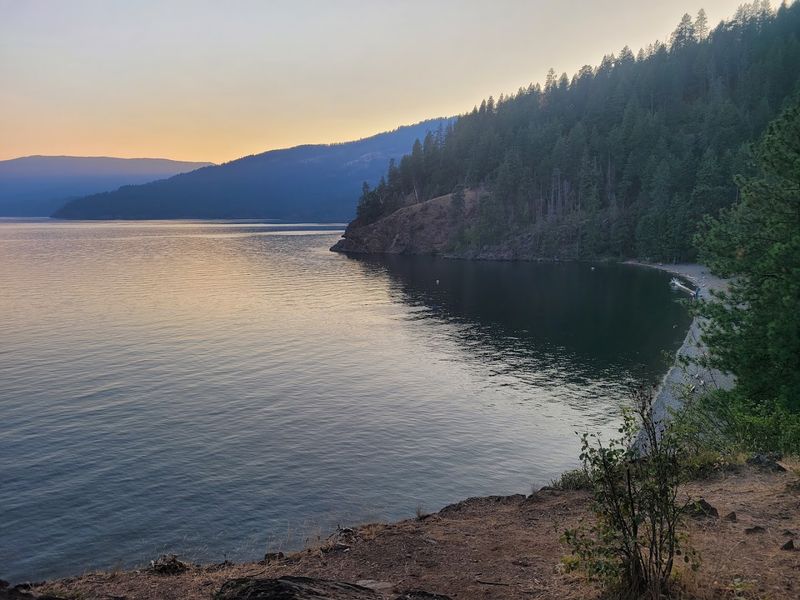
Boat-in energy gives Green Bay Campground the kind of privacy most lake campgrounds can only promise in photos. Set along Lake Pend Oreille in the Idaho Panhandle National Forests, this renovated campground is accessible by boat on the lake or by a walk-in route from the parking area, while the Forest Service notes that Green Bay Road 2672 is not suitable for motorhomes or trailers.
That harder approach naturally filters out the casual crowd. Recreation.gov shows individual Green Bay sites as hike-in, lakefront, shaded, and walk-to style, which fits the private-world feeling perfectly.
Lake Pend Oreille supplies the drama, with broad water, forested shorelines, and a quiet scale that makes the shoreline feel much bigger than the campground itself. Campers should arrive prepared, because this is not the kind of place where forgotten supplies are easy to replace.
Swimming, paddling, fishing, reading beside the water, and watching the sky change over the lake can fill a day without needing much else. Green Bay works best for campers who like effort, simplicity, and the reward of fewer neighbors once the tent is finally set.
2. Luby Bay Campground, Priest Lake
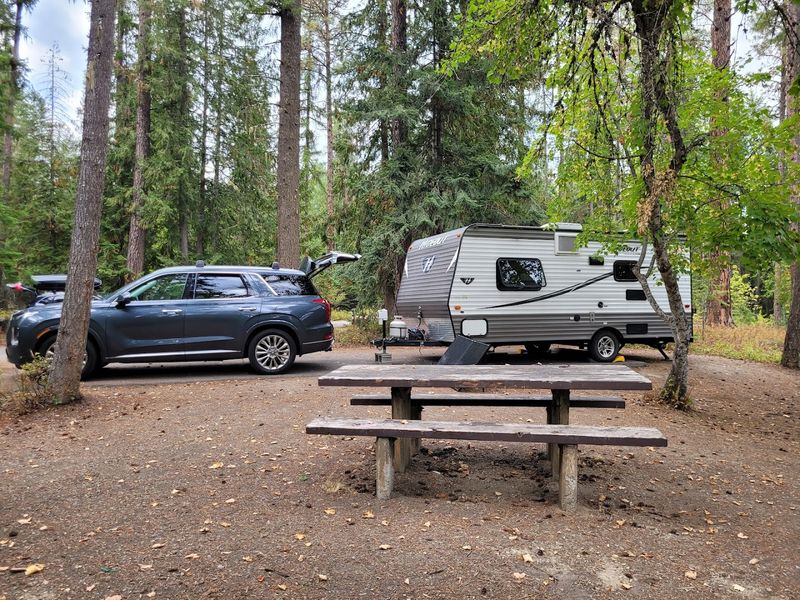
Dense woods make Luby Bay Campground feel like it was designed to muffle the rest of the world. Recreation.gov describes the campground as near both Lamb Creek and Priest Lake, with nicely secluded individual sites, a densely wooded setting, and access to Selkirk Mountain views.
The Idaho Panhandle National Forests page echoes that description, noting the same secluded feel and natural surroundings. That combination gives Luby Bay a strong private-world quality even though it remains a developed campground with lake access.
Priest Lake brings cold clear water, kayaking, fishing, swimming, and classic northern Idaho scenery, while the forest canopy keeps many sites feeling tucked away. Campers who want full isolation may need something more remote, but Luby Bay offers a rare balance of amenities and privacy.
Morning fog, cedar shade, and the quiet pressure of tall trees help each campsite feel like a small room inside the forest. The nearby lake gives the trip a vacation feel, yet the wooded campground keeps the mood grounded and calm.
Reservations are smart in peak season because Priest Lake is popular for a reason. Still, once settled under the trees, the pace slows beautifully.
3. Stanley Lake Campground, Sawtooth Area
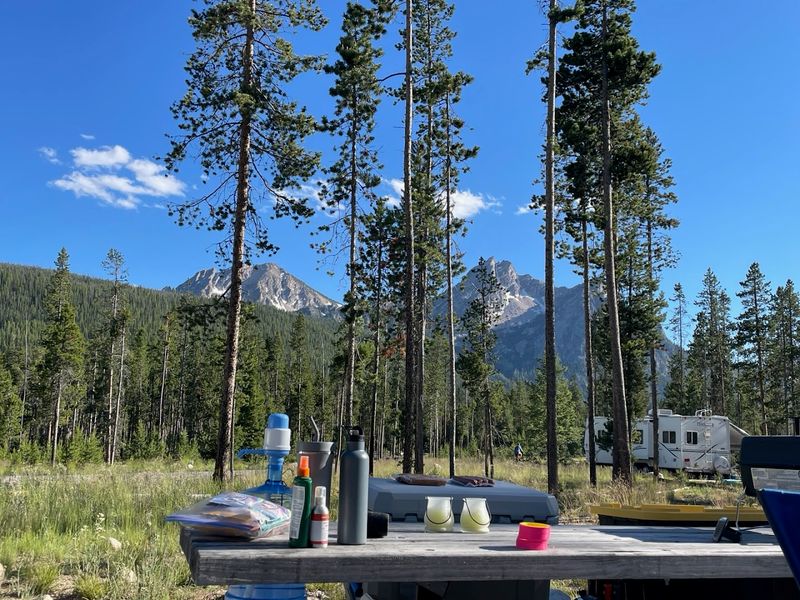
Sawtooth scenery gives Stanley Lake Campground a level of drama that feels almost unfair to other campgrounds. The Forest Service says this campground has 19 campsites plus one double site, situated above Stanley Lake at the foot of the Sawtooth Mountains in a thick grove of lodgepole pines at about 6,500 feet.
Recreation.gov highlights the surrounding Sawtooth National Recreation Area, with hundreds of miles of trails, nearby lakes, streams, the Salmon River, and fishing opportunities. That setting makes the campground feel like a base camp inside a postcard.
McGowan Peak and the lake do a lot of the work, creating views that stay memorable long after the trip ends. Sites are not endless in number, which helps preserve a more intimate feel than larger lake campgrounds.
Days can revolve around hiking, paddling, fishing, photography, or sitting near the water and watching light move across the peaks. Nights turn cool even in summer, so warm layers matter.
Stanley Lake is beloved, which means booking early is important. The private-world feeling here comes less from total remoteness and more from being surrounded by mountains so powerful they make everything else seem quiet.
4. Upper Payette Lake Campground, McCall Area
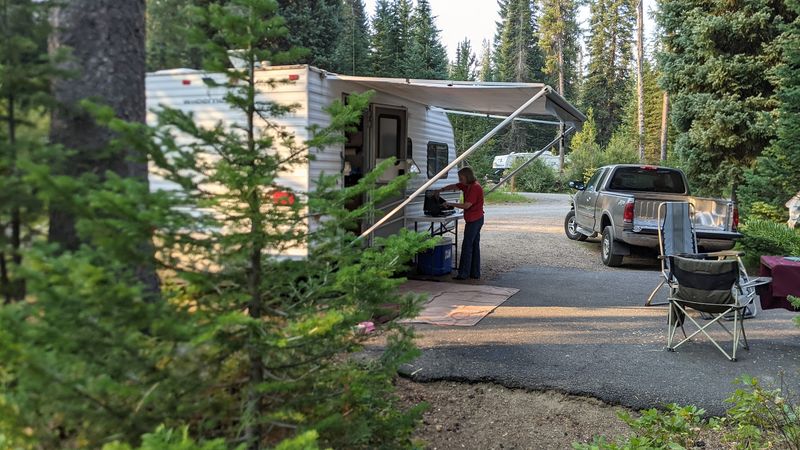
Distance from McCall gives Upper Payette Lake Campground a calmer mood than many easier lake stops. Recreation.gov places it 16 miles from McCall on the shores of Upper Payette Lake and lists fishing, canoeing, and local trail exploration among the main activities.
The Forest Service identifies it within the McCall Recreation Area and notes an elevation of 5,586 feet. That combination creates a mountain-lake setting where campers can feel removed without being impossibly far from town.
Upper Payette Lake has a quieter, more tucked-away personality than busier recreation hubs, making it a strong choice for campers who want water, forest, and a slower pace. Paddlers can slip onto calm morning water, anglers can work the shoreline, and hikers can use the campground as a comfortable starting point for nearby trails.
Supplies should still be planned carefully because the drive back to services is not something most campers want to repeat unnecessarily. The private-world feeling grows strongest at dawn, when the lake sits still, the campground stays hushed, and the surrounding Payette National Forest feels like it belongs only to the people awake enough to notice.
5. Beauty Creek Campground, Lake Coeur d’Alene
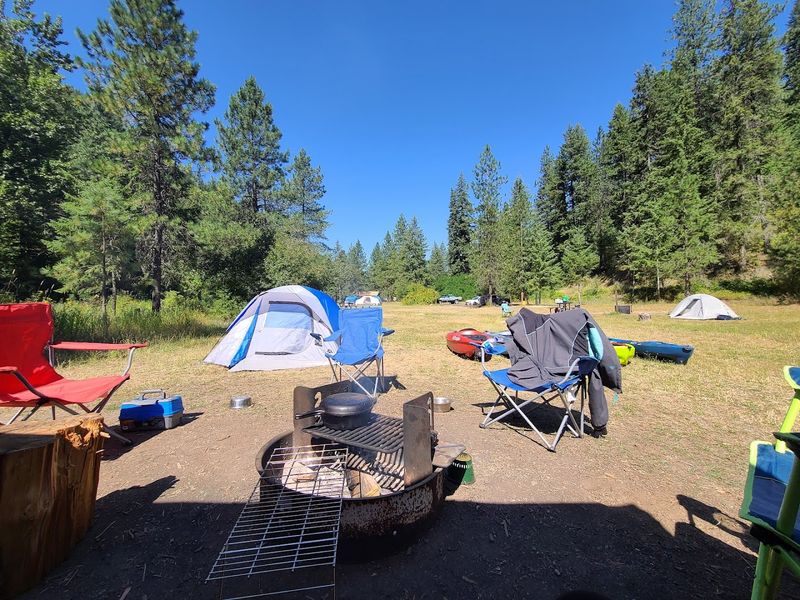
Forest shade helps Beauty Creek Campground feel quieter than its proximity to Coeur d’Alene might suggest. Recreation.gov places the campground about a half mile from Lake Coeur d’Alene along peaceful Beauty Creek, with convenient access to miles of trails.
The Forest Service also notes that Beauty Creek is an intermittent creek that may be dry in summer, which is important for setting realistic expectations. Scenic Canyons describes the campground as offering 20 spacious campsites for tent and RV camping, with vault toilets, hand-pump drinking water, and the Mineral Ridge boat ramp about 2.5 miles away.
That small size helps the campground feel more personal than the lake’s larger recreation areas. Campers can spend the morning on the Mineral Ridge National Recreation Trail, head toward Lake Coeur d’Alene for boating or fishing, then return to a wooded campsite that feels removed from the busier waterfront.
Bald eagle watching, forest walks, and simple camp meals all fit the rhythm here. Beauty Creek works well for families and campers who want access to lake-country adventure without sleeping in the middle of the crowds.
6. Lake Fork Campground, Payette National Forest
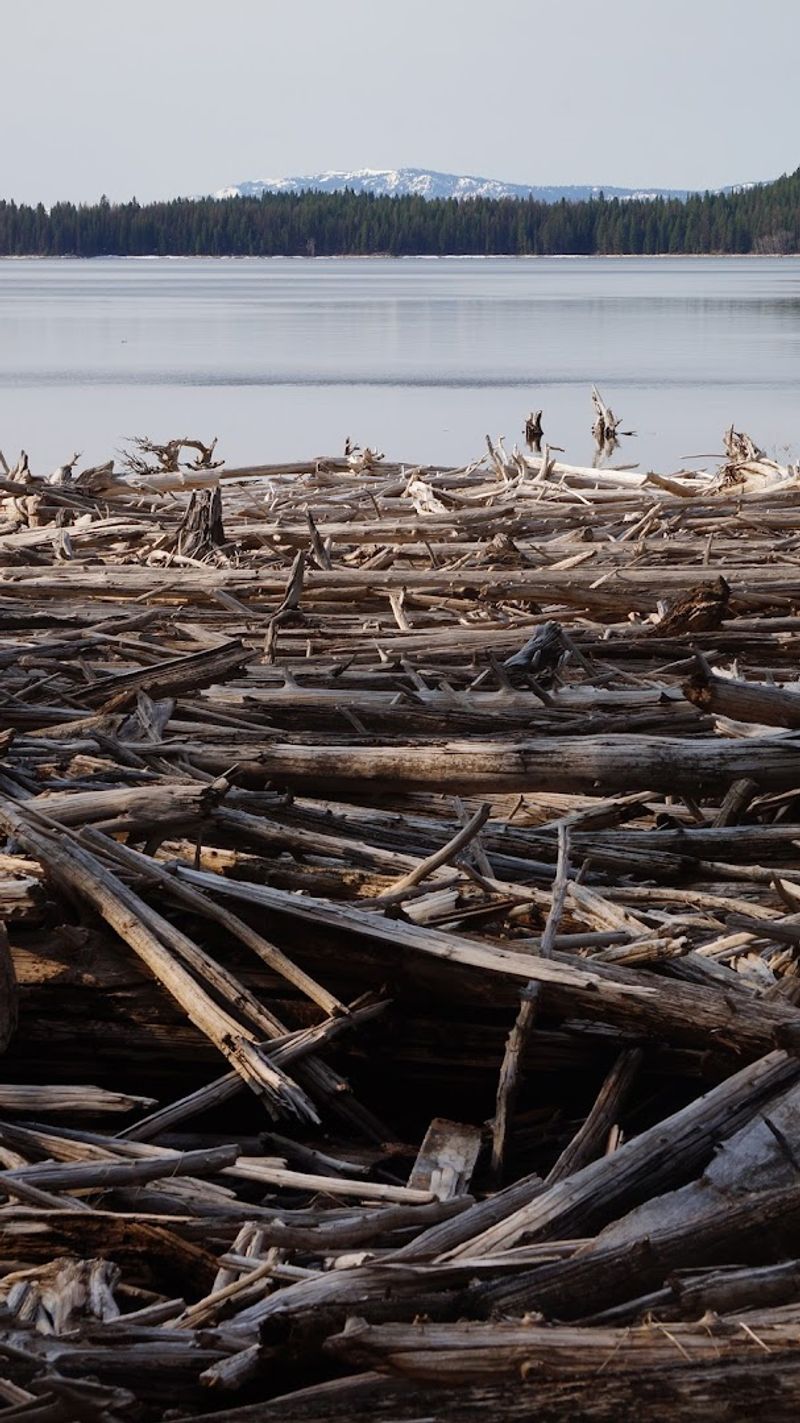
Only nine sites make Lake Fork Campground feel wonderfully small. Recreation.gov says this campground sits along the North Fork of Lake Fork Creek and features nine sites, each with a fire ring, charcoal grill, and picnic table.
All sites are first-come, first-served, with two vault toilets, centrally located drinking water, no hookups, and no trash receptacles, so visitors need to pack out waste. The Forest Service describes the setting as wooded terrain along Lake Fork Creek at about 5,300 feet.
Those details create the exact ingredients for a private-world campground: small scale, creek sound, forest cover, and enough simplicity to keep the trip focused on being outside. Because reservations are not the system here, arriving midweek or early in the day can make a real difference.
Once settled, campers get the kind of quiet that larger campgrounds struggle to maintain. The creek becomes background music, trees create shade, and the limited number of sites keeps the mood intimate.
Lake Fork is best for campers comfortable with fewer conveniences and more self-sufficiency. The reward is a Payette National Forest hideaway where evenings feel properly dark and mornings arrive with creek noise instead of campground traffic.
7. Rainbow Point Campground, Lake Cascade Area
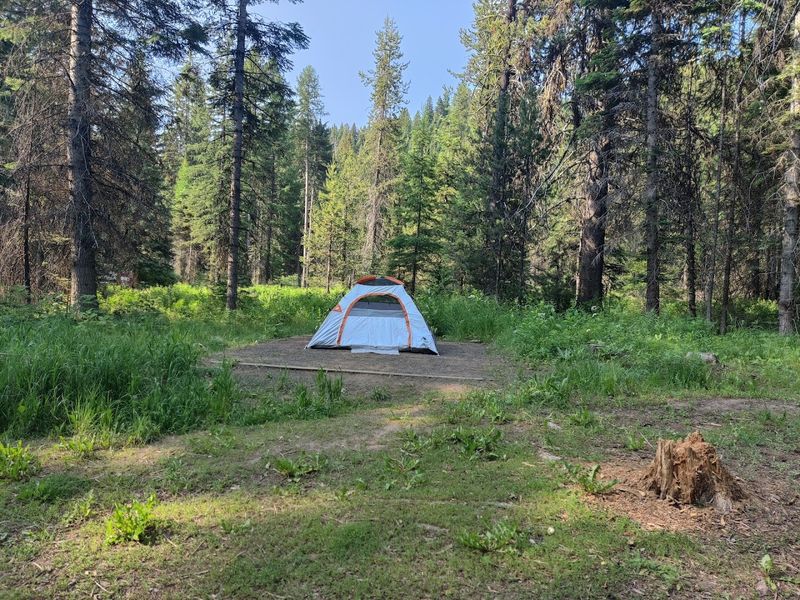
Lake views and rustic simplicity shape the appeal of Rainbow Point Campground. Recreation.gov describes Rainbow Point in Boise National Forest as a small campground with single-family sites, picnic tables, campfire rings, grills, some lake views, and shoreline access.
Vault toilets, drinking water, and trash collection are provided, but electricity is not available. That no-electric setup supports the private-world feeling because the campground naturally encourages slower evenings and fewer distractions.
Warm Lake scenery does the rest. Campers can fish, paddle, read near the water, cook outside, and watch the sky change over the shoreline without needing a packed schedule.
Some sites offer stronger lake connections than others, so checking the reservation map carefully can help match expectations. Rainbow Point works especially well for campers who want a developed but still rustic experience, with enough basics to stay comfortable and enough quiet to feel away from routine.
The lack of power is not a flaw for the right visitor. It becomes part of the reset.
A lantern, a camp chair, a simple dinner, and a lake breeze can feel like more than enough. Idaho does quiet lakeside camping beautifully here.
8. Warm Lake Campground, Boise National Forest
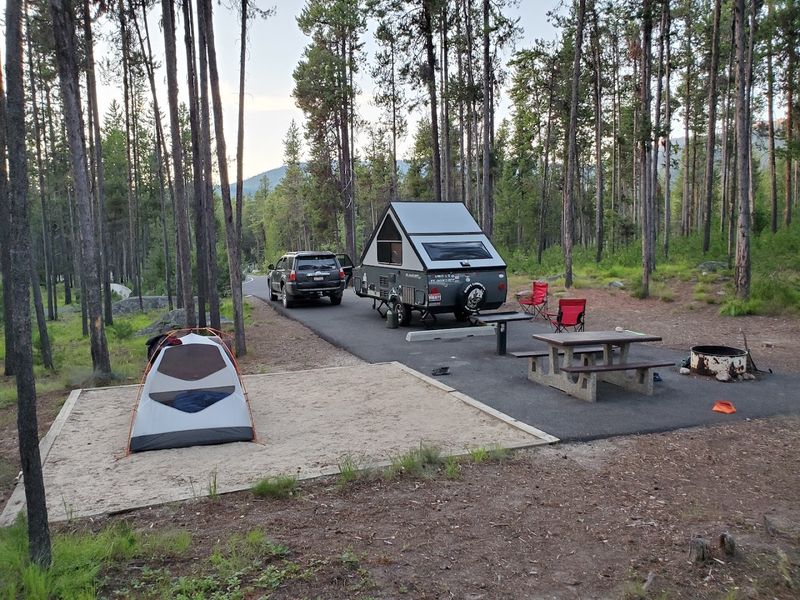
Unplugged comfort gives Warm Lake Campground its strongest pull. Recreation.gov places it near the eastern shore of Warm Lake at about 5,300 feet and lists boating, fishing, swimming, hiking, and wildlife viewing among the activities visitors enjoy.
The Boise National Forest page confirms basic amenities such as potable water, picnic tables, and restrooms at the site. Individual Recreation.gov site listings show standard nonelectric sites with shade, campfire allowances, and room for tents, trailers, or RVs depending on the site.
That makes Warm Lake a good choice for campers who want a classic forest-lake trip without resort energy. Days can be as active or as slow as campers choose.
Swimming, fishing, shoreline walks, short drives, and simple campsite routines all fit naturally. The campground does not need heavy luxury because Warm Lake supplies the main attraction.
Forested surroundings, mountain air, and water access create a setting that feels restorative rather than busy. Campers should check current fire rules, seasonal openings, and water status before leaving home.
Once there, the best plan is often no plan at all. Warm Lake rewards people who can sit still long enough to enjoy it.
9. Mary Minerva McCroskey State Park Campground
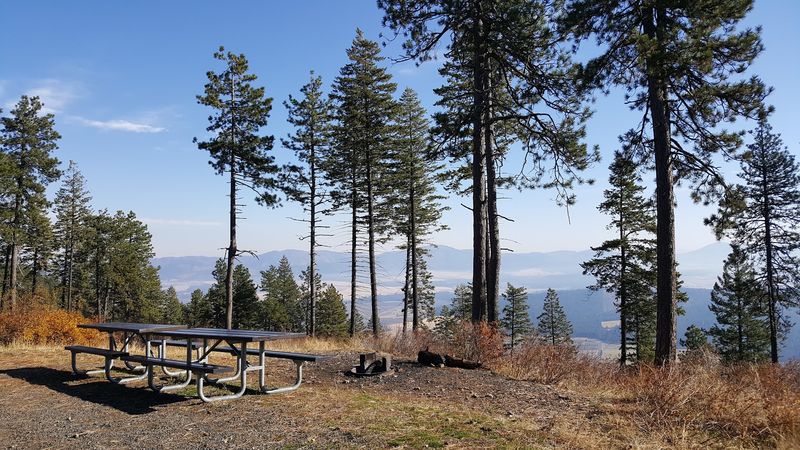
Ridgeline solitude makes Mary Minerva McCroskey State Park feel like one of Idaho’s quieter camping secrets. Idaho Parks and Recreation describes the park as having epic Palouse Divide views, lush cedar forests, secluded camping, historic interests, multi-use trails, open ponderosa stands, and a scenic road ideal for a Sunday drive.
Visit Idaho adds that the rugged terrain and breathtaking views are best suited for visitors with a sturdy vehicle and an adventurous spirit. That warning is part of the attraction.
McCroskey is not trying to be a polished, easy campground experience. Its appeal comes from forest, views, gravel-road exploration, and a sense of being tucked along the Palouse Divide.
Primitive camping areas, picnic stops, and trail access let visitors choose their own pace. The cedar sections feel cool and enclosed, while viewpoints open suddenly onto rolling farmland and distant ridges.
Campers should bring water, supplies, and a flexible attitude because rugged parks reward preparation. For anyone tired of crowded lakeside loops, McCroskey offers something more understated and personal.
It feels like the kind of campground people stumble into once, then quietly keep to themselves.
10. Castle Rocks State Park Campground, Almo
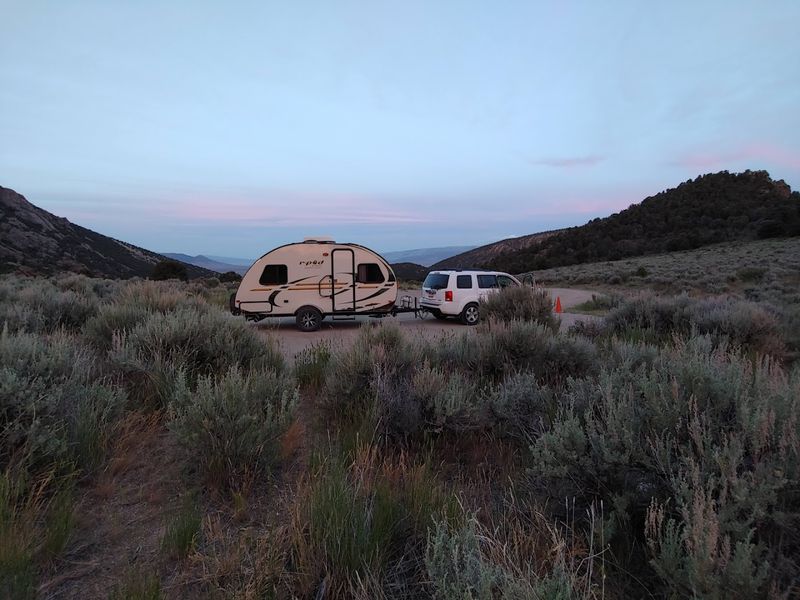
Granite and pinyon pine give Castle Rocks State Park a private-world feeling unlike Idaho’s forested lake campgrounds. Idaho Parks and Recreation says campsites are nestled among Idaho’s largest pinyon pine forest on the east slope of 7,500-foot Smoky Mountain, and notes evidence of people visiting the area for nearly 9,000 years.
The National Park Service identifies Smoky Mountain Campground as part of Castle Rocks State Park near the east entrance of City of Rocks. That setting gives campers a mix of high-desert quiet, ancient human history, rock formations, and big sky.
Climbers come for the granite, but non-climbers can still enjoy trails, photography, wildlife watching, and the strange beauty of boulders rising from the landscape. Sites feel tied to the terrain rather than imposed on it, with pinyon pine softening the rugged slopes.
Nights can be spectacular because the remote southern Idaho location keeps light pollution low. Castle Rocks works best for campers who want something more unusual than a lake or creek.
The private-world mood comes from scale, silence, and the feeling that the rocks have been watching travelers pass through for thousands of years.
11. Priest Lake State Park Campgrounds, Coolin
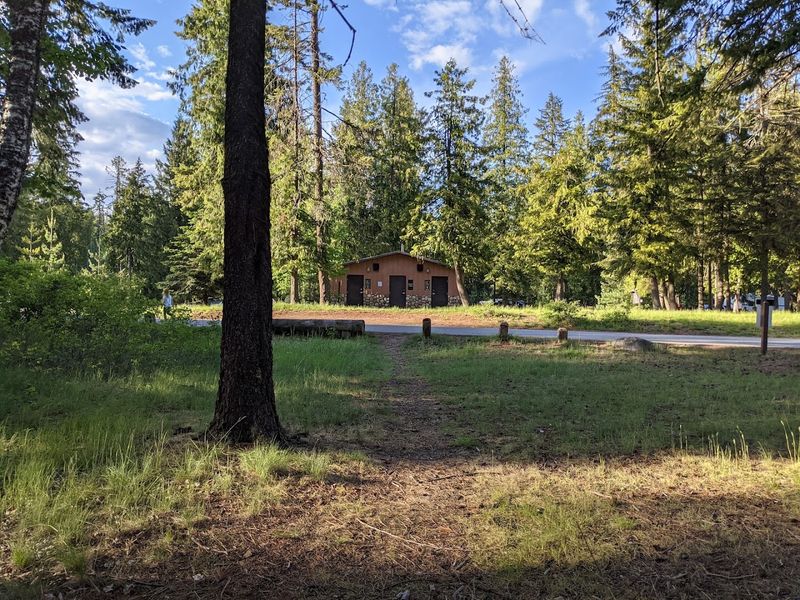
Stretching nearly 19 miles through the forested heart of northern Idaho, Priest Lake is one of those places that earns every superlative thrown at it. The campgrounds at Priest Lake State Park, located at 314 Indian Creek Park Road, Coolin, ID 83821, sit along this remarkable lake with the Selkirk Mountains rising dramatically in the background.
The setting is nothing short of cinematic.
Idaho Parks and Recreation describes Priest Lake State Park as an active destination, and the range of available activities backs that up completely. Swimming, boating, fishing, hiking, and wildlife watching keep campers busy from sunrise to well after sunset.
The lake’s clarity is legendary, with visibility reaching impressive depths on calm days.
Three separate camping areas within the park offer different experiences, from beachfront sites to forested retreats tucked back from the water. Huckleberry picking is a beloved local tradition in late summer, and the berries grow abundantly throughout the surrounding forest.
Idaho’s northern wilderness feels especially alive at Priest Lake, with loons calling across the water at dusk and ospreys diving near the surface. Plan multiple nights because one is never enough here.