This Massive Idaho Thrift Store Is Known For $25 Cart-Filling Finds
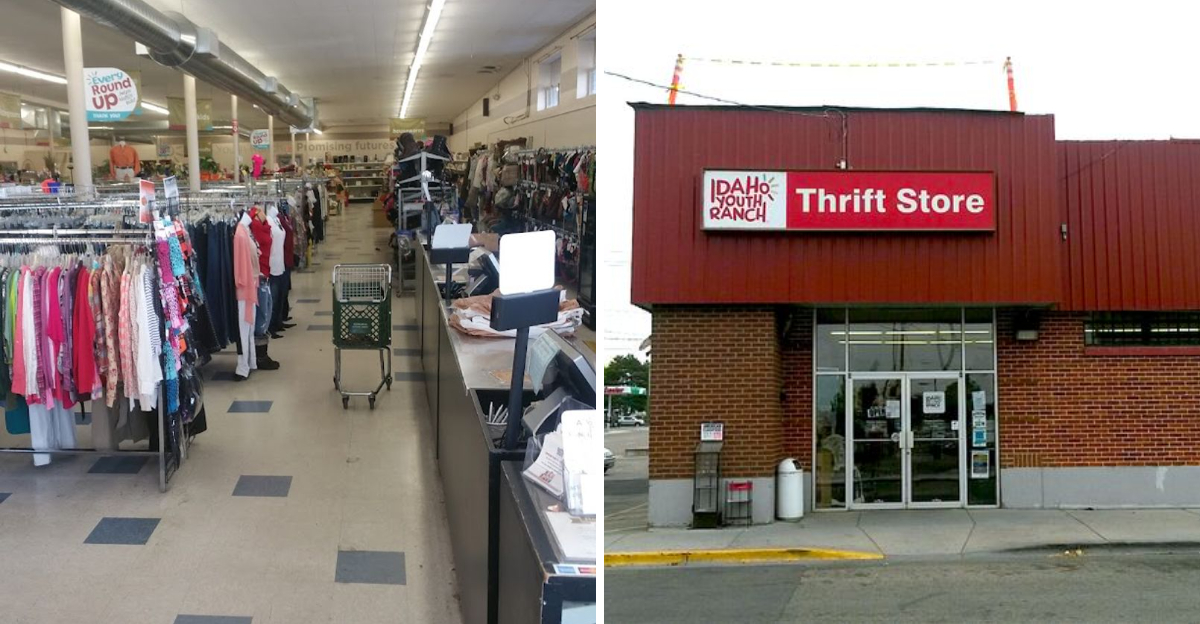
Working at this Idaho thrift store has taught me that nobody walks in “just to browse” and survives with dignity intact.
Some people arrive looking for one sweater.
Twenty minutes later, they are pushing a cart full of dishes, mystery décor, and a lamp that looks like it has seen things.
Every shift feels like watching treasure hunters pretend they are being financially responsible.
Fresh finds hit the floor constantly, so the whole place changes faster than a shopper can say, “I probably do not need this.”
Honestly, the best part is checkout. That is when people look at their overflowing carts and act personally betrayed by their own excellent taste.
Around here, bargain hunting is not a hobby. It is a very funny loss of self-control.
The $25 Cart-Filling Challenge
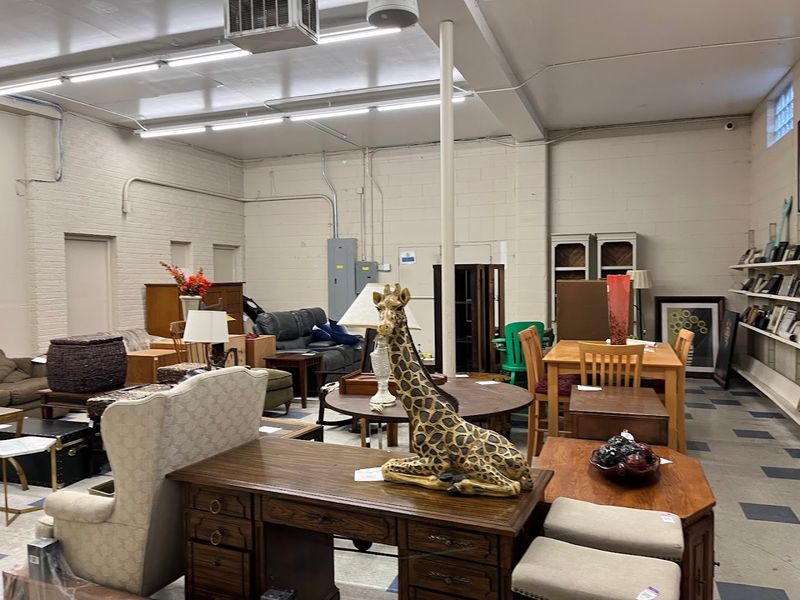
Stretching $25 at a thrift store takes patience, timing, and a willingness to let the shelves surprise you. At the Meridian shop, shoppers can build a cart around practical secondhand finds such as shirts, children’s clothes, paperback books, kitchen basics, toys, small decor pieces, and seasonal items that do not carry big price tags.
The key is treating the challenge like a treasure hunt instead of walking in with a rigid list. One visit might bring a stack of kids’ books, a sweater, a mixing bowl, and a picture frame.
Another might deliver shoes, mugs, a board game, and a few wardrobe basics. Because inventory changes with donations, early visits and repeat stops give bargain hunters the best shot at finding fresh items.
The store’s official site also promotes shopper savings, loyalty points, email and text alerts, and discounts, so signing up for current promotions can make a small budget go further. A cart does not have to be overflowing to feel successful.
The real win is leaving with useful finds, money still intact, and a good story about what almost got missed on the shelf.
A Cause Worth Shopping For
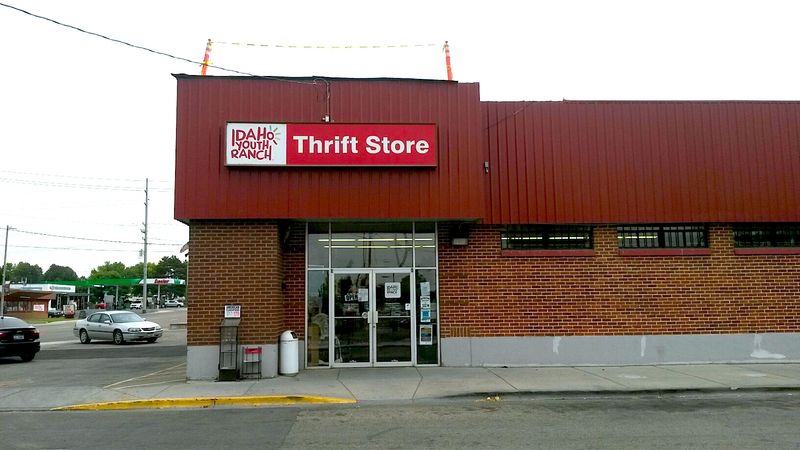
Purpose gives this thrift run more weight than an ordinary bargain hunt. The organization’s thrift site says purchases and donations help transform childhood trauma into healing, hope, and resilience for young people and families across the state.
That mission turns everyday shopping into a small act of support, whether someone buys a winter coat, donates a box of dishes, or picks up a stack of books for the kids. The Meridian store at 231 N Main St is part of a wider network of thrift locations, which means local donations and purchases help fund programs beyond the sales floor.
Shoppers still get the fun of bargain hunting, but the money moves toward counseling, care, and youth-focused support instead of disappearing into a typical retail chain. That community connection is one of the biggest reasons regulars keep coming back.
Saving money feels good. Finding something useful feels even better.
Knowing the purchase helps support a larger mission gives the whole trip a little extra meaning without making the experience feel heavy or complicated.
Daily Restocking Magic
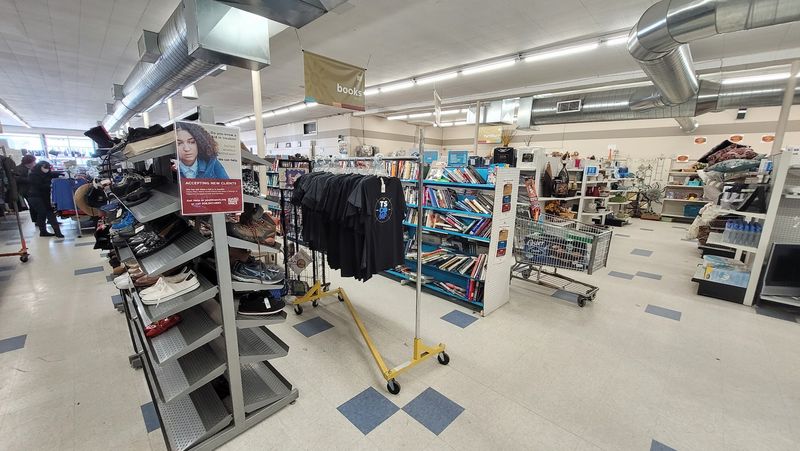
Fresh donations are what keep this kind of thrift store exciting. The Meridian Chamber listing highlights 1,000 new items daily, which explains why regular shoppers can return often and still feel like the store has changed.
New clothing, furniture, books, toys, kitchen pieces, shoes, decor, and media may appear as donations are sorted and moved onto the sales floor. That constant turnover creates the best part of secondhand shopping: nobody can predict exactly what will be waiting.
A quick stop can turn into a full browse when an unexpected shelf, rack, or furniture piece catches your eye. Frequent visitors usually learn to scan their favorite sections first, then circle back through the rest of the store before leaving.
Large thrift stores reward both speed and patience in strange ways. Move too fast and you miss the good stuff.
Move too slowly and someone else may grab the lamp, jacket, or stack of books you were considering. Daily restocking keeps the whole place feeling active, useful, and worth checking again.
Clothing Finds On Every Rack
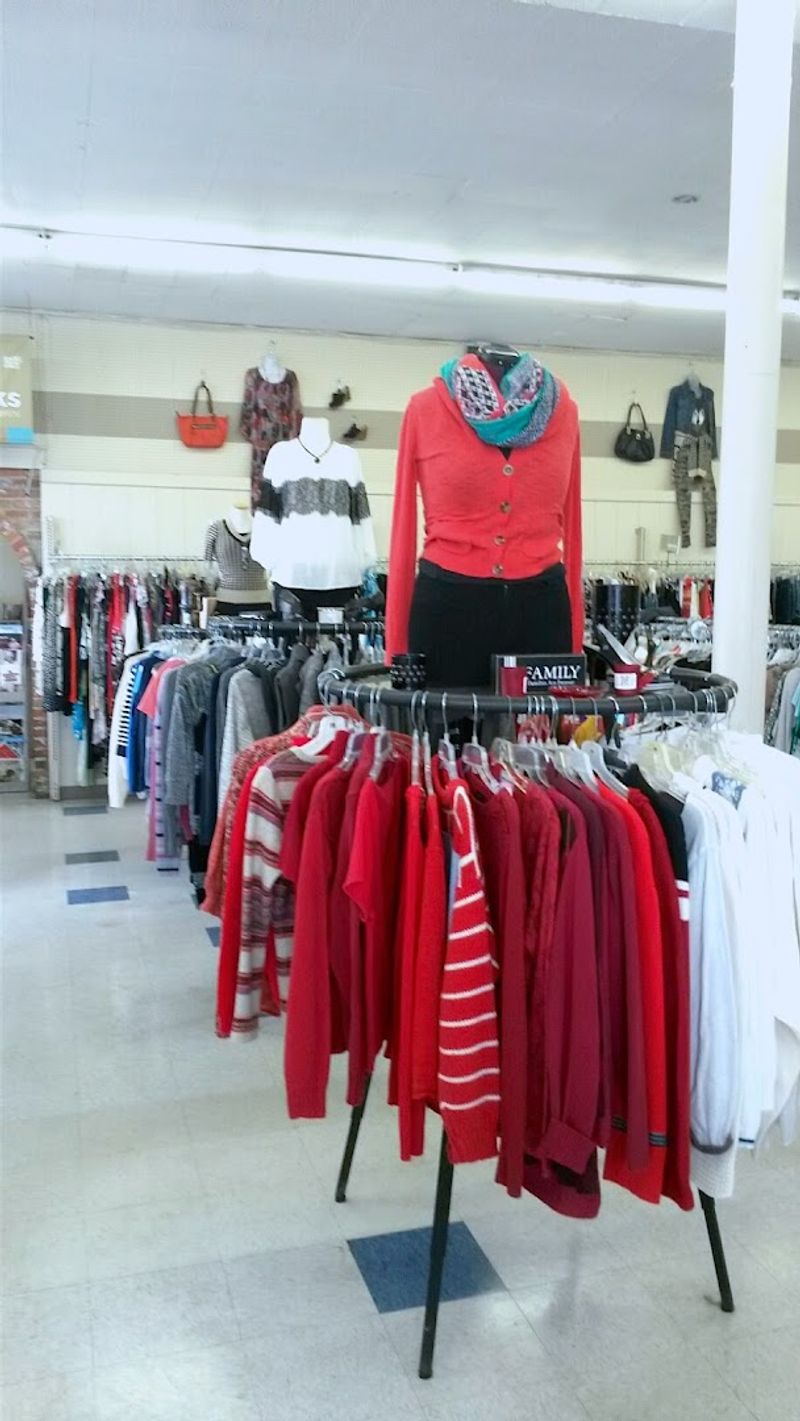
Clothing racks are where a small budget can do some serious work. Shoppers looking for everyday shirts, jeans, jackets, dresses, work pieces, school clothes, or seasonal layers often get the most value by taking time with the racks instead of expecting an instant find.
Sizes, brands, colors, and conditions vary because donations shape the selection, so flexibility matters. Someone searching only for one exact item may leave disappointed, while someone open to several possibilities can walk out with a much stronger haul.
Checking seams, zippers, buttons, cuffs, collars, and fabric wear helps avoid regret at checkout. Kids’ clothing can be especially useful because children outgrow items quickly, and secondhand prices make it easier to keep up.
Adult shoppers can also experiment with colors or styles they would not risk at full retail. A good jacket, barely worn pair of pants, or comfortable sweater can make the trip feel like a win.
Clothing is not always glamorous here, but the practical savings are hard to ignore.
Household Goods And Hidden Gems
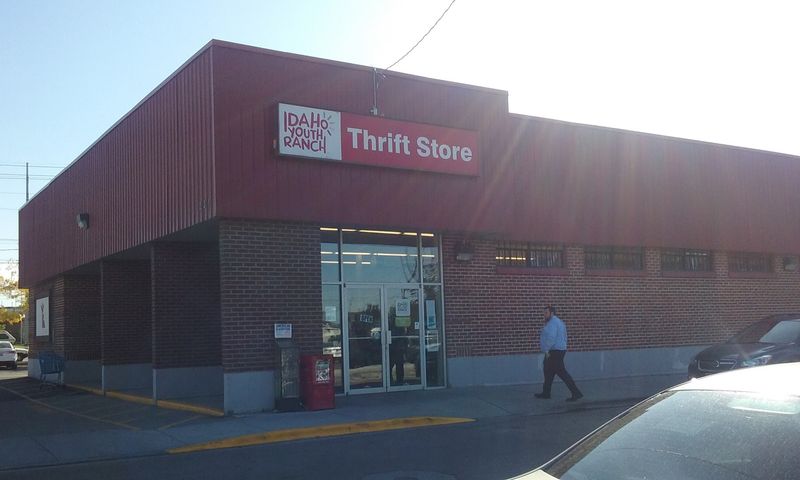
Home goods can turn a simple thrift run into a surprisingly productive errand. Shelves may hold mugs, plates, mixing bowls, baskets, picture frames, lamps, small appliances, candle holders, storage pieces, seasonal decor, and odd little objects that somehow become the best part of the visit.
Renters, students, first-time homeowners, and families replacing broken basics can often find useful pieces for far less than new retail prices. Inspection matters, especially with anything electric, chipped, cracked, missing pieces, or showing heavy wear.
Still, the home section is where creative shoppers often shine. A plain frame can become a gallery wall piece, a basket can organize a bathroom shelf, and a sturdy dish can serve for years.
Vintage-style decor and retro kitchen pieces sometimes surface, giving the section extra personality for people who like homes with character. The best approach is to browse slowly and think beyond the original purpose of an item.
Thrifted home goods often reward imagination as much as money.
Books, Toys, And Family Fun
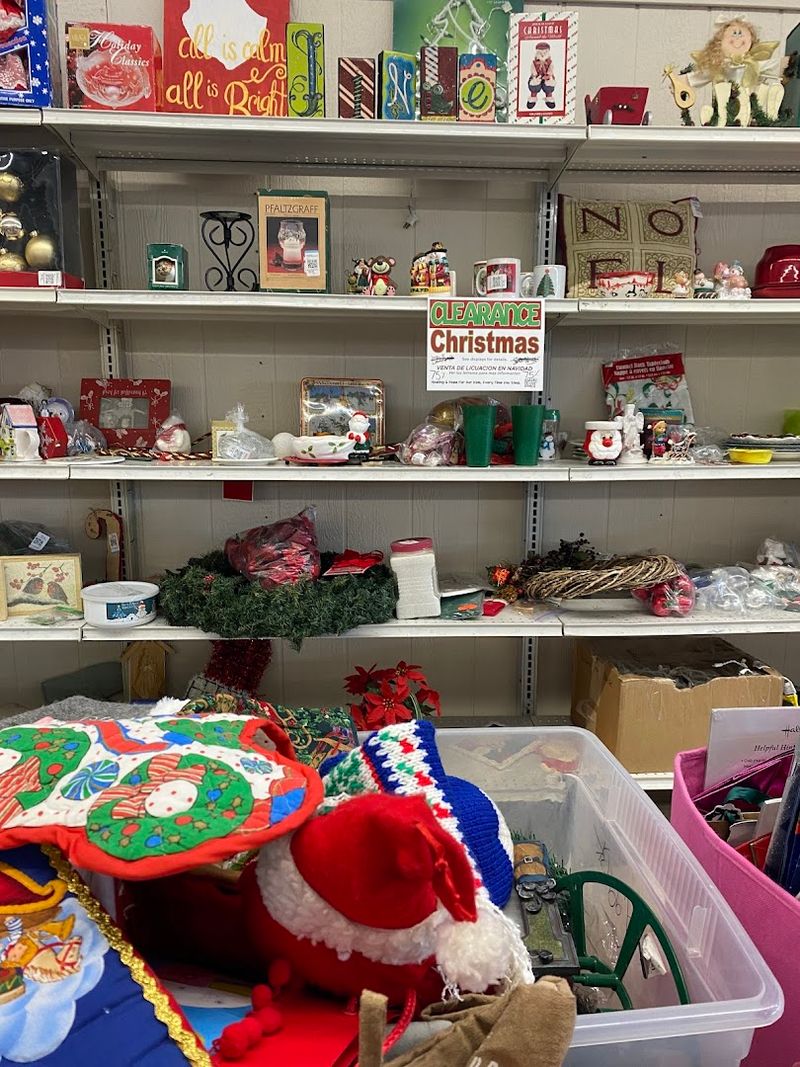
Families can get a lot of mileage from the books and toys section. Children’s books, chapter books, puzzles, plush toys, board games, learning materials, and small play items often cost far less secondhand than they would new, which helps parents say yes more often without wrecking the budget.
Young readers can choose unfamiliar titles, parents can stock a shelf, and grandparents can pick up simple surprises for visits or rainy afternoons. Board games and puzzles should be checked for missing pieces when possible, while toys deserve a quick look for wear, safety, and cleanliness.
The fun comes from letting kids participate in the hunt. A thrift store toy aisle feels different from a regular toy store because the choices are unpredictable and the prices make small discoveries feel exciting.
Books are especially worthwhile because they can be enjoyed, shared, donated again, or traded out as interests change. For families trying the $25 challenge, this section may be one of the easiest places to fill a cart with genuine value.
Smart Tips For Thrift Success
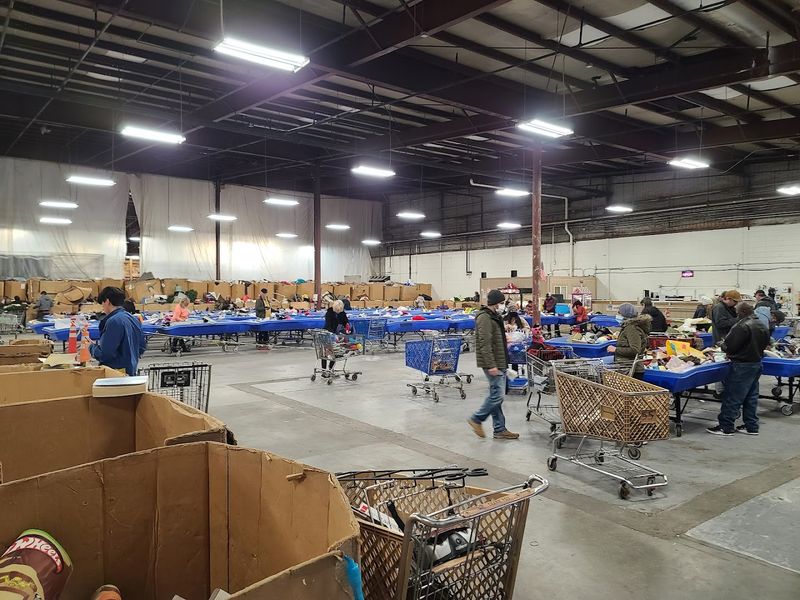
Successful thrifting starts before the cart even moves. Comfortable shoes help because bigger stores take time to browse properly, and a flexible list keeps the trip fun instead of frustrating.
Shoppers should check current discounts, loyalty options, and tag specials before filling a cart, since small savings can add up quickly across clothing, books, toys, and home goods. A phone charger, tape measure, and reusable bags can also make the visit smoother, especially for anyone looking at furniture or household pieces.
Early shopping often helps with fresh inventory, while slower weekday visits can make browsing feel less rushed. Careful inspection is always worth the extra minute.
Zippers, stains, missing buttons, cracked dishes, scratched discs, loose toy parts, and untested electronics can turn a bargain into clutter. Smart thrifters also know when to walk away.
A low price is only a win if the item will actually be used. The best carts are not always the fullest ones.
They are the ones filled with pieces that make sense after you get home.
Community Impact Beyond The Store
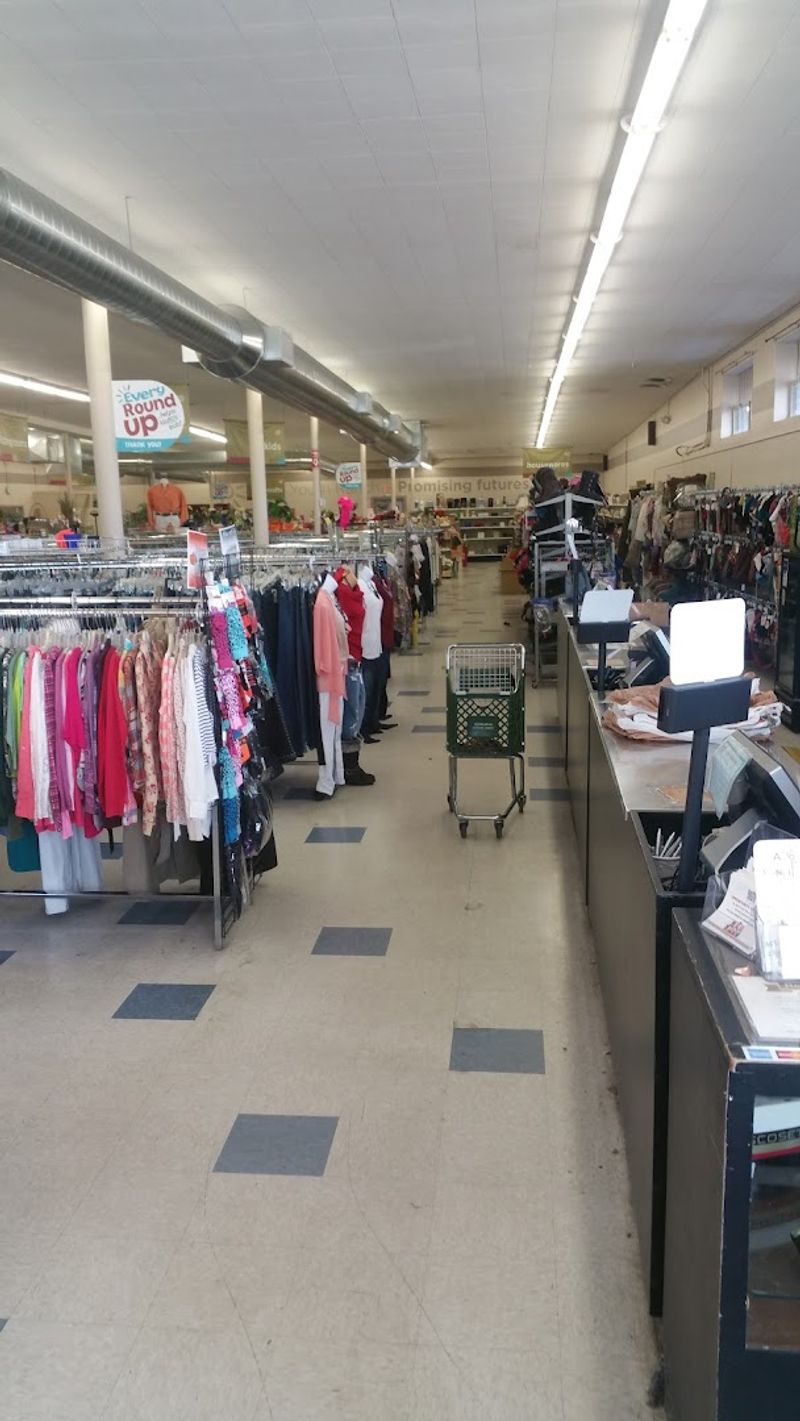
Every donated item and every purchase connects back to a larger cycle of reuse and support. The thrift store system gives shoppers affordable goods, keeps usable items moving through the community, and helps fund programs tied to healing, hope, and resilience for young people and families.
Donors also play a major role by bringing in clothing, household goods, books, furniture, and other accepted items instead of letting them sit unused. The official Meridian listing shows donation hours differ from store hours, with donations generally accepted Tuesday through Saturday and Sunday during shorter windows, while Monday donations are closed.
Checking those hours before loading the car prevents frustration. Thoughtful donations matter because clean, usable items are easier for staff to process and more likely to help another shopper.
That cycle is what makes the store more than a bargain stop. Someone clears space at home, someone else finds an affordable item, and the nonprofit’s mission receives support.
A thrift trip can be practical, fun, and quietly meaningful all at once.