This Gorgeous State Park In Connecticut Is So Hidden You’ll Have It All To Yourself
Most people have never even heard of this place and that is genuinely their loss.
While everyone else is fighting for parking at the popular spots on weekends, this gorgeous hidden state park in Connecticut is sitting right here with trails that feel completely personal and scenery that hits just as hard as anything on the well worn tourist map.
The kind of quiet that feels almost unfamiliar at first because you are so used to sharing outdoor spaces with half the population. Dense forest, hidden ponds and a sense of genuine wilderness that is surprisingly hard to find this close to home.
Go once and you will immediately understand why the people who know about it are not exactly rushing to spread the word.
1. Explore Connecticut’s Largest State Forest
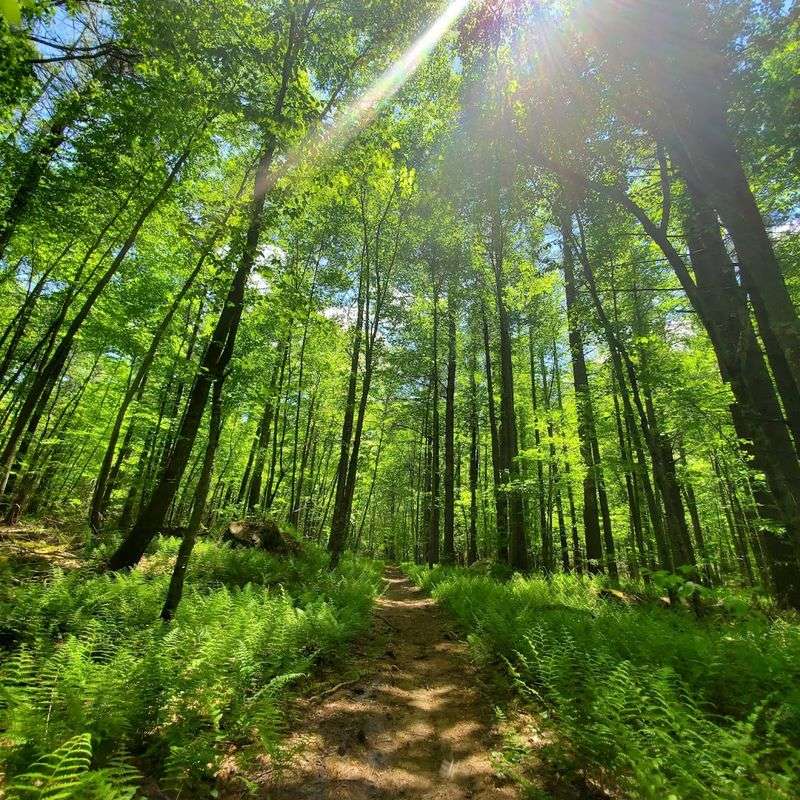
Stretching across more than 26,000 acres in eastern Connecticut, this state forest is one of the region’s most impressive natural areas. Its history dates back to 1928 when the first land was acquired in Voluntown, and it grew significantly during the Great Depression thanks to the work of the Civilian Conservation Corps, whose efforts are still visible in stone walls, old cellar holes, and remnants of former mill sites scattered throughout the woods.
The forest extends all the way to the Rhode Island border and offers an incredible variety of landscapes in one continuous area. Dense forests give way to open meadows, rocky outcrops shaped by glaciers, winding ravines, and a striking Atlantic white cedar swamp recognized as a National Natural Landmark.
Every trail and section of the forest has its own character, giving visitors a sense of discovery no matter where they go. It helps to plan ahead since multiple entrances and trail systems can make navigation tricky.
Maps, seasonal updates, and trail information are available on the Connecticut DEEP website, which is worth reviewing before heading out for the day.
2. Climb Mount Misery For A Scenic Overlook
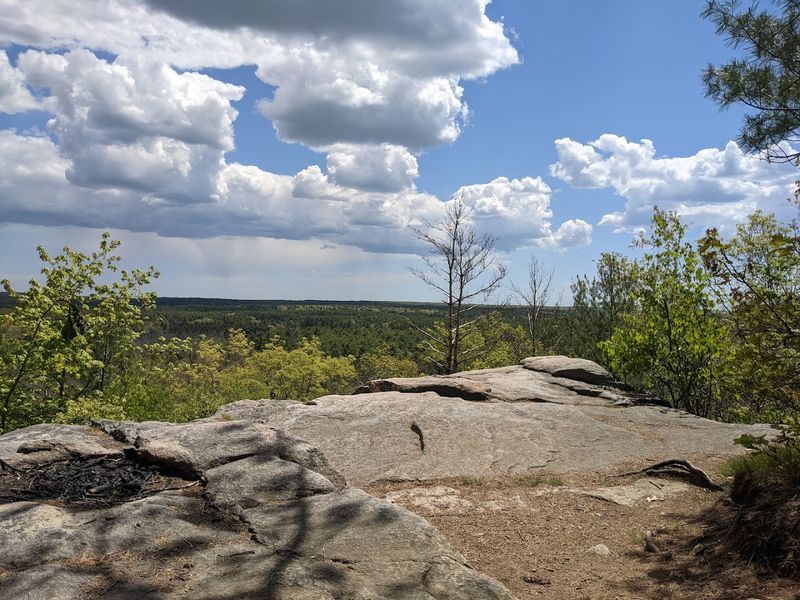
Standing at 441 feet, Mount Misery is the highest point in Pachaug State Forest and rewards hikers with a scenic overlook of the surrounding woodland and the town of Voluntown below. Despite its dramatic name, the hike up is considered relaxed with minimal elevation gain, making it accessible to a wide range of fitness levels.
The summit area offers a clear vantage point that feels genuinely earned even on a moderate walk.
The Mount Misery loop is one of the most popular routes in the forest and can be completed in a few hours depending on pace and how many stops are taken along the way. The trail passes through mixed hardwood and conifer forest, and the change in tree species becomes noticeable as elevation increases slightly.
Autumn is a particularly rewarding time to make the climb since the views extend over a canopy of changing colors.
Near the summit, the Mount Misery campground offers an option for those who want to extend the visit into an overnight stay. Camping near the trailhead means waking up close to the overlook, which is a worthwhile experience for early risers.
The area tends to be quiet during the week and sees moderate activity on weekends throughout the warmer months.
3. Go Camping In A Peaceful Natural Setting
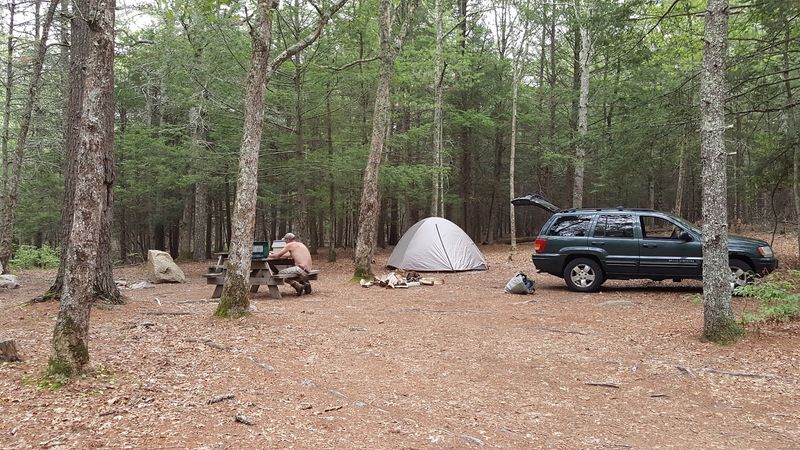
Camping at Pachaug State Forest feels nothing like staying at a commercial campground with crowded sites and constant noise. The forest offers multiple camping options including two main campgrounds at Mount Misery and Green Falls, along with backpacking campsites featuring lean-tos at locations like Dawley Pond, Dry Reservoir, Legend Wood, and Peg Mill.
Each option provides a different level of remoteness and a different pace of experience.
Horse camping and youth group camping areas are also available, which makes the forest a flexible destination for a range of group types and outdoor interests. Many areas within the forest are pet-friendly, so four-legged companions are welcome on camping trips with appropriate preparation.
Campers should note that some areas have limited access to running water, so planning accordingly with extra supplies is a practical step.
Waking up inside a forest of this size and density has a quality that is genuinely hard to replicate elsewhere in the region. The sounds at night shift from birdsong to the soft rustle of nocturnal animals, and mornings bring a stillness that feels restorative.
Reservations through the Connecticut state park system are recommended especially for summer weekends when campground availability can tighten, though weekday stays often remain more accessible.
4. Paddle Or Fish On Green Fall And Beachdale Ponds

Green Fall Pond and Beachdale Pond are two of the most popular water-based destinations within Pachaug State Forest, each offering a calm and scenic setting for paddling and fishing. Green Fall Pond sits near the Green Falls campground and is a natural spot for kayakers and canoeists who prefer quiet flatwater paddling without heavy boat traffic.
The forested shoreline reflects beautifully on still mornings when the water is glassy and undisturbed.
Beachdale Pond allows motorboats with a speed limit under 8 miles per hour, which keeps the water calm enough for paddlers and anglers to coexist comfortably. Fishing in both ponds and along the Pachaug River is a popular activity throughout the warmer months, with the forest’s waterways supporting a variety of freshwater species.
Bringing appropriate fishing licenses and gear is necessary since the forest does not offer rental equipment on site.
Even for visitors who are not interested in fishing or paddling, the ponds serve as natural gathering points where wildlife activity tends to be more concentrated and visible. Herons, turtles, and various waterfowl can often be spotted near the water’s edge during quieter parts of the day.
Early morning visits to the ponds offer the best combination of calm water, active wildlife, and cool temperatures before midday heat settles in.
5. Hike Quiet Trails Through Ancient Woodlands
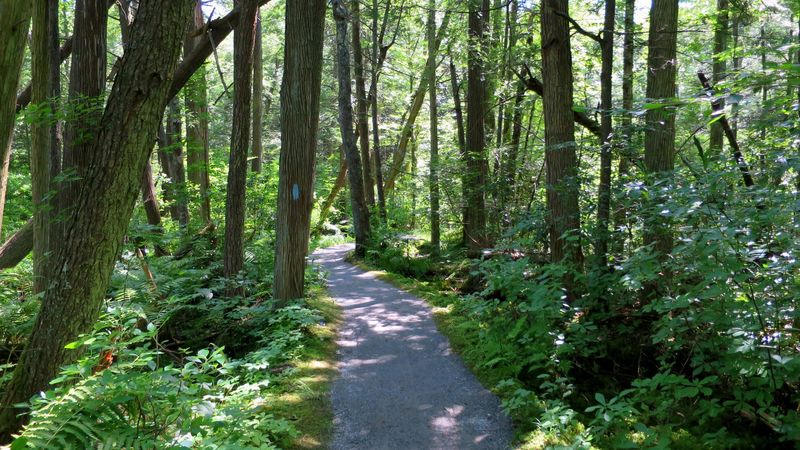
Over 70 miles of trails wind through Pachaug State Forest, making it one of the most trail-rich natural areas in Connecticut. Blue-blazed routes like the Pachaug Trail, Nehantic Trail, Quinebaug Trail, and Narragansett Trail give hikers plenty of options for both short walks and multi-day adventures.
The Pachaug Trail alone stretches roughly 28 to 30 miles, passing through some of the quietest and most undisturbed woodland in the entire state.
Popular loop options include the Lost Pond loop, the Mount Misery loop, and the Peg Mill Shelter loop, each offering a different feel and level of challenge. Trails range from easy, flat walks suitable for beginners to more moderate routes with rocky terrain and stream crossings.
Most paths are clearly marked, which makes navigation manageable even for those new to forest hiking.
Weekdays tend to offer noticeably more solitude than weekends, and many visitors report spending hours on the trails without encountering another person. The canopy is especially beautiful in fall when the hardwood trees turn orange and gold, and in spring when wildflowers push up through the leaf litter.
Sturdy footwear is a smart choice given the varied terrain.
6. Spot Wildlife Like Birds And Forest Critters
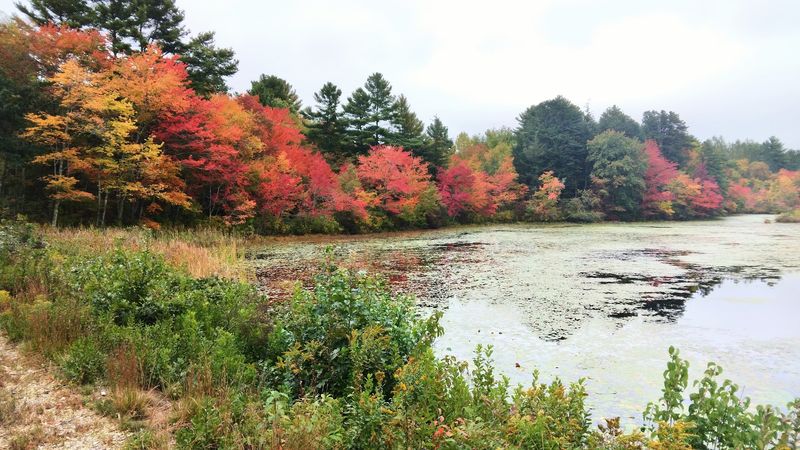
Pachaug State Forest supports a rich and varied community of wildlife that rewards patient and observant visitors throughout every season. The forest’s mix of habitats including open water, dense woodland, wetlands, and meadow edges creates ideal conditions for a wide range of species to thrive.
Birdwatchers in particular find the forest rewarding since the diversity of habitat types attracts both common and less frequently seen species.
Great blue herons are a regular sight near the ponds and slow-moving streams, while songbirds fill the canopy with activity during spring migration. Turtles bask along sunny pond edges, and white-tailed deer move quietly through the understory during dawn and dusk hours when forest activity peaks.
Smaller creatures like chipmunks, red squirrels, and woodland frogs are also frequently encountered along the trails.
The Atlantic white cedar swamp designated as a National Natural Landmark supports specialized wetland species that are not commonly found in other Connecticut habitats. Moving slowly and quietly through the forest dramatically increases the chances of wildlife encounters since many animals respond to sound and movement before they are spotted.
Bringing binoculars and a field guide for local birds and plants adds a layer of discovery to any walk through this biologically diverse landscape.
7. Discover Waterfalls, Ponds, And Quiet Streams
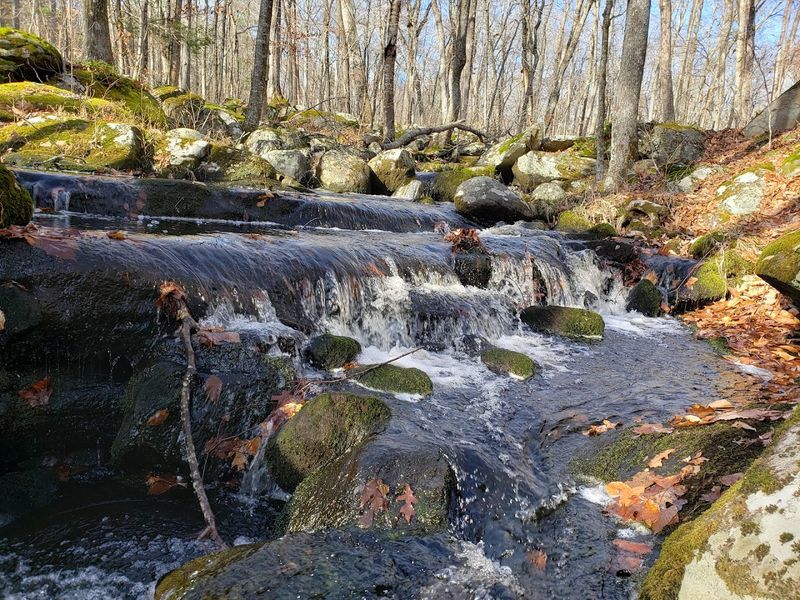
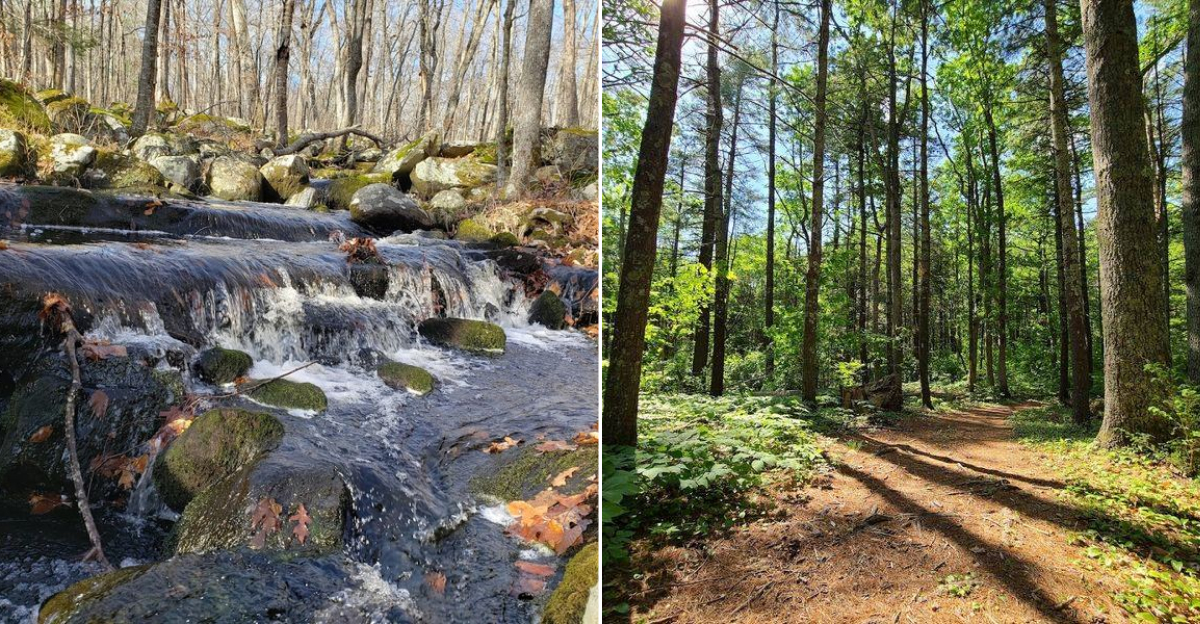
Water is everywhere in Pachaug State Forest, and that constant presence of streams, ponds, and falls gives the landscape a refreshing and calming quality that is hard to find elsewhere in the region. Quiet streams thread through the forest floor, sometimes disappearing beneath tangles of roots before reappearing in small glades.
The sound of moving water becomes a reliable companion on many of the trails here.
The Pachaug River winds through sections of the forest and is a lovely feature for hikers who enjoy walking alongside a natural waterway. Small waterfalls appear along various routes, particularly after periods of rainfall when water levels are higher and the flow is more dramatic.
These spots tend to be peaceful rather than crowded, which adds to their appeal.
The Pachaug-Great Meadow Swamp, a designated National Natural Landmark, is one of the most ecologically significant areas within the forest. It contains one of Connecticut’s finest Atlantic white cedar swamps and supports a wide range of plant and animal life that thrives in wetland conditions.
Visitors exploring this area should stay on marked paths to protect the fragile ecosystem and keep footwear dry on wetter sections of the trail.
8. Perfect For A Solitary Nature Escape
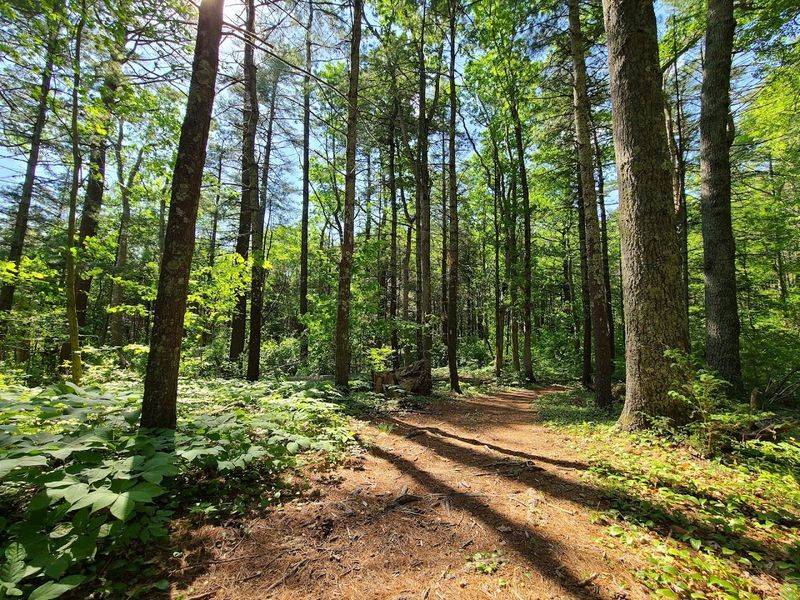
There is something genuinely rare about a natural area this large where solitude is not just possible but practically guaranteed on a weekday visit. Many visitors to Pachaug State Forest describe spending full days on the trails without crossing paths with another person, which is an increasingly uncommon experience in the crowded outdoor recreation landscape of the Northeast.
That quietness is one of the forest’s most consistent and valued qualities.
The forest’s size plays a major role in distributing visitors across a wide area so that even on busier weekends, the trails never feel congested. Multiple entry points and a network of interconnected routes mean that two groups starting from different trailheads may never encounter each other at all.
For anyone who finds crowded parks draining rather than energizing, Pachaug offers a genuine alternative with no compromise on natural beauty.
Planning a visit is straightforward since the forest is open daily from 7 AM to 6 PM and does not require advance permits for day use. Bringing enough water, a trail map downloaded ahead of time, and appropriate footwear covers most practical needs.
The forest near Voluntown, Connecticut holds a quality of stillness that feels increasingly hard to find, and returning visitors often say that sense of calm is exactly why they keep coming back.