This North Carolina Wildlife Refuge Lets You Learn About One Of America’s Rarest Wolves
A quiet North Carolina road can look harmless until the trees start keeping secrets.
Near the coast, an unassuming refuge carries a story much bigger than its calm surroundings suggest.
No loud entrance ruins the mood. No overdone tourist trap tries to manufacture wonder.
A rare red wolf waits at the center of the experience, turning an ordinary drive into something sharper, stranger, and more meaningful.
Most travelers know North Carolina for beaches and mountain views, yet this stop reveals a wilder side of the state.
Standing near an animal so few people ever get to see makes the whole visit feel oddly personal.
By the time the road stretches back out, the quiet feels completely different.
America’s Rarest Canine
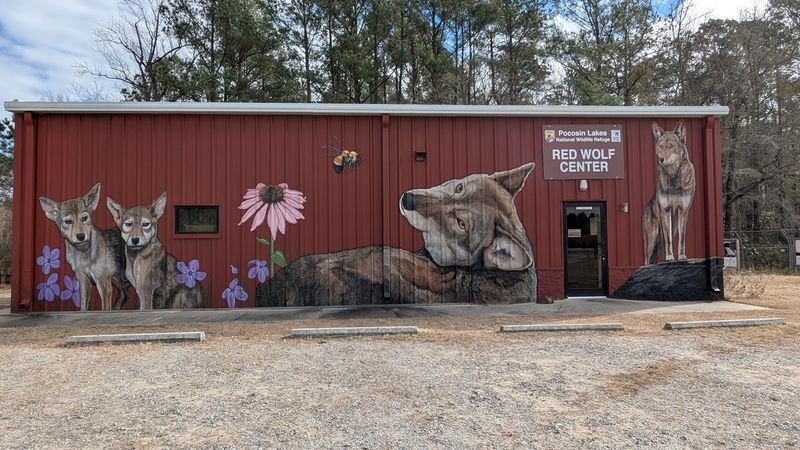
Few animals in North America carry a story as urgent as the red wolf. U.S.
Fish and Wildlife Service identifies the species as endangered and places the current wild population estimate at roughly 27 to 28 animals as of February 2026, with all wild red wolves living in eastern North Carolina. That makes the Red Wolf Center feel far more meaningful than a standard wildlife display.
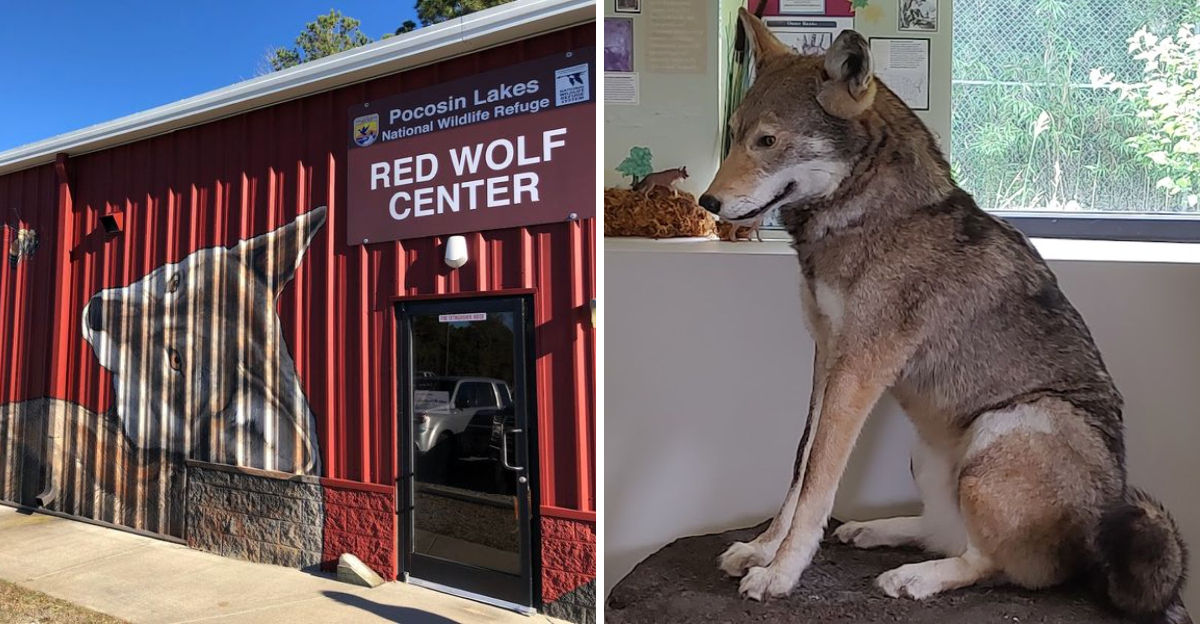
Visitors are learning about a species still fighting for space, safety, and survival in the only region where it roams free. The red wolf’s lean build, tall legs, large ears, and warm tawny coloring give it a look that feels different from better-known gray wolves.
Its history is even more striking. Once found across much of the Southeast, the species disappeared from the wild before recovery work brought it back to northeastern North Carolina.
At Pocosin Lakes, the story feels close and immediate rather than distant. Every exhibit, program, and staff conversation points toward one reality: this animal is rare enough that awareness matters.
Learning about it here turns a refuge visit into something deeper, quieter, and genuinely unforgettable.
Location And Access
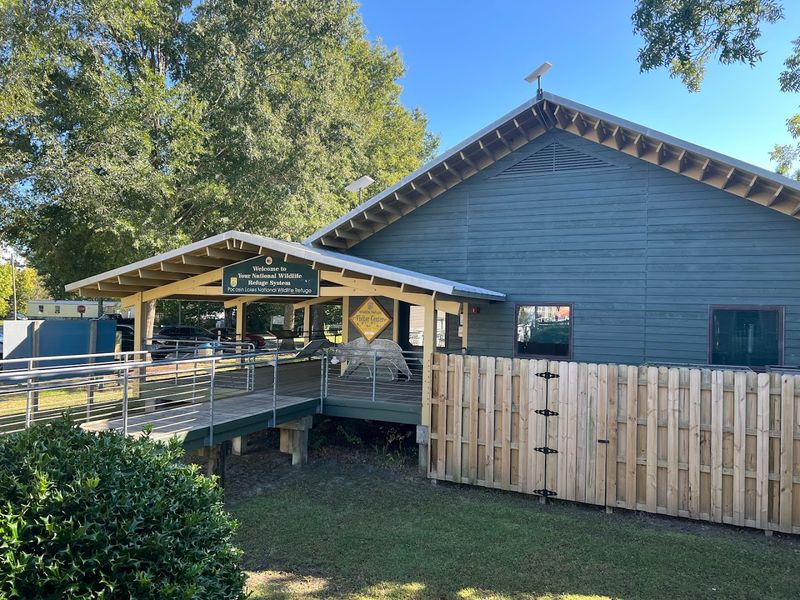
Reaching the Red Wolf Center starts with a drive through the flat, open beauty of eastern North Carolina. The U.S.
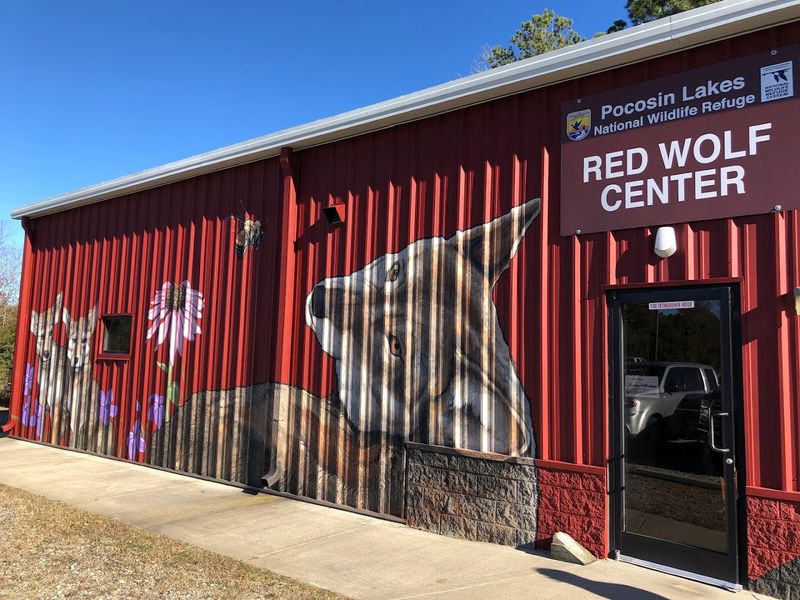
Fish and Wildlife Service lists the center at 1221 NC-94, Columbia, NC 27925, about one mile south of Columbia on the east side of Highway 94. That location places visitors close to the refuge landscape, where wetlands, fields, forests, and wide skies set the mood before the visit even begins.
Columbia works naturally as a small base for travelers coming from the Outer Banks, Raleigh, or other parts of northeastern North Carolina. The refuge itself is generally open during daylight hours, from one-half hour before sunrise to one-half hour after sunset, but center access and programming should be confirmed before making the drive.
Refuge rules also prohibit entering areas posted as closed, which matters because road or access changes can happen for wildlife management needs. A quick check of the official refuge page or a call ahead helps prevent wasted time and keeps the visit respectful.
This is not a roadside attraction built for constant drop-ins. It is a conservation-centered stop, and planning ahead makes the experience smoother.
Educational Programs That Inspire
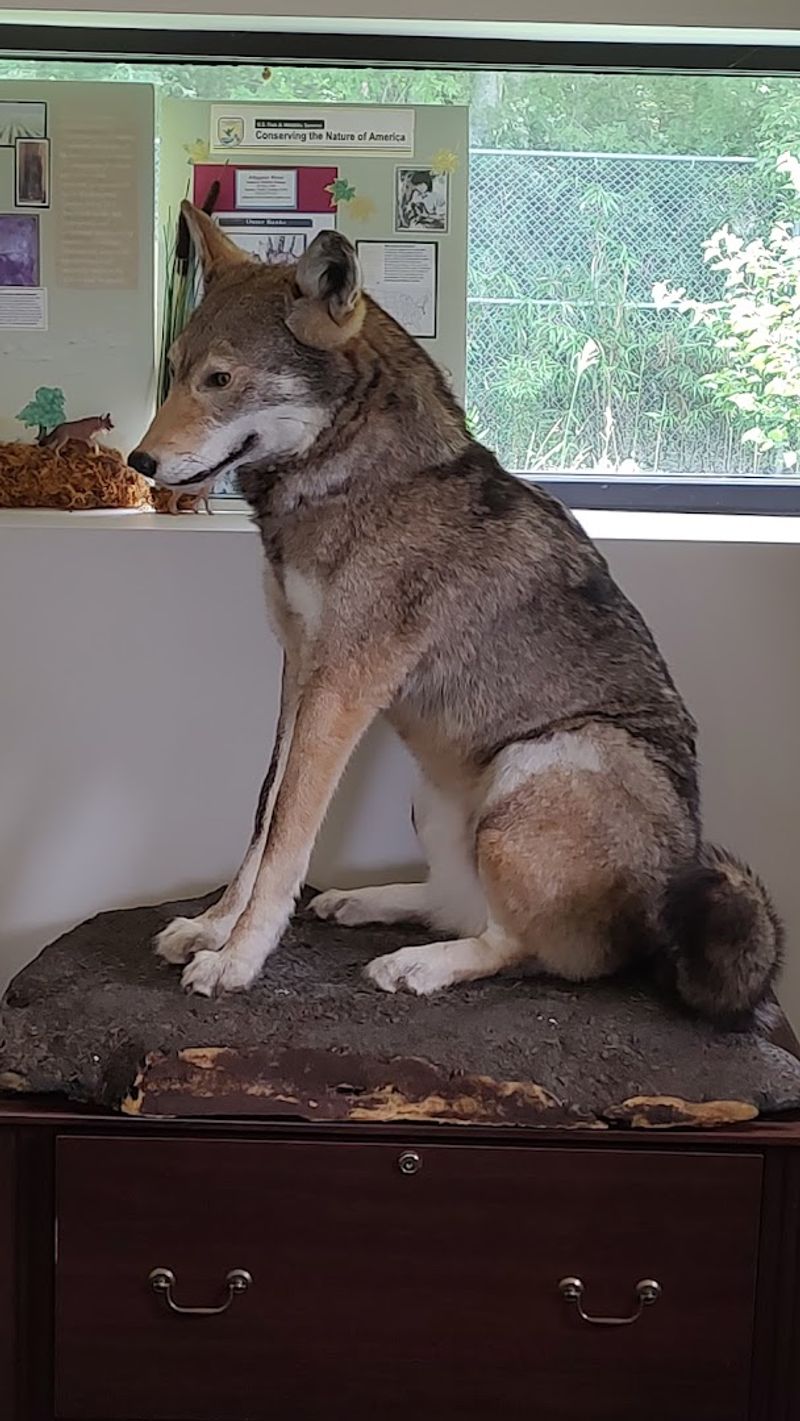
Good wildlife education can change the way visitors see an animal, and that is the real value of the Red Wolf Center. Past program materials for Pocosin Lakes National Wildlife Refuge describe Red Wolf Programs at the center, with sessions designed to help visitors learn about the endangered species, its recovery history, and the conservation work connected to eastern North Carolina.
The center setting keeps the experience focused rather than overwhelming. Guests are not wandering through a giant museum with too many distractions.
They are there for one rare animal and the landscape that still gives it a chance. Strong programs can explain why red wolves matter, how they differ from coyotes and gray wolves, why human-caused mortality remains a serious concern, and how recovery efforts depend on science, partnerships, and public understanding.
Families benefit because the topic is serious but accessible. Adults leave with a clearer sense of how complicated wildlife recovery can be.
Children get a memorable introduction to conservation through an animal that feels mysterious, beautiful, and fragile. When programs are available, they make the Red Wolf Center one of the most meaningful educational stops in coastal North Carolina.
Seeing Captive Red Wolves Up Close
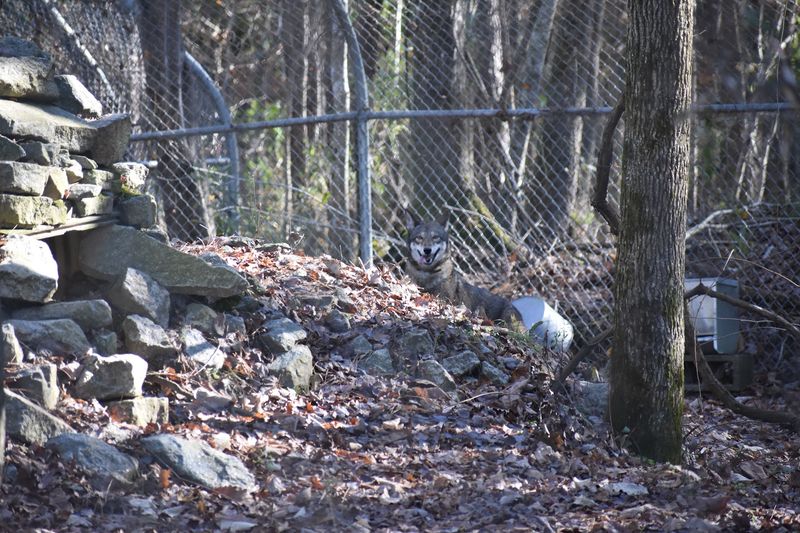
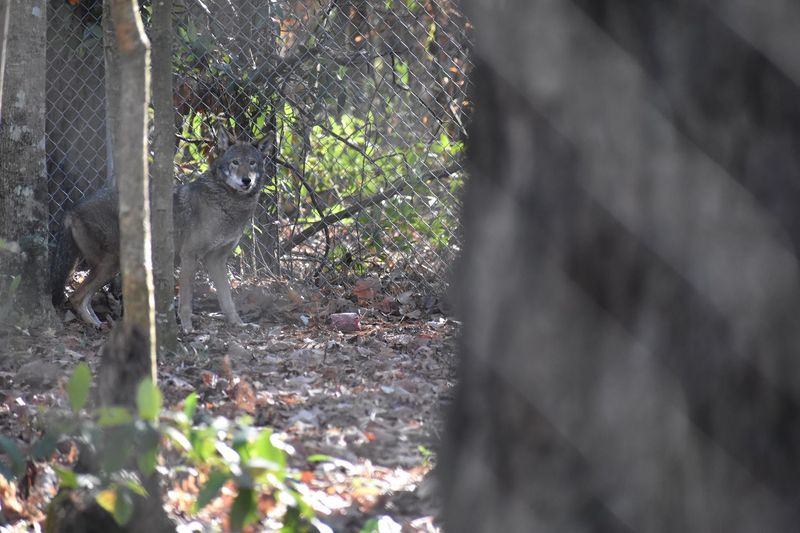
A glimpse of a red wolf can stay with a visitor long after leaving Columbia. North Carolina Wildlife Federation says the Red Wolf Education and Health Care Facility houses educational materials, supports seminars, provides space for wolf health checks, and is home to a pair of captive red wolves that visitors can see in person or watch through live-streaming cameras.
That kind of viewing opportunity matters because wild red wolves are too rare and too sensitive for casual wildlife chasing. Seeing captive wolves in an educational setting gives visitors a responsible way to connect with the species without disturbing wild animals.
Patience still helps. Red wolves are naturally shy, and a wolf that keeps distance or stays partially hidden is not disappointing behavior.
It is part of what makes the animal wild at heart. Binoculars can make the experience better, especially if the wolves are resting farther back in their enclosure.
Quiet movement and realistic expectations are important. The point is not a guaranteed photo or performance.
The point is standing near one of America’s rarest canines and understanding how much work it takes for even that possibility to exist.
The Refuge Landscape Around The Center
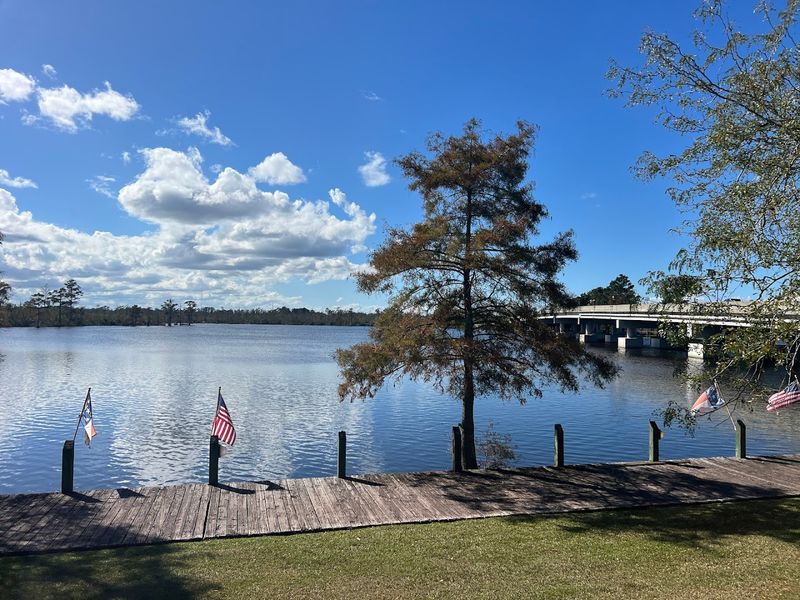
Pocosin Lakes National Wildlife Refuge gives the Red Wolf Center a powerful natural setting. The refuge protects a broad eastern North Carolina landscape of wetlands, pocosins, canals, forests, fields, and open water, creating habitat for far more than red wolves.
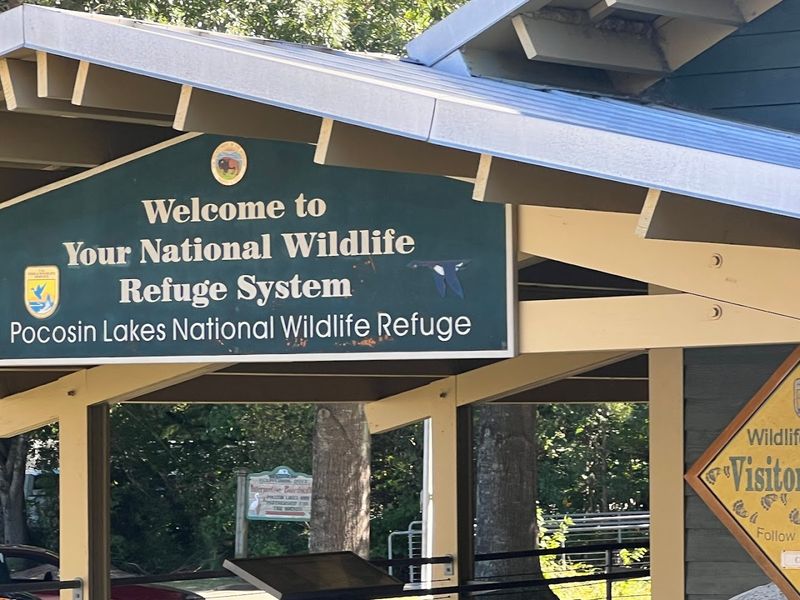
The U.S. Fish and Wildlife Service visitor page notes daylight-only refuge access and important rules around closed areas, pets, camping, fires, and wildlife disturbance, which helps protect the landscape visitors came to see.
This is the kind of place where the drive between viewpoints can be part of the experience. Winter often brings remarkable waterfowl viewing in the region, while quiet roads and observation areas can reveal black bears, birds of prey, river edges, and wide skies that feel enormous.
Understanding the surrounding refuge makes the red wolf story clearer. These animals are not isolated symbols.
They are part of a working ecosystem where habitat, roads, prey, people, and management decisions all interact. A visit to the center pairs naturally with time exploring refuge roads during legal daylight hours.
The more visitors see of the land, the easier it becomes to understand why eastern North Carolina remains central to red wolf recovery.
A Conservation Story
Red wolf recovery is one of the most dramatic wildlife stories in the United States. U.S.
Fish and Wildlife Service explains that the red wolf is listed as endangered and that today’s wild population survives as a nonessential experimental population in eastern North Carolina. Its current February 2026 estimate lists 26 known or collared wild wolves and a total wild estimate of 27 to 28, alongside about 280 captive wolves in the Red Wolf SAFE population.
Those numbers show both progress and fragility. The species was once effectively gone from the wild, then brought back through captive breeding and reintroduction work.
At one point, the wild population grew much larger, but vehicle strikes, illegal killings, hybridization concerns, and management challenges have kept recovery difficult. The Red Wolf Center helps visitors understand that conservation is not a simple success story with a neat ending.
It is ongoing, complicated, and dependent on public support. North Carolina holds a unique responsibility because it is the only place where wild red wolves still live.
Learning that story in the region where it is unfolding makes the stakes feel immediate, not abstract.
Practical Tips
Smart planning matters before visiting the Red Wolf Center. The official U.S.
Fish and Wildlife Service location page places the center one mile south of Columbia on Highway 94, while the refuge visitor page says Pocosin Lakes National Wildlife Refuge is open during daylight hours only, from one-half hour before sunrise to one-half hour after sunset. Programs, building access, and road access can change, so checking the official refuge page before leaving home is the safest choice.
Bring binoculars for wolf viewing and birdwatching, especially if animals stay at a distance. Comfortable shoes, water, insect repellent, and weather-appropriate clothing are useful because eastern North Carolina wetlands can feel buggy, warm, windy, or damp depending on the season.
Visitors should respect all posted closures, keep pets properly restrained where allowed, and avoid disturbing wildlife. Combining the center with a drive through nearby refuge areas can make the trip feel fuller, especially for birders and photographers.
Columbia also offers a small-town stop before or after the visit. The best mindset is patient and flexible.
This is a conservation experience, not a theme-park schedule.
Why This Place Deserves Your Attention
Some places earn their reputation through sheer scale or spectacle, but the Red Wolf Center earns its place on any travel itinerary through something quieter and more lasting: genuine purpose. Every program offered, every conversation with a staff member, and every glimpse of a captive wolf ties back to the urgent mission of keeping a species alive that the world nearly lost forever.
Reviewers on Google have given the center a 4.6-star rating based on 27 reviews, with the overwhelming majority awarding five stars. Visitors consistently highlight the passion of the team, the quality of the educational content, and the emotional impact of seeing red wolves in person.
One reviewer described it simply as a must for any visitor to the area, and that sentiment is hard to argue with.
The Red Wolf Center also matters beyond the individual visit. Supporting a stop here contributes to public awareness of a conservation effort that depends on community understanding and advocacy.
North Carolina holds a unique responsibility as the last state with wild red wolves, and the center makes sure that responsibility is felt by everyone who passes through. Travel with meaning is something every itinerary can use more of, and few stops deliver it as sincerely as this remarkable little refuge center does.