10 California Trails That Feel Surprisingly Quiet Even On A Sunny Weekend
A sunny weekend usually means packed lots, loud trailheads, and someone’s portable speaker making choices for everyone.
Peace still finds a way in. A quiet trail feels like cheating the system.
You get the light, the views, and the open air without feeling like the whole state made the same plan.
California still has trails where the weekend noise drops off faster than expected. That kind of escape hits differently.
One bend can hush the crowd. One shaded stretch can make the day feel slower. One overlook can remind you why a simple walk keeps winning against every overplanned itinerary.
Crowds may gather at famous viewpoints, but calmer paths still exist for hikers willing to look past the obvious names.
Doesn’t that make the search more fun?
Boots hit dirt and the best moments happen where nobody is rushing the next photo.
A trail does not need to feel remote to feel rewarding. Sometimes it only needs enough silence to make the sunshine feel personal.
1. Wilder Ranch State Park, Ohlone Bluff Trail
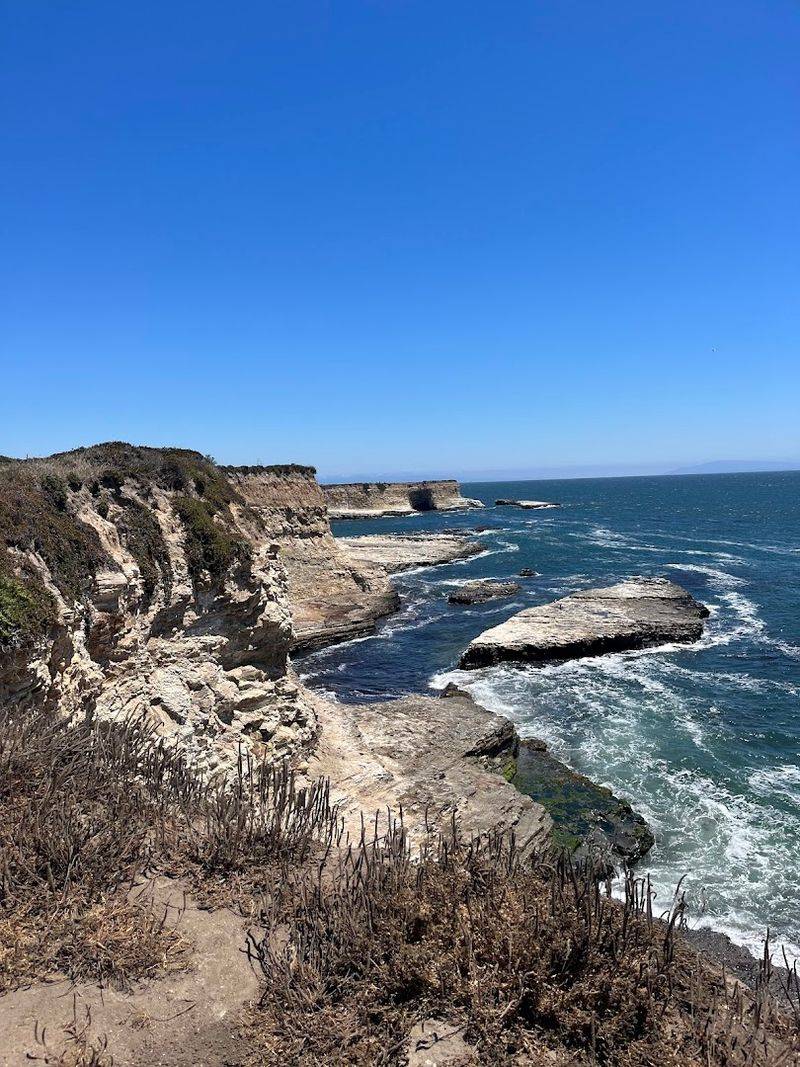
Just a few miles north of downtown Santa Cruz, Wilder Ranch State Park manages to feel noticeably calmer than the beach-side paths that draw the biggest weekend crowds.
The Ohlone Bluff Trail runs along ocean-facing headlands and offers wide-open views of the Pacific without the elbow-to-elbow atmosphere that defines some of the area’s more popular coastal routes.
The bluff trail itself is mostly flat and well-maintained, making it accessible for a range of fitness levels while still feeling spacious and unhurried.
Ocean breezes keep temperatures comfortable even on warm afternoons, and the views across the water tend to shift throughout the day as light conditions change.
Agricultural history adds an interesting layer to the park, with restored Victorian-era farm buildings near the trailhead providing context for the land’s past use.
Weekday mornings are the calmest option, but even weekend visits tend to feel more relaxed here than at the main Santa Cruz beachfront.
Trail surfaces vary between packed dirt and gravel, and sturdy shoes make the experience more comfortable across the longer bluff sections.
2. La Honda Creek Open Space Preserve, Sears Ranch Road Trailhead
A newer trail expansion opened up sections of La Honda Creek Open Space Preserve that most Bay Area hikers have not yet discovered.
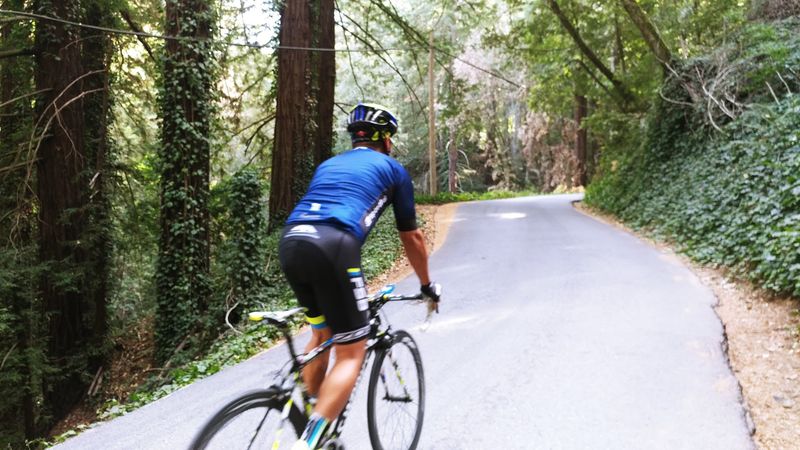
That timing gap creates a genuine sense of solitude on routes that mix redwood groves, open grasslands, and oak woodland corridors.
The Sears Ranch Road Trailhead provides access to these expanded areas and the relatively limited facilities at the trailhead tend to keep casual visitors away.
The overall trail network here is still less documented than older preserves in the Midpeninsula system, which works in favor of anyone seeking a quieter outing.
Grassland sections offer long sightlines across rolling hills, while the transitions into shaded oak woodland feel like stepping into a different season even on a warm afternoon.
Wildlife sightings including deer and raptors are reasonably common given how undisturbed the landscape remains.
Trail signage has improved with the expansion but is still less polished than more established parks, so downloading a current map before visiting is genuinely useful.
The preserve is free to access through the Midpeninsula Regional Open Space District, and no reservations are currently required for day use.
Bringing enough water is important since no facilities exist along the trail itself. Morning visits on weekends tend to offer the quietest experience before any crowds build near the trailhead.
3. Mount Diablo State Park, Mitchell Canyon Trail
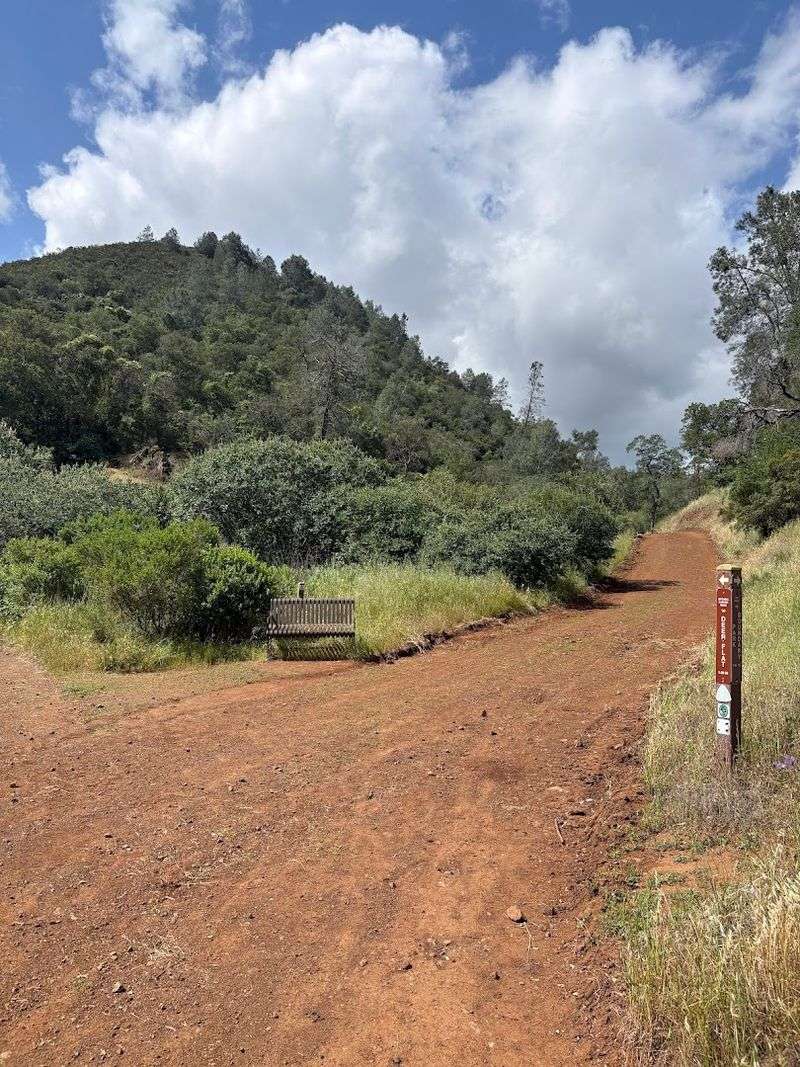
Mount Diablo gets attention for its summit views, but the summit road draws most of that crowd, leaving the Mitchell Canyon Trail corridor noticeably quieter for hikers who approach from the canyon floor.
Mitchell Canyon serves as the access point for this trailhead, and the canyon approach offers a completely different experience from the summit-focused visitors who drive rather than hike.
Tall oaks shade the lower canyon sections, and the trail gains elevation gradually enough to feel steady rather than exhausting.
East Bay views open up as the trail climbs, revealing a landscape that feels more expansive and less congested than the coastal trail corridors that tend to dominate weekend hiking lists.
Wildflower displays in spring can be genuinely impressive along the canyon walls, adding color to an already scenic route.
The canyon also tends to hold moisture longer than the exposed hillside trails, which means the vegetation stays greener deeper into the dry season.
Parking at the Mitchell Canyon trailhead fills up on busy weekends but typically moves faster than the summit road queue.
Arriving before 9 a.m. on Saturdays usually secures a spot without waiting. The trail is well-maintained and clearly signed, making navigation straightforward even for hikers who are visiting the park for the first time.
4. Ohlone Wilderness Trail, Del Valle Regional Park
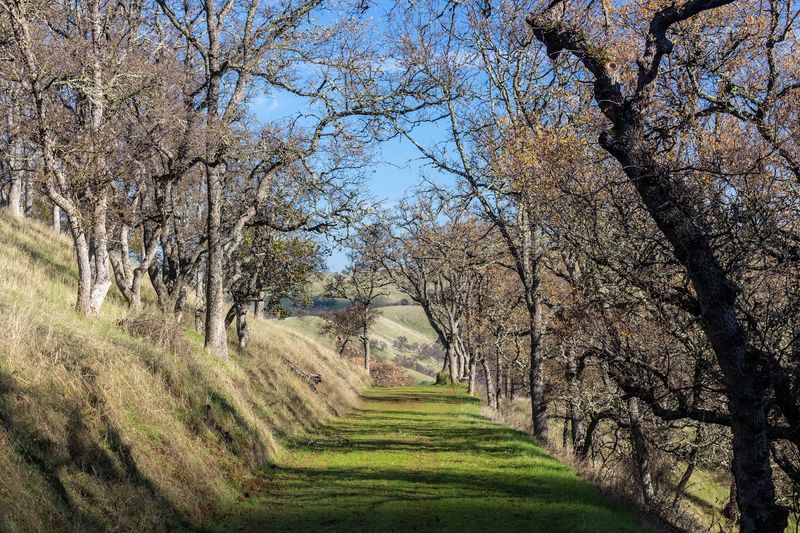
Few trails in the Bay Area offer the kind of genuine remoteness that the Ohlone Wilderness Trail provides, and the long-distance nature of the route naturally spreads hikers across a wide stretch of terrain.
Del Valle Regional Park serves as one of the main entry points for this rugged trail system, and the physical demands of the route filter out casual weekend walkers almost immediately.
Steep climbs, exposed ridgelines, and limited shade define much of the experience, but the payoff in solitude and open-sky views is substantial.
The trail covers roughly 28 miles in its full length and passes through the Ohlone Regional Wilderness, requiring a wilderness permit that keeps group sizes and overall visitor numbers in check.
Sunny weekend days can feel surprisingly empty along the ridgeline sections simply because the terrain demands real preparation.
Golden hills, hawk thermals, and long views toward the coast create a landscape that feels genuinely wild given its proximity to the Bay Area suburbs.
Permits are available through the East Bay Regional Park District and are required for overnight trips as well as day use in the wilderness portion.
Water sources along the trail are seasonal and unreliable, so carrying sufficient water from the start is essential. Sturdy footwear with ankle support makes a noticeable difference on the rocky descents.
5. Red Rock Canyon State Park, Hagen Canyon Trail
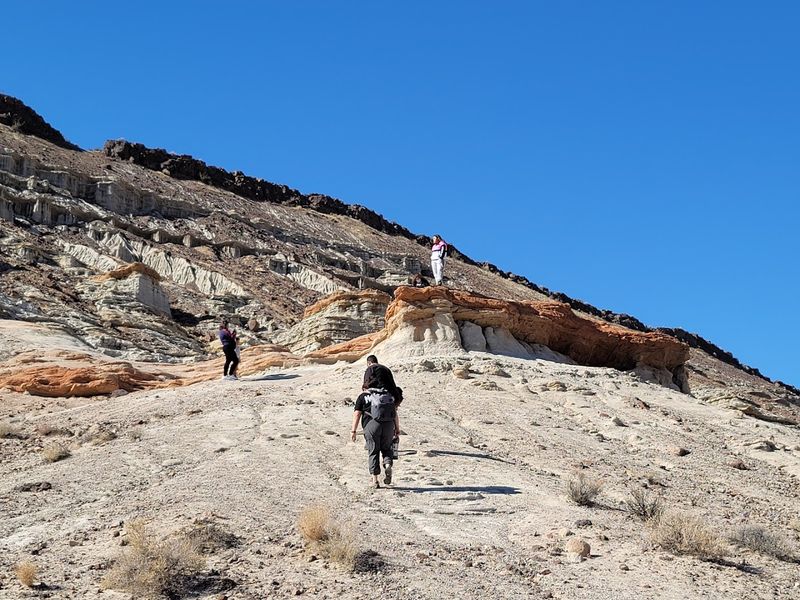
The drive out to Red Rock Canyon already filters out a large portion of potential visitors, and once on the trail, the sheer scale of the desert landscape makes even moderate foot traffic feel invisible.
Hagen Canyon Trail runs through one of the park’s most visually striking sections, where layered red and white rock formations rise above the desert floor in shapes that look almost architectural.
The canyon walls glow warmly in morning and late-afternoon light, making early starts and late-day walks particularly rewarding for anyone who appreciates the way desert color shifts with the sun.
Trail surfaces are sandy and loose in sections, which slows the pace naturally and encourages a more observant style of walking.
Plant life along the canyon floor includes desert shrubs and seasonal wildflowers that add unexpected softness to an otherwise stark landscape.
Summer heat at this location can be genuinely dangerous, and spring or fall visits are strongly recommended for comfort and safety.
Carrying more water than expected is always the right call in desert environments.
The park also offers some of the clearest dark skies in Southern California, making it a worthwhile overnight destination for anyone who wants to extend the visit.
6. Wildwood Canyon State Park, Wildwood Canyon Trail
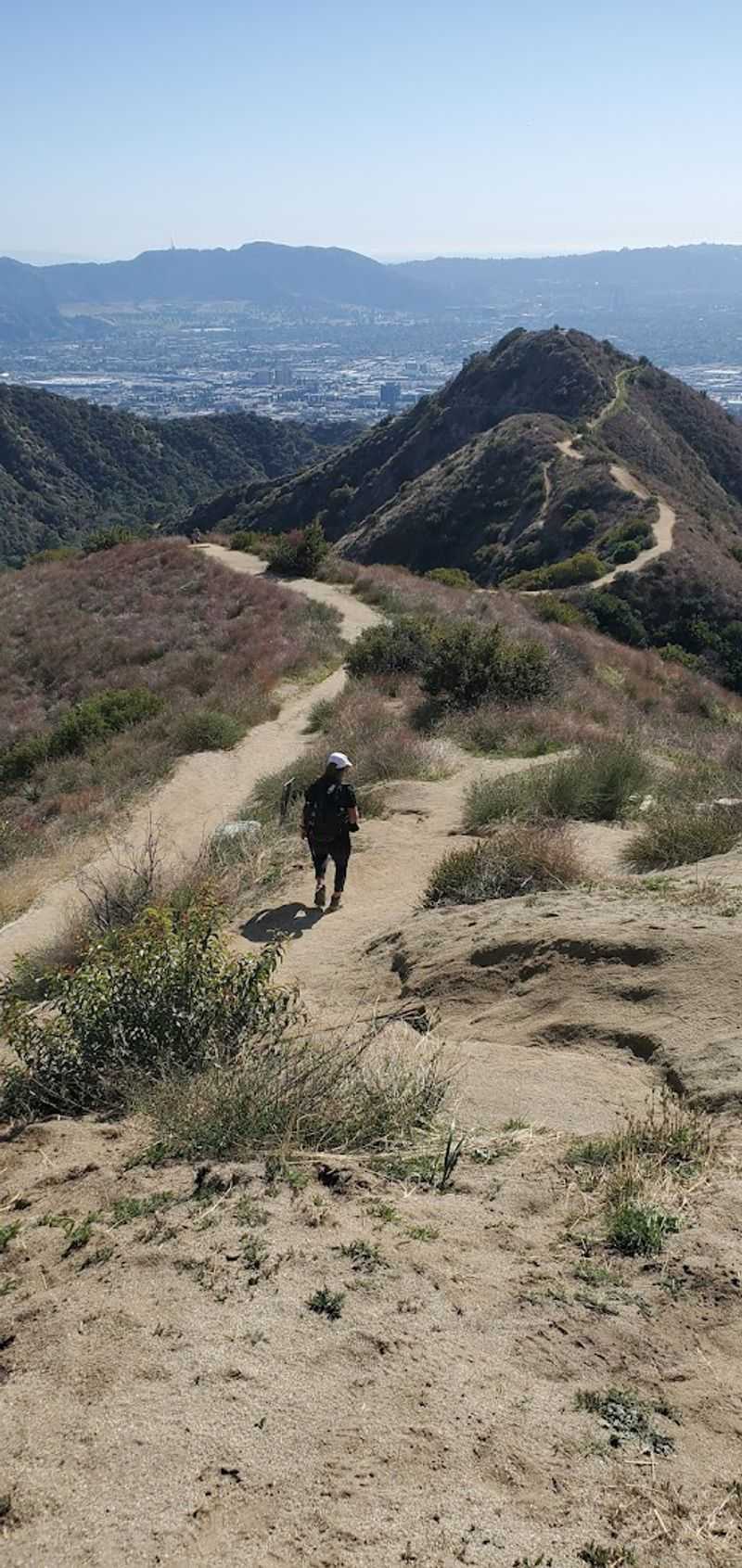
Hidden in the foothills east of San Bernardino, Wildwood Canyon State Park offers a hiking experience that feels genuinely removed from the surrounding Inland Empire sprawl.
Old valley oaks spread wide canopies over sections of the Wildwood Canyon Trail, creating pockets of shade that make warm afternoons far more comfortable than the exposed hillside alternatives in the region.
The park is relatively low profile meaning the trailhead rarely sees the kind of crowding that similar parks closer to Los Angeles experience.
Foothill grasslands open up between oak groves, offering views across the canyon that feel unhurried and spacious.
The trail follows the canyon floor in sections before climbing through mixed scrub and oak woodland, giving the route a varied texture that keeps the walk interesting.
Bird activity here tends to be lively, with acorn woodpeckers, western bluebirds, and red-tailed hawks all common sightings depending on the season.
The park is managed by California State Parks and is open year-round, though summer afternoons can get warm enough to make morning starts preferable.
Trail surfaces range from packed dirt to loose gravel, and the overall elevation change is moderate enough to suit hikers of varying experience levels.
Bringing a camera is worth the extra weight given how frequently the oak light creates genuinely beautiful moments along the path.
7. Joshua Tree National Park, Lost Palms Oasis Trail
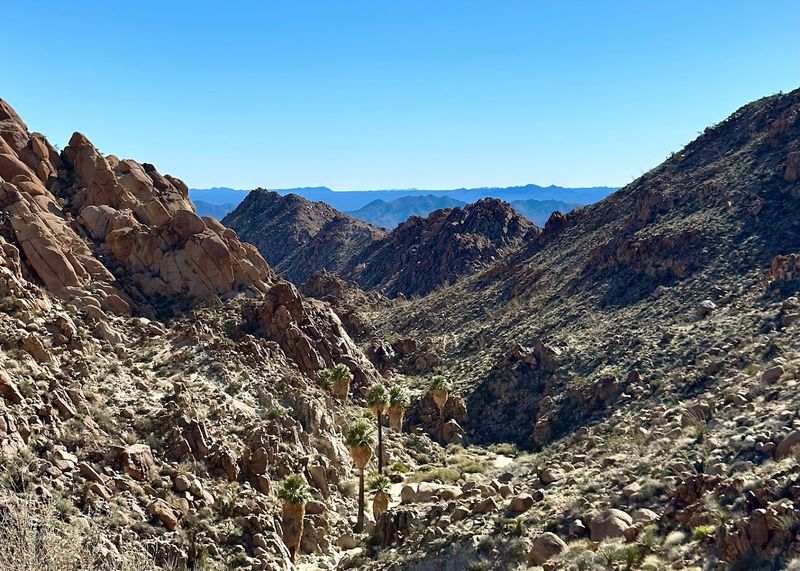
Joshua Tree National Park is well-known for weekend crowds, but the National Park Service specifically recommends less-traveled routes for visitors hoping to avoid peak congestion.
Starting from Cottonwood Spring Road in the park’s southern section, this trail covers roughly eight miles round trip through a boulder-strewn desert landscape that feels noticeably quieter.
The Cottonwood area sits far enough from the main park hubs that the parking lot rarely reaches capacity even on busy weekends.
The trail passes through open desert flats before dropping into a canyon that shelters the largest collection of native California fan palms in the park.
The oasis itself feels genuinely surprising after miles of open desert walking, with the sound of rustling palm fronds replacing the dry silence of the approach.
Bighorn sheep use the canyon regularly, and patient hikers who rest quietly near the oasis sometimes spot them on the rocky slopes above.
Carrying at least three liters of water per person is the standard recommendation for this trail given the exposed terrain and distance.
Starting before 8 a.m. in spring and fall makes the walk considerably more comfortable. Sun protection including a hat and sunscreen is essential since shade is almost entirely absent until the oasis itself.
8. Anza-Borrego Desert State Park, Hellhole Canyon Trail
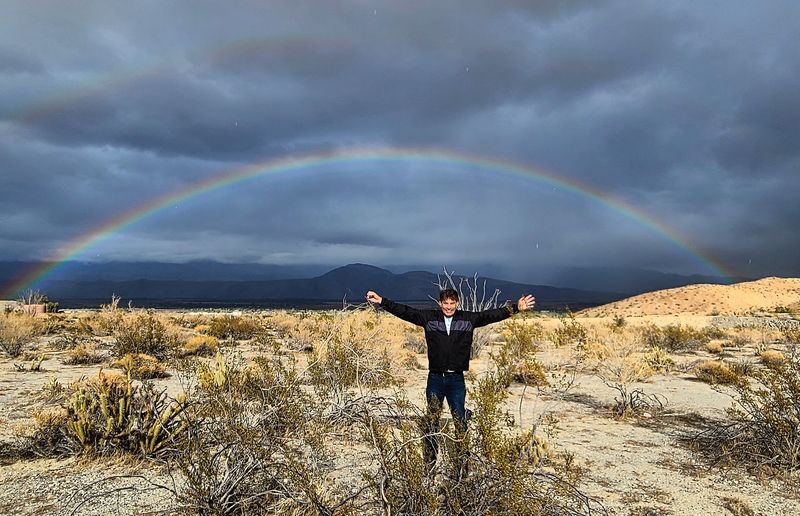
California’s largest state park covers more than 600,000 acres, and that scale alone means that stepping away from the main visitor center area quickly leads to genuine solitude.
Hellhole Canyon Trail ventures into a rocky desert wash that eventually leads to a palm oasis, offering a completely different texture from the flat desert floor near the road.
The trail follows a sandy wash through increasingly dramatic canyon walls before arriving at a spring-fed fan palm grove that feels like a genuine discovery.
Bighorn sheep are occasionally spotted on the canyon walls above, and the silence in the deeper sections of the wash can be striking on a calm day.
Spring wildflower season brings more visitors to the park overall but rarely pushes crowds deep into canyon routes like this one.
Summer visits to Anza-Borrego require serious heat preparation, and most experienced desert hikers stick to cooler months between October and April.
The trail is not heavily marked in all sections, so downloading an offline map or bringing a printed version adds a useful layer of navigation confidence.
Sunrise starts make the canyon walls glow in shades of orange and rust that are worth the early alarm.
9. Fern Canyon via James Irvine Trail, Prairie Creek Redwoods State Park
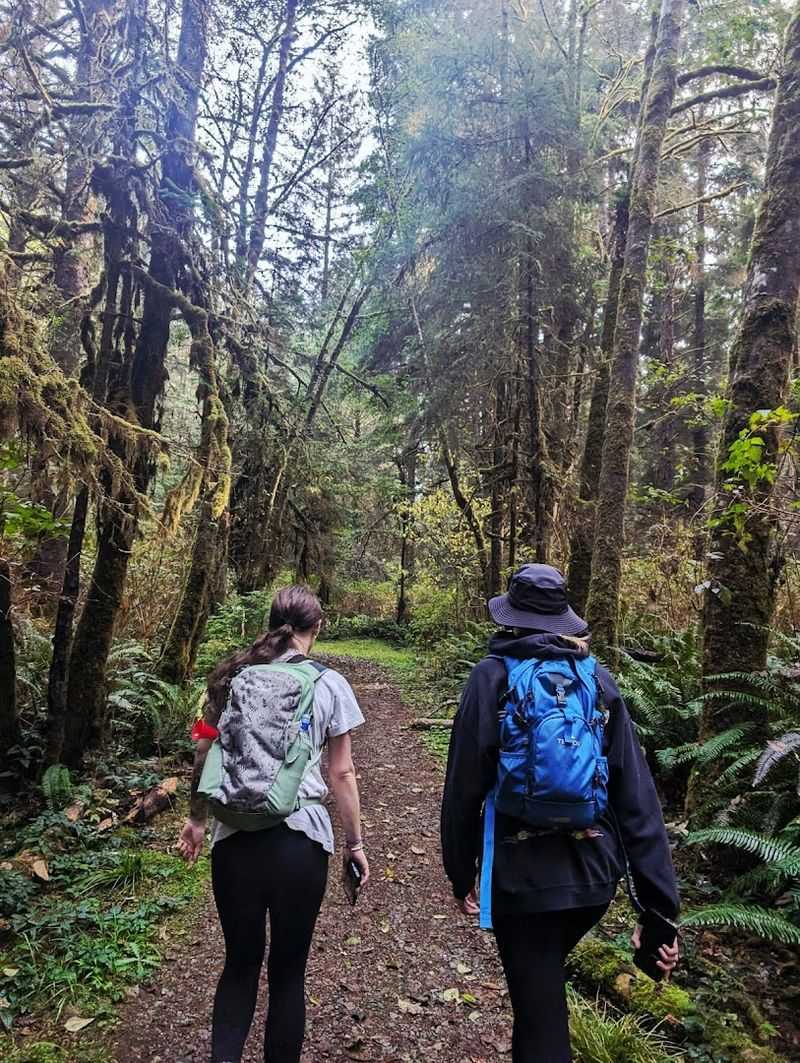
Fern Canyon draws visitors who arrive by the short drive-in route, but the James Irvine Trail approach turns the same destination into a full-day wilderness experience that most of those visitors never attempt.
The James Irvine Trail begins near the park visitor center before winding roughly ten miles through old-growth redwood forest to reach the canyon.
The length alone thins the crowd to almost nothing along the trail corridor, even when the canyon itself sees steady traffic from the shorter access route.
Redwood canopy overhead creates a filtered light that shifts from golden to green depending on cloud cover and time of day.
The forest floor stays damp and moss-covered throughout most of the year, giving the trail a lush, enclosed quality that feels far removed from the sunny parking areas.
Stream crossings near Fern Canyon may require getting feet wet in wetter months, which adds a small adventure element to the approach.
The full James Irvine Trail loop combined with Fern Canyon covers around eleven miles and takes most hikers between five and seven hours.
Starting early in the morning means arriving at the canyon before the drive-in crowd builds during midday.
Layers are worth packing since coastal redwood temperatures can drop quickly even on sunny afternoons.
10. Huddart Park, Crystal Springs Trail
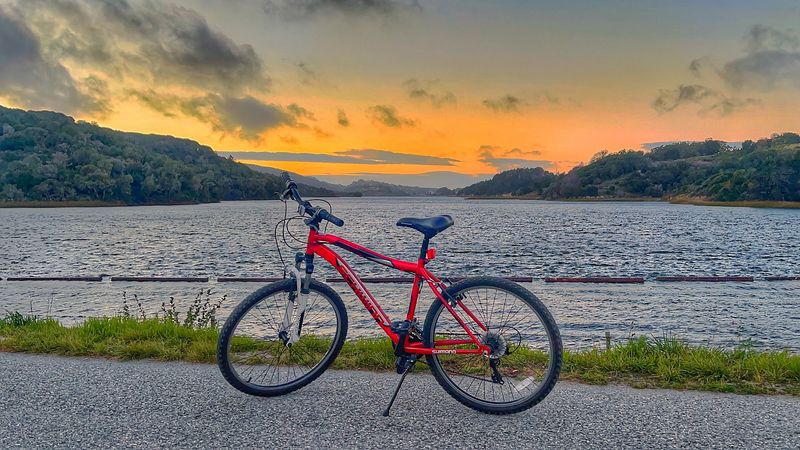
Wooded, cool, and reliably calm even when the rest of the Bay Area is packed with weekend hikers, Huddart Park holds a particular appeal for anyone who values shade and forest atmosphere over ocean views or summit glory.
The Crystal Springs Trail winds through a mix of redwood, Douglas fir, and oak forest that creates a dense canopy cover making the temperature noticeably lower than the surrounding open hillsides.
Trail surfaces stay soft underfoot through much of the route thanks to accumulated leaf litter and forest duff, which gives the walk a quiet quality that feels different from the rocky or paved paths common elsewhere.
Banana slugs, ferns, and moss-covered logs appear regularly along shaded sections, adding small natural details that reward a slower walking pace.
The park connects to a larger trail network including Phleger Estate and the surrounding open space, allowing longer loops for hikers who want to extend the experience.
Parking at Huddart fills on sunny weekends but rarely reaches the overflow levels seen at more famous parks in the area. The day-use fee is modest and collected at the entrance kiosk.
Mornings tend to offer the best light filtering through the canopy, and the forest holds a particular stillness in the hour after sunrise that makes early visits genuinely worthwhile.