These 12 Idaho Towns Are So Affordable, Living On Social Security Actually Works
Retirement math has a rude habit of turning every grocery receipt into a tiny personal attack.
Idaho offers a little breathing room for people trying to make Social Security stretch without turning life into a spreadsheet with furniture.
No state tax on benefits helps.
Lower-cost towns help even more.
Small farming communities, river towns, and quieter service hubs give retirees options that feel practical without feeling completely stripped down.
Monthly bills still matter, of course, but some places make the numbers look less hostile.
Fresh air, slower streets, and wide-open views do not pay the electric bill, but they do make budgeting feel slightly less grim.
These twelve towns show how far careful planning can go in the right corner of the Gem State.
1. Burley
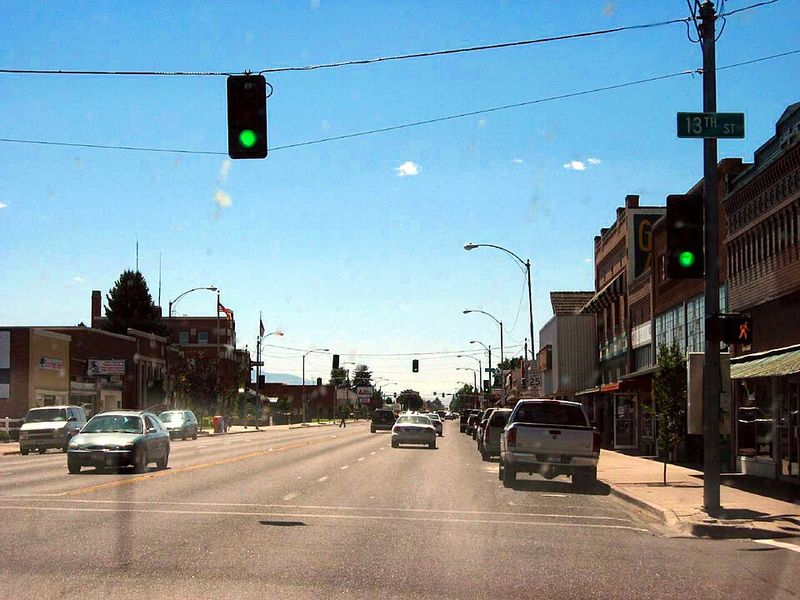
River scenery and small-city convenience make Burley one of the strongest budget picks in south-central Idaho. BestPlaces lists two-bedroom rent at about $840 per month, far below the national average, which gives retirees more room for groceries, utilities, prescriptions, and everyday needs.
The town sits along the Snake River, so residents get access to peaceful views and outdoor recreation without paying resort-town prices. Grocery stores, local clinics, diners, and basic services are easy to reach, keeping day-to-day life simple for retirees who do not want constant long drives.
Nearby farmland gives Burley a grounded, practical feel, while community events and local markets add enough activity to keep life from feeling isolated. Social Security goes further here because housing does not swallow the entire monthly check.
For retirees who want affordability, river access, and a steady small-town rhythm, Burley feels like a sensible place to stretch a budget.
2. Rupert
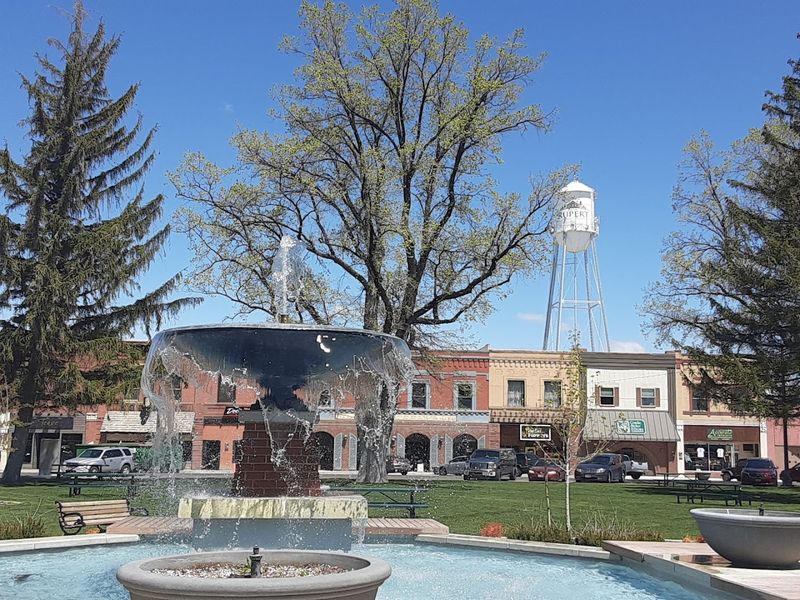
Old-fashioned community spirit gives Rupert real appeal for retirees who want lower bills without losing a sense of belonging. BestPlaces estimates two-bedroom rent around $830 per month, making it one of the most affordable rental markets on this list.
That kind of housing cost can make a fixed income feel far less strained, especially when paired with Idaho’s exemption on Social Security benefits. Rupert sits in the Magic Valley, surrounded by agricultural land and practical small-town services.
Residents get a slower pace, less traffic, and the kind of everyday convenience that matters more with age: groceries nearby, short errands, and a community where people still recognize familiar faces. The town square and local events add personality without expensive entertainment costs.
For retirees who value calm streets, modest rents, and friendly neighbors, Rupert offers a strong combination of savings and comfort. It is not flashy, but that is exactly why it works so well for careful monthly budgeting.
3. Blackfoot
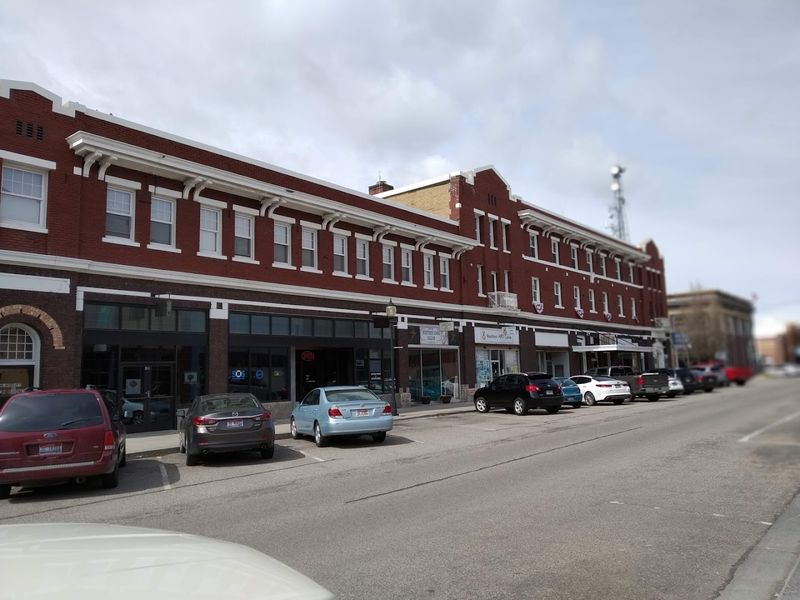
Potato-country pride gives Blackfoot a quirky identity, but the affordability is what makes it especially useful for retirees. BestPlaces lists two-bedroom rent at around $840 per month and says typical home costs sit below both the national average and the Idaho average.
Current rental platforms can show higher live apartment averages, so shoppers should compare listings carefully before making plans, but the overall cost profile still looks favorable compared with many growing western cities. The town offers grocery stores, medical services, local restaurants, and easy access to Pocatello for broader needs.
Seasonal events and the Idaho Potato Museum add small-town character without requiring a big entertainment budget. Blackfoot works best for retirees who want practicality over polish.
Monthly costs can stay manageable, errands are not complicated, and the surrounding landscape keeps life tied to open space and agriculture. For anyone trying to make Social Security stretch without moving too far from city services, Blackfoot deserves a serious look.
4. American Falls
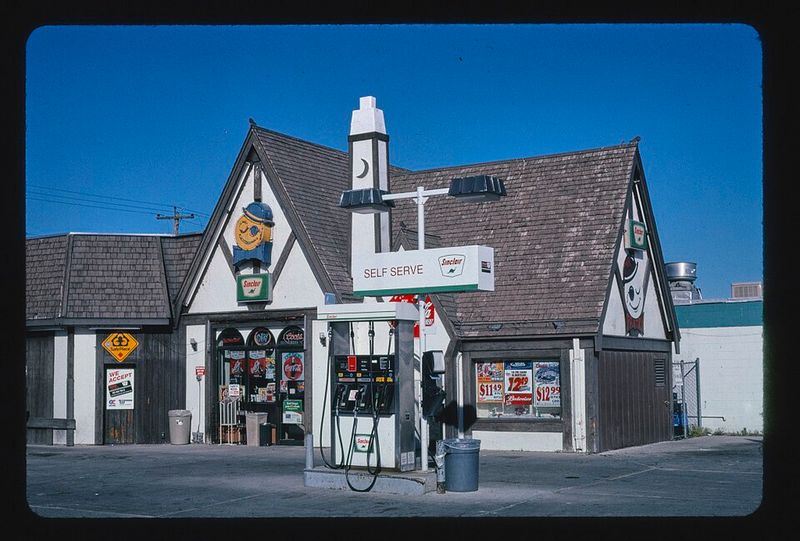
Reservoir views give American Falls a scenic advantage that usually costs far more in other parts of the West. BestPlaces lists two-bedroom rent at about $890 per month, with typical home costs around $252,200, placing the town within reach for many retirees watching fixed-income budgets.
Fishing, boating, walking areas, and quiet water views add lifestyle value without requiring expensive memberships or constant travel. The town stays practical rather than resort-like, which helps keep everyday costs grounded.
Essential services are available locally, while Pocatello remains close enough for larger medical or shopping needs. Retirees who like open skies, slower traffic, and outdoor recreation can find plenty to appreciate here.
Housing markets can shift, so checking current listings is still important, but American Falls offers a strong mix of affordability and natural beauty. For retirees who want water nearby without paying luxury-lake prices, this small community makes a surprisingly convincing case.
5. Pocatello
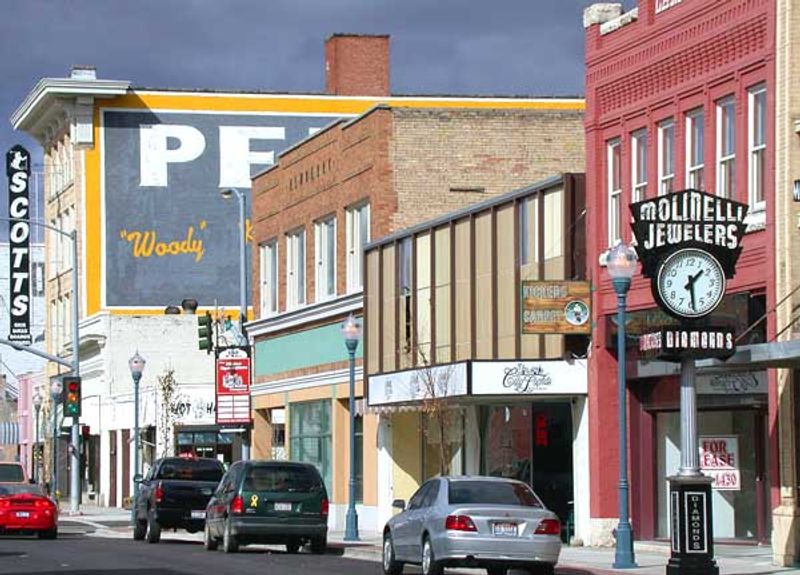
University energy and full-service convenience make Pocatello one of the most balanced retirement options in the state. BestPlaces lists two-bedroom rent around $900 per month, while Realtor.com’s rental snapshot shows a median apartment rent near $1,000, giving retirees useful context from more than one source.
The city is large enough to offer hospitals, clinics, public transit options, restaurants, shopping, and cultural events connected to Idaho State University. That matters for retirees who do not want to sacrifice services just to save money.
Outdoor recreation also stays close, with the Portneuf Range and local trails offering inexpensive ways to stay active. Pocatello’s appeal comes from the combination of lower costs and real infrastructure.
Smaller towns may be cheaper, but they cannot always match this level of access. For retirees relying heavily on Social Security, Pocatello offers a practical middle ground: affordable enough to consider, but developed enough to support daily life comfortably.
6. Weiser
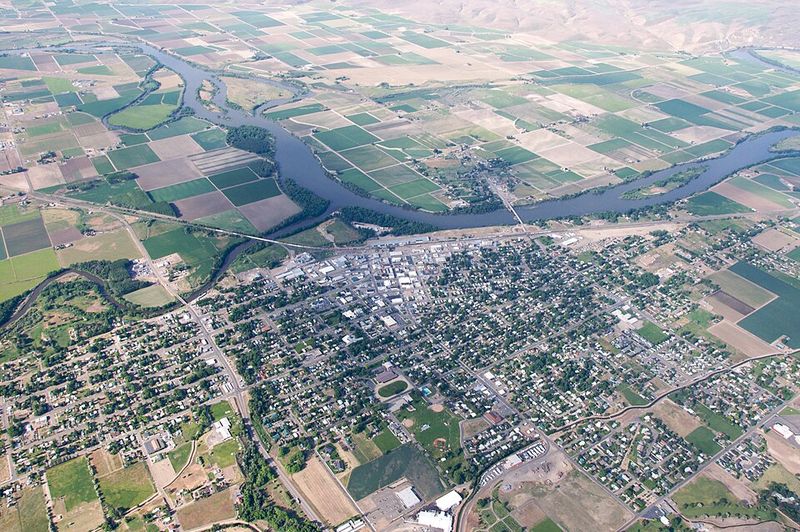
Fiddle music, river country, and low housing costs give Weiser a charming fixed-income profile. BestPlaces places two-bedroom rent around $920 per month, while Apartments.com’s rent-trend page shows even lower averages for two-bedroom apartments, though live availability can be limited and should always be checked directly.
The National Oldtime Fiddlers Contest gives the town a strong cultural identity, but the everyday appeal is quieter: friendly streets, local shops, nearby outdoor recreation, and a manageable pace. Retirees can enjoy fishing, community events, and small-town routines without needing a large monthly entertainment budget.
Weiser’s size keeps errands simple, while its western location gives residents access to nearby services in surrounding communities. Housing costs are the key draw, especially for retirees trying to protect room in the budget for healthcare, transportation, and groceries.
For anyone who wants affordability with a real sense of local tradition, Weiser feels warm, practical, and easy to understand.
7. Payette
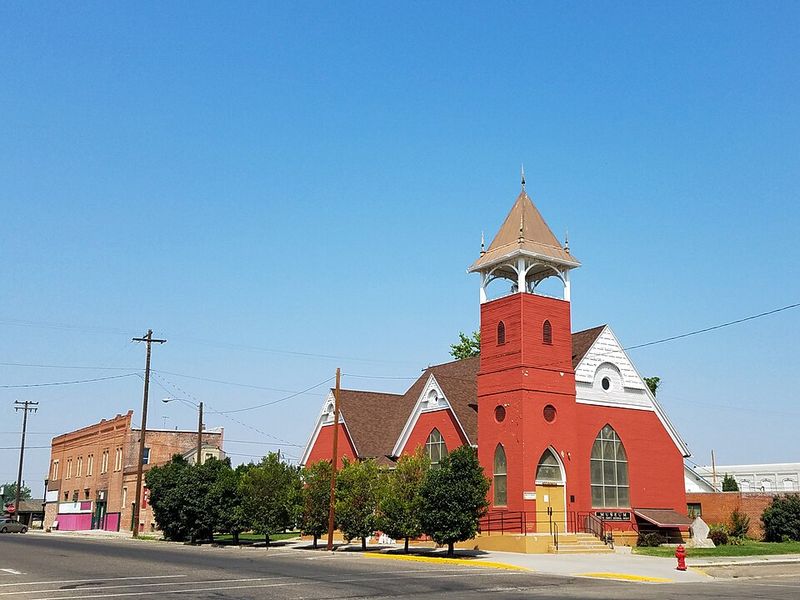
Orchards, rivers, and small-town affordability help Payette stand out for retirees seeking value near the Oregon border. BestPlaces lists two-bedroom rent at about $940 per month, though live rental listings can vary, so current availability needs careful checking.
The town sits near the meeting point of the Payette and Snake rivers, giving residents access to scenery and outdoor recreation without the price tag of more famous western communities. Local grocery stores, community events, and nearby services make daily living manageable, while the surrounding agricultural region helps preserve a grounded, unpretentious feel.
Payette also benefits from proximity to Ontario, Oregon, and other nearby communities, giving retirees more options for shopping and appointments without needing to live in a larger city. Social Security can stretch further when rent stays modest and recreation does not require constant spending.
For retirees who like fruit-growing country, river access, and a quieter lifestyle, Payette offers a practical and appealing place to consider.
8. Mountain Home
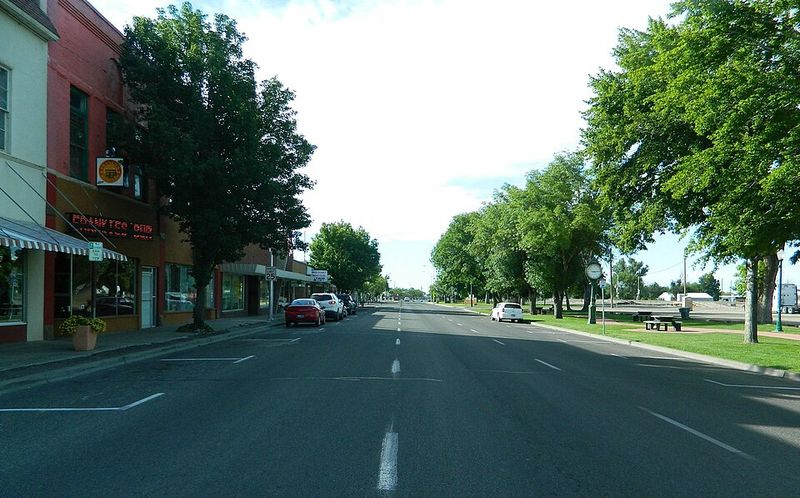
High desert scenery and lower Treasure Valley pressure make Mountain Home a practical option for retirees who want access without Boise-area prices. BestPlaces lists two-bedroom rent at about $940 per month, placing it below the national average and below many fast-growing communities closer to the state capital.
The town sits between Boise and Twin Falls, giving residents a useful position for regional travel while keeping the local pace straightforward. Grocery stores, medical clinics, local restaurants, and everyday services cover basic needs, and Boise remains roughly an hour away for larger hospitals, specialists, and major shopping.
Outdoor recreation stretches across the surrounding desert, reservoirs, and open country, offering low-cost ways to stay active. Mountain Home works best for retirees who prefer practicality over charm-heavy tourism.
It is not trying to be a resort town, which helps keep costs more realistic. For Social Security budgets, that no-frills character can be exactly the advantage.
9. Lewiston
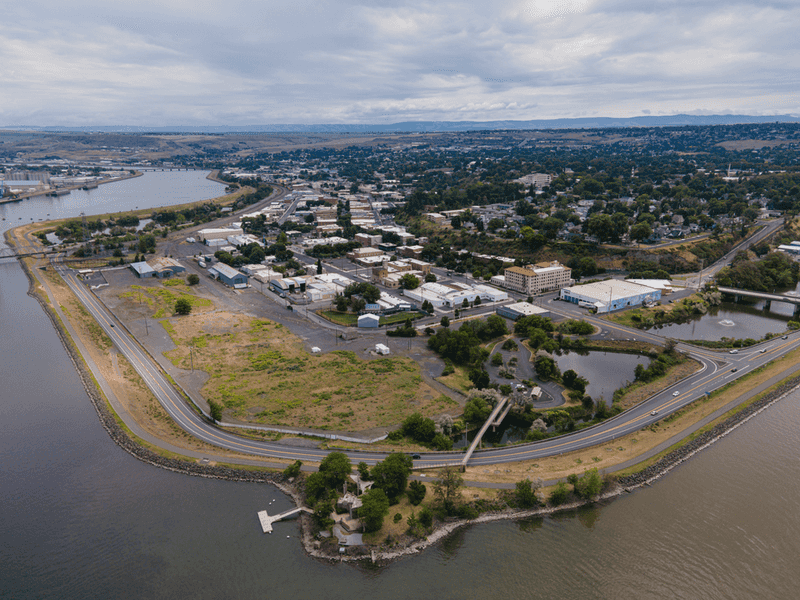
River-valley convenience gives Lewiston a strong advantage for retirees who want services without the harshest northern winters. BestPlaces lists two-bedroom rent around $980 per month, while current rental platforms show higher live averages, so retirees should compare real listings before committing.
Even with that caution, Lewiston remains appealing because it offers more infrastructure than many smaller towns. Hospitals, specialty providers, restaurants, shopping centers, river trails, and community events make daily life easier for older adults who do not want to drive long distances for every appointment.
The Snake and Clearwater rivers shape the town’s identity and provide scenic walking, fishing, and recreation options. Lower elevation also gives Lewiston a milder climate than much of the state, which can matter for retirees tired of heavy winter conditions.
The town is especially strong for people who want affordability balanced with full-service convenience. Social Security stretches better when a place offers both manageable costs and the services needed for long-term comfort.
10. Twin Falls
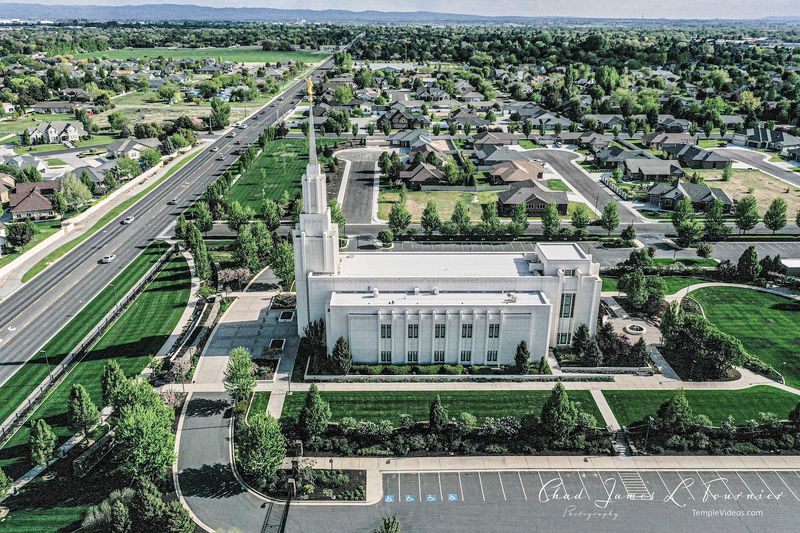
Waterfalls, healthcare, and shopping access make Twin Falls one of the most complete retirement choices in southern Idaho. BestPlaces lists two-bedroom rent around $1,010 per month, though Apartments.com shows higher current two-bedroom averages, which means retirees should verify live listings before budgeting around a specific number.
The city offers more medical infrastructure than many smaller towns, including major healthcare services, which is a serious advantage for older residents. Shoshone Falls, the Snake River Canyon, local parks, farmers markets, and restaurants add quality of life without requiring a big-city budget.
Twin Falls has grown, so it may not feel as cheap as the smallest towns on this list, but it gives retirees more convenience in exchange. That balance can matter more than the lowest rent figure alone.
For people living on Social Security, the city works best with careful housing choices and modest spending. In return, retirees get scenery, services, and a community large enough to feel active year-round.
11. Jerome
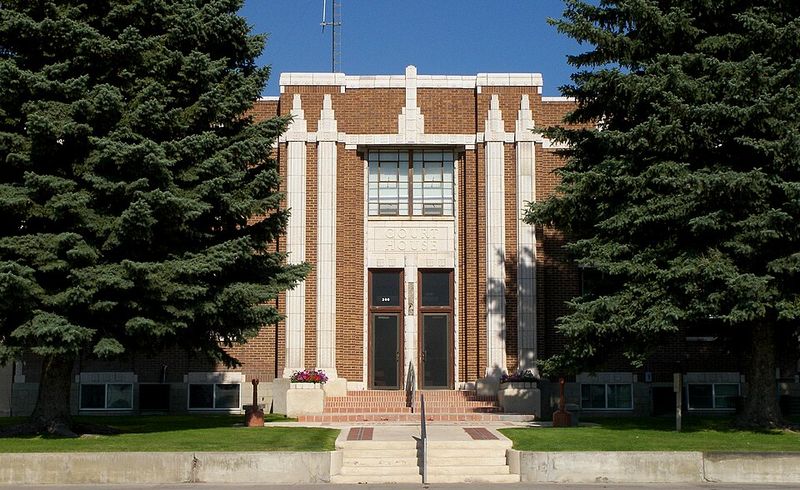
Budget-minded retirees often overlook Jerome, but the numbers make it worth a closer look. BestPlaces gives Jerome a cost-of-living score of 89.3, meaning it comes in below the U.S. average, and lists two-bedroom rent around $1,020 per month.
Other live listing sources can show higher averages, so current rental shopping matters, but Jerome still has a practical affordability profile compared with many western communities. Its location near Twin Falls gives residents access to bigger-city shopping, hospitals, restaurants, and recreation without necessarily paying Twin Falls prices.
The local economy is tied strongly to agriculture and dairy, which gives the town a hardworking, grounded character. Retirees who prefer quiet streets and practical services may find that Jerome fits better than more polished destinations.
Outdoor options around the Snake River Canyon remain close, and everyday errands stay manageable. For Social Security budgets, Jerome’s biggest strength is simple: it keeps retirees near useful services while still offering a lower-cost small-town base.
12. Chubbuck
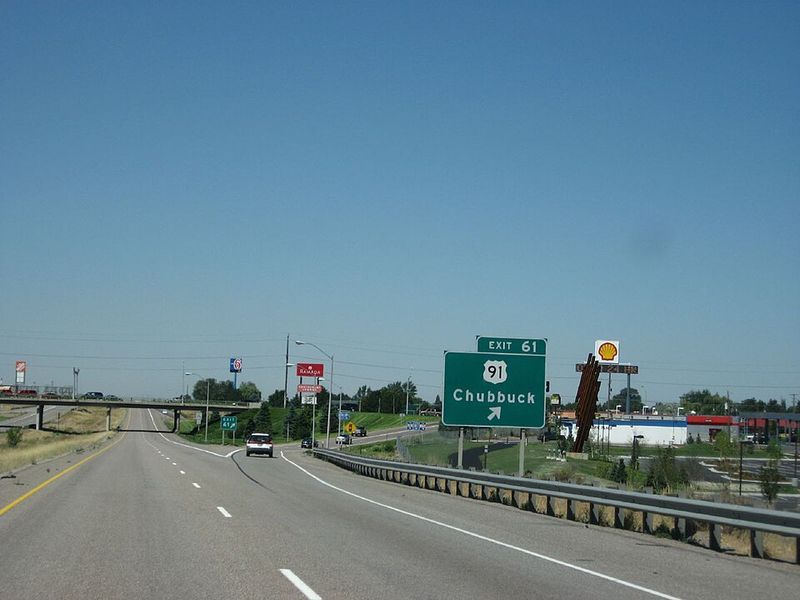
Suburban convenience near Pocatello makes Chubbuck a sensible choice for retirees who want services close by without moving into a much larger city. BestPlaces lists two-bedroom rent around $990 per month for the 83202 ZIP code, while Apartments.com shows a higher May 2026 two-bedroom average around $1,312, so the most accurate budget will depend on current listings and neighborhood choice.
The key advantage is access. Residents stay close to Pocatello-area hospitals, shopping, restaurants, pharmacies, and Idaho State University events while living in a smaller community with its own identity.
Grocery stores and daily services are easy to reach, and the broader metro area gives retirees more options than a remote rural town could provide. Chubbuck may not be the cheapest place on the list by every rental measure, but it offers a useful blend of affordability and convenience.
For retirees who want Social Security to stretch without giving up nearby medical care or shopping, this southeastern Idaho community remains a practical contender.