This Crumbling Old Gold Rush Town Still Stands Like A Forgotten Frontier Time Capsule
Old streets can make silence feel louder.
Weathered buildings lean into the dust, while empty windows hold their stare. One worn boardwalk turns a simple stop into a strange little confrontation with the past.
A ghost town this intact makes California history feel a little too close for comfort. Now that is the kind of road trip detour that gets under your skin.
Gold Rush history usually sounds distant until the setting starts doing the talking.
The sound of a cracked doorway. A faded storefront. A spooky jail cell that looks like everyone stepped away five minutes ago.
Nothing needs to be polished for the atmosphere to land. In fact, the rough edges make it better. A place like this feels frozen in the middle of an unfinished sentence.
Would you want to walk through a town that looks forgotten but somehow refuses to disappear?
The Gold Discovery That Started It All
Back in the summer of 1862, a small prospecting party was working along a creek in what would become southwest Montana when they struck something that changed the entire region forever.
Gold was found at Grasshopper Creek on July 28, 1862, marking Montana’s first major gold discovery and setting off one of the most dramatic population explosions the frontier had ever seen.
Word traveled fast in those days, even without modern communication, and within months the trickle of hopeful miners turned into a flood.
The creek itself is modest looking, winding through dry, open terrain that gives little hint of the chaos it once inspired. Standing near it today, the silence feels almost strange given what once happened there.
Bannack State Park in Montana preserves this origin story well, and the landscape around Grasshopper Creek still looks much as it did when those first prospectors arrived.
Visiting in summer means the creek may be running low but the surrounding hills glow golden in the afternoon light, which adds a quietly poetic layer to the whole experience.
From Empty Valley To Boomtown In Months
Few places in American history went from nothing to everything quite as fast as Bannack did in 1862 and 1863.
A valley that held only creek water and sagebrush in early 1862 was packed with over 3,000 people by the following year, and estimates suggest the population may have peaked closer to 10,000 at its height.
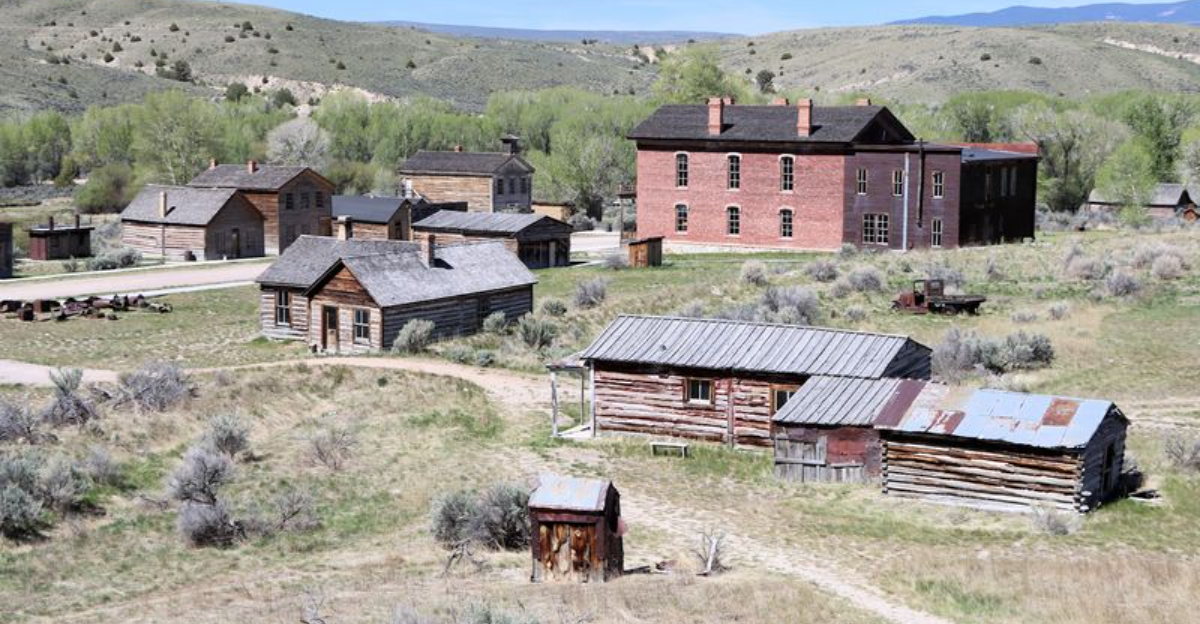
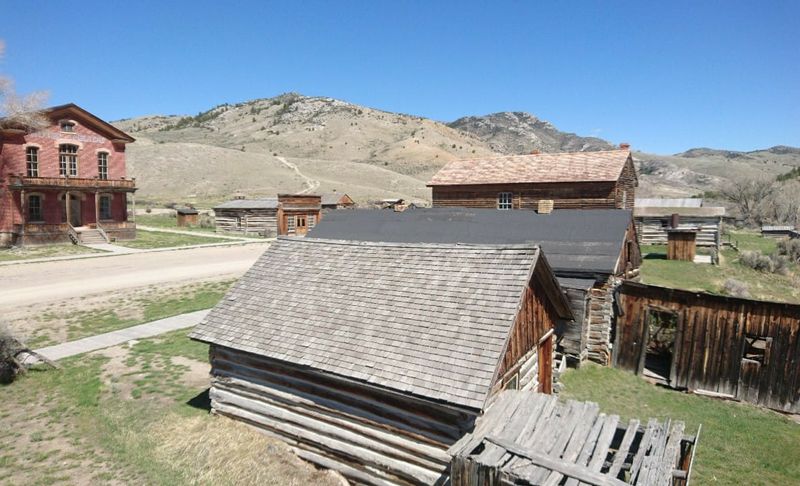
Hotels, bakeries, blacksmith shops, meat markets, a grocery store, a restaurant, stables, and even a billiard hall all appeared along what became Main Street.
The speed of that growth is hard to fully grasp when walking through the quiet ruins today, but the density of buildings still lining the street gives a strong sense of how tightly packed and active the town once was.
Most of those original structures are still standing in Bannack State Park, and the state’s preservation philosophy focuses on stabilizing rather than restoring them.
This means the buildings look genuinely aged rather than freshly painted for tourists.
That honest, unpolished quality is exactly what makes a walk down Main Street feel so different from a typical historic attraction.
Montana’s Very First Territorial Capital
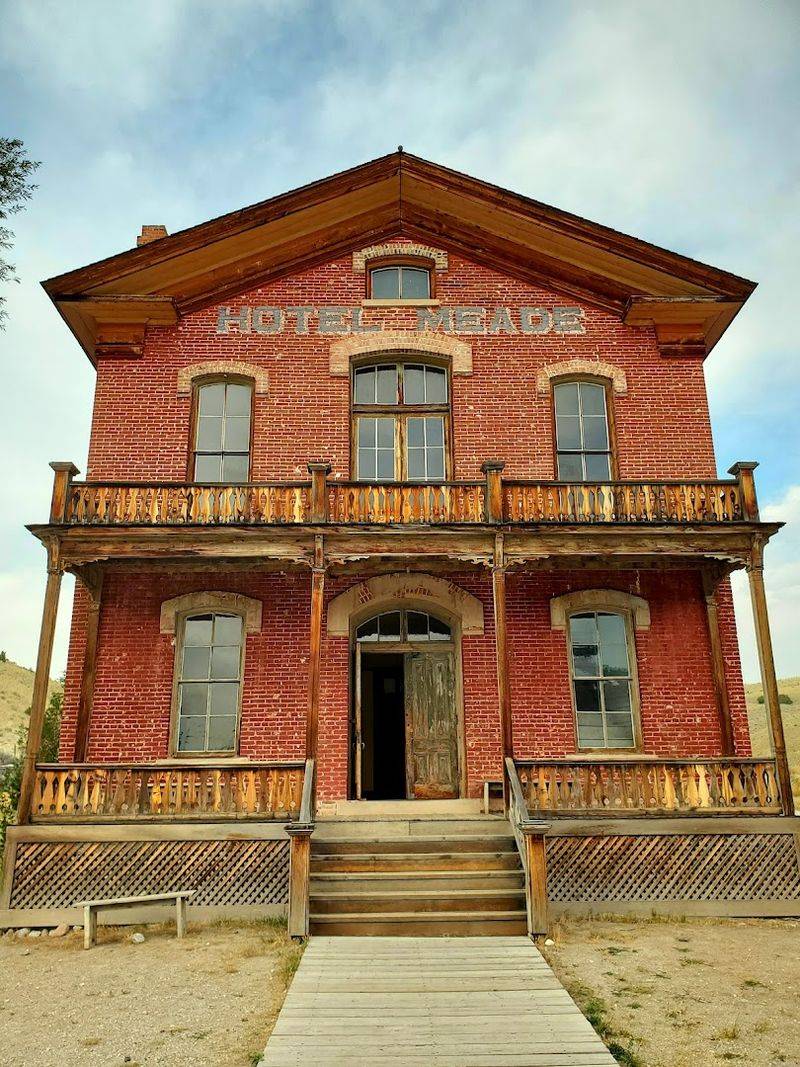
Not many ghost towns can claim they were once the seat of government for an entire territory, but Bannack holds that distinction.
In 1864, Bannack was designated as the first territorial capital of Montana, a title that came with real political weight even if the town itself was still rough around the edges.
The capital status did not last long, as Virginia City took over just a year later following the massive gold strikes at Alder Gulch that drew population eastward.
Still, the brief moment when Bannack served as a governmental center left its mark on the town’s architecture and ambition.
Buildings went up with a certain permanence in mind, which may partly explain why so many of them are still standing today.
Walking through Bannack State Park in Montana, the scale of some structures feels surprisingly substantial for a frontier settlement.
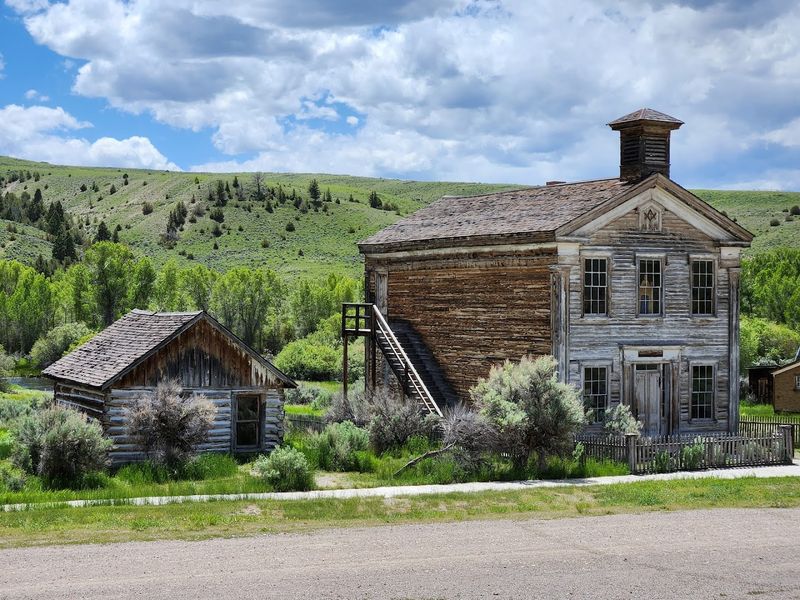
The old Hotel Meade, for example, is a two-story building that once served as a courthouse and school in addition to a hotel, reflecting the town’s layered civic identity.
That kind of architectural ambition in such a remote valley is a quiet reminder that Bannack was never meant to be temporary, even if time eventually made it so.
Lawlessness, Road Agents, And Vigilante Justice
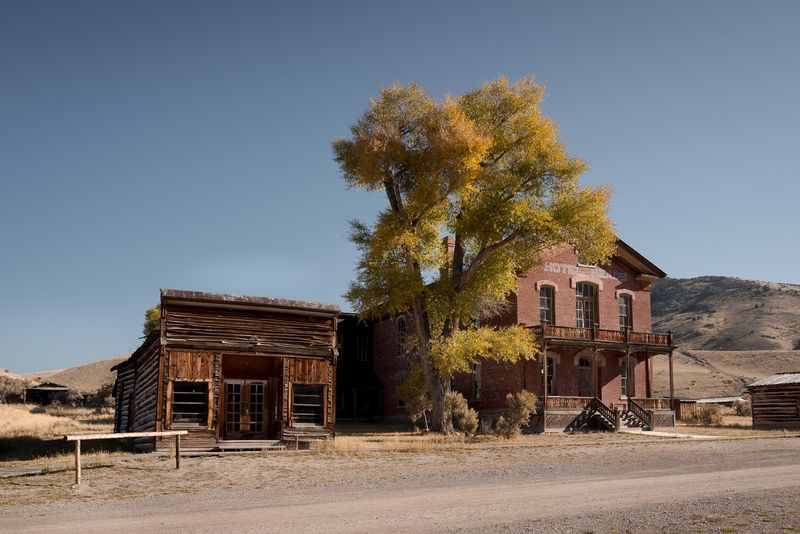
Gold towns attracted opportunity seekers of every kind, and Bannack was no exception to the violence and lawlessness that shadowed the frontier rush.
The town gained a fierce reputation for robberies committed by so-called road agents, organized bandits who preyed on miners and travelers moving through the region.
The story took a darker twist when Henry Plummer, elected as the town’s sheriff in 1863, was later suspected of secretly leading the very gang terrorizing the area.
Whether that accusation was fully accurate remains debated by historians, but the outcome was swift and brutal.
Vigilantes took matters into their own hands and hanged Plummer along with other suspected outlaws, a grim episode that reflects just how thin the line between law and chaos was in early Montana.
The gallows structure at Bannack State Park still stands as a stark physical reminder of that violent chapter.
It is one of the more sobering spots on the self-guided tour, a plain wooden frame that needs no dramatic explanation to make its point.
For visitors interested in the full, unvarnished story of the frontier, this part of Bannack’s history adds a layer of moral complexity that goes well beyond the romance of gold panning.
Why The Town Eventually Emptied Out
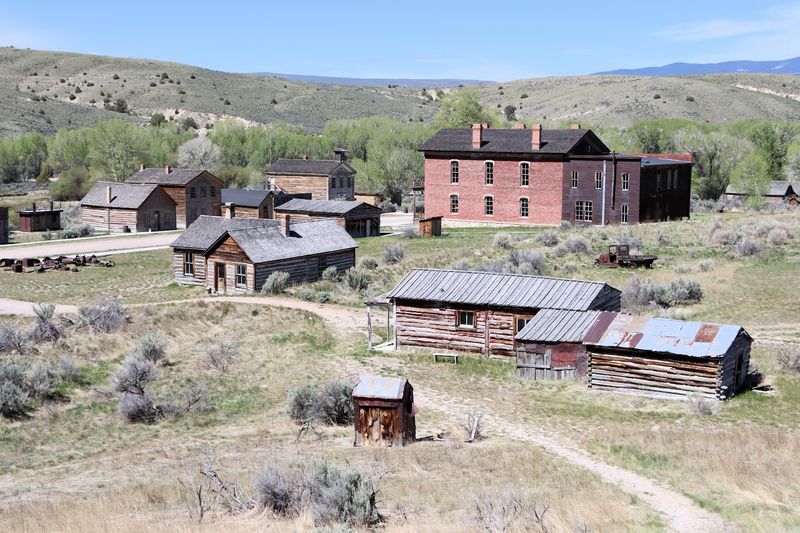
Gold towns live and pass by the ore, and Bannack was no different.
Once the easily accessible placer gold in Grasshopper Creek began to run thin, the economic reason for staying started to disappear just as quickly as it had arrived.
Miners followed the next big strike, and the discovery at Alder Gulch near Virginia City in 1863 pulled thousands of people away almost overnight.
The decline continued steadily through the following decades.
A railroad line built in the 1880s bypassed Bannack entirely, cutting the town off from the kind of commercial connection that could have given it new life.
Without rail access, businesses had little reason to stay, and the population drained away in slow but steady waves.
The last permanent residents did not leave until the 1970s, which means the town did not empty all at once but faded gradually over more than a century.
That long, slow departure gives Bannack a particular kind of melancholy that feels different from towns that were abandoned in a single dramatic event.
Montana’s remote landscape around the site seems to have simply reclaimed the town at its own pace, leaving the buildings weathered but still upright-
Walking The Streets Today At Bannack State Park
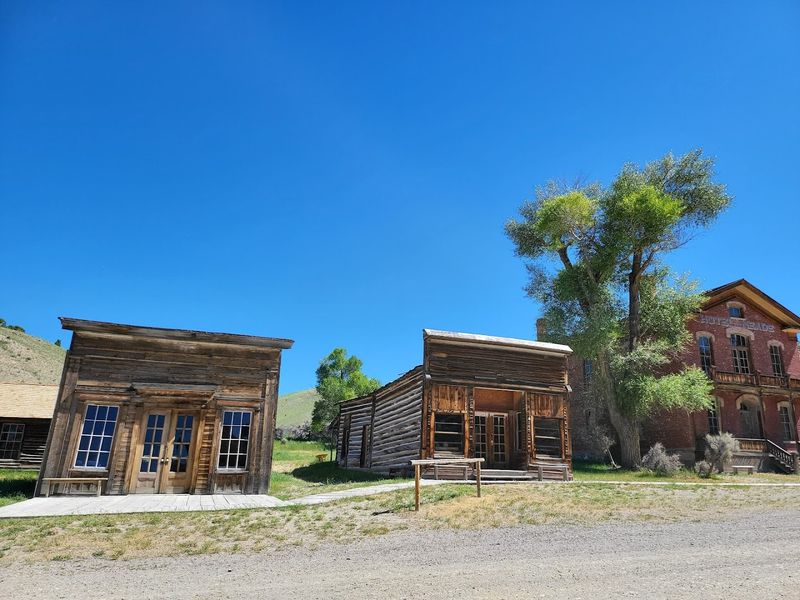
Visiting Bannack State Park today means stepping into a place that feels genuinely unhurried, where the pace of exploration is entirely up to the visitor.
The park offers self-guided tours, which means there is no set schedule, no tour group to keep up with, and no rope barriers separating visitors from the buildings themselves.
Many of the structures can be entered directly, which is a rarity among historic sites and adds a tactile quality to the experience.
Visitors can stand inside old cabins, look up at sagging ceilings, and feel the texture of hand-hewn log walls in a way that photographs simply cannot replicate.
The visitor center is open from Memorial Day through Labor Day, making summer the most practical window for a full visit.
Located at 4200 Bannack Road in Dillon, Montana, the state park is about 25 miles west of Dillon via Highway 278, which means a bit of planning is needed for the drive.
The road to the park is paved for most of the route but becomes gravel near the end, so checking conditions before arrival is a reasonable precaution.
The Preservation Philosophy That Keeps It Honest
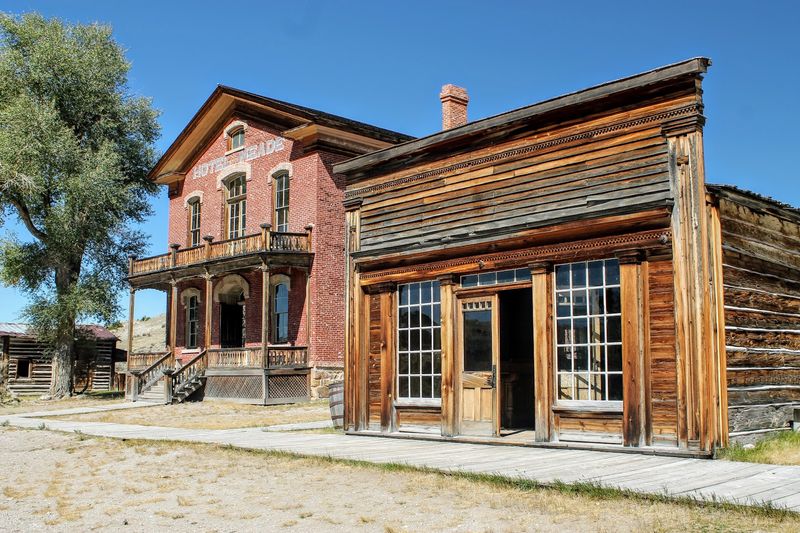
What makes Bannack feel so different from other historic sites is a deliberate choice made by the state of Montana about how to handle the buildings.
Rather than restoring structures to look the way they might have appeared in 1863, the approach is to stabilize and preserve them in their current aged condition, which means visitors see real decay rather than a cleaned-up replica.
Peeling paint, warped floorboards, sunken rooflines, and crumbling plaster are all part of the experience, and that honesty gives the town a weight that polished recreations simply cannot achieve.
The buildings are not pretending to be new, and the weathering tells its own story about the passage of time and the limits of human ambition in a remote landscape.
This philosophy also means the site will continue to change slowly over time as natural deterioration continues, which gives each visit a slightly different character depending on when someone chooses to go.
The state works to prevent collapse while letting the visual history remain visible, which is a careful balance between access and authenticity.
Bannack Days Are When The Ghost Town Comes Alive
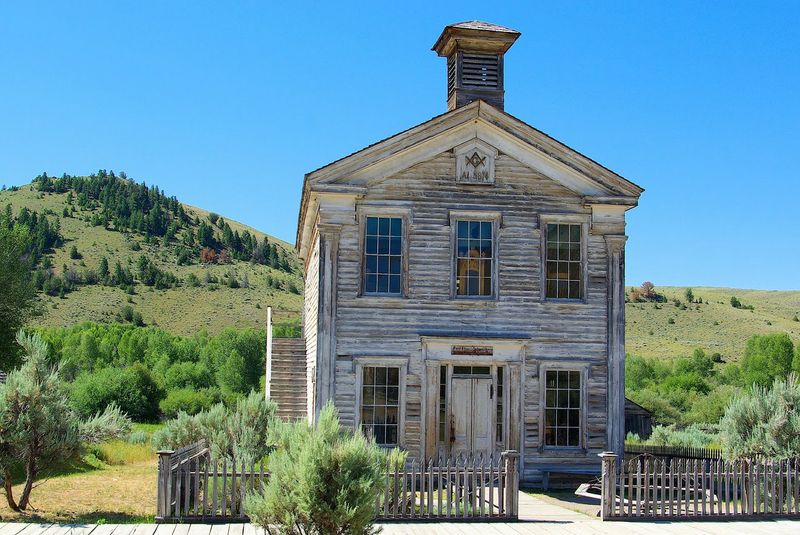
Once a year in July, the silence that normally settles over Bannack breaks open into something much livelier.
Bannack Days is an annual living history event held the third weekend in July at Bannack State Park in Montana.
It brings the gold rush era back to life through demonstrations, crafts, music, and period-costumed reenactors moving through the original streets.
Blacksmithing, candle making, old-fashioned games, and frontier cooking demonstrations give visitors a hands-on sense of what daily life in the 1860s actually looked like, beyond the drama of gold and fights.
Families with kids tend to find the event especially engaging because so much of it is participatory rather than just observational.
The contrast between the weathered ghost town backdrop and the animated human activity creates a striking visual experience.
Planning ahead is worth the effort for Bannack Days since the event draws significantly more visitors than a typical weekend, and the remote location means there are limited last-minute options for food or lodging nearby.
Ghost Walks And The October Atmosphere
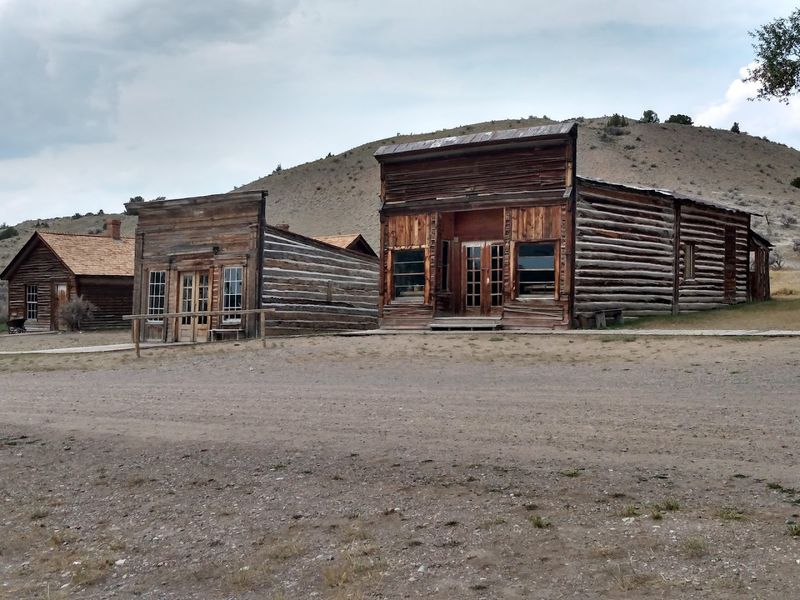
If the daytime version of Bannack carries a quiet eeriness, the October version leans into that feeling with full intention.
Bannack Ghost Walks is an annual autumn event typically taking place in October, where visitors tour the darkened ghost town by lantern light while costumed interpreters bring the town’s more shadowy stories to life.
The crumbling buildings that look atmospheric in daylight become something else entirely after dark, with shadows filling the empty window frames and the sound of footsteps on wooden floors echoing through rooms.
The event is designed to be spooky but historically grounded, drawing on real stories from the town’s past rather than invented horror.
Tickets for the Ghost Walks tend to sell out in advance, so checking the Bannack State Park website early in the fall season is a practical step for anyone planning to attend.
The event is popular with both families looking for a Halloween-adjacent outing and history enthusiasts who appreciate the atmospheric delivery of genuine frontier stories.
What To Know Before Making The Trip
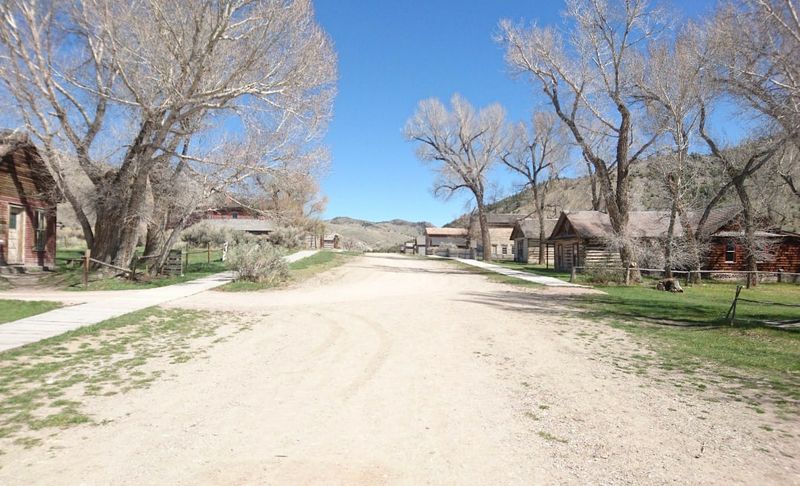
Getting to Bannack requires a bit more planning than visiting a typical state park, and that extra effort is part of what makes the trip feel like a genuine discovery.
The park sits in a remote part of Beaverhead County in southwest Montana, roughly 25 miles west of the town of Dillon, and the final stretch of road is unpaved gravel that can be rough after rain or snow.
Bannack State Park is located at 4200 Bannack Road, Dillon, MT 59725, and the visitor center operates seasonally from Memorial Day through Labor Day, meaning spring and fall visits may have limited services available.
Bringing water, snacks, and sunscreen is a practical choice since the site is exposed and the nearest services are a significant drive away.
Cell service in the area tends to be limited, so downloading an offline map before leaving Dillon is a useful precaution.
The park charges a standard Montana State Parks day-use fee, which is modest and can be confirmed on the official Montana State Parks website before the visit.