This Enchanting Florida Village Feels Straight Out Of A Storybook
I almost drove past it without stopping. One moment I was on a regular Florida highway, and the next, something pulled me off the road.
Call it instinct. Call it curiosity.
Whatever it was, I am glad I listened. This tiny village does not feel like the state most people think they know.
No neon signs. No theme parks.
No rush. Just old oak trees dripping with Spanish moss, waterfront streets that creak with history, and a pace of life that feels almost illegal in today’s world.
Florida has two faces. The one most tourists see is loud, flashy, and built for speed.
But this other side is quiet, painterly, and unhurried in the best possible way. And once you find it, you will wonder how it stayed hidden this long.
A Downtown That Looks Frozen In The Best Way Possible
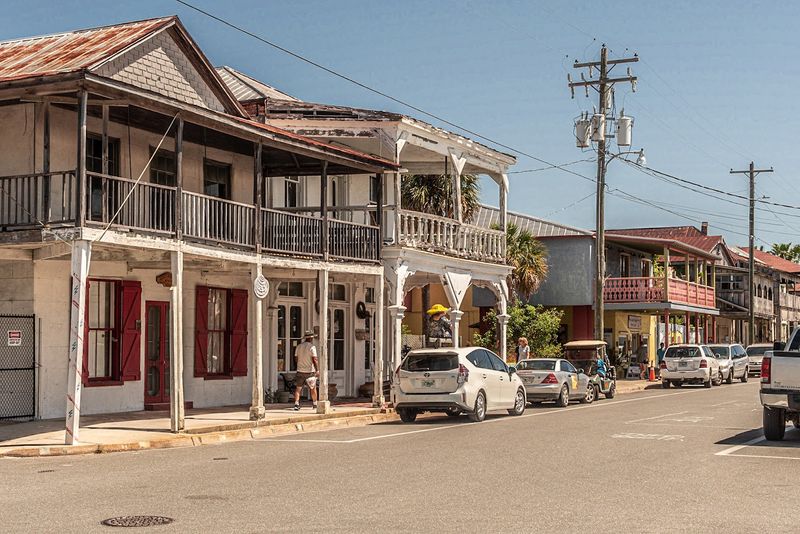
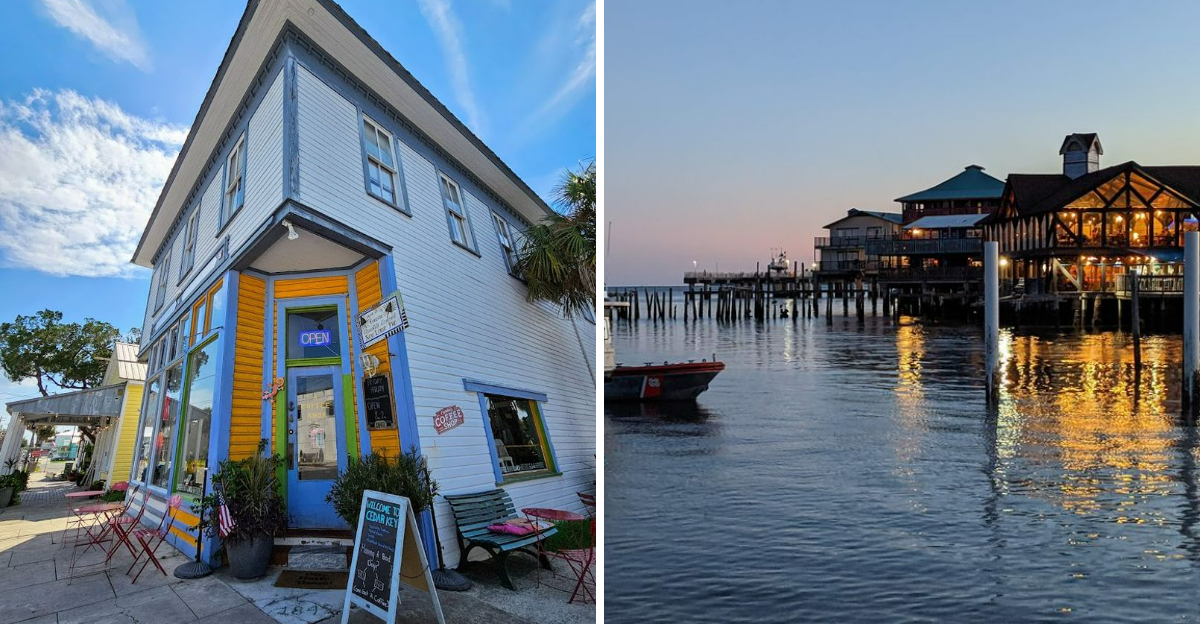
Old buildings have a way of telling stories without saying a single word. Cedar Key’s downtown still has historic buildings and old Florida character, and walking through it feels like flipping through a well-worn history book.
The streets are unhurried, the storefronts are charming, and nothing feels rushed or manufactured.
You will not find a single chain restaurant or big-box store here. Every shop is locally owned, every gallery reflects the community’s artistic spirit, and every corner has its own personality.
The absence of corporate signage alone makes this place feel refreshingly rare.
Some streets even narrow or bend around towering old trees, because the town was built around nature rather than over it. That small detail says everything about Cedar Key’s character.
It is a place that chose charm over convenience, and it shows beautifully.
Dock Street And The Magic Of Buildings Over Water
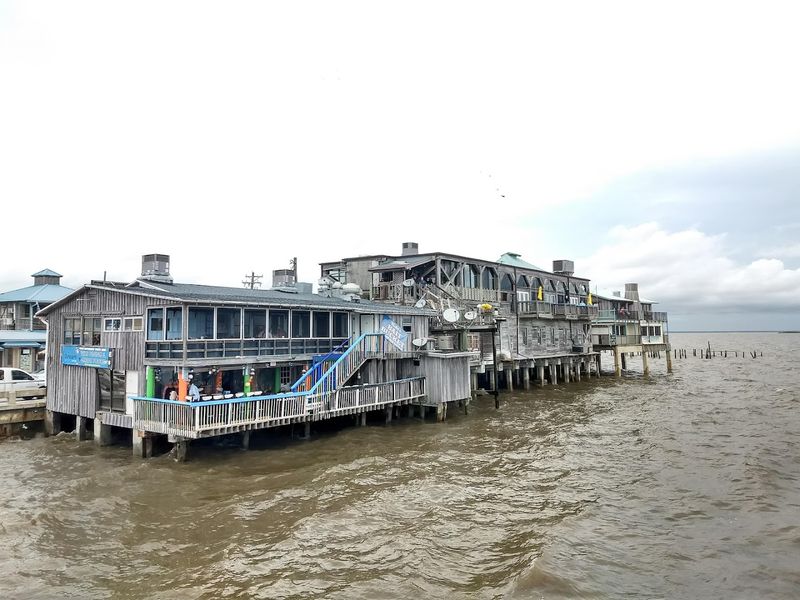
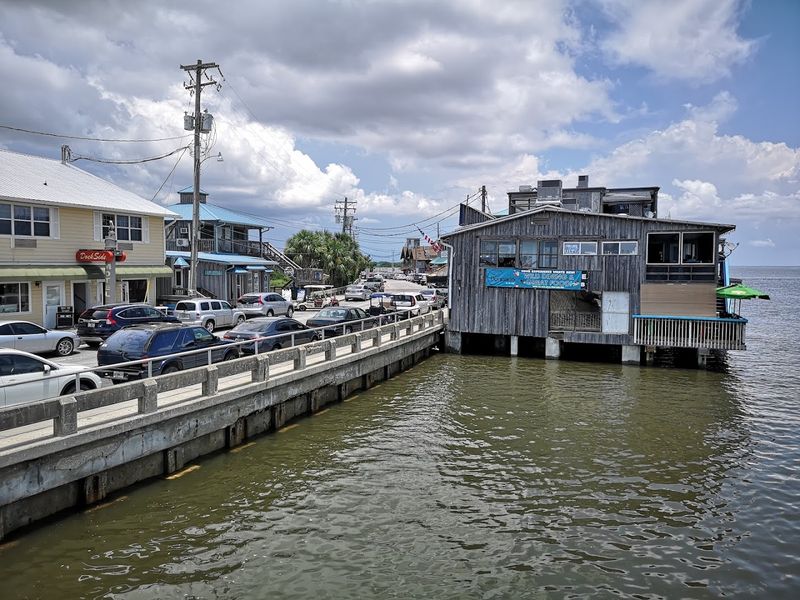
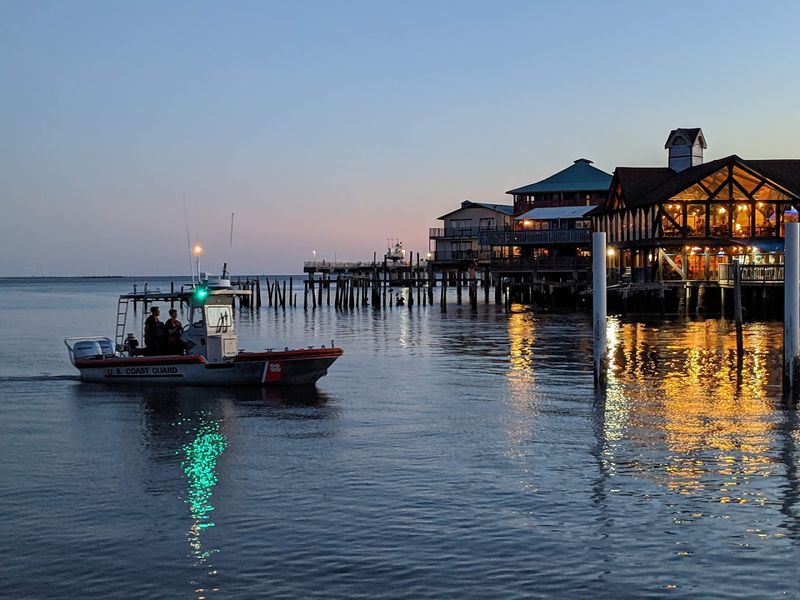
Standing on Dock Street and looking out at the Gulf of Mexico is genuinely one of the better views in this part of the state. Wooden buildings sit on stilts right over the water, creaking gently with the tide, and the whole scene looks like something a painter invented on a good afternoon.
Restaurants and shops line this stretch, all locally run and full of character. You can eat fresh seafood while watching pelicans glide just feet away from your table.
The Gulf shimmers beneath you, and the breeze carries that salty, familiar smell that immediately relaxes your shoulders.
Cedar Key, Florida sits at the end of State Road 24, which means getting here requires intention. That isolation is part of the appeal.
Dock Street rewards the effort with views and atmosphere that feel genuinely earned. It is the kind of waterfront that does not need a makeover because it is already perfect.
The Island Hotel Still Preserves Cedar Key’s Historic Character
Few buildings carry their age as gracefully as the Island Hotel in Cedar Key. Built around 1860, it has outlasted wars, storms, and the relentless march of modernity.
Stepping inside feels like the building is quietly proud of everything it has witnessed.
The architecture is authentic and unapologetically old. There are no sleek renovations trying to disguise the history here.
The creaky floors and worn wood are part of the experience, and guests seem to appreciate that honesty more than any polished hotel lobby could offer.
Staying here means sleeping inside a genuine piece of Florida’s past. The Island Hotel is one of the oldest buildings in the area, and it has hosted travelers for well over a century.
That kind of continuity is rare and worth savoring. If you want atmosphere that no modern hotel can replicate, this is exactly where you should book your room.
Quiet Roads And A Pace That Feels Refreshingly Slow
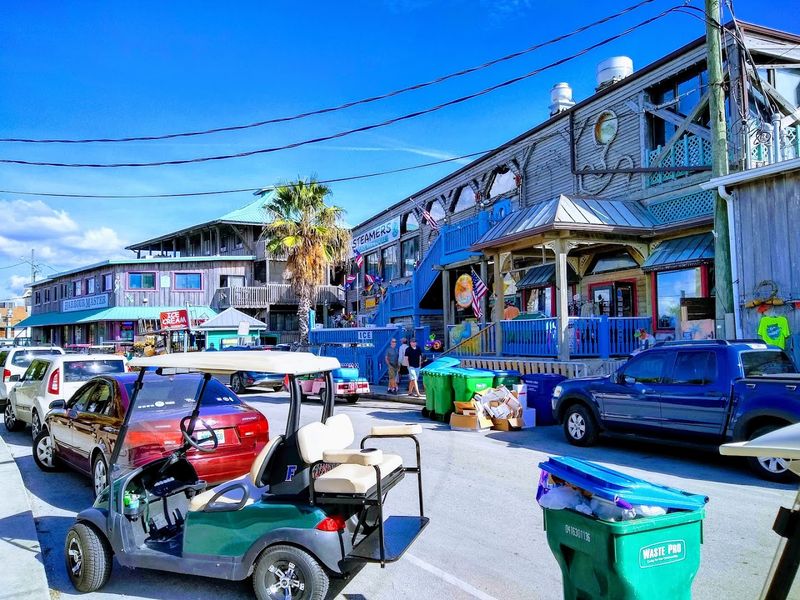
Golf carts are the preferred mode of transportation here, and that tells you almost everything you need to know about Cedar Key’s pace. Nobody is rushing anywhere.
Nobody looks stressed. The roads are quiet enough that a golf cart feels completely appropriate and honestly kind of ideal.
This is a community that has deliberately resisted the kind of development that swallows other towns whole. There are no high-rise condos interrupting the skyline.
There are no traffic jams. There is just open road, salt air, and the gentle hum of a cart carrying someone toward the waterfront.
Visitors often say the pace itself is what they remember most. You arrive tense and leave loose, having spent a day or two moving at a rhythm that feels almost forgotten.
Cedar Key does not just offer a place to visit. It offers a different relationship with time, and that is genuinely worth the drive down a long, winding road.
Protected Islands And Wildlife Just Offshore
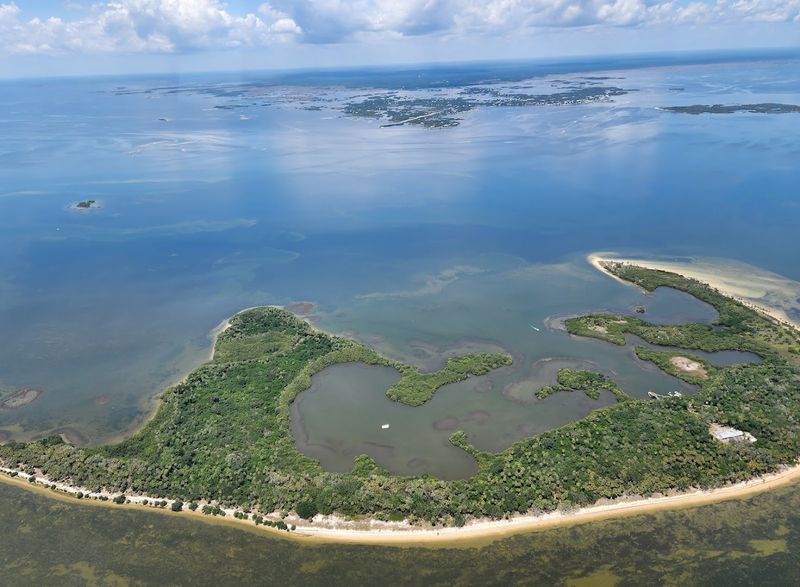
Not many places let you kayak through a national wildlife refuge before lunch. The Cedar Keys National Wildlife Refuge surrounds the area with dozens of small islands, each one teeming with birds, plants, and coastal life.
Paddling through here feels like entering a world that humans only get to borrow briefly.
Bald eagles circle overhead without any concern for your presence. Roseate spoonbills wade in the shallows, their pink feathers absurdly beautiful against the green water.
Dolphins surface near kayaks with casual confidence, and the whole scene borders on surreal.
Bird-watching here is exceptional by any standard. The refuge protects habitats that support dozens of species, making it a genuine destination for nature enthusiasts.
You do not need to be an expert birder to appreciate what is happening out on those islands. You just need to show up, pay attention, and let the wildlife do the rest.
The address for the refuge area is Cedar Key, Florida 32625.
A History That Stretches Back Thousands Of Years
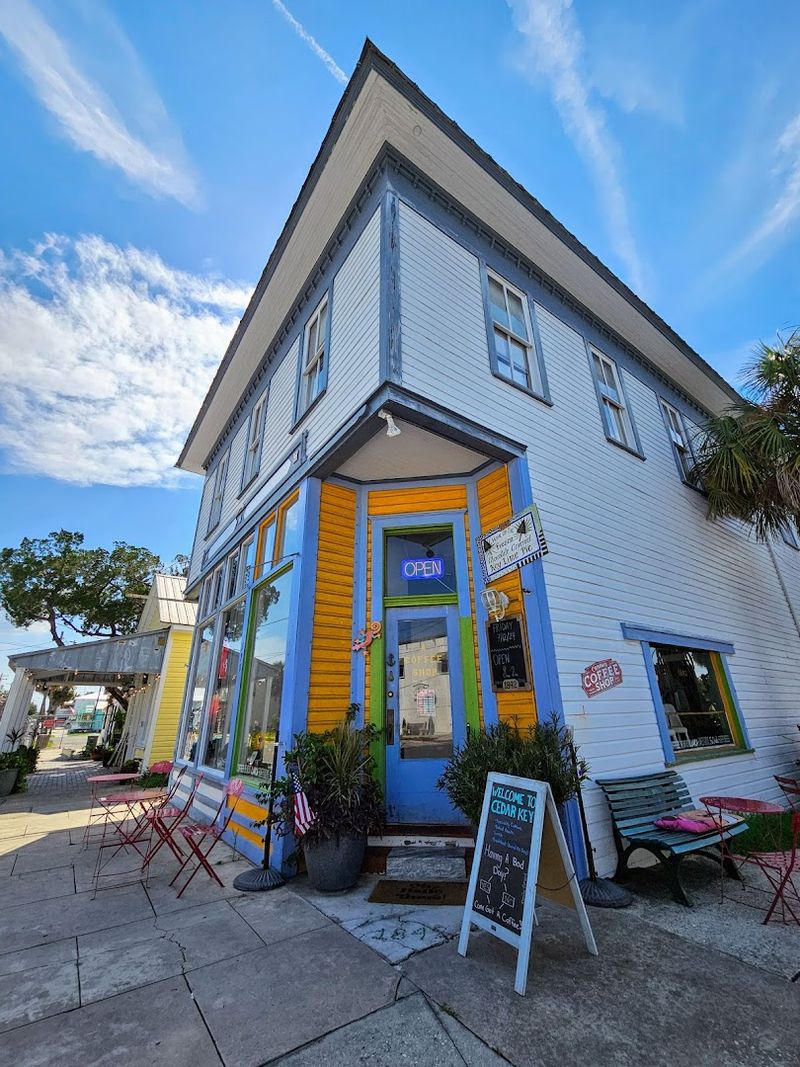
Cedar Key has been inhabited since around 500 BC, which puts most popular destinations to absolute shame. Indigenous peoples called this coastline home long before European explorers arrived, and the layers of history here run remarkably deep.
That kind of timeline changes how you look at a place.
The Cedar Key Historical Society Museum and Cedar Key Museum State Park both bring this history to life in accessible and engaging ways. Artifacts from early indigenous communities sit alongside historical documents and relics from the town’s era as the oldest port in the state.
The 1920s home preserved at the state park adds another chapter to an already rich story.
Cedar Key also served as the western terminus of the first cross-state railroad, a fact that surprises most visitors. The town was once a busy commercial hub, and traces of that former energy are still visible in its architecture and collections.
History here is not behind glass and roped off. It surrounds you the moment you arrive.
Exploring The Island Where Cedar Key First Began
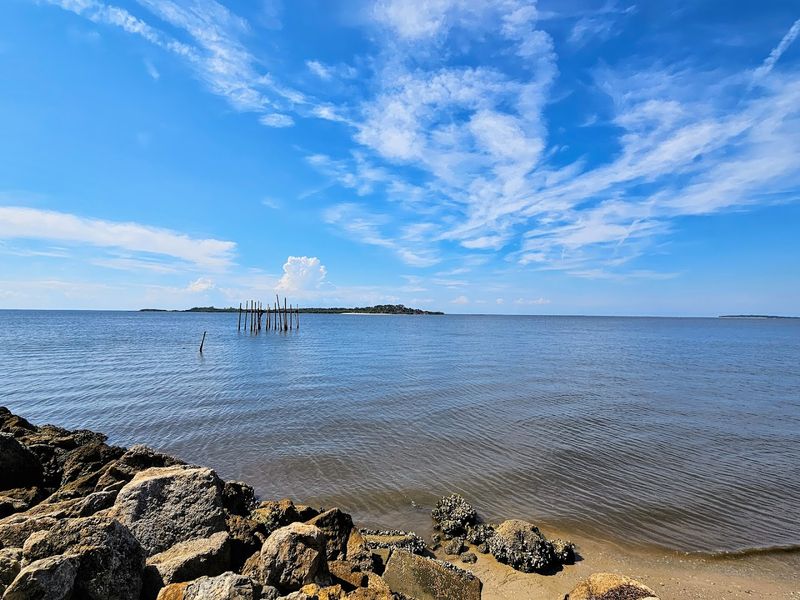
Paddling out to a ghost town is not something most people get to say they have done on a weekend trip. Atsena Otie Key, the original site of Cedar Key, is now a quiet island of ruins and overgrown history, accessible only by kayak or small boat.
The contrast between its silence now and its former life as a bustling settlement is genuinely striking.
Historic ruins remain on the island, half-claimed by vegetation and salt air. Walking through them feels respectful and a little eerie in the best possible way.
The island was once home to a thriving community before storms and shifting circumstances moved life to the current Cedar Key location.
Getting there requires a short paddle across calm Gulf waters, which adds to the sense of discovery. You earn the experience a little, and that makes it more memorable.
Atsena Otie Key is one of those rare places where history and nature have merged into something neither could achieve alone. Bring water, bring curiosity, and give yourself plenty of time to explore.
A Creative Community Inspired By The Coastline
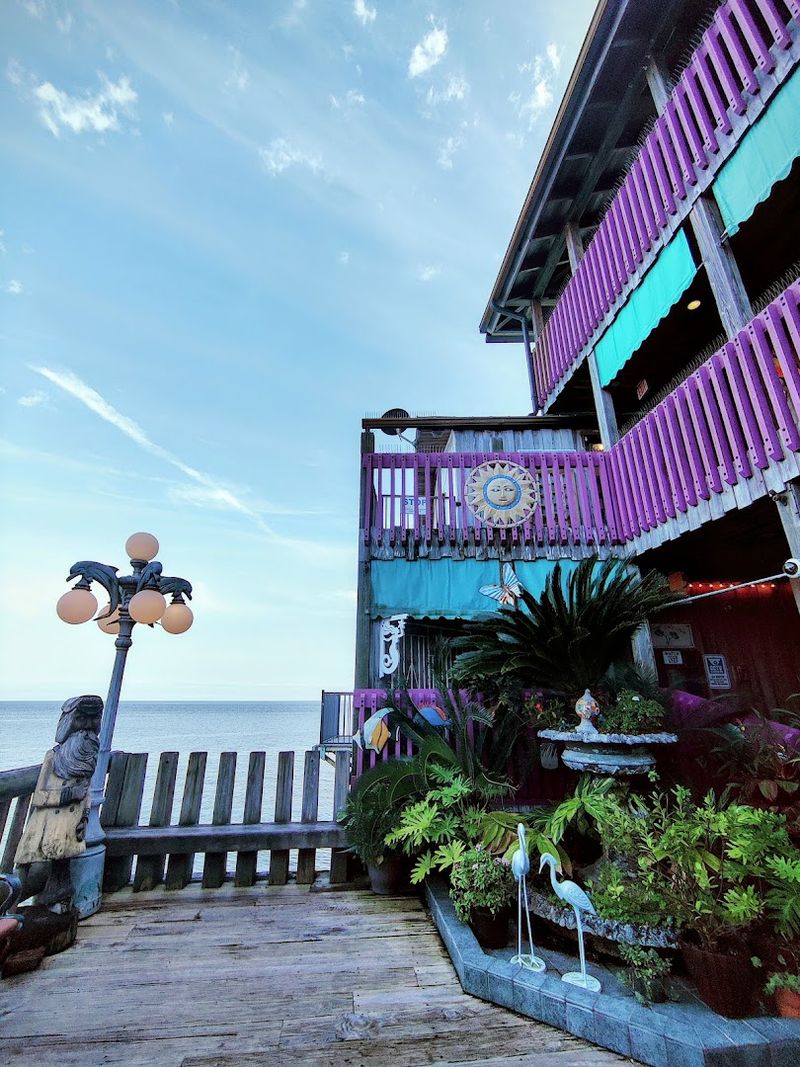
Artists have been drawn to Cedar Key for generations, and it is easy to understand why. The light here is different, the pace encourages reflection, and the scenery offers endless material.
The result is a community where creativity feels embedded in the culture rather than bolted on as an afterthought.
Galleries and shops throughout the village feature locally made art, much of it inspired directly by the surrounding coastline, wildlife, and historic character of the town. You will find paintings, photography, sculpture, and crafts that reflect a genuine connection to this specific place.
Nothing feels mass-produced or generic.
For visitors, browsing the art scene is one of the most rewarding ways to spend an afternoon. Each piece tells you something about how the artists see Cedar Key, and that perspective is consistently warm, detailed, and proud.
Buying a piece of local art here means bringing home something made by someone who genuinely loves this island. That kind of authenticity is hard to find and easy to appreciate.
Fresh Seafood And The Flavors Of A True Fishing Village
Cedar Key takes its seafood seriously, and the clams here have earned a genuine reputation. The area is known for its clam aquaculture industry, which means the shellfish on your plate likely came from the waters you can see from your table.
That kind of freshness is not something you fake or replicate anywhere else.
Waterfront restaurants serve straightforward, honest food that lets the ingredients speak for themselves. You will find grilled fish, steamed clams, and Gulf-caught shrimp prepared by people who understand what fresh actually means.
The menus here reflect the catch, the season, and the community rather than any corporate formula.
Eating in Cedar Key feels like a full sensory experience. The sound of water, the smell of the Gulf, and the taste of something genuinely local combine into a meal that is hard to forget.
This is not a place where the food is an afterthought. The fishing village heritage still shapes much of the local dining scene, and you taste that history with every bite.