17 California Roadside Gardens, Flower Farms, And Bloom Spots Worth The Drive
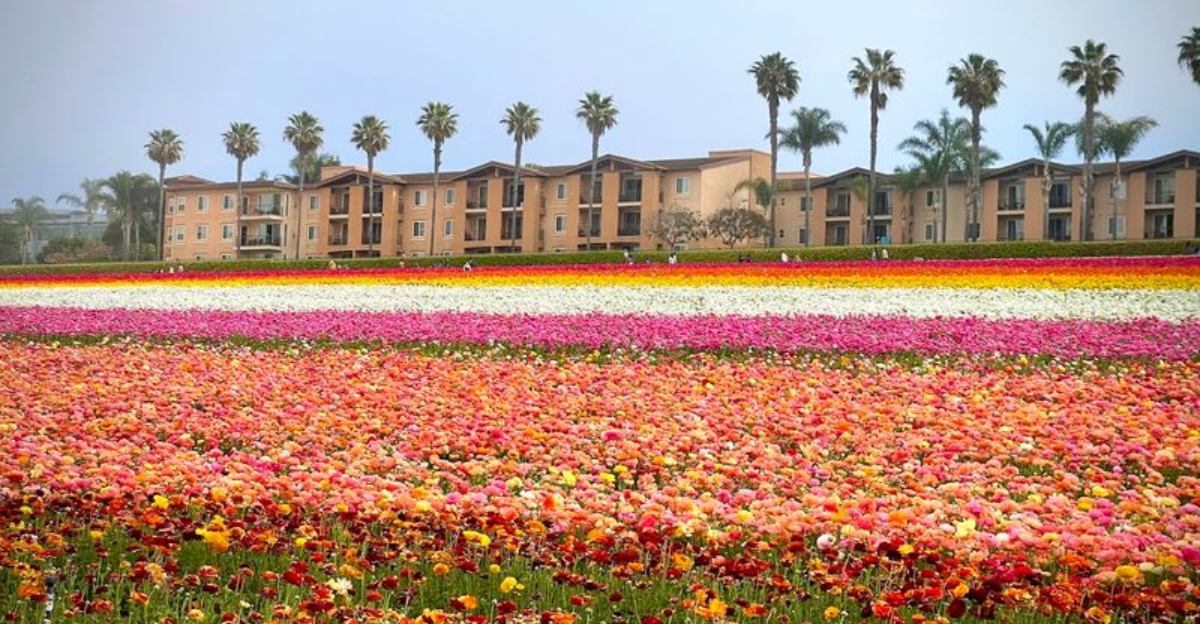
Flowers are sneaky little travel planners.
One bloom photo appears. Suddenly, the car keys start looking useful.
A quick stop turns into a full afternoon because color has absolutely no respect for errands.
A little color beside the road can make California feel like it planned the detour personally.
Petals do not need much help getting attention. A bright field can stop the conversation. A roadside stand near rows of flowers can make “just five minutes” sound deeply unrealistic.
Bloom spots work because they feel cheerful before they even try.
They give road trips a softer excuse and the kind of detour that somehow makes the day feel better without asking for much.
1. Antelope Valley California Poppy Reserve, Lancaster
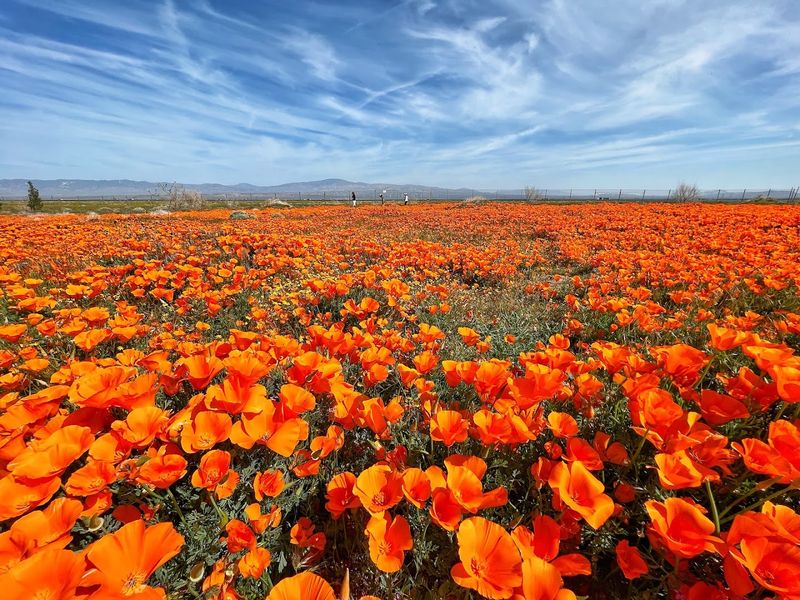
Every spring, a stretch of high desert north of Los Angeles transforms into one of nature’s most talked-about displays when the California poppies come alive across the Antelope Valley hills.
The reserve sits along Lancaster Road near Lancaster and typically sees peak blooms from mid-March through mid-April, though rainfall and temperature patterns shift the timing each year.
Dry years can produce sparse blooms while wet winters tend to bring extraordinary color.
Trails wind through the reserve and offer elevated views that make the orange fields look almost electric against the blue sky.
Parking fills quickly on weekends during peak season, so arriving early in the morning on a weekday tends to make the visit far more relaxed.
There is a small visitor center with helpful information about bloom conditions and trail options. Cell signal can be unreliable in the area, so downloading offline maps before the drive is a practical step worth taking.
2. Cache Creek Lavender Farm, Rumsey
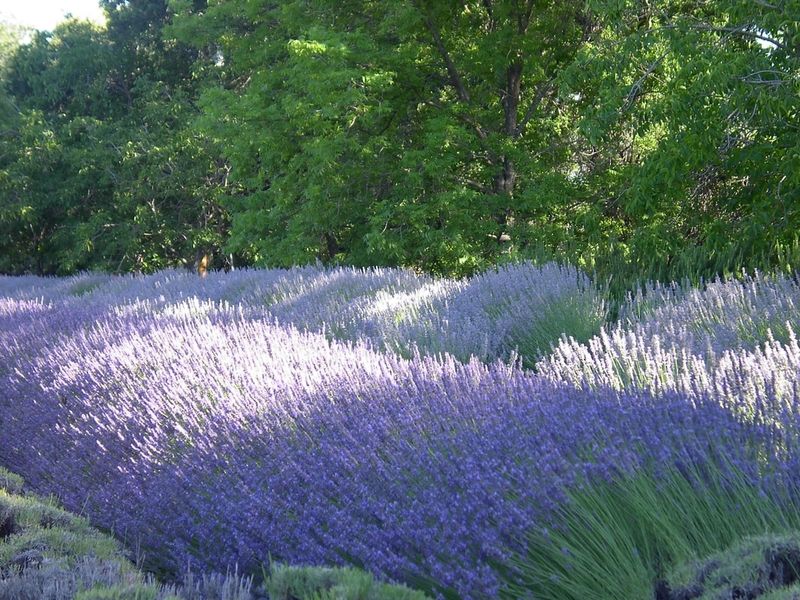
Hidden in the dry oak hills of Yolo County near the small community of Rumsey, Cache Creek Lavender Farm offers a quieter and more off-the-beaten-path lavender experience compared to better-known destinations.
The farm grows multiple varieties of lavender across its fields and typically opens to visitors during the summer bloom season.
The surrounding landscape of golden hills and blue sky gives the purple rows a striking visual contrast.
Because the location is remote, planning the trip in advance matters more here than at most destinations.
Checking the farm’s website or social media before making the drive is essential since visiting hours and open dates are limited and can change.
Bringing water and snacks is wise given the lack of services in the immediate area.
The drive through Cache Creek Canyon on the way to Rumsey is scenic in its own right, passing through rugged terrain that adds to the overall sense of adventure the trip tends to provide.
3. Carrizo Plain National Monument, near Santa Margarita
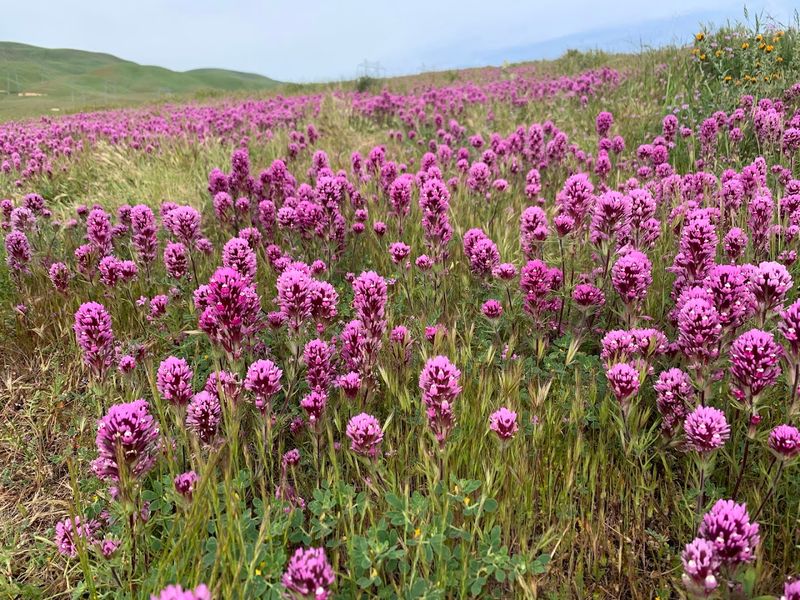
Tucked into a remote valley between the Coast Ranges and the Temblor Range, Carrizo Plain National Monument is one of California’s least-visited yet most spectacular wildflower destinations.
During a good bloom year the valley floor turns gold, purple, and white with goldfields, phacelia, and owl’s clover spreading across miles of open grassland.
The sheer scale of the landscape here feels different from most places in the state.
Getting there requires a drive along Soda Lake Road, which is unpaved in sections and can become impassable after heavy rain, so checking road conditions before heading out is genuinely important.
Cell service is essentially nonexistent throughout most of the monument, so planning the route and downloading maps in advance makes a real difference.
There are no fees to enter but also very few facilities, so bringing food, water, and a full tank of gas is necessary before making the trip.
4. Chino Hills State Park, Chino Hills
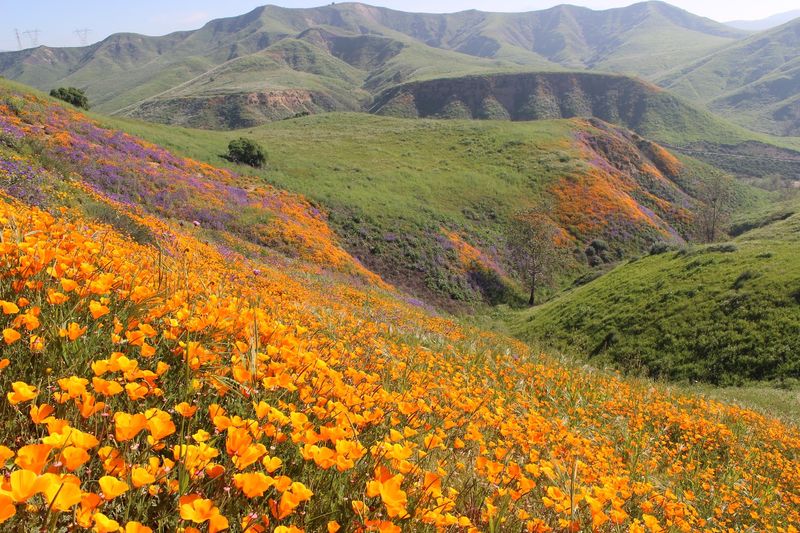
Sitting at the edge of the Inland Empire, Chino Hills State Park offers a surprisingly lush and colorful spring experience that feels far removed from the surrounding urban sprawl.
After winter rains the hillsides light up with mustard flowers, wild radish, and native wildflowers that turn the trails into something genuinely scenic.
The park covers over 14,000 acres and has an extensive trail network suitable for hikers of varying fitness levels.
Telegraph Canyon Trail is one of the most popular routes for wildflower viewing and runs through a shaded canyon before opening up to broader hillside views.
Weekends during peak bloom tend to attract sizable crowds, and the parking lots fill up faster than many visitors expect.
Arriving before 9 a.m. on a Saturday or choosing a weekday visit tends to result in a calmer and more enjoyable experience.
Trail conditions can vary after rain, so sturdy footwear is always a sensible choice here.
5. Descanso Gardens, La Cañada Flintridge
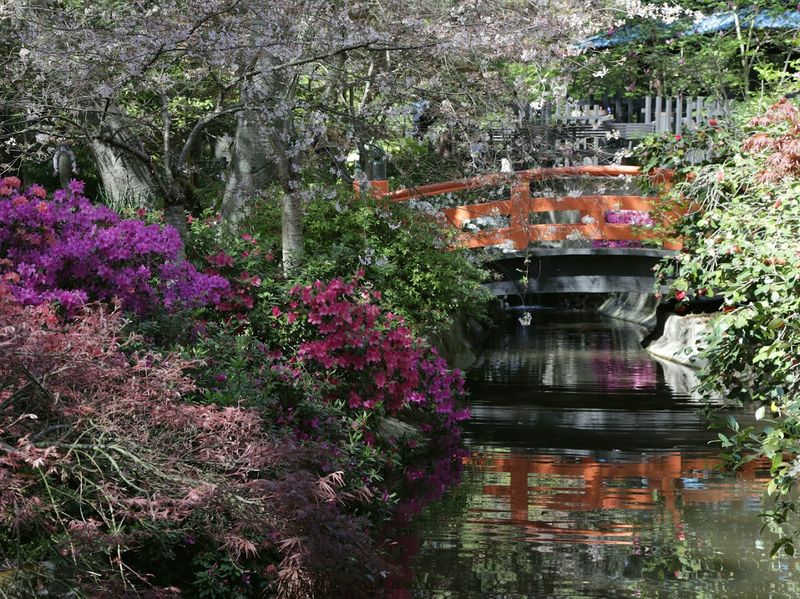
Nestled in the foothills just north of Los Angeles, Descanso Gardens spans 150 acres and offers one of the most layered and seasonally rich garden experiences in Southern California.
Located at 1418 Descanso Drive, La Cañada Flintridge, CA 91011, the gardens are open daily and feature one of the largest camellia collections in North America along with a beloved cherry blossom grove that peaks in late winter and early spring.
The transitions between seasons here are gradual and genuinely beautiful.
Rose gardens, native plant sections, and a Japanese-style garden add variety to the visit and make repeat trips feel fresh throughout the year.
The forest section with its ancient oak trees offers welcome shade during warmer months and a distinctly different texture from the more manicured garden areas.
Admission is charged and timed entry tickets may be required during peak bloom periods, so checking the official website before visiting is worth the extra minute.
6. The Huntington Library, Art Museum, and Botanical Gardens, San Marino
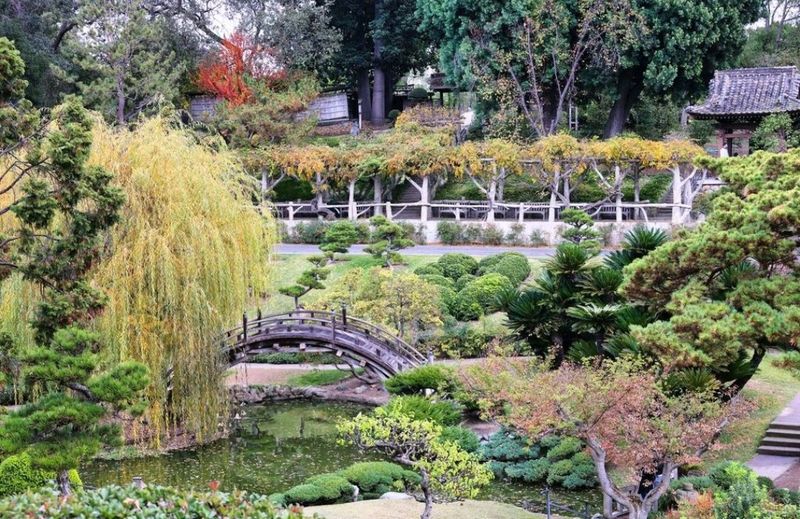
Spread across 130 acres in the quiet city of San Marino, The Huntington offers a rare combination of world-class art, rare books, and extraordinary botanical gardens that rewards slow and unhurried exploration.
The venue is located at 1151 Oxford Road, San Marino, CA 91108, and features themed garden sections that include a desert garden, a Japanese garden, a Chinese garden, and a rose garden with thousands of varieties.
Each section has its own distinct atmosphere and pace.
The rose garden typically peaks in spring and again in fall, while the desert garden looks dramatic year-round with its towering cacti and succulents.
Timed entry tickets are required and tend to sell out on weekends, so booking in advance through the official website is strongly recommended.
The grounds are large enough that wearing comfortable walking shoes makes a noticeable difference in how much energy is left by the end of the visit.
A full half-day is a realistic minimum for exploring meaningfully.
7. The Flower Fields at Carlsbad Ranch, Carlsbad
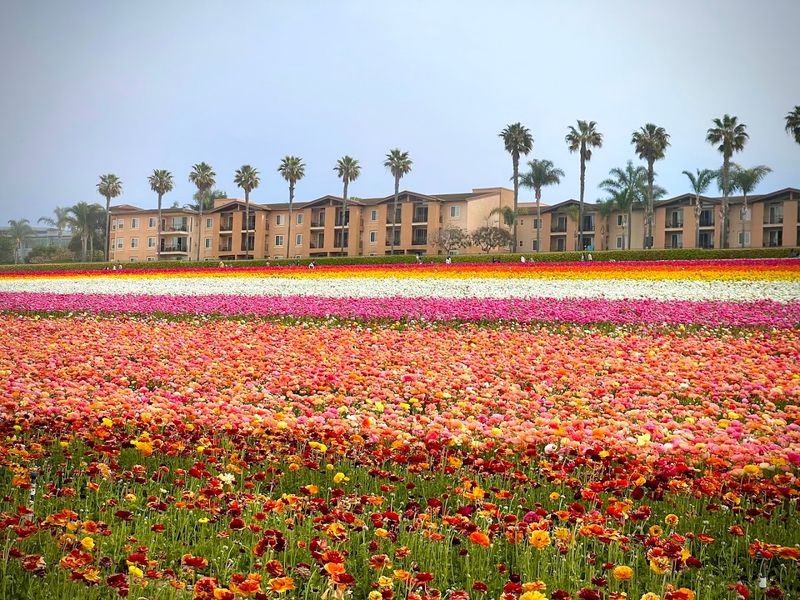
Stretching across 50 acres of coastal hillside, the ranunculus blooms at Carlsbad Ranch create one of the most photographed landscapes in Southern California every spring.
Located at 5704 Paseo Del Norte, Carlsbad, CA 92008, the fields typically open from early March through mid-May depending on growing conditions that year.
Rows of red, orange, yellow, pink, and white flowers fan out in stripes that look almost unreal from a distance.
Walking the paths between the rows is a slow and satisfying experience, especially on a weekday morning when the crowds thin out considerably.
There are also sweet pea tunnels, a giant wagon made of flowers, and a working tractor ride that kids tend to enjoy.
Admission is charged and hours vary by season, so checking the official website before visiting is always a smart move. Bringing a light jacket helps since the coastal breeze can be cooler than expected.
8. Clairmont Lavender Farm, Los Olivos
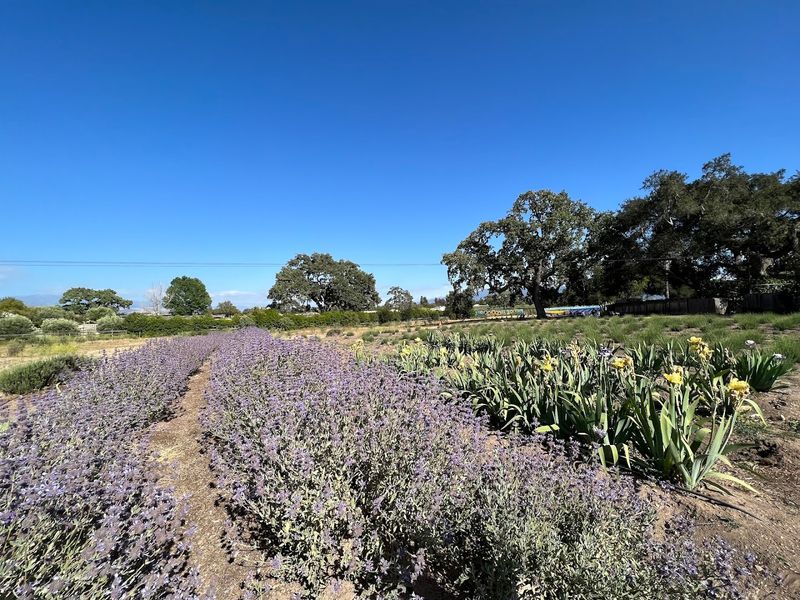
Tucked into the Santa Ynez Valley wine country, Clairmont Farms is one of California’s most established lavender farms and has been growing and distilling lavender for decades.
The farm sits near the small town of Los Olivos and typically sees peak lavender bloom from late May through early July depending on the season.
Walking through the rows during peak bloom, the scent is immediate and almost overwhelming in the best possible way.
The farm shop sells lavender-based products including essential oils, sachets, soaps, and culinary items made from the estate’s own harvest.
Visiting on a weekday tends to result in a more unhurried experience since weekends in the Santa Ynez Valley attract considerable tourist traffic.
The farm setting is informal and open, with a charming quality that feels genuinely agricultural rather than overly polished.
Checking the farm’s website or social media before visiting is recommended since hours and open dates can vary across seasons and during harvest periods.
9. Filoli Historic House and Garden, Woodside
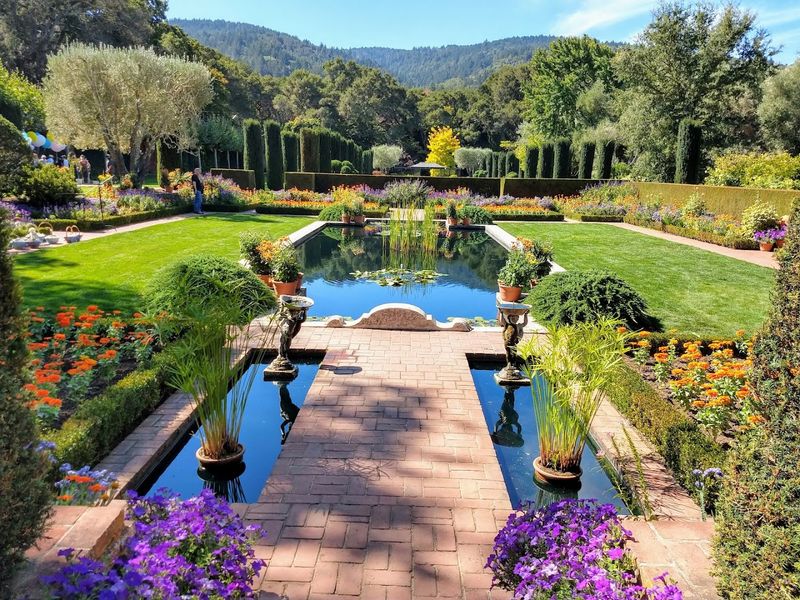
Formal hedgerows, blooming tulip beds, and a Georgian Revival mansion set against the rolling hills of the San Francisco Peninsula make Filoli one of the most elegant garden destinations in Northern California.
Located at 86 Cañada Road, Woodside, CA 94062, the estate spans 654 acres though the formal garden area is the main draw for most visitors during the spring bloom season.
The gardens were originally designed in the early 20th century and have been carefully maintained ever since.
Spring is widely considered the most spectacular season here, with tulips, wisteria, and flowering trees creating a layered and colorful display from late February through May.
The estate also holds seasonal events and garden tours that provide additional context and depth for those interested in the history behind the plantings.
Tickets are available online and advance booking is recommended during peak periods. The café on-site offers a pleasant mid-visit stop without requiring visitors to leave the property.
10. Mendocino Coast Botanical Gardens, Fort Bragg
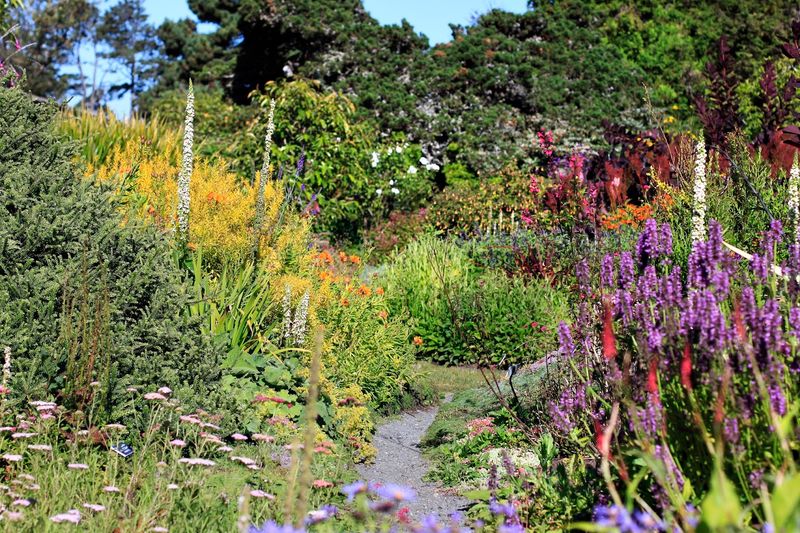
Perched along the rugged Mendocino Coast, this botanical garden offers a bloom experience that combines cultivated plantings with wild coastal scenery in a way that feels genuinely unique.
Located at 18220 North Highway 1, Fort Bragg, CA 95437, the garden spans 47 acres and includes a trail system that leads all the way to ocean bluff overlooks above the Pacific.
Rhododendrons and heathers are among the standout seasonal highlights here.
Spring brings some of the most colorful displays, particularly in the rhododendron section where large clusters of blooms in pink, red, and white create a dense and fragrant corridor.
The coastal section of the trail can be windy and cool even in summer, so layering up before the visit tends to be a smart call.
The gardens are open daily and admission is charged. A small nursery on-site sells plants, which makes the visit feel like a practical outing as much as a scenic one.
11. Ganna Walska Lotusland, Montecito
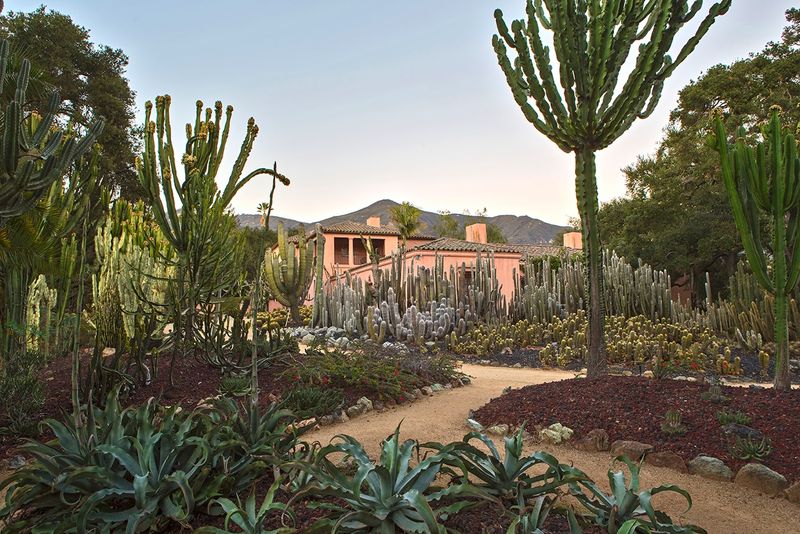
Bold, theatrical, and unlike anything else in California, Lotusland is a 37-acre private botanical garden in Montecito that feels more like an art installation than a traditional garden.
Located at 695 Ashley Road, Montecito, CA 93108, the estate was developed by opera singer and horticulturist Ganna Walska over several decades.
It features themed garden rooms that include a blue garden, a cactus garden, a Japanese garden, and a lotus pond after which the estate is named.
Access is by guided tour only. Reservations are required well in advance and tours sell out frequently, especially during spring and early summer when the plantings are at their most vivid.
The cactus and succulent collections are among the most extraordinary in the world and remain visually striking throughout the year regardless of season.
Children under 10 are not permitted on tours, which keeps the atmosphere calm and focused. The visit typically lasts about two hours and covers a substantial amount of ground on foot.
12. Araceli Farms, Dixon
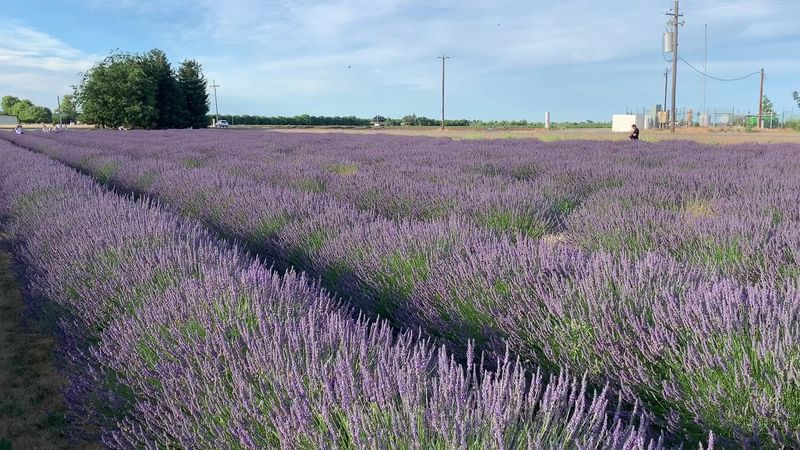
Located in the agricultural heart of the Sacramento Valley, Araceli Farms in Dixon has become one of Northern California’s most popular u-pick flower destinations, drawing visitors from Sacramento and the Bay Area.
The farm grows sunflowers, zinnias, dahlias, and other seasonal blooms that visitors can cut and bundle themselves to take home.
The experience has a relaxed, farm-stand quality that feels refreshingly low-key.
Opening dates and available flower varieties shift with each growing season, so checking the farm’s social media pages before visiting is the most reliable way to confirm what’s blooming and when.
Buckets and clippers are typically provided on-site, which makes the u-pick process simple even for first-timers.
Bringing cash is a good idea since card availability can vary.
The flat, open landscape of the farm makes it easily walkable and accessible for most visitors.
Early morning visits tend to offer the coolest temperatures and the freshest blooms before the midday heat sets in.
13. Point Buchon Trail Wildflowers, San Luis Obispo County
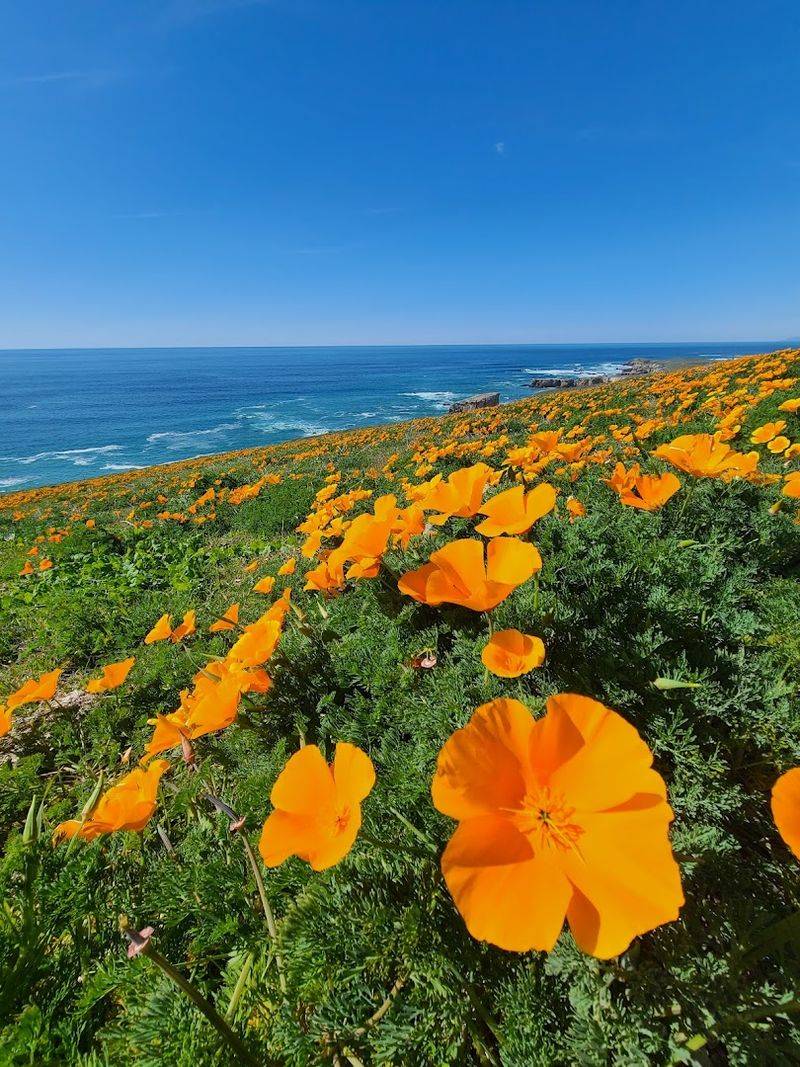
Running along one of the last undeveloped stretches of California’s Central Coast, the Point Buchon Trail delivers a wildflower experience paired with ocean views that few other hikes in the state can match.
The trail is located near the Diablo Canyon Power Plant property in San Luis Obispo County and is accessible through a partnership between Pacific Gas and Electric and the Land Conservancy of San Luis Obispo County.
Access requires advance reservation, which is an important step that many first-time visitors overlook.
Spring is the most rewarding season for wildflower viewing here, with native blooms including lupine, poppies, and coastal scrub species appearing along the bluff-top path from March through May.
The trail is approximately 7 miles round trip and involves some elevation change, making moderate fitness a practical requirement.
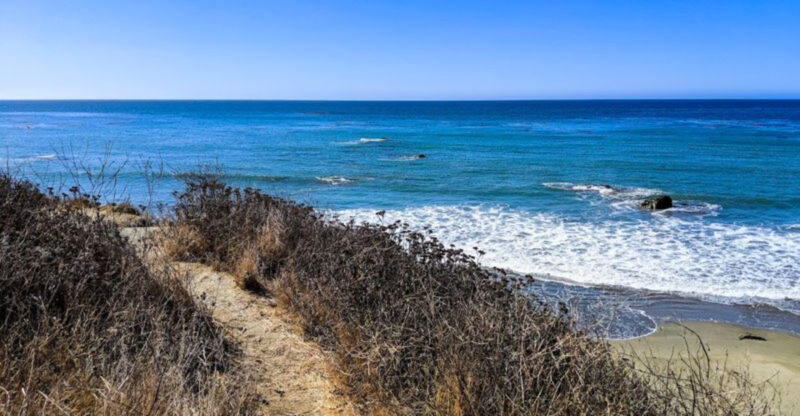
Ocean views are present for much of the route and the dramatic coastline below adds a sense of scale and wildness that feels genuinely special.
14. Shell Creek Road Wildflowers, Santa Margarita
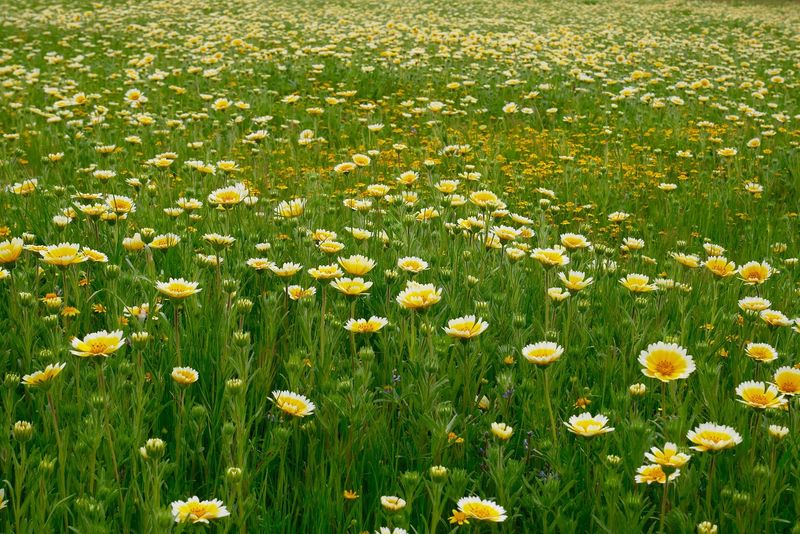
Shell Creek Road near Santa Margarita is one of those places that surprises people who stumble across it during a good wildflower year.
The valley along this rural road can fill with goldfields, owl’s clover, lupine, and poppies from late February through April, creating a display that rivals anything seen at more famous destinations in the state.
The drive itself is the experience here rather than a specific trailhead or park entrance.
Pulling over safely along the roadside to walk among the flowers is a common practice and the open terrain makes it easy to explore without a formal trail.
The area sits between Paso Robles and San Luis Obispo, making it a convenient stop on a Central Coast road trip itinerary.
Bloom quality varies significantly from year to year based on rainfall, so checking regional wildflower reports before making a dedicated trip is a sensible habit.
The lack of facilities means bringing water and snacks is an entirely practical necessity.
15. North Table Mountain Ecological Reserve, Oroville
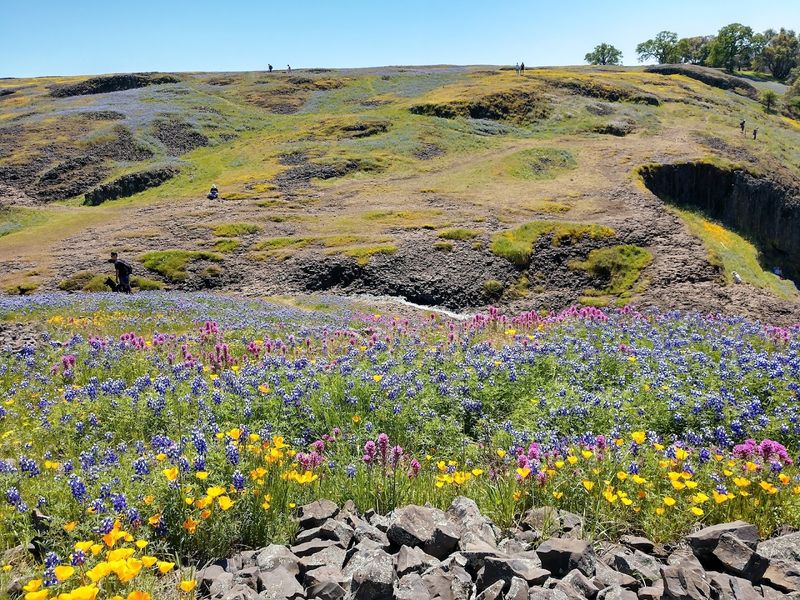
Rising above the Sacramento Valley floor north of Oroville, North Table Mountain Ecological Reserve is a basalt mesa that transforms into a wildflower spectacle each spring that relatively few California travelers know about.
The flat-topped plateau supports an unusual mix of native wildflowers including goldfields, tidy tips, blue dicks, and California poppies that bloom across the dark volcanic rock from March through April.
Seasonal waterfalls cascading off the mesa edges add a dramatic element to the landscape.
Access requires a drive along Cherokee Road and the reserve has limited facilities, so preparation matters here more than at a developed park.
The terrain is mostly flat on top of the mesa but the trails leading up can be rocky and uneven in places.
Bloom timing is highly dependent on winter rainfall and can vary by several weeks from year to year, so checking with the Bureau of Land Management or local wildflower tracking resources before visiting is genuinely useful.
Dogs are permitted on leash on most trails.
16. Matanzas Creek Winery Lavender Garden, Santa Rosa
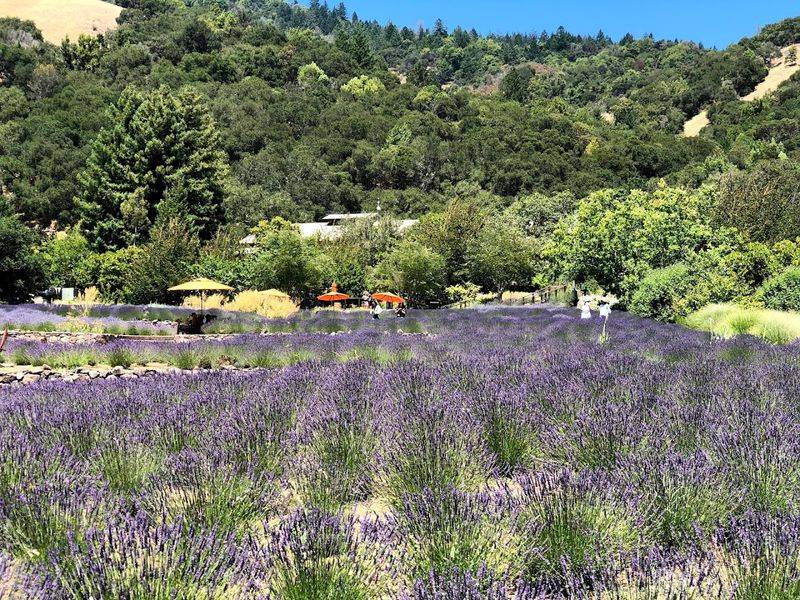
Set among the vineyards of Bennett Valley in Sonoma County, Matanzas Creek Winery is perhaps as well known for its lavender fields as for anything else on the property.
The lavender typically blooms from late May through early July and the fields are open to visitors who come specifically to walk through the rows and take in the color and fragrance.
The combination of lavender and vineyard scenery creates a backdrop that is hard to replicate anywhere else in Northern California.
The property is located at 6097 Bennett Valley Road, Santa Rosa, CA 95404, and is accessible during regular visiting hours.
The lavender section sits adjacent to the main building and is easy to access without a long walk.
Weekdays during peak bloom offer a noticeably calmer experience than weekends when the valley sees heavier visitor traffic.
Wearing closed-toe shoes is a practical choice since the paths between the lavender rows can be uneven and the ground may be soft after morning irrigation.
17. Fresno County Blossom Trail, Fresno County
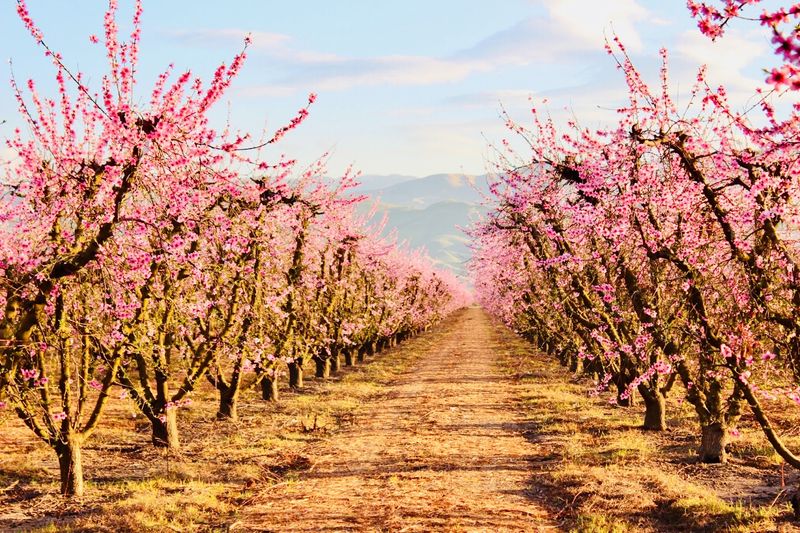
Every late winter, the orchards of Fresno County erupt in a wave of pink and white blossoms as stone fruit trees come into bloom across the San Joaquin Valley floor.
The Fresno County Blossom Trail is a self-guided driving route that winds through miles of peach, nectarine, plum, and almond orchards from roughly mid-February through mid-March.
The route is free to drive and is mapped out by the Fresno County Farm Bureau with printed and digital guides available for download.
Peak bloom timing shifts by a week or two from year to year depending on winter temperatures and rain, so checking the Fresno County Blossom Trail website before the drive helps confirm the best window.
The flat valley roads are easy to navigate and the route passes through small agricultural towns where local farm stands sometimes operate during blossom season.
Morning light makes the blossoms glow especially well for photography. The experience feels genuinely agricultural and rooted in the region’s farming heritage rather than curated for tourism.