This Is The Stunning Botanical Garden In Idaho That Most People Never Hear About

In Idaho, most folks go looking for mountains first, which is fair, but let me tell you, plants have their own way of showing off when people finally slow down long enough to notice.
A garden like this does not need to shout, because every path is already busy proving a point with leaves, blooms, bark, shade, and all the little seasonal surprises that gardeners pretend not to get emotional about.
Walking through feels like checking on a very large, very well-behaved plant family, except every member has a different personality and at least one of them is probably being dramatic in the best way.
You start out thinking it will be a peaceful stroll, then suddenly you are admiring branch structure like you have been studying horticulture your whole life.
Around here, the plants are doing the hosting, and honestly, they are better at it than most people.
A World Of Plants In One Place

Across the University of Idaho Arboretum and Botanical Garden, plant variety becomes the main reason a simple walk keeps stretching longer than planned. More than 17,000 individual plants represent over 2,400 species and cultivars, making the collection one of the most diverse outdoor plant collections in the Inland Northwest.
Instead of relying only on showy flower beds, the garden builds interest through trees, shrubs, specialty plantings, water features, and thoughtful labels that help visitors understand what they are seeing. Small identification plaques turn the grounds into a living classroom without making the experience feel stiff or academic.
Someone who loves botany can spend time studying names, origins, and textures, while a casual walker can simply enjoy the shade, color, and shape of the landscape. Seasonal changes make the collection even more rewarding because the same path can feel different from one month to the next.
Curiosity pays off here, whether it starts with a rare cultivar, a towering tree, or a bloom beside the path.
Regions Of The World, Side By Side
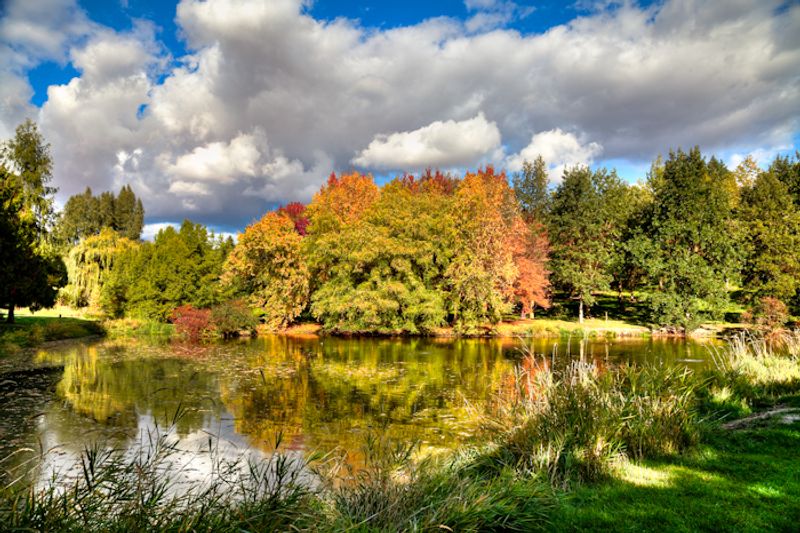
Geographic organization gives this garden one of its most interesting personalities. Trees and shrubs are grouped by origin, with regional collections representing Asia, Europe, Eastern North America, and Western North America.
Moving between those areas can feel like watching plant character change in real time, as leaf shapes, growth habits, bark textures, and color patterns shift from one section to another. Families can turn the walk into a gentle guessing game, asking where a tree might come from before reading the sign.
Garden lovers will notice how the regional layout makes comparisons easier, especially between plants that thrive in different climates but share the same campus valley. Rather than feeling random, each section has a clear sense of purpose and place.
Eastern hardwoods, western natives, European specimens, and Asian collections all contribute to a broader story about hardy plants suited to northern temperate landscapes. Every turn adds another reminder that a botanical garden can feel both peaceful and quietly global.
Specialty Gardens Worth Exploring
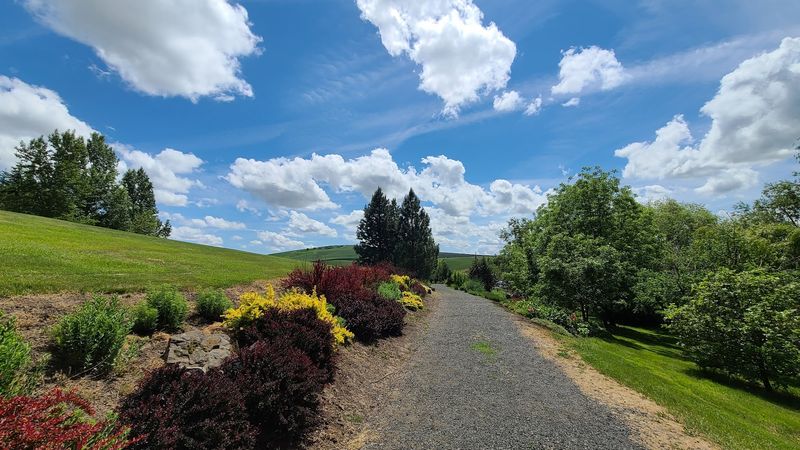
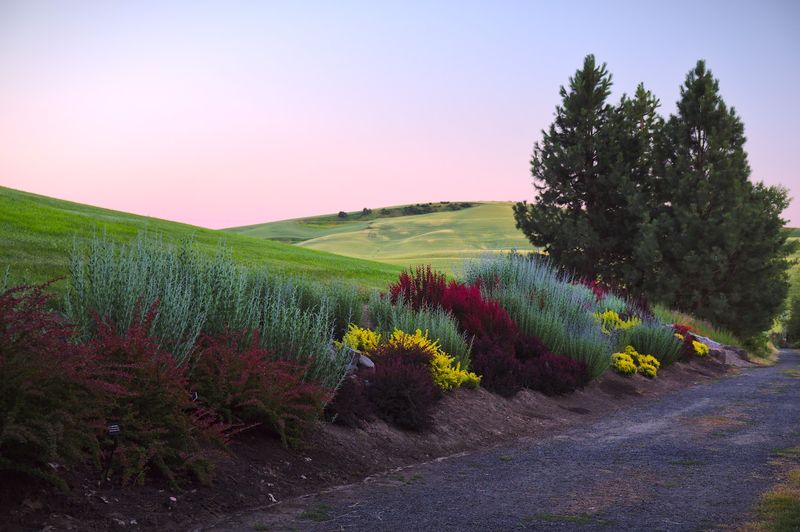
Beyond the regional collections, display gardens at the south end add smaller scenes with their own distinct moods. Xeriscape plantings show how low-water landscaping can still feel elegant, textured, and colorful, which is especially useful in climates where water-conscious design matters.
Daylily and iris areas bring brighter seasonal drama when blooming, while the heather garden offers softer color and a quieter feel. Ornamental willows add movement and shape, and the butterfly garden draws attention during warmer months when pollinators are active among the flowers.
Shaded hosta plantings create a cooler, lusher contrast, especially for visitors who enjoy foliage as much as blooms. Each display area feels like a chapter within the larger garden rather than a disconnected patch of plants.
That structure keeps the walk varied, giving guests a reason to slow down and notice how design changes from section to section. Instead of one long green corridor, the arboretum offers a sequence of plant-focused discoveries that reward patient exploring.
Wildlife Encounters You Will Not Forget
Wildlife adds another layer to the arboretum, though sightings should be treated as a welcome bonus rather than a guarantee. Ponds, trees, open lawns, and planted areas attract birds, amphibians, small animals, and occasional larger visitors moving through the Moscow landscape.
Ducks and geese may gather near water, frogs can be heard in warmer months, and birds often use the trees and shrubs as cover. Some visitors have reported memorable encounters with moose or other wildlife, which is exciting but also a reminder to keep a safe distance and never crowd animals for photos.
Binoculars make the walk more rewarding because many of the best sightings happen quietly across a pond, along a tree line, or near the reeds. Children often notice movement first, turning a garden stroll into a little nature lesson.
Respectful observation matters here. Staying on paths, avoiding wildlife disturbance, and keeping the setting calm help preserve the peaceful quality that makes the arboretum feel so alive.
Free To Visit, Open Every Day

Public access is one of the garden’s biggest gifts. University of Idaho Arboretum and Botanical Garden is free to visit, open daily from dawn to dusk, and supported by parking options at the south end near 1200 West Palouse River Drive.
Limited parking is also available near the university golf course area, making entry fairly straightforward for first-time guests. No admission fee means families, students, locals, and travelers can return throughout the year without treating each visit like a major expense.
That openness helps explain why the arboretum feels woven into Moscow’s everyday life rather than sealed off as a special-occasion attraction. A quick morning loop, a quiet lunch-hour walk, or a longer weekend wander all work here.
Because the grounds are outdoors and seasonal, checking university information before visiting is still wise if weather, construction, or special maintenance might affect access. Generous, simple, and easy to revisit, this garden proves a beautiful public space does not need a ticket booth to feel valuable.
Trails For Every Kind Of Walker

Walking routes through the arboretum offer enough variety for both relaxed strollers and more curious explorers. The main gravel road loop runs about 1.4 miles with gradual inclines and declines, giving visitors a manageable route through the grounds while still adding gentle movement.
Side paths branch away from the loop, leading toward views, specialty plantings, benches, water features, and quieter corners. Some surfaces can be uneven, and steeper slopes may be challenging for visitors with mobility concerns, so choosing the right route matters.
After rain, softer trails can become muddy, making sturdy shoes a smarter choice than delicate footwear. Bridges, ponds, and open viewpoints help break up the walk, so the route never feels like a simple exercise loop.
Benches placed near paths invite guests to pause and look rather than hurry. Whether someone has twenty minutes or more than an hour, the trail network can be shaped to fit the day’s pace, energy, and curiosity.
Seasonal Beauty That Never Gets Old
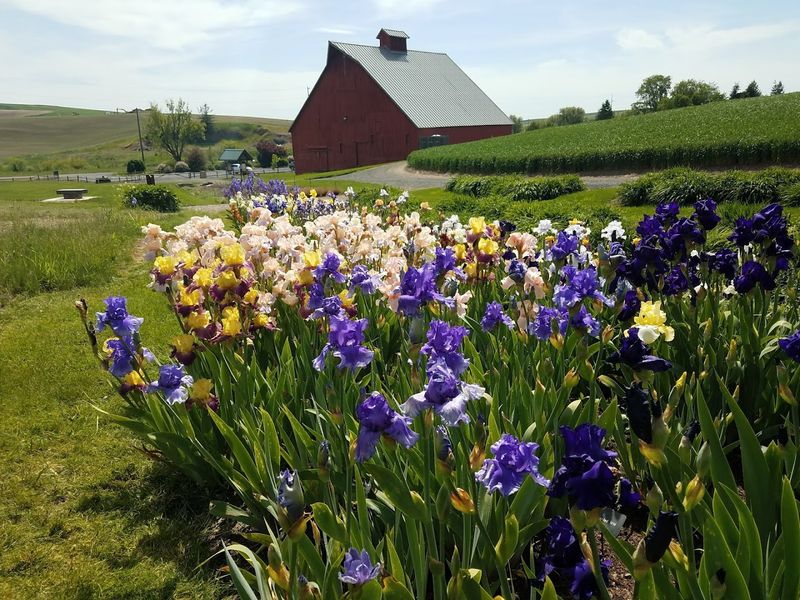
Seasonal change is the best reason to visit more than once. Spring brings fresh blooms, emerging leaves, and the kind of soft color that makes the grounds feel newly awake.
Summer deepens the greenery, adds shade, and gives the ponds and plantings a fuller, more settled look. Autumn may be the most dramatic season, when the wide range of trees creates layers of gold, orange, red, and bronze across the slopes.
Winter strips the garden back to structure, revealing branch shapes, evergreen presence, stone, water, and quiet lines that warmer months sometimes hide. Instead of depending on one peak bloom window, the arboretum offers different strengths throughout the year.
Photographers, walkers, students, and families can all find a reason to return when the light, color, and plant textures shift. Cool mornings feel reflective, summer evenings feel soft, and fall afternoons can look almost painted.
Planning visits across several seasons is the best way to understand how much range this campus garden truly has.
A Perfect Spot For Picnics And Relaxation
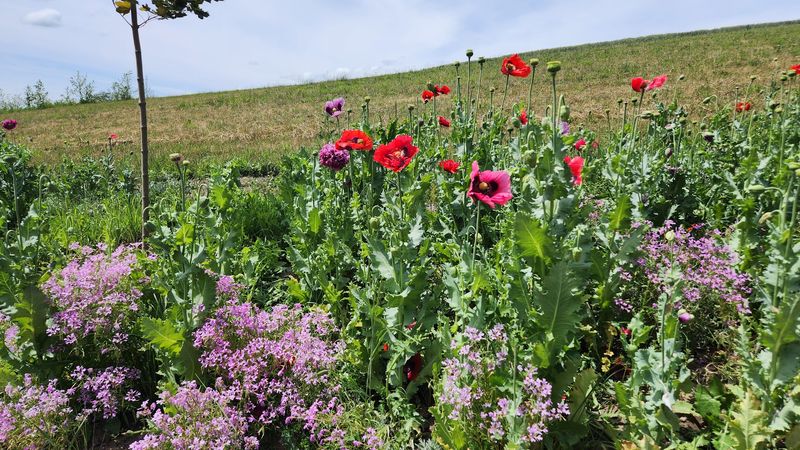
Slower visits may be the most rewarding kind here, especially for anyone who wants more than a quick loop. Open lawns, benches, water views, and shaded places make the arboretum a natural setting for a quiet picnic, a coffee walk, or an unhurried afternoon away from screens.
University surroundings give the space a calm academic feeling, but the garden never feels reserved only for students or plant experts. Families can spread out respectfully, solo visitors can read beside a pond, and friends can wander until a bench with a view decides the stopping point.
Posted rules should be followed, including restrictions that protect the grounds, water, wildlife, and plant collections. Pets are not allowed, so travelers should plan accordingly before arriving.
That care helps keep the garden clean, peaceful, and welcoming for everyone. For anyone near Moscow looking for a restorative outdoor stop, this arboretum delivers simple pleasures beautifully: fresh air, living color, quiet paths, and one more reason to linger.