10 Incredible Places In Vermont Everyone Should Visit At Least Once
Vermont is running a very successful long con, and I mean that as the highest possible compliment.
The state lets you believe you have it figured out, the rolling hills, the maple syrup, the covered bridges that look like they were painted by someone who really wanted you to slow down, and then it waits.
It waits until you are comfortable and mildly smug about your Vermont knowledge, and then it hands you something so completely unexpected that you have to recalibrate everything.
I have driven these roads more times than I can reasonably justify to anyone, and the surprises have never once stopped coming.
A factory tour that turns into a genuinely moving experience. A farm stay that resets your entire relationship with food.
A lakeside science center that makes you feel like a kid in the best possible way. This state does not just have personality, it has personality in quantities that should probably be regulated.
1. Ben & Jerry’s Factory
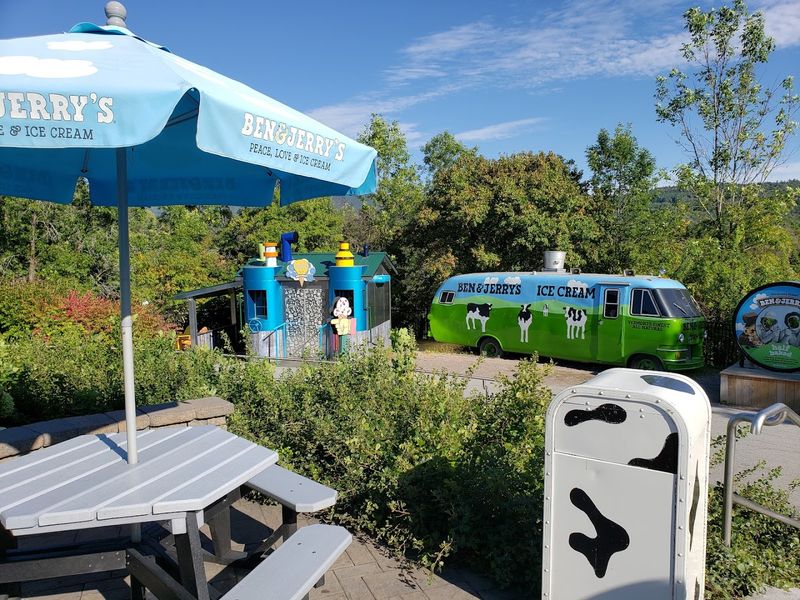
Every scoop of ice cream has a story, and this is where Vermont’s most famous one began.
The Ben & Jerry’s Factory draws hundreds of thousands of visitors each year, and honestly, the hype is completely earned.
I went in expecting a quick walkthrough and came out with a new appreciation for what goes into a pint of Chunky Monkey.
The factory tour takes you up to a viewing window where you can watch the actual production line in motion. It is oddly hypnotic.
Enormous mixing machines churn out flavors while workers in hairnets move with practiced efficiency.
After the tour, there is a tasting area where you get a sample of whatever flavor is running that day.
The Flavor Graveyard outside is genuinely one of the more creative outdoor installations I have ever seen. Flavors like Wavy Gravy and Holy Cannoli get actual tombstones with punny epitaphs.
Kids love it. Adults pretend not to care and then spend fifteen minutes reading every single one.
Find it at 1281 Waterbury-Stowe Road in Waterbury.
2. Shelburne Museum
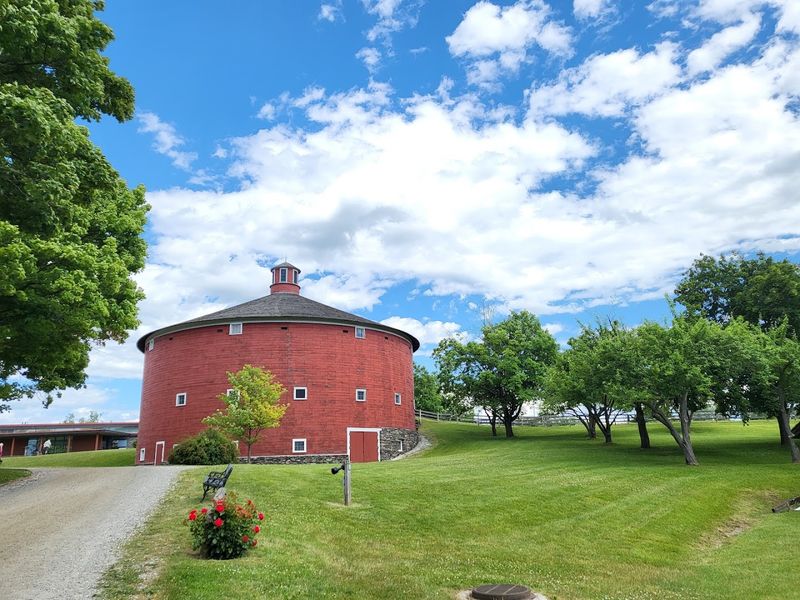
Calling Shelburne Museum just a museum is like calling Vermont just a state.
Technically accurate, wildly underselling it. Spread across 45 acres at 6000 Shelburne Road in Shelburne, this place holds one of the most eclectic collections of American folk art and architecture anywhere in the country.
There are 39 historic structures on the grounds, many of which were relocated here from across New England.
A full-sized steamboat sits on the property. An actual lighthouse was moved here from Lake Champlain.
There is a working carousel that dates back to 1920.
Every time I visit, I discover something I completely missed the last time.
The art inside the buildings spans paintings, quilts, decoys, carriages, and toys, all arranged with real curatorial care. This is not a dusty warehouse situation.
Founder Electra Havemeyer Webb had a sharp eye and zero interest in being boring.
Plan for at least half a day, wear comfortable shoes, and bring snacks because the grounds are expansive and the energy is completely addictive.
3. Shelburne Farms
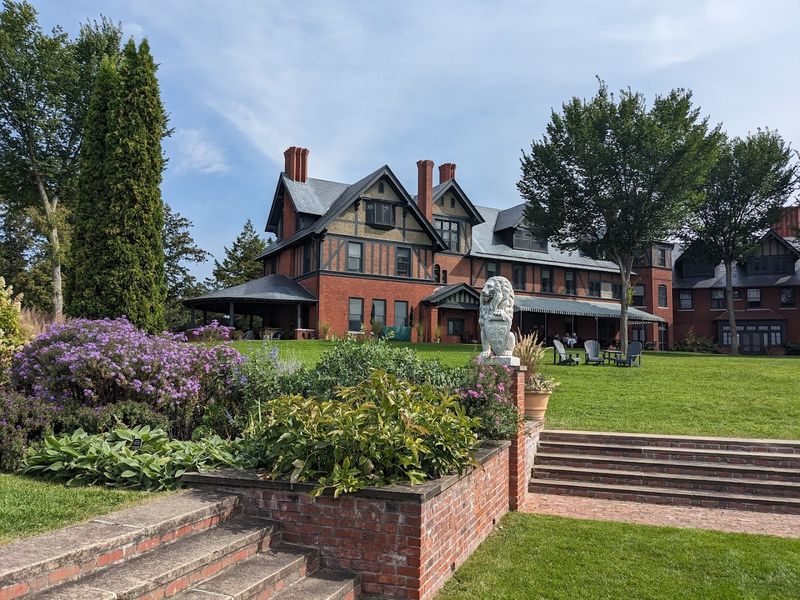
Some places make you want to slow down the moment you arrive.
Shelburne Farms, sitting on 1,400 acres along the shores of Lake Champlain at 1611 Harbor Road in Shelburne, is one of those places.
Originally built as a private estate in the late 1800s, it now operates as a nonprofit working farm and education center that feels completely ahead of its time.
The farm produces its own award-winning cheddar cheese, and the farm store sells it in several varieties ranging from mild to sharp aged.
I picked up a wedge of the two-year cheddar once and ate half of it in the car before I even left the parking lot. No regrets.
You can take guided tours of the property, visit the children’s farmyard where kids can meet the animals, and walk trails with views that stretch across the lake toward the Adirondacks.
The Inn at Shelburne Farms, housed in the original mansion, offers overnight stays for those who want to fully commit to the experience. It is the kind of place that reminds you what sustainable agriculture actually looks like in practice.
4. Hildene, The Lincoln Family Home
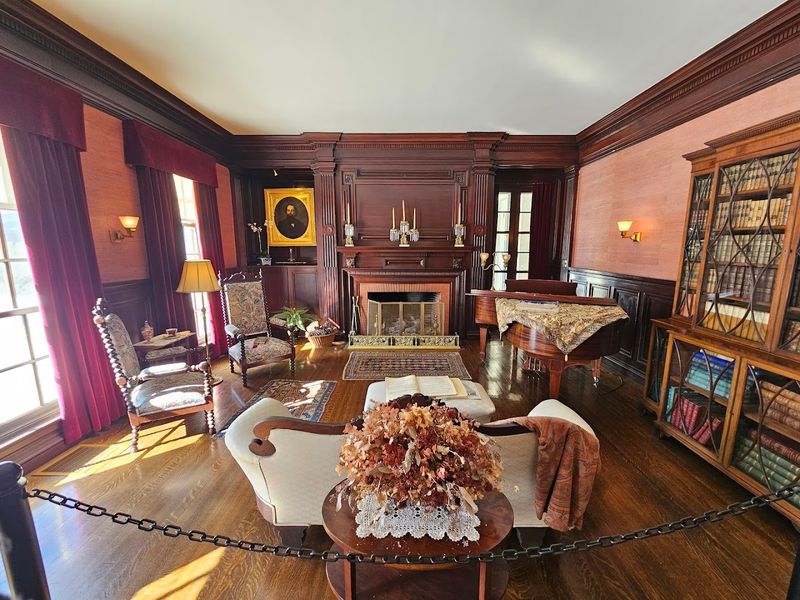
Robert Todd Lincoln, the only one of Abraham Lincoln’s four sons to survive to adulthood, built his Georgian Revival home in Manchester in 1905.
He called it Hildene, and he loved it so much that he spent every summer there until his death in 1926. Walking through its rooms feels like stepping into a conversation that history never quite finished.
Located at 1005 Hildene Road in Manchester, the estate spans 412 acres and includes formal gardens, walking trails, a working farm, and a restored 1903 Pullman railcar that Lincoln used for travel.
The railcar alone is worth the trip. It is meticulously restored and sits in a purpose-built pavilion with exhibits that explain its history.
The formal garden, designed with a stained-glass window pattern visible from the air, is still planted with peonies every spring. The cheese-making operation on the property uses milk from the resident goat herd.
I appreciated how the site balances Lincoln family history with genuine agricultural purpose. It does not feel like a monument.
It feels like a place that is still very much alive.
5. Billings Farm & Museum
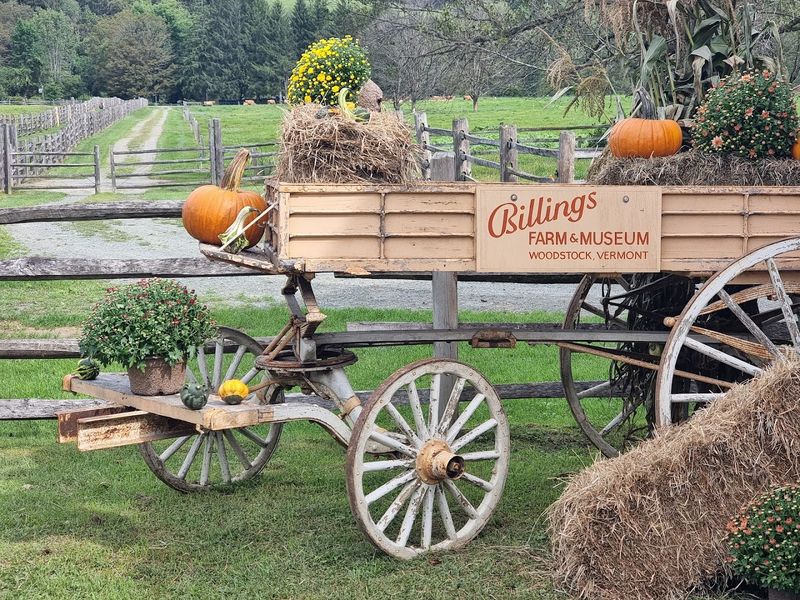
Frederick Billings was a San Francisco lawyer and railroad president who came back to his Vermont roots and decided to build one of the most scientifically managed farms of the 19th century.
That legacy is still very much alive at 69 Old River Road in Woodstock, where Billings Farm and Museum operates as both a working dairy farm and a living history museum.
The Jersey cows here are the main attraction, and they are genuinely photogenic.
The farm produces its own ice cream and cheddar, and the quality is the kind that makes you reconsider every supermarket dairy product you have ever bought.
Seasonal events like pumpkin and apple festivals draw big crowds, and they are worth the traffic.
Inside the museum, exhibits cover Vermont farm life from the 1890s with impressive depth and real artifacts. Butter churning demonstrations, farm chores, and hands-on activities make it an excellent stop for families.
I went on a quiet Tuesday in September and had nearly the whole place to myself, which felt like a small miracle. The staff genuinely knows their agricultural history, and it shows in every conversation.
6. Marsh-Billings-Rockefeller National Historical Park
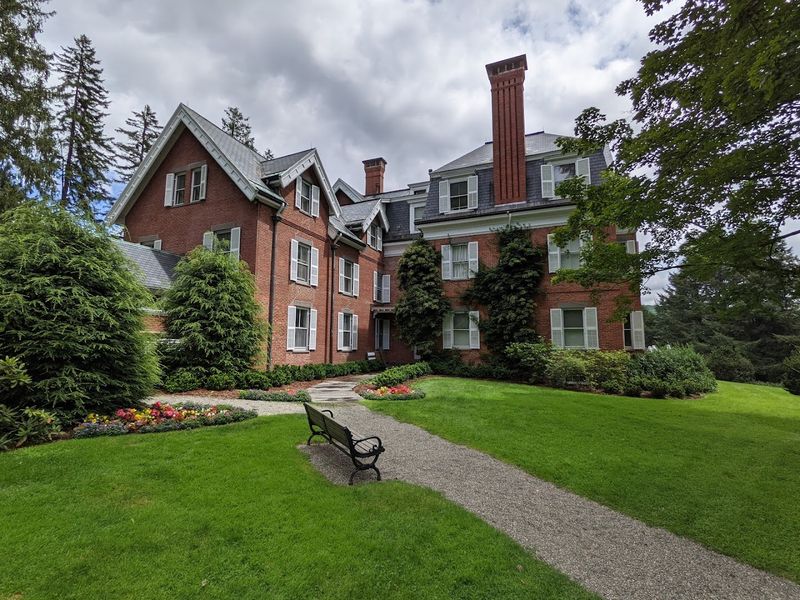
Vermont’s only national park is also one of its most thoughtful.
Marsh-Billings-Rockefeller National Historical Park tells the story of conservation in America through the lives of three remarkable men who all owned the same property across different eras.
George Perkins Marsh, Frederick Billings, and Laurance Rockefeller each shaped how Americans think about land stewardship.
The mansion is open for guided tours that cover the evolution of conservation thinking from the mid-1800s onward.
The carriage roads that wind through the surrounding forest were designed for scenic travel and are still available for walking and cross-country skiing in winter. The managed forest here is one of the oldest in the country.
What makes this park genuinely different from most historic sites is its focus on ideas rather than just events. You leave understanding something new about how human relationships with land have changed over time.
The Queen Anne-style mansion itself is stunning, filled with original furnishings and art collected by the Billings family.
It sits inside the village of Woodstock, at 54 Elm Street, which makes combining it with nearby Billings Farm an easy and rewarding full-day plan.
7. Quechee State Park And Gorge
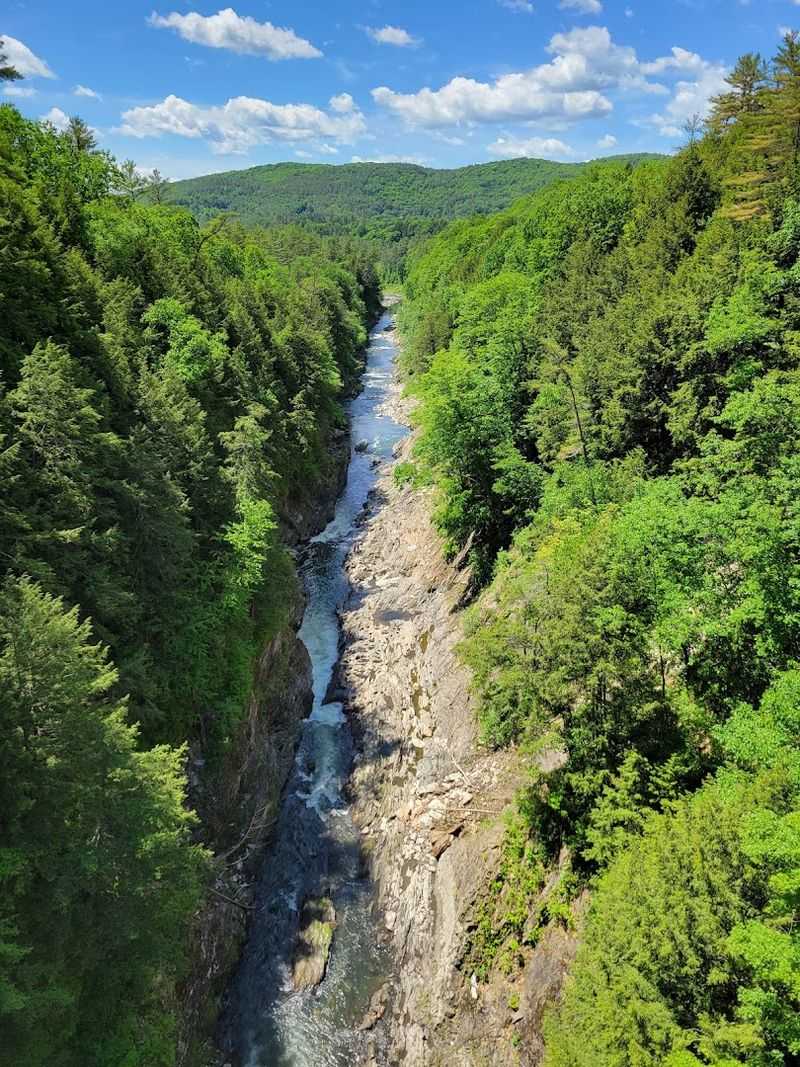
People call Quechee Gorge Vermont’s Little Grand Canyon.
And while the comparison might seem ambitious, standing on the bridge and looking down 165 feet into the rushing Ottauquechee River will make you understand the nickname immediately.
Located at 5800 Woodstock Road in Hartford, the gorge was carved by glacial meltwater roughly 13,000 years ago and has been stopping people in their tracks ever since.
The bridge itself offers the most dramatic view, but the real experience comes from hiking down into the gorge on the well-maintained trails.
Once you are at river level, the scale of the walls above you hits differently. The sound of the water bouncing off the rock is something no photograph can fully capture.
The surrounding state park has campsites, a swimming area, and picnic spots that fill up fast on summer weekends. I recommend arriving early if you want a quiet moment at the overlook before the tour buses show up.
There is also a visitors center nearby with exhibits on the gorge’s geology. Admission is low, parking is easy, and the whole experience takes about two hours if you do the full trail loop.
8. ECHO, Leahy Center For Lake Champlain
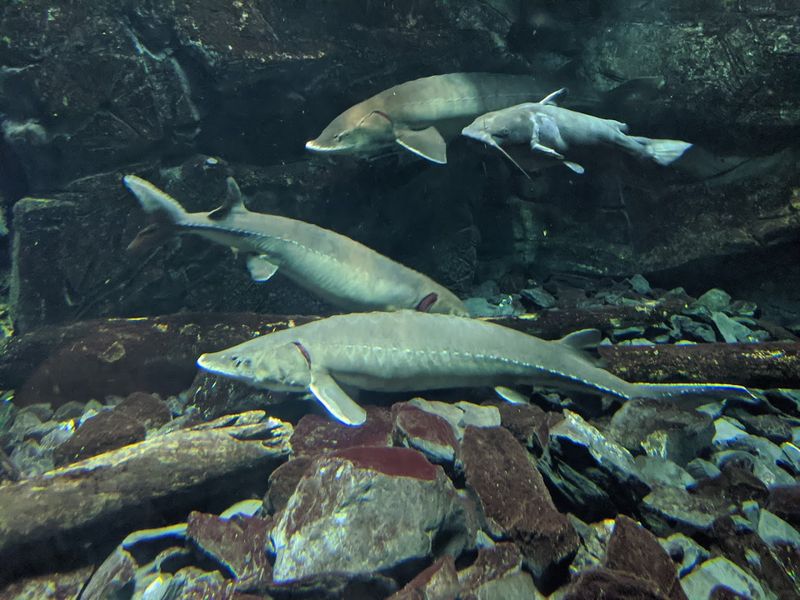
Science museums can feel like homework dressed up with interactive buttons. ECHO at 1 College Street in Burlington is not that.
This waterfront science center dedicated to Lake Champlain and the Champlain Valley ecosystem manages to be genuinely engaging for adults and kids alike, which is harder to pull off than most institutions make it look.
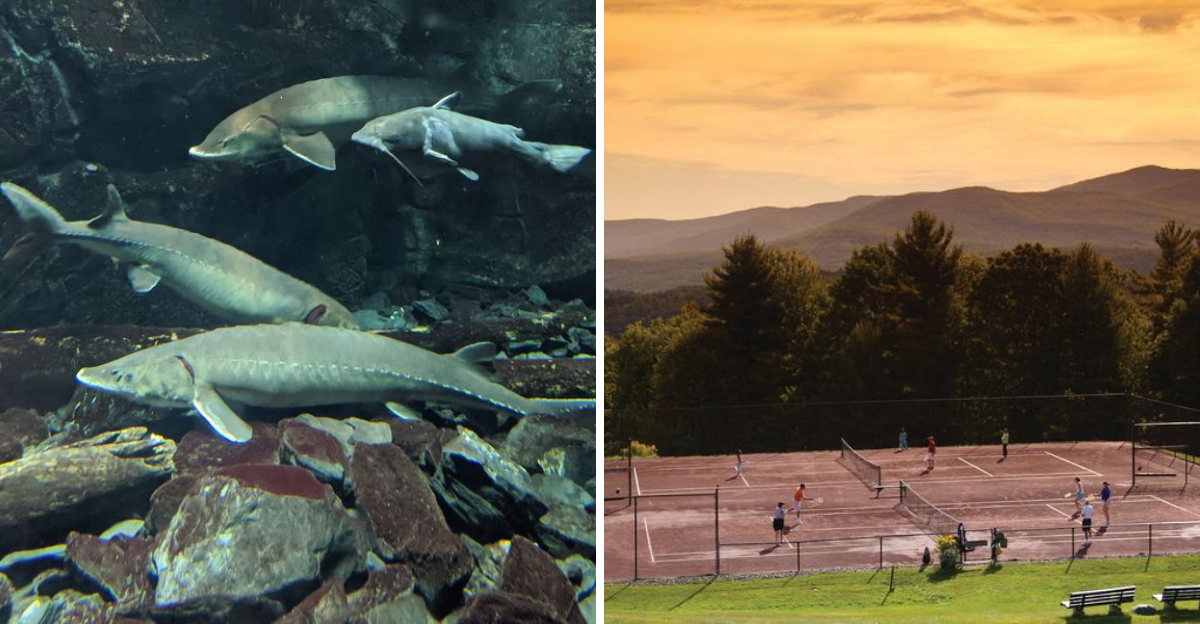
Live fish tanks hold species native to Lake Champlain, including some surprisingly large specimens that will make you think twice about your next swim.
The exhibits cover geology, ecology, climate, and the cultural history of the lake with a level of depth that respects the visitor’s intelligence. There are also rotating special exhibitions that give you a reason to return.
The building itself sits right on the Burlington waterfront, and the views from the upper floors over the lake toward the Adirondack Mountains are spectacular.
After your visit, you can walk directly onto the waterfront bike path, grab something from one of the nearby food spots, and watch the ferry traffic on the lake.
I spent three hours here on a rainy afternoon and left wishing the weather had been worse so I had an excuse to stay longer.
9. Church Street Marketplace
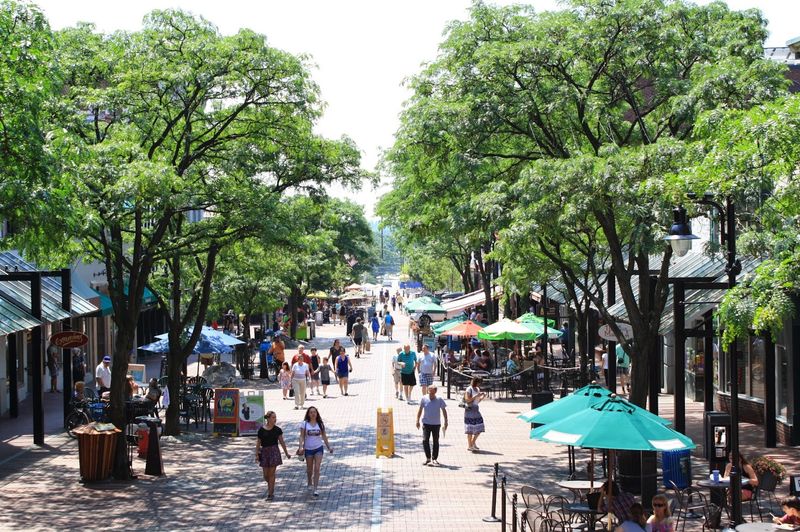
Burlington’s Church Street Marketplace is the kind of outdoor pedestrian zone that other cities spend millions trying to replicate and rarely get right.
Running four blocks through the heart of downtown Burlington from Main Street to Pearl Street, this brick-paved shopping and dining corridor has been a community gathering place since it was developed in the early 1980s.
The mix of local shops, regional restaurants, street performers, and year-round events gives it an energy that feels organic rather than manufactured.
On a warm Saturday afternoon, every bench is occupied, every restaurant has a wait, and the whole street smells like something worth investigating.
I once followed my nose for half a block and ended up at a crepe stand that changed my afternoon plans entirely.
The address for the marketplace information center is 131 Church Street, Burlington. The surrounding blocks hold some of the best independent bookstores, vintage shops, and locally owned restaurants in New England.
Holiday events, outdoor concerts, and farmers markets keep the calendar full throughout the year. Even on a quiet weekday in November, Church Street has a pulse that is hard to find in most American downtowns.
It is the kind of place you plan for an hour and stay three.
10. Trapp Family Lodge
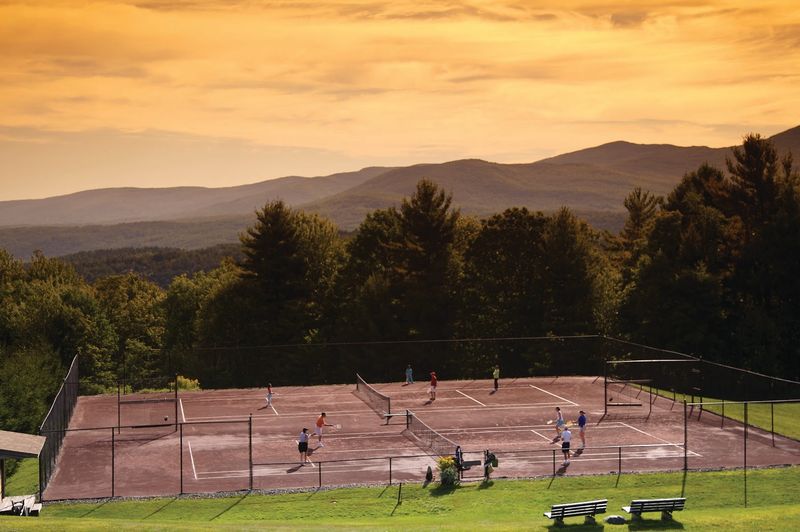
Yes, that Trapp family. The same one that inspired The Sound of Music settled in Stowe, Vermont after fleeing Austria in 1938, and the lodge they built at 700 Trapp Hill Road has been welcoming guests ever since.
The Austrian-style architecture against the backdrop of the Green Mountains creates a visual combination that is genuinely striking and not at all what you expect from a Vermont hillside.
The property covers over 2,500 acres and includes 100 kilometers of cross-country ski trails in winter, plus extensive hiking and mountain biking trails in summer.
The views from the upper trails across the Stowe valley are the kind that make people stop mid-conversation and just look. I have done that exact thing more than once up there.
The main lodge has a bakery that sells Austrian pastries and breads worth planning a morning around. The family history is woven naturally into the property without being overdone.
There are exhibits, a family cemetery, and staff who can speak to the history with real knowledge.
Whether you stay overnight or just come for the trails and a pastry, the Trapp Family Lodge delivers an experience that is completely its own and impossible to mistake for anywhere else.