14 Incredible Big Island Attractions That Show Hawaii At Its Best
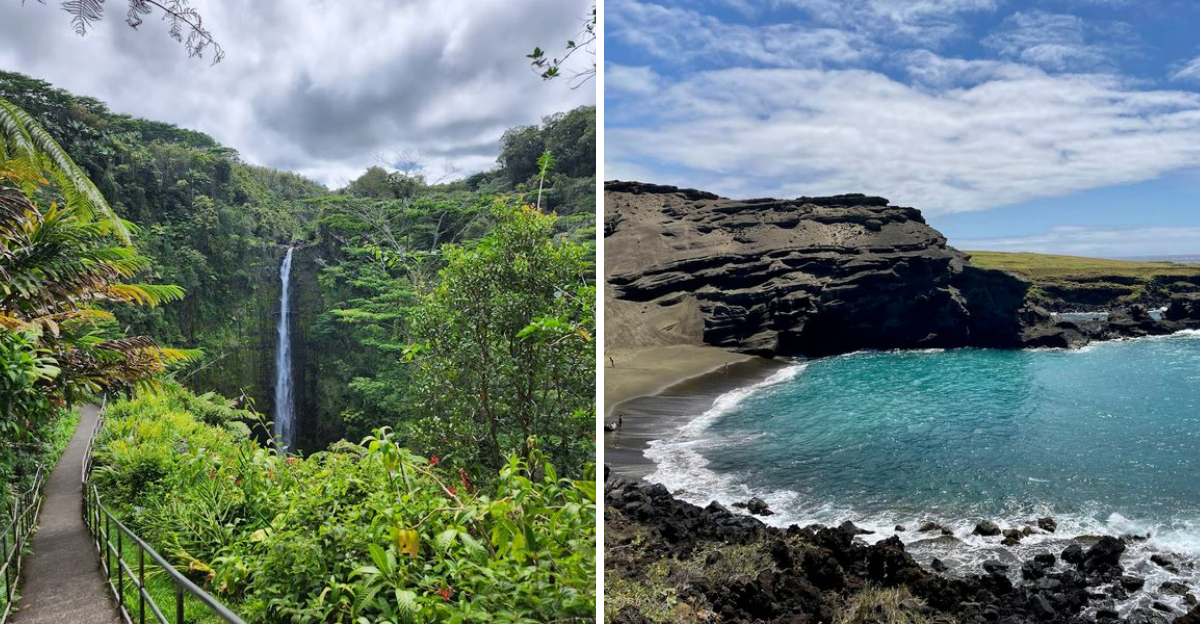
I still remember the moment I realized this island was something else entirely. The ground beneath my feet was still warm.
Not metaphorically. Actually warm, from lava flows that had passed through just years before.
That is the Big Island’s secret. It is the youngest state in America sitting on top of one of the most geologically active spots on the planet.
Nowhere else can you swim with manta rays at night, stand inside an active volcano at sunrise, and stargaze from a summit that pierces the clouds, all within a single day. This island does not just show you Hawaii.
It shows you Earth at its most raw, most dramatic, and most alive. The Big Island is not just the largest island in the state.
It is the most extraordinary one.
1. Hawaiʻi Volcanoes National Park
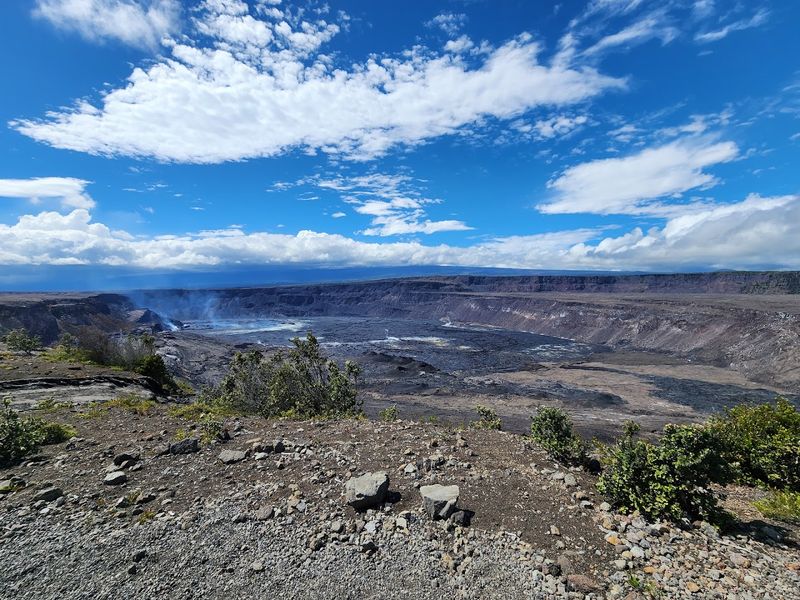
Standing at the edge of an active volcano is one of those moments that rewires your brain permanently. Located at 1 Crater Rim Drive, Hawaii National Park, HI 96718, this park is a UNESCO World Heritage Site.
It is home to both Kilauea and Mauna Loa, two of the most active volcanoes on Earth.
The park stays open 24 hours a day, every single day of the year. During active eruption periods, visitors may be able to see volcanic glow against the night sky from approved viewing areas.
Hiking trails wind through hardened lava fields, steam vents, and ancient craters.
Rangers offer free talks and guided walks throughout the week. The landscape changes constantly because the volcano is always reshaping the land.
Some trails that existed last year may be completely covered in new lava today. Bring sturdy shoes, water, and a good jacket because temperatures shift quickly at higher elevations.
No two visits to this park are ever the same, and that unpredictability is exactly what makes it so thrilling.
2. Rainbow Falls (Wailuku River State Park)
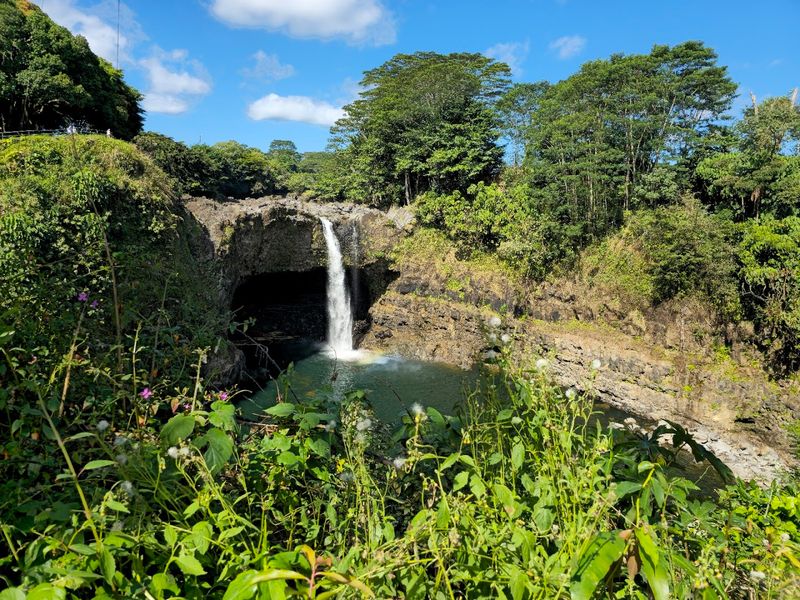
Rainbows are common on the Big Island, but seeing one born directly from a waterfall feels like a magic trick. Rainbow Falls sits along 2-198 Rainbow Drive, Hilo, HI 96720, and lives up to its name almost every single morning.
The waterfall drops 80 feet into a natural lava pool below, and the mist it creates catches the early sunlight perfectly.
This is one of those rare spots where you can drive right up and be at the viewpoint in under two minutes. No long hike required, which is great news for anyone traveling with younger kids or older family members.
The viewing platform is safe, clean, and offers an unobstructed look at the full falls.
Hawaiian mythology adds another layer to this already beautiful place. Legend says the demigod Maui’s mother, Hina, lived in a cave beneath these very falls.
Arriving before 10 a.m. gives you the best chance of spotting the rainbow in the mist. Admission and parking policies can change, so it is worth checking current state park information before visiting.
Honestly, it is hard to leave once you are standing there watching the colors form.
3. Mauna Kea Visitor Information Station
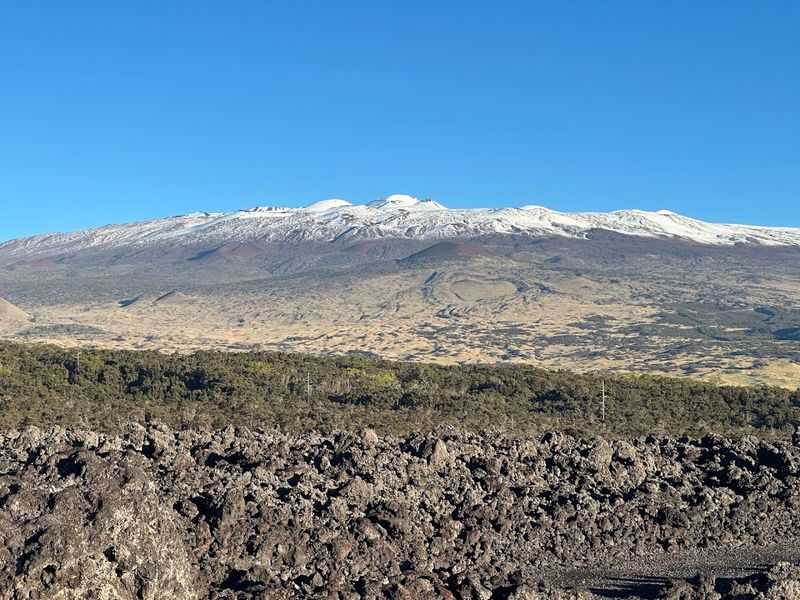
Mauna Kea is the kind of mountain that makes you reconsider everything you thought you knew about size. Measured from its base on the ocean floor, it stretches over 32,000 feet, making it the tallest mountain on Earth.
The Visitor Information Station sits along Mauna Kea Access Road, Hilo, HI 96720, at about 9,200 feet elevation.
You do not need a four-wheel-drive vehicle to reach the station, making it accessible for most visitors. The station offers exhibits, warm drinks, and telescopes for public stargazing after dark.
Rangers are on hand to explain the science and cultural significance of this sacred summit.
Hawaiian culture considers Mauna Kea deeply sacred, and that reverence is palpable the moment you arrive. The observatories perched at the summit represent some of the most advanced astronomical research happening anywhere on the planet.
Stargazing from the visitor station is absolutely jaw-dropping on a clear night. The Milky Way spreads across the sky so vividly it looks almost painted.
Dress warmly because temperatures drop sharply after sunset. Spending even one evening here will completely change how you look at the night sky forever.
4. Puʻuhonua O Hōnaunau National Historical Park
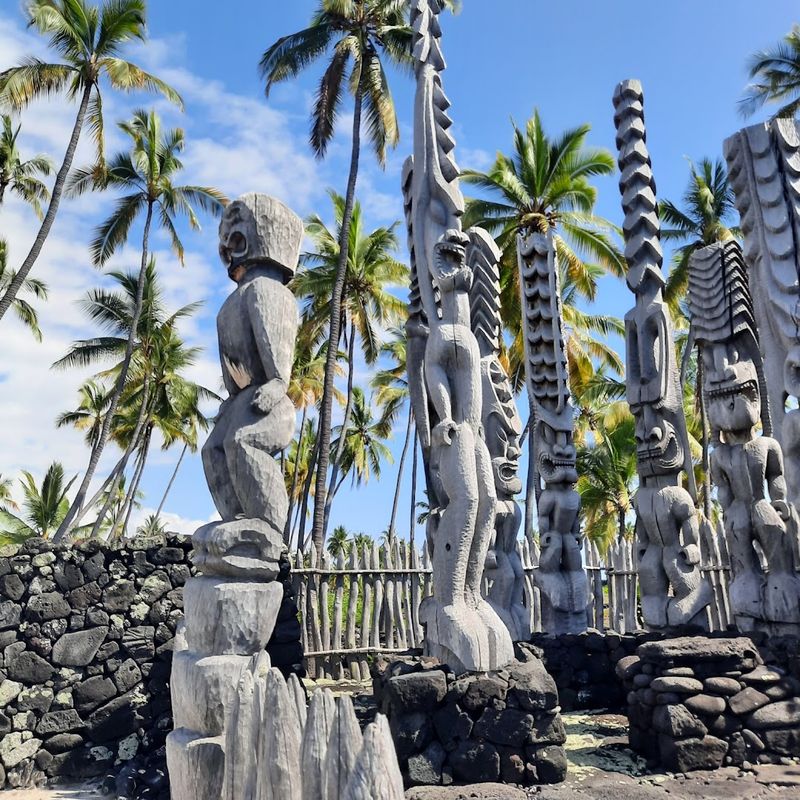
Imagine a place where ancient Hawaiian law allowed people seeking refuge to find safety and forgiveness within its walls. That is exactly what Puuhonua o Honaunau was for centuries.
Located at Highway 160, Honaunau, HI 96726, this national historical park preserves one of the most spiritually significant sites in all of Hawaii.
The park features massive lava rock walls built without mortar, which have stood for hundreds of years. Carved wooden ki statues guard the reconstructed Hale o Keawe temple, creating an atmosphere that feels both ancient and alive.
Walking the grounds here gives you a genuine sense of how deeply structured and meaningful Hawaiian society was.
The park was officially established in 1961 and continues to be a place of cultural education and respect. Ranger-led programs explain the kapu system, which governed nearly every aspect of daily Hawaiian life.
Snorkeling just offshore is also excellent, with calm, clear water and abundant sea life. Early mornings here are especially peaceful, before the tour groups arrive.
This is not just a historical site, it is a living reminder of a culture that deserves deep admiration and understanding.
5. Hapuna Beach State Recreation Area
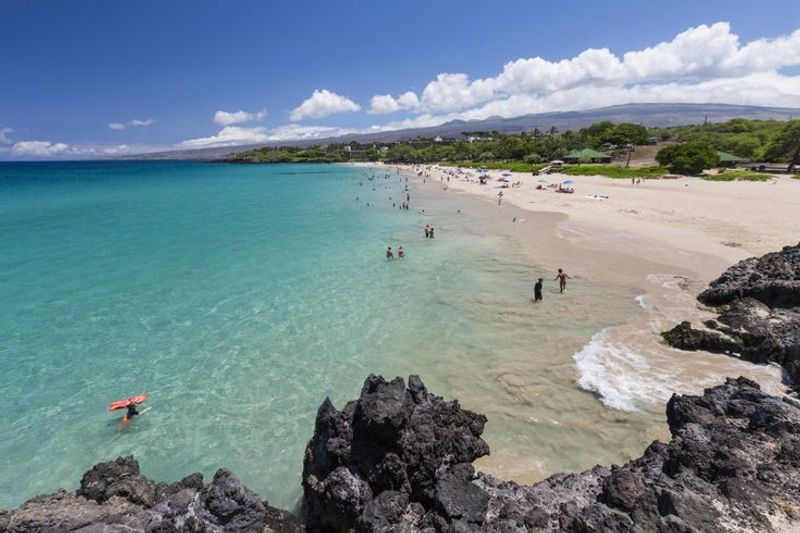
Some beaches make you want to stay forever, and Hapuna is absolutely one of them. Hapuna Beach Road, Waimea, HI 96743, leads you to one of the largest and most celebrated white sand beaches on the entire Big Island.
The water here is a shade of turquoise that does not look real until you are actually standing in it.
The beach stretches for about half a mile and is wide enough that it never feels overwhelmingly crowded. Bodyboarding and swimming are extremely popular because the waves are consistent and the water is warm.
Snorkeling along the rocky edges of the beach reveals colorful fish and healthy coral formations.
Facilities here are solid, with restrooms, showers, and a snack bar on site. Lifeguards are on duty during peak hours, which is reassuring for families with young swimmers.
Shade is limited, so bringing an umbrella is a smart move. Parking fills up early on weekends, so arriving by mid-morning gives you the best shot at a good spot.
Hapuna is the kind of beach that ends up in your memory as the standard against which every other beach gets compared.
6. Huliheʻe Palace
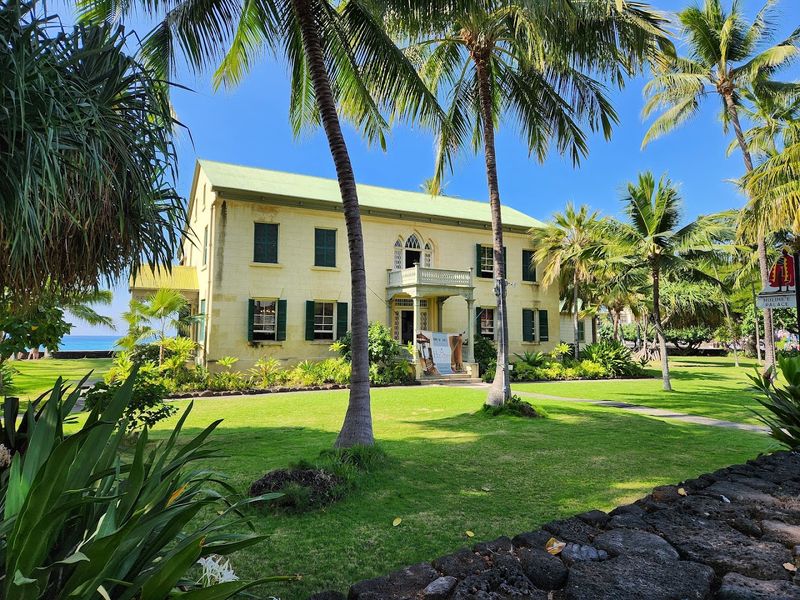
Royal history has a way of making a place feel both grand and intimate at the same time. Hulihe’e Palace at 75-5718 Alii Drive, Kailua-Kona, HI 96740, was once the summer retreat of Hawaiian royalty during the 19th century.
The building itself is constructed from coral and lava rock, giving it a texture and presence that photographs simply cannot capture.
Today the palace operates as a museum run by the Daughters of Hawaii organization. Inside you will find authentic artifacts, royal furniture, and personal belongings from the Hawaiian monarchy.
Each room tells a specific story about a specific era in Hawaiian history, making the tour feel genuinely educational rather than dry.
The location right on Alii Drive is ideal, with ocean views from the grounds that the royals themselves once enjoyed. The surrounding neighborhood is lively with shops and restaurants, so combining a palace visit with a longer Kona afternoon is easy.
Guided tours are available and add meaningful context to what you are seeing. The palace is a compact visit, usually about an hour, but it leaves a lasting impression.
Few places on the island connect you so directly to the human story of Hawaii.
7. Hawaii Tropical Botanical Garden
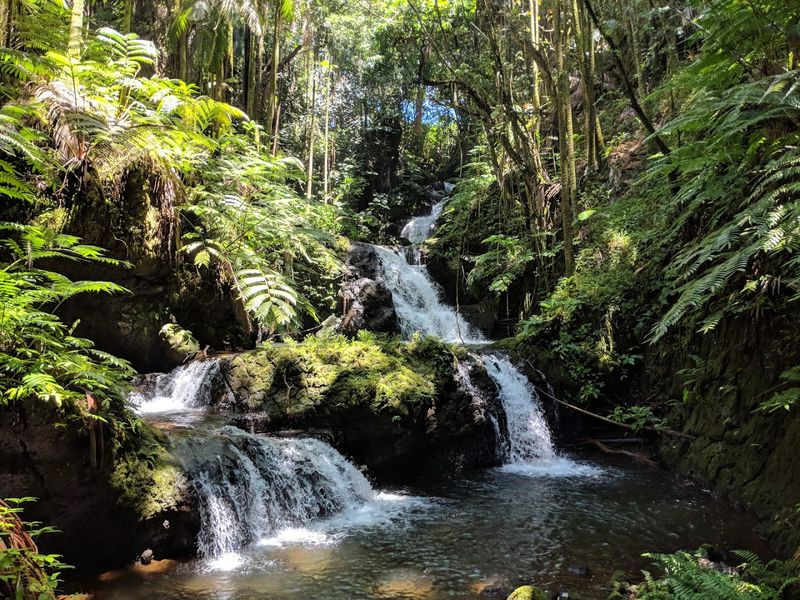
Walking through a garden that feels like it was designed by nature itself is a rare and genuinely wonderful experience. The Hawaii Tropical Botanical Garden at 27-717 Old Mamalahoa Highway, Papaikou, HI 96781, sits along the dramatic Hamakua Coast north of Hilo.
It holds one of the most diverse collections of tropical plants found anywhere in the Pacific.
The garden covers about 40 acres and includes multiple waterfalls, a lily lake, and ocean overlooks that will stop you in your tracks. Over 2,000 species of plants are represented here, sourced from tropical regions across the globe.
The trail system winds through the property at a gentle pace, making it suitable for most fitness levels.
Butterflies and tropical birds are constant companions along the path. The sound of waterfalls mixing with birdsong creates an atmosphere that feels completely removed from everyday life.
This is a privately operated garden, so admission fees help fund ongoing conservation efforts. Morning visits are best because the light filters through the canopy in the most beautiful way.
Photographers absolutely love this place, and it is easy to understand why once you are inside. Plan for at least two hours here.
8. ʻAkaka Falls State Park
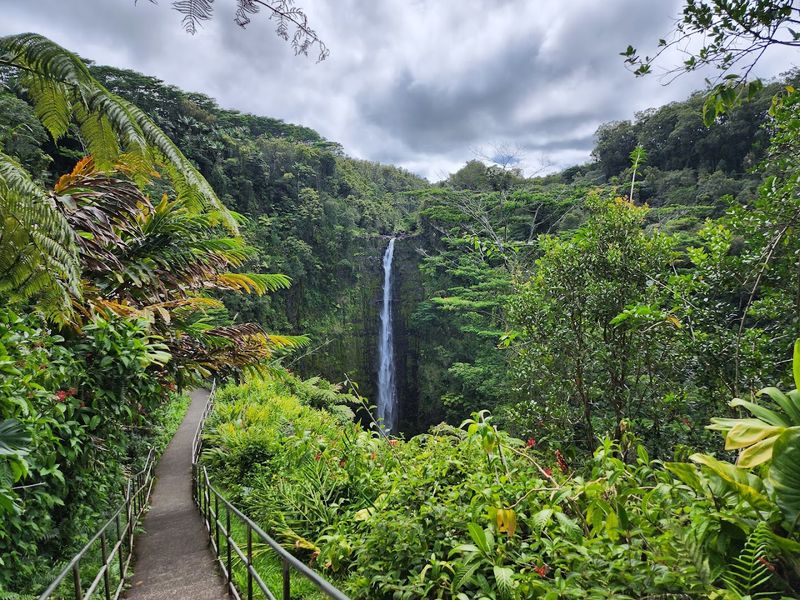
Few waterfalls in the world make you stop walking just to stare with your mouth open. Located at 875 Akaka Falls Road, Honomu, HI 96728, this park is about 11 miles north of Hilo.
The star attraction is the stunning 442-foot Akaka Falls, which drops straight down into a gorge carved over thousands of years.
A second waterfall, Kahuna Falls, stands 100 feet tall and greets you earlier along the trail. The loop trail is only 0.4 miles long and paved, making it one of the most accessible waterfall hikes you will find anywhere.
Wild orchids, giant bamboo groves, and massive ferns line every step of the path.
The air here smells incredibly fresh, almost sweet, from all the surrounding vegetation. Morning visits tend to be cooler and less crowded, which makes the whole experience feel more personal.
Even on a cloudy day, the falls are dramatic and beautiful. Admission is minimal and the parking area is well maintained.
This is the kind of place that reminds you why nature is worth protecting with everything we have.
9. Punalu’u Black Sand Beach
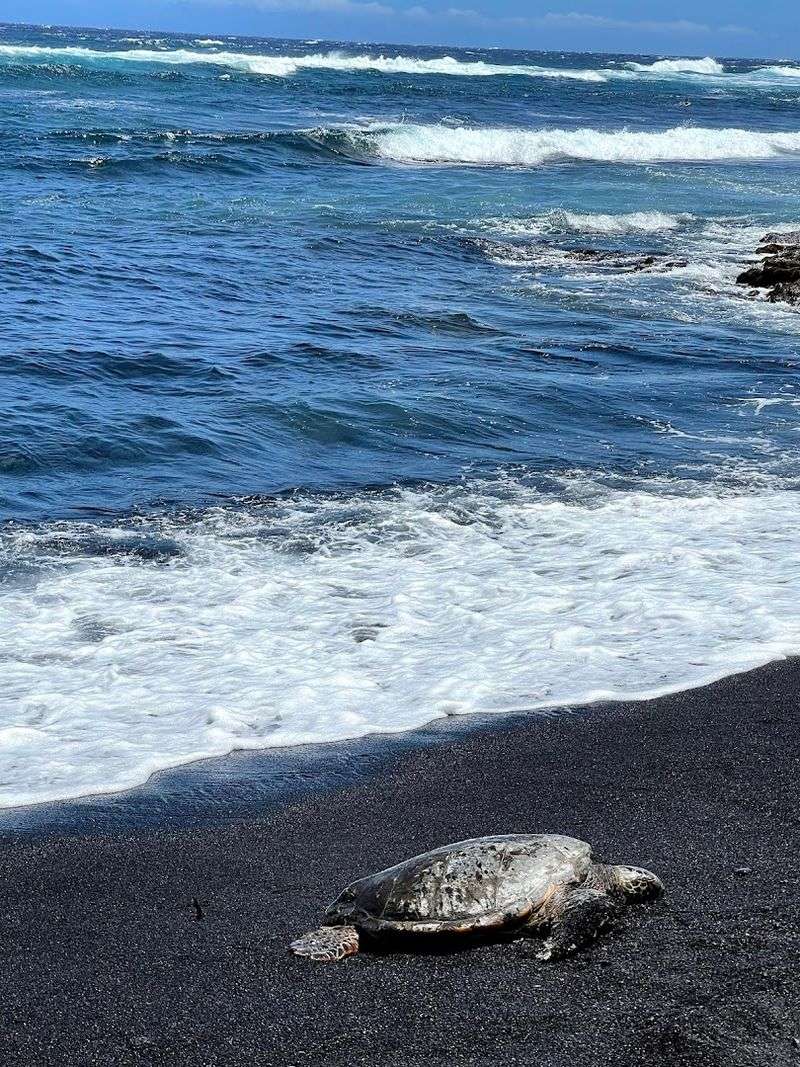
Black sand beaches exist in a few places around the world, but none quite like this one. Punalu’u Black Sand Beach along Ninole Loop Road, Naalehu, HI 96772, is made entirely of basalt formed when hot lava hit the ocean and shattered into millions of tiny dark fragments.
The contrast of the jet-black sand against the bright blue water is visually stunning.
Endangered green sea turtles, known locally as honu, regularly haul themselves onto the beach to bask in the sun. Sea turtles are frequently seen here, and watching them rest along the shoreline is a memorable experience.
Hawaiian law requires visitors to keep a respectful distance from the turtles at all times.
The beach itself is dramatic and photogenic from every angle. Swimming is possible but currents can be unpredictable, so checking conditions before entering the water is important.
Lifeguards are present during certain hours. A small pavilion and restrooms make the visit comfortable.
This is one of the most photographed spots on the entire Big Island, and once you see it in person, that makes complete sense. The geology here is a story of fire and ocean told in sand.
10. Waipio Valley Lookout
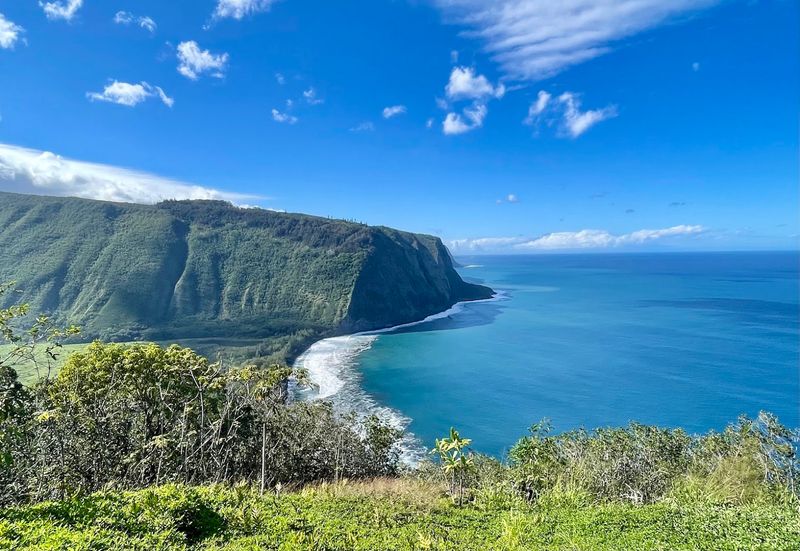
There are viewpoints, and then there is Waipio Valley, which operates on an entirely different level of dramatic. The lookout at 48-5561A Waipio Valley Road, Honokaa, HI 96727, gives you a sweeping panorama of one of the most historically significant valleys in all of Hawaii.
Sheer green cliffs drop nearly 2,000 feet on either side of a lush valley floor.
Ancient Hawaiian ali’i, or chiefs, once called this valley home, and the spiritual weight of that history is palpable standing at the rim. A black sand beach stretches across the valley’s mouth where the river meets the sea.
Waterfalls cascade down the far cliff walls, visible even from the lookout on clear days.
The road down into the valley is extremely steep and requires a four-wheel-drive vehicle. Many visitors choose to simply enjoy the view from the top, which is honestly breathtaking enough on its own.
Access into the valley can change due to road conditions and local regulations, so checking current visitor information is recommended. The valley is still home to taro farmers who continue traditional agricultural practices.
Morning light makes the valley glow with an almost otherworldly green intensity that is hard to forget.
11. Kealakekua Bay State Historical Park
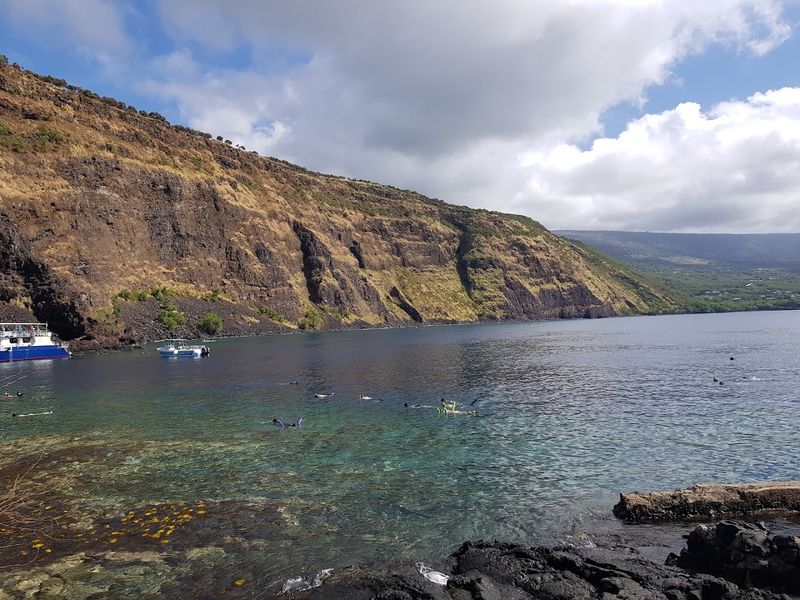
Clear water, spinner dolphins, and living coral make this bay one of the most rewarding snorkel spots on the entire island. Kealakekua Bay State Historical Park along Napoopoo Road, Captain Cook, HI 96704, sits inside a marine sanctuary that protects its extraordinary underwater ecosystem.
The water visibility here regularly exceeds 100 feet, which is almost unheard of.
The bay is also where British explorer Captain James Cook first made contact with native Hawaiians in 1779. A white obelisk monument on the far shore marks the site where that historic encounter ultimately ended.
Reaching the monument requires either a kayak paddle or a boat tour, which adds a sense of adventure to the visit.
Spinner dolphins frequently visit the bay in the mornings, often leaping and spinning in the calm waters near kayakers. Snorkeling here reveals an explosion of fish, sea turtles, and healthy coral formations that rival anything in the Pacific.
Kayak rentals and guided tours are available from nearby operators. Arriving early is strongly recommended because parking and access options can become limited during busy periods.
This is the kind of place that makes you genuinely grateful for marine conservation efforts.
12. Thurston Lava Tube (Nāhuku)
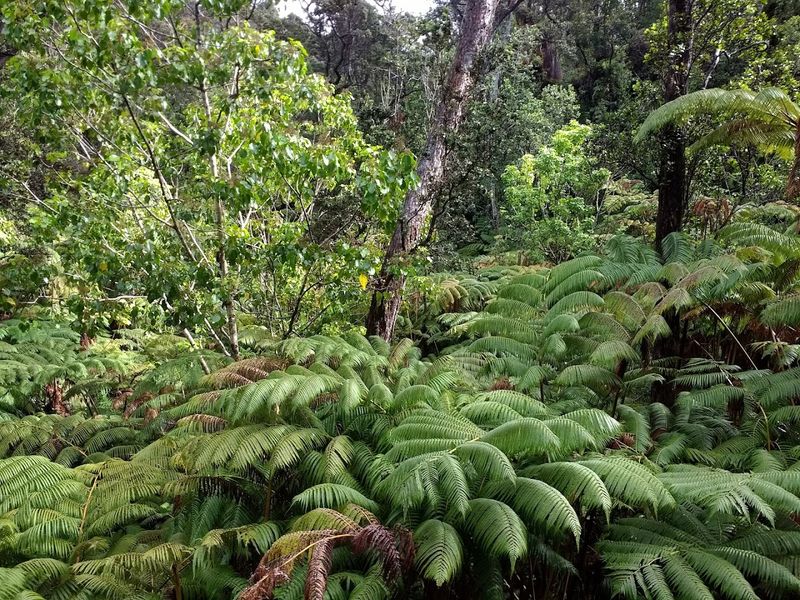
Walking through a tunnel carved by flowing lava thousands of years ago is exactly as cool as it sounds. The Thurston Lava Tube, officially called Nahuku, is located on Crater Rim Drive, Hawaii Volcanoes National Park, HI 96718, inside the main park grounds.
It was formed when the outer crust of a lava flow cooled and hardened while molten lava continued flowing beneath, eventually draining and leaving a hollow tube.
The entrance is framed by a lush fern forest that makes the whole approach feel theatrical. Inside, the tube stretches for about 500 feet and may have adjusted access routes depending on current park conditions.
The ceiling and walls show the remarkable texture of cooled lava, with ripple marks and drips frozen in time.
The tube is part of a larger lava tube system that extends much further underground. Geologists consider it one of the most accessible and well-preserved examples of its kind anywhere in the world.
The walk through takes about 15 minutes, but most people linger longer to take it all in. Combining a lava tube visit with a broader park exploration makes for an incredibly full day.
This is one of those rare natural wonders that feels simultaneously ancient and alive.
13. Maniniʻowali Beach (Kua Bay)
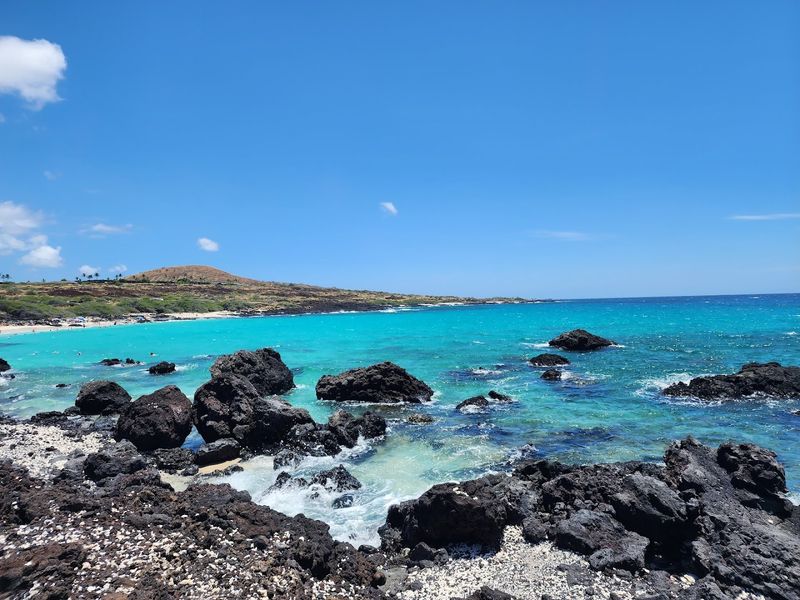
Some beaches reward the effort it takes to reach them, and Kua Bay is a perfect example of that principle. Manini’owali Beach, commonly called Kua Bay, is located within Kekaha Kai State Park, Kailua-Kona, HI 96740, along the rugged Kohala Coast.
The drive in along a rough access road builds anticipation, and then the beach appears like a reward at the end.
The sand here is soft, bright white, and squeaky underfoot in the best possible way. The water is a vivid shade of blue-green that photographers spend entire careers trying to capture accurately.
Bodyboarding and swimming are popular when the surf is calm, typically in summer months.
Winter swells can make the water rough, so checking surf conditions before visiting is always a smart idea. Facilities are minimal here, with portable restrooms and no food vendors, so packing your own supplies is essential.
The lack of development is actually part of the appeal, keeping the beach feeling pristine and natural. Parking is limited and fills quickly on weekends, so early arrival is strongly recommended.
This beach consistently ranks among the most beautiful in the state, and spending even a few hours here will completely reset your stress levels.
14. Papakolea Green Sand Beach
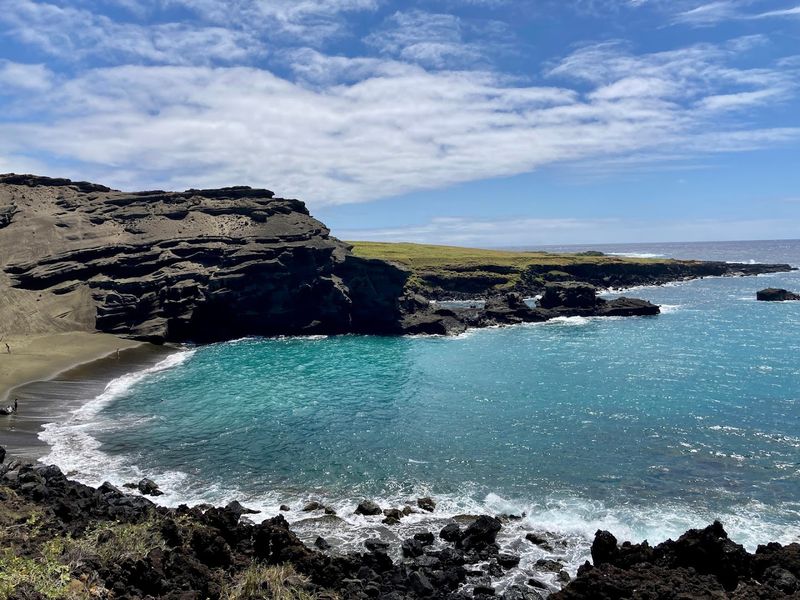
Green sand sounds like something from a fantasy novel, but this beach is completely real and genuinely one of the most unusual natural features on the planet.
Papakolea, also called Mahana Beach, sits along South Point Road, Naalehu, HI 96772, near Ka Lae, the southernmost point of the United States.
The green color comes from olivine crystals eroded from the surrounding volcanic cinder cone over thousands of years.
Only four green sand beaches exist in the entire world, which makes visiting this one feel like a genuine privilege. Reaching it requires a 2.5-mile hike from the parking area across rugged coastal terrain.
The hike is moderately challenging but manageable for most people with decent footwear.
The beach itself sits inside a natural amphitheater of eroded volcanic rock, making the setting as dramatic as the sand color. Waves here can be strong, so swimming is not always advisable.
The real draw is simply standing on green sand and fully absorbing how extraordinary Earth’s geology can be. Bring plenty of water because there is no shade or fresh water along the route.
This is one of those places that genuinely earns its reputation.