These 10 Pennsylvania Spring Destinations Look Absolutely Magical This Time Of Year
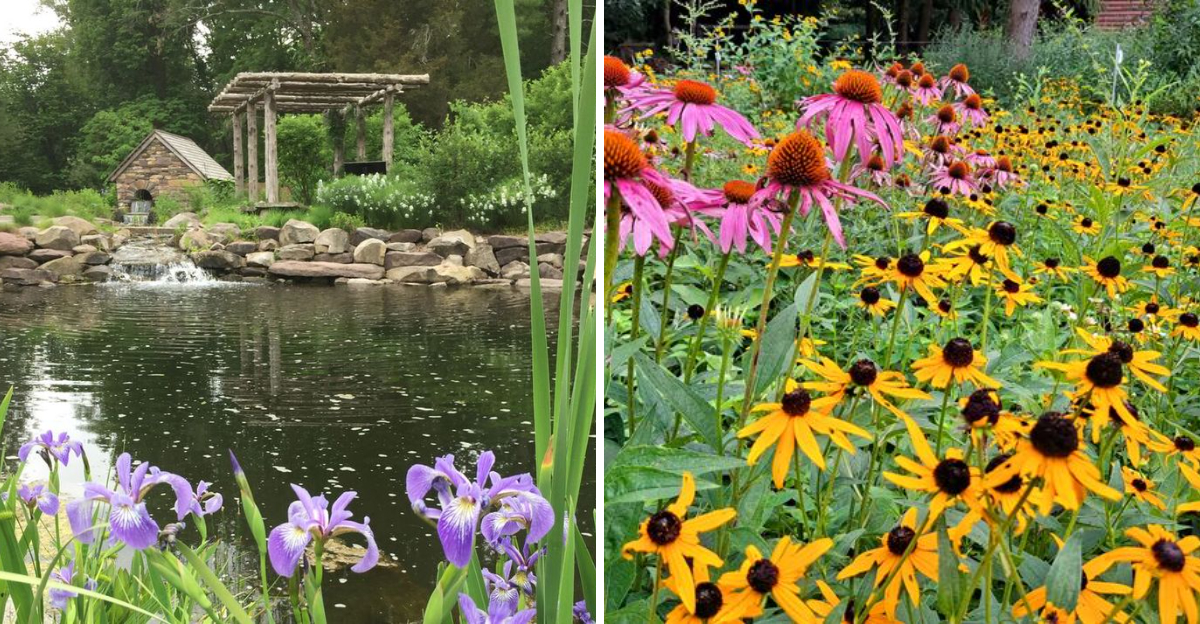
Spring in Pennsylvania is something else entirely.
If you have never experienced it, no description will fully prepare you for the moment an entire hillside suddenly decides to burst into color like it has been saving up all winter for exactly this.
One weekend the branches are bare and the landscape looks like February has no intention of leaving.
Then, you blink and suddenly everything is blooming, buzzing, and almost aggressively beautiful.
I have spent more than a few spring mornings wandering through corners of this state with my jaw doing things it probably should not do in public.
Pennsylvania hides wildflower preserves, cascading waterfalls, and garden spectacles in places you would never think to look, unless someone pointed you in the right direction.
Consider this your pointing. These destinations are the ones worth rearranging your entire weekend schedule for, and trust me, you will not regret a single detour.
1. Longwood Gardens
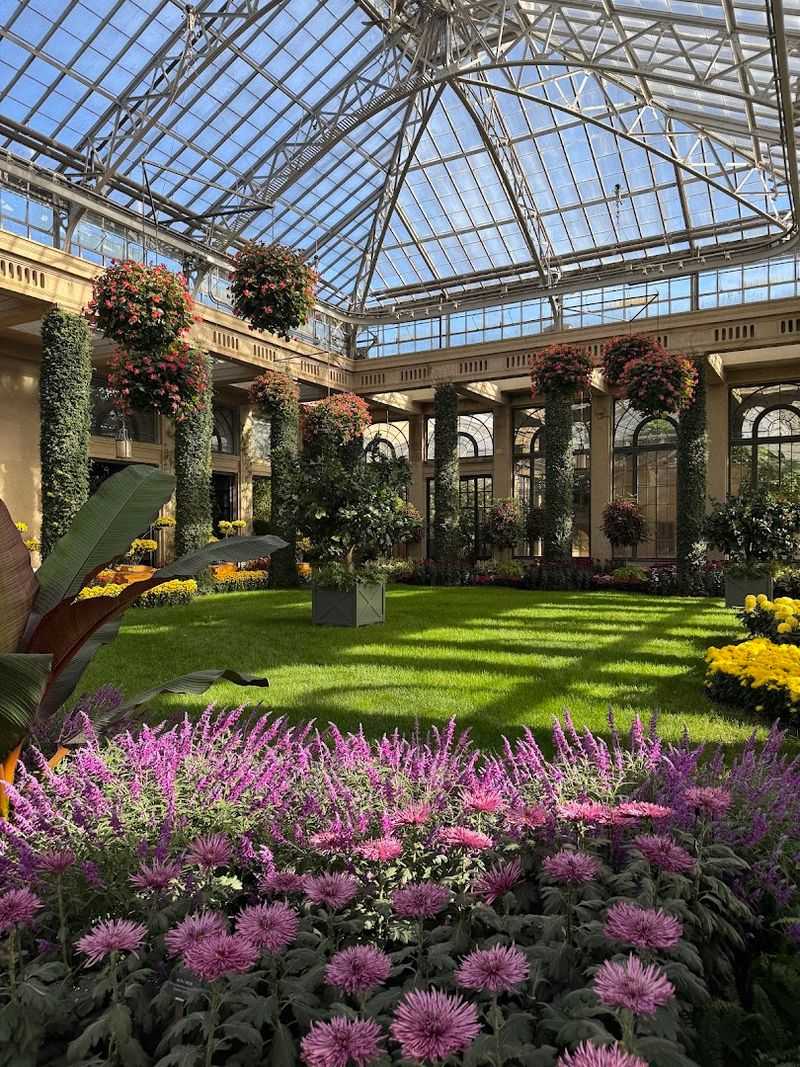
Some places earn their reputation the hard way, and Longwood Gardens earns it every single spring without breaking a sweat. Located at 1001 Longwood Road in Kennett Square, this is not just a garden.
It is a full sensory event.
Over 1,000 acres of outdoor gardens, meadows, and woodlands come alive between March and May. The tulip displays alone are worth the drive.
Hundreds of thousands of bulbs bloom in coordinated waves of red, yellow, and purple that feel almost theatrical.
The Conservatory is open year-round, but spring is when it truly shines. Orchid displays, water features, and carefully curated plant collections fill every room with color and fragrance.
Kids love the children’s garden, and honestly, so do adults who are just pretending to supervise.
Fountain shows run on select evenings and add a surprisingly dramatic layer to the whole experience. Plan to spend at least half a day here.
Arriving early on a weekday means fewer crowds and better light for photos. Longwood does charge admission, so booking tickets online ahead of time is a smart move.
2. Phipps Conservatory And Botanical Gardens
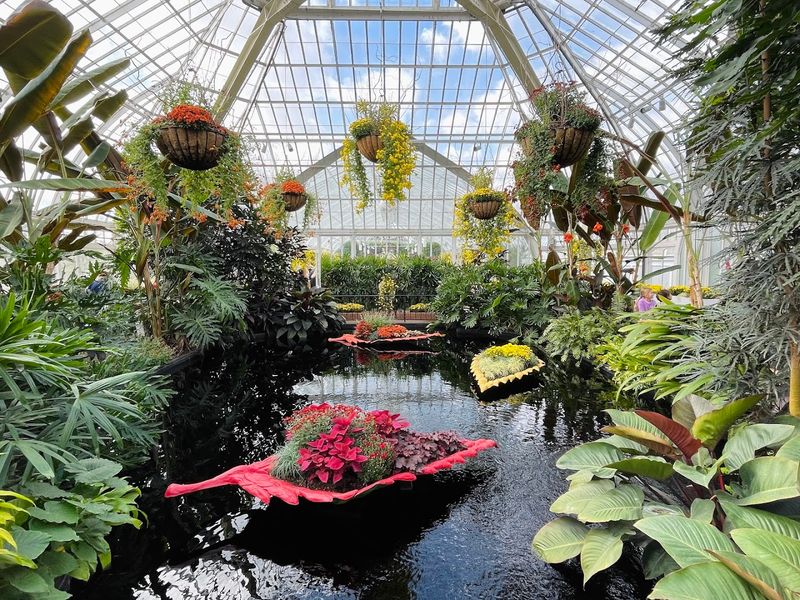
Pittsburgh has a lot going for it, but Phipps Conservatory might be its most underrated bragging right.
Sitting inside Schenley Park, this Victorian-era glass house has been wowing visitors since 1893 and clearly has no plans to stop.
Every spring, Phipps rolls out its seasonal flower show with a theme that changes annually. Past shows have featured everything from Japanese-inspired landscapes to wild meadow installations.
The creativity here is genuinely impressive, and the floral arrangements are styled more like art installations than traditional garden beds.
The Outdoor Garden comes into its own in April and May, with flowering trees, perennial borders, and water features creating a peaceful contrast to the city just outside the gates.
It is a surprisingly quiet retreat for a place located so close to a major urban center.
Phipps at 1 Schenley Park also leads the way in sustainability, having earned multiple green building certifications. So you can feel good about your visit on multiple levels.
Admission is reasonably priced, and the gift shop carries some genuinely thoughtful botanical gifts. Parking in Schenley Park can fill up fast on weekends, so arriving before noon is wise.
3. Morris Arboretum & Gardens
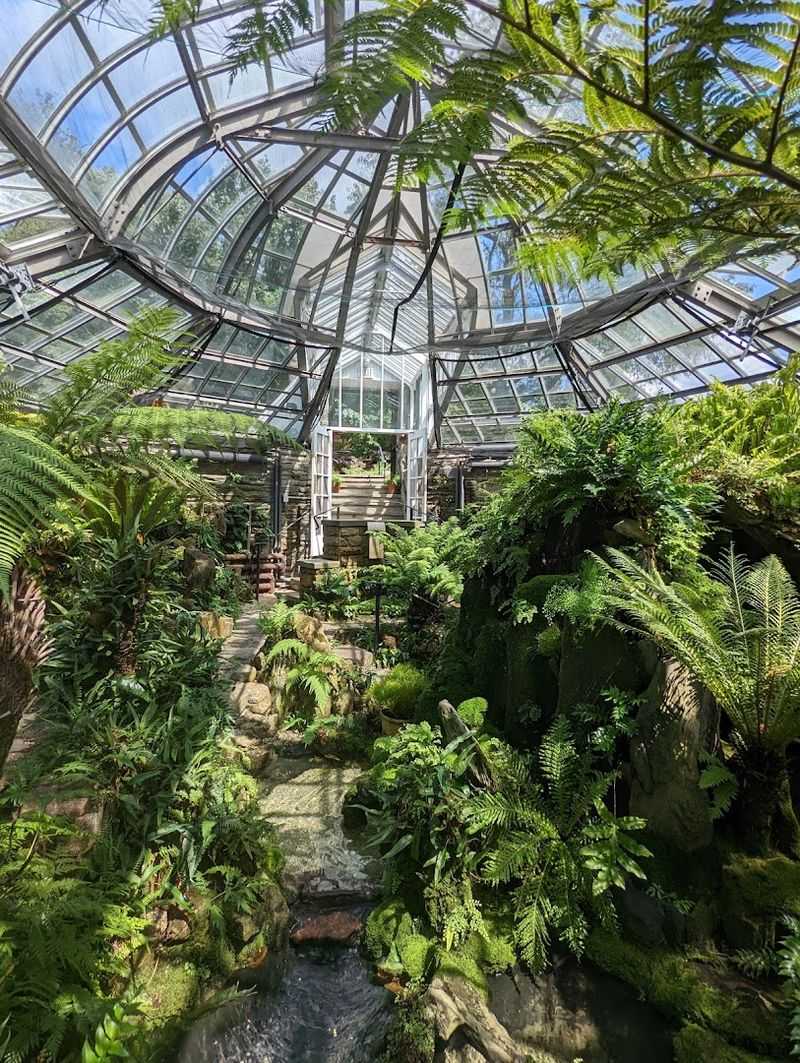
Not every botanical garden feels like a story, but Morris Arboretum absolutely does.
Officially the official arboretum of the Commonwealth of Pennsylvania, it sits at 100 E Northwestern Avenue in Philadelphia and carries that title with quiet confidence.
Spring here means cherry blossoms, magnolias, and a parade of flowering trees that line the winding paths in soft pink and white.
The collection includes over 13,000 plants representing more than 2,500 species, which sounds overwhelming until you are actually walking among them and just feeling very small and very lucky.
The garden was originally the private estate of siblings John and Lydia Morris in the late 1800s. That history gives the place a romantic, slightly mysterious atmosphere that newer gardens simply cannot manufacture.
The fernery, the Japanese-style overlook, and the rose garden each have their own personality.
Children love the Out on a Limb tree adventure, which sends visitors up into the forest canopy on elevated walkways.
Spring weekends bring families out in full force, so a Tuesday morning visit rewards you with the whole place nearly to yourself. Admission is affordable, and the grounds are genuinely stunning every single year.
4. Chanticleer Garden
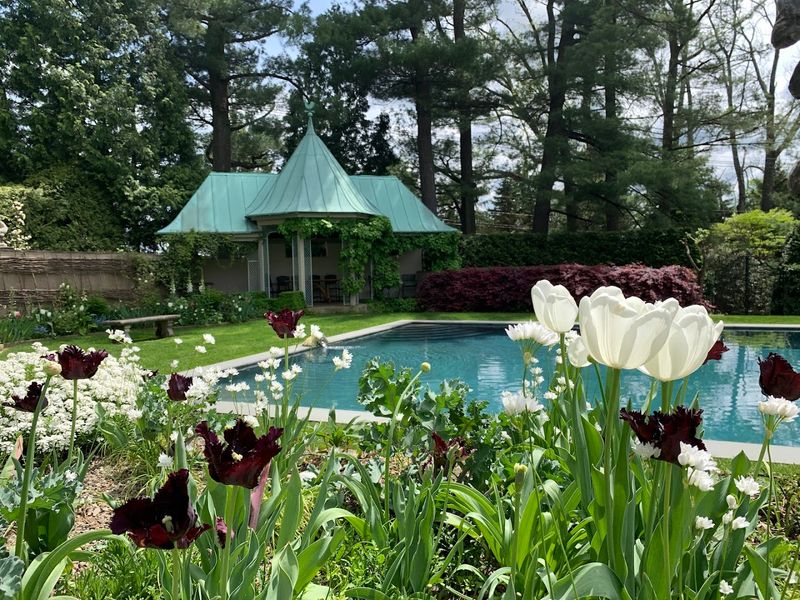
Chanticleer Garden is the kind of place that makes you wonder why it is not more famous.
Located at 786 Church Road in Wayne, this 35-acre pleasure garden is what happens when talented horticulturists are given real creative freedom and a beautiful historic property to work with.
Spring arrivals are greeted by sweeping bulb plantings, early perennials, and flowering trees that frame the stone manor house in genuinely cinematic fashion.
Each section of the garden has its own distinct character, from the lush Ruin Garden to the wild and textured Gravel Garden. No two corners feel alike.
What sets Chanticleer apart is the artistic approach to planting design. The staff treats the garden as a living canvas, and the results show.
Combinations of color, texture, and form here feel bold without being chaotic. It is the kind of garden that plant lovers photograph obsessively and non-gardeners enjoy just as much without fully knowing why.
Chanticleer is open from April through November, and spring is peak season for a reason. The garden is intentionally kept intimate in scale, meaning it never feels overwhelming.
Admission is modest, and the experience consistently punches well above its price tag. Go soon and go often.
5. Bowman’s Hill Wildflower Preserve
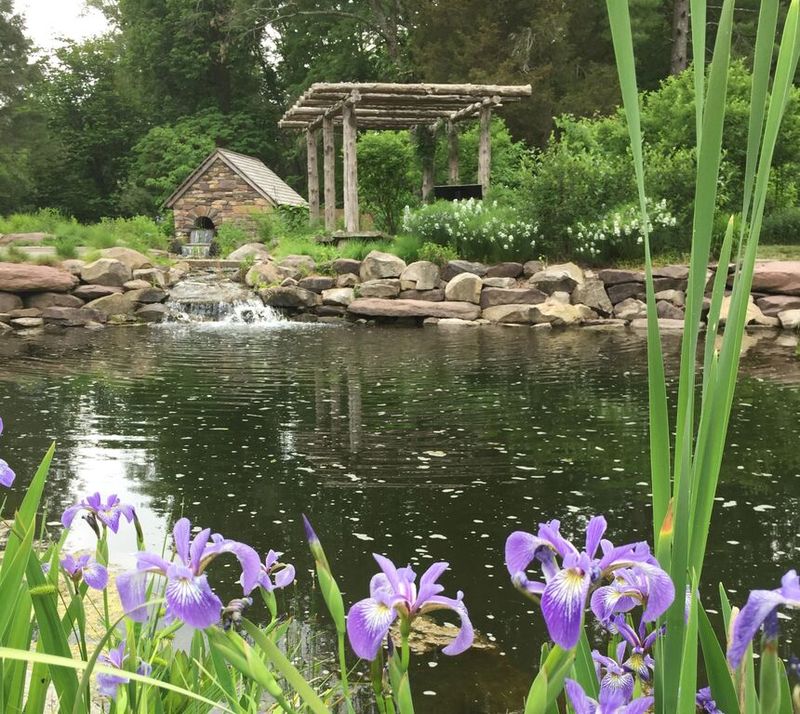
Virginia bluebells are one of those flowers that feel almost too blue to be real, and Bowman’s Hill Wildflower Preserve is one of the best places in the entire mid-Atlantic to see them.
This 134-acre preserve is dedicated entirely to Pennsylvania native plants.
Spring is when the preserve absolutely earns its reputation. From late March through May, the woodland trails fill with trillium, trout lily, wild ginger, bloodroot, and of course those unforgettable bluebells.
The timing shifts slightly each year depending on temperature, so checking their bloom tracker before visiting is genuinely useful.
The preserve is located at 1635 River Road in New Hope, it opened in 1934 and was one of the first of its kind in the country. That longevity means the plant communities here are well-established and remarkably diverse.
Guided walks are offered throughout the season and led by knowledgeable naturalists who make the forest feel like a classroom in the best possible way.
Dogs are not permitted, which keeps the trails quiet and the wildlife undisturbed.
Birding here in spring is excellent as well, with warblers and other migratory species passing through alongside the bloom season.
Admission is low, and the parking lot fills by mid-morning on spring weekends, so plan accordingly.
6. Hershey Gardens
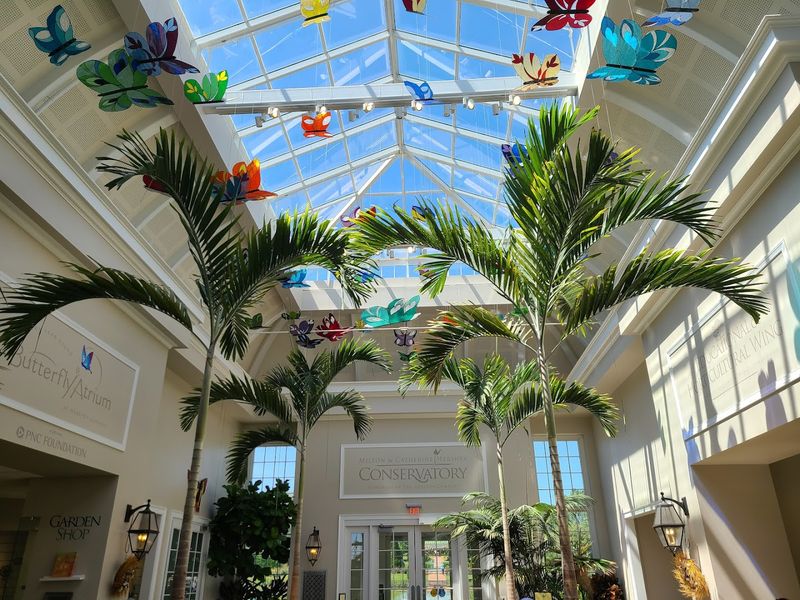
Milton Hershey originally planted a rose garden here in 1937 as a gift to his community, and what grew from that simple idea is now a 23-acre botanical garden that pulls visitors from across the region every spring.
Hershey Gardens has expanded far beyond roses, though the rose collection is still spectacular.
Spring means tulips here, and lots of them. The garden plants tens of thousands of tulip bulbs each fall, and by April the results are almost ridiculously colorful.
Reds, oranges, purples, and whites crowd the formal beds in combinations that photograph beautifully in almost any light.
The Children’s Garden is a huge draw for families and features interactive elements woven throughout the plantings.
Butterfly House opens in late spring and draws crowds of all ages, which is just one more reason to time a visit for May if possible.
The butterflies are free-flying inside a glass enclosure and frequently land on willing visitors.
The garden sits at 170 Hotel Road in Hershey, adjacent to the Hotel Hershey, so a weekend stay makes for an easy and relaxed visit. Admission is separate from the hotel and very reasonably priced.
Parking is free and plentiful, which is a small but genuinely appreciated detail in a state park-heavy region.
7. Ricketts Glen State Park
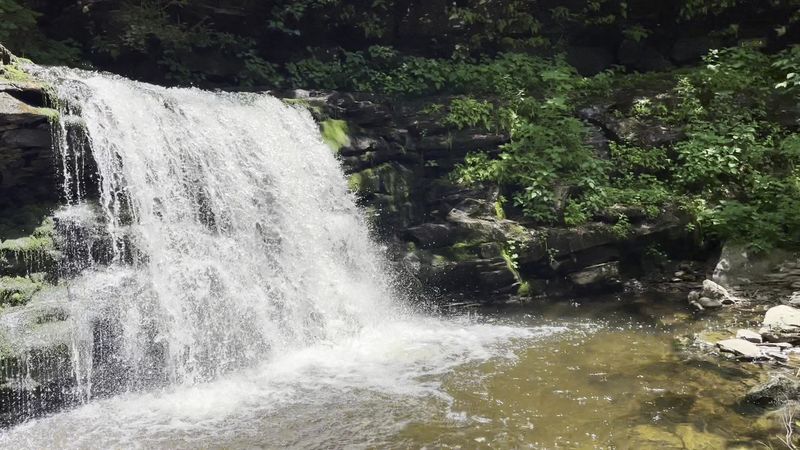
Twenty-two named waterfalls on a single trail system sounds like an exaggeration until you are standing in front of the fourth one and already reconsidering your life priorities.
Ricketts Glen State Park at 695 State Route 487 in Benton is one of Pennsylvania’s most dramatic natural spaces, and spring turns it into something genuinely wild.
Snowmelt and spring rain send Ganoga Creek and its tributaries roaring through the gorge with a force that is both beautiful and humbling.
The Falls Trail loop, roughly 7.2 miles, passes waterfalls ranging from 11 to 94 feet in height. Ganoga Falls is the tallest and one of the most photographed waterfalls in the entire state.
The surrounding old-growth forest adds to the atmosphere. Some of the hemlocks and oaks here are over 900 years old, which puts your problems in reasonable perspective.
Wildflowers carpet the forest floor between March and May, adding soft color beneath the towering canopy.
The Falls Trail is rated difficult and involves some steep and rocky terrain. Waterproof boots are strongly recommended in spring, as wet rocks and muddy sections are common.
Camping is available at the park for those who want to stretch a day trip into a proper overnight adventure. Arrive early on weekends.
8. Ohiopyle State Park
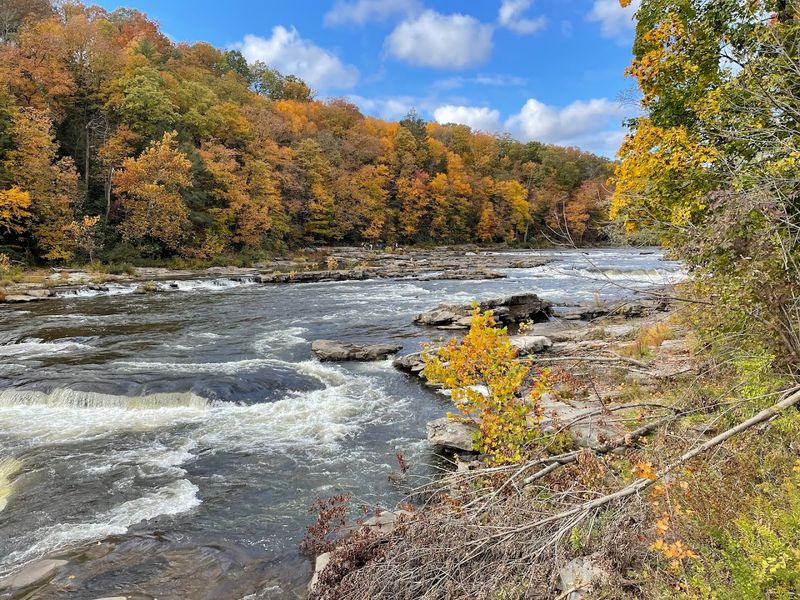
There is something deeply satisfying about standing next to a river that has absolutely no interest in slowing down for anyone.
Ohiopyle State Park, centered around 124 Main Street in Ohiopyle, is built around the Youghiogheny River Gorge, and spring is when that relationship feels most alive.
The river runs high and fast with snowmelt in April and May, making the natural waterslides and falls genuinely spectacular to watch.
Ohiopyle Falls is accessible from a short trail right in the town center and delivers a powerful visual even to visitors who never lace up a hiking boot.
For those who do hike, the Ferncliff Peninsula Natural Area is a spring must. The loop trail passes through a National Natural Landmark where wildflowers bloom thickly along the river and forest understory.
Trillium, wild phlox, and golden ragwort appear in generous numbers from late April onward.
The park covers over 20,500 acres, so there is genuinely no shortage of trails to explore. Cycling the Youghiogheny River Trail is popular and accessible to most fitness levels.
The small town of Ohiopyle has outfitters, food options, and a genuinely friendly energy that makes it easy to spend a full weekend here without running out of things to do.
9. Shenks Ferry Wildflower Preserve
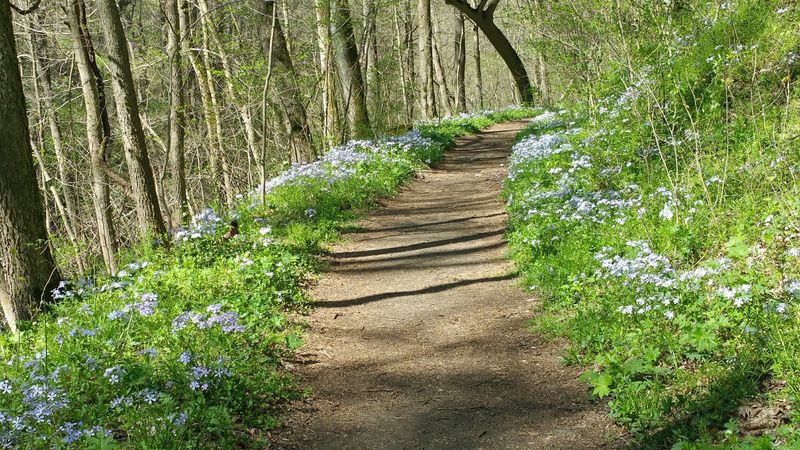
Few places in Pennsylvania feel as genuinely secret as Shenks Ferry Wildflower Preserve.
Located at 857 Green Hill Road S in Conestoga, this Lancaster County ravine hosts one of the most impressive wildflower displays in the entire mid-Atlantic, and somehow it still feels like a locals-only discovery.
The peak bloom window is narrow, typically falling somewhere between late April and early May. Virginia bluebells are the headliners, blanketing the ravine floor in a haze of blue and purple that looks almost unreal in person.
They are joined by trout lily, wild blue phlox, large-flowered trillium, and Dutchman’s breeches in numbers that make the whole hollow feel enchanted.
The main trail runs about 1.5 miles along a creek and is relatively easy, making it accessible to most visitors. Footing can be slippery in wet conditions, so solid shoes are a good idea regardless of the forecast.
The preserve is managed by PPL Corporation and is free to visit.
Because the bloom window is short and the preserve is small, weekends during peak bloom bring real crowds to a very contained space.
A weekday morning visit is genuinely the move here. No restrooms are available on site, so plan accordingly.
The experience, when timed right, is absolutely worth every bit of effort.
10. Raccoon Creek State Park Wildflower Reserve
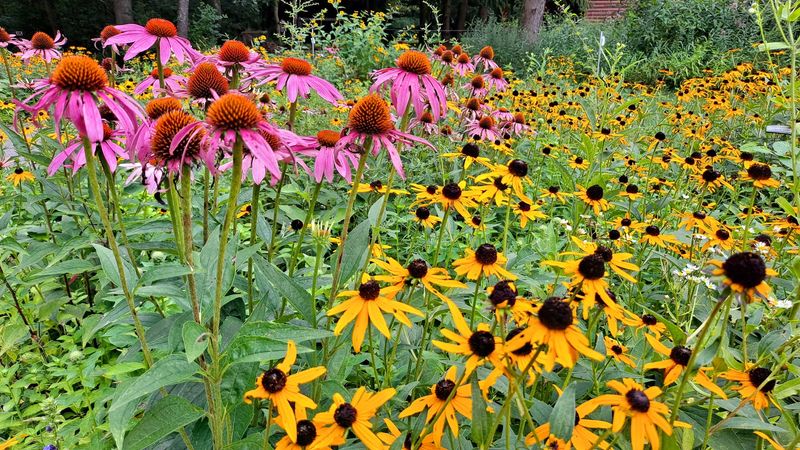
Western Pennsylvania does not always get the botanical attention it deserves, but Raccoon Creek State Park is quietly making the case for itself every spring.
The Wildflower Reserve within the park, reached from 3000 State Route 18 in Hookstown, covers 314 acres and protects one of the most diverse native plant communities in the region.
Over 500 species of wildflowers have been documented here, which is a number that takes a moment to fully process.
Spring bloomers include large-flowered trillium, wild blue phlox, golden Alexanders, and several species of violets.
The trails wind through upland forest, ravines, and floodplain areas, each supporting slightly different plant communities that keep the walk consistently interesting.
The reserve was established in the 1930s and has had decades to develop into the richly layered ecosystem it is today.
Interpretive signage along the trails helps visitors identify what they are seeing, which is genuinely helpful given the variety on display.
Early spring also brings wood frogs and spring peepers to the seasonal ponds, adding a soundtrack that most city dwellers rarely get to hear.
The park itself offers camping, fishing, and lake swimming for those who want to extend the trip. The wildflower reserve trails are free and open daily.
Spring weekends are busy but the park is large enough to absorb the crowds without feeling overcrowded.