These 10 Michigan Dinosaur Destinations Feel Straight Out Of Jurassic Park
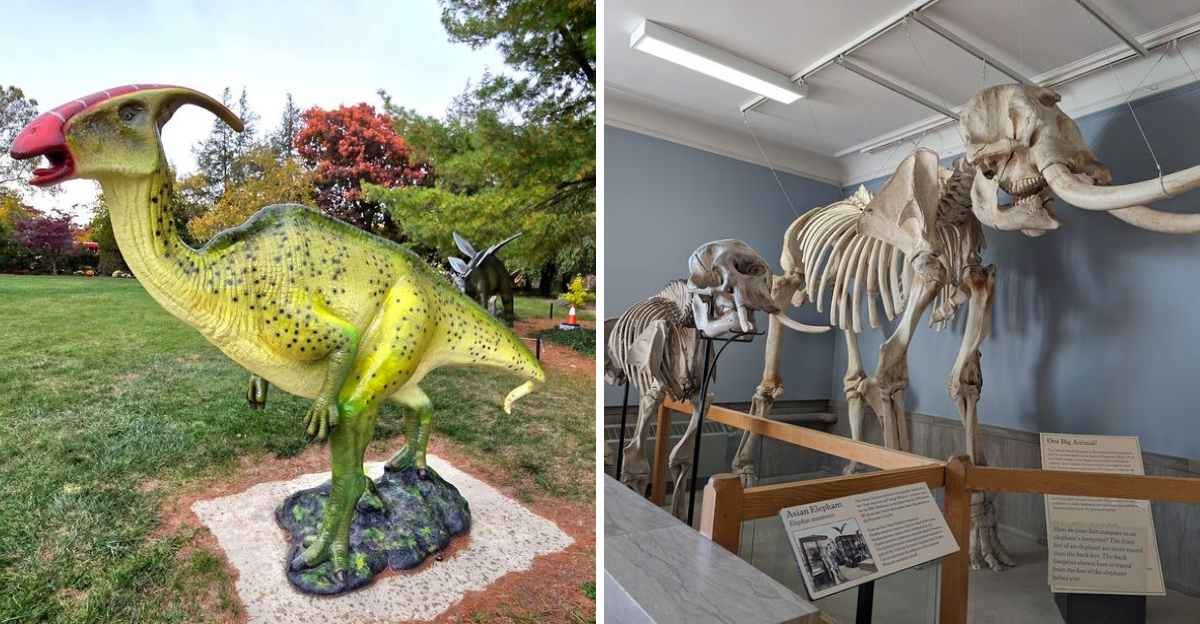
Something about standing next to a life-sized dinosaur makes your brain short-circuit in the best possible way.
I say that as a fully grown adult who absolutely lost composure in a museum parking lot recently.
Michigan, of all places, is quietly sitting on some of the most impressive prehistoric experiences in the Midwest, and almost nobody talks about it.
That feels like a crime worth correcting.
This state has massive fossil collections, outdoor sculpture parks where concrete dinosaurs freeze mid-roar between the trees.
It also has natural history museums with exhibits so good they make you genuinely reconsider everything you thought you knew about the Cretaceous period.
The kind of wonder these places deliver is not age-specific, either.
It hits a seven-year-old and a forty-year-old with equal force, which is a rare and beautiful thing. These ten Michigan spots are absolutely worth the drive, the detour, and the parking situation.
1. Dinosaur Gardens, Ossineke
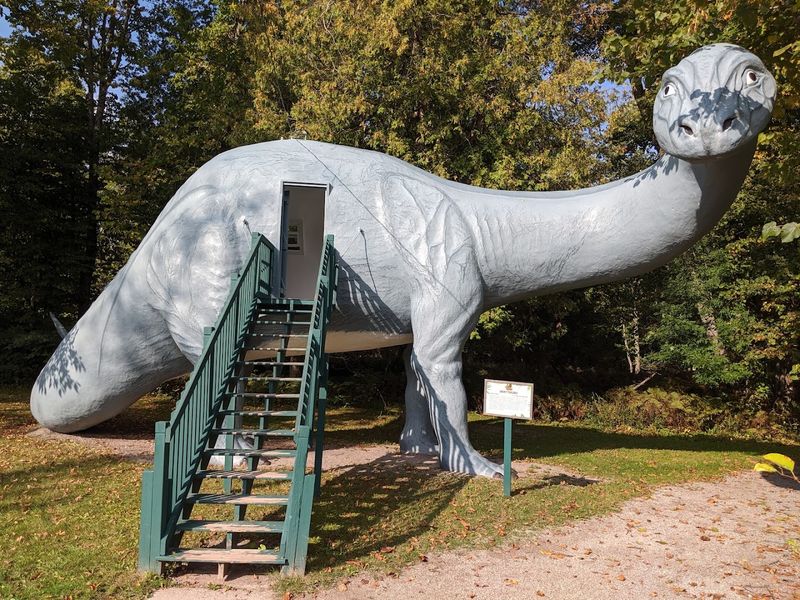
Forget everything you know about roadside attractions, because Dinosaur Gardens on US-23 South in Ossineke is in a category all its own.
Built in the 1930s by Paul Domke, this outdoor park features enormous hand-sculpted concrete dinosaurs standing among towering pine trees. It is one of the oldest dinosaur parks in the entire country.
Walking the shaded trails feels genuinely surreal. A brontosaurus peers over the treetops.
A T. rex lunges from the brush. The scale of these sculptures is staggering, and the forest setting makes everything feel wildly authentic.
The park has a charmingly retro vibe that no modern attraction can replicate. Families with kids go absolutely wild here, and honestly, so do adults.
There is something deeply satisfying about a place that has been thrilling visitors for nearly a century without needing a single screen or app.
If you are driving up the northern Michigan coast, stopping here is non-negotiable. Plan to spend at least an hour wandering the grounds.
Admission is very affordable, and the memories are completely free. This is the kind of place that ends up being the highlight of the whole trip.
2. University Of Michigan Museum Of Natural History, Ann Arbor
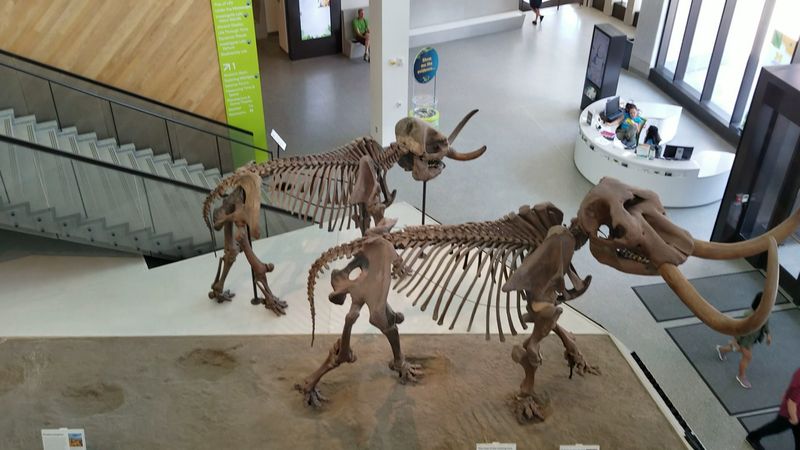
The University of Michigan Museum of Natural History is the kind of place that makes your jaw drop before you even reach the second exhibit.
The centerpiece is a massive T. rex skeleton that commands the entire room like it owns the place. And honestly, it kind of does.
The museum reopened in 2019 after a stunning renovation, and every inch of it feels thoughtfully designed.
Fossils are presented with real scientific context, so you leave actually knowing things rather than just feeling impressed. The evolution of life on Earth is laid out in a way that genuinely makes sense.
One of the best features is the connection to active U of M research. Scientists here are not just displaying old bones.
They are actively studying them, and that energy comes through in every exhibit.
The museum at 1105 N University Avenue in Ann Arbor is free and open to the public, which is almost unbelievably generous given the quality of what is inside.
Bring curious kids, bring skeptical adults, bring anyone who ever thought Michigan was boring. This place rewrites that narrative completely and leaves every visitor with a serious new appreciation for deep time.
3. Cranbrook Institute Of Science, Bloomfield Hills
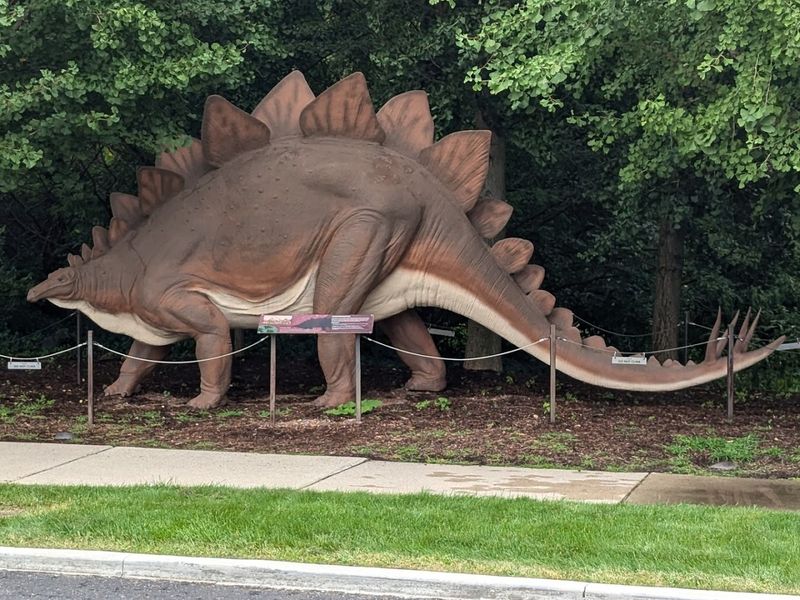
Cranbrook Institute of Science sits on one of the most beautiful campuses in Michigan, and the science inside matches the elegance of the grounds outside.
Located at 39221 Woodward Avenue in Bloomfield Hills, this museum has been inspiring curiosity since 1930.
The natural history collections here are genuinely impressive and span far beyond just dinosaurs.
The mineralogy hall alone is worth the trip, but the fossil exhibits are what pull you into prehistoric territory fast.
Cranbrook does a brilliant job connecting geology, paleontology, and biology in a way that feels cohesive rather than scattered. You start understanding how it all fits together.
The building itself has a grand, almost old-world feel that adds a layer of gravitas to the whole experience. Kids respond to the hands-on elements, while adults tend to linger over the detailed specimen cases.
The surrounding Cranbrook campus is stunning, so arriving early and walking the grounds before heading inside is a solid game plan.
The institute regularly hosts special programming and rotating exhibits, so checking the calendar before your visit is always a good idea.
It is one of those places that rewards repeat visits because there is genuinely always something new to discover around every corner.
4. Michigan Science Center, Detroit
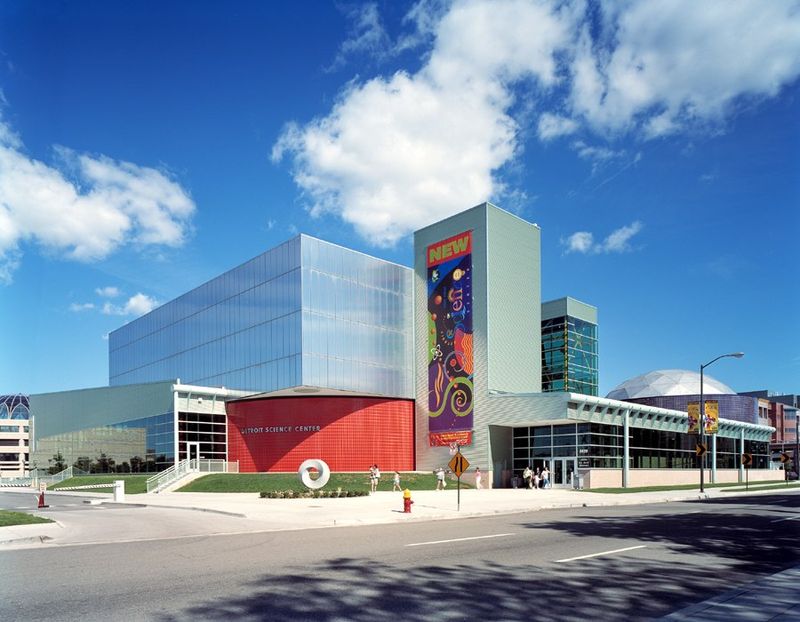
Detroit has a lot going for it, and the Michigan Science Cente is high on the list of reasons to spend a full day in the city.
This place is loud, energetic, and packed with interactive exhibits that make science feel like a sport rather than a subject. The dinosaur content here is woven into broader Earth science programming, which gives it real depth.
What sets this museum apart is how well it balances education with pure fun. Kids are running between exhibits, pushing buttons, and asking questions faster than any teacher could answer.
The enthusiasm is contagious, and even reluctant visitors tend to warm up within about ten minutes of walking through the door.
The planetarium shows are a bonus that many visitors overlook, but pairing a dino exhibit with a cosmic perspective on deep time is genuinely mind-expanding.
The Science Centerr at 5020 John R Street also offers programming specifically designed for school groups and families, so weekday visits tend to be a bit calmer if you prefer a slower pace.
Parking nearby is manageable, and the surrounding Midtown neighborhood has excellent food options for before or after your visit. All of it adds up to a full, satisfying day out in one of Michigan’s most dynamic cities.
5. Grand Rapids Public Museum, Grand Rapids
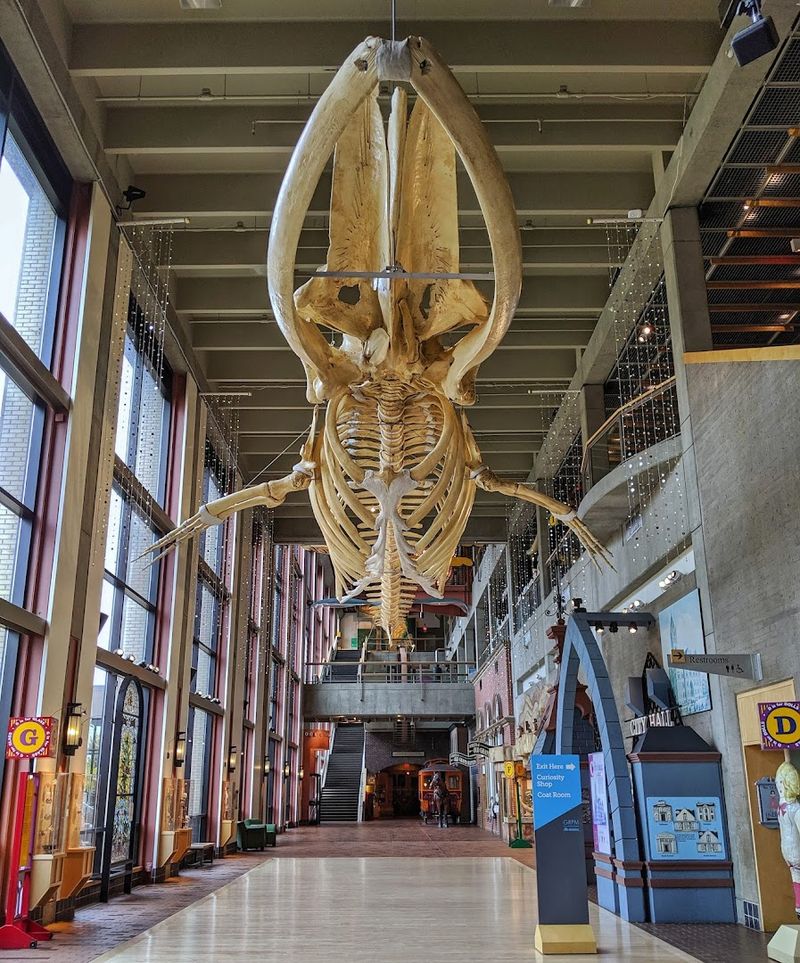
Grand Rapids is known for furniture, craft food, and ArtPrize, but the Grand Rapids Public Museum deserves far more recognition than it typically gets.
The natural history collection here is rich, well-organized, and surprisingly extensive for a city museum. The prehistoric Michigan section is where things get especially fascinating.
Seeing how Michigan looked during the Pleistocene era, when mastodons and giant sloths roamed what is now the Midwest, reframes everything you thought you knew about this landscape.
The museum presents this with clarity and genuine excitement rather than dry academic detachment. You walk out feeling like you just saw Michigan for the first time.
The building itself sits right along the Grand River, which adds a scenic bonus to the visit.
The museum covers multiple floors with exhibits ranging from natural history to cultural heritage, making it easy to spend several hours without running out of things to see.
Admission is reasonable, and the museum regularly hosts special events and rotating exhibits that bring fresh content throughout the year.
If you are already planning a trip to Grand Rapids for any reason, carving out a few hours for this museum at 272 Pearl Street NW is an easy decision that consistently pays off with something genuinely unexpected and memorable.
6. MSU Museum, East Lansing
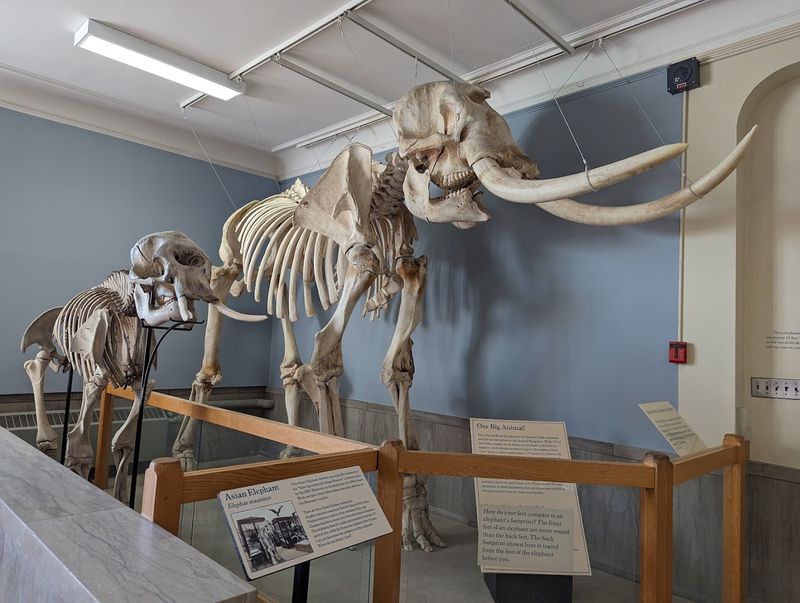
Right in the heart of Michigan State University’s campus at 409 W Circle Drive in East Lansing, the MSU Museum is one of those places that academics rave about and everyone else somehow misses.
That is a genuine shame, because the natural history collection here is exceptional. The museum has been operating since 1857, which makes it one of the oldest in the state.
The geology and paleontology exhibits are anchored by impressive fossil specimens that span hundreds of millions of years. The presentation is thoughtful and avoids the trap of overwhelming visitors with jargon.
You feel informed rather than lectured, which is a balance not every museum manages to strike.
Beyond the prehistoric displays, the MSU Museum covers cultural history and folk art in ways that connect the deep past to the present in surprisingly moving ways.
Admission is free, which makes it an obvious stop for anyone visiting campus or passing through the Lansing area.
The museum is also an active research institution, meaning the collections are regularly refreshed with new findings and updated interpretations.
Game day weekends bring crowds, so a quieter midweek visit gives you more space to actually absorb what you are looking at without feeling rushed or squeezed between tour groups.
7. Besser Museum For Northeast Michigan, Alpena
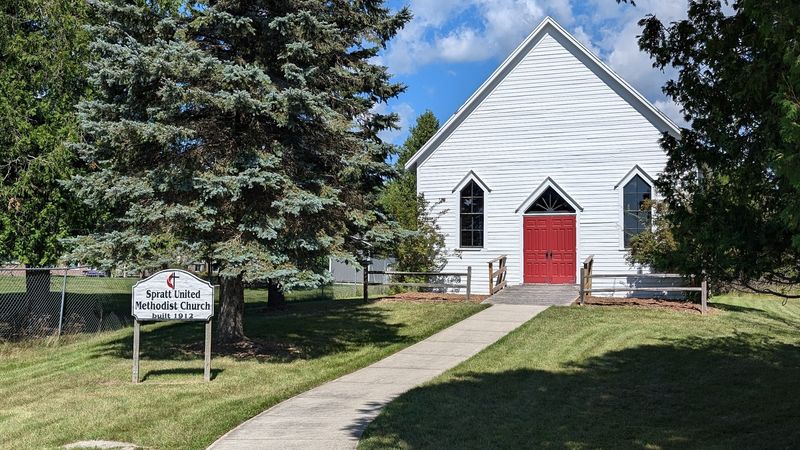
Alpena is a small city on Lake Huron that punches well above its weight in terms of things to see and do, and the Besser Museum for Northeast Michigan is a perfect example of why.
This regional museum covers natural history, local fossils, and the unique geological story of northeast Michigan with a level of detail that surprises most first-time visitors.
The area around Alpena sits atop ancient reef formations from the Devonian period, roughly 350 million years ago.
The museum explains this backstory clearly and connects it to the fossils you can actually find in the region. That local specificity makes the exhibits feel personal rather than generic.
The planetarium inside the Besser Museum at 491 Johnson Street is a bonus feature that many visitors do not expect from a regional institution of this size.
Shows are scheduled regularly and offer a lovely complement to the geology and paleontology content on the main floor.
The museum also covers the cultural history of northeast Michigan, so the experience feels well-rounded rather than narrowly focused.
Admission is affordable, and the staff tends to be genuinely enthusiastic about sharing what makes this corner of Michigan so geologically remarkable.
A full visit takes about two hours and leaves you wanting to explore the surrounding landscape immediately afterward.
8. WMU Dinosaur Park And Schmaltz Geology Museum, Kalamazoo
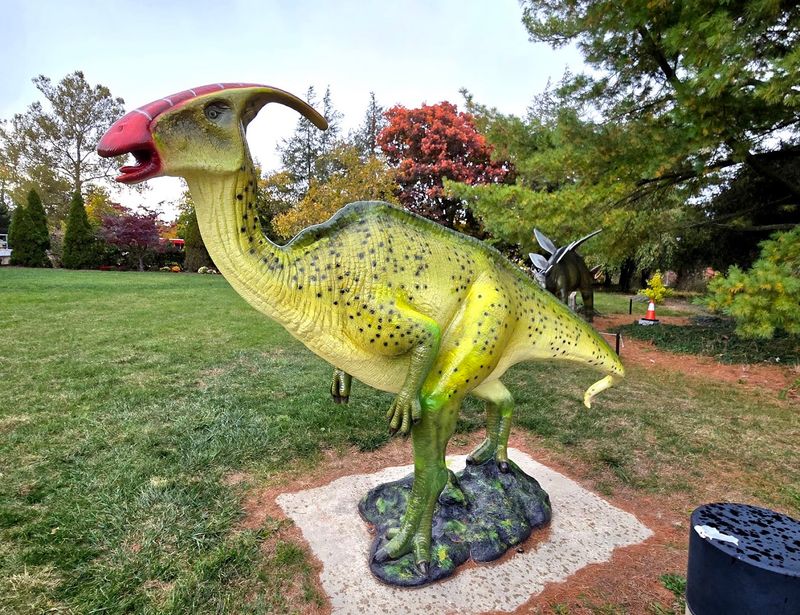
Western Michigan University has quietly assembled one of the most underrated dinosaur experiences in the entire state, and it is sitting right on campus at 1187 Rood Hall in Kalamazoo.
The combination of an outdoor Dinosaur Park with life-sized sculptures and the Schmaltz Geology Museum inside Rood Hall creates a one-two punch that is hard to beat for sheer prehistoric impact.
The outdoor sculptures are dramatic and scientifically informed, which matters more than people realize.
Seeing a well-researched triceratops rendered at full scale in an outdoor campus setting is a completely different experience than looking at a drawing in a textbook.
Your brain processes the scale differently, and it is genuinely thrilling.
Inside the Schmaltz Geology Museum, the fossil and mineral collections are impressive for a university setting.
The specimens are well-labeled and the layout encourages you to follow the story of Earth’s history chronologically. Students use this space for coursework, but it is absolutely open to the public and free to visit.
The campus itself is pleasant to walk around, so combining the Dinosaur Park with the museum and a campus stroll makes for a surprisingly full afternoon.
Kalamazoo also has excellent places to eat nearby, making the whole outing feel like a proper day trip worth planning around.
9. Stage Nature Center, Troy
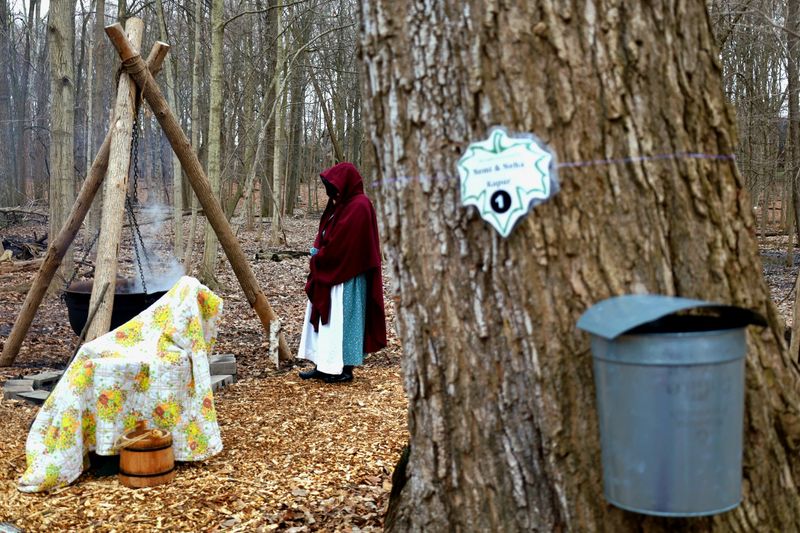
Not every prehistoric experience involves fossil cases and museum lighting.
Stage Nature Center at 6685 Coolidge Highway in Troy offers something different: a chance to connect with the deep geological history of southeast Michigan through the actual landscape itself.
The trails wind through habitats shaped by glacial activity from the last ice age, and the interpretive signage does a genuinely good job of making that visible.
It is a more contemplative kind of prehistoric encounter, and honestly, that is part of the appeal. You are not staring at a display.
You are standing on ground that was shaped by forces millions of years in the making. That shift in perspective is quietly powerful.
The nature center also offers programming for schools and families that covers local natural history, geology, and ecology in age-appropriate ways.
The indoor exhibits are modest but informative, serving as a solid introduction before you head out on the trails.
The setting is peaceful and well-maintained, which makes it a great option for families with younger children who might find larger museums overwhelming.
Troy is not the first place most people think of when planning a nature outing.
Stage Nature Center consistently delivers a grounded, thoughtful experience that feels genuinely refreshing compared to the usual screen-heavy attractions in the surrounding metro area.
10. Rockport State Recreation Area, Alpena
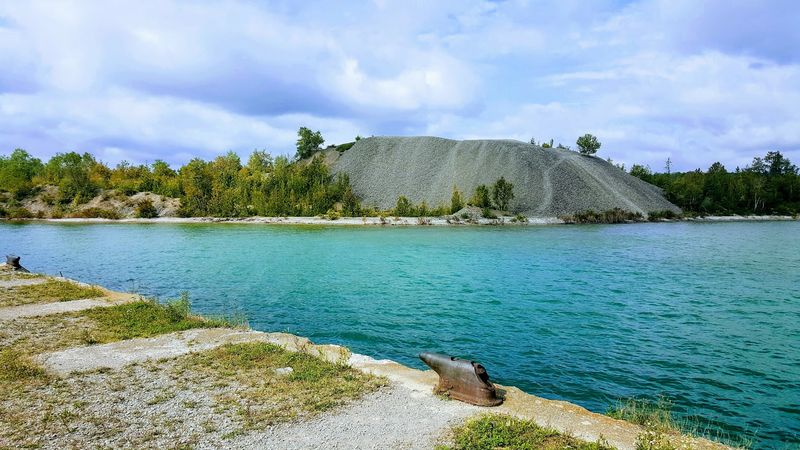
Rockport State Recreation Area near Alpena is the closest thing Michigan has to a real-life fossil field trip, and it is spectacularly good.
The park sits on top of an ancient Devonian reef system that is roughly 375 million years old, and you can see fossilized coral, brachiopods, and other marine creatures embedded directly in the exposed limestone.
No museum required.
Crouching down to examine a piece of rock and realizing you are looking at an actual coral animal that lived before dinosaurs even existed is a genuinely humbling experience.
The fossils here are not rare or hidden. They are everywhere, and that abundance makes the whole place feel almost unreal.
The park also offers beautiful Lake Huron shoreline access, hiking trails, and some of the clearest water in the state.
Fossil collecting is not permitted, but photography is very much encouraged, and you will use every gigabyte of storage you have.
The combination of natural beauty and paleontological richness makes Rockport at 4701 N US-23a standout destination that deserves a long visit rather than a quick stop.
Alpena itself is worth spending a night or two in, especially if you plan to pair Rockport with the Besser Museum and the Thunder Bay National Marine Sanctuary nearby. The whole region rewards curiosity.