These 10 Virginia Destinations Look Like They Belong In A European Fairytale
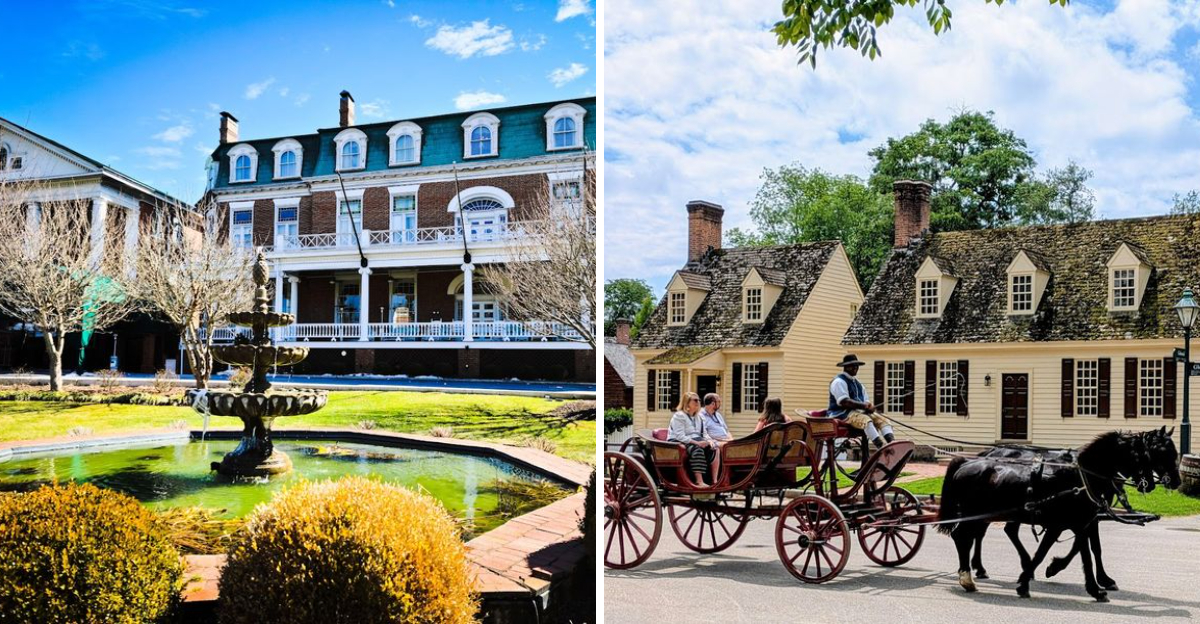
Most people think they know what Virginia looks like. Green hills, farmland, the occasional Civil War marker, maybe a vineyard or two.
That version of Virginia is real, but it is only half the story.
The other half involves stumbling onto cobblestone streets, centuries-old stone buildings, and European-style architecture.
It is so convincing that your brain quietly starts questioning what country you are actually standing in.
I have driven through a lot of this state, and this state still finds ways to catch me completely off guard.
It is the kind of place where you round a corner expecting nothing in particular and suddenly find yourself in front of something that looks like it was plucked straight from the English countryside or a quiet French village.
The destinations on this list did exactly that to me, and I have a feeling they will do the same thing to you.
Old Town Alexandria
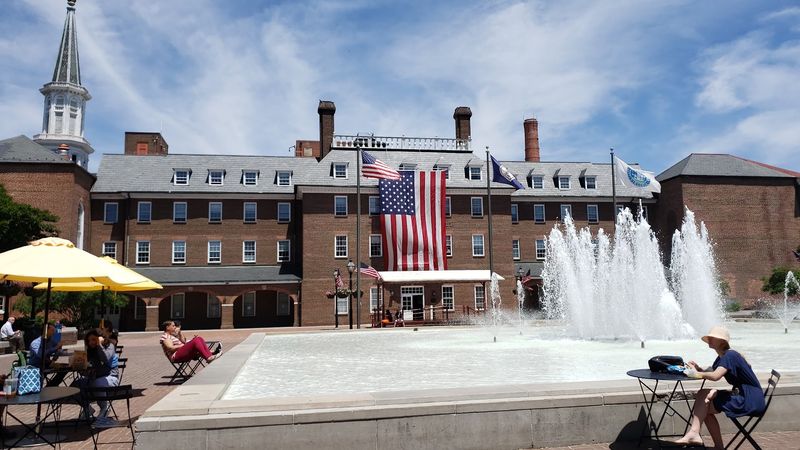
Brick sidewalks, gas lanterns, and buildings that have been standing since before the American Revolution.
Old Town Alexandria moves at its own pace, and honestly, that pace feels borrowed from somewhere in England. The waterfront alone looks like a painting.
Walking King Street on a quiet morning, I kept expecting to hear British accents. The architecture is so well-preserved that it genuinely feels like a living museum, except with great coffee shops and bookstores.
Every block has something worth slowing down for.
The Torpedo Factory Art Center sits right on the river and draws artists and visitors year-round. History here is not behind glass.
It is built into the walls, the streets, and the storefronts.
Old Town Alexandria rewards the curious traveler who is willing to wander without a map and simply let the neighborhood reveal itself one corner at a time.
Staunton
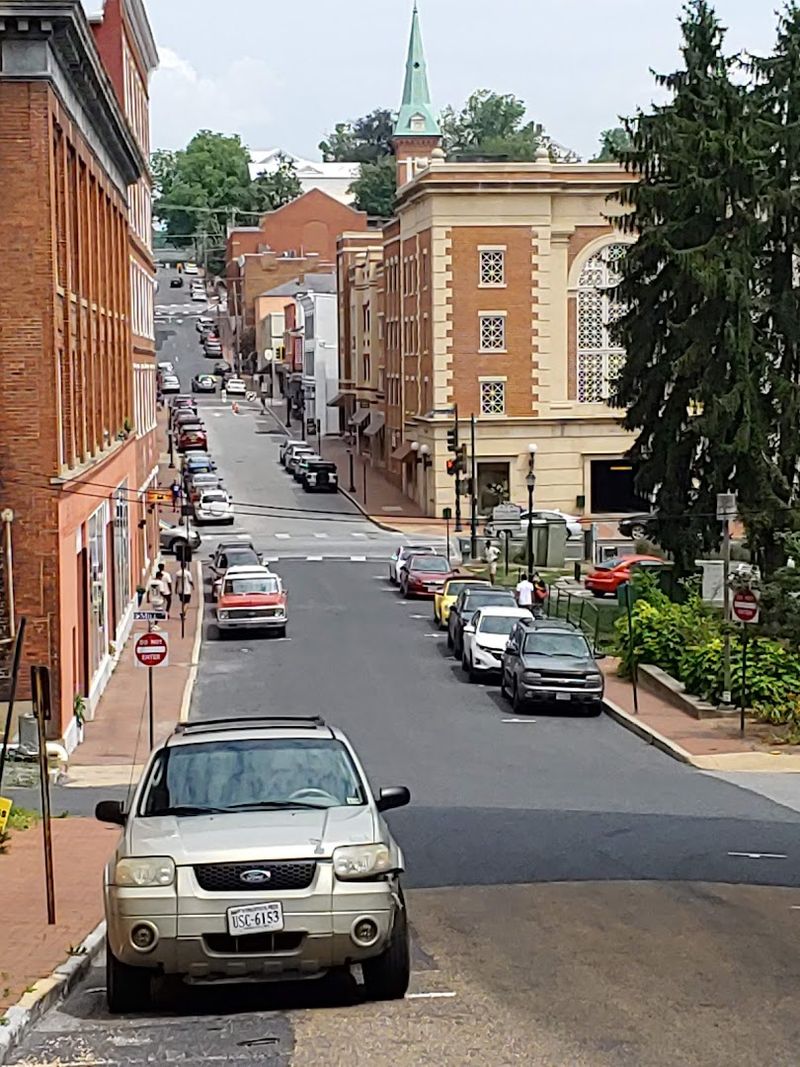
Staunton is the kind of place that makes you stop mid-sentence just to stare at a building.
The downtown architecture is a stunning mix of Victorian and Italianate styles, and it has been so well-preserved that filmmakers have used it as a backdrop. That says everything you need to know.
I first visited on a whim during a road trip, and I ended up spending two extra hours just walking around.
The Blackfriars Playhouse, a recreation of Shakespeare’s original indoor theater, sits right in the middle of town like it belongs there. Because it does.
The Wharf District along the old railroad corridor adds another layer of character. Local shops and restaurants fill beautifully restored buildings that feel both historic and alive.
Staunton never tries too hard to impress you, which is exactly why it does. It is a small city with enormous personality, and every street seems to have a story etched into its stonework.
Middleburg
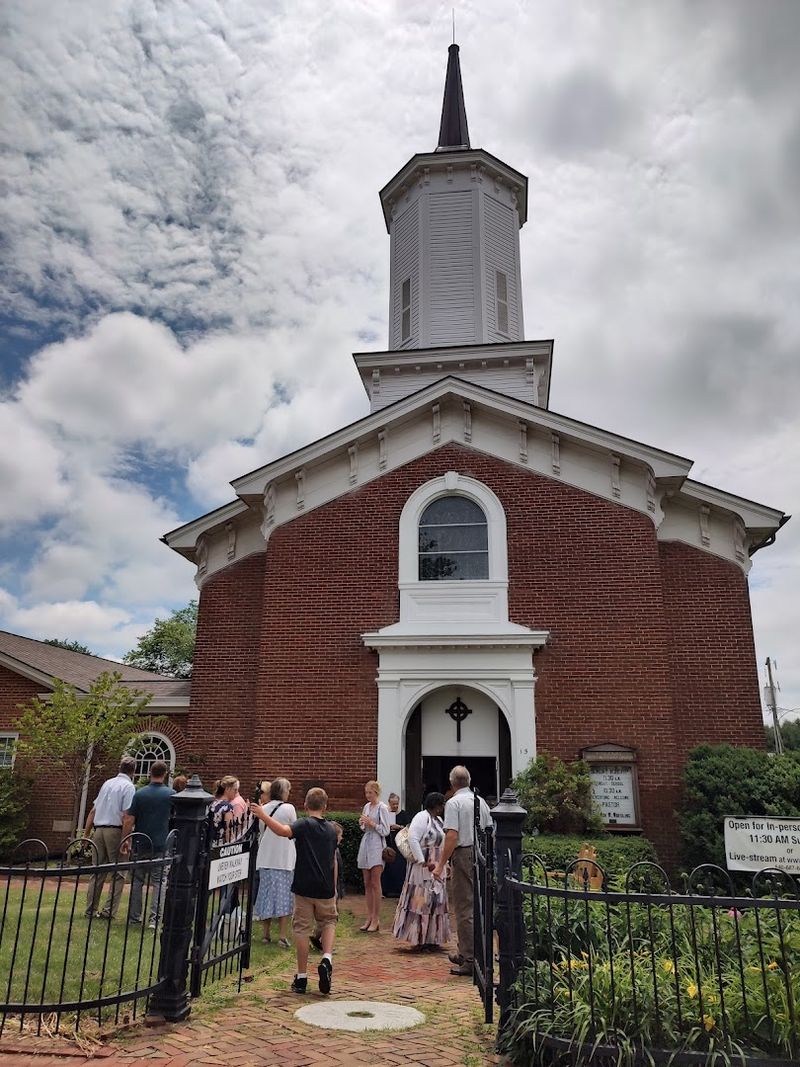
This town has the energy of a Cotswolds village that somehow landed in the Virginia hunt country and decided to stay.
The main street is lined with stone buildings, boutique shops, and old inns that look like they belong in a Jane Austen novel. It is effortlessly charming.
The Red Fox Inn, one of the oldest continuously operating inns in the country, anchors the town with serious historical weight.
Horse farms stretch out in every direction, and the landscape is all rolling green fields divided by wooden fences. On a misty morning, it is genuinely otherworldly.
Middleburg is a favorite weekend escape for people who want to feel transported without leaving the country.
The town hosts equestrian events, local farm markets, and seasonal festivals that bring the whole community together.
It is small enough to feel intimate but polished enough to feel special. Come for the scenery, stay for the quiet, and leave already planning your next visit because one trip is never quite enough.
Colonial Williamsburg
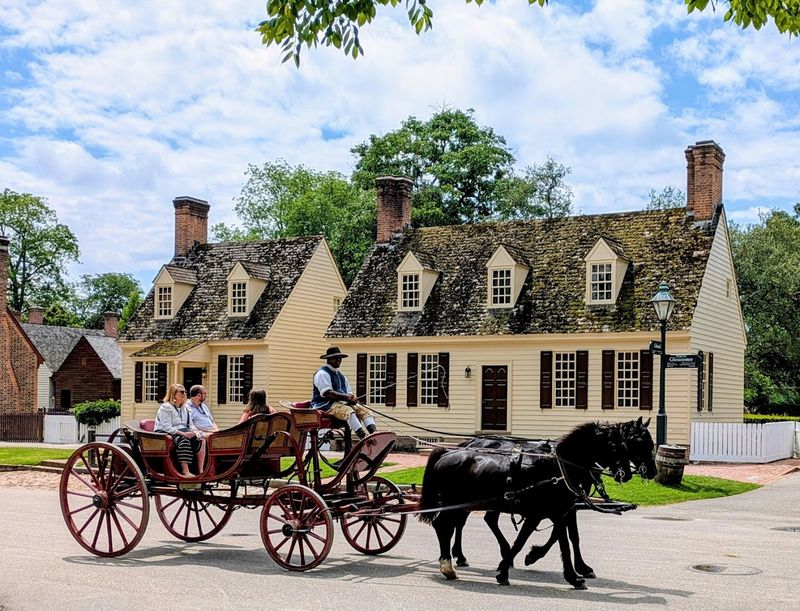
Colonial Williamsburg is one of those places that sounds like a school field trip but turns out to be genuinely magical.
The entire historic district has been carefully restored to reflect the 1700s, and walking through it feels like stepping through a portal. No exaggeration.
Costumed interpreters go about their daily routines as if the century never changed. Blacksmiths hammer at their forges, bakers pull bread from wood-fired ovens, and the streets are free of modern distractions.
For a few hours, the outside world simply disappears.
The architecture draws clear comparisons to English market towns of the same era, which makes sense since the colony was deeply tied to British culture.
The Governor’s Palace is a showstopper, with formal gardens that rival anything you would find in Europe. Colonial Williamsburg works because it commits fully to the experience.
It is not a theme park. It is a living, breathing piece of American history that happens to look like a European dream.
Charlottesville
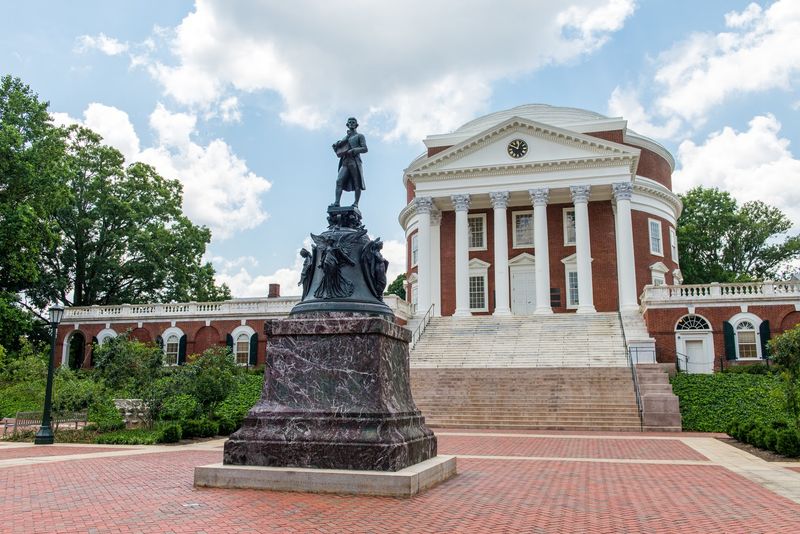
Charlottesville carries itself with the quiet confidence of a European university city.
The Downtown Mall is a long, tree-lined pedestrian street with historic brick buildings, independent shops, and the kind of outdoor cafe culture that makes you want to sit down and stay for the afternoon.
It feels like Bologna without the jet lag.
Thomas Jefferson’s Monticello sits just outside the city on a hilltop, and the neoclassical architecture is clearly inspired by the grand estates of Europe.
The University of Virginia, also designed by Jefferson, looks like a Roman campus dropped into the Virginia foothills. Both are worth an entire day on their own.
The surrounding area offers incredible mountain views, local farms, and scenic roads that make even the drive into town feel special.
Charlottesville is a city that manages to be both intellectually stimulating and deeply beautiful. It attracts artists, students, and travelers who appreciate history layered with real, present-day culture.
Every visit reveals something new.
Warm Springs
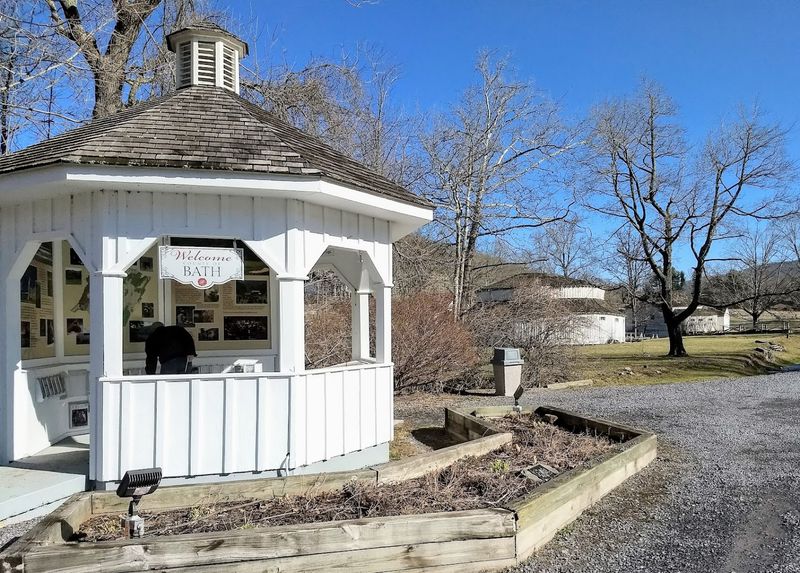
It is so quiet and so beautiful that it almost feels like a secret.
Tucked into a valley in the Allegheny Mountains, this tiny village looks like it was plucked from rural Austria and placed gently into Virginia’s countryside.
The natural thermal pools here have been drawing visitors since the 1700s.
The Jefferson Pools, which date back to 1761, are among the oldest spa facilities in the country.
The round wooden bathhouses have barely changed since they were built, and soaking in the natural warm water with mountain air above you is an experience that feels genuinely ancient.
Thomas Jefferson himself visited and described the waters enthusiastically.
The surrounding landscape adds to the fairytale quality. Green meadows roll toward forested mountain ridges, and the pace of life here is unhurried in the best possible way.
Warm Springs is not trying to be a tourist destination. It simply exists as one of Virginia’s most atmospheric and underappreciated corners.
If you want to feel completely removed from the modern world, this is your place.
Abingdon
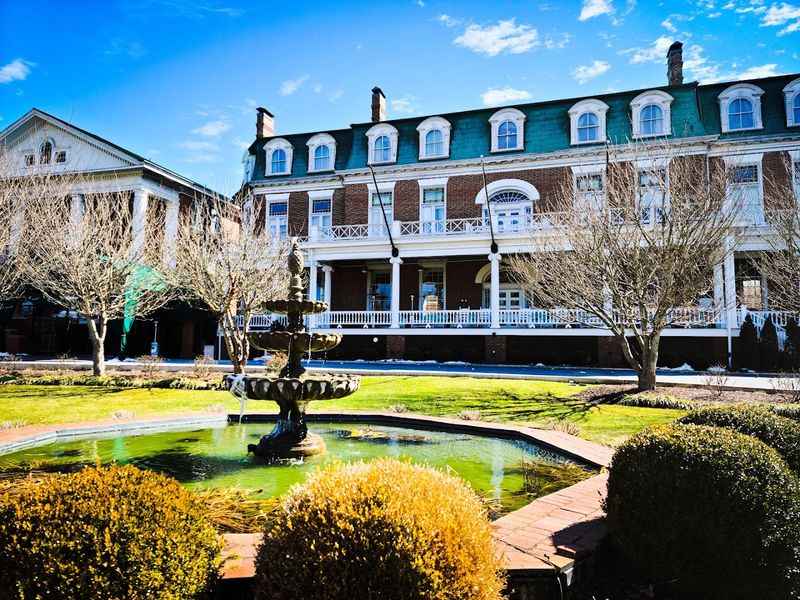
This town feels like the kind of small town that novelists write about.
The historic district is full of antebellum architecture, brick sidewalks, and storefronts that have barely changed in over a century.
It sits at the edge of the Appalachian Mountains, and the scenery surrounding it adds a dramatic, storybook quality.
The Barter Theatre, founded in 1933 and one of the oldest professional theaters in America, gives Abingdon a cultural weight that surprises first-time visitors.
The Martha Washington Inn, a grand Federal-style building that has served as a college, a hospital, and a luxury hotel, dominates the center of town with quiet elegance.
The Virginia Creeper Trail starts nearby and winds through some of the most scenic mountain terrain in the state. Abingdon rewards slow exploration.
The more time you give it, the more it gives back. It is the kind of place where you book one night and end up staying three.
The combination of history, natural beauty, and genuine community warmth makes it one of Virginia’s most complete and satisfying destinations.
Luray
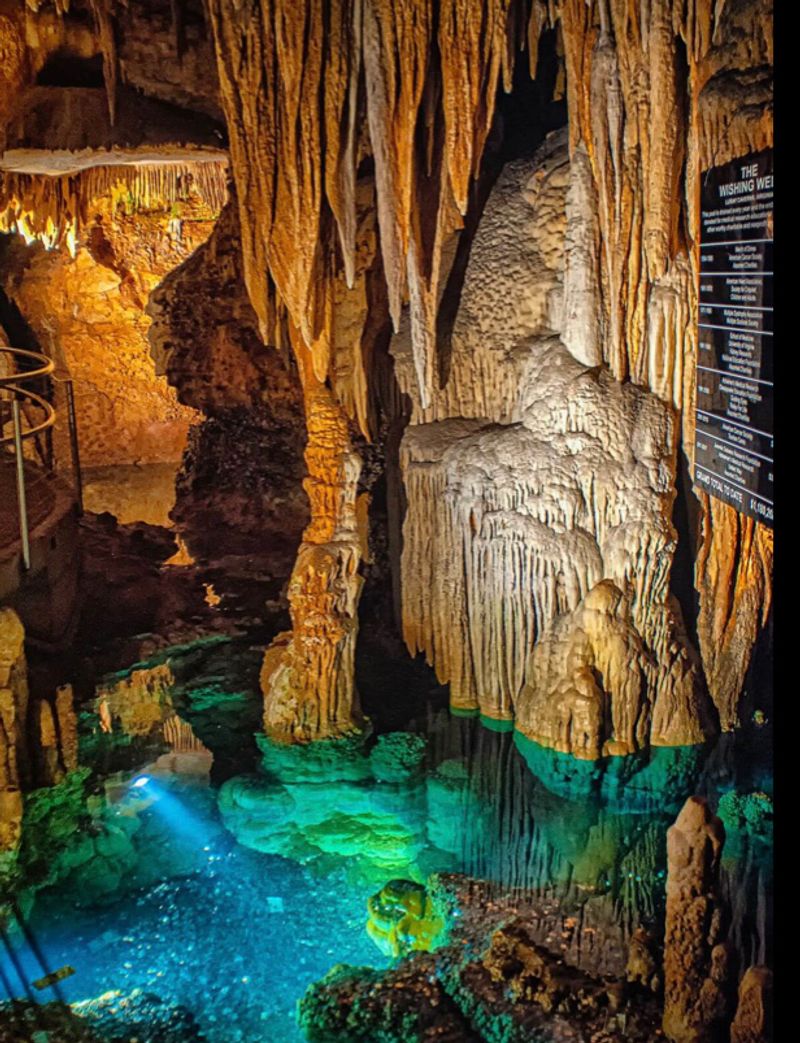
Nothing prepares you for Luray Caverns. You walk into the hillside and suddenly find yourself standing in an underground cathedral of stalactites and stalagmites that took millions of years to form.
It looks like the setting of a fantasy novel, except it is completely real and it is in Virginia.
The caverns have been open to visitors since 1878, and the formations inside have names like Dream Lake and Titania’s Veil, which tells you everything about the mood they inspire.
The Great Stalacpipe Organ, a working instrument that plays by tapping stalactites, is one of the most unusual things you will ever hear in your life.
The town of Luray itself sits in the Shenandoah Valley with mountain views that feel almost theatrical. Skyline Drive is just minutes away, offering some of the best ridge-top scenery on the East Coast.
Luray is the kind of destination that works for every kind of traveler. Whether you are chasing geology, scenery, or just something completely unexpected, this corner of Virginia delivers in a way that is hard to forget.
Winchester
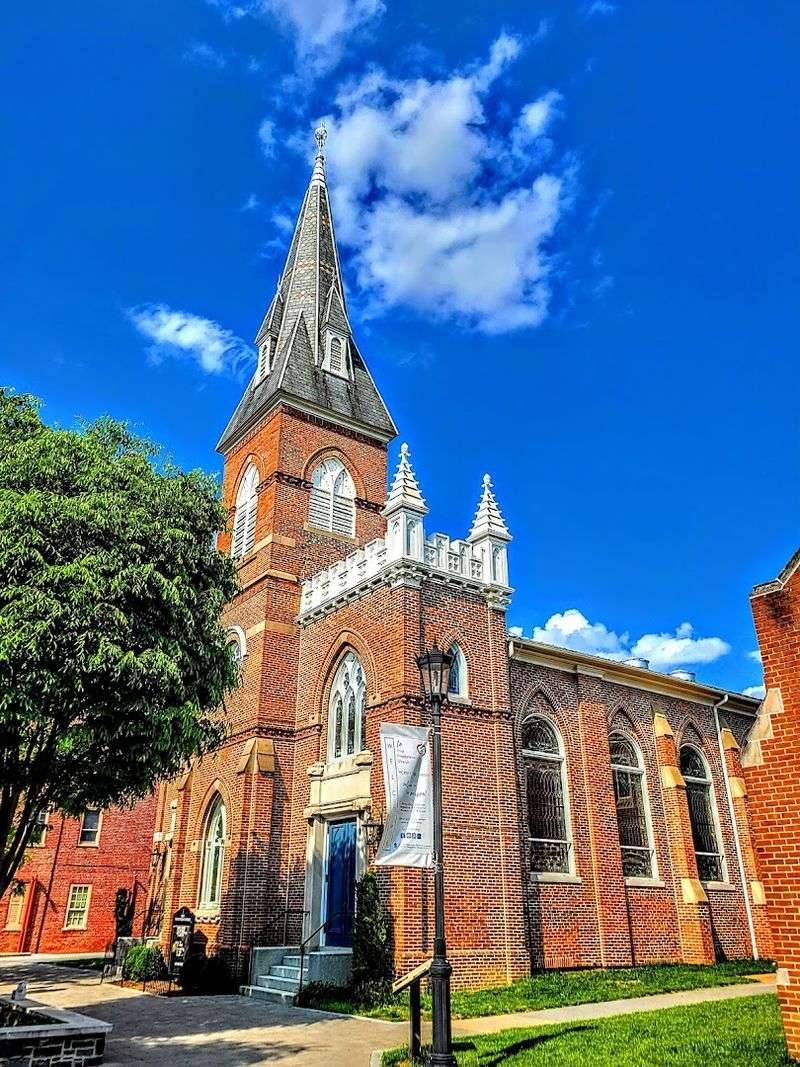
Winchester is one of those cities that earns your respect the moment you start paying attention.
The Old Town pedestrian mall stretches through the heart of the city with limestone and brick buildings that date back to the 18th century.
On a spring afternoon with the apple blossoms blooming, it genuinely looks like a scene from rural France.
The Shenandoah Apple Blossom Festival, held every spring, turns the whole city into a celebration of color and fragrance.
Winchester sits at the northern end of the Shenandoah Valley, surrounded by apple orchards that have been producing fruit for generations.
The agricultural landscape around the city adds a pastoral European quality that is hard to manufacture.
History is everywhere here. George Washington used Winchester as a base of operations early in his military career, and the city changed hands more than 70 times during the Civil War.
That kind of layered history gives Winchester a depth that you feel even before you read a single historical marker. It is a city that rewards curiosity and punishes rushing.
Bristow
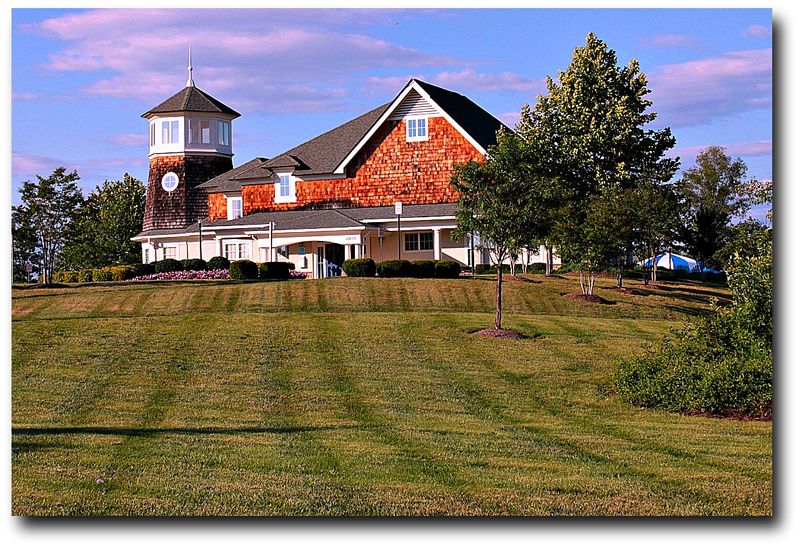
Bristow might not be the first name that comes to mind when you think of fairytale Virginia, but that is exactly what makes it worth knowing about.
The landscape here is all open green fields, gentle ridgelines, and historic farmland that looks like it belongs in the English countryside. It is quietly beautiful in a way that sneaks up on you.
The Bristow Manor Golf Club sits on grounds that were once part of a historic 19th-century estate, and the property retains that grand, old-world atmosphere.
The rolling terrain and manicured surroundings make it feel far more European than suburban Virginia, which is a genuinely pleasant surprise.
The area around Bristow also connects to the broader Prince William County region, where Civil War battlefields and scenic trails offer real historical depth.
For those who want to experience a more pastoral, unhurried side of Northern Virginia without driving hours away, Bristow offers a refreshing change of pace.
It is proof that fairytale scenery in Virginia does not always require a famous name or a crowded parking lot to deliver the goods.